
Best Nursing Assistant Training Programs & Trade Schools - Top Nursing Assistant Schools in South for 2026

Co-Founder and Chief Data Scientist
Choosing the right nursing assistant trade school can shape your future career in healthcare. This article introduces the best nursing assistant aide and patient care assistant trade school programs in the South for 2026, ranked by the Research.com team of data scientists. Their careful analysis helps you find programs that truly stand out.
By exploring these options, you’ll gain insight into quality education paths that lead to rewarding, in-demand healthcare roles. Earning a diploma or certification opens doors to meaningful work and personal growth, making your journey both practical and inspiring.
Key benefits of finishing nursing assistant aide and patient care assistant trade school in South
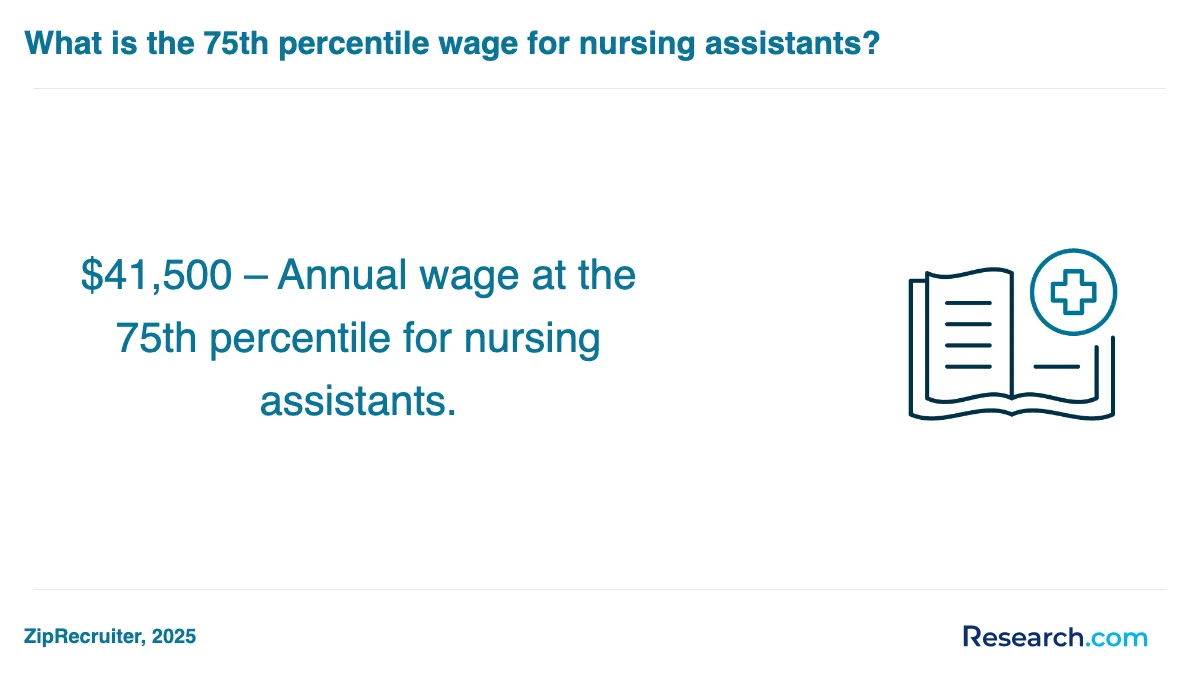
- Graduates can expect an annual salary between $31,000 and $42,000 in the South, reflecting competitive pay that rewards their essential skills and dedication.
- Many graduates from popular trade schools in the South find opportunities in hospitals, nursing homes, and specialized care facilities, allowing for diverse and rewarding career paths.
- Completing a nursing assistant aide program online offers flexibility and faster completion times, helping graduates start their careers sooner while balancing personal commitments.
What can I expect from nursing assistant aide and patient care assistant trade schools in South?
In a nursing assistant aide or patient care assistant trade school program in the South, expect a well-rounded mix of classroom learning, hands-on labs, and real-world clinical experiences. Graduates often share how day and evening classes fit their busy lives, with some attending part-time over 16 weeks while others complete intensive full-time courses in as little as 4 weeks.
You'll master essential skills like taking vital signs, assisting with bathing, feeding, and safely moving patients through simulated labs that feel like real hospital settings. Then, you'll step into clinical rotations at local hospitals or nursing homes, gaining confidence as you care for patients under nurse supervision. Many students recall the excitement and growth they felt when applying these skills for the first time in actual care facilities.
The program's structure ensures you meet federal rules, including at least 16 hours of classroom instruction before patient contact. With focus on patient rights and communication, you'll leave ready to sit for the state certification exam, joining the high-demand workforce in Southern healthcare.
Where can I work after finishing nursing assistant aide and patient care assistant trade schools in South?
After completing a nursing assistant aide or patient care assistant trade school program in the South, graduates often find themselves stepping into rewarding roles across a variety of healthcare settings. Many start their careers in hospitals, long-term care facilities, nursing homes, or rehabilitation centers, where they assist patients with daily tasks like bathing, dressing, and monitoring vital signs under the guidance of licensed nurses. This hands-on experience builds confidence and practical skills that graduates from popular Southern trade schools cherish.
Others choose to work with home healthcare agencies, providing one-on-one care in patients' homes. This option offers flexibility and a more personal connection, which many graduates find deeply fulfilling. Some even land positions in specialized clinics or hospital departments, gaining exposure to complex patient needs that prepare them for future healthcare roles.
In fast-growing markets like South Florida and South Carolina, graduates feel encouraged by the strong demand and numerous job openings. Many express excitement about the stable employment prospects and the chance to make a real difference in people's lives every day.
How much can I make after finishing nursing assistant aide and patient care assistant trade schools in South?
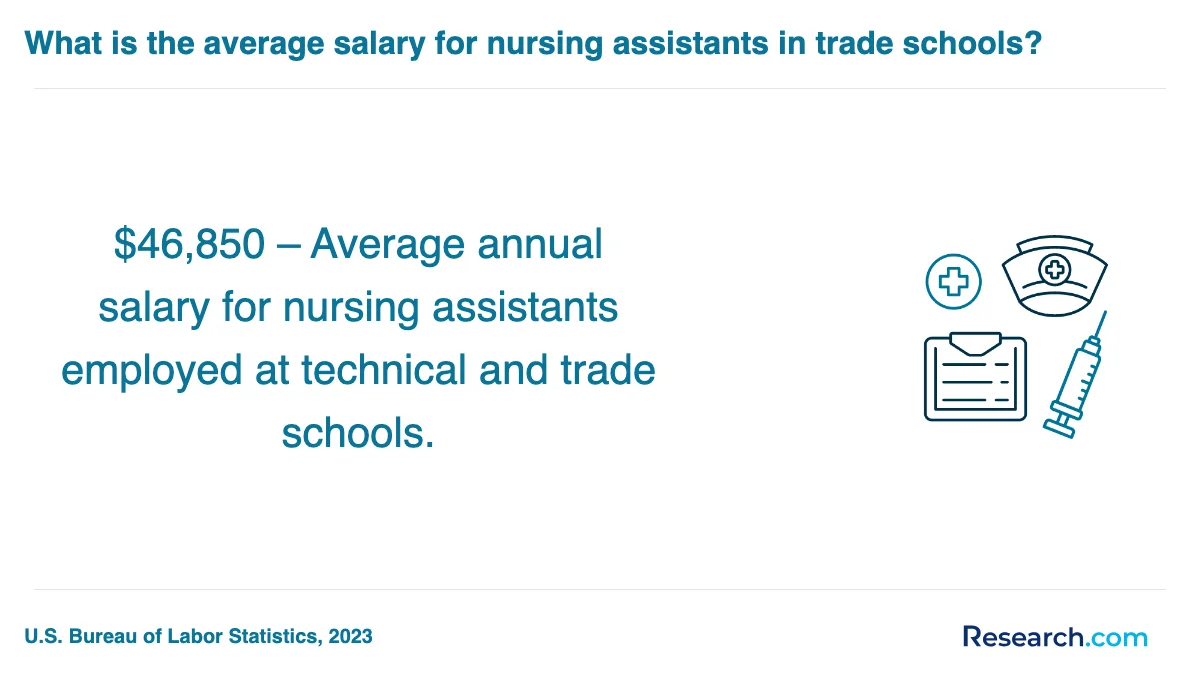
After finishing a nursing assistant aide or patient care assistant trade school program in the South, you can typically expect to earn between $31,000 and $42,000 annually. Many graduates from popular Southern trade schools find their starting salaries align closely with the national median of about $39,530 per year, or roughly $18.96 per hour. For example, graduates working in states like Texas or Florida often report salaries near or just above this median, while those starting in smaller cities or states such as Alabama or Mississippi might begin slightly lower but still within the expected range.
Many graduates share how overtime and shift differentials-especially night or weekend shifts-have boosted their income by an average of $4,500 yearly. Working at hospitals or government-run facilities in the South often means better pay and benefits, which is a big plus for those eager to grow their earnings right out of trade school. Experience and additional certifications can open doors to higher wages or even transitions into roles like licensed practical nurse (LPN) or registered nurse (RN), making this path both stable and promising.
Best Nursing Assistant Training Programs & Trade Schools - Top Nursing Assistant Schools in South for 2026
# 1 position
Alvin Community College - Nursing Assistant/Aide and Patient Care Assistant/Aide.
certificate or diplomaAlvin Community College offers a hybrid Nursing Assistant/Aide and Patient Care Assistant/Aide program preparing students to perform routine nursing-related services under supervision. The program's annual in-state tuition is $1,834. Graduates have a median earning of $64,976 one year after completion. The program is accredited by the Southern Association of Colleges and Schools Commission on Colleges.
# 2 position
Southern Crescent Technical College - Nursing Assistant/Aide and Patient Care Assistant/Aide.
certificate or diplomaSouthern Crescent Technical College offers a Nursing Assistant/Aide and Patient Care Assistant/Aide program with a hybrid format, including some distance education. The program prepares students to perform routine nursing-related services under the supervision of registered or licensed practical nurses. Annual in-state tuition is $3,126. Graduates have median earnings of $47,408 one year after completion. The program is accredited by the Southern Association of Colleges and Schools Commission on Colleges.
# 3 position
Central Louisiana Technical Community College - Nursing Assistant/Aide and Patient Care Assistant/Aide.
certificate or diplomaThe Nursing Assistant/Aide and Patient Care Assistant/Aide program at Central Louisiana Technical Community College offers a hybrid format with some distance-education options. It prepares students to perform routine nursing-related services under the supervision of registered or licensed practical nurses in hospitals or long-term care facilities. The program's annual in-state tuition is $4,099. Graduates earn a median income of approximately $32,499 one year after completion. It is accredited by the Southern Association of Colleges and Schools Commission on Colleges.
# 4 position
Georgia Northwestern Technical College - Nursing Assistant/Aide and Patient Care Assistant/Aide.
certificate or diplomaThe Nursing Assistant/Aide and Patient Care Assistant/Aide program at Georgia Northwestern Technical College offers a hybrid format with some distance education options. This program trains individuals to provide routine nursing-related services under the supervision of licensed nurses in hospitals or long-term care. Annual in-state tuition is $3,132. Graduates have median earnings of $44,957 one year after completion. The program is accredited by the Southern Association of Colleges and Schools Commission on Colleges.
# 5 position
Hinds Community College - Nursing Assistant/Aide and Patient Care Assistant/Aide.
certificate or diplomaHinds Community College offers a fully online Nursing Assistant/Aide and Patient Care Assistant/Aide program that prepares students to provide routine nursing-related services under the supervision of licensed nurses. The program is accredited by the Southern Association of Colleges and Schools Commission on Colleges. Annual in-state tuition is $3,825, and median earnings one year after completion reach $42,518.
# 6 position
Indian Capital Technology Center-Muskogee - Nursing Assistant/Aide and Patient Care Assistant/Aide.
certificate or diplomaThe Nursing Assistant/Aide and Patient Care Assistant/Aide program at Indian Capital Technology Center-Muskogee offers a hybrid format, combining in-person and distance education. It trains individuals to provide routine nursing-related services to patients under the supervision of licensed nurses. Graduates have median earnings of $42,822 one year after completion. The program is accredited by the Oklahoma State Board of Career and Technology Education.
# 7 position
Durham Technical Community College - Nursing Assistant/Aide and Patient Care Assistant/Aide.
certificate or diplomaThe Nursing Assistant/Aide and Patient Care Assistant/Aide program at Durham Technical Community College offers a hybrid format with some distance education. It prepares students to perform routine nursing-related services under nurse supervision in hospitals or long-term care facilities. The program is accredited by the Southern Association of Colleges and Schools Commission on Colleges. Annual in-state tuition is $1,986, and median earnings one year after completion reach $46,533.
# 8 position
Mid-America Technology Center - Nursing Assistant/Aide and Patient Care Assistant/Aide.
certificate or diplomaThe Nursing Assistant/Aide and Patient Care Assistant/Aide program at Mid-America Technology Center offers a hybrid format with some distance-education options. It prepares students to perform routine nursing-related tasks in hospitals or long-term care facilities under the supervision of registered or licensed practical nurses. The program is accredited by the Oklahoma State Board of Career and Technology Education.
# 9 position
North Georgia Technical College - Nursing Assistant/Aide and Patient Care Assistant/Aide.
certificate or diplomaNorth Georgia Technical College offers a hybrid Nursing Assistant/Aide and Patient Care Assistant/Aide program that prepares students to perform routine nursing-related tasks under supervision. The program’s annual in-state tuition is $3,162. Graduates typically earn a median salary of $47,416 one year after completion. The program is accredited by the Southern Association of Colleges and Schools Commission on Colleges.
# 10 position
West Georgia Technical College - Nursing Assistant/Aide and Patient Care Assistant/Aide.
certificate or diplomaWest Georgia Technical College offers a hybrid Nursing Assistant/Aide and Patient Care Assistant/Aide program that prepares students to perform routine nursing-related services under the supervision of registered or licensed practical nurses. The annual in-state tuition is $3,122. Graduates earn a median salary of $42,462 one year after completion. The program is accredited by the Southern Association of Colleges and Schools Commission on Colleges.
Key Findings
- Most programs require a high school diploma or equivalent, proof of legal residency, and completion of at least 75 training hours, including 16 hours each of clinical and lab experience.
- Students must complete 16 classroom training hours and provide health documentation such as a TB test and CPR certification before working with patients.
- Program costs range from $600 to $2,000, excluding additional fees for uniforms, supplies, books, and certification exams.
- Federal financial aid is often not available for these programs, so students should plan their finances carefully.
- Starting salaries range from $27,000 to $32,000 per year, with experienced workers earning between $36,000 and $42,000 annually.
- Job opportunities exist in hospitals, nursing homes, assisted living centers, and home healthcare agencies, with demand growing due to the aging population.
How long does it take to complete nursing assistant aide and patient care assistant trade schools in South?
Completing a nursing assistant aide or patient care assistant program in a trade school in South typically takes about 6 to 12 weeks. Many graduates from popular trade schools in the region share how they managed to balance their daily responsibilities while finishing the program quickly, which gave them a real sense of accomplishment and motivation to start working sooner.
For example, students often describe their hands-on clinical training as the most rewarding part, helping them build confidence in real-life patient care scenarios. Schools in South focus on practical skills, so you're not just learning theory-you're practicing vital tasks like taking vitals and assisting patients, which makes the short duration feel intensive but manageable.
Many graduates highlight that the program's concise length allowed them to enter the workforce promptly, opening doors to steady jobs and a chance to make an immediate impact in healthcare settings. This swift completion timeline is ideal if you want to start your career without long delays.
What's the difference between online and on-campus nursing assistant aide and patient care assistant trade school programs?
The main difference between online and on-campus nursing assistant aide and patient care assistant trade school programs in the South lies in how you experience the coursework and clinical training. Online programs offer flexibility that many students appreciate-imagine completing lectures from your living room or during breaks at work. Graduates from schools like Carolinas College of Health Sciences often mention how this setup helped them balance family and job commitments while still progressing steadily through their studies.
However, no matter the program, hands-on clinical hours must be completed in person. Online students schedule these practical sessions at local facilities, allowing them to gain real patient care experience without losing the convenience of remote learning.
On-campus programs, such as those at Ultimate Medical Academy, provide a structured environment with face-to-face classes and immediate access to instructors and peers. Graduates frequently share that this direct mentorship and on-site externships-like the 45 hours of supervised training-boosted their confidence and readiness for healthcare roles.
Both paths meet state certification requirements, but your choice depends on how you prefer to learn and manage your time.
What is the average cost of nursing assistant aide and patient care assistant trade schools in South?
The average cost of nursing assistant programs in the South typically varies by program type and location, with trade schools offering some of the most affordable options. Graduates from well-known Southern trade schools often recall tuition fees ranging from around $3,000 to $12,000, depending on the institution. For example, some students find programs with tuition near $3,187 at prominent technical colleges, while others attend more comprehensive schools charging upwards of $12,000. This range reflects varying course lengths and program intensities, but most trade schools maintain affordability to support quick entry into the healthcare workforce.
Tuition fees for patient care assistant courses in Southern states also include additional costs that students should carefully budget for. Graduates often mention expenses like books, which can go from $50 to $200 per title, uniforms costing around $30-$45, and state-specific examination fees ranging between $50 and $270. These additional investments, while sometimes surprising at first, are crucial to fully prepare for certification and employment. Many students find that planning for these expenses early keeps them confident and focused during their studies.
Successful graduates frequently emphasize how even with costs considered, their programs provided strong value by delivering hands-on skills quickly and affordably. If you wonder whether is cna or ma better for your goals, exploring distinct programs can help clarify pathways and costs to suit your future career plans.

What financial aid is available for nursing assistant aide and patient care assistant trade schools in South?
Students pursuing nursing assistant aide and patient care assistant programs in the South often find a variety of financial aid options that can ease the burden of tuition. Many graduates from popular trade schools in the region share how scholarships and grants, especially federal and state ones like the Pell Grant, made a real difference in their ability to enroll and complete their training.
For example, a graduate from a community college in Alabama recalls how Workforce Opportunity Investment Act (WIOA) funding covered their full tuition and even provided career counseling, which boosted their confidence and success in the program. This kind of support is a lifeline for adults preparing for healthcare careers.
Others at schools like Southern Tech have benefited from local scholarships when federal aid wasn't available, showing that even if one route is closed, there are still opportunities. Employer tuition reimbursement also plays a big role, especially for those already working in healthcare settings who want to advance their skills without financial strain.
These funding sources, along with flexible payment plans, help students manage costs that can range from about $550 to $15,000 depending on the program. Reaching out to financial aid offices at these schools can unlock personalized options, making the dream of becoming a certified nursing assistant or patient care assistant more achievable.
What are the prerequisites for enrolling in nursing assistant aide and patient care assistant trade schools in South?
When enrolling in nursing assistant aide and patient care assistant trade school programs in the South, you'll find that most schools have clear, straightforward prerequisites designed to set you up for success. Graduates often share how meeting these requirements helped them feel confident and prepared before starting hands-on training.
Typically, you will need:
- A high school diploma or GED. This is the foundation that trade schools in the South expect, ensuring you have the basic skills needed for the coursework.
- Proof of residency or age, usually requiring you to be at least 18 years old, which aligns with state regulations for clinical placements.
- A background check and sometimes a drug screening, since you'll be working with vulnerable patients in real healthcare settings.
- Immunization records, particularly for vaccines like flu and TB tests, to protect both you and the patients you'll assist.
Many students recall that having these prerequisites ready made their transition smoother when attending schools popular in the South, where instructors emphasize both technical skills and compassionate care. Being prepared not only meets school standards but also boosts your confidence as you step into this rewarding career path.
What are the typical courses in nursing assistant aide and patient care assistant trade schools in South?
In nursing assistant aide and patient care assistant trade school programs in the South, you'll quickly dive into essential courses designed to build your confidence and competence in real healthcare settings. Graduates from popular schools like Gaston College often share how foundational basic nursing skills courses transformed their ability to provide personal care-bathing, dressing, feeding, and assisting with mobility become second nature after hands-on practice.
Expect to master vital skills such as:
- Infection control techniques to protect yourself and patients
- Measuring vital signs accurately
- Performing CPR and basic first aid through certified courses like CPR-Basic Life Support/Heartsaver
- Effective communication to connect compassionately with patients and healthcare teams
Clinical experience is where the learning truly comes alive. Many students spend 40 to 60 hours in hospitals or nursing homes, applying their classroom knowledge under supervision. This immersive practice helps you respond confidently in emergencies and handle daily patient needs with empathy.
Additional courses often cover nutrition, legal responsibilities, and sometimes vaccination requirements, ensuring you're fully prepared for certification and employment in South Carolina's healthcare environments.
What are the available specializations in nursing assistant aide and patient care assistant trade schools in South?
Trade school programs in the Southern United States for nursing assistant aide and patient care assistant training often include specializations designed to build practical skills quickly and confidently. Graduates from colleges like Coastal Alabama Community College experience comprehensive 75-hour OBRA-approved courses combining classroom, lab, and clinical work, helping them master fundamental patient care duties.
Other programs, such as those at Southern Union State Community College and South Georgia Technical College, focus on workplace readiness, certification preparation, and flexible learning formats including online and clinical components. These pathways emphasize essential skills like patient hygiene, vital signs monitoring, and mobility assistance, preparing students for roles that impact real patients' lives every day.
Students from schools in South Carolina and Florida often highlight how accelerated programs lasting just weeks gave them the confidence and expertise needed to start their healthcare careers promptly. Many nursing assistant programs in Southern United States also incorporate training for certification exams, setting graduates ahead in the competitive healthcare job market.
Key specializations include:
- Certified Nursing Assistant (CNA) preparation
- Patient safety and emergency response
- Clinical and bedside care techniques
- Medication and infection control basics
For students curious about the broader opportunities after training, exploring the cna career path can be motivating and insightful.
How do you choose the best nursing assistant aide and patient care assistant trade school program in South?
Look for programs that hold strong accreditation from South's state authorities, such as those recognized by South Carolina's Department of Health and Environmental Control. Graduates from these programs often describe feeling confident walking into certification exams because their training met rigorous standards. Choosing among the best nursing assistant programs in Southern United States means prioritizing practical experience-you want curriculum that blends hands-on clinical training with classroom knowledge, like the programs at Greenville Technical College, where students report feeling truly prepared to care for patients.
Scheduling flexibility is key if you juggle work or family commitments. Schools like York Technical College offer evening or weekend classes and even teleclass options, making it easier for you to fit study into your busy life. Many graduates say this flexibility helped them maintain motivation and balance.
Cost is another big factor. Programs often vary widely in tuition and fees, so it's wise to explore available financial aid or scholarships, such as those provided by Midlands Technical College. Evaluating these details ensures you invest wisely in your education and avoid surprises.
When researching top patient care assistant schools in Southern states, also check their outcomes-high certification pass rates and strong job placement, which show you'll be set up for success. Many students find that looking into support services like career counseling at places like Trident Technical College added real value to their journey.
Consider exploring 2 year healthcare degrees that pay well as part of your long-term planning to advance beyond entry-level roles.
What career paths are available for nursing assistant aide and patient care assistant trade school graduates in South?
Graduates of nursing assistant aide and patient care assistant trade schools in the South find a range of career opportunities for nursing assistant graduates in the South that are both fulfilling and flexible. Many begin as Certified Nursing Assistants (CNAs), working hands-on in hospitals, assisted living, nursing homes, or home healthcare-places familiar to those trained at well-known Southern trade schools. These roles involve helping patients with daily activities and supporting nursing teams, which builds invaluable experience.
With time and confidence, some graduates transition to patient care assistant jobs in Southern healthcare facilities that offer expanded duties, such as monitoring patients more closely or assisting in specialized areas like dialysis centers.
Common career advancement options include:
- Patient Care Technician roles that require extra training but offer broader hospital responsibilities
- Specialized positions like geriatric nursing assistants or nursing attendants, often with better pay
- Bridge programs toward Licensed Practical Nurse (LPN) or Registered Nurse (RN) certifications, dramatically boosting earning potential and career scope
Many Southern trade school alumni share how the solid foundation gained during their training made moving into supervisory or even nurse educator roles achievable goals. If you're curious about detailed pay scales and career trajectories in your state, learn more on what is a cna nurse.
What is the job market for nursing assistant aide and patient care assistant trade school graduates in South?
The nursing assistant job outlook in the South is promising, especially for graduates of popular trade schools who quickly find themselves in high demand. Many Southern healthcare facilities, from long-term care centers to hospitals, actively seek certified nursing assistants (CNAs) and patient care aides because of the growing older adult population in states like South Carolina and Georgia. Graduates report multiple job offers in local markets such as Sumter, SC, where dozens of postings reflect steady openings.
Here's what you can expect after completing your program at well-known trade schools in the South:
- Competitive wages-for instance, a median hourly rate around $18.96 in South Carolina.
- Flexible work schedules suiting your lifestyle.
- Potential benefits including health insurance and retirement plans, especially in specialized settings like correctional healthcare.
Many students find these roles rewarding and see them as a solid foundation for career growth. If you're curious about advancing, check out this detailed comparison of lpn vs cna duties, which can guide your next steps.
Patient care assistant employment trends South mirror these opportunities, highlighting steady growth and availability of entry-level roles. Graduates frequently highlight how their training prepared them to excel in real-world caregiving situations, making this a viable and fulfilling path for those looking to enter healthcare quickly.
Frequently Asked Questions about nursing assistant aide and patient care assistant
After completing nursing assistant aide and patient care assistant trade schools in South, preparing for the job market involves several key steps. First, graduates should obtain certification such as the Certified Nursing Assistant (CNA) license, which is required for employment in most healthcare facilities. The South has a growing demand for CNAs, with the Bureau of Labor Statistics projecting a 10% job growth in healthcare support roles through 2030.
Networking is also crucial; attending local healthcare job fairs and connecting with employers increases hiring chances. Additionally, building a strong resume highlighting clinical experience and soft skills like communication is essential. Finally, staying informed about continuing education opportunities helps maintain certification and advance career prospects.
Employers in the South prioritize several key skills when hiring graduates from nursing assistant aide and patient care assistant trade schools. Strong communication abilities are essential, as these professionals must effectively interact with patients, families, and healthcare teams. According to the U.S. Bureau of Labor Statistics, interpersonal skills improve patient satisfaction and care outcomes, which is highly valued in Southern healthcare settings.
Technical skills such as taking vital signs, assisting with daily living activities, and infection control are fundamental. Many Southern employers also emphasize adaptability and reliability, given the fast-paced nature of healthcare environments. Additionally, cultural competence is increasingly important, reflecting the diverse patient populations in the region.
Familiarity with electronic health records (EHR) systems is another growing requirement, supported by data from the South's healthcare workforce reports. Overall, a blend of clinical knowledge and soft skills defines the top qualities sought by employers in this field.
Finding internships in the South for nursing assistant aide and patient care assistant programs involves a strategic approach. Start by contacting trade schools' career services departments, which often have partnerships with local healthcare facilities. Many schools in the South collaborate with hospitals, nursing homes, and clinics to offer internship placements. According to the U.S. Bureau of Labor Statistics, internships and clinical rotations are a critical part of healthcare training, helping students gain hands-on experience.
Utilize state workforce agencies and online job boards focused on healthcare internships in states like Texas, Georgia, and Florida. Networking with healthcare professionals and attending local job fairs can also increase your chances of finding relevant internships. Additionally, some South-based trade schools have formal agreements with healthcare providers, ensuring internship availability for their students.
Obtaining a nursing assistant aide or patient care assistant diploma from a trade school in South significantly enhances career mobility and advancement opportunities. According to the South Department of Labor, individuals with these diplomas see job placement rates above 85% within six months of graduation. This credential qualifies graduates for entry-level healthcare roles, such as Certified Nursing Assistants (CNAs), which serve as stepping stones to higher positions like Licensed Practical Nurses (LPNs) or Registered Nurses (RNs).
Trade schools in South focus on practical skills and state certification preparation, making graduates competitive in the local healthcare market. The South's growing elderly population increases demand for patient care aides, further improving job security and wage growth potential. Data from the Bureau of Labor Statistics highlights that nursing assistants in South earn a median annual wage 10% higher than the national average, reflecting the state's strong healthcare sector.
Moreover, diploma holders often benefit from employer tuition assistance programs and internal promotion pathways, enabling further education and career advancement without significant financial burden. Therefore, completing a nursing assistant aide or patient care assistant program in South lays a solid foundation for upward social and professional mobility within the healthcare industry.
Part-time job opportunities in South that complement nursing assistant aide and patient care assistant trade school education include roles such as home health aides, medical assistants, and pharmacy technicians. These positions allow students to gain hands-on experience while continuing their studies. According to the U.S. Bureau of Labor Statistics (BLS), South states show a steady growth rate of 10% for nursing assistant and patient care assistant roles through 2032, reflecting increasing demand for healthcare support staff.
Working part-time in healthcare settings, like nursing homes or outpatient clinics, helps students develop practical skills and build professional networks. These jobs often offer flexible hours suitable for balancing work and education.
To find the best Nursing Assistant Aide and Patient Care Assistant degree programs near me in the South, you can start by checking Research.com, which provides rankings and resources that may help identify reputable programs. Many universities near South offer specialized training programs designed to equip students with the necessary skills for careers as nursing aides and patient care assistants. Additionally, you can visit local colleges or vocational schools to gather more information about admission requirements and program specifics in your area.
Top Trending Rankings
References
- Nursing Assistant Salary Guide | 2025 https://nurse.org/education/nursing-assistant-salary/
- Patient Care Assistant (PCA) Salary | Goodwin University https://www.goodwin.edu/enews/patient-care-assistant-salary/
- Nursing Assistants and Orderlies : Occupational Outlook Handbook: : U.S. Bureau of Labor Statistics https://www.bls.gov/ooh/healthcare/nursing-assistants.htm
- CNA Versus PCT | What Are the Similarities and Differences Between the Two Careers http://slchc.edu/nursing/nursing-career/cna-versus-pct/
- Is Health Care Assistant a Nurse? What You Need To Know | WCC - Western Community College https://wcc.ca/blog/is-health-care-assistant-a-nurse-what-you-need-to-know/
- Medical Assistant Vs CNA | Which Career is Right For You https://www.uscareerinstitute.edu/blog/ma-vs-cna
- Licensed Nursing Assistant: Roles, Salary, and Training https://northeastmedicalinstitute.com/2024/08/25/licensed-nursing-assistant-job-duties-salary-and-training-requirements/
- CNA Classes & Certification | How to Become a CNA | Red Cross https://www.redcross.org/take-a-class/lp/certified-nursing-assistant-nat
- Certified Nursing Assistant (CNA) - Denmark Technical College https://www.denmarktech.edu/programs-of-study/workforce-development-division/catalog/healthcare/certified-nursing-assistant-cna/
- Certified Nurse Aide https://www.southplainscollege.edu/community/continuinged/nurseaide.php


