
Best Nursing Assistant Training Programs & Trade Schools - Top Nursing Assistant Schools in Augusta for 2026

Co-Founder and Chief Data Scientist
Choosing the right nursing assistant trade school in Augusta can set the foundation for a rewarding healthcare career. This article introduces the best nursing assistant aide and patient care assistant trade school programs for 2026, ranked by the Research.com team of data scientists. Their careful analysis helps you find quality programs worth your time and investment.
By exploring these options, you’ll discover the benefits of earning a diploma or certification in this growing field. Whether you’re starting fresh or seeking a career change, this guide supports your journey toward a fulfilling and stable profession.
Key benefits of finishing nursing assistant aide and patient care assistant trade school in Augusta
- Graduates can expect competitive salaries, with nursing assistants in Augusta earning around $35,568 annually or about $17.10 per hour, and Certified Nursing Assistants reaching up to $27.57 per hour depending on experience.
- Completing trade school opens doors to diverse healthcare roles, including patient care assistant and in-home caregiver positions, allowing graduates to find rewarding jobs that fit their skills and interests.
- Online trade school programs offer flexible schedules and faster completion times, making it easier for students to balance education with personal commitments while launching their healthcare careers confidently.
What can I expect from nursing assistant aide and patient care assistant trade schools in Augusta?
Students enrolling in nursing assistant aide and patient care assistant trade school programs in Augusta can expect an intensive but rewarding experience. Programs like those at Augusta University and Augusta Technical College typically last 4 to 6 weeks, combining classroom lessons with hands-on clinical training. Graduates often share how learning to take vital signs, assist with patient hygiene, and manage infection control in real healthcare settings gave them confidence and practical skills quickly.
Admission usually requires a high school diploma or GED, along with a clear background check and proof of physical fitness. Many students appreciate flexible scheduling options, such as day or evening classes, which help balance personal commitments while training.
Graduates often highlight the thorough preparation provided by these programs, especially the state-approved curriculum that meets Georgia Department of Community Health standards. This training makes them eligible to take the Certified Nursing Assistant exam, a critical step toward employment in nursing homes, hospitals, and home health agencies in Augusta.
Tuition ranges from $750 to $1,000, covering essential supplies, though students should budget separately for uniforms and testing fees. Overall, the experience is described as fast-paced but empowering, opening doors to immediate healthcare careers.
Where can I work after finishing nursing assistant aide and patient care assistant trade schools in Augusta?
After completing a nursing assistant aide or patient care assistant trade school program in Augusta, graduates find a variety of rewarding job opportunities. Many work as Certified Nursing Assistants (CNAs) in hospitals, where they assist patients with daily activities, monitor vital signs, and support nursing staff in busy departments like emergency and long-term care. Graduates often share how the hands-on training from Augusta's trade schools prepared them to confidently step into these roles.
Nursing homes and assisted living facilities also hire new CNAs to help residents with mobility and hygiene, creating meaningful connections with both patients and their families. Some graduates appreciate the flexibility and personal interaction offered by home health care agencies, where they assist clients directly in their homes under nurse supervision.
Others find fulfilling work in hospice care, providing compassionate support to patients near the end of life. With over 230 nursing assistant jobs regularly posted in Augusta, many graduates feel optimistic about securing full- or part-time positions that offer competitive pay and advancement opportunities.
How much can I make after finishing nursing assistant aide and patient care assistant trade schools in Augusta?
Graduates of nursing assistant aide and patient care assistant trade school programs in Augusta typically start with an average annual salary around $32,500, or about $16 per hour. Many recent graduates from well-known local trade schools find this starting pay competitive and encouraging as they begin their careers in hospitals or nursing homes.
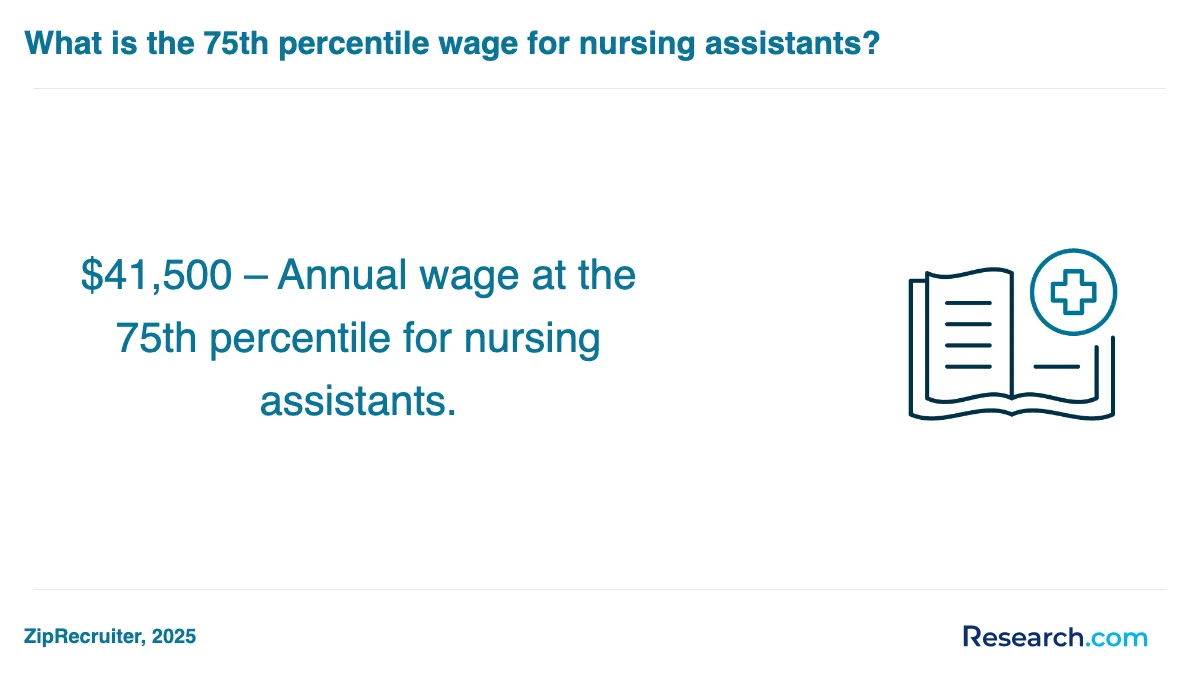
Some graduates share how their first jobs offer opportunities for overtime, adding roughly $3,750 annually, which helps boost their overall earnings. Entry-level wages generally range from about $29,600 to $39,000 per year, depending on experience and certifications earned during or after school.
For students who choose in-home caregiving roles, salaries start slightly lower, averaging near $29,900 annually but can rise to $40,000 with experience. Graduates appreciate that overtime and certifications can push their pay toward the higher end of these ranges.
Many find that completing a program at a trusted Augusta trade school opens doors to steady employment with benefits like health insurance and paid time off, increasing overall job satisfaction and financial stability early in their careers.
Best Nursing Assistant Training Programs & Trade Schools - Top Nursing Assistant Schools in Augusta for 2026
# 1 position
Augusta Technical College - Nursing Assistant/Aide and Patient Care Assistant/Aide.
certificate or diplomaAugusta Technical College offers a hybrid Nursing Assistant/Aide and Patient Care Assistant/Aide program that prepares students to perform routine nursing services under nurse supervision. The program's annual in-state tuition is $4,022. Graduates earn a median salary of $51,024 one year after completion. The program is accredited by the Southern Association of Colleges and Schools Commission on Colleges.
# 2 position
Helms College - Nursing Assistant/Aide and Patient Care Assistant/Aide.
certificate or diplomaThe Nursing Assistant/Aide and Patient Care Assistant/Aide program at Helms College offers a hybrid format with some distance-education options. It prepares students to perform routine nursing-related services under supervision in hospitals or long-term care facilities. The annual in-state tuition is $17,924. Graduates have median earnings of $22,206 one year after completion. The program is accredited by the Accrediting Council for Continuing Education & Training.
Key Findings
- A high school diploma or GED is required for admission, along with possible placement exam scores and a minimum age of 17 or 18.
- Training lasts four to twelve weeks with at least 85 hours of approved instruction covering infection control and basic nursing care.
- Graduates must pass the National Council State Board of Nursing Certified Nursing Assistant exam with a minimum score of 70% to join the state nurse aide registry.
- Background checks, TB tests, and drug screenings are mandatory before employment in healthcare facilities.
- Tuition ranges from $700 to $1,500, excluding materials and exam fees, with some financial aid options available.
- Starting salaries in the Augusta area range from $27,000 to $33,000 annually, with job growth expected at 5% through 2033.
How long does it take to complete nursing assistant aide and patient care assistant trade schools in Augusta?
Completing a nursing assistant aide or patient care assistant program at a trade school in Augusta typically takes about 6 to 12 weeks. Many graduates share how this compact timeframe made it possible to quickly transition into the healthcare field without sacrificing quality training. For example, students at well-known Augusta trade schools often recount balancing their studies with family or part-time work, appreciating how the focused curriculum fits into busy lives.
These programs combine hands-on clinical practice with classroom learning, allowing students to gain real-world experience early on. Graduates frequently mention feeling confident and prepared to assist patients in hospitals or long-term care facilities shortly after finishing their courses. The shorter duration also means less financial strain and faster entry into the workforce, which is a key advantage for those eager to start helping others and earning an income.
In Augusta, the practical approach of trade schools makes completing the program manageable and rewarding, helping students stay motivated and engaged as they prepare for a meaningful healthcare career.
What's the difference between online and on-campus nursing assistant aide and patient care assistant trade school programs?
The main difference between online and on-campus nursing assistant aide and patient care assistant trade school programs in Augusta lies in how and where coursework is completed. Online students appreciate the flexibility to study theory from home through recorded lectures and live sessions, which helps those balancing work or family. However, graduates often share that attending in-person skills labs and clinical rotations at local healthcare facilities is essential to gain hands-on experience and meet Georgia's certification standards.
On-campus programs at schools like Augusta Technical College offer a structured environment with face-to-face instruction, immediate access to lab equipment, and direct interaction with instructors and peers. Many students find this setting motivating and helpful for staying on schedule, especially when juggling other responsibilities.
Graduates from both formats highlight that while online options are fewer in Augusta, hybrid models provide a good balance by combining remote learning with flexible, required on-campus labs and clinicals. Choosing between them depends on a student's learning style and ability to commit to mandatory in-person training.
What is the average cost of nursing assistant aide and patient care assistant trade schools in Augusta?
The average cost of nursing assistant programs in Augusta GA typically falls between $460 and $1,200, depending on the trade school and program details. Graduates often recall enrolling at Tender Care Training Center, where the $460 base tuition is affordable, though additional expenses like a $45 CPR training fee and a $112 state certification exam cost can add up. Many students felt reassured knowing that these fees cover essential certifications and training materials.
At Georgia Training Center, tuition fees for patient care assistant courses in Augusta GA run about $900, which includes several useful items such as textbooks, a TB skin test, background check, and CPR/First Aid training. Graduates from this program frequently mention feeling prepared and supported, especially since the $400 deposit helps secure a guaranteed seat in the popular six-week Nurse Aide Training Program. Students only need to budget separately for uniforms, the physical exam, and state testing fees.
Some students looking for flexible options consider Augusta Technical College's Nurse Aide Technical Certificate of Credit, although tuition specifics require direct inquiry. Many appreciate that some long-term care facilities offer low-cost or free training opportunities, reducing overall expenses. For those seeking financial assistance, scholarships, payment plans, and loans are often accessible at technical schools.
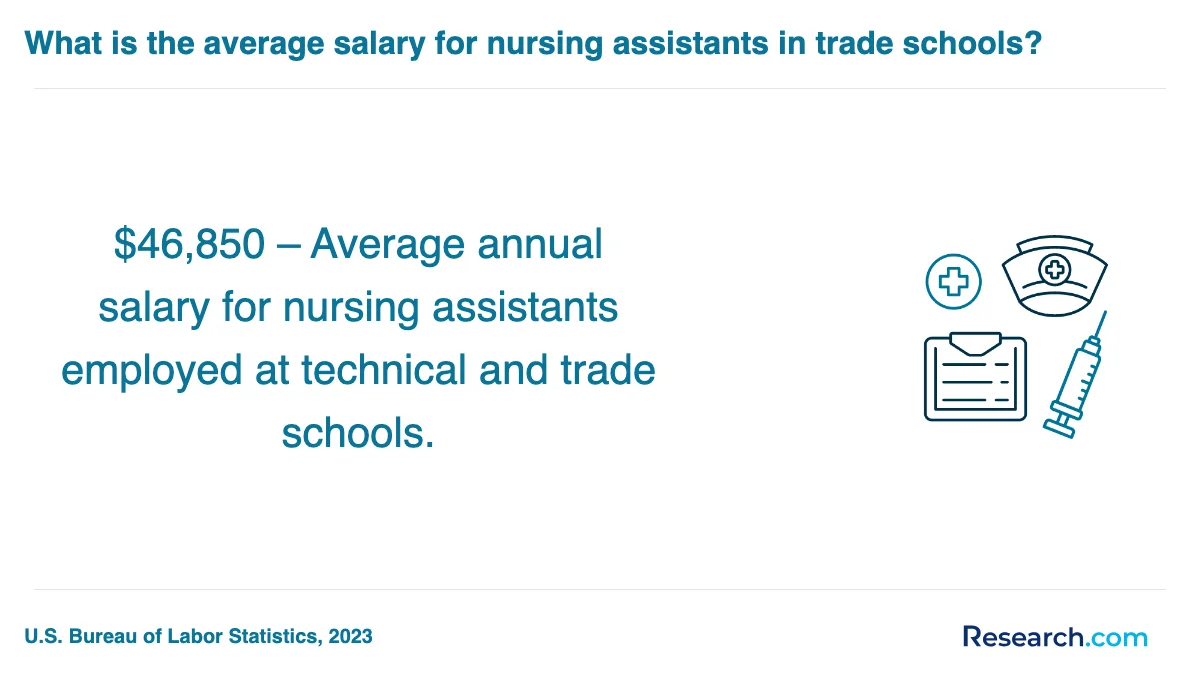
Prospective students can also explore 2 year healthcare programs that provide quick paths to certification and employment. Balancing tuition, exam fees, and supplies with available support helps make the dream of a healthcare career in Augusta achievable and practical.
What financial aid is available for nursing assistant aide and patient care assistant trade schools in Augusta?
Students pursuing nursing assistant aide and patient care assistant programs in Augusta often rely on a mix of financial aid options to ease their educational expenses. The Free Application for Federal Student Aid (FAFSA) is a key resource, offering access to federal grants, loans, and work-study funds. Recent updates have made FAFSA simpler and expanded eligibility, helping more students at Augusta Technical College and similar schools secure support.
Many Augusta students benefit from state-specific aid like the Georgia HOPE Grant and HOPE Scholarship, which cover a large part of tuition costs for eligible residents. Graduates often share how these programs reduced their financial stress, allowing them to focus on hands-on training.
Federal Workforce Innovation and Opportunity Act (WIOA) grants also play a big role, funding tuition, books, and exams for nursing assistant students in high-demand fields. Local healthcare employers and trade schools sometimes offer scholarships or payment plans, making it easier to manage costs without sacrificing quality education.
Financial aid counseling and tools like the AU Cost Estimator help students plan realistically, turning affordability from a worry into an achievable goal.
What are the prerequisites for enrolling in nursing assistant aide and patient care assistant trade schools in Augusta?
To enroll in a nursing assistant aide or patient care assistant trade school program in Augusta, there are a few key prerequisites that students typically need to meet. Most popular trade schools in the area require applicants to have a high school diploma or GED. This foundational education ensures students are prepared for the technical and practical components of the training.
Applicants usually undergo a background check and must provide proof of immunizations, which reflects the healthcare environment's safety standards. For example, graduates often recall how these requirements helped them feel confident and ready to enter clinical settings without unexpected delays.
Additionally, many programs in Augusta ask for:
- Basic CPR certification or willingness to obtain it early in the course
- Passing a simple entrance assessment that covers reading comprehension and basic math to ensure readiness for coursework
- Proof of residency or legal authorization to study in the U.S.
Graduates from Augusta trade schools often share how meeting these prerequisites gave them a strong start and made the transition into hands-on patient care smoother and more rewarding.
What are the typical courses in nursing assistant aide and patient care assistant trade schools in Augusta?
Nursing assistant aide and patient care assistant programs in Augusta trade schools like Augusta Technical College and Tender Care Training Center focus on practical skills that prepare students for real patient care scenarios. Graduates often share how confidently they handled their first clinical rotations thanks to hands-on training combined with essential coursework.
Typical courses include:
- Basic Nursing Skills: Learning to measure vital signs or assist patients with daily activities like bathing and feeding, crucial for supporting patients in hospitals and nursing homes.
- Patient Safety and Infection Control: Training in hygiene protocols that protect both patients and healthcare workers, which students find reassuring when entering clinical settings.
- Communication and Interpersonal Skills: Techniques to effectively engage with patients and healthcare teams, helping students manage stressful situations with empathy and professionalism.
- Legal and Ethical Issues: Understanding patient rights and ethical responsibilities, which graduates recall as vital knowledge for maintaining trust and professionalism.
- CPR and Basic Life Support (BLS): Certification integrated into the curriculum ensures readiness to respond confidently to emergencies.
- Clinical Experience: Supervised rotations at local facilities allow students to apply classroom learning in real-world environments, building valuable confidence.
These courses, aligned with Georgia's health regulations, enable graduates to meet certification requirements and feel prepared to start their careers helping patients in Augusta's diverse healthcare settings.
What are the available specializations in nursing assistant aide and patient care assistant trade schools in Augusta?
Nursing assistant programs in Augusta GA typically include a variety of specializations that prepare students for diverse healthcare roles. Graduates from Tender Care Training Center, for example, share that learning skills such as Certified Nursing Assistant (CNA), Phlebotomy Technician, and Patient Care Technician equipped them to confidently handle real-world clinical tasks. Similarly, Augusta Technical College offers an accelerated Nurse Aide program focusing on medical terminology and hands-on Nurse Aide training, which many students found valuable for quick entry into patient care assistant training Augusta Georgia.
Some programs, like those at Georgia Training Center, offer flexible learning options including weekend classes and blended courses, allowing students to balance work or family while pursuing certification. Southern Regional Technical College's Patient Care Technician/Assistant micro-credential further advances skills for those already CNA certified, opening new career pathways.
For convenience, Augusta University's online Personal Care Aide training covers essential subjects like medical terminology and daily patient care tasks, ideal for those seeking remote study options. Students exploring low cost cna online programs can find resources like low cost cna online programs to support their education journey.
How do you choose the best nursing assistant aide and patient care assistant trade school program in Augusta?
Choosing from the best nursing assistant programs in Augusta means focusing first on accreditation and hands-on experience. Graduates from Augusta Technical College speak highly of the one-term program's balance between classroom learning and clinical training, which prepares them well for patient care roles. Others value programs at the Thomson campus for their longer schedule, allowing more time for skill mastery.
Consider the curriculum carefully-schools like Tender Care Training Center blend anatomy, infection control, and real-world clinical practice, helping students feel confident on day one of work. Affordability matters too; some local schools include essentials such as liability insurance and CPR certification in their tuition, reducing out-of-pocket costs and stress.
For those seeking post-graduation support, programs with strong job placement connections to Augusta's healthcare facilities create smoother transitions into employment. Exploring these factors alongside student experiences ensures you pick top patient care assistant schools in Augusta that align with your lifestyle and career goals.
To understand more about nursing assistant education requirements and what to expect, reviewing trusted career guides is also a helpful step.

What career paths are available for nursing assistant aide and patient care assistant trade school graduates in Augusta?
Graduates of nursing assistant aide and patient care assistant trade schools in Augusta have access to a variety of rewarding career paths that match their skills and ambitions. Most commonly, they start as Certified Nursing Assistants (CNAs) working in hospitals, nursing homes, assisted living, or home health agencies. Many graduates describe the satisfaction of helping patients with daily activities and becoming trusted members of healthcare teams.
Beyond entry-level roles, opportunities include positions such as Medication Technician or Certified Medication Aide, where graduates can safely administer medications under nursing supervision. Others pursue work as Health Aides or Personal Care Assistants, providing personalized help with hygiene and mobility in home or community settings. Per diem and PRN positions are also popular among graduates seeking flexible schedules and competitive hourly rates, reflecting the strong local nursing assistant job opportunities in Augusta GA.
With experience, career paths expand into specialized roles like Hospice Aide or Advanced Patient Care Associate, involving more complex patient support and emergency care. Many employers in Augusta, including prominent hospital systems, offer on-the-job training and tuition reimbursement to encourage growth toward Licensed Practical Nurse or Registered Nurse roles. To understand more about advanced nursing roles and earnings, graduates often explore what pays more a lpn or cna.
Trade school graduates share how their programs prepared them effectively for the diverse patient care aide career paths Augusta Georgia offers, highlighting hands-on clinical experience and strong local healthcare connections.
What is the job market for nursing assistant aide and patient care assistant trade school graduates in Augusta?
The nursing assistant job opportunities in Augusta are thriving for graduates from local trade schools, such as Augusta Technical College. Graduates frequently find roles in hospitals, nursing homes, and home health agencies, reflecting strong patient care assistant demand in Augusta Georgia. Many report quickly securing full-time positions due to the wide availability of over 70 CNA job openings listed on local boards as of mid-2025.
Entry-level wages typically start between $15 and $17 per hour, with full-time contracts often hitting the higher end of this range. These competitive salaries, combined with benefits like health insurance and flexible scheduling, make roles attractive for new professionals eager to begin working in a supportive environment.
Graduates successfully transition into workforce roles thanks to thorough training and confirmed certification by passing Georgia's CNA exam. Employers emphasize background checks and professionalism, ensuring trust and career growth. Real-world experiences shared by program alumni highlight the importance of hands-on practice offered during training and on-the-job mentoring.
For those curious about advancing beyond entry-level positions, exploring the highest paying medical assistant jobs may offer inspiring career pathways within healthcare.
Frequently Asked Questions about nursing assistant aide and patient care assistant
After completing a nursing assistant aide or patient care assistant trade school in Augusta, preparing for the job market involves several important steps. Graduates should first obtain certification through the Georgia Nurse Aide Registry by passing the state's CNA exam, which is required for most healthcare employers. According to the Georgia Department of Community Health, certified nursing assistants in Augusta typically earn between $12 and $16 per hour, with demand expected to grow by over 10% through 2030.
Building a professional resume that highlights clinical experience gained during training is essential. Networking with local healthcare facilities, such as Augusta University Medical Center and nearby nursing homes, can provide valuable job leads. Additionally, continuing education and CPR certification will enhance employability and career advancement opportunities.
Employers in Augusta seek nursing assistant aide and patient care assistant graduates who demonstrate strong clinical and interpersonal skills. According to the Georgia Department of Labor, key competencies include effective communication, patient hygiene assistance, and vital sign monitoring. Graduates must also show proficiency in infection control protocols and basic medical terminology.
Critical thinking and the ability to respond calmly in emergencies are highly valued. Additionally, reliability and a compassionate attitude toward patients contribute significantly to job performance. Trade schools in Augusta often emphasize hands-on training to develop these skills, aligning with employer expectations in local healthcare facilities.
Finding internships in Augusta for nursing assistant aide and patient care assistant trade school programs involves several practical steps. Start by contacting local healthcare facilities such as hospitals, nursing homes, and assisted living centers. Facilities like Augusta University Medical Center and local long-term care providers often offer internship opportunities. The Georgia Department of Labor's website also lists healthcare internships and job placements in the region.
Many trade schools in Augusta have partnerships with healthcare providers. Enrolling in a program that offers direct support for internship placement can improve your chances. According to the National Healthcareer Association, internships are essential for gaining hands-on experience and increasing job prospects.
Networking with program instructors and attending local healthcare job fairs can also help secure meaningful internships. Additionally, checking the U.S. Bureau of Labor Statistics data shows employment growth in nursing assistant roles in Georgia, underscoring the importance of practical experience.
Obtaining a diploma from a nursing assistant aide or patient care assistant trade school in Augusta significantly enhances career mobility. These programs provide the essential clinical skills and certifications required to enter healthcare roles quickly. According to the Georgia Department of Labor, Augusta's healthcare sector is growing steadily, with nursing assistants experiencing a projected 12% job growth through 2030.
Graduates gain credentials recognized by employers across hospitals, long-term care facilities, and outpatient centers, enabling easier job transitions within the region. Additionally, completing a trade school diploma often leads to higher starting wages and opportunities for supervisory roles. This credential serves as a stepping stone for further certifications, facilitating career advancement in Augusta's competitive healthcare environment.
Part-time job opportunities in Augusta that complement nursing assistant aide and patient care assistant trade school education often include roles such as home health aides, personal care aides, and medical assistants. These positions provide valuable hands-on experience with patient care, enhancing skills learned in the classroom. According to the U.S. Bureau of Labor Statistics, the median hourly wage for nursing assistants in the Augusta metropolitan area is around $13.50, with demand expected to grow by 8% through 2030. Local healthcare facilities and senior living communities frequently offer part-time roles suitable for students pursuing certification, allowing them to apply practical knowledge in real-world settings.
To find the best Nursing Assistant Aide and Patient Care Assistant degree program near Augusta, GA, start by researching local educational institutions that offer specialized programs in healthcare and patient care. Programs and universities are available that provide valuable training and certification in this field, ensuring you gain the necessary skills and credentials. Using resources like Research.com can help identify top-rated institutions and programs near me, ensuring a well-informed decision on where to pursue the degree.
Related Nursing Assistant Aide And Patient Care Assistant Rankings for Nearby Cities
Top Trending Rankings
References
- Healthcare Assistant/Nurse Aide – Oconee Fall Line Technical College https://oftc.edu/departments/healthcare-assistant-nurse-aide/
- Certified Nursing Aide (CNA) Patient Care Technician (PCT) | Oakland County, MI | Oakland Community College https://www.oaklandcc.edu/training-programs/cnapct
- Patient Care Assistant | Lindsey Hopkins Technical College https://www.lindseyhopkins.edu/patient-care-assistant/
- Nursing Assistant Certificate Program https://pmi.edu/on-campus-programs/certificate/nursing-assistant-nurse-aide/
- Patient Care Assistant (PCA) Certificate Program https://www.atlantictechnicalcollege.edu/patient-care-assistant/
- Patient Care Assistant | D. A. Dorsey Technical College https://www.dadorseytech.edu/about/programs/career-and-technical-programs/patient-care-assistant/
- Certified Nurse Assistant Training Programs https://www.cdph.ca.gov/Programs/CHCQ/LCP/Pages/Certified-Nurse-Assistant-Training-Programs.aspx
- Free Nurse's Aide & CNA Training Programs | JVS Boston https://www.jvs-boston.org/our-services/build-your-skills/nurses-aide-training-program/
- 2+ Nursing Assistant Cover Letter Examples (with In-Depth Guidance) https://www.tealhq.com/cover-letter-examples/nursing-assistant
- Nurse Aide Registry: How to Start a Nurse Aide Training Competency Evaluation Program (NATCEP) - MN Dept. of Health https://www.health.state.mn.us/facilities/providers/nursingassistant/starttrainprog.html


