
Best Nursing Assistant Training Programs & Trade Schools - Top Nursing Assistant Schools in Tennessee for 2026

Co-Founder and Chief Data Scientist
Choosing the right nursing assistant trade school in Tennessee can be a life-changing step toward a rewarding healthcare career. This article introduces a carefully crafted ranking of nursing assistant aide and patient care assistant programs, developed by the Research.com team of data scientists to help you make an informed decision.
By exploring these top programs, you’ll discover options that fit your goals and lifestyle. Earning a diploma or certification opens doors to meaningful work, job stability, and personal growth. Let this guide support your journey with clear, trustworthy information tailored just for you.
Key benefits of finishing nursing assistant aide and patient care assistant trade school in Tennessee
- Graduates can expect an average salary of about $16.51 per hour or $34,342 per year in Tennessee, with many earning between $28,600 and $37,700 annually, offering a solid start in healthcare.
- Career paths include roles like Nurse Aide, Certified Nursing Assistant, and Patient Care Assistant, with many graduates quickly finding rewarding jobs in hospitals, nursing homes, and clinics across Tennessee.
- Completing a nursing assistant program online offers flexible learning schedules and faster completion times, allowing students to balance work and life while entering the workforce sooner than traditional degree programs.
What can I expect from nursing assistant aide and patient care assistant trade schools in Tennessee?
Expect a hands-on, immersive experience when enrolling in a nursing assistant aide or patient care assistant trade school program in Tennessee. Graduates often recall spending about 120 clock hours divided between classroom learning and clinical practice, which brings lessons like infection control and vital signs monitoring to life. For example, students at popular Tennessee trade schools describe the excitement of their first clinical day, assisting patients under supervision in nursing homes or hospitals, transforming textbook knowledge into real-world skills.
Programs typically last around two months, with flexible scheduling options including evenings to fit working students' lives. Many appreciate the supportive environment where instructors emphasize communication, patient safety, and professional ethics. Students also navigate requirements like background checks and drug screenings, prepping them for clinical settings.
Graduates feel confident heading into the Certified Nursing Assistant state exam, knowing their training aligns with Tennessee's health department standards. The affordability and practical focus create a direct path to rewarding healthcare jobs in diverse settings across the state.
Where can I work after finishing nursing assistant aide and patient care assistant trade schools in Tennessee?
Graduates from nursing assistant aide and patient care assistant trade schools in Tennessee often find rewarding jobs in nursing homes, long-term care facilities, and assisted living centers. Many share stories of stepping into roles as Certified Nursing Assistants (CNAs), where the daily work of helping residents with meals, mobility, and companionship creates a strong sense of purpose and community. Popular trade schools in Tennessee prepare students well for these positions by combining hands-on training with real-world scenarios.
Some graduates quickly move into hospital settings, assisting nurses with vital tasks like monitoring patient vitals and providing comfort during recovery. The fast-paced environment challenges them but also offers great opportunities for growth and skill-building. Others appreciate the flexibility of home healthcare agencies, where they visit patients' homes, bringing personalized care to those recovering or aging in place. This role often appeals to those who value independence and forming close patient relationships.
Additionally, hospice care positions in cities like Chattanooga and Johnson City offer deeply meaningful work, supporting patients and families through difficult times. Rehabilitation centers and outpatient clinics also hire graduates, providing diverse pathways that align with evolving career goals. The strong demand across Tennessee means graduates can find roles suited to their lifestyle and ambitions, often with benefits like paid time off and healthcare coverage.
How much can I make after finishing nursing assistant aide and patient care assistant trade schools in Tennessee?
After completing a nursing assistant aide or patient care assistant trade school program in Tennessee, many graduates find themselves earning an average salary of around $34,298 annually. This equates to roughly $16.51 per hour, a figure that feels encouraging for those starting their healthcare careers. Graduates from popular Tennessee trade schools often share how this starting wage allows them to support themselves while gaining valuable experience in hospitals or care facilities.
Some graduates describe landing jobs in urban centers where wages can climb closer to $25 per hour, especially when working flexible shifts or overtime. Others in more rural areas note salaries starting nearer to $28,515 annually, but with steady opportunities for raises and benefits like healthcare and paid time off.
Positive stories abound of graduates quickly advancing their roles, turning entry-level pay into higher earnings through dedication and additional certifications. For many, the financial path after training feels like a solid stepping stone toward both personal stability and professional growth.
Best Nursing Assistant Training Programs & Trade Schools - Top Nursing Assistant Schools in Tennessee for 2026
# 1 position
Tennessee College of Applied Technology-Hohenwald - Nursing Assistant/Aide and Patient Care Assistant/Aide.
certificate or diplomaThe Nursing Assistant/Aide and Patient Care Assistant/Aide program at Tennessee College of Applied Technology-Hohenwald offers a hybrid format with some distance-education options. It prepares students to perform routine nursing-related services in hospitals or long-term care facilities under nurse supervision. Graduates earn a median salary of $42,694 one year after completion. The program is accredited by the Council on Occupational Education.
# 2 position
Jackson State Community College - Nursing Assistant/Aide and Patient Care Assistant/Aide.
certificate or diplomaJackson State Community College offers a Nursing Assistant/Aide and Patient Care Assistant/Aide program designed to prepare individuals for routine nursing-related tasks in hospitals or long-term care facilities under nurse supervision. The program is accredited by the Southern Association of Colleges and Schools Commission on Colleges. Annual in-state tuition is $4,516.
# 3 position
Remington College-Memphis Campus - Nursing Assistant/Aide and Patient Care Assistant/Aide.
certificate or diplomaRemington College-Memphis Campus offers a Nursing Assistant/Aide and Patient Care Assistant/Aide program designed to train individuals to perform routine nursing-related tasks under the supervision of registered or licensed practical nurses. The program is accredited by the Accrediting Commission of Career Schools and Colleges. Annual in-state tuition for this program is $20,047, providing focused preparation for work in hospitals or long-term care facilities.
# 4 position
Remington College-Nashville Campus - Nursing Assistant/Aide and Patient Care Assistant/Aide.
certificate or diplomaThe Nursing Assistant/Aide and Patient Care Assistant/Aide program at Remington College-Nashville Campus prepares students to perform routine nursing-related services to patients in hospitals or long-term care facilities under the supervision of licensed nurses. The program is accredited by the Accrediting Commission of Career Schools and Colleges. Annual in-state tuition is $21,230, offering focused training for individuals pursuing this healthcare career path.
# 5 position
Health-Tech Institute of Memphis - Nursing Assistant/Aide and Patient Care Assistant/Aide.
certificate or diplomaThe Nursing Assistant/Aide and Patient Care Assistant/Aide program at Health-Tech Institute of Memphis offers a hybrid format with some distance education options. It prepares individuals to perform routine nursing-related duties in hospitals or long-term care settings under supervision. Specific data on graduation rates, tuition, Pell Grant recipients, median earnings, program level, and accreditation are not available.
Key Findings
- Programs require enrollment in a state-approved nurse aide training with a minimum of 75 hours, but most offer 120 clock hours for more thorough training.
- Training typically lasts about two months full-time or part-time, with tuition costs ranging from $465 to $1,058 plus additional fees for books, supplies, and testing.
- Students must pass both written and skills tests to become Certified Nursing Assistants, and failing the test three times requires retraining before retaking the exam.
- Certification exams must be taken within 24 months after completing the program to be listed on the Tennessee Nurse Aide Registry.
- Starting salaries for CNAs in Tennessee range from $28,000 to $32,000 per year, with opportunities in various healthcare settings like hospitals and assisted living facilities.
- Financial aid is often available to help cover tuition and related costs at many trade schools.
How long does it take to complete nursing assistant aide and patient care assistant trade schools in Tennessee?
Completing a nursing assistant aide or patient care assistant program at a trade school in Tennessee typically takes between 4 to 12 weeks. Many graduates describe this timeframe as both intensive and rewarding, allowing them to quickly enter the workforce with confidence. For example, those attending popular Tennessee trade schools often balance hands-on clinical practice with classroom instruction, making the experience feel dynamic and engaging.
The condensed schedule is designed to fit busy lives, enabling students to see tangible progress week by week. Graduates frequently share how the fast pace helped maintain their motivation, turning initial nervousness into excitement as they mastered essential skills like patient hygiene, vital signs monitoring, and communication with healthcare teams.
In real-world terms, this means that within a few months, students can transition from learning fundamentals in trade school hallways to providing compassionate care in hospitals or nursing homes across Tennessee. This swift journey makes the program appealing for those eager to start meaningful work without years of delay.
What's the difference between online and on-campus nursing assistant aide and patient care assistant trade school programs?
Online nursing assistant aide and patient care assistant programs in Tennessee offer a flexible learning experience that many graduates find life-changing. Imagine juggling family responsibilities while completing coursework at your own pace through virtual modules and video lectures. For instance, students at South College appreciate being able to study theory online and then attend on-campus clinical sessions in Knoxville to gain essential hands-on skills. This hybrid approach reduces commuting stress and allows learners to tailor their schedules around work or childcare.
On the other hand, on-campus programs at institutions like the Tennessee College of Applied Technology in Memphis provide a structured environment with daily, face-to-face instruction and real-time interaction. Graduates often mention the immediate feedback from instructors and the camaraderie with classmates as key to building confidence in practical skills. These programs typically last about two months, offering an immersive experience that some find motivating and energizing.
Both pathways meet Tennessee's state requirements for clinical hours and certification, but the choice often comes down to personal learning style and lifestyle needs.
What is the average cost of nursing assistant aide and patient care assistant trade schools in Tennessee?
The average cost of nursing assistant programs in Tennessee typically ranges between $600 and $2,000, which varies based on whether students attend a TCAT, community college, or a private vocational school. Graduates often share that programs at TCATs and community colleges tend to be more affordable, generally charging from $600 to $1,500, making these options particularly appealing to those seeking quality training without excessive debt. This affordable tuition allows many aspiring nursing assistants and patient care assistants to enter the workforce quickly and confidently.
When considering tuition fees for patient care assistant courses in Tennessee, students also report additional expenses for essentials like background checks, textbooks, uniforms, and exams, which can add another $150 to $300. Yet, these costs often feel worth the hands-on experience and certification obtained, especially when graduates describe their sense of accomplishment and how the training opened doors to meaningful healthcare careers.
Financial aid plays a key role in easing this financial burden. Many students leverage programs like Tennessee Promise and Tennessee Reconnect, which offer tuition-free education at TCATs and community colleges. There are also Pell Grants and Workforce Innovation and Opportunity Act (WIOA) training grants, which many students find invaluable. Some nursing facilities even provide free training in exchange for employment commitments, ensuring no charges for training or exams, which enhances accessibility for prospective healthcare workers.
To fully understand the investment, students are encouraged to explore the difference between certified nursing assistant and licensed practical nurse roles through trusted resources such as difference between certified nursing assistant and licensed practical nurse. This can clarify career paths and related training costs, helping individuals make informed decisions about their healthcare education journey in Tennessee.
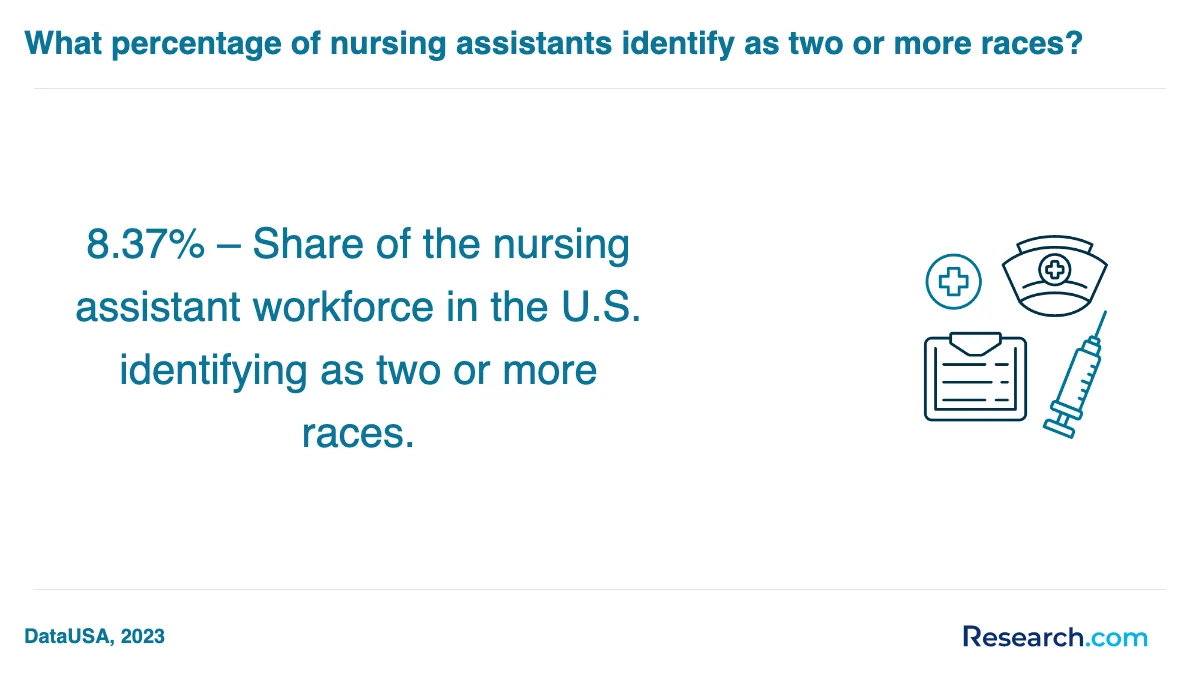
What financial aid is available for nursing assistant aide and patient care assistant trade schools in Tennessee?
Financial aid options for nursing assistant aide and patient care assistant students in Tennessee often make these programs more accessible than many expect. Graduates from popular Tennessee Colleges of Applied Technology (TCAT) campuses frequently share how the Tennessee Student Assistance Award (TSAA) helped them cover tuition costs, easing financial pressure while they focused on their training. This grant supports students enrolled at least half-time, providing crucial funds that don't need to be repaid.
Other students, especially adults returning to school, benefit from the TCAT Reconnect Grant, which targets independent learners filling out the FAFSA. Many recount how this grant empowered them to restart their careers without the burden of overwhelming debt.
High school students exploring early career paths often use the Dual Enrollment Grant funded by the Tennessee Lottery, allowing them to take CNA or patient care assistant courses while still in school. These financial aids don't always cover extras like books or uniforms, but they significantly reduce tuition worries, making training at Tennessee's TCAT campuses feel more achievable and hopeful.
What are the prerequisites for enrolling in nursing assistant aide and patient care assistant trade schools in Tennessee?
Enrolling in nursing assistant aide and patient care assistant trade school programs in Tennessee typically requires a few straightforward prerequisites that set students up for success. Most popular trade schools in the state expect applicants to have a high school diploma or GED, ensuring a foundational level of education. Many graduates share how this prerequisite gave them confidence entering hands-on training, knowing they had the essential academic skills.
Applicants may also need to pass a basic background check and provide proof of immunizations, reflecting the healthcare industry's safety standards. These requirements create a secure learning environment, which students often describe as reassuring when beginning clinical rotations.
Some programs recommend or require a TB test and physical exam to confirm students are ready for patient care duties. Graduates from well-known Tennessee trade schools recall how meeting these prerequisites made them feel prepared and valued by their instructors and patients.
Additional expectations can include:
- Minimum age of 18 years
- Basic reading and math proficiency
- Ability to communicate effectively in English
These prerequisites help ensure that students can thrive in the fast-paced, compassionate roles they aspire to fill, making the journey both exciting and manageable.
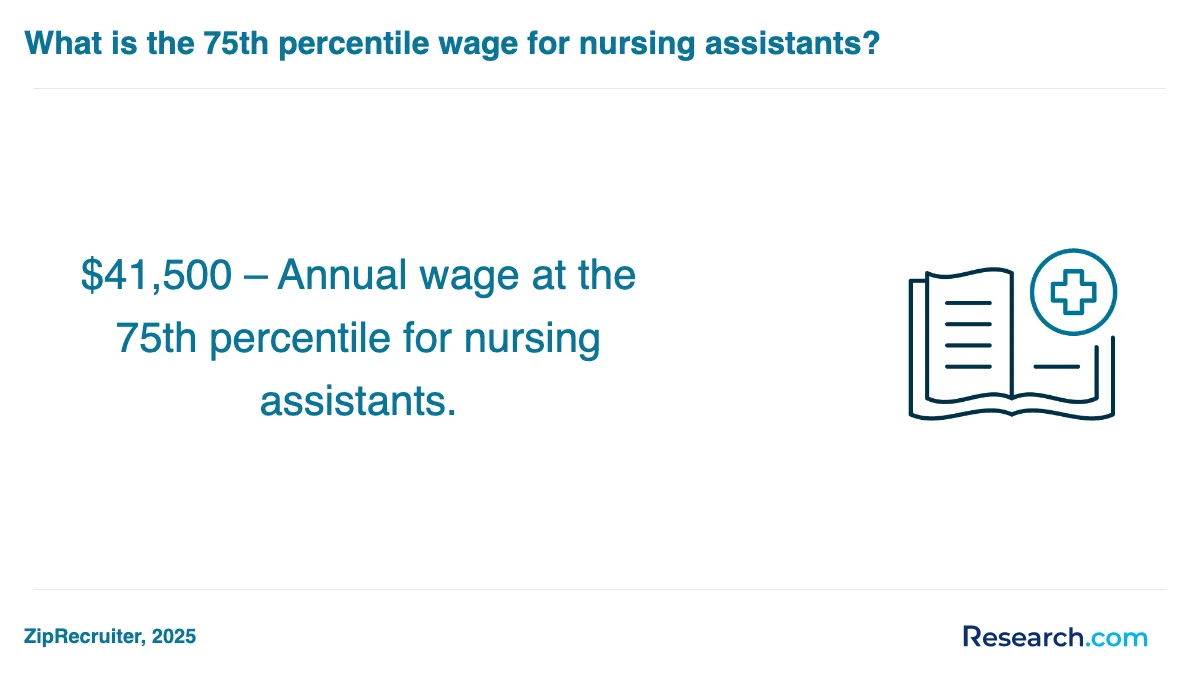
What are the typical courses in nursing assistant aide and patient care assistant trade schools in Tennessee?
Students enrolled in nursing assistant aide and patient care assistant programs at Tennessee trade schools typically engage in a curriculum blending classroom learning with hands-on clinical practice, totaling around 120 clock hours. Graduates often describe their early days mastering essential skills such as safely bathing and feeding patients, which quickly build confidence in real healthcare settings.
Core courses usually cover:
- Basic nursing principles, including patient hygiene and mobility assistance
- Monitoring vital signs and accurately reporting changes
- Effective communication techniques for working with patients and healthcare teams
- Safety protocols and infection control to maintain clean environments
- Fundamentals of anatomy and physiology relevant to patient care
- Nutrition and proper feeding methods
- Ethical and legal responsibilities, focusing on patient rights and confidentiality
Graduates from popular Tennessee trade schools often reflect on how learning to make quick, ethical decisions prepared them for the dynamic nature of healthcare. These programs emphasize practical skills alongside compassionate care, leaving students ready to confidently take the state certification exam and thrive in hospitals or nursing homes.
What are the available specializations in nursing assistant aide and patient care assistant trade schools in Tennessee?
Nursing assistant aide specializations in Tennessee often focus on hands-on patient care combined with essential healthcare knowledge. Graduates from trade schools like the Tennessee College of Applied Technology (TCAT) experience programs such as the Certified Nursing Assistant (CNA) course, which blends classroom learning with clinical practice. Many feel confident entering the workforce, prepared to assist patients effectively and empathetically. Typical coursework includes infection control, patient rights, and basic anatomy, enabling students to thrive in real healthcare settings.
Patient care assistant programs Tennessee commonly offer diplomas in roles like Patient Care Technician (PCT), where students at Remington College, Nashville, gain skills in medical terminology and anatomy over eight months. These programs immerse students in scenarios such as monitoring vital signs or supporting nurses, helping them build both technical and interpersonal skills.
Training often extends to medical administrative skills as well, seen at the Academy of Allied Health Careers in Chattanooga, where students graduate feeling equipped to manage diverse healthcare environments confidently. Many aspiring professionals explore affordable cna programs online to complement their training and broaden their expertise.
How do you choose the best nursing assistant aide and patient care assistant trade school program in Tennessee?
Choosing the best nursing assistant programs in Tennessee often starts with evaluating program accreditation and curriculum quality. Graduates from TCAT campuses share how the Council on Occupational Education accreditation made them feel confident their training met industry standards. Programs like the Patient Care Technician Diploma at Remington College offer flexible timelines and formats, which former students appreciated when balancing work and study. When you imagine yourself succeeding, clinical experience becomes crucial: graduates value hands-on practice through partnerships with local healthcare facilities, as seen at TCAT Elizabethton's Patient Care Technology program.
Those seeking top patient care assistant schools in Tennessee often report that cost and location influenced their choices. A $4,333 total tuition at TCAT Elizabethton made education affordable without sacrificing quality. Visualize commuting less and gaining more through local clinical placements at community colleges like Walters State, where supportive instructors helped students excel in medical terminology and patient care skills. Exploring financial aid can preserve peace of mind.
As you navigate your path, think about how the right program will open doors and align with your aspirations in healthcare. For tailored advice on medical career options, explore medical career choices that complement nursing assistant training and enhance future opportunities.
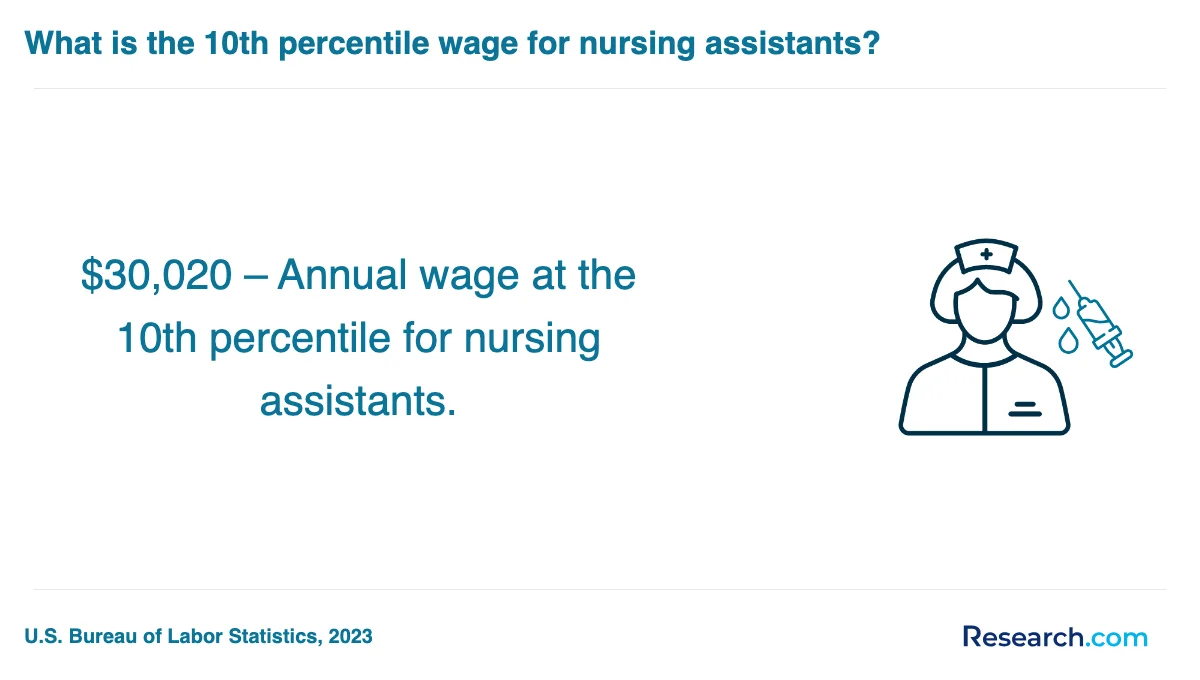
What career paths are available for nursing assistant aide and patient care assistant trade school graduates in Tennessee?
Graduates of nursing assistant aide and patient care assistant trade school programs in Tennessee often find themselves stepping into diverse and rewarding roles right after certification. Many begin their careers as Certified Nursing Assistants (CNAs), gaining hands-on experience in settings such as assisted living facilities, hospitals, and home health agencies. These environments allow new professionals to support patients with essential daily tasks, creating meaningful connections and developing critical skills that can shape their future in healthcare. Stories from popular Tennessee trade schools reveal graduates excited by the immediate impact they make, whether assisting elderly residents in long-term care facilities or helping patients regain mobility after surgery.
The career opportunities for nursing assistant graduates in Tennessee extend beyond entry-level jobs. Many choose to advance by pursuing further education to become Licensed Practical Nurses (LPNs) or Registered Nurses (RNs), leveraging their foundational knowledge and patient interaction experience. Additionally, specialties like geriatrics, hospice, and rehabilitation offer focused paths that align with personal passions and growing healthcare demands.
For those interested in stability and growth, patient care assistant jobs and advancement in Tennessee often come with competitive wages and benefits, especially as demand for home health aides rises alongside the aging population. Exploring the highest paid in medical field can help graduates set ambitious goals and understand long-term potential within the healthcare industry.
What is the job market for nursing assistant aide and patient care assistant trade school graduates in Tennessee?
The nursing assistant job outlook in Tennessee is exceptionally promising for recent trade school graduates. With over 1,400 active postings statewide, hospitals, long-term care facilities, and home health agencies urgently seek skilled nursing assistant aides and patient care assistants. Graduates from well-known Tennessee trade schools often share stories of quickly securing employment, sometimes within days of certification, thanks to attractive sign-on bonuses ranging from $2,500 to $3,000 and competitive wages between $15 and $20 per hour.
Many new professionals appreciate the flexible scheduling options, from full-time to part-time shifts, which help them balance life and work efficiently. Popular programs typically require about two months to complete, enabling students to enter the workforce swiftly and with confidence. Graduates frequently highlight supportive workplace environments that foster growth and job satisfaction, reinforcing the steady demand for patient care assistants in Tennessee.
Those studying the trade often wonder how can i become a nursing assistant and successfully transition into roles across assisted living, hospitals, clinics, and home care. This broad range of options ensures ongoing career advancement opportunities in both urban and rural settings.
Frequently Asked Questions about nursing assistant aide and patient care assistant
After completing a nursing assistant aide or patient care assistant trade program in Tennessee, preparing for the job market involves several key steps. First, graduates should obtain certification by passing the Tennessee Nurse Aide Competency Exam, which is required to work in most healthcare settings. According to the Tennessee Department of Health, certified nurse aides earn a median wage of around $15 per hour, reflecting steady demand in the state.
Building a professional resume highlighting clinical skills and completing internships or externships during training can improve job prospects. Networking with local healthcare providers and registering with state workforce agencies also supports job placement. Additionally, continuing education and specialized certifications can enhance employability and career advancement opportunities.
Employers in Tennessee seek nursing assistant aide and patient care assistant graduates who demonstrate strong clinical and interpersonal skills. According to the Tennessee Department of Health, proficiency in vital sign measurement, patient hygiene assistance, and basic medical knowledge are essential. Graduates must also show effective communication skills to interact compassionately with patients and healthcare teams.
Critical thinking and adaptability are valued due to the fast-paced healthcare environment. Time management and teamwork abilities help ensure quality patient care. Data from the U.S. Bureau of Labor Statistics highlights that over 70% of employers prioritize certified nursing assistants with proven hands-on experience and a patient-centered approach.
Finding internships in Tennessee for nursing assistant aide and patient care assistant programs often begins with contacting local healthcare facilities such as hospitals, nursing homes, and assisted living centers. Many trade schools maintain partnerships with such providers to help students secure clinical placements. The Tennessee Department of Health also offers resources and guidelines to support clinical training requirements for Certified Nursing Assistant (CNA) students.
Students should utilize school career services and attend job fairs focused on healthcare careers. According to the Tennessee Center for Nursing, approximately 70% of nursing assistant students find internships through school-arranged programs or local healthcare networks. Networking with licensed professionals and joining relevant state nursing associations can further increase internship opportunities.
Obtaining a nursing assistant aide or patient care assistant diploma from a Tennessee trade school significantly enhances career mobility within the state's healthcare sector. These programs provide essential clinical skills and prepare students for the Tennessee Nurse Aide Registry, a requirement for employment in many healthcare facilities.
According to the Tennessee Department of Health, certified nursing assistants (CNAs) earn a median wage of around $29,000 annually, with opportunities to advance into roles such as licensed practical nurses or specialized patient care positions. With healthcare jobs growing faster than average in Tennessee, completing a trade school diploma opens doors to stable employment and upward mobility.
Trade school diplomas also meet eligibility criteria for federal and state financial aid, making education more accessible to a diverse population. This accessibility supports social mobility by enabling individuals from various backgrounds to enter the healthcare workforce quickly and advance through additional certifications or training.
Part-time job opportunities in Tennessee that complement nursing assistant aide and patient care assistant trade school education include roles such as home health aide, medical receptionist, and patient transporter. These positions provide hands-on experience with patient care and healthcare environments, enhancing practical skills learned in school.
According to the Tennessee Department of Labor and Workforce Development, healthcare support occupations are projected to grow by over 15% from 2020 to 2030, indicating strong job availability for students balancing work and studies.
Home health aide jobs often offer flexible hours, allowing students to gain real-world experience while continuing their education. Additionally, working as a medical receptionist can build administrative skills valuable in healthcare settings.
These part-time roles provide exposure to patient interaction and healthcare protocols, which strengthens resumes and job prospects after graduation.
To find top Nursing Assistant Aide and Patient Care Assistant programs near me, you can check local university and college websites for available courses in your area. Research.com is a helpful resource for identifying highly-regarded programs by providing rankings and reviews of institutions. If you're specifically seeking programs near Tennessee, consider exploring well-known universities and technical colleges in that region which usually offer a variety of healthcare-related certificates and degrees.
Related Nursing Assistant Aide And Patient Care Assistant Rankings for Nearby States
- Best Nursing Assistant Training Programs & Trade Schools - Top Nursing Assistant Schools in Kentucky for 2026
- Best Nursing Assistant Training Programs & Trade Schools - Top Nursing Assistant Schools in Mississippi for 2026
- Best Nursing Assistant Training Programs & Trade Schools - Top Nursing Assistant Schools in Georgia for 2026
- Best Nursing Assistant Training Programs & Trade Schools - Top Nursing Assistant Schools in North Carolina for 2026
- Best Nursing Assistant Training Programs & Trade Schools - Top Nursing Assistant Schools in Missouri for 2026
- Best Nursing Assistant Training Programs & Trade Schools - Top Nursing Assistant Schools in Arkansas for 2026
- Best Nursing Assistant Training Programs & Trade Schools - Top Nursing Assistant Schools in South Carolina for 2026
- Best Nursing Assistant Training Programs & Trade Schools - Top Nursing Assistant Schools in Illinois for 2026
- Best Nursing Assistant Training Programs & Trade Schools - Top Nursing Assistant Schools in Ohio for 2026
- Best Nursing Assistant Training Programs & Trade Schools - Top Nursing Assistant Schools in West Virginia for 2026
Top Trending Rankings
References
- CNA Classes & Programs in Tennessee https://www.registerednursing.org/certified-nursing-assistant/programs/tennessee/
- Nursing Aide | TCAT Knoxville https://tcatknoxville.edu/programs/certified-nurse-assistant
- CNA Certification Classes in Chattanooga TN | UTC https://www.utc.edu/academic-affairs/center-for-professional-education/professional-development/medical-career-academies/certified-nursing-assistant
- Patient Care Technology/Medical Assisting | TCAT Jackson https://tcatjackson.edu/programs/patient-care-technologymedical-assisting
- Nursing Aide (CNA) | TCAT Memphis https://tcatmemphis.edu/programs/nursing-aide-cna
- Certified Nursing Assistant | TCAT Harriman https://tcatharriman.edu/programs/certified-nursing-assistant
- Patient Care - Walters State Community College https://ws.edu/academics/workforce-training/healthcare/patient-care/index.aspx
- Nursing Aide | TCAT Hartsville https://tcathartsville.edu/programs/certified-nurse-technician
- Patient Care Technology/Medical Assisting | TCAT Dickson https://tcatdickson.edu/programs/patient-care-technologymedical-assisting
- Occupation Profile for Nursing Assistants | CareerOneStop https://www.careeronestop.org/Toolkit/Careers/Occupations/occupation-profile.aspx


