
Best Nursing Assistant Training Programs & Trade Schools - Top Nursing Assistant Schools in Mississippi for 2026

Co-Founder and Chief Data Scientist
Choosing the right trade school is an important step toward starting a rewarding career in healthcare. This article highlights the best nursing assistant aide and patient care assistant trade school programs in Mississippi for 2026.
The ranking was created by the Research.com team of data scientists to help students make an informed choice about which programs are truly worth considering. Whether you’re aiming for a diploma or certification, these programs offer valuable skills and opportunities.
Reading this guide can help you find a path that fits your goals and sets you up for success in a growing field.
Key benefits of finishing nursing assistant aide and patient care assistant trade school in Mississippi
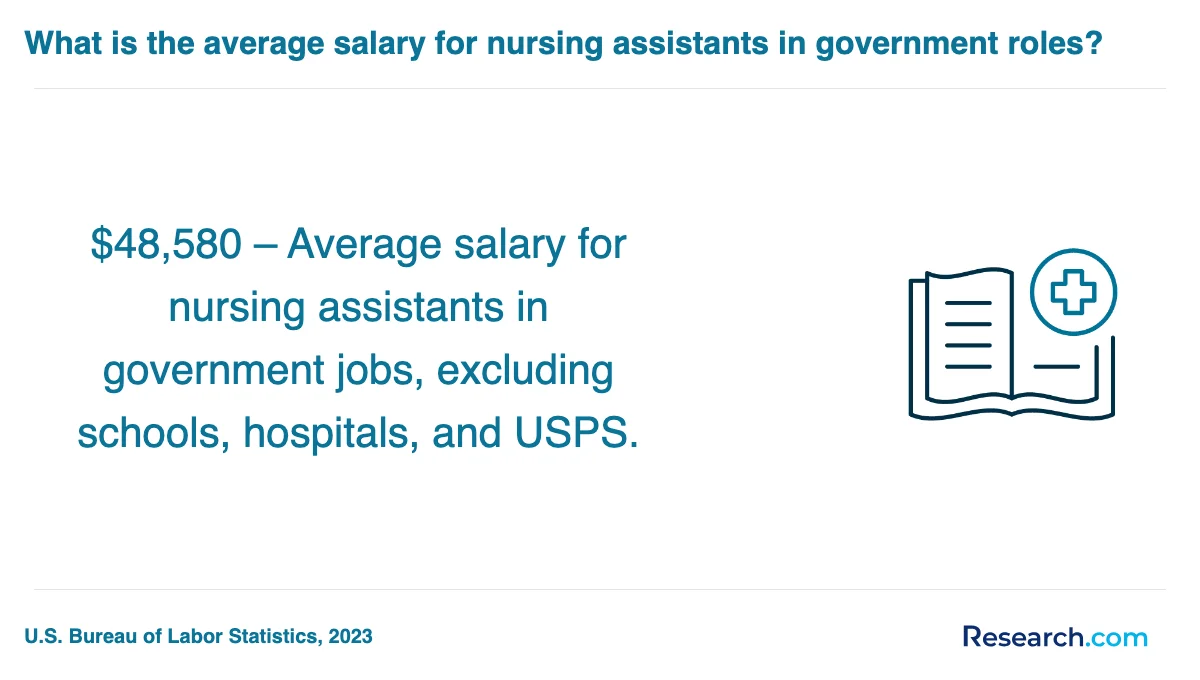
- Graduates can expect an average salary of about $35,835 per year or $17.23 per hour in Mississippi, with opportunities for overtime and shift differentials that can boost earnings.
- Career paths include roles as Certified Nursing Assistants and patient care assistants in hospitals, nursing homes, and clinics, offering steady employment and growth potential.
- Completing the program online provides flexibility and faster completion times, making it easier for students to balance work and family while gaining valuable skills.
What can I expect from nursing assistant aide and patient care assistant trade schools in Mississippi?
Students entering nursing assistant aide or patient care assistant programs in Mississippi can expect a hands-on, focused curriculum designed for quick workforce entry. Programs typically last one semester or about 96 to 120 hours, blending classroom learning with clinical practice. For instance, graduates from Mississippi Gulf Coast Community College describe balancing 100 hours split between online theory, on-campus labs, and real-world clinical experience at local health facilities.
Coursework covers essential skills like measuring vital signs, basic first aid, and assisting patients with daily activities such as bathing, dressing, and mobility. Students gain confidence through supervised clinical shifts in nursing homes or hospitals, where they apply classroom knowledge in practical settings.
Admission generally requires health screenings like TB tests and drug screens to ensure safety during clinical work. Tuition is affordable, often between $610 and $700, making it accessible for many.
Graduates feel prepared to take the certification exam needed for jobs in nursing homes, hospitals, or community clinics. They appreciate the program's efficiency and real-world focus, helping them start meaningful careers fast.
Where can I work after finishing nursing assistant aide and patient care assistant trade schools in Mississippi?
After completing a nursing assistant aide or patient care assistant trade school program in Mississippi, graduates often find a variety of job opportunities waiting. Many begin their careers as Certified Nursing Assistants (CNAs) in nursing homes or long-term care facilities, where they assist elderly residents with daily tasks. This hands-on role provides a rewarding sense of purpose and steady income early on.
Others secure positions in hospitals, including regional medical centers, where they support nurses by monitoring vital signs and helping patients with mobility. Graduates from trade schools in Jackson or Gulfport frequently share how this work builds their confidence and clinical skills quickly.
Home health care agencies are another common employer. Here, graduates enjoy the independence of providing one-on-one care to patients in their homes, often forming meaningful relationships over time. Agencies like Adoration Home Health regularly hire trade school alumni.
Additional options include hospice care, assisted living communities, and rehabilitation centers-settings that allow graduates to make a real impact on patients' recovery or comfort. With over 650 CNA jobs advertised statewide, students from Mississippi trade schools can expect a strong demand for their skills and a fulfilling career path.
How much can I make after finishing nursing assistant aide and patient care assistant trade schools in Mississippi?
Graduates from nursing assistant aide and patient care assistant trade schools in Mississippi can expect starting wages that are generally below the national average but still offer a reliable income. For example, those finishing programs at popular Mississippi trade schools often report hourly pay around $11.50 to $12.00, which aligns with data from major local employers like Bedford Care Centers.
Annual salaries typically fall near $33,000, with entry-level positions starting closer to $27,000. This range offers a realistic baseline for new grads stepping into healthcare roles. One graduate shared how starting at about $11.50 per hour helped them cover living expenses while gaining valuable experience in a hospital setting.
More experienced CNAs in Mississippi can earn up to nearly $40,000 annually, especially if they stay on the job and earn additional certifications or specialize. Some graduates find that with time and dedication, their pay increases enough to feel more financially secure and motivated to advance within healthcare.
While some salary reports suggest higher hourly wages near $17.50, this often depends on location and employer. Still, for many Mississippi trade school grads, the earnings provide a practical step toward stable work and future growth.
Best Nursing Assistant Training Programs & Trade Schools - Top Nursing Assistant Schools in Mississippi for 2026
# 1 position
Hinds Community College - Nursing Assistant/Aide and Patient Care Assistant/Aide.
certificate or diplomaHinds Community College offers a fully online Nursing Assistant/Aide and Patient Care Assistant/Aide program that prepares students to provide routine nursing-related services under the supervision of licensed nurses. The program is accredited by the Southern Association of Colleges and Schools Commission on Colleges. Annual in-state tuition is $3,825, and median earnings one year after completion reach $42,518.
# 2 position
Holmes Community College - Nursing Assistant/Aide and Patient Care Assistant/Aide.
certificate or diplomaHolmes Community College offers a fully online Nursing Assistant/Aide and Patient Care Assistant/Aide program designed to prepare students for routine nursing-related services in hospitals or long-term care facilities under professional supervision. The program is accredited by the Southern Association of Colleges and Schools Commission on Colleges. Annual in-state tuition is $3,510, and median earnings for graduates one year after completion are approximately $40,058.
# 3 position
Mississippi Gulf Coast Community College - Nursing Assistant/Aide and Patient Care Assistant/Aide.
associateMississippi Gulf Coast Community College offers a Nursing Assistant/Aide and Patient Care Assistant/Aide program with a hybrid format, including some distance education. The program prepares students to perform routine nursing-related services under the supervision of licensed nurses in hospitals or long-term care settings. Annual in-state tuition is $3,950. The program is accredited by the Southern Association of Colleges and Schools Commission on Colleges.
# 4 position
Mississippi Delta Community College - Nursing Assistant/Aide and Patient Care Assistant/Aide.
certificate or diplomaMississippi Delta Community College offers a Nursing Assistant/Aide and Patient Care Assistant/Aide program with a hybrid format, including some distance-education options. The program prepares students to perform routine nursing-related tasks under supervision in hospitals or long-term care facilities. Annual in-state tuition is $3,540. Graduates have median earnings of $42,855 one year after completion. The program is accredited by the Southern Association of Colleges and Schools Commission on Colleges.
# 5 position
Southwest Mississippi Community College - Nursing Assistant/Aide and Patient Care Assistant/Aide.
certificate or diplomaSouthwest Mississippi Community College offers a Nursing Assistant/Aide and Patient Care Assistant/Aide program with a hybrid format including some distance education. The program prepares students to provide routine nursing-related services under supervision in hospitals or long-term care facilities. Annual in-state tuition is $3,960. Graduates have median earnings of $30,071 one year after completion. The program is accredited by the Southern Association of Colleges and Schools Commission on Colleges.
# 6 position
Meridian Community College - Nursing Assistant/Aide and Patient Care Assistant/Aide.
certificate or diplomaMeridian Community College offers a hybrid Nursing Assistant/Aide and Patient Care Assistant/Aide program preparing students to perform routine nursing-related services under supervision in hospitals or long-term care facilities. The program’s annual in-state tuition costs $3,932. Graduates earn a median income of $34,111 one year after completion. The program is accredited by the Southern Association of Colleges and Schools Commission on Colleges.
# 7 position
Northwest Mississippi Community College - Nursing Assistant/Aide and Patient Care Assistant/Aide.
certificate or diplomaNorthwest Mississippi Community College offers a hybrid Nursing Assistant/Aide and Patient Care Assistant/Aide program designed to prepare students for routine nursing-related tasks under the supervision of registered or licensed practical nurses. The annual in-state tuition is $3,660. Graduates have median earnings of $32,788 one year after completing the program. The program is accredited by the Southern Association of Colleges and Schools Commission on Colleges.
# 8 position
Jones County Junior College - Nursing Assistant/Aide and Patient Care Assistant/Aide.
certificate or diplomaThe Nursing Assistant/Aide and Patient Care Assistant/Aide program at Jones County Junior College offers a hybrid learning format with some distance-education options. It prepares students to perform routine nursing-related tasks under the supervision of registered or licensed practical nurses in hospitals or long-term care facilities. The annual in-state tuition is $4,000. Graduates have a median earning of $34,148 one year after completion. The program is accredited by the Southern Association of Colleges and Schools Commission on Colleges.
# 9 position
Mississippi Gulf Coast Community College - Nursing Assistant/Aide and Patient Care Assistant/Aide.
certificate or diplomaMississippi Gulf Coast Community College offers a hybrid Nursing Assistant/Aide and Patient Care Assistant/Aide program that prepares students to provide routine nursing-related services under the supervision of registered or licensed practical nurses. The program's annual in-state tuition is $3,950. It is accredited by the Southern Association of Colleges and Schools Commission on Colleges, ensuring recognized educational standards and quality training for students pursuing this career path.
Key Findings
- Students must complete a state-approved nurse aide training program of at least 75 hours, with some programs offering 96 to 120 hours.
- Applicants need to be at least 18 years old and have a high school diploma or GED, plus pass a criminal background check and health screenings.
- Graduates must pass the National Nurse Aide Assessment Program (NNAAP) exam with a minimum score of 70%, with up to three attempts allowed.
- The cost for training programs is around $700 for a 100-hour course, with some variations depending on the school and program type.
- Certified nursing assistants in Mississippi earn a median annual wage of about $30,550 as of October 2023.
- Job demand is strong in hospitals, nursing homes, and home health agencies, often requiring flexible work hours including nights and weekends.
How long does it take to complete nursing assistant aide and patient care assistant trade schools in Mississippi?
Completing a nursing assistant aide or patient care assistant trade school program in Mississippi typically takes between 6 to 12 weeks. Many graduates from well-known Mississippi trade schools share that this timeframe fits well with their busy schedules, allowing them to quickly transition into the workforce. For example, students at popular schools often find the programs intense but manageable, with a mix of classroom instruction and hands-on clinical practice that builds confidence rapidly.
One graduate described how the condensed schedule helped maintain focus and motivation, making it easier to balance work and family commitments alongside studies. Another highlighted the benefit of gaining practical skills early on, which made their first days on the job less stressful and more rewarding. This approach suits those eager to start earning and building experience without long delays, a common priority for Mississippi residents pursuing a practical career path.
Overall, the relatively short completion time reflects the efficient design of these programs, emphasizing essential skills to prepare students for certification and employment as quickly as possible.
What's the difference between online and on-campus nursing assistant aide and patient care assistant trade school programs?
The main difference between online and on-campus nursing assistant aide and patient care assistant programs in Mississippi is how the coursework is delivered. Graduates from Mississippi Gulf Coast Community College's hybrid CNA program often praise the flexibility of completing 84 hours of theory online, allowing them to balance study with work and family. They then attend on-campus sessions and complete 16 hours of clinical training at healthcare facilities, gaining essential hands-on experience.
In contrast, students at Holmes Community College or Northwest Mississippi Community College attend all classes in person, benefiting from direct instructor guidance and immediate peer interaction. These on-campus programs typically last one semester and include supervised clinical training, which graduates find helpful for building confidence in real patient care situations.
Regardless of format, all students must complete clinical hours in a healthcare setting to meet Mississippi state certification requirements, ensuring practical skills are developed face-to-face. Graduates appreciate that both paths prepare them equally well for the National Nurse Aide Assessment Program exam and entry-level healthcare roles.
What is the average cost of nursing assistant aide and patient care assistant trade schools in Mississippi?
The average cost of nursing assistant programs in Mississippi typically ranges from about $600 to $770 in tuition, depending on the trade school and the length of the course. For example, graduates from Pearl River Community College often mention paying around $750 for their CNA training, which includes both classroom instruction and clinical practice. Meanwhile, students completing patient care assistant courses at Mississippi Gulf Coast Community College report tuition fees closer to $610, making it a more budget-friendly option for those managing expenses.
Considering tuition fees for patient care assistant courses in Mississippi, most programs require a minimum of 75 hours mixing hands-on clinical work with theory, which ensures real-world readiness. Students have described the experience as challenging yet rewarding, especially when their training included access to supplies like textbooks, scrubs, and clinical tools-out-of-pocket expenses that can add up but are necessary for success. These additional costs might include textbooks costing $50 to $200 each, uniforms, and equipment like stethoscopes, which students say helped them feel prepared on their first day working in a healthcare setting.
Some graduates have found that employer-sponsored or free training options in nursing facilities ease the financial burden, though these usually require a commitment to work in that facility for a certain period. Exploring financial aid or workforce development grants is also a common step advised by former students. For those looking to understand more about the profession and the costs involved, especially how a career can develop after training, it can be helpful to visit what is a certified nursing assistant to see potential paths after completing these programs in Mississippi.
What financial aid is available for nursing assistant aide and patient care assistant trade schools in Mississippi?
Nursing assistant aide and patient care assistant students in Mississippi find financial aid options that can ease the burden of tuition and related costs. While federal aid is often limited for non-credit certificate programs like those at Pearl River Community College, graduates frequently share how local scholarships and state programs provide crucial support.
For example, the Mississippi Nurses Foundation offers scholarships and stipends, such as the Mississippi Car Tag Stipend Program, which awards up to $5,000 to eligible nursing students. Many students in community college programs rely on this help to manage expenses, submitting transcripts and essays during application cycles.
Additionally, some trade schools collaborate with local employers or workforce agencies to offer tuition assistance or reimbursement. Graduates often express relief and motivation knowing these partnerships exist, making the path to certification more affordable and attainable.
Though forgivable loans mainly target advanced degrees, practical aid for nursing assistant students in Mississippi focuses on scholarships and employer incentives, helping students stay focused and confident on their career journeys.
What are the prerequisites for enrolling in nursing assistant aide and patient care assistant trade schools in Mississippi?
To enroll in nursing assistant aide or patient care assistant trade school programs in Mississippi, candidates typically need to meet a few clear prerequisites that ensure they're prepared for the hands-on training ahead. Most trade schools in Mississippi require students to have a high school diploma or GED. This baseline is essential, as graduates often recall that having this foundation helped them grasp medical terminology and patient care concepts more smoothly.
Additionally, schools usually ask for:
- Proof of residency in Mississippi or valid legal status
- A background check and sometimes a drug screening, since students will be working closely with vulnerable populations
- Basic immunizations and health clearances to comply with healthcare facility requirements
- Good communication skills, which many graduates mention as crucial for success in clinical settings
For example, those attending popular Mississippi trade schools often share that early preparation for these prerequisites helped them feel confident stepping into their first clinical rotations. Meeting these requirements can seem daunting at first, but they set the stage for rewarding experiences in patient care roles.

What are the typical courses in nursing assistant aide and patient care assistant trade schools in Mississippi?
Students enrolled in nursing assistant aide and patient care assistant trade school programs in Mississippi typically take a series of practical, focused courses designed to prepare them for real-world healthcare roles. For example, graduates from Meridian Community College often highlight the Basic Health-Care Assisting course, a 5-credit class where they learn essential skills like patient hygiene, safe mobility techniques, and clear communication with both patients and healthcare teams.
Other key courses include:
- Body Structure and Function: A 4-credit course covering human anatomy and physiology, helping students understand how illnesses affect the body.
- Special Care Procedures: A 5-credit course focused on caring for patients with chronic conditions or special needs, preparing students for long-term care environments.
- Home Health Aide and Homemaker Services: A 2-credit course teaching how to assist patients in their homes with daily living and light housekeeping.
Beyond these, programs across Mississippi emphasize vital topics such as medical terminology, monitoring vital signs, emergency response, and patient rights. Clinical training, often 16-24 hours at facilities like those affiliated with Hinds Community College or Mississippi Gulf Coast Community College, gives students hands-on experience helping patients under supervision.
Graduates frequently describe the confidence gained from this blend of classroom and clinical learning, feeling genuinely prepared to pass the state's certification exam and start their healthcare careers with practical skills that matter every day.
What are the available specializations in nursing assistant aide and patient care assistant trade schools in Mississippi?
Nursing assistant specializations in Mississippi often include focused tracks that prepare students for specific healthcare roles. Graduates from popular trade schools like Holmes Community College and Northwest Mississippi Community College frequently highlight specializations such as long-term care, which trains students to assist elderly or chronically ill patients in nursing homes. This path suits those who enjoy building lasting relationships with residents and providing compassionate, ongoing support.
Other common options include home health care, where students learn to support patients in their own homes. This specialization emphasizes helping individuals maintain independence through daily living assistance and medication management, a rewarding fit for those who value personalized patient interaction.
Phlebotomy is often offered as an elective, adding valuable blood-drawing skills that expand employment possibilities beyond standard CNA duties. Personal caregiver and homemaker tracks also prepare students to assist clients with daily activities and basic medical needs in community settings, reflecting flexible patient care assistant program options Mississippi candidates appreciate.
These specializations provide practical skills that align well with local employment demands, ensuring graduates feel confident entering healthcare. For students considering career growth, exploring medical assistant high paying jobs can reveal additional opportunities beyond traditional CNA roles.
How do you choose the best nursing assistant aide and patient care assistant trade school program in Mississippi?
Choose a Mississippi nursing assistant programs that are officially approved by the Mississippi State Department of Health to ensure eligibility for the National Nurse Aide Assessment Program exam. Graduates from popular institutions in Mississippi often highlight how hands-on clinical experiences, combined with at least 75 hours of training, prepared them well for real patient care scenarios.
Look for programs with flexible schedules and locations that suit your lifestyle. Many best patient care assistant schools in Mississippi offer evening or hybrid classes, making it easier for working students to manage commitments. Tuition costs vary, so compare fees and check if scholarships or financial aid are available, as some colleges like Mississippi Delta Community College provide helpful stipends.
Graduates often praise strong support services such as tutoring and career counseling, which improve job placement rates. Checking these details alongside program reputation and exam success can make a real difference. For those aiming high in their healthcare career, understanding pathways to high paying healthcare jobs is also essential.
What career paths are available for nursing assistant aide and patient care assistant trade school graduates in Mississippi?
Graduates from nursing assistant aide and patient care assistant trade school programs in Mississippi typically start their careers as Certified Nursing Assistants (CNAs), a role in high demand across hospitals, nursing homes, and home care facilities. Many find rewarding patient care assistant jobs in Mississippi healthcare facilities where they help with daily activities like bathing, feeding, and mobility under nurse supervision. For instance, graduates from Holmes Community College often praise the hands-on training that prepares them for real-world challenges in busy healthcare settings.
Beyond CNAs, career opportunities for nursing assistant graduates in Mississippi include becoming Home Health Aides, Long-Term Care Aides, or Homemakers, providing crucial support in private homes and community clinics. Some trade programs, such as those at Mississippi Delta Community College, even offer additional skills training like phlebotomy, broadening employability and job satisfaction.
Completing an approved nurse aide training program allows graduates to take the National Nurse Aide Assessment Program exam for certification. With experience, many pursue advanced nursing roles like Licensed Practical Nurse (LPN) or Registered Nurse (RN), supported by bridge programs and employer encouragement. Understanding the core differences between lpn and cna helps clarify this career progression.
What is the job market for nursing assistant aide and patient care assistant trade school graduates in Mississippi?
The nursing assistant job market in Mississippi offers steady opportunities for graduates of trade school programs. More than 300 certified nursing assistant positions are typically available statewide, reflecting sustained demand in hospitals, nursing homes, and home health agencies. Graduates from respected trade schools often share how their hands-on training prepares them effectively for varied roles, allowing them to confidently assist patients in long-term care facilities or busy physician offices.
Employers require certification through Mississippi-approved programs that equip students to pass the National Nurse Aide Assessment Program exam, enabling immediate entry into the workforce. Job seekers appreciate the competitive compensation; the average hourly wage for CNAs is around $13, translating to an annual salary near $29,609. Many graduates find the role rewarding, knowing their work improves patients' daily lives while providing flexible scheduling options.
For those exploring patient care assistant employment outlook Mississippi, growth prospects are strong with possibilities to advance into specialized nursing paths. Prospective students can also explore most affordable cna online programs to begin their journey conveniently.
Frequently Asked Questions about nursing assistant aide and patient care assistant
After completing a nursing assistant aide or patient care assistant trade school in Mississippi, preparing for the job market involves several key steps. First, obtaining certification through the Mississippi Nurse Aide Registry is essential, as it validates your skills and is required by most employers. According to the Mississippi State Department of Health, certified nursing assistants (CNAs) in the state earn a median wage of around $13 to $15 per hour, with demand expected to grow by 8% through 2030.
Building a strong resume highlighting clinical experience gained during training is important. Networking with local healthcare facilities and attending job fairs can open opportunities. Additionally, continuing education and specialized training in areas like dementia care can improve employability. Understanding employer expectations and practicing interview skills are also beneficial for entering Mississippi's healthcare workforce confidently.
Employers in Mississippi prioritize several key skills when hiring graduates from nursing assistant aide and patient care assistant trade schools. Strong communication abilities are essential, as these roles require clear interaction with patients and healthcare teams. Additionally, employers seek candidates with solid knowledge of basic patient care techniques, including hygiene assistance, vital signs monitoring, and mobility support. According to the Mississippi Department of Employment Security, practical skills combined with empathy and patience notably increase job placement success.
Attention to detail and the ability to follow healthcare protocols are also critical. Graduates who demonstrate reliability, teamwork, and time management tend to excel in this field. These skills ensure patient safety and contribute to efficient facility operations.
Finding internships in Mississippi relevant to nursing assistant aide and patient care assistant programs involves several practical steps. Start by contacting local healthcare facilities such as hospitals, nursing homes, and assisted living centers, as many offer internship opportunities to students enrolled in state-approved trade schools.
The Mississippi Department of Health and the Mississippi Board of Nursing provide resources and guidelines that can help identify approved clinical sites. According to recent data, over 60% of trade schools in Mississippi have partnerships with healthcare providers to facilitate hands-on training.
Additionally, career services at your trade school can be valuable in connecting you with internship openings and preparing your application. Networking with instructors and attending local health job fairs can also increase your chances of securing an internship relevant to your program.
Obtaining a diploma from a nursing assistant aide or patient care assistant trade school in Mississippi significantly enhances career mobility. Graduates meet state certification requirements, allowing them to work in hospitals, nursing homes, and home care settings. According to the Mississippi Department of Health, certified nursing assistants (CNAs) earn a median wage of around $13 per hour, with opportunities for overtime and shift differentials.
Trade school diplomas provide essential clinical skills and knowledge, which employers highly value. This foundation can lead to further healthcare education, such as LPN or RN programs. The Mississippi Board of Nursing reports that many CNAs advance into higher nursing roles within five years, aided by their initial certification and work experience.
Additionally, Mississippi's growing elderly population increases demand for patient care assistants, ensuring steady job availability. The U.S. Bureau of Labor Statistics projects CNA employment in Mississippi to grow by 8% through 2030, reflecting strong career stability and advancement potential for diploma holders.
In Mississippi, part-time job opportunities that complement nursing assistant aide and patient care assistant trade school education often include roles such as home health aides, medical assistants, and caregiving positions in nursing homes. These jobs provide practical experience and flexible hours, ideal for students balancing coursework. According to the Mississippi Department of Employment Security, the healthcare support sector is expected to grow by 15% from 2022 to 2032, creating increased demand for entry-level healthcare workers.
Additionally, working as a certified nursing assistant (CNA) in hospitals or assisted living facilities allows students to apply their training directly. These positions typically pay between $11 and $15 per hour in Mississippi, according to the Bureau of Labor Statistics, which helps students fund their education while gaining relevant skills.
Yes, there are multiple Nursing Assistant Aide and Patient Care Assistant programs available near Mississippi that can provide the necessary certification and training. Several universities and community colleges near me offer comprehensive curriculums tailored to equip students with critical care skills. Research.com can be a useful resource to explore specific institutions and programs that are geographically near Mississippi to find the best fit for your educational needs.
Related Nursing Assistant Aide And Patient Care Assistant Rankings for Nearby States
- Best Nursing Assistant Training Programs & Trade Schools - Top Nursing Assistant Schools in Louisiana for 2026
- Best Nursing Assistant Training Programs & Trade Schools - Top Nursing Assistant Schools in Arkansas for 2026
- Best Nursing Assistant Training Programs & Trade Schools - Top Nursing Assistant Schools in Tennessee for 2026
- Best Nursing Assistant Training Programs & Trade Schools - Top Nursing Assistant Schools in Florida for 2026
- Best Nursing Assistant Training Programs & Trade Schools - Top Nursing Assistant Schools in Missouri for 2026
- Best Nursing Assistant Training Programs & Trade Schools - Top Nursing Assistant Schools in Georgia for 2026
- Best Nursing Assistant Training Programs & Trade Schools - Top Nursing Assistant Schools in Kentucky for 2026
- Best Nursing Assistant Training Programs & Trade Schools - Top Nursing Assistant Schools in Texas for 2026
- Best Nursing Assistant Training Programs & Trade Schools - Top Nursing Assistant Schools in Illinois for 2026
- Best Nursing Assistant Training Programs & Trade Schools - Top Nursing Assistant Schools in Oklahoma for 2026
Top Trending Rankings
References
- 13 Common Challenges Nursing Assistants Face and How to Overcome Them? https://uk.hfonline.org/13-common-challenges-nursing-assistants-face-and-how-to-overcome-them/
- 7 Challenges Faced By CNAs (Nursing Assistants) in Healthcare https://nursa.com/blog/7-major-challenges-cnas-face-in-healthcare
- How Hard Is It to Be a Nursing Assistant https://www.cambridgehealth.edu/nursing/become-a-nursing-assistant/how-hard-is-it-to-be-a-nursing-assistant/
- Health Care Aide, Are You Ready For The Challenge? | AOLCC https://www.academyoflearning.com/blog/health-care-aide-ready-challenge/
- Is Becoming a CNA Worth It? Pros vs. Cons of Certified Nursing Assistant Careers https://www.registerednursing.org/articles/cna-worth-it/
- Certified Nursing Assistants (CNAs) - Mississippi State Department of Health https://msdh.ms.gov/page/30,0,83,74.html
- Health Care Assistant https://meridiancc.edu/programs/career_and_technical_programs/division_of_nursing/healthcare_assistant/index.html
- Certified Nursing Assistant - Mississippi Gulf Coast Community College https://mgccc.edu/programs/schools/nursing-health-professions/workforce-healthcare-programs/certified-nursing-assistant/
- MDCC - Health Care Assistant https://www.msdelta.edu/programs/health-sciences/health-care-assistant/health-care-assistant.php
- Health Care Assistant | Hinds Community College https://www.hindscc.edu/pathways/health-sciences/health-care-assistant


