
Most Affordable Nursing Assistant Schools & Training - Budget-Friendly Nursing Assistant Trade Programs in South for 2026

Co-Founder and Chief Data Scientist
Choosing the right nursing assistant trade school can shape your future in healthcare. This article introduces the most affordable nursing assistant aide and patient care assistant trade school programs in the South for 2026.
Developed by the Research.com team of data scientists, the ranking helps you find quality programs that fit your budget and goals. Earning a diploma or certification opens doors to rewarding careers, job stability, and the chance to make a real difference in patients’ lives.
Explore your options confidently and take the next step toward a fulfilling healthcare profession.
Key benefits of finishing nursing assistant aide and patient care assistant trade school in South
- Graduates in the South can expect starting salaries in the mid-to-high $30,000s annually, with experienced nursing assistants earning around $39,530 per year, reflecting strong earning potential early in their careers.
- Career paths include roles in hospitals, government facilities, and technical schools, offering diverse opportunities for growth and specialization beyond traditional nursing homes.
- Completing the program online provides flexibility and convenience, allowing students to balance work and study while gaining skills quickly, which many graduates find boosts their confidence and readiness for the workforce.
What can I expect from nursing assistant aide and patient care assistant trade schools in South?
Students enrolling in nursing assistant aide and patient care assistant programs in the South, such as those offered by Horry Georgetown Technical College, can expect an intensive, hands-on learning experience. Graduates often describe the blend of classroom lessons and clinical practice as vital for building confidence in real healthcare settings. You'll learn essential skills like taking vital signs, assisting with patient mobility, and supporting daily living activities under nurse supervision.
Expect a fast-paced schedule, with many programs completing in about eight weeks when attending full-time. This means staying focused and meeting minimum grade requirements, typically a "C" or better, to progress. Clinical rotations give you a glimpse of the daily realities in hospitals or nursing homes, which graduates say helps ease the transition into your first job.
Admission usually requires you to be at least 18, capable of handling physical tasks like lifting, and have CPR certification. Many students find the supportive environment and clear steps toward certification motivating, knowing this credential opens doors to stable healthcare careers across the region.
Where can I work after finishing nursing assistant aide and patient care assistant trade schools in South?
Graduates from nursing assistant aide and patient care assistant trade schools in the South quickly find diverse job opportunities across healthcare settings. Many start their careers in hospitals, working alongside registered nurses in fast-paced environments like emergency rooms or medical-surgical units. These roles offer hands-on experience and steady demand, especially in states like South Carolina where over 1,000 nursing assistant positions are regularly available.
Others move into nursing homes or long-term care facilities, supporting elderly residents with daily activities such as feeding and mobility. This work can be deeply rewarding, as graduates witness the direct impact of their care on patients' quality of life. Trade school alumni often share satisfaction from building relationships and providing vital support in these settings.
Rehabilitation centers, assisted living communities, and memory care units also employ many graduates, where patient care assistants play critical roles in recovery and dementia management. Some find flexible in-home care jobs through home health agencies, enjoying independence while helping patients maintain daily routines.
Students from popular Southern trade schools report feeling confident stepping into any of these roles, knowing their training prepares them for the real demands of patient care and teamwork.
How much can I make after finishing nursing assistant aide and patient care assistant trade schools in South?
Graduates of nursing assistant aide and patient care assistant trade schools in the South typically start with annual salaries ranging from $29,000 to $37,000. This aligns with regional averages for certified nursing assistants (CNAs), reflecting the local cost of living. For example, those finishing programs at popular Southern trade schools often find entry-level hourly wages between $14 and $18, which adds up to a solid paycheck for full-time work.
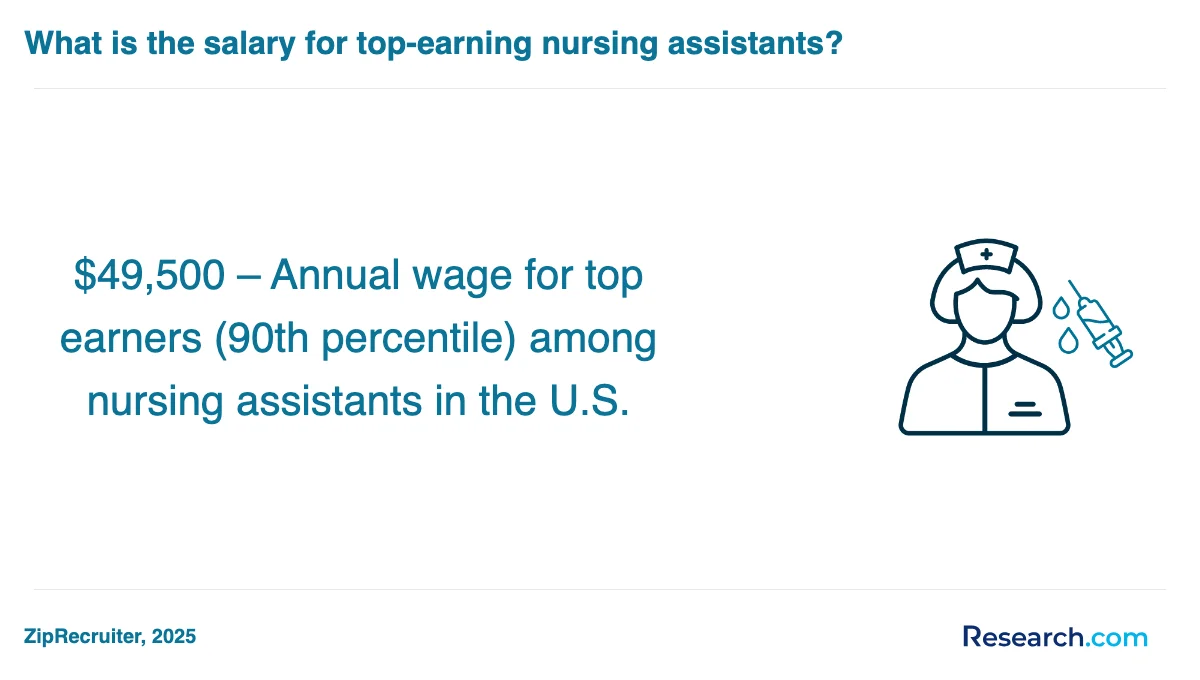
Many graduates share that their first jobs in nursing homes or home healthcare bring steady income quickly, allowing them to support themselves while gaining valuable experience. Some who pursue positions in hospitals or urban centers report earnings closer to or above the national median of $39,530 annually.
It's important to remember that wages vary by location, employer type, and shift schedules. Graduates who pick up extra certifications or night shifts can boost their pay, making the career path both practical and rewarding in Southern states like Texas, Florida, and Georgia.
Most Affordable Nursing Assistant Schools & Training - Budget-Friendly Nursing Assistant Trade Programs in South for 2026
# 1 position
Wiregrass Georgia Technical College - Nursing Assistant/Aide and Patient Care Assistant/Aide.
certificate or diplomaThe Nursing Assistant/Aide and Patient Care Assistant/Aide program at Wiregrass Georgia Technical College offers hybrid learning options. It prepares students to perform routine nursing-related services under the supervision of registered or licensed practical nurses in hospitals or long-term care facilities. The program’s annual in-state tuition is $3,212. Graduates have median earnings of $37,112 one year after completion. The program is accredited by the Southern Association of Colleges and Schools Commission on Colleges.
# 2 position
Alvin Community College - Nursing Assistant/Aide and Patient Care Assistant/Aide.
certificate or diplomaAlvin Community College offers a hybrid Nursing Assistant/Aide and Patient Care Assistant/Aide program preparing students to perform routine nursing-related services under supervision. The program's annual in-state tuition is $1,834. Graduates have a median earning of $64,976 one year after completion. The program is accredited by the Southern Association of Colleges and Schools Commission on Colleges.
# 3 position
Georgia Northwestern Technical College - Nursing Assistant/Aide and Patient Care Assistant/Aide.
certificate or diplomaThe Nursing Assistant/Aide and Patient Care Assistant/Aide program at Georgia Northwestern Technical College offers a hybrid format with some distance education options. This program trains individuals to provide routine nursing-related services under the supervision of licensed nurses in hospitals or long-term care. Annual in-state tuition is $3,132. Graduates have median earnings of $44,957 one year after completion. The program is accredited by the Southern Association of Colleges and Schools Commission on Colleges.
# 4 position
Savannah Technical College - Nursing Assistant/Aide and Patient Care Assistant/Aide.
certificate or diplomaThe Nursing Assistant/Aide and Patient Care Assistant/Aide program at Savannah Technical College offers a hybrid format, including some distance education. It prepares students to perform routine nursing-related services under nurse supervision in hospitals or long-term care facilities. The annual in-state tuition is $3,072. Graduates have a median earning of $43,592 one year after completing the program. The program is accredited by the Southern Association of Colleges and Schools Commission on Colleges.
# 5 position
Oconee Fall Line Technical College - Nursing Assistant/Aide and Patient Care Assistant/Aide.
certificate or diplomaThe Nursing Assistant/Aide and Patient Care Assistant/Aide program at Oconee Fall Line Technical College prepares students to perform routine nursing-related services under the supervision of registered or licensed practical nurses. This hybrid program offers some distance-education options. Annual in-state tuition is $3,201. Graduates have median earnings of $32,031 one year after completion. The program is accredited by the Southern Association of Colleges and Schools Commission on Colleges.
# 6 position
Meridian Community College - Nursing Assistant/Aide and Patient Care Assistant/Aide.
certificate or diplomaMeridian Community College offers a hybrid Nursing Assistant/Aide and Patient Care Assistant/Aide program preparing students to perform routine nursing-related services under supervision in hospitals or long-term care facilities. The program’s annual in-state tuition costs $3,932. Graduates earn a median income of $34,111 one year after completion. The program is accredited by the Southern Association of Colleges and Schools Commission on Colleges.
# 7 position
West Georgia Technical College - Nursing Assistant/Aide and Patient Care Assistant/Aide.
certificate or diplomaWest Georgia Technical College offers a hybrid Nursing Assistant/Aide and Patient Care Assistant/Aide program that prepares students to perform routine nursing-related services under the supervision of registered or licensed practical nurses. The annual in-state tuition is $3,122. Graduates earn a median salary of $42,462 one year after completion. The program is accredited by the Southern Association of Colleges and Schools Commission on Colleges.
# 8 position
Central New Mexico Community College - Nursing Assistant/Aide and Patient Care Assistant/Aide.
certificate or diplomaCentral New Mexico Community College offers a hybrid Nursing Assistant/Aide and Patient Care Assistant/Aide program that prepares students to perform routine nursing-related tasks under supervision. The program is accredited by the Higher Learning Commission. Annual in-state tuition is $1,934. Graduates have median earnings of $30,137 one year after completion.
# 9 position
Southeastern Technical College - Nursing Assistant/Aide and Patient Care Assistant/Aide.
certificate or diplomaThe Nursing Assistant/Aide and Patient Care Assistant/Aide program at Southeastern Technical College offers a hybrid format with some distance education. It prepares students to perform routine nursing-related services under the supervision of registered or licensed practical nurses. The program has an annual in-state tuition of $3,172. Graduates have a median earning of $39,368 one year after completion. The program is accredited by the Southern Association of Colleges and Schools Commission on Colleges.
# 10 position
Arkansas State University-Newport - Nursing Assistant/Aide and Patient Care Assistant/Aide.
certificate or diplomaArkansas State University-Newport offers a hybrid Nursing Assistant/Aide and Patient Care Assistant/Aide program that prepares students to perform routine nursing-related tasks under supervision. The program is accredited by the Higher Learning Commission. Annual in-state tuition is $2,856. Graduates have median earnings of $39,979 one year after completion, reflecting the program’s focus on practical healthcare skills for hospitals and long-term care facilities.
Key Findings
- Admission usually requires a high school diploma or GED, completion of a state-approved training program, and passing a background check and drug screening.
- Training hours in Southern states typically start at 75, with some programs requiring up to 120 hours, including clinical or lab work.
- Tuition costs range from about $600 to $2,500, excluding fees for books, uniforms, immunizations, and certification exams.
- Graduates must pass a state competency exam to be listed on the Nurse Aide Registry, which is required for employment.
- Entry-level salaries average between $25,000 and $32,000 annually, with experienced workers earning up to $38,000 or more depending on location and specialization.
How long does it take to complete nursing assistant aide and patient care assistant trade schools in South?
Completing a nursing assistant aide or patient care assistant program at a trade school in the South typically takes about 4 to 12 weeks. Most popular trade schools in the region offer intensive courses designed to prepare students quickly for entry-level healthcare roles, balancing classroom instruction with hands-on clinical practice. Graduates often share how the focused schedule helped them stay motivated, knowing they could start working in healthcare within a few months.
For example, students at well-known Southern trade schools describe their days packed with practical skills training-like taking vital signs or assisting patients with daily activities-right alongside lessons in patient safety and communication. This approach ensures that by the end of the program, they feel confident stepping into real healthcare settings.
The relatively short completion time is ideal for those eager to transition careers or enter the workforce swiftly. Graduates frequently mention feeling proud and energized after finishing, especially appreciating how the program's pace respects their personal commitments while delivering essential knowledge and experience.
What's the difference between online and on-campus nursing assistant aide and patient care assistant trade school programs?
The main difference between online and on-campus nursing assistant aide and patient care assistant programs in the South lies in how you complete the classroom portion of your training. Online programs let you study lectures and assignments from home or anywhere, which is a big plus for those juggling jobs or family. Graduates often mention the freedom to set their own pace as a major benefit, especially when attending popular Southern trade schools that offer these flexible options. This setup saves time and money on commuting, making it feel more manageable to fit school into a busy life.
Still, everyone has to complete hands-on clinical hours in person at a healthcare facility, no matter the program. Those choosing on-campus programs experience face-to-face classes, labs, and immediate instructor support, which many find motivating and reassuring. At well-known South trade schools, the typical on-campus track lasts about two months and includes supervised externships, helping students build confidence through direct patient care before certification.
What is the average cost of nursing assistant aide and patient care assistant trade schools in South?
The average cost nursing assistant programs South typically range from $400 to $1,200 depending on the institution and program length. For example, a graduate of the Certified Nursing Assistant (CNA) training in Georgia shared that the tuition usually falls between $600 and $1,200. Many students find this investment manageable, especially when long-term care facilities offer low-cost or sometimes free training options, making the path more accessible. Graduates often describe a sense of relief and achievement after completing their training at these affordable rates.
In Alabama, Southern Union State Community College stands out with a Nursing Assisting course costing about $743, excluding supplies like textbooks and uniforms. Students here commonly mention how the reasonable tuition combined with solid community support boosted their confidence to start working quickly as patient care assistants. Such costs illustrate how patient care assistant training expenses Southern states can vary yet remain doable for motivated individuals.
Meanwhile, in Tennessee, Walters State Community College offers a package that includes tuition, registration, liability insurance, and textbooks for approximately $500. Students appreciate the transparency of this pricing and feel prepared without unexpected fees. Understanding the financial commitment upfront helps students maintain focus on their studies and professional goals. Anyone curious about the specifics of nursing assistant education should review details directly with schools as fees can fluctuate.
For those planning their careers, understanding the average cost nursing assistant programs South is crucial. Learning more about nursing assistant qualifications can also guide students in choosing the right program to match their budget and career timeline.
What financial aid is available for nursing assistant aide and patient care assistant trade schools in South?
Nursing assistant aide and patient care assistant students in the South can access various financial aid options that ease the burden of education costs. Many rely on federal and state grants, scholarships, and workforce development funds tailored to support trade school programs. For instance, graduates from popular schools like Wake Technical Community College have shared how the Propel scholarship program covered their registration and fees, making their training affordable and less stressful.
The Workforce Opportunity Investment Act (WIOA) is another vital resource, especially for those meeting income or employment criteria. It often covers tuition and related expenses, helping students focus on their studies rather than finances. Local career resource centers in Southern states offer guidance to navigate these benefits, which many graduates found invaluable during their enrollment.
Some students also benefit from tuition payment plans or employer reimbursement programs, particularly those already working in healthcare settings. Financial aid offices at these trade schools play a crucial role in connecting students with these opportunities, ensuring they maximize available support and graduate with confidence.
What are the prerequisites for enrolling in nursing assistant aide and patient care assistant trade schools in South?
Enrollment in nursing assistant aide and patient care assistant trade school programs in South commonly requires a few straightforward prerequisites that set students up for success. Most schools ask for a high school diploma or GED, ensuring you have the basic educational foundation. Some popular trade schools in South also require prospective students to pass a background check and a drug screening, reflecting the responsibility involved in patient care roles.
Graduates often recall the importance of being physically and emotionally prepared, as these programs demand hands-on work and long hours in clinical settings. Schools encourage applicants to have strong communication skills and a genuine desire to help others, which can be demonstrated through volunteer work or prior caregiving experience.
Typical prerequisites include:
- High school diploma or GED
- Passing a background check and drug test
- Proof of immunizations and TB test
- Basic CPR certification in some cases
- Ability to commit to clinical hours and hands-on training
Students from well-known trade schools in South share that meeting these criteria isn't just about paperwork; it's about proving readiness to thrive in a demanding but rewarding healthcare environment.
What are the typical courses in nursing assistant aide and patient care assistant trade schools in South?
Courses in nursing assistant aide and patient care assistant trade school programs in the South focus on essential skills that prepare students for real-world healthcare settings. Graduates from popular schools like Fletcher Technical Community College and Arkansas State University Mid-South often highlight how hands-on training boosted their confidence in patient care.
Typical courses cover:
- Introduction to Health Care: Understanding the healthcare system and professional expectations.
- Basic Nursing Skills: Learning to check vital signs, assist with feeding and grooming, and ensure patient comfort.
- Body Structure and Function: Gaining knowledge of human anatomy relevant to patient care.
- Infection Control and Prevention: Mastering cleanliness and disease prevention in clinical environments.
- Safety and Emergency Procedures: Preparing for urgent situations with practical response strategies.
- Residents' Rights: Learning legal and ethical responsibilities in long-term care.
- Communication Skills: Building effective interaction techniques with patients and healthcare teams.
- Personal Care and Basic Restorative Services: Supporting daily living activities and helping patients regain independence.
Students often describe the combination of classroom learning and supervised clinical experience as invaluable. Practicing skills with real patients in long-term care facilities under instructor guidance ensures readiness for certification exams and entry-level roles.
What are the available specializations in nursing assistant aide and patient care assistant trade schools in South?
In Southern trade schools, nursing assistant specializations commonly reflect local healthcare demands and prepare students for varied roles in patient care. Graduates often choose tracks in geriatric care, gaining skills vital for nursing homes and assisted living facilities-like dementia support and chronic disease management-which are in high demand across states such as North Carolina. Others focus on home health aide training, acquiring hands-on experience in patient homes with tasks like medication reminders and personal hygiene assistance, a setting that many find both challenging and rewarding.
Popular programs also include acute care assistant tracks, where students learn to thrive in fast-paced hospital environments, mastering infection control and patient mobility alongside clinical rotations. Some schools even offer pediatric care specializations, teaching communication with young patients and pediatric procedures, though this is less frequent.
To boost employability, many programs add certificates in medical terminology, nutrition, and safety/infection control. Graduates from Southern trade schools appreciate how these targeted options in patient care assistant program options in the South help pave the way for fulfilling roles and career growth. For those considering cost vs. opportunity, exploring the highest paying jobs in the medical field can guide future plans.
How do you choose the best nursing assistant aide and patient care assistant trade school program in South?
Choosing the best nursing assistant programs in Southern USA requires focusing on accreditation and hands-on experience. Graduates from programs like Elizabethtown Community and Technical College in Kentucky highlight how a solid mix of classroom lectures and supervised clinical training built their confidence in real healthcare settings. Affordable patient care assistant schools in Southern states, such as New Path Health Career Center in Alabama, also stand out by providing transparent tuition costs and additional financial aid opportunities that make training accessible without heavy debt.
Student support services matter just as much. Those who studied at Falcon Institute of Health and Science in Pennsylvania often praise the tutoring and job placement help that smoothed their transition from training into employment. When selecting a program, evaluate admission requirements closely-Elgin Community College in Illinois, for example, asks for a clean background check and age minimum, realistic prerequisites that prepare students for the demands of patient care.
Balancing scheduling flexibility and location adds to a positive experience. Programs like Elizabethtown Community and Technical College offer weekday, evening, and Saturday classes to fit working students' lives, while Northeast Alabama Community College provides convenient access for local residents. Understanding what medical assistant makes the most money can further guide your choices as you invest in your career path.
What career paths are available for nursing assistant aide and patient care assistant trade school graduates in South?
Graduates of nursing assistant aide and patient care assistant trade school programs in South find diverse career opportunities tailored to their skills and interests. Many begin as Certified Nursing Assistants (CNAs) in hospitals, nursing homes, or assisted living communities, where they gain hands-on experience and make a real difference in patient care. For example, graduates from popular Southern trade schools often share how rewarding it is to support elderly residents in long-term care facilities while building confidence in a clinical setting.
Additional career paths include specialized roles such as long-term care CNA or geriatric nursing CNA, where demand is steadily growing due to the region's aging population. Some graduates pursue working in home health aide positions, providing one-on-one care in patients' homes, which offers a more personalized work environment that many find fulfilling.
- Advancement to Licensed Practical Nurse (LPN) or Registered Nurse (RN) through bridge programs offered by community colleges and trade schools
- Positions in hospice care, pediatric care, or government facilities like VA hospitals
- Opportunities in healthcare management or nurse education after gaining experience and certification
The patient care assistant job outlook South is promising, with clear steps for upward mobility. Graduates understand the importance of state certification exams and registries that prepare them for competitive roles. For those curious about the difference between licensed practical nurse and certified nursing assistant, it's a key consideration when planning career advancement within Southern healthcare systems.
What is the job market for nursing assistant aide and patient care assistant trade school graduates in South?
The nursing assistant job market in the South currently offers steady demand and competitive wages for trade school graduates in nursing assistant aide and patient care assistant programs. Graduates from popular Southern trade schools find ample opportunities in cities like Sumter and Columbia, South Carolina, where employers consistently list dozens of openings ranging from certified nursing assistants (CNAs) to patient care technicians. These roles often come with benefits such as health insurance, 401(k) matching, and flexible scheduling, making the work environment appealing for entry-level healthcare workers.
Most Southern employers require state certification, easily attained through trade school programs that prepare students for competency exams. Graduates often report feeling confident entering the workforce quickly without incurring heavy debt. Facilities employing graduates include hospitals, long-term care facilities, and private home care agencies.
- Hourly wages may reach $20.50 for CNAs in some settings.
- Career advancement opportunities to LPN or RN roles are common.
- Strong local demand supports about 216,200 annual job openings nationwide.
For those weighing options, understanding what is the difference between cna and ma helps clarify career paths. The median nursing assistant salary South of $39,530 annually offers a practical starting point for students seeking reliable income soon after graduation.
Frequently Asked Questions about nursing assistant aide and patient care assistant
After completing nursing assistant aide and patient care assistant trade school programs in South, graduates should focus on obtaining state certification, which is mandatory for employment. In South, passing the Certified Nursing Assistant (CNA) exam administered by the Department of Health and Human Services is a key step. Gaining hands-on experience through internships or volunteer opportunities in local healthcare facilities can improve job prospects. Networking with professionals and attending job fairs in cities like Charlotte and Raleigh can also be beneficial. According to the U.S. Bureau of Labor Statistics, employment for nursing assistants in the Southeast is projected to grow by 8% through 2030, reflecting steady demand for qualified aides.
Employers in South seeking nursing assistant aide and patient care assistant graduates prioritize strong communication and interpersonal skills. These roles require clear interaction with patients and healthcare teams, essential for effective care delivery. According to the U.S. Bureau of Labor Statistics and regional workforce reports, attention to detail and the ability to follow strict health and safety protocols are critical skills valued by employers.
Time management and adaptability also rank highly, as aides often handle multiple patients and unexpected situations. Familiarity with electronic health records (EHR) is increasingly important due to the digitalization of healthcare facilities in the South. Employers look for graduates who demonstrate empathy, reliability, and physical stamina, reflecting the demanding nature of patient care work.
Finding internships in the South for nursing assistant aide and patient care assistant trade school programs involves several strategic steps. Start by contacting local healthcare facilities such as hospitals, nursing homes, and assisted living centers, as these institutions commonly offer internship opportunities. According to the U.S. Bureau of Labor Statistics, healthcare support occupations are projected to grow 13% from 2022 to 2032, especially in Southern states with expanding eldercare needs.
Trade schools often have partnerships with medical providers; inquire about any formal internship placements during enrollment. Additionally, state workforce agencies and career centers in the South frequently maintain listings of healthcare internships suitable for students in these programs.
Online job boards tailored to healthcare internships, such as those hosted by state health departments, also provide valuable leads. When applying, highlight any relevant coursework or certifications like the Certified Nursing Assistant (CNA), which strengthens your candidacy for internship roles.
Obtaining a nursing assistant aide or patient care assistant diploma from a trade school in South significantly enhances career mobility and advancement opportunities. According to the U.S. Bureau of Labor Statistics (2023), certified nursing assistants (CNAs) in Southern states experience a 12% faster job growth compared to the national average. A diploma provides essential clinical skills and state certification eligibility, making graduates competitive for entry-level healthcare roles.
Trade school training often includes hands-on experience, which employers value for promotions to supervisory or specialized positions. Additionally, many programs in South have partnerships with local healthcare facilities, facilitating job placement.
Graduates can also use this diploma as a stepping stone toward further nursing education, improving long-term career prospects.
Part-time job opportunities in South that complement nursing assistant aide and patient care assistant trade school education often include roles in healthcare facilities such as hospitals, nursing homes, and assisted living centers. Positions like home health aide, medical receptionist, or patient transporter provide practical experience while supporting coursework. According to the U.S. Bureau of Labor Statistics, healthcare support jobs in the South are projected to grow faster than average, reflecting strong demand.
Working part-time in these settings helps students develop critical skills in patient care, communication, and teamwork. Many employers offer flexible schedules to accommodate class times, making it feasible to balance work and study. These jobs also enhance resumes and increase employability upon graduation.
When searching for the most affordable Nursing Assistant Aide and Patient Care Assistant degree programs near me, it is important to first compare tuition rates and available financial aid options to determine cost-effectiveness. Research.com can be a valuable resource to find programs near South that match your financial and academic criteria. Additionally, consider the accreditation status and hospital affiliations of the institutions as these factors can influence post-graduation opportunities and employment prospects.
Top Trending Rankings
References
- Your Guide to Choosing the Right CNA Program https://www.sflhealthcareinstitute.com/your-guide-to-choosing-the-right-cna-program
- CNA Classes & Certification | How to Become a CNA | Red Cross https://www.redcross.org/take-a-class/lp/certified-nursing-assistant-nat
- CNA Certification Requirement By State https://www.registerednursing.org/certified-nursing-assistant/certification/
- Nursing Assistant (CNA and HHA) Program https://southcentral.edu/majors-and-programs/nursing-assistant.html
- Basic Nurse Assistant Training Program (BNATP) | South Suburban College https://www.ssc.edu/academics/programs-of-study/nursing/cna/
- Assistant in Nursing Courses - International Career Institute https://icieducation.com/courses/health-fitness/nursing-assistant/
- Certified Nurse Assistant Training Programs https://www.cdph.ca.gov/Programs/CHCQ/LCP/Pages/Certified-Nurse-Assistant-Training-Programs.aspx
- Certified Nursing Assistant | SLCC https://www.slcc.edu/satts/programs/certifiied-nursing-assistant.aspx
- Nursing Assistant Certified | Healthcare Programs https://healthcare.seattlecentral.edu/programs/nursing-assistant-certified
- Patient Care Technician | South Texas College https://www.southtexascollege.edu/academics/patient-care/


