
Best Nursing Assistant Training Programs & Trade Schools - Top Nursing Assistant Schools in Midwest for 2026

Co-Founder and Chief Data Scientist
Choosing the right trade school is an important step toward a rewarding career as a nursing assistant aide or patient care assistant. This article introduces the best nursing assistant trade schools in the Midwest for 2026, based on a ranking developed by the Research.com team of data scientists.
By exploring these top programs, you’ll gain valuable insights to help make an informed decision about your education. Earning a diploma or certification in this field opens doors to meaningful work and personal growth. Let’s guide you toward a future full of opportunity and care.
Key benefits of finishing nursing assistant aide and patient care assistant trade school in Midwest
- Graduates in the Midwest can expect a competitive salary, typically earning between $35,000 and $42,000 annually, or about $18 to $20 per hour, which is close to the national average and offers financial stability.
- Career paths include working in hospitals, nursing homes, or long-term care facilities, with many successful graduates quickly finding rewarding roles that offer hands-on patient care experience.
- Completing the program online offers flexibility to balance work and family, allowing graduates to enter the workforce faster without sacrificing quality training compared to traditional degrees.
What can I expect from nursing assistant aide and patient care assistant trade schools in Midwest?
Enrolling in a nursing assistant aide or patient care assistant program in the Midwest means preparing for a dynamic blend of classroom lessons, hands-on labs, and real-world clinical experiences. Graduates from schools like Mid-State Technical College in Wisconsin describe balancing about 81 hours of on-campus training with a 27-hour clinical practicum, where they gain confidence under professional supervision.
Expect to dive deep into essential topics such as patient safety, ethical responsibilities, and communication skills-areas that graduates often recall as eye-opening moments shaping their approach to care. Programs at Anoka Technical College in Minnesota add layers by addressing mental health and restorative services, helping students feel ready to support patients holistically.
In practical terms, students prepare for physical and communication demands and often invest in uniforms and textbooks. Yet, many find this a meaningful step toward certification eligibility, especially when courses meet state standards like those at John Wood Community College or Minnesota West Community and Technical College. This rigorous training opens doors to rewarding roles in hospitals and long-term care, inspiring students with a clear path forward in healthcare.
Where can I work after finishing nursing assistant aide and patient care assistant trade schools in Midwest?
Graduates of nursing assistant aide and patient care assistant trade school programs in the Midwest find themselves stepping into a world of diverse and rewarding job opportunities. Many quickly secure positions as Certified Nursing Assistants (CNAs), especially in states like Illinois, Iowa, and Minnesota where demand is high, with hundreds of openings posted regularly. For example, recent graduates from popular trade schools often share how they landed roles in nursing homes or assisted living centers, environments where daily interaction with residents builds strong, meaningful connections.
Others find fulfillment working in skilled nursing facilities or hospitals, supporting patients under nurses' supervision. The flexible schedules-ranging from full-time days to part-time nights-allow graduates to balance work with personal life. Many alumni recall feeling proud when starting shifts in rehabilitation centers or home healthcare agencies, helping patients regain independence. These roles open pathways into specialties like geriatrics and general medical units, offering continual growth and a steady career in the Midwest's evolving healthcare landscape.
How much can I make after finishing nursing assistant aide and patient care assistant trade schools in Midwest?
After completing a nursing assistant aide or patient care assistant trade school program in the Midwest, many graduates find themselves stepping into roles that pay between $18 and $22 per hour. This range, common across states like Minnesota and Illinois, translates into an annual salary of about $37,000 to $45,000 for full-time work. For example, graduates from well-known trade schools in cities like Minneapolis have reported starting wages close to $19.65 per hour, aligning with state averages and offering a solid foundation for those new to healthcare.
Imagine beginning your career in a bustling hospital where experienced CNAs earn up to $26.97 per hour, especially on night shifts or in specialized roles. Many graduates express excitement about how quickly their pay can grow with added certifications and hands-on experience. The satisfaction of making a real difference in patient care while earning a dependable income is a common theme among those who chose this path in the Midwest.
These realistic earnings reflect both the demand for skilled nursing assistants and the rewarding nature of the work, helping graduates feel confident about their investment in trade school education.
Best Nursing Assistant Training Programs & Trade Schools - Top Nursing Assistant Schools in Midwest for 2026
# 1 position
Schoolcraft Community College District - Nursing Assistant/Aide and Patient Care Assistant/Aide.
certificate or diplomaSchoolcraft Community College District offers a hybrid Nursing Assistant/Aide and Patient Care Assistant/Aide program that prepares students to provide routine nursing services under supervision in hospitals or long-term care facilities. The program’s annual in-state tuition is $4,448. Graduates have median earnings of $75,104 one year after completion. The program is accredited by the Higher Learning Commission.
# 2 position
Lake Land College - Nursing Assistant/Aide and Patient Care Assistant/Aide.
certificate or diplomaLake Land College offers a hybrid Nursing Assistant/Aide and Patient Care Assistant/Aide program that prepares students to perform routine nursing-related services under the supervision of registered or licensed practical nurses. The program's annual in-state tuition is $4,280. Graduates have median earnings of $41,756 one year after completion. The program is accredited by the Higher Learning Commission.
# 3 position
Dakota County Technical College - Nursing Assistant/Aide and Patient Care Assistant/Aide.
associateThe Nursing Assistant/Aide and Patient Care Assistant/Aide program at Dakota County Technical College offers a hybrid format with some distance-education options. It prepares students to perform routine nursing-related services under supervision in hospitals or long-term care facilities. The program is accredited by the Higher Learning Commission. Annual in-state tuition is $6,419. Median earnings one year after completion are $48,973.
# 4 position
Dakota County Technical College - Nursing Assistant/Aide and Patient Care Assistant/Aide.
certificate or diplomaThe Nursing Assistant/Aide and Patient Care Assistant/Aide program at Dakota County Technical College offers a hybrid format with some distance-education options. It prepares students to perform routine nursing-related services under supervision in hospitals or long-term care facilities. The program is accredited by the Higher Learning Commission. Annual in-state tuition is $6,419, and median earnings one year after completion are $48,973.
# 5 position
Black Hawk College - Nursing Assistant/Aide and Patient Care Assistant/Aide.
certificate or diplomaThe Nursing Assistant/Aide and Patient Care Assistant/Aide program at Black Hawk College offers a hybrid format with some distance education options. It prepares students to perform routine nursing-related services under the supervision of registered or licensed practical nurses. The program is accredited by the Higher Learning Commission. Annual in-state tuition costs $4,920, and median earnings for graduates one year after completion are $45,993.
# 6 position
Hutchinson Community College - Nursing Assistant/Aide and Patient Care Assistant/Aide.
certificate or diplomaThe Nursing Assistant/Aide and Patient Care Assistant/Aide program at Hutchinson Community College offers a hybrid format with some distance education options. It prepares students to perform routine nursing-related services under supervision in hospitals or long-term care facilities. The program is accredited by the Higher Learning Commission. Annual in-state tuition is $3,420, and median earnings one year after completion are $45,344.
# 7 position
Cincinnati State Technical and Community College - Nursing Assistant/Aide and Patient Care Assistant/Aide.
certificate or diplomaCincinnati State Technical and Community College offers a hybrid Nursing Assistant/Aide and Patient Care Assistant/Aide program that prepares students to perform routine nursing services under the supervision of licensed nurses. The program is accredited by the Higher Learning Commission. Annual in-state tuition is $5,400. Graduates have median earnings of $53,908 one year after completion.
# 8 position
Mid-EastCTC-Adult Education - Nursing Assistant/Aide and Patient Care Assistant/Aide.
certificate or diplomaThe Nursing Assistant/Aide and Patient Care Assistant/Aide program at Mid-EastCTC-Adult Education offers hybrid learning options. It prepares students to perform routine nursing-related tasks under supervision in hospitals or long-term care facilities. Graduates have median earnings of $35,050 one year after completion. The program is accredited by the Council on Occupational Education, ensuring recognized standards in occupational training and education.
# 9 position
Tri-Rivers Career Center - Nursing Assistant/Aide and Patient Care Assistant/Aide.
certificate or diplomaThe Nursing Assistant/Aide and Patient Care Assistant/Aide program at Tri-Rivers Career Center is a hybrid course that prepares students to provide routine nursing-related services under supervision. Graduates can expect median earnings of $44,837 one year after completion. The program is accredited by the Council on Occupational Education, ensuring a recognized standard of training for work in hospitals or long-term care facilities.
# 10 position
Illinois Central College - Nursing Assistant/Aide and Patient Care Assistant/Aide.
certificate or diplomaIllinois Central College offers a hybrid Nursing Assistant/Aide and Patient Care Assistant/Aide program that trains individuals to perform routine nursing-related services under supervision. The program is accredited by the Higher Learning Commission. Annual in-state tuition is $4,650. Graduates earn a median salary of $55,604 one year after completion, reflecting strong job market outcomes for students completing this program.
Key Findings
- Admission usually requires candidates to be at least 16 years old, have completed 8 years of grade school or equivalent, pass a criminal background check, and speak English or a common local language.
- Programs must include at least 75 hours of training, with 16 hours each of clinical hands-on and lab experience; typical programs in the Midwest may offer around 81 hours with 27 hours of supervised clinical practice.
- The cost to complete these programs ranges from $500 to $2,000, varying by institution type, with some offering financial aid or scholarships.
- Graduates must pass a state competency exam to become certified and listed on the state nurse aide registry, which is required for employment.
- Entry-level salaries for certified nursing assistants in the Midwest range from $30,000 to $38,000 annually, with job demand expected to remain steady in hospitals, long-term care, and home health settings.
How long does it take to complete nursing assistant aide and patient care assistant trade schools in Midwest?
Completing a nursing assistant aide or patient care assistant program in the Midwest typically takes between 4 to 12 weeks, depending on the trade school and the intensity of the curriculum. Many popular trade schools in this region offer accelerated courses that fit tightly into busy schedules, allowing students to quickly transition into the workforce.
Graduates often share how the compact timeframe felt empowering, as they could see real progress with each week, moving from classroom theory to hands-on patient care experiences in clinical settings. Imagine starting the program in early spring and by summer already working alongside nurses in hospitals or long-term care facilities, gaining valuable skills and confidence.
This rapid completion time is especially motivating for those eager to begin helping patients and supporting healthcare teams without the long wait of traditional degree programs. Trade schools in cities like Chicago and Minneapolis emphasize practical training, ensuring students leave ready for certification exams and real-world challenges.
For many, this short but intensive journey sparks a strong sense of accomplishment and excitement about the career path ahead.
What's the difference between online and on-campus nursing assistant aide and patient care assistant trade school programs?
The key difference between online and on-campus nursing assistant aide and patient care assistant programs in the Midwest comes down to how learning is experienced and scheduled. Graduates from online programs often share how the ability to study coursework from home allowed them to juggle family and work responsibilities without missing critical lessons. Schools offering these programs provide lectures and assignments accessible anytime, but students must still complete hands-on clinical hours locally to meet state requirements. This blend of flexibility and real-world practice appeals to those needing convenience without sacrificing essential skills.
On the flip side, on-campus students at well-known Midwest trade schools like the College of DuPage describe the immersive environment as energizing. Being in classrooms and labs with peers and instructors fosters immediate feedback and confidence-building through direct supervision. Many appreciate the structured schedule and in-person interaction that sharpens their practical skills and deepens their understanding of patient care.
Both paths culminate in the same certification eligibility, but the choice depends on whether flexibility or hands-on group learning feels more motivating for each individual's lifestyle.
What is the average cost of nursing assistant aide and patient care assistant trade schools in Midwest?
Determining the average cost of nursing assistant programs in Midwest reveals a spectrum influenced heavily by program length and school type. For example, a typical Certified Nursing Assistant (CNA) program in Illinois ranges from $800 to $1,500, lasting between 4 and 16 weeks. Graduates from these programs often share how this investment provided them the foundational skills to confidently step into patient care roles. At Midwest Technical Institute, the Basic Nursing Assistant program costs $2,200 for a 7-week course, involving 136 clock hours of combined classroom and clinical training, highlighting how specialized institutions can vary in price but offer intensive preparation.
Tuition fees for patient care assistant courses in Midwest can be more affordable at community colleges like Madison College in Wisconsin, where a Nursing Assistant technical diploma costs around $656.19 for one semester, emphasizing accessibility for students who might balance work alongside studies. Graduates from such trade schools often mention the rewarding feeling of gaining certification swiftly and starting their healthcare careers sooner.
It's important to remember that extra costs such as uniforms, background checks, and certification exam fees may add to the total investment, but many find the effort worthwhile given the career opportunities. Prospective students interested in how to get cna certified should weigh these costs alongside financial aid options like scholarships or grants to make the best choice.
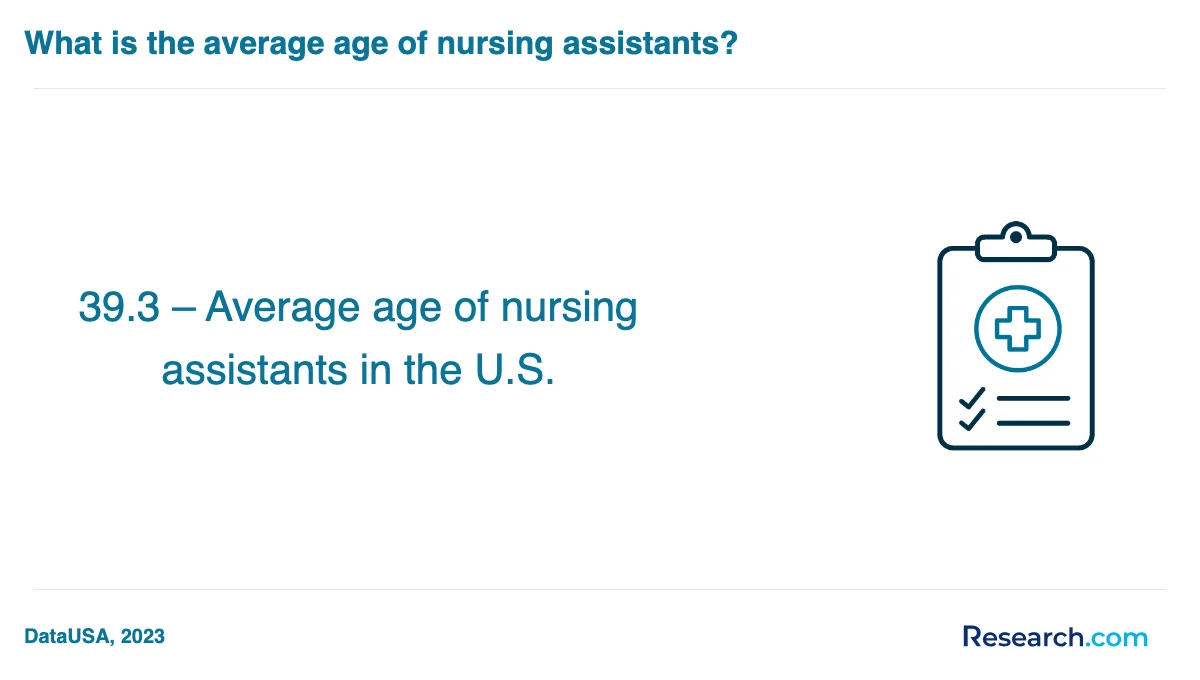
What financial aid is available for nursing assistant aide and patient care assistant trade schools in Midwest?
Many nursing assistant aide and patient care assistant students in the Midwest find relief through a variety of financial aid options tailored to their unique paths. Federal grants like the Pell Grant often cover a significant portion of tuition, allowing graduates from schools such as Midwest Technical Institute (MTI) to focus on their studies without overwhelming debt. These grants don't require repayment, providing peace of mind during challenging times.
State grants and scholarships add another layer of support. For instance, students training at community colleges often tap into these resources, sometimes coupled with institutional scholarships. Graduates frequently share how receiving such aid made their educational journey feel attainable and less stressful.
Work-study programs, while less common, provide hands-on experience and income, especially through partnerships with local healthcare employers. In Minnesota, students who self-fund their training can look forward to reimbursement programs contingent on employment at certified facilities, a real encouragement for those committed to entering the workforce.
However, not all programs accept federal aid. Those attending schools like Mid-State Technical College learn to creatively combine local scholarships and employer tuition assistance, turning obstacles into opportunities.
What are the prerequisites for enrolling in nursing assistant aide and patient care assistant trade schools in Midwest?
To enroll in nursing assistant aide or patient care assistant trade school programs in the Midwest, students often face clear yet approachable prerequisites designed to ensure readiness and success. Most trade schools require a high school diploma or GED, which sets a foundational level of education necessary for the detailed patient care training ahead.
Beyond education, applicants typically must pass a background check and provide proof of immunizations, reflecting the sensitive nature of healthcare environments. Graduates from Midwest trade schools frequently share how these steps, though straightforward, helped them feel more confident and prepared for real-world patient interactions.
Some programs also expect prospective students to complete a basic health screening and occasionally a drug test, ensuring the safety of both students and patients during clinical placements. Trade schools in states like Illinois and Ohio emphasize these protocols, fostering trust and professionalism from day one.
- High school diploma or GED
- Background check
- Proof of immunizations
- Basic health screening (varies by school)
- Drug test (in some cases)
Graduates often recall the reassurance these prerequisites gave them, like knowing they met essential health and safety standards before stepping into bustling hospital wings or long-term care facilities. This preparation not only opens doors but also builds a resilient mindset crucial for thriving as a nursing assistant or patient care aide in the Midwest's demanding healthcare settings.
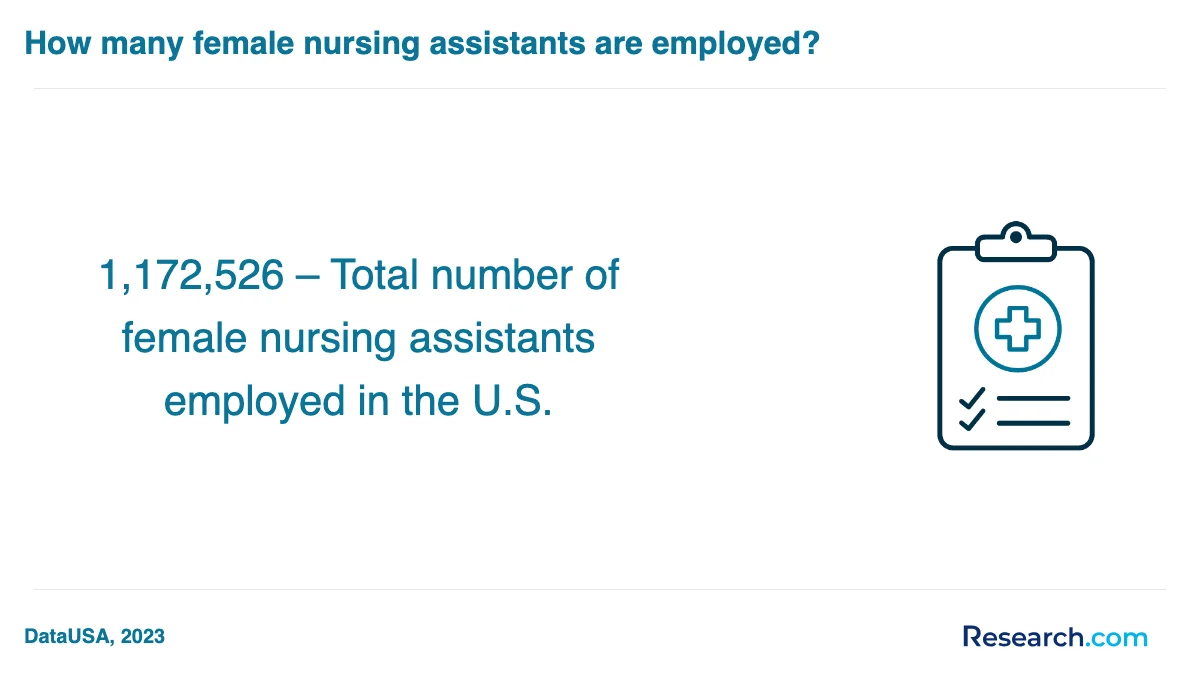
What are the typical courses in nursing assistant aide and patient care assistant trade schools in Midwest?
Trade schools in the Midwest offering nursing assistant aide and patient care assistant programs focus on practical, hands-on courses designed to prepare students for real healthcare settings. Graduates from schools like Mid-State Technical College experience an 81-hour curriculum combining classroom labs and a 27-hour clinical practicum, where they learn vital skills such as bathing, dressing, feeding, and safely moving patients.
Typical courses cover:
- Basic nursing skills essential for everyday patient care
- Personal care techniques that build confidence and compassion
- Communication training to effectively interact with patients and healthcare teams
- Client rights and ethical responsibilities, ensuring respect and dignity
- Cultural awareness to provide sensitive care for diverse populations
Students often highlight how learning about documentation, teamwork, and reporting helped them feel ready for hospital and nursing home environments. Hands-on clinical experience lets them apply restorative care and rehabilitation support under supervision, turning complex theory into relatable, rewarding moments of patient connection and impact.
What are the available specializations in nursing assistant aide and patient care assistant trade schools in Midwest?
Midwest nursing assistant program specializations often include focused tracks that prepare students for distinct healthcare roles, making education feel relevant and empowering. Graduates from trade schools like Anoka Technical College describe their combined Nursing Assistant/Home Health Aide certificates as opening doors beyond hospitals-allowing them to confidently support clients directly in home settings, addressing social and mental health needs intimately. Others pursuing patient care assistant training options in Midwest appreciate the Certified Medication Technician (CMT) route featured at institutions such as State Fair Community College, which equips them with medication administration skills that enhance their responsibilities and career pathways in long-term care facilities.
Stackable certificates in phlebotomy and EKG technology are popular additions, as reported by students from Shawnee Community College, broadening opportunities to achieve credentials like Patient Care Technician that boost employability. Many programs also emphasize geriatrics, dementia, and rehabilitation care-skills critical for thriving in communities with aging populations. Learning these specialized skills transforms routine caregiving into a deeply meaningful profession, reflecting real-life challenges graduates eagerly meet every day.
Understanding what is the job description of a certified nursing assistant can also illuminate how these specializations influence your daily work and growth within healthcare.
How do you choose the best nursing assistant aide and patient care assistant trade school program in Midwest?
Choosing the best nursing assistant aide and patient care assistant trade school program in Midwest means zeroing in on accreditation, hands-on clinical experience, and program flexibility. Graduates from popular schools like Milwaukee Career College, accredited by ABHES, often emphasize the confidence that came from real-world rotations in local hospitals. This practical training sharpens skills and opens doors to job opportunities immediately after completion.
Look for programs like Midwest Technical Institute's 7-week Certified Nursing Assistant courses that accommodate both daytime and evening schedules, allowing working students to balance commitments without stress. Many graduates feel empowered knowing their education fits their lifestyle without sacrificing quality.
Cost matters too, but affordable tuition like Madison College's $644.67 program often includes financial aid options, which many students find crucial. When you investigate the best nursing assistant programs in Midwest, also explore the job placement rates that reflect the program's reputation within the healthcare community.
Lastly, check out reviews from former students who rave about the supportive environments and meaningful connections made during their training. Whether you're seeking top patient care assistant schools in Midwest or exploring medical degrees 2 years or less, these factors transform education into a career pathway full of promise.
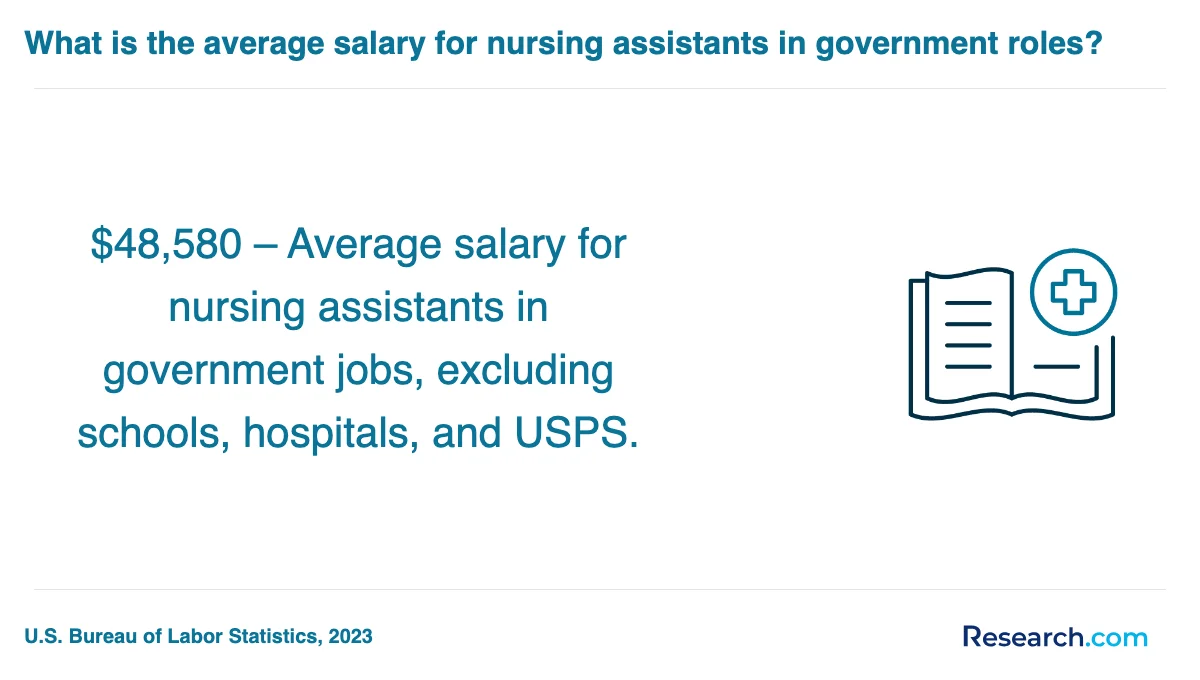
What career paths are available for nursing assistant aide and patient care assistant trade school graduates in Midwest?
Graduates of nursing assistant aide and patient care assistant trade school programs in Midwest find a variety of fulfilling roles waiting for them right after training. Many step confidently into positions such as Certified Nursing Assistant (CNA), Home Health Aide (HHA), or Personal Care Worker, offering compassionate care in hospitals, nursing homes, and community residences. Trade schools popular in the Midwest often highlight these nursing assistant career opportunities in Midwest as foundational steps toward a deeply rewarding healthcare journey. Graduates often share stories of the pride they feel when supporting patients through recovery or daily activities.
For those yearning for more responsibility, the patient care assistant job paths Midwest open doors to advanced roles such as Licensed Practical Nurse or Surgical Technician with further education. Some programs even offer specialized courses in phlebotomy or EKG, broadening horizons beyond traditional bedside care.
Students interested in affordable online cna degree programs can find options tailored for busy Midwesterners, enabling them to advance their credentials while working. Embracing these opportunities can lead to vibrant careers in settings from acute hospitals to home care.
What is the job market for nursing assistant aide and patient care assistant trade school graduates in Midwest?
The nursing assistant job outlook in Midwest is notably robust, offering promising opportunities for graduates of trade school programs in nursing assistant aide and patient care assistant. Popular trade schools in the region equip students with hands-on skills and certification that are highly sought by employers in nursing homes, hospitals, and residential care facilities. Graduates often share that their programs combined practical training with real-world scenarios, preparing them to step immediately into stable roles.
Several factors drive this strong demand:
- An aging population increasing the need for long-term care services
- Turnover in healthcare settings creating continual job openings
- State certification requirements that prioritize formally trained candidates
Students report satisfaction moving quickly from training to employment, with wages in the Midwest competitive and close to the national median-averaging around $39,530 annually as of 2024. This aligns well with Midwest patient care assistant employment trends showing sustained growth.
For those considering career paths, exploring best healthcare jobs resources offers insight into how these roles fit in broader healthcare networks, emphasizing practical entry points via accredited trade schools.
Frequently Asked Questions about nursing assistant aide and patient care assistant
After completing a nursing assistant aide or patient care assistant trade school in the Midwest, preparation for the job market begins with obtaining certification. Most states, including those in the Midwest, require passing the Certified Nursing Assistant (CNA) exam, which validates your skills and improves job prospects.
Building a strong resume that highlights clinical experience gained during training is essential. Networking with local healthcare facilities can lead to job opportunities, as many employers prefer candidates familiar with regional practices.
According to the U.S. Bureau of Labor Statistics, the demand for nursing assistants in the Midwest is projected to grow about 9% through 2032, indicating steady employment chances.
Continuing education and pursuing specialized certifications can further enhance employability in competitive markets.
Employers in the Midwest highly value nursing assistant aide and patient care assistant graduates who demonstrate strong clinical skills, including vital signs monitoring, patient hygiene, and basic medical procedures. According to the U.S. Bureau of Labor Statistics and regional healthcare reports, proficiency in infection control and patient safety is crucial due to increasing health regulations.
Communication skills rank prominently, as assistants must effectively interact with patients, families, and healthcare teams. Compassion and emotional resilience are essential, considering the demanding nature of patient care roles. Additionally, employers seek candidates familiar with electronic health records (EHR) systems, reflecting the growing digitalization in healthcare facilities across the Midwest.
Time management and teamwork abilities are also frequently mentioned in job postings from states like Illinois and Ohio. Overall, a combination of technical expertise and interpersonal skills increases employability in this competitive field.
Finding internships relevant to nursing assistant aide and patient care assistant trade school programs in the Midwest involves several strategic steps. Start by contacting your trade school's career services, as many have established partnerships with local healthcare facilities. According to the National Network of Career Nursing Assistants, approximately 60% of Midwest trade schools facilitate internships through affiliated hospitals and nursing homes.
Additionally, explore opportunities with state health departments and local clinics, which often offer internships for hands-on experience. Websites like the Midwest Healthcare Internship Portal provide updated listings specifically for nursing assistant roles. Networking at local healthcare job fairs can also connect you directly with potential internship providers.
Obtaining a diploma from a nursing assistant aide or patient care assistant trade school in the Midwest significantly enhances career mobility and advancement opportunities. These programs provide essential clinical skills and certifications required for entry-level healthcare roles, aligning with regional employer demands. According to the U.S. Bureau of Labor Statistics, employment for nursing assistants in the Midwest is projected to grow by approximately 9% from 2022 to 2032, faster than the average for all occupations.
Graduates often access higher-paying positions in hospitals, long-term care facilities, or home healthcare. Additionally, trade school credentials serve as stepping stones toward further nursing education, such as Licensed Practical Nurse (LPN) or Registered Nurse (RN) programs, supporting upward social mobility. State and local workforce reports highlight that diploma holders in this field frequently experience improved job stability and benefits compared to uncertified workers.
Part-time job opportunities in the Midwest that complement nursing assistant aide and patient care assistant trade school education often include roles such as home health aides, medical assistants, and patient transporters. These positions provide practical experience in patient care settings, reinforcing skills learned in trade programs. According to the U.S. Bureau of Labor Statistics, the Midwest states show steady employment growth for nursing assistants, with Illinois and Ohio among the top employers.
Working part-time in hospitals, nursing homes, or outpatient clinics allows students to gain firsthand knowledge of patient care routines and improve communication skills. Additionally, these jobs often offer flexible hours, which accommodate class schedules.
Some employers in Midwest healthcare facilities also provide on-the-job training, boosting students' resumes and increasing job prospects post-certification.
To find the best Nursing Assistant Aide and Patient Care Assistant degree program near Midwest, you can start by researching local colleges, vocational schools, and community colleges, focusing on those with strong healthcare departments. Programs and universities often have valuable information about student outcomes and accreditation status that can guide your decision. Exploring tools like Research.com can further help by providing detailed insights into nursing programs near me and near Midwest, ensuring you make an informed choice.
Top Trending Rankings
References
- Nursing Assistant Program | Mid-State Technical College https://www.mstc.edu/programs/Nursing-Assistant
- Certified Nursing Assistant (CNA) Program - Illinois Central College https://icc.edu/programs/nursing-assistant-program-certificate/
- 7-Week Certified Nursing Assistant Training | Illinois https://www.midwesttech.edu/programs/certified-nursing-training/
- The Nursing Assistant Major at Midwest Technical Institute - East Peoria - Trade College https://tradecollege.org/colleges/midwest-technical-institute-east-peoria/health-professions/nursing-and-nursing-assistants/nursing-assistants-and-aides/
- Patient Care Technician Training https://stlcc.edu/pathways/health/patient-care-technician/
- Midwestern Career College | Career Training http://mccollege.edu/
- Training Programs List | Illinois Nurse Aide Testing https://www.nurseaidetesting.com/nurse-aide-students/training-programs-list/
- Nursing Assistant https://www.mnwest.edu/academics/all-programs/nursing-assistant.php
- Healthcare training - CNA, LPN, medical assistant - Mid-America College of Health Sciences https://macohs.edu/
- Certified Nursing Assistant - CNA - Allied Health Short-Term Training https://academics.otc.edu/alliedhealth/certified-nursing-assistant-cna/


