
Best Electrical Technician Training Programs & Trade Schools - Top Electrical Tech Schools in Washington for 2026

Co-Founder and Chief Data Scientist
Choosing the right electrician trade school in Washington is an important step toward a rewarding career. This article introduces the best programs for 2026, carefully ranked by the Research.com team of data scientists to guide you in making an informed decision.
Whether you’re starting fresh or seeking certification, earning a diploma can open doors to stable jobs and personal growth. Exploring these top schools helps you find the program that fits your goals and lifestyle.
Get ready to take a confident step toward your future in the electrical trade.
Key benefits of finishing electrician trade school in Washington
- Graduates from electrician trade schools in Washington can expect an average starting salary of about $62,756 per year, with experienced electricians earning up to $88,620 annually, making it a financially rewarding career.
- A typical graduate from a popular Washington trade school can pursue careers as licensed electricians, maintenance technicians, or supervisors in construction and renewable energy sectors, offering diverse job opportunities.
- Completing an electrician trade school online provides flexible learning schedules and faster entry into the workforce, as experienced by many online graduates who balance work and study efficiently without the high costs of traditional degrees.
What can I expect from electrician trade schools in Washington?
When you dive into an electrician trade school program in Washington, expect a solid mix of classroom learning and hands-on work. Graduates often share how their days balanced studying electrical theory, wiring methods, and safety rules with real-world practice, like running wires and reading blueprints. Many programs, especially popular ones in the state, schedule classes in the evenings or weekends, which is great for those juggling jobs or apprenticeships.
You'll also hear about the importance of the state's trainee certificate, which keeps you on track with ongoing coursework and helps log your work hours. Apprenticeship routes are a favorite for many because they let you earn wages while learning on actual job sites, sometimes racking up thousands of supervised hours before taking the licensing exam. Others enjoy associate degree or certificate programs at technical colleges that still weave in hands-on training and connections to local employers.
Overall, students appreciate the clear path these programs provide-preparing you not just for a license but for a rewarding career in Washington's electrical field.
Where can I work after finishing electrician trade schools in Washington?
After finishing an electrician trade school program in Washington, graduates find a variety of exciting job opportunities waiting for them. Many start as apprentice electricians, gaining hands-on experience working with companies like Peak Electric Inc. or Janicki Industries. These apprenticeships often involve residential and commercial projects, giving you a chance to build real skills on the job.
From there, you can move up to journeyman or master electrician roles, working in homes, offices, factories, or even hospitals across Washington. Imagine troubleshooting wiring in a cozy Seattle home one day, then maintaining advanced control systems in a big industrial warehouse the next. Some grads enjoy the steady pace of residential work, while others thrive on the technical challenges in commercial or industrial settings.
Many find rewarding work with schools, government agencies, or health care facilities, where licensed electricians are in high demand. Thanks to solid training from Washington trade schools, graduates feel confident stepping into these roles and earning competitive pay with benefits.
How much can I make after finishing electrician trade schools in Washington?
After finishing an electrician trade school program in Washington, you can expect to start making around $27 to $29 per hour as a beginner. Many recent graduates from popular trade schools in the state share that their first jobs often begin near this range, especially when working as apprentices or intermediate electricians. It's encouraging to know that with just a few years of experience, wages can climb quickly.
For example, some grads have reported moving up to $38 or more per hour within a couple of years, especially after earning their journeyman license. Those who stick with it and gain specialized skills can earn well over $50 an hour in certain areas. The average electrician in Washington pulls in about $39.61 per hour, which adds up to roughly $82,400 a year before overtime.
Many graduates find the steady demand and good pay a real confidence boost as they start their careers. With overtime and gaining experience, electricians here can comfortably exceed $88,000 annually, making the trade school investment feel worthwhile and motivating for newcomers.
Best Electrical Technician Training Programs & Trade Schools - Top Electrical Tech Schools in Washington for 2026
# 1 position
Spokane Community College - Electrical and Power Transmission Installation/Installer, General.
certificate or diplomaSpokane Community College offers a hybrid program in Electrical and Power Transmission Installation/Installer, General, designed to prepare students to install residential, commercial, and industrial electrical systems and power transmission lines. The curriculum covers electricity, safety procedures, wiring, insulation, grounding, blueprint interpretation, equipment operation, maintenance, and relevant codes. The program is accredited by the Northwest Commission on Colleges and Universities, with an annual in-state tuition of $4,057 and median earnings of $66,921 one year after completion.
# 2 position
Spokane Community College - Electrician.
certificate or diplomaSpokane Community College offers a hybrid Electrician program that prepares students to install, operate, maintain, and repair electrical systems in residential, commercial, and industrial settings. The curriculum covers electronics principles, wiring, power transmission, safety, and electrical codes. Annual in-state tuition is $4,057. Graduates have median earnings of $66,921 one year after completion. The program is accredited by the Northwest Commission on Colleges and Universities.
# 3 position
Olympic College - Electrician.
associateOlympic College offers a hybrid Electrician program designed to prepare students to install, operate, maintain, and repair electrical systems including residential, commercial, and industrial wiring. The curriculum covers electronics principles, power transmission, safety, job estimation, electrical testing, and applicable codes. The program’s annual in-state tuition is $4,197. It is accredited by the Northwest Commission on Colleges and Universities and includes some distance-education options.
# 4 position
Bates Technical College - Electrician.
associateBates Technical College offers a hybrid Electrician program that prepares students to install, operate, maintain, and repair electrical systems including residential, commercial, and industrial wiring. The curriculum covers electronics, power transmission, safety, electrical testing, and applicable codes. Annual in-state tuition is $5,569. The program is accredited by the Northwest Commission on Colleges and Universities, providing technical skills essential for the electrical trade.
# 5 position
Bates Technical College - Electrician.
certificate or diplomaBates Technical College offers a hybrid Electrician program designed to prepare students to install, operate, maintain, and repair electric systems in residential, commercial, and industrial settings. The curriculum covers electronics principles, wiring, power transmission, safety, testing, inspection, and relevant codes. Annual in-state tuition is $5,569. The program is accredited by the Northwest Commission on Colleges and Universities.
# 6 position
Big Bend Community College - Electrician.
associateBig Bend Community College offers a hybrid Electrician program that prepares students to install, operate, maintain, and repair electrical systems, including residential and industrial wiring, motors, controls, and distribution panels. The curriculum covers electronics principles, power transmission, safety, electrical testing, and applicable codes. The annual in-state tuition is $4,909. The program is accredited by the Northwest Commission on Colleges and Universities.
# 7 position
Big Bend Community College - Electrician.
certificate or diplomaBig Bend Community College offers a hybrid Electrician program that prepares students to install, operate, maintain, and repair electric systems in residential, commercial, and industrial settings. The curriculum includes electronics principles, wiring, power transmission, safety, and relevant codes. The program is accredited by the Northwest Commission on Colleges and Universities. Annual in-state tuition is $4,909, providing a cost-effective path to technical skills in the electrical field.
# 8 position
Walla Walla Community College - Electrician.
associateWalla Walla Community College offers a hybrid Electrician program preparing students to install, operate, maintain, and repair electrical systems including residential, commercial, and industrial wiring. The curriculum covers electronics principles, power transmission, safety, electrical testing, and applicable codes. The program’s annual in-state tuition is $6,513. It is accredited by the Northwest Commission on Colleges and Universities, providing technical knowledge essential for careers in electrical systems and equipment.
# 9 position
Walla Walla Community College - Electrician.
certificate or diplomaWalla Walla Community College offers a hybrid Electrician program that trains students to install, operate, maintain, and repair electric apparatus and systems, including residential, commercial, and industrial wiring. The curriculum covers electronics principles, power transmission, safety, electrical testing, and applicable codes. Annual in-state tuition is $6,513. The program is accredited by the Northwest Commission on Colleges and Universities.
# 10 position
Yakima Valley College - Electrician.
associateYakima Valley College offers a Hybrid Electrician program designed to teach technical skills for installing, operating, and repairing electrical systems including residential, commercial, and industrial wiring. The curriculum covers electronics, wiring, power transmission, safety, electrical testing, and relevant codes. The annual in-state tuition is $5,163. The program is accredited by the Northwest Commission on Colleges and Universities.
Key Findings
- Applicants must be at least 18 years old, have a high school diploma or GED, and hold a valid Washington State driver's license.
- Programs require completion of one year of high school math with a minimum grade of 70% or an equivalent post-high school math course.
- Classroom education lasts 1-2 years, with apprenticeship training extending total program time to 4-5 years.
- Journeyman electrician licensure requires 8,000 hours of supervised work and at least 96 hours of classroom training; specialty licenses need 4,000 hours and 48 classroom hours.
- Tuition ranges from no cost in union apprenticeships to $3,000-$15,000 in trade schools or community colleges.
- Starting salaries for new electricians in Washington are $58,000 to $62,000 annually, with experienced electricians earning $80,000 or more.
How long does it take to complete electrician trade schools in Washington?
Completing an electrician trade school program in Washington typically takes about 9 months to a year for full-time students. Many graduates from popular schools like those in Seattle or Spokane share how this timeframe felt just right-long enough to gain solid hands-on experience but short enough to jump into the workforce quickly.
One graduate described their days packed with real-world training, from wiring basics to troubleshooting electrical systems, making each class feel directly connected to the job they wanted. This practical approach helps keep motivation high, even when the coursework gets challenging.
Part-time options can stretch the program to around 18 months, which works well for students balancing work or family. Many find this flexibility crucial, allowing steady progress without overwhelming their schedules.
Whether full or part-time, Washington's electrician trade schools emphasize hands-on learning and industry connections, making the typical completion time a rewarding journey rather than just a deadline.
What's the difference between online and on-campus electrician trade school programs?
The main difference between online and on-campus electrician programs in Washington comes down to how you learn and get hands-on experience. Online programs, like the one at Renton Technical College, let you study electrical theory, safety, and wiring methods from anywhere. Graduates often mention how the 30+ virtual simulations and 3D models helped them practice skills at their own pace, which is perfect if you're juggling work or family.
On the flip side, on-campus schools focus on real-world training in labs where you install and troubleshoot electrical systems under expert guidance. Many grads say this hands-on time was crucial because Washington requires a certain number of in-person hours before you can get licensed. It's where you get that immediate feedback and mentorship that really builds confidence.
Some students choose hybrid programs, mixing online theory with in-person labs, giving them the best of both worlds. But no matter what, actual hands-on hours are a must in Washington to qualify for licensure.
What is the average cost of electrician trade schools in Washington?
The average tuition fees for electrician programs in Washington generally fall between $5,000 and $10,000 per year for in-state students. Graduates from popular trade schools like Perry Technical Institute often share that while tuition is a significant part of the cost, there are additional expenses to consider-like textbooks and tools-adding a few hundred dollars more. For many, this combination feels manageable, especially with scholarships available that are designed specifically to support vocational students.
When looking closer at the cost of electrician trade school programs in Washington, another great opportunity comes from union apprenticeship options, such as those offered by the International Brotherhood of Electrical Workers (IBEW). These apprenticeships can save students money by providing training at no direct tuition cost, though apprentices still need to budget around $200-600 yearly for books. Many graduates mention feeling relieved to earn a paycheck while learning on the job, which makes the whole process less stressful financially.
For those seeking flexible options or ways to reduce expenses, exploring the cheapest online electrician trade school programs can also be a smart move. These programs often complement in-person learning or offer a more affordable path to certification. Considering everything, weighing tuition, fees, and extra costs against available financial aid will help you find the right fit for your budget and goals.
What financial aid is available for electrician trade schools in Washington?
Electrician trade school students in Washington have a great range of financial aid options that really make a difference. For example, many graduates from Seattle Central College share how the Washington College Grant (WA Grant) helped cover their tuition and materials, easing the stress of balancing school and work. This grant supports both recent high school grads and adults returning to school, making it easier to focus on learning the trade.
Apprenticeship students also benefit from the WA Grant for Apprenticeship (WG-A), which helps those enrolled in employer-sponsored programs at places like Bellingham Technical College. This kind of aid often covers fees and tools, which can be a big help when starting out.
Many students mention the Career and Technical Scholarship (CTS) as a game-changer since it pays for tuition and even offers a book allowance. Plus, special programs like Passport to Apprenticeship support foster youth or those who've faced homelessness, covering work clothes and tools-things many students worry about affording.
Private scholarships, such as the Fair Chance Trade School Scholarship, add extra financial relief for Washington residents attending accredited trade schools. Altogether, these options create a supportive environment where aspiring electricians can thrive without drowning in debt.
What are the prerequisites for enrolling in electrician trade schools in Washington?
To enroll in an electrician trade school program in Washington, you'll generally need a few key things lined up before starting. Most schools expect you to have a high school diploma or GED because the coursework involves a good deal of math, reading, and hands-on problem-solving. Graduates often mention how having a solid foundation in basic algebra really helped them breeze through the technical classes.
Besides that, here are some typical prerequisites you might encounter:
- Being at least 18 years old, as many programs require legal adulthood to participate in apprenticeships.
- Passing a basic math and reading assessment, which helps ensure you're prepared for the training.
- Sometimes, a valid driver's license is needed, especially if fieldwork or internships require traveling to job sites around Washington.
Students from well-known trade schools in Washington often share how these requirements aren't hurdles but stepping stones. One grad recalls feeling excited rather than overwhelmed once they realized the math skills they'd learned in high school were directly applicable to wiring diagrams and electrical codes. It's all about showing up ready to learn and eager to get hands-on experience.
What are the typical courses in electrician trade schools in Washington?
Electrician trade school programs in Washington pack a solid mix of classroom learning and hands-on training that really prepares you for the field. Graduates often say the courses made complex topics feel manageable and even exciting. You'll dive into core subjects like:
- Fundamentals of electrical theory and safety, including the all-important National Electrical Code (NEC)
- Direct Current (DC) and Alternating Current (AC) theory to understand how electricity flows in different systems
- Reading electrical prints, schematics, and symbols, which is like learning the electrician's language
- Installation and maintenance of wiring for homes and businesses, with plenty of lab work to get your hands dirty
- Advanced skills like diagnostic troubleshooting, electrical controls, and programmable logic controllers (PLCs)
- Some programs even cover renewable electrical systems and instrumentation basics
Many students at popular Washington trade schools find that the blend of math foundations and real-world labs makes the learning stick. Plus, working part-time in the field while studying helps turn theory into practical skills quickly. It's common to hold an Electrical Training Certificate throughout your program, which counts toward the state's supervised work experience requirements-giving you a jumpstart on your career.
What are the available specializations in electrician trade schools in Washington?
Electrician trade school programs in Washington offer a variety of specializations designed to match your specific career goals. Whether you're drawn to residential or commercial work, schools like Bellingham Technical College and Spokane Community College provide focused training that covers everything from installing wiring in homes to handling complex commercial systems. Many graduates find success by choosing tracks like Electrical Construction, Maintenance Technician, or even Electrical Sales, which often includes hands-on cooperative work experience helping to bridge classroom learning with real-world jobs.
For those curious about electrician program specializations in Washington, common specialized tracks include:
- Commercial Inside Wireman: Perfect if you want to work in office buildings and large retail spaces
- Residential Wireman: Ideal for those who prefer working in homes or smaller residential settings
- Low Energy/Sound & Communication Technician: Focuses on low-voltage systems, from security alarms to audio wiring
Graduates often share how understanding the National Electrical Code and practical skills from these specializations make job hunting and salary negotiation much easier. Some students even explore electives in advanced troubleshooting or renewable energy options. If renewable energy interests you, checking out the top online wind turbine technician certificate programs can open additional doors.
Deciding between residential vs commercial electrician training Washington students often find it helpful to visit campuses and talk to current students or alumni, gaining insight into what the day-to-day work involves before making a choice that fits their lifestyle and ambitions.
How do you choose the best electrician trade school program in Washington?
When figuring out how to choose electrician trade school in Washington, start by checking if the program is properly accredited and meets the Washington state licensing requirements. Graduates from popular schools like Perry Technical Institute often praise how their hands-on training prepared them perfectly for real job scenarios, making the tough 8,000 hours of work experience feel achievable. Many highlight the value of programs that mix theory with practical workshops and internships, which really brought the National Electrical Code to life for them. Location is another big deal-students appreciate schools near their homes to keep daily commutes manageable. If budget is a concern, community colleges offer competitive tuition that many find affordable, plus chances for scholarships or paid apprenticeships to ease costs. For those eager to graduate faster or with flexible learning options, looking into the cheapest and fastest wind turbine technician training programs online can be a smart move too. Choosing among the best electrician trade schools in Washington means balancing quality, convenience, and cost to fit your lifestyle.
Networking opportunities also matter a lot. Graduates from schools with strong industry ties, like the Puget Sound Electrical Joint Apprenticeship and Training Committee, often share how these connections led to quick job placements after finishing their coursework. Real students say it's not just about learning skills but feeling supported in launching their careers. So, dig into each school's job placement records and apprenticeship offerings before deciding on the best electrician trade schools in Washington that fit your goals.

What career paths are available for electrician trade school graduates in Washington?
Graduates of electrician trade school programs in Washington find plenty of electrician career opportunities in Washington State. Starting as registered electrician trainees, many quickly move into roles like General Journey Level Electrician, where they handle installations in homes, businesses, and industrial sites across the state. Popular trade schools in Washington regularly share stories of grads landing apprenticeships that combine hands-on work with classroom hours, building their skills and confidence.
There are also various specialty paths, such as residential wireman, meter electrician, or generation electrician constructor, each offering unique work settings like utility companies or power plants. These types of electrician jobs in Washington often come with multi-year apprenticeships but lead to rewarding work on high-voltage systems or metering equipment.
Many also move into roles beyond installation, like electrical inspectors, project management, or even advancing into electrical engineering through further education. Some graduates enhance their credentials by pursuing an electrical engineer online degree, opening even more doors. The strong job growth in Washington makes this an exciting time to be trained in the trade.
What is the job market for electrician trade school graduates in Washington?
The electrician job outlook in Washington state is looking fantastic, especially for graduates from local trade schools. Many grads from popular programs around Seattle and Spokane share stories of finding jobs within weeks of finishing their courses. This surge is driven by the state's booming construction projects, expanding energy infrastructure, and smart technology upgrades in homes and businesses. For example, graduates often land roles working on commercial buildings or electric vehicle charging stations, showcasing the hands-on skills learned in school.
Here's what makes the market exciting:
- Electrician employment growth Washington 2026 is expected to rise by 18%, well above the national average.
- Starting wages for apprentices in Washington typically begin at $21.00 per hour or higher.
- Job postings flood in throughout the year for specialties like industrial, residential, and cutting-edge smart system work.
Plus, if you're curious about what certifications do you need to be an electrical lineman, many trade programs cover that too, opening more doors for career options in the state.
Frequently Asked Questions about electrician
After completing an electrician trade school in Washington, preparing for the job market involves several key steps. First, obtaining your Washington State Electrical Journeyman License is essential, as it legally qualifies you to work in the field. The Washington State Department of Labor & Industries provides clear guidance on licensing requirements.
Next, consider joining local trade unions or professional organizations, such as the International Brotherhood of Electrical Workers (IBEW), which offer networking opportunities and apprenticeships. According to the U.S. Bureau of Labor Statistics, electricians in Washington earn a median annual wage of about $77,000, reflecting strong demand in the region.
Building a solid resume that highlights hands-on training and certifications can improve job prospects. Additionally, staying updated with continuing education helps meet evolving industry standards.
Employers in Washington seek several key skills in graduates of electrician trade schools. Technical proficiency in electrical systems, including knowledge of the National Electrical Code (NEC), is essential. According to the Washington State Department of Labor & Industries, understanding local electrical regulations is critical for safety and compliance.
Problem-solving skills are highly valued, as electricians often diagnose complex electrical issues on job sites. Additionally, employers prioritize strong math abilities, especially in algebra and geometry, to accurately interpret blueprints and wiring diagrams.
Good communication and teamwork are also important since electricians frequently collaborate with other construction professionals. Safety awareness is a top priority, with Washington reporting a steady focus on reducing job-related injuries in the trade.
Finding internships relevant to electrician trade school programs in Washington involves leveraging multiple resources. Start by contacting your trade school's career services, as many maintain partnerships with local electrical contractors and unions.
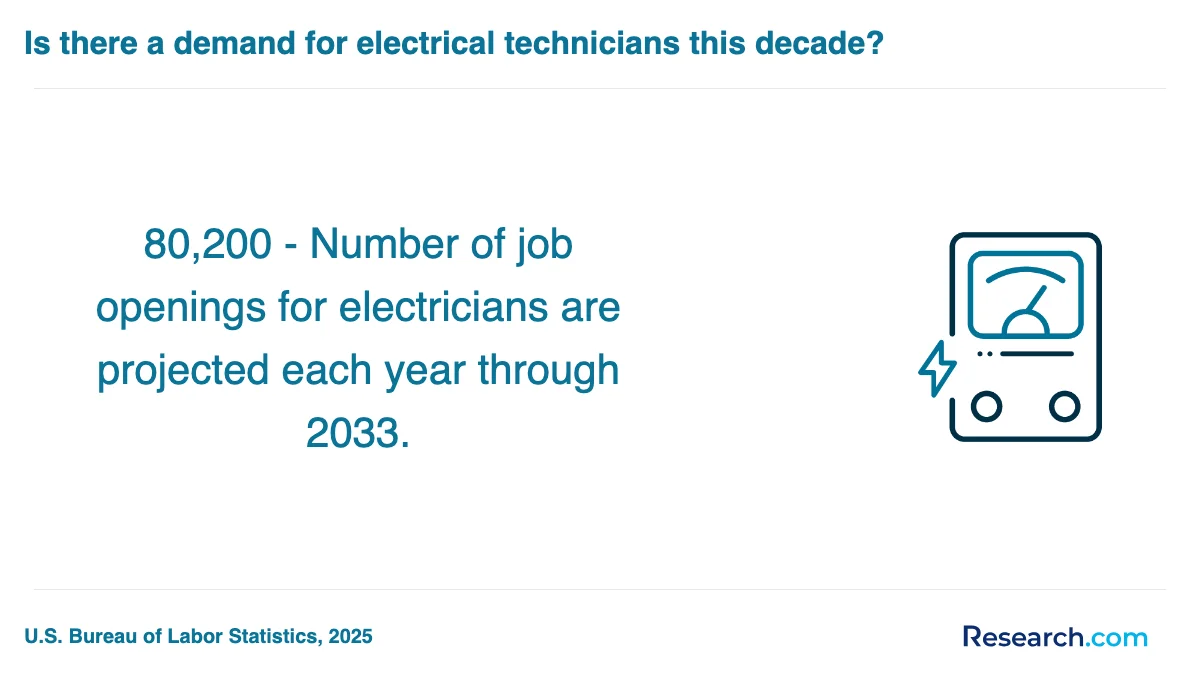
The Washington State Department of Labor & Industries provides apprenticeship opportunities, which often include paid internships combining classroom learning with on-the-job training. According to the department, registered electrician apprenticeships had over 3,500 active participants in 2023.
Additionally, exploring union programs such as the International Brotherhood of Electrical Workers (IBEW) Local 46 can provide structured internship and apprenticeship openings.
Online job boards and local trade associations also list internships. Networking at industry events and job fairs in Washington can uncover hidden opportunities.
In Washington, earning a diploma from an electrician trade school significantly enhances career mobility and advancement opportunities. The state requires electricians to complete specific education and training to qualify for licensing. Graduates with a formal diploma often meet these prerequisites, allowing faster entry into apprenticeships and journeyman exams.
According to the Washington State Department of Labor & Industries, licensed electricians earn a median wage approximately 20% higher than non-licensed workers. A diploma also increases eligibility for specialized roles, such as industrial or commercial electricians, which typically offer better pay and job security.
Furthermore, trade school programs teach essential skills aligned with Washington's electrical codes, improving employability in a competitive job market. This formal education supports upward career movement, including supervisory and contractor positions.
Students enrolled in electrician trade schools in Washington can benefit from part-time jobs that provide hands-on experience and industry insight. Common roles include electrical apprenticeships, which combine paid work with on-the-job training under licensed electricians. These positions align well with classroom learning and are often supported by unions or trade organizations.
Other opportunities include working as electrical helpers or maintenance assistants in construction firms or manufacturing plants. According to the U.S. Bureau of Labor Statistics, Washington state employed over 12,000 electricians in 2022, with many openings for entry-level roles.
Such jobs enhance practical skills and improve employability after graduation, offering valuable exposure to real-world electrical systems.
Yes, there are numerous electrician degree programs available near Washington and in various locations near me, making it accessible for individuals seeking to enter this technical field. In Washington, several community colleges and trade schools provide comprehensive programs that cover electrical systems, diagnostics, and safety protocols. Research.com can be a helpful resource to explore these options further and find reputable institutions offering quality education in this area.
Related Electrician Rankings for Nearby States
- Best Electrical Technician Training Programs & Trade Schools - Top Electrical Tech Schools in Idaho for 2026
- Best Electrical Technician Training Programs & Trade Schools - Top Electrical Tech Schools in Montana for 2026
- Best Electrical Technician Training Programs & Trade Schools - Top Electrical Tech Schools in Arizona for 2026
- Best Electrical Technician Training Programs & Trade Schools - Top Electrical Tech Schools in New Mexico for 2026
- Best Electrical Technician Training Programs & Trade Schools - Top Electrical Tech Schools in Texas for 2026
- Best Electrical Technician Training Programs & Trade Schools - Top Electrical Tech Schools in Missouri for 2026
- Best Electrical Technician Training Programs & Trade Schools - Top Electrical Tech Schools in Louisiana for 2026
- Best Electrical Technician Training Programs & Trade Schools - Top Electrical Tech Schools in Wisconsin for 2026
- Best Electrical Technician Training Programs & Trade Schools - Top Electrical Tech Schools in Illinois for 2026
- Best Electrical Technician Training Programs & Trade Schools - Top Electrical Tech Schools in Mississippi for 2026
Top Trending Rankings
References
- Puget Sound Electrical JATC - Apprenticeship programs for electrical contractors in the Puget Sound region https://www.psejatc.org/
- Apprenticeship – Electrician Limited Energy 1 | Washington Career Paths https://wacareerpaths.com/apprenticeships/apprenticeship-construction/apprenticeship-electrician-limited-energy-1/
- How to Become an Electrician in Washington | Top Trade Schools https://toptradeschools.com/near-you/electrician/washington/
- Electrician https://www.lni.wa.gov/licensing-permits/electrical/electrical-licensing-exams-education/electrician
- How to Become an Electrician in Washington for 2025 | Research.com https://research.com/careers/how-to-become-an-electrician-in-washington
- How To Become An Electrician in WA & OR: A Step-by-Step Guide https://www.prairielectric.com/electrician-careers/how-to-become-an-electrician/
- 23 Electrician Schools in WA - Hands-On & Awesome [UPDATED 2025] https://electricalschool.org/wa/
- Best Washington Electrician Trade Schools - Online & Accredited https://www.best-trade-schools.net/locations/washington/electrician-schools/
- A Guide to Skilled Trades Apprenticeships and Internships | BestColleges https://www.bestcolleges.com/trades/guide-to-skilled-trades-apprenticeships-internships/
- Electrical Apprenticeships Near You | IECI https://ieci.org/apprenticeship/


