Best Electrical Technician Training Programs & Trade Schools - Top Electrical Tech Schools in Sedalia for 2026

Co-Founder and Chief Data Scientist
Choosing the right electrician trade school in Sedalia can shape your future career and open doors to rewarding opportunities. This article introduces a carefully crafted electrician trade school programs ranking by the Research.com team of data scientists to guide you in making a confident and informed decision.
Whether you’re starting fresh or seeking to upgrade your skills, earning a diploma or certification in this field offers practical benefits and job security. Reading this article will help you explore the best options available in 2026 and take a positive step toward a fulfilling career.
Key benefits of finishing electrician trade school in Sedalia
- Strong earning potential: Graduates in Sedalia can expect an average hourly wage around $26.93, with annual salaries near $61,000, boosted further by overtime opportunities.
- Varied career paths: Electrician trade school grads often find roles in construction, maintenance, or specialized fields like maintenance electricians, opening doors to higher pay and job stability.
- Flexible learning options: Completing an electrician program online offers convenience and affordability, allowing students to balance work and studies while quickly entering the workforce.
- Best Electrical Technician Training Programs & Trade Schools - Top Electrical Tech Schools in Sedalia for 2026
- What can I expect from electrician trade schools in Sedalia?
- Where can I work after finishing electrician trade schools in Sedalia?
What can I expect from electrician trade schools in Sedalia?
Enrolling in an electrician trade school program in Sedalia means diving into a hands-on learning experience that balances theory with practical skills. Graduates from State Fair Community College often describe their time interpreting wiring diagrams and mastering electrical code compliance as both challenging and rewarding. Imagine spending your days in modern labs, practicing real-world troubleshooting, and learning safety protocols like lockout/tagout procedures-skills that make you confident on any job site.
Classes typically offer flexible schedules, accommodating those juggling work or family, with options for morning or afternoon sessions. Many students start with no prior experience yet quickly gain the ability to install, repair, and maintain electrical systems through focused, small-group instruction. Programs vary in length, from certificates completed in under a year to associate degrees requiring two years, setting you up for apprenticeships or entry-level roles in Missouri's competitive job market.
Students also appreciate the strong sense of community and personalized support, which helps ease the journey into this skilled trade. With affordable tuition and practical training tailored to industry standards, Sedalia's electrician programs prepare you for a fulfilling career with clear pathways to licensing and growth.
Where can I work after finishing electrician trade schools in Sedalia?
Graduates from electrician trade schools in Sedalia often find themselves stepping directly into a variety of rewarding roles. Many start as maintenance electricians or residential electrical technicians, working in familiar settings like local schools, hospitals, or manufacturing plants. One recent graduate shared how quickly they secured a position maintaining electrical systems at a nearby food processing facility, emphasizing the strong local demand.
Others begin their careers as apprentices or electrical helpers, gaining hands-on experience under seasoned master electricians. This supervised training is crucial for advancing toward journeyman licensing in Missouri, and several graduates mention how this path helped them build confidence and refine their skills.
Trade schools in Sedalia prepare students well for positions with contracting companies handling new construction or renovations across Pettis County. The industrial sector also offers exciting opportunities-graduates often report satisfaction working in equipment installation and troubleshooting at regional distribution centers. With 50 to 60 openings regularly posted, the job market feels inviting and full of promise for those finishing their programs locally.
After completing an electrician trade school program in Sedalia, many graduates find themselves earning an average of $25.70 per hour, which can quickly add up to about $53,456 annually before overtime. Imagine starting your first job and seeing that steady paycheck as a solid foundation for your future-this is a reality for many who trained at popular Sedalia trade schools.
Some graduates who choose to specialize, like becoming maintenance electricians, report hourly wages rising to $32.49, with total earnings-including overtime-approaching $67,579 per year. This pay bump reflects the added skills and responsibilities they've gained, often leading to greater job satisfaction alongside financial rewards.
Others share how the broad demand in Sedalia's market supports average annual salaries around $61,000, comparable to state averages for journeyman electricians. Those who stick with it, gain certifications, and embrace union opportunities often see rapid growth, sometimes reaching salaries over $73,000 in specialized roles.
Graduates frequently express excitement about their career prospects, especially knowing that Sedalia's trade schools prepare them well for a competitive, rewarding job market.
- State Fair Community College offers certificate and associate degree programs in electrical maintenance and automotive electrical/electronics with tuition around $2,880 for in-district, $4,200 for in-state, and $5,640 for out-of-state students.
- Additional costs for books and supplies average about $698, and industry-specific hands-on noncredit courses cost $499 each.
- Electrician training includes skills like blueprint reading, wiring installation, inspection, and understanding local electrical codes.
- Licensing in Missouri generally requires 8,000 to 12,000 hours of supervised trade work plus an associate degree or equivalent experience.
- Starting salaries for electricians in Missouri range from $40,000 to $45,000 per year, with experienced workers earning $60,000 or more, and apprenticeships offer paid training opportunities.
Completing an electrician trade school program in Sedalia typically takes about 9 to 12 months, depending on the school's structure and whether you attend full-time or part-time. Many graduates from popular Sedalia trade schools describe their journey as intense but rewarding, often balancing hands-on labs with classroom theory. One graduate shared how the fast-paced schedule pushed them to develop strong time-management skills, which proved invaluable once they entered the workforce.
For those attending full-time, the immersive experience means diving deep into electrical codes, safety protocols, and practical wiring exercises within a year. Part-time students, who might be working or managing family commitments, can expect to extend their program to around 18 months, allowing more flexibility. This approach helps students stay motivated and confident as they learn at a comfortable pace.
Picture yourself in a busy workshop at a Sedalia trade school, wiring panels alongside classmates who support each other through challenging projects. That shared experience often fuels excitement and pride, making the completion timeline feel like a series of achievable milestones rather than a distant goal.
The key difference between online and on-campus electrician trade school programs in Sedalia lies in how hands-on training is delivered. Graduates from State Fair Community College (SFCC) often describe the on-campus experience as immersive-spending hours in labs running wiring, reading blueprints, and working directly with electrical systems under expert supervision. This face-to-face instruction builds confidence and skills in a way that online lessons alone can't match.
In contrast, those pursuing online programs appreciate the flexibility to study electrical theory, codes, and safety principles at their own pace through digital modules. However, many find securing local apprenticeships essential to gain the practical experience Missouri's licensing demands. Without SFCC's structured apprenticeship pathways, some students encounter challenges finding paid, hands-on work, making the journey feel less supported but rewarding when they succeed.
For a Sedalia-based student, on-campus programs provide a clear, guided route to licensure with a blend of classroom learning and direct mentorship, while online options demand more self-direction but offer valuable theoretical groundwork.
When considering the average cost of electrician trade school in Sedalia, students often find tuition fees between $2,880 and $5,640 annually, depending on the program and residency status. For example, graduates from State Fair Community College describe that in-district tuition around $2,880 makes the Electrical Maintenance Certificate accessible, while those attending from out of state often pay closer to $5,640 per year. This range reflects real variations that influence electrician training expenses in Sedalia Missouri, making budgeting a crucial step for prospective students.
Beyond tuition, many graduates share that the financial commitment extends to learning materials, tools, and uniforms, which can add $1,000 to $2,500. These additional expenses often surprise new students but are essential for hands-on practice and success. State Technical College of Missouri students highlight that their Industrial Electricity Certificate program includes a higher set of material costs near $1,400, emphasizing how trade school programs differ in associated fees.
Many of those starting their electrician journey acknowledge relief from financial aid options like the FAFSA, Missouri's A+ Scholarship, and local union scholarships. Intriguingly, these financial resources can make costs more manageable and enable students to focus on their technical skills and career growth. For detailed comparisons and to explore the best trade schools for electrician, consider visiting best trade schools for electrician.
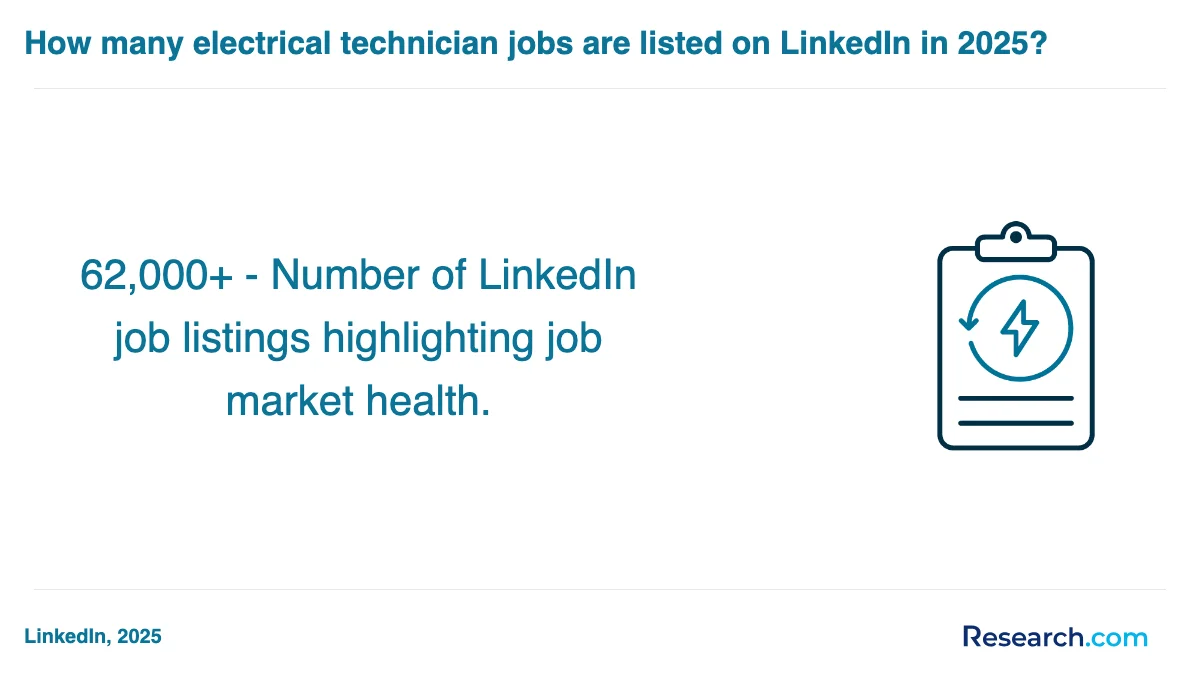
Electrician trade school students in Sedalia often find financial aid options that make pursuing their training less daunting. Graduates from State Fair Community College recall how federal financial aid, especially Pell Grants, drastically eased their tuition burden-these grants, which can reach up to $7,395 annually, don't require repayment, offering real peace of mind during studies. Completing the FAFSA early is key to unlocking this support.
State grants, like Missouri's Access Missouri Financial Assistance Program, provide another layer of relief. Many students share stories of how these funds helped cover in-state tuition costs, which can be around $4,200 annually at local colleges. This aid adjusts to each student's financial need, making it feel personalized and attainable.
Aside from grants, scholarships tailored for skilled trades are a game-changer. Trade school enrollees often discover merit- or need-based scholarships through platforms like Fastweb, which helped one graduate reduce expenses for books and tools. Institutional aid from Sedalia's community colleges, including tuition waivers and work-study options, also lightens financial pressure while gaining hands-on experience.
For apprenticeships, some students find wages from employers soften costs further, turning education expenses into an investment that pays back as they learn in real job settings.
Enrolling in an electrician trade school program in Sedalia typically requires meeting a few straightforward but important prerequisites that set the foundation for success. Graduates from well-known trade schools in Sedalia often recall how these requirements helped them build confidence from day one. Most programs expect students to have:
- A high school diploma or GED, ensuring basic math and reading skills needed for electrical codes and blueprints.
- Proof of residency or legal authorization to study in the U.S., which is standard for trade programs.
- Pass a basic aptitude test or placement exam, designed to gauge readiness for hands-on electrical training.
- Physical ability to handle the demands of electrical work, which often includes lifting, climbing, and standing for extended periods.
One graduate shared how meeting these prerequisites gave them a clear sense of direction before starting their program at a Sedalia trade school. They felt prepared, supported, and ready to dive into the practical learning environment. These entry steps, though sometimes overlooked, are crucial to thriving in the rigorous but rewarding path of becoming an electrician.

Electrician trade school programs in Sedalia focus on a blend of essential theoretical knowledge and practical skills, designed to get you job-ready quickly. Graduates from popular Sedalia trade schools often highlight how courses on electrical theory helped them understand the invisible forces powering homes and businesses around them.
Safety is never an afterthought. Students learn critical lockout/tagout procedures and OSHA standards, which proved invaluable for one graduate who credited this training with preventing on-the-job accidents early in their career.
Blueprint reading and schematic interpretation form the backbone of the curriculum, teaching you to decode complex wiring diagrams and construction plans. This skill is key when you're standing on a job site, making sense of intricate blueprints under tight deadlines.
Hands-on training includes:
- Conduit bending and wiring installations
- Working with structured wiring systems
- Troubleshooting electrical faults in real-world settings
- Advanced topics like industrial motor controls and PLCs
Many graduates express how mastering the National Electrical Code (NEC) gave them confidence to pass licensing exams and work legally across Missouri. This comprehensive approach makes Sedalia's electrician programs both challenging and rewarding.
Electrician training programs in Sedalia cover diverse specializations tailored to real-world demands. For example, students at the State Fair Career and Technology Center experience foundational electrical technology courses in Sedalia focused on building trades, preparing them for entry-level jobs or further certification. Graduates often share how hands-on projects in residential wiring boosted their confidence before stepping into the workforce.
At the post-secondary level, State Fair Community College offers a specialized Electrical Maintenance Certificate program, honing skills in troubleshooting and repairing complex electrical systems. Many graduates find this pathway increases their employability, especially in industrial or commercial settings requiring advanced maintenance expertise.
Apprenticeship programs through Missouri Valley Joint Apprenticeship and Training Committee blend on-the-job training with classroom instruction, emphasizing residential, commercial, and industrial systems. Students describe this mix as an empowering way to master diverse electrical fields over three to five years.
For those seeking cost-effective options, considering low cost online maintenance technician trade school programs can complement local training with flexible learning opportunities.
Choosing the best electrician trade school program in Sedalia means focusing on hands-on training that builds real confidence. Graduates from local programs often praise how working directly with wiring, safety protocols, and troubleshooting under expert instructors prepares them for Missouri's licensing demands. Schools like State Fair Community College offer flexible schedules and smaller classes, making it easier for working adults to balance life while gaining practical skills.
To compare electrician trade schools Sedalia effectively, consider accreditation and how well the curriculum aligns with state licensure requirements. Graduates highlight that programs blending classroom learning with supervised fieldwork give them a competitive edge in job placement. Cost is another factor; some students find relief through financial aid, while others appreciate accelerated options that shorten their path to employment.
Exploring local employer connections can make a huge difference-graduates frequently mention the benefit of apprenticeship opportunities secured through strong school-business relationships. For those seeking efficient certification routes, low cost accelerated online wind turbine technician certification programs provide a modern complement to traditional electrician training.

Graduates of electrician trade schools in Sedalia often start their careers as electrical apprentices, gaining essential hands-on experience while working toward licensure in Missouri. These apprentices can expect hourly wages beginning around $24, with opportunities to advance to residential or industrial electrician roles paying over $30 per hour. Popular programs in Sedalia equip students not only with practical skills but also with the knowledge required for 8,000 hours of supervised work and up to 1,000 classroom hours.
Many graduates from these trade schools share that after completing apprenticeship, progressing to journeyman electrician unlocks higher pay and expanded responsibilities. In Sedalia, this growth can lead to roles like shift electrician or even specialized industrial maintenance electrician careers Sedalia, where advanced technical skills are in demand.
Experienced electricians often branch out into supervisory or niche roles, becoming electrical project managers or independent contractors after obtaining the necessary license. For ambitious graduates wanting to deepen their expertise while working, exploring an affordable online electrical engineering degree alongside their trade skills is a practical path.
- Electrical apprentice (entry-level)
- Residential or industrial electrician
- Industrial maintenance electrician careers Sedalia
- Shift electrician and instrumentation technician
- Electrical project manager or contractor
The electrician job opportunities in Sedalia MO are especially promising for graduates of local trade schools, where hands-on training meets real-world demand. Graduates often share how their programs prepared them not only with technical skills but also a sense of confidence stepping into roles like residential electricians or industrial maintenance specialists.
In Sedalia, employers actively seek licensed and technically trained electricians, making the transition from school to work encouraging. For example, many recent graduates secure positions quickly in both established electrical contractors and emerging manufacturing firms, benefiting from a tight-knit community that values career growth and job security.
Electrician salary and employment outlook Sedalia reflects this demand. New entrants typically earn between $17 and $24 per hour, with seasoned electricians reaching $30 to $40 per hour, especially when holding certifications or taking on specialized tasks. This range compares favorably to nearby cities and supports a stable livelihood.
Trade schools in Sedalia often emphasize career flexibility and steady demand, demonstrated by over 50 current job openings. Graduates appreciate how their training applies to diverse environments-from new installations on construction sites to ongoing infrastructure upgrades. Many students also explore electrical engineering careers for further advancement.
- Strong local employer network offering full-time roles
- Competitive starting wages that increase with experience
- A steady pipeline of openings across multiple sectors
Best Electrical Technician Training Programs & Trade Schools - Top Electrical Tech Schools in Sedalia for 2026
# 1 position
State Fair Community College - Electrical and Power Transmission Installation/Installer, General.
associateState Fair Community College offers a program in Electrical and Power Transmission Installation/Installer, General, designed to prepare individuals with technical skills for installing residential, commercial, and industrial electrical systems and power transmission lines. The curriculum covers electricity, safety procedures, wiring, insulation, grounding, blueprint interpretation, equipment operation, maintenance, and relevant codes. Annual in-state tuition is $4,104. The program is accredited by the Higher Learning Commission.
# 2 position
State Fair Community College - Electrical and Power Transmission Installation/Installer, General.
certificate or diplomaState Fair Community College offers a program in Electrical and Power Transmission Installation/Installer, General, designed to prepare students with technical skills for installing residential, commercial, and industrial electrical systems and power transmission lines. The curriculum includes electricity, safety procedures, wiring, insulation, grounding, blueprint interpretation, equipment operation, maintenance, and relevant codes. The program is accredited by the Higher Learning Commission, with an annual in-state tuition of $4,104.
Frequently Asked Questions about electrician
After completing electrician trade school in Sedalia, preparing for the job market involves several key steps. First, obtaining proper licensing is essential. Missouri requires electricians to pass the state exam and gain an apprentice or journeyman license, ensuring legal work eligibility.
Networking is also critical. Connecting with local contractors and trade unions in Sedalia can lead to job opportunities. The Missouri Division of Professional Registration offers resources for job seekers entering the electrical field.
Additionally, obtaining certifications such as OSHA safety training can improve employability. According to the U.S. Bureau of Labor Statistics, electricians in Missouri earn a median annual wage of around $54,000, highlighting the value of professional readiness.
Continuous learning through workshops or additional courses strengthens skills and keeps candidates competitive in the evolving electrical industry.
Employers in Sedalia seek electrician trade school graduates with strong technical skills, including knowledge of electrical codes and safety standards. Familiarity with the National Electrical Code (NEC) is essential, as it ensures compliance with legal and safety requirements. Practical skills like wiring, troubleshooting, and installing electrical systems are highly valued.
Besides technical expertise, employers emphasize problem-solving abilities and attention to detail. According to the U.S. Bureau of Labor Statistics, attention to safety practices reduces workplace accidents by up to 20%, a critical factor in electrical work.
Good communication and teamwork skills are also important, as electricians often collaborate with contractors and clients. Overall, graduates who combine hands-on experience with strong safety knowledge stand out in Sedalia's job market.
Finding internships in Sedalia related to electrician trade school programs involves several practical steps. Start by contacting local trade schools directly, as many maintain partnerships with area electrical contractors and can connect students to internship opportunities. The Missouri Division of Workforce Development reports that the construction sector, including electrical work, is growing steadily in the region, increasing internship availability.
Checking with the Sedalia Area Chamber of Commerce can also help identify businesses seeking interns. Additionally, online job platforms like Indeed and Handshake often list apprenticeship and internship openings in Sedalia's electrical field.
Networking with licensed electricians and attending local trade events or union meetings can further enhance your chances. Finally, consider reaching out to the International Brotherhood of Electrical Workers (IBEW) Local 53, which serves Missouri and offers apprenticeship programs combining paid work experience with classroom instruction.
Obtaining a diploma from an electrician trade school in Sedalia significantly enhances career mobility and advancement opportunities. According to the Missouri Department of Higher Education & Workforce Development, graduates with formal electrician training have a 20% higher chance of securing apprenticeships and entry-level positions compared to those without credentials.
In Sedalia, employers often require or prefer candidates who hold a trade school diploma, as it demonstrates mastery of essential electrical codes and safety standards. This credential can lead to faster promotion to supervisory roles or specialized fields like industrial or residential wiring.
The U.S. Bureau of Labor Statistics reports that electricians with formal credentials typically earn 15-25% more than those without. This wage premium supports upward social mobility for diploma holders in the local labor market.
Overall, a trade school diploma serves as a critical credential that opens doors to higher-paying jobs and sustained career growth within Sedalia's electrical industry.
Students attending electrician trade schools in Sedalia can find valuable part-time job opportunities that align with their field of study. Positions such as electrical apprenticeships or helper roles with local contractors provide practical, hands-on experience while earning income. According to the U.S. Bureau of Labor Statistics, apprenticeships are crucial for skill development and often lead to full-time employment. Sedalia's ongoing construction projects and maintenance needs create steady demand for such roles. Additionally, retail positions at home improvement stores can enhance knowledge of electrical tools and materials. These jobs complement classroom learning and improve a student's understanding of industry standards and safety practices.
To find the best Electrician degree program near Sedalia, MO, you can start by searching for programs offered by local community colleges or technical schools, which often provide hands-on training and apprenticeships. Nearby institutions may offer certificate or associate degree programs, and researching their curricula, faculty qualifications, and student outcomes can be beneficial. Additionally, platforms like Research.com can help you compare various programs and universities near me to make an informed decision based on specific criteria such as cost, duration, and accreditation.
- How Much Do Electricians Make: Electrician Salary Guide 2025 https://www.getjobber.com/academy/electrical/how-much-do-electricians-make/
- Electrician | Explore Careers | National Careers Service https://nationalcareers.service.gov.uk/job-profiles/electrician
- Electrician Salary Guide: How Much Do Electricians Earn? https://www.lincolntech.edu/news/skilled-trades/electrical/electrician-salary-guide-how-much-do-electricians-earn
- Average Electrician Salary (Annually & Hourly) | Faraday https://faradaycareers.com/careers/electrician-salary
- Electricians : Occupational Outlook Handbook: : U.S. Bureau of Labor Statistics https://www.bls.gov/ooh/construction-and-extraction/electricians.htm
- Electrician Trade Schools in Sedalia, MO - Get Training! https://electricalcareernow.com/electrician-schools/sedalia-mo
- Industrial electrical maintenance workforce training offered by SFCC - State Fair Community College https://www.sfccmo.edu/industrial-electrical-maintenance-workforce-training-offered-by-sfcc/
- 23 Electrician Schools in MO - Hands-On & Awesome [UPDATED 2025] https://electricalschool.org/mo/
- State Technical College of Missouri - The Employer's Choice https://statetechmo.edu/
- Missouri Registered Apprenticeships | JobsMoGov https://jobs.mo.gov/moapprenticeships