Best Cybersecurity Associate Degree Programs & Schools in Chicago for 2027
Audited and Verified:
Our Editorial and Data Verification Process
Research.com uses government datasets, official education statistics and primary institutional information to support its career and degree guides. Our review process checks factual accuracy, occupational definitions, source dates and the requirements associated with the credentials discussed.
How This Article Was Fact-Checked
Our editorial team verifies salary estimates, employment projections, education requirements and program information against original data providers and official organizations. Salary figures are checked against the relevant occupational definitions and reporting periods. Information about licensure, accreditation and required in-person training is reviewed separately.
Fact-checked and verified on:

Co-Founder and Chief Data Scientist

Reviewed by Karolina Broda
Fact-Checker and Data Verification
Choosing a cybersecurity associate degree in Chicago means looking beyond the program name: will the coursework build practical skills, fit your schedule, and lead toward the work you want? The U.S. Bureau of Labor Statistics projects 21% national growth for information security analysts from 2025 to 2035, but that is not a forecast of entry-level openings. The Research.com team of data scientists created its Best Cybersecurity Associate Degree Programs in Chicago for 2027 ranking to help students identify programs worth considering. This guide explains how to compare them - and what to verify before enrolling.
Key findings about associate cybersecurity degrees in Chicago
- Choose an applied cybersecurity associate degree for technical career preparation, or a transfer-oriented associate degree if preserving future course options matters more; confirm the actual award and course sequence in the current catalog.
- Information security analysts had a $129,180 national median annual wage in May 2025, and their employment is projected to grow 21% from 2025 to 2035 (U.S. Bureau of Labor Statistics). Neither figure describes typical pay or hiring prospects for a new associate degree graduate.
- Compare the full price of attendance - not tuition alone - and ask each Chicago program which security labs, employer projects, and student support services are available before committing.
Table of Contents
- Best Cybersecurity Associate Degree Programs & Schools in Chicago for 2027
- What can I expect from an associate cybersecurity degree in Chicago?
- Where can I work with an associate cybersecurity degree in Chicago?
What can I expect from an associate cybersecurity degree in Chicago?
Expect a combination of general education, computing fundamentals, and security-focused work. Students commonly build skills in networking, operating systems, scripting, access control, and incident response, then practice documenting and troubleshooting problems in controlled labs. A cybersecurity associate degree is not the same as immediate qualification for an information security analyst position: the U.S. Bureau of Labor Statistics notes that analysts typically enter with a bachelor's degree, although some reach the occupation through relevant experience and industry certifications.
The degree title matters because similar-sounding programs can serve different goals. This comparison shows what to check before treating two Chicago options as interchangeable:
| Associate degree pathway | Best fit | What to verify |
| Associate of Applied Science (AAS) | Students prioritizing applied computing and earlier technical employment | Lab depth, employer experience, and which credits may transfer |
| Associate of Science (AS) | Students who want substantial math and science preparation alongside computing | How required courses fit the intended transfer pathway |
| Associate of Arts (AA) | Students seeking broader general education before selecting more specialized coursework | Whether there is room for enough networking and security courses |
Award names do not guarantee a particular curriculum or transfer result. At City Colleges of Chicago, check the current catalog and an adviser's course-by-course plan for the specific campus and degree; ask which labs are required and whether an internship or employer project is offered.
Where can I work with an associate cybersecurity degree in Chicago?
Chicago's mix of finance, healthcare, government, logistics, and professional services gives students several settings in which to apply security skills. The practical implication is to match coursework and projects to the systems an employer uses: protecting patient information, administering business networks, or securing accounts in a large organization may call for different experience. These industries offer possibilities, not assured openings.
For an initial job search, consider IT support teams, network operations, managed service providers, and employers with internal security teams. Support or network administration work can provide the troubleshooting and systems experience that more specialized security roles often expect. Ask a program whether its employer connections involve actual student projects, internships, or hiring relationships, rather than assuming a nearby industry will provide access.
There is no single salary for cybersecurity associate degree graduates. The U.S. Bureau of Labor Statistics reports a $129,180 national median annual wage for information security analysts in May 2025. That figure covers workers across experience levels and education backgrounds; it is not a Chicago starting salary or an expected return from a two-year degree.
A more useful earnings comparison starts with the positions you could plausibly obtain when you finish - such as support, network operations, or a junior security role - and the experience each posting requires. Compare those opportunities with your current earnings, likely study-related reduction in work hours, and possible debt. If a school advertises an analyst salary as a typical new-graduate outcome, request program-specific placement and earnings evidence before relying on it.
An associate degree is commonly planned around two academic years of full-time study, but the current catalog determines its required credits and course sequence. Part-time enrollment, developmental coursework, limited course availability, and prerequisites before advanced security classes can extend the timeline. A student with applicable prior credit may finish sooner only if the college accepts that credit toward the degree.
If speed is your priority, compare a proposed fast-track associates degree with the regular schedule course by course. Ask whether networking and security labs run in every term and whether the accelerated pace leaves enough time to practice. Finishing earlier can reduce foregone earnings, but only if the schedule is workable and the necessary courses remain available.
Online delivery can make lectures, reading, discussion, and some virtual labs easier to fit around work. Campus delivery offers scheduled access to equipment and face-to-face troubleshooting. A hybrid option may combine both. The important distinction is not the format label but whether students can complete the same required networking, systems, and security tasks with adequate feedback.
Before choosing an online program, ask for a course-by-course list of any campus visits, supervised labs, proctored assessments, or internships. Confirm what computer, software, and internet access you must supply. Online attendance does not by itself establish that credits will transfer or that a graduate will meet an employer's certification expectations. For a student without reliable equipment or a suitable place to practice, accessible Chicago campus labs may be worth the commute.
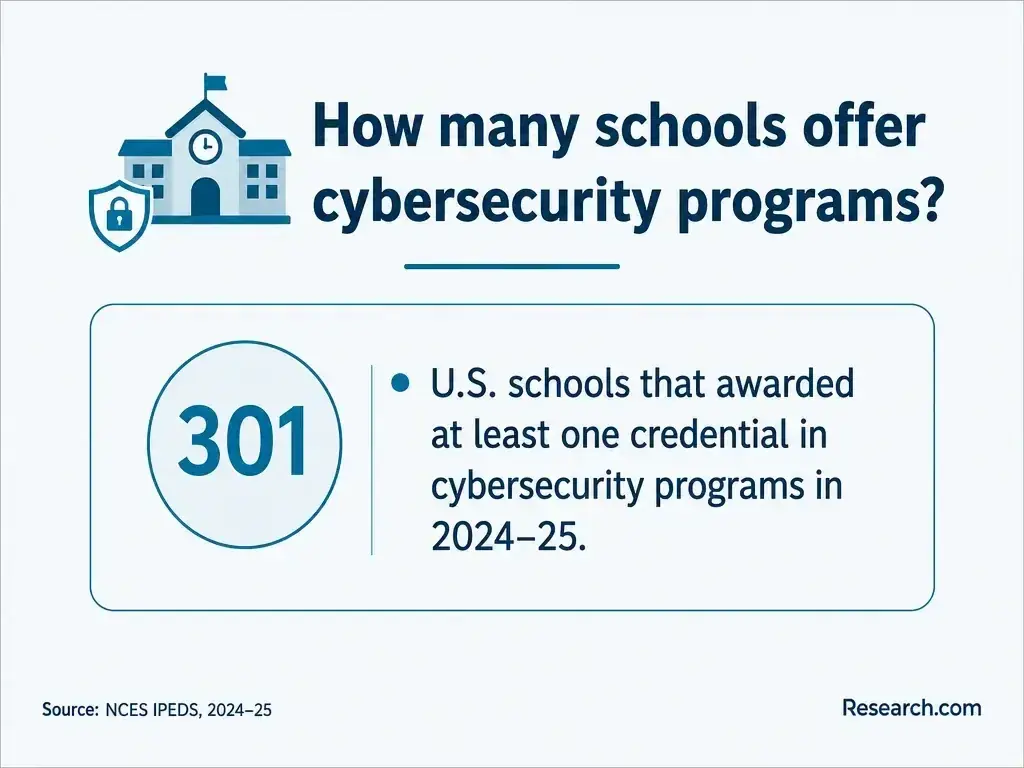
A single defensible Chicago average cannot be stated without defining which current programs, residency categories, and expenses are included. City Colleges of Chicago tuition can depend on a student's residency classification, while each program's course and technology requirements affect the final bill. Request a current, itemized estimate for your own status rather than applying an advertised per-credit price to every option.
Count mandatory fees, books, software, a suitable computer, possible certification exams, transportation, and living expenses alongside tuition. Include earnings you may give up if your schedule reduces work hours, then subtract grants or employer assistance you are reasonably eligible to receive. The least expensive tuition quote may not be the lowest-cost route if commuting, unavailable courses, or a delayed finish add expense.
Eligible students may be able to use federal grants, loans, and work-study; Illinois and institutional aid may also be relevant. Eligibility depends on the student, institution, program, enrollment, and applicable rules, not simply on the word "cybersecurity" in a degree title. Federal Student Aid advises students to submit the FAFSA and review the resulting aid offer; compare grants, which generally do not require repayment, separately from loans.
For each school, ask the aid office whether your specific associate degree is aid-eligible, what attendance level your award assumes, and whether scholarships or employer tuition assistance can cover required technology. A list of colleges that accept financial aid can help start a broader search, but the school's current aid office is the authority on your offer. Borrowing to cover living expenses deserves particular scrutiny if the likely first job is an IT entry role rather than an analyst position.
Admission requirements vary by college. Expect to check the current application, proof of prior schooling or its equivalent, placement or course-prerequisite rules, and any requirements for advanced computing classes. Prior coding experience is not necessarily required for admission, but comfort with basic computer use and a willingness to work through networking and math problems will make the coursework more manageable.
Ask admissions to separate college admission from entry to a particular course or program sequence. If you have previous college work or relevant learning, request an official credit evaluation before planning a shorter route. The U.S. Department of Education identifies institutional accreditation as a separate matter from admission; verify a college's current recognized accreditation independently rather than assuming admission, accreditation, and credit transfer mean the same thing.
A useful curriculum starts with network and operating-system fundamentals before asking students to secure them. Typical subject areas include networking, system administration, scripting or programming, security principles, risk, and incident response, alongside general education such as writing and mathematics. The exact mix depends on the degree and catalog, so compare required courses rather than selecting by program title alone.
Look closely at the practical assignments. Can students configure a network, investigate logs, identify a vulnerability, explain its business impact, and write a clear incident report in an authorized lab? Those tasks combine technical and communication skills that employers can assess. Ask whether the college provides the lab environment, how often students use it, and whether a project or internship gives them work they can discuss in an interview.
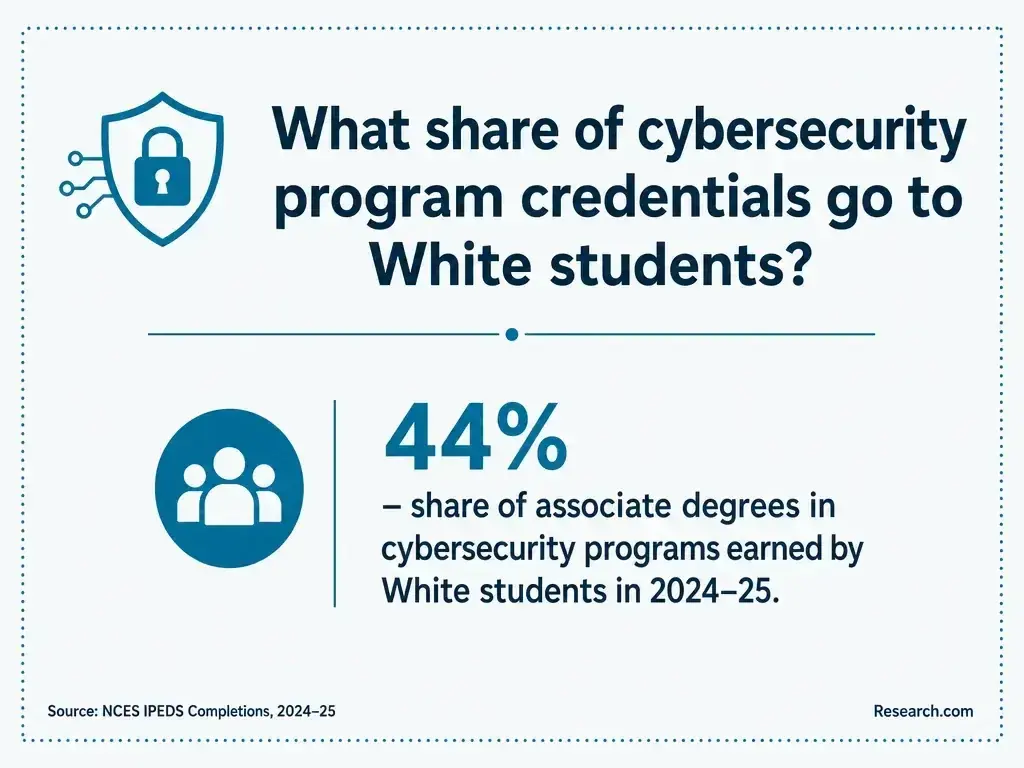
Associate-level cybersecurity study often emphasizes a cluster of courses rather than a formally named specialization. Network defense may suit students who like configuring devices and tracing traffic; systems security may suit those interested in accounts, servers, and access controls; and incident response may appeal to students who enjoy investigating and documenting events. Verify that an advertised emphasis appears in required or reliably available courses.
Choose depth carefully. An early specialization is less useful if it leaves gaps in networking, operating systems, or written communication. Similarly, search results about easiest phd to obtain do not help assess an associate degree's security labs or job relevance; keep the comparison focused on the work you want to do next.
Start with the job or educational outcome you want, then test each program against it. A ranking can identify options to investigate, but your decision turns on the awarded degree, required courses, hands-on practice, time to completion, total cost, and evidence of student support. Compare City Colleges of Chicago-Wilbur Wright College, City Colleges of Chicago-Richard J Daley College, City Colleges of Chicago-Kennedy-King College, and City Colleges of Chicago-Olive-Harvey College using their current catalogs; do not assume each campus offers the same cybersecurity award or course schedule.
Before enrolling, put these questions to an adviser and request answers tied to your catalog year:
- What exact associate degree will appear on my record, and which security and networking courses are required?
- Which labs, projects, or internships will I complete, and when are those courses offered?
- Which of my prior credits apply, and what written transfer guidance is available for this degree?
- What is my estimated full cost after likely aid, including equipment, commuting, and any exam fees?
- What documented completion, employment, or transfer outcomes can you share for this program?
Check institutional accreditation through a recognized accreditor or the U.S. Department of Education, and verify transfer arrangements separately with the receiving institution. Cybersecurity work does not generally require an Illinois occupational license; an industry certification is a separate, often employer-valued qualification, not something institutional accreditation automatically awards. Avoid substituting unrelated search results, including cheap online phd programs, for evidence about the associate degree you would actually complete.
An associate degree can support applications for IT support, network support, systems administration support, or junior security work where the posting matches your skills. A common progression is to gain responsibility for real systems, document security-related projects, and compete for more specialized work as experience grows. The U.S. Bureau of Labor Statistics describes information security analyst jobs as typically requiring more education or related experience, so treat that title as a potential progression rather than a guaranteed first role.
Chicago students comparing occupational routes may also encounter searches such as what is trade school jobs. For this decision, focus on whether an associate degree's general education, technical labs, and employer access justify its time and net cost. A certification exam may strengthen an application when its topics match a job posting, but it is optional employer-facing evidence, not an Illinois cybersecurity license.
The national outlook is strong for the occupation many students eventually target: the U.S. Bureau of Labor Statistics projects 21% growth in information security analyst employment from 2025 to 2035. That projection is national and covers the occupation as a whole. It cannot tell a new Chicago associate degree graduate how many suitable openings exist or how quickly they will be hired.
Use local postings to make the forecast actionable. Sort Chicago-area jobs by required experience, systems knowledge, and duties; distinguish roles that provide a route into security from analyst jobs requiring substantial prior work. Competition for an appealing security title may be different from demand for reliable support and network staff. A program is a better investment when its lab work and employer connections help you meet the requirements of jobs you could realistically pursue at completion.
Best Cybersecurity Associate Degree Programs & Schools in Chicago for 2027
Research.com recognizes that investing in an education is a consequential decision. Its ranking is designed to help readers compare programs with other options in the same occupation and location, rather than with unrelated degrees elsewhere. Only programs with completions reported to IPEDS are included; the absence of a program from the ranking does not establish that it is unavailable or low quality.
Best-program rankings assess student outcomes; earnings and return on investment; costs and debt; and quality and recognition. Program-relevant accreditation or industry recognition accounts for 20% of the score, institutional accreditation for 10%, and student support for 10%. The remaining 60% covers outcomes, earnings, and costs, with weights distributed using an entropy-based method that gives more weight to indicators that vary more across programs. The underlying measures include completion and full- and part-time retention, earnings one year after completion, earnings relative to annual attendance cost, tuition, attendance cost, debt - including for students who withdrew - and federal loan default rates. These measures support comparison, but they cannot predict an individual student's outcome.
The team uses the following sources across its occupation-specific rankings and checks relevant accreditation and recognition information for each field. Some listed sources concern other occupations and should not be read as cybersecurity-specific endorsements:
- IPEDS database - program completions and institutional reporting.
- National Center for Education Statistics - federal education data and definitions.
- College Scorecard database - available institutional costs, debt, and earnings measures.
- Peterson's database - supplementary college information.
- Commission on Accreditation of Allied Health Education Programs - occupation-specific accreditation checks where applicable.
- Accrediting Bureau of Health Education Schools - occupation-specific accreditation checks where applicable.
- Commission on Dental Accreditation - occupation-specific accreditation checks where applicable.
- Dental Assisting National Board - occupation-specific recognition checks where applicable.
- National Center for Construction Education and Research - occupation-specific industry recognition checks where applicable.
- Apprenticeship.gov Partner Finder - work-based pathway information where applicable.
Most-affordable rankings use only tuition, attendance cost, median debt, and federal loan default rates, weighted by the entropy-based method; accreditation and other quality indicators are not part of that score. Readers can use the ranking to narrow their choices, then verify current program details directly. Research.com explains its approach further on its methodology page.




Frequently asked questions about cybersecurity programs in Chicago
Is a cybersecurity associate degree worth it?
It can be if its net cost and time commitment fit your budget and its labs prepare you for jobs you can realistically pursue. Compare likely entry-level opportunities with your current earnings; do not use an experienced analyst's wage as your expected starting pay.
Can I become a cybersecurity analyst with only an associate degree?
It is possible in some circumstances, particularly with relevant experience, but it is not the usual entry requirement described by the U.S. Bureau of Labor Statistics. Support and network roles may be more realistic first steps.
Should I choose an AAS, AS, or AA?
Choose based on the actual course plan. An AAS often prioritizes applied employment skills; an AS or AA may offer a different general education and transfer mix. Get a written evaluation of how credits will apply before relying on any transfer claim.
Can I complete the degree entirely online?
That depends on the specific program. Ask which labs, assessments, or work experiences require attendance and what equipment remote students must provide.
Do Chicago cybersecurity jobs require an Illinois license?
Cybersecurity work does not generally require an Illinois occupational license. Employers may still request particular skills, experience, or industry certifications; confirm the requirements of roles you intend to pursue.
What is the first step in comparing Chicago programs?
Request the current degree plan and a personalized total-cost estimate from each college. Then compare required labs, course availability, support, and documented outcomes against your intended first job.
- U.S. Bureau of Labor Statistics - Information Security Analysts
Used to verify salary, employment outlook, and typical education requirements.
https://www.bls.gov/ooh/computer-and-information-technology/information-security-analysts.htm - NCES College Navigator (IPEDS)
Used to verify programs offered and institutional accreditation.
https://nces.ed.gov/collegenavigator/ - CompTIA Security+
Professional certification reference for graduates of this occupation.
https://www.comptia.org/certifications/security - City Colleges of Chicago-Wilbur Wright College - official website
Official school website (programs, tuition, admissions).
https://www.ccc.edu/colleges/wright/pages/default.aspx - City Colleges of Chicago-Richard J Daley College - official website
Official school website (programs, tuition, admissions).
https://www.ccc.edu/colleges/daley/pages/default.aspx - City Colleges of Chicago-Kennedy-King College - official website
Official school website (programs, tuition, admissions).
https://www.ccc.edu/colleges/kennedy/pages/default.aspx - City Colleges of Chicago-Olive-Harvey College - official website
Official school website (programs, tuition, admissions).
https://www.ccc.edu/colleges/olive-harvey/Pages/default.aspx