Best Cybersecurity Associate Degree Programs & Schools in Baltimore for 2027
Audited and Verified:
Our Editorial and Data Verification Process
Research.com uses government datasets, official education statistics and primary institutional information to support its career and degree guides. Our review process checks factual accuracy, occupational definitions, source dates and the requirements associated with the credentials discussed.
How This Article Was Fact-Checked
Our editorial team verifies salary estimates, employment projections, education requirements and program information against original data providers and official organizations. Salary figures are checked against the relevant occupational definitions and reporting periods. Information about licensure, accreditation and required in-person training is reviewed separately.
Fact-checked and verified on:

Co-Founder and Chief Data Scientist

Reviewed by Karolina Broda
Fact-Checker and Data Verification
Choosing a cybersecurity associate degree in Baltimore means weighing more than a program name: cost, hands-on practice, transfer options, and the kind of job you can realistically pursue first. The U.S. Bureau of Labor Statistics projects 21.0% national growth for information security analysts from 2025 to 2035, but that occupation is not necessarily an entry-level destination. This guide helps prospective students and career changers compare pathways. It also features the Best Cybersecurity Associate Degree Programs in Baltimore for 2027 ranking, created by the Research.com team of data scientists to help students identify programs worth considering.
Key findings about associate cybersecurity degrees in Baltimore
- Compare Baltimore-area programs by the actual degree awarded, security labs, and transfer terms - not "cybersecurity" in the title alone. Ask Community College of Baltimore County and Baltimore City Community College for their current catalogs and degree maps.
- The U.S. Bureau of Labor Statistics reports a $129,180 national median annual wage for information security analysts in May 2025 and projects 21.0% growth for 2025-2035; neither figure represents typical pay or a guaranteed job for a new associate degree graduate.
- For a meaningful cost comparison, request each college's full degree estimate - including residency-based tuition, fees, software, transportation, and time away from work - then subtract aid you are eligible to receive.
Table of Contents
- Best Cybersecurity Associate Degree Programs & Schools in Baltimore for 2027
- What can I expect from an associate cybersecurity degree in Baltimore?
- Where can I work with an associate cybersecurity degree in Baltimore?
What can I expect from an associate cybersecurity degree in Baltimore?
Expect a combination of general education, computing fundamentals, and applied security work. Cybersecurity means protecting systems, networks, and information from unauthorized access or disruption. Because securing a system requires understanding how it operates, strong associate degree programs teach networking, operating systems, and troubleshooting alongside threat detection and defensive practices.
The degree title alone does not tell you whether a program is designed mainly for immediate IT employment or for transfer to further college study. An Associate of Applied Science (AAS) often emphasizes occupational coursework; an Associate of Science (AS) or Associate of Arts (AA) may provide more transferable general education. These are common distinctions, not guarantees about any particular college. Check the current award, course sequence, and written transfer agreements before enrolling.
For someone starting without IT experience, a program with guided network and security labs may be more valuable than one with an impressive course list but little supervised practice. A working IT technician may instead prioritize flexible scheduling and advanced courses. Ask to see sample lab assignments and whether students complete a substantial security project, internship, or other employer-connected experience; do not assume any of these is required.
Where can I work with an associate cybersecurity degree in Baltimore?
Possible settings include healthcare organizations, financial services, local government, contractors, and other employers that operate substantial networks in the Baltimore area. Each setting presents different work: protecting patient information, managing account access, monitoring systems, or supporting audits. The practical question is which employers will consider your combination of coursework, experience, and demonstrated skills for a particular vacancy.
Some security positions tied to federal work require a background investigation or security clearance. A college cannot grant a clearance, and eligibility depends on the position and employer. If that market interests you, ask the program how students build relevant experience and how it describes clearance-related opportunities without promising placement.
There is no single Baltimore wage attributable to a cybersecurity associate degree. Pay depends on the occupation, experience, employer, and responsibilities. The U.S. Bureau of Labor Statistics reports a $129,180 national median annual wage for information security analysts in May 2025. That is the midpoint for employed analysts nationwide - not a Baltimore starting salary or an estimate of what new associate degree graduates earn.
Many graduates first seek IT support, network support, or systems-administration work while building the experience needed for a dedicated security role. When comparing programs, ask for outcomes specific to graduates of the associate degree, including job titles, the number of graduates represented, and how soon after completion pay was measured. If those details are unavailable, treat a broad analyst salary as career context rather than a return-on-investment forecast.
An associate degree commonly takes about two academic years of full-time study, but the required credits and actual timeline depend on the college's catalog, course availability, placement results, and your schedule. Part-time enrollment can make work and study easier to combine while extending time to completion. An accelerated calendar may shorten elapsed time without reducing the coursework or lab competencies required.
Request a term-by-term degree map before choosing an fast associates degree. Check when required networking and security courses are offered, whether prerequisites create a bottleneck, and whether prior college credits apply to the degree rather than merely counting as electives. Finishing sooner helps financially only if the schedule is manageable and the total cost and completion risk make sense for you.
Online study can reduce commuting and make lectures or written assignments easier to fit around work. Campus study may offer scheduled access to equipment, instructors, and classmates. Neither format is automatically more rigorous: the deciding factor is whether you can complete meaningful, assessed security work with timely support.
The comparison below separates delivery format from practical access. Confirm the details with each college because "online" can describe anything from fully remote coursework to a hybrid schedule with required campus visits.
| Format | Potential advantage | What to verify |
| Online | Less routine travel and more scheduling flexibility | Remote lab access, equipment and software requirements, live-session times, and exam arrangements |
| On campus | Scheduled lab access and in-person help | Lab hours, commute, parking or transit costs, and course scheduling |
| Hybrid | Some flexibility with in-person practice | Required campus dates and whether worksite experiences have additional attendance requirements |
Security labs can often use remotely accessible virtual systems, but an internship or employer worksite assignment may still require attendance in person. If you are comparing flexible study options later in life, top degrees for older adults online offers broader context; for this decision, verify the cybersecurity program's actual lab and scheduling arrangements.
A defensible Baltimore-wide average cannot be established from a tuition figure alone. Your price depends on the college, applicable city or county residency rate, enrollment pace, aid, and whether courses require particular software or equipment. Compare the cost to finish the degree, not the advertised price of one term. Request written estimates from Community College of Baltimore County and Baltimore City Community College using the residency category each institution determines applies to you.
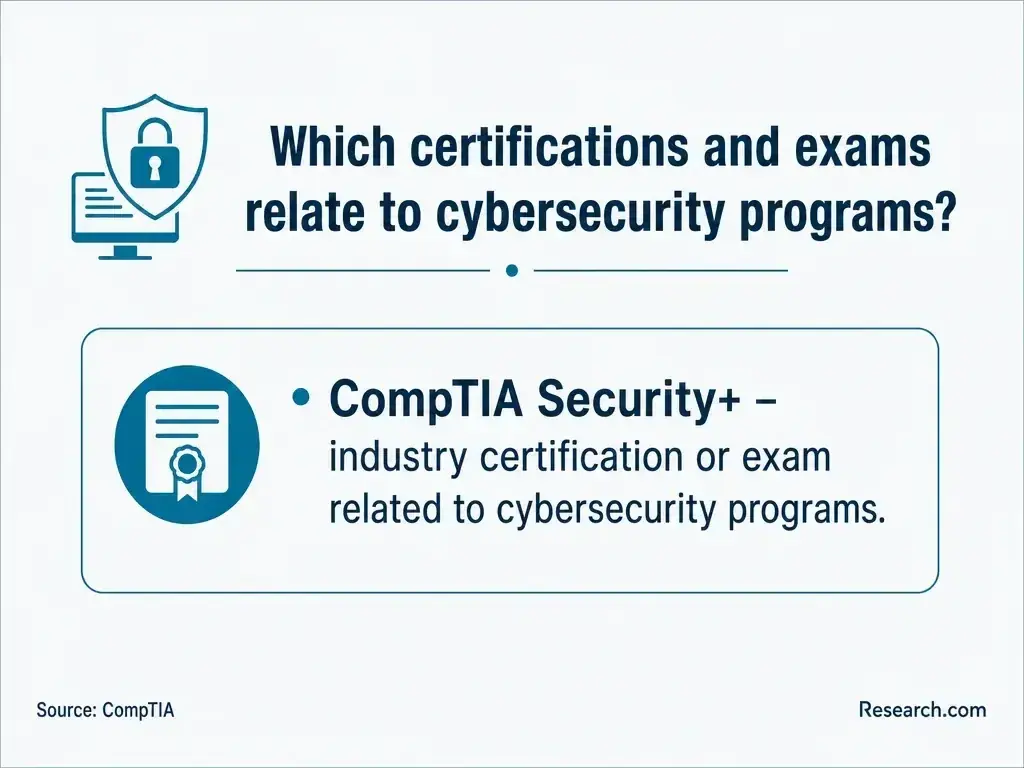
Build each estimate from tuition and mandatory fees; books, software, and a suitable computer; transportation or internet access; and living costs affected by your study schedule. Include any optional certification exam you actually plan to take, along with earnings you may give up by reducing work hours. Then account separately for grants, scholarships, and employer tuition assistance rather than assuming every applicant receives them.
Online comparisons need the same scrutiny: a lower advertised tuition rate may be offset by fees or weak transfer fit. If considering other providers, top non profit online accredited colleges can help frame questions about institutional accreditation, but confirm that a specific cybersecurity associate degree is offered and price it independently. An institution's nonprofit status alone does not establish value.
Eligible students may be able to use federal grants, federal student loans, institutional scholarships, Maryland aid, or employer tuition benefits. Federal Student Aid determines federal eligibility through its application process; the Maryland Higher Education Commission administers state aid with its own rules and deadlines. Funding is not automatic, and residency, enrollment intensity, academic progress, and program eligibility can affect an award.
Ask each college's aid office to review the cybersecurity associate degree you intend to enter, not just the institution generally. Request an aid offer that distinguishes grants from loans and shows the remaining cost for your expected course load. If you work, ask your employer whether reimbursement covers fees and whether payment arrives before or after you complete a course. Borrowing may fill a gap, but it does not reduce the degree's price.
Admissions and course-placement rules vary by college. Applicants should check the current catalog for required academic records, placement procedures, and prerequisites for computing courses. A student can be admitted to a college yet still need to complete a prerequisite before entering a particular networking or security class.
Prior IT knowledge may help, but do not assume it is required - or that workplace experience will automatically earn credit. Ask an adviser to evaluate previous college coursework and any available prior-learning process against the degree map before registering. If foundational computing courses are needed, include their time and cost in your plan rather than relying on the advertised sequence alone.
A cybersecurity associate degree generally pairs writing, mathematics, and other general education with networking, operating systems, computer systems, and security coursework. Depending on the catalog, applied courses may address system administration, network defense, digital forensics, scripting, or security policy. These subjects are useful in different ways: an analyst needs technical evidence to investigate an alert, while an administrator needs to configure systems securely in the first place.
Look beyond course titles to the work students actually perform. Ask whether labs require configuring systems, examining logs, documenting findings, and explaining a security decision. Also check whether a capstone, internship, or other work-based component is offered, required, and accessible to students with jobs. A program with fewer specialized titles but stronger foundational labs may better prepare a newcomer for initial IT responsibilities.
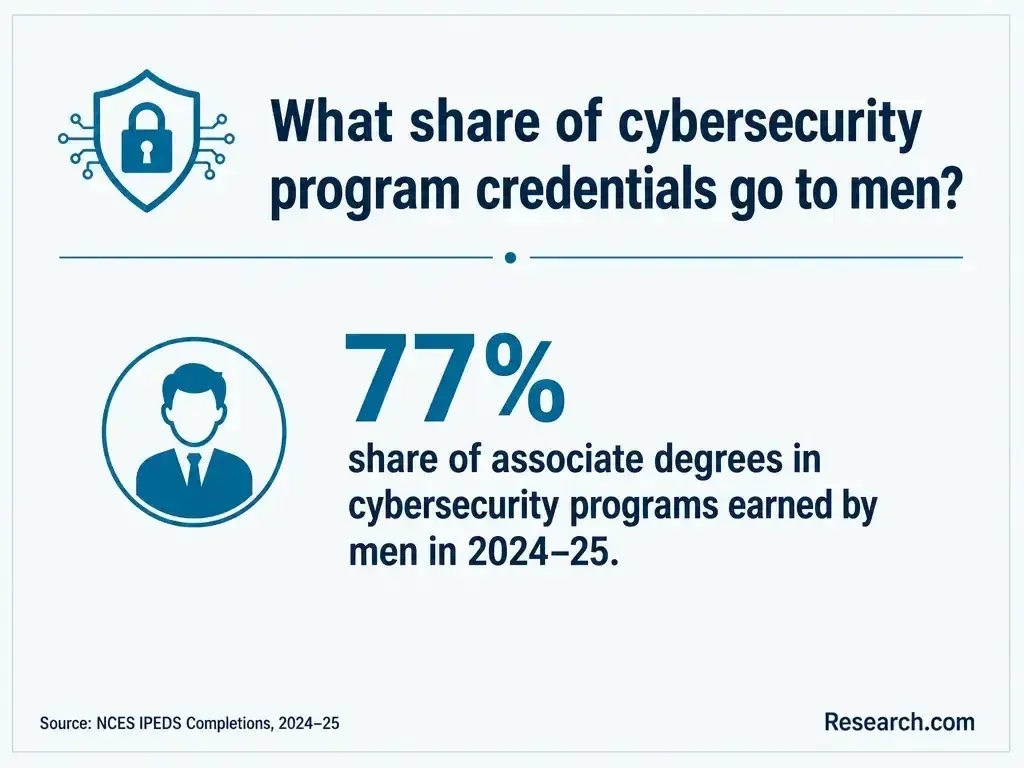
Specialization at the associate level may appear through electives or a concentration rather than a separately named degree. Relevant directions include network defense, systems administration, incident response, and digital forensics. Availability depends on the college's current catalog, so do not assume that every advertised topic represents a course you can take regularly.
Match electives to an initial job target. Network and systems courses support infrastructure-focused roles; incident-response exercises suit students interested in monitoring and investigation. If further college study is a priority, first check whether the elective transfers and fulfills a requirement at the receiving institution. An attractive specialty is less useful if it delays completion or displaces a required transferable course.
Start with your next step: entering IT work, moving from an existing IT role toward security, or transferring for further study. A career-focused course sequence and a transfer-oriented sequence can both be good choices, but not for the same reason. Use the ranking as a shortlist, then test each option against requirements that matter to your goal.
These checks help turn a promising program description into a decision you can defend:
- Confirm the exact associate degree awarded, current required credits, prerequisites, and a feasible term-by-term schedule.
- Verify institutional accreditation through the recognized accreditor and ask the college which specific courses transfer under a written agreement; accreditation alone does not guarantee transfer.
- Inspect lab assignments and ask about instructor support, equipment access, internships, and opportunities to show completed work to employers.
- Get a personalized total-cost and aid estimate, including residency-based tuition and the cost of any extra term your schedule might require.
- Ask for associate-degree-specific completion and employment evidence, including job titles and the limits of the reported data.
The fastest way to get an associate's degree is not necessarily the best investment if compressed courses make security labs harder to master or required classes do not transfer. Other red flags include vague claims of guaranteed security jobs, an advertised analyst salary presented as starting pay, or assurances that accreditation alone establishes professional certification eligibility. Cybersecurity jobs in Maryland do not have a general occupational license; optional certifications have separate requirements set by their issuing organizations.
Common starting targets include IT support, network support, and junior systems roles with security responsibilities. A graduate who already has substantial IT experience may be more competitive for a dedicated security position; a newcomer may need to build operational experience first. Progression can involve handling more complex systems, documenting incidents, developing a portfolio of lab or workplace projects, and pursuing an optional professional certification when an employer values it.
Cybersecurity is not one work style. Monitoring and investigation can involve sustained independent analysis, while support and incident response require frequent communication and sometimes urgent coordination. Readers comparing top high paying introvert professions should evaluate the duties and working conditions of a specific job, not assume every security role is solitary or highly paid at entry.
National demand provides context, not a Baltimore hiring forecast. The U.S. Bureau of Labor Statistics projects 21.0% growth for information security analysts from 2025 to 2035. That projection covers an occupation across the United States and all experience levels; it cannot tell an applicant how many local employers will hire a new associate degree graduate.
Baltimore students should examine actual vacancies across healthcare, government, financial services, and contractors to see whether openings ask for networking experience, security operations skills, work authorization, or clearance eligibility. Compare those requirements with the college's labs and employer connections. If most appealing vacancies call for prior experience, choosing a degree that also prepares you for an initial IT role gives you a more workable route into the field.
Best Cybersecurity Associate Degree Programs & Schools in Baltimore for 2027
Investing in an associate degree is a consequential decision. Research.com created its ranking to help readers compare programs against relevant local options rather than relying on a school's reputation alone. The team evaluates programs with completions reported to IPEDS; that eligibility rule means an unlisted option should not automatically be considered poor quality or nonexistent.
Best-program scores consider student completion and full-time and part-time retention; earnings one year after completion and earnings relative to annual attendance cost; tuition, attendance cost, debt, and federal loan default rates; and quality indicators. Occupation-relevant programmatic recognition accounts for 20% of the score, institutional accreditation for 10%, and student support for 10%. Outcomes, earnings, and costs make up the remaining 60%, with an entropy-based method assigning more weight to indicators that differ more across programs. These measures can inform a shortlist, but school-level earnings and debt do not establish what an individual cybersecurity graduate will earn or owe.
The ranking process draws on the following databases and reference sources. Occupation-specific sources are considered where relevant; a health or construction organization listed here should not be interpreted as a cybersecurity accreditor.
- IPEDS database: reported completions and institutional education data.
- National Center for Education Statistics: federal education definitions and institutional context.
- College Scorecard database: available cost, debt, and earnings measures.
- Peterson's database: supplemental institutional information.
- Commission on Accreditation of Allied Health Education Programs (CAAHEP): occupation-specific recognition reference for applicable health programs, not cybersecurity.
- Accrediting Bureau of Health Education Schools (ABHES): recognition reference for applicable health programs, not cybersecurity.
- Commission on Dental Accreditation (CODA): recognition reference for applicable dental programs, not cybersecurity.
- Dental Assisting National Board (DANB): occupation-specific reference for dental assisting, not cybersecurity.
- National Center for Construction Education and Research (NCCER): industry-recognition reference for applicable construction programs, not cybersecurity.
- Apprenticeship.gov Partner Finder: reference for relevant work-based pathways where applicable.
For more detail on the approach, see Research.com's methodology. Use the ranking to narrow your search, then confirm each program's current curriculum, price, accreditation, and reported outcomes directly with the college.
Frequently asked questions about cybersecurity programs in Baltimore
Can I get a cybersecurity job with an associate degree?
Possibly, especially if you have related IT experience and can demonstrate practical skills. Newcomers may find IT support or network roles a more realistic first step than an information security analyst position.
Should I choose an AS or an AAS?
Choose based on the actual curriculum and your goal. An AS may fit a transfer-focused plan; an AAS may emphasize immediate workplace skills. Confirm each college's course-transfer terms rather than relying on the degree label.
Is an online cybersecurity associate degree enough for hands-on skills?
It can be if the program provides accessible, assessed labs and strong instructor feedback. Ask for a demonstration of the remote lab environment and check whether any campus or worksite attendance is required.
Do cybersecurity associate degree graduates need a Maryland license?
There is no general Maryland occupational license for cybersecurity work. Employers may request particular skills, experience, or optional professional certifications; check requirements for the jobs you want.
Which Baltimore-area colleges should I compare?
Start by checking the current associate degree offerings, catalogs, tuition categories, and schedules at Community College of Baltimore County and Baltimore City Community College. Compare the degree you can actually complete, not only the institution.
How can I tell whether the degree is worth the cost?
Compare total cost after aid, likely debt, time away from work, your chance of completing, and realistic first-job options against your current earnings and longer-term goal. Do not use the national analyst median as a promised starting salary.
- U.S. Bureau of Labor Statistics - Information Security Analysts
Used to verify salary, employment outlook, and typical education requirements.
https://www.bls.gov/ooh/computer-and-information-technology/information-security-analysts.htm - NCES College Navigator (IPEDS)
Used to verify programs offered and institutional accreditation.
https://nces.ed.gov/collegenavigator/ - CompTIA Security+
Professional certification reference for graduates of this occupation.
https://www.comptia.org/certifications/security - Community College of Baltimore County - official website
Official school website (programs, tuition, admissions).
https://www.ccbcmd.edu/ - Baltimore City Community College - official website
Official school website (programs, tuition, admissions).
https://www.bccc.edu/