
Most Affordable Baking, Pastry & Culinary Schools - Top Baking & Pastry Chef Schools in Virginia for 2026

Co-Founder and Chief Data Scientist
Exploring a career in baking and pastry arts can be both exciting and rewarding. For Virginia residents eager to start this journey, choosing the right trade school is essential.
This article introduces a carefully crafted baking and pastry trade school programs ranking developed by the Research.com team of data scientists. It’s designed to help you make an informed decision about which programs truly stand out in 2026.
Discovering affordable, quality education options can open doors to fulfilling careers. Earning a diploma or certification in this field offers valuable skills and opportunities. Dive in to find the best fit for your passion and future success.
Key benefits of finishing baking and pastry trade school in Virginia
- Graduates from baking and pastry trade schools in Virginia can expect competitive salaries, with entry-level Pastry Chefs earning around $24.81 per hour and experienced chefs making up to $68,686 annually.
- Career paths include roles like Pastry Chef, Executive Pastry Chef, or Pastry Cook, offering exciting growth opportunities and the chance to work in vibrant culinary environments across Virginia.
- Completing a baking and pastry trade school online provides flexibility and hands-on learning, helping graduates balance work and study while gaining skills that employers value in today's fast-paced food industry.
- Most Affordable Baking, Pastry & Culinary Schools - Top Baking & Pastry Chef Schools in Virginia for 2026
- What can I expect from baking and pastry trade schools in Virginia?
- Where can I work after finishing baking and pastry trade schools in Virginia?
What can I expect from baking and pastry trade schools in Virginia?
At a baking and pastry trade school program in Virginia, expect a hands-on learning experience using professional kitchen equipment like dough sheeters and convection ovens. Graduates often describe the excitement of mastering artisan breads and delicate viennoiserie through real practice rather than just theory. Programs typically blend technical skills with lessons on food safety, nutrition, and recipe math, helping students confidently manage both the creative and business sides of baking.
Students at popular Virginia trade schools find externships and internships invaluable, allowing them to work alongside local bakery professionals and build industry connections. Many share how these real-world opportunities transform classroom knowledge into practical skills, boosting their confidence before graduation.
Programs usually range from under a year for certificates to about 15 months for associate degrees, fitting various schedules and goals. Graduates appreciate earning certifications like ServSafe Manager that enhance their job prospects. Small class sizes mandated by Virginia's regulations ensure personalized instruction and support throughout the program.
Where can I work after finishing baking and pastry trade schools in Virginia?
After completing a baking and pastry trade school program in Virginia, graduates find diverse job opportunities across the state. Many begin their careers in independently owned bakeries, where they apply creative skills learned at schools like the Culinary Institute of Virginia or Virginia Baking Academy. These roles often involve crafting unique pastries and custom cakes, making the work rewarding and hands-on.
Other graduates secure positions in commercial bakeries and supermarkets, environments focused on consistent production and teamwork. Restaurants, hotels, and cafés in cities like Richmond and Virginia Beach frequently hire pastry chefs and bakers to develop menus featuring desserts and specialty breads.
Some graduates work in healthcare facilities or school cafeterias, preparing nutritious baked goods, while others find stable roles in government or corporate cafeterias with structured hours and benefits. Experience from externships often leads to supervisory roles such as head baker or pastry chef.
Many graduates also pursue entrepreneurship, opening bakeries or catering businesses, or move into teaching and product development, using their trade school credentials to build fulfilling culinary careers throughout Virginia.
Graduates from baking and pastry trade school programs in Virginia can expect to start their careers earning around $28,000 to $35,000 annually. For example, many recent graduates from well-known Virginia trade schools begin as bakers or assistant pastry chefs, earning about $35,300 per year. This entry-level salary often reflects the hands-on skills and foundational knowledge gained during their program.
As graduates gain experience, their earning potential grows significantly. Those who advance to roles like head pastry chef or bakery manager in cities like Norfolk report salaries averaging $88,259, with some earning as much as $187,155. This progression is common for graduates who continue building skills, earn certifications, or take leadership roles in bustling bakeries or upscale venues.
Many graduates find excitement in this career path, enjoying the blend of creativity and steady income. Trade schools in Virginia prepare students not only for traditional jobs but also for entrepreneurship, offering a chance to open bakeries or catering businesses that can increase income potential while turning passion into profit.
- Programs typically last from about 9 months for diplomas to one or two years for certificates, requiring between 27 and 35 credit hours.
- Students get hands-on training using commercial equipment and may complete externships with local businesses.
- Admission usually requires a high school diploma or GED, with some programs needing an introductory culinary course.
- Tuition for community college certificates ranges from $4,500 to $7,000 for in-state students, excluding books and fees.
- Entry-level salaries range from $25,000 to $32,000 annually, with experienced professionals earning $35,000 to $50,000 or more.
Completing a baking and pastry trade school program in Virginia typically takes between 9 to 12 months for most students. This timeframe allows learners to gain hands-on experience with essential baking techniques, from dough preparation to cake decorating, at well-known Virginia schools.
Graduates often share how immersive the curriculum is, with many appreciating the balance between classroom instruction and real-world kitchen practice. For example, students at popular trade schools in Virginia describe the satisfaction of quickly advancing from basic recipes to creating complex pastries within a single academic year.
This relatively short duration is ideal for those eager to enter the workforce swiftly while still acquiring the skills needed to thrive in bakeries or restaurants. Many find the focused timeline motivates consistent progress and keeps enthusiasm high as they see tangible improvement week by week.
Choosing a Virginia trade school with a program length that fits your schedule can make all the difference in turning your baking passion into a rewarding career without delay.
Online and on-campus baking and pastry programs in Virginia differ mainly in how students gain hands-on experience. On-campus students at schools like Bryant & Stratton College enjoy direct access to professional kitchens, working alongside instructors who provide real-time feedback. This setup helps them confidently master skills like bread baking and chocolate work through daily practice in a fully equipped environment.
Graduates from on-campus programs often recall the excitement of immediate guidance and the camaraderie formed in bustling kitchen labs, which many find invaluable when pursuing bakery jobs.
In contrast, online students benefit from flexible schedules, watching detailed video lessons and completing interactive assignments at their own pace. These students usually arrange practical work independently, sometimes at local kitchens or during short residencies, making self-motivation essential.
Both paths at Virginia trade schools share accredited curricula and financial aid options, but online learners often describe a rewarding challenge balancing hands-on practice with remote study while building their professional networks through internships.
The average tuition for baking and pastry programs in Virginia can vary widely depending on the trade school and program length. For example, graduates from Virginia Western Community College recall that the total cost for the 27-credit-hour Career Studies Certificate in Culinary Arts: Baking & Pastry was approximately $6,410 for in-state students. This fee covered not only tuition but also essential materials like books, a baking kit, and a uniform, making it a manageable investment for many local students. Out-of-state students, however, faced higher tuition, which they had to plan for carefully.
Meanwhile, those attending private or specialized institutions, such as ECPI University or Stratford University, experienced higher costs for their diploma programs. The cost of baking and pastry diploma programs in Virginia at ECPI University runs about $22,432 annually for residents, including tuition, books, and supplies. Stratford University's similar program reflected an estimated annual cost of around $24,789 for Virginia residents. Graduates often mention that while the investment is significant, the hands-on training and industry connections they gained provide strong value.
Many students pursuing these programs find it helpful to explore scholarships, financial aid, and part-time work options to manage expenses. Understanding what these average costs include can demystify the financial commitment and help future students feel confident in their decision. For those curious about financially smart certification routes, here is a useful resource on what are easy certifications to get that pay well.
Baking and pastry students in Virginia often rely on federal financial aid, which requires completing the FAFSA each year. This opens doors to Pell Grants, federal loans, and work-study programs that helped many recent graduates manage tuition and living expenses while focusing on their craft.
Institutions like Virginia Western Community College offer targeted scholarships and grants for culinary arts students, including those specializing in baking and pastry. These awards, often based on merit or financial need, have empowered students to pursue their passion without the overwhelming burden of debt. Many graduates recall how attending financial aid workshops on campus clarified their options and boosted their confidence through the application process.
External scholarships from organizations such as the American Culinary Federation also provide valuable support, making professional certifications more affordable. For example, some students have used these funds to earn ServSafe certifications, enhancing their employability upon graduation.
Understanding the estimated yearly cost-around $21,541 at schools like ECPI University-helps students realistically plan their finances and seek the best aid packages. Regular consultations with financial aid advisors ensure students are maximizing every available resource to turn their baking dreams into reality.
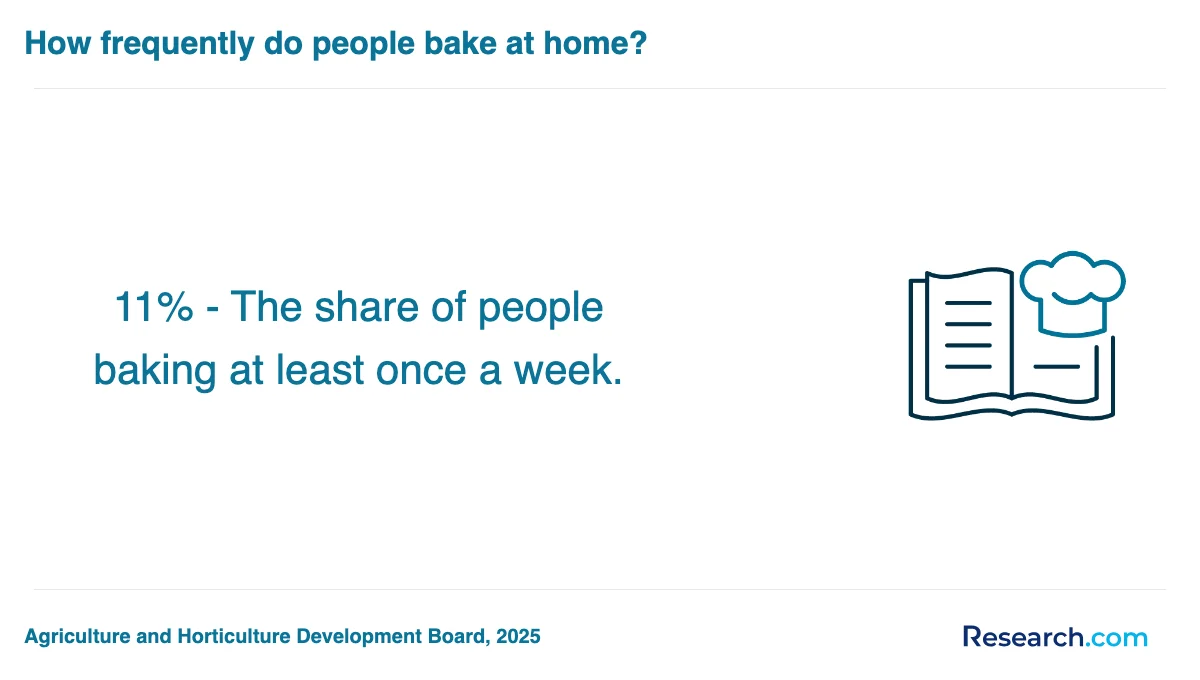
To enroll in a baking and pastry trade school program in Virginia, you typically need a high school diploma or GED. Some schools may also require proof of basic math and reading skills to ensure you can follow recipes and measure ingredients accurately. For example, graduates from popular Virginia trade schools often mention that having a genuine passion for baking and some hands-on experience-like baking at home or helping in local bakeries-can give you a real advantage during the application process.
Many schools recommend applicants to:
- Provide a brief personal statement explaining their interest in baking and pastry arts
- Submit letters of recommendation, especially if you've worked or apprenticed in food service
- Attend an interview or orientation session to demonstrate commitment and enthusiasm
Graduates often share how these prerequisites helped them feel prepared and confident when starting classes. Being ready to learn hands-on skills and work in a fast-paced environment is key, and Virginia trade schools emphasize practical readiness as much as academic qualifications.

Students in Virginia baking and pastry trade schools begin with core courses that build a strong foundation in baking principles. Graduates often recall mastering essential skills like ingredient measurement, mixing techniques, and kitchen safety, which are emphasized in programs such as the Culinary Institute of Virginia's Baking and Pastry Arts Diploma.
As the program advances, students dive into specialized courses covering:
- Artisan breads and Viennoiserie, where hands-on practice transforms dough into crusty baguettes and flaky croissants
- Cakes and tarts, focusing on both classic European tortes and modern decorative designs
- Chocolate and confectionery artistry, perfect for those passionate about delicate sweets
- Alternative baking, addressing gluten-free and health-conscious recipes
Additional modules include custards, creams, petit fours, and frozen desserts, often culminating in capstone projects that simulate real bakery environments. Many students appreciate how Virginia's Career and Technical Education programs integrate nutritional principles, menu planning, and business math, preparing them for the full spectrum of bakery operations.
Work-based learning opportunities like externships and ServSafe Manager certification provide practical experience, boosting confidence and employability. Graduates highlight how these courses not only teach skills but also foster creativity and passion within the vibrant trade school community of Virginia.
Baking and pastry trade school programs in Virginia offer a wide range of specializations tailored to different career goals in the culinary field. Students frequently gain hands-on experience in bread and pastry production, cake design, chocolate and sugar artistry, and health-conscious baking techniques. Graduates from culinary arts baking specialization in Virginia often highlight the practical learning environments that prepare them for real-world kitchens.
Popular programs, such as those at Virginia Western Community College and Reynolds Community College, emphasize technical skills alongside business management, including purchasing and cost control. Many students appreciate the opportunity to engage in work-based learning and internships, which build confidence and industry connections.
Students passionate about food safety and nutrition benefit from specialized courses offered at institutions like the Advanced Career Education Center at Hermitage, where kitchen safety and sanitation are key focuses. These baking and pastry arts programs in Virginia shape students into versatile professionals ready to thrive in diverse culinary settings.
For those seeking flexible options, exploring the easiest associate's degree pathways can also complement career advancement in baking and pastry arts.
Choosing among the best baking and pastry programs in Virginia starts with verifying program accreditation and industry recognition. Graduates from schools in Virginia often praise hands-on training opportunities that use commercial-grade equipment and real-world catering events, which build confidence and skill for busy kitchen environments. For example, students from well-regarded Virginia colleges describe how externships with local bakeries helped them gain valuable professional experience while still studying.
When you compare Virginia baking schools, look closely at curriculum breadth and specialization. Top programs cover fundamental techniques and advanced pastry artistry, while also including essential topics like safety, sanitation, and food costing. Many students appreciate programs that offer dual enrollment or transferable credits, which can ease transitions to higher education.
Faculty qualifications matter too-graduates highlight instructors with real industry awards and practical experience who inspire creativity and professionalism. Consider program duration and flexibility as well, since some Virginia schools provide blended learning options to fit busy schedules. Investigate financial aid resources to make your education affordable.
Understanding what skills are needed for restaurant managers can also guide your choice, ensuring your training aligns with career goals.
Graduates of baking and pastry trade school programs in Virginia find a variety of rewarding career paths. Many start in entry-level positions such as baker, pastry cook, cake decorator, or dessert maker, working in bustling local bakeries, restaurants, or grocery stores where their hands-on training comes to life. Virginia's trade schools often emphasize practical experience, so graduates enter the job market confidently, ready to meet real-world demands.
Opportunities extend beyond entry roles, with many graduates advancing to lead baker, pastry chef, or bakery manager positions by leveraging skills in business management and food safety learned during their studies. Hands-on externships at popular Virginia institutions enable students to build connections that lead to these supervisory jobs. Specialty roles also include artisan bread making or dessert creation for catering companies, reflecting the diversity of baking and pastry career opportunities in Virginia.
Entrepreneurship is a vibrant option, as several programs include business coursework that prepares graduates to open their own bakeries or dessert shops. Graduates frequently share stories of turning classroom projects into thriving small businesses, using problem-solving and financial skills gained at school. For those looking to balance further education with work, exploring the cheapest associate degree online can also support career advancement.
- Entry-level roles: baker, cake maker, decorator
- Specialized paths: artisan bread, pastry chef
- Management: bakery manager, lead baker
- Entrepreneurship: owning bakeries or catering businesses
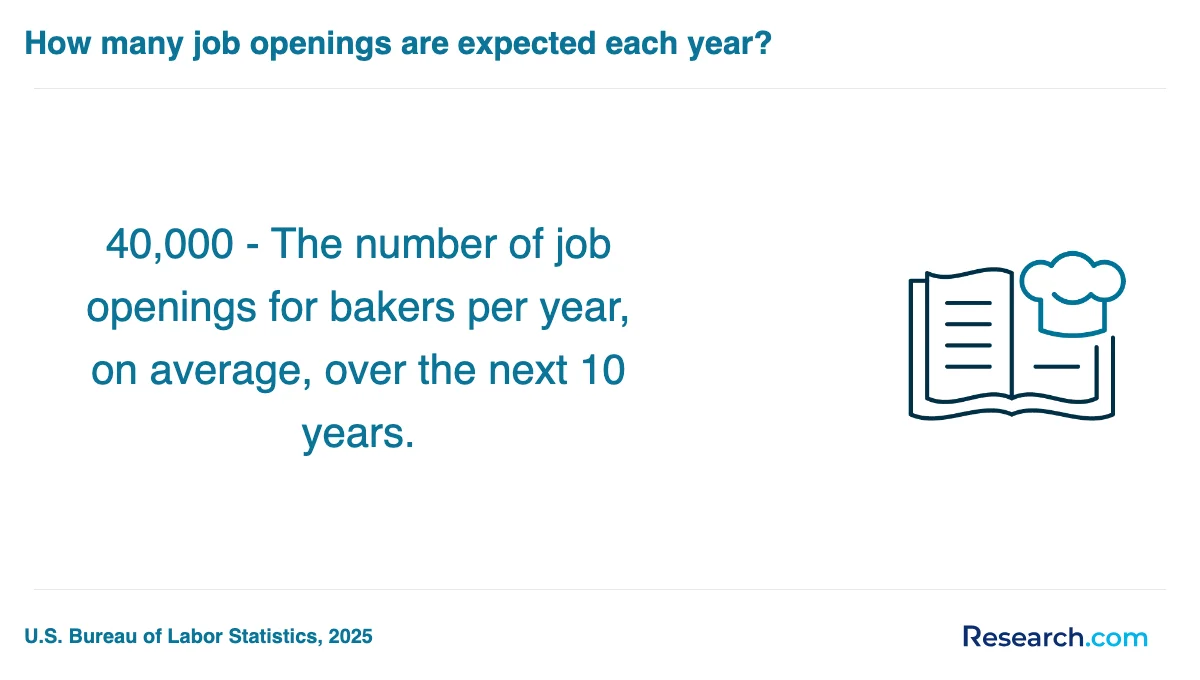
The job market for baking and pastry trade school graduates in Virginia is vibrant with over 280 positions available statewide. Popular roles include pastry cook, baker, and cake decorator, with 176 openings specifically for pastry chefs. Graduates from local trade schools frequently start in entry-level roles such as apprentice pastry chefs or line cooks, gaining hands-on experience that paves the way to supervisory positions like pastry sous chef. These opportunities are especially strong in restaurants, bakeries, hotels, and catering companies.
Many graduates highlight the value of certifications such as the Certified Pastry Culinarian (CPC) and food safety training, which enhance employability. Virginia's hospitality and food service industries-major employers of baking and pastry professionals-continue to grow, especially in metropolitan and tourist-driven areas.
Successful graduates often share that:
- Early mornings and physically demanding shifts are common but rewarding
- Work experience combined with credentials accelerates career growth
- Networking within Virginia's foodservice community opens doors
For those considering their education options, researching a cheap baking and pastry arts program online can be a practical step toward entering this dynamic job market.
Overall, the baking and pastry job outlook in Virginia remains positive, offering graduates a variety of paths to a fulfilling and steady career.
Most Affordable Baking, Pastry & Culinary Schools - Top Baking & Pastry Chef Schools in Virginia for 2026
# 1 position
ECPI University - Baking and Pastry Arts/Baker/Pastry Chef.
associateECPI University offers a Baking and Pastry Arts/Baker/Pastry Chef program with a hybrid format, combining in-person and distance education. The program trains students to become professional bakers and pastry specialists, covering bread and pastry making, decorating, storage, marketing, and service. Annual in-state tuition is $18,484. Graduates earn a median salary of $23,320 one year after completion. The program is accredited by the Southern Association of Colleges and Schools Commission on Colleges.
# 2 position
ECPI University - Baking and Pastry Arts/Baker/Pastry Chef.
certificate or diplomaECPI University offers a Baking and Pastry Arts/Baker/Pastry Chef program with a hybrid format including some distance education. The program prepares students for careers as professional bakers and pastry specialists, covering bread and pastry making, handling, decorating, and baking industry operations. Annual in-state tuition is $18,484. Graduates have median earnings of $23,320 one year after completion. The program is accredited by the Southern Association of Colleges and Schools Commission on Colleges.
Frequently Asked Questions about baking and pastry
After completing a baking and pastry trade school in Virginia, preparing for the job market involves several key steps. First, gaining practical experience through internships or apprenticeships is essential. Many Virginia culinary programs partner with local bakeries and restaurants, providing students hands-on training and networking opportunities. According to the U.S. Bureau of Labor Statistics, employment for bakers in Virginia is expected to grow by 6% from 2022 to 2032, indicating steady demand.
Building a professional portfolio showcasing your skills and completed projects can help attract employers. Additionally, obtaining certifications such as ServSafe Food Handler or Certified Baker enhances your credibility. Job seekers should also attend local culinary events and join industry groups like the Virginia Pastry Association to connect with potential employers.
Employers in Virginia's baking and pastry industry prioritize both technical skills and professionalism in trade school graduates. Mastery of baking techniques, such as dough preparation, cake decorating, and chocolate work, is essential. According to the U.S. Bureau of Labor Statistics (2023), hands-on experience with commercial kitchen equipment is highly valued due to the fast-paced environment.
Soft skills like time management, teamwork, and adaptability are also critical. Virginia employers often seek graduates who can maintain quality under pressure and communicate effectively with kitchen staff and customers. Knowledge of food safety regulations, including ServSafe certification, is frequently required, reflecting state and federal health standards.
Understanding ingredient properties and recipe development helps graduates innovate and meet diverse client needs. Local industry surveys, such as those by the Virginia Restaurant, Lodging & Travel Association, indicate that employers increasingly appreciate graduates with a blend of creativity and reliable execution in their baking and pastry roles.
Finding internships in Virginia related to baking and pastry trade school programs involves several practical steps. Start by contacting your school's career services office, as many trade schools maintain partnerships with local bakeries and restaurants. According to the Virginia Department of Labor, food service establishments in the state have grown by 3.5% annually, increasing internship opportunities.
Online job platforms like Indeed and Handshake often list internships specifically for culinary arts students in Virginia. Networking through local culinary events or organizations, such as the Virginia Restaurant, Lodging & Travel Association, can also connect you with potential employers.
Additionally, consider reaching out directly to bakeries and hotels in cities like Richmond and Charlottesville, where demand for pastry interns is higher. Securing an internship typically requires demonstrating your skills and enthusiasm for baking, so preparing a portfolio or samples can improve your chances.
Obtaining a baking and pastry trade school diploma in Virginia can significantly enhance career mobility and advancement opportunities within the state's culinary sector. Graduates often gain practical skills and industry-recognized certifications that employers value, improving their chances of securing entry-level positions in bakeries, restaurants, and hotels.
According to the Virginia Employment Commission, demand for skilled bakers and pastry chefs is expected to grow by 7% through 2030, slightly faster than average for all occupations. This growth supports upward mobility for diploma holders who demonstrate both technical proficiency and creativity.
Trade school diplomas also provide a foundation for advancing into supervisory or specialized roles, such as pastry chef or bakery manager, often accompanied by higher wages. The Virginia Community College System reports that graduates with diplomas in culinary arts including baking earn a median annual wage approximately 15% higher than those without formal training.
Furthermore, many trade schools in Virginia maintain strong industry connections, facilitating apprenticeships and job placements that can accelerate career progression. This network access is critical in a competitive job market and benefits students seeking rapid advancement.
Part-time job opportunities in Virginia that complement baking and pastry trade school education often include positions such as bakery assistant, barista, and kitchen prep worker. These roles provide hands-on experience with food preparation, customer service, and inventory management, which are essential skills in the baking industry. According to the U.S. Bureau of Labor Statistics, Virginia's employment in bakeries is projected to grow by 5% from 2022 to 2032, reflecting steady demand.
Working in local bakeries or cafes also helps students build professional networks and understand workplace dynamics. Additionally, seasonal jobs in catering companies or farmers' markets can offer practical experience with event-based baking and sales. These opportunities support skill development while students complete their trade programs.
To choose the most affordable Baking And Pastry degree program near you, start by researching local community colleges, technical schools, and universities that offer programs near Virginia, focusing on tuition rates and financial aid options. Consulting rankings and reviews from sources like Research.com and visiting campuses can give you a closer look at the facilities and course offerings. Consider reaching out to alumni or current students to get their perspectives on the programs available near me.
- Most Affordable Baking, Pastry & Culinary Schools - Top Baking & Pastry Chef Schools in Maryland for 2026
- Most Affordable Baking, Pastry & Culinary Schools - Top Baking & Pastry Chef Schools in North Carolina for 2026
- Most Affordable Baking, Pastry & Culinary Schools - Top Baking & Pastry Chef Schools in Kentucky for 2026
- Most Affordable Baking, Pastry & Culinary Schools - Top Baking & Pastry Chef Schools in Pennsylvania for 2026
- Most Affordable Baking, Pastry & Culinary Schools - Top Baking & Pastry Chef Schools in South Carolina for 2026
- Most Affordable Baking, Pastry & Culinary Schools - Top Baking & Pastry Chef Schools in New Jersey for 2026
- Most Affordable Baking, Pastry & Culinary Schools - Top Baking & Pastry Chef Schools in Georgia for 2026
- Most Affordable Baking, Pastry & Culinary Schools - Top Baking & Pastry Chef Schools in New York for 2026
- Most Affordable Baking, Pastry & Culinary Schools - Top Baking & Pastry Chef Schools in Connecticut for 2026
- Most Affordable Baking, Pastry & Culinary Schools - Top Baking & Pastry Chef Schools in Massachusetts for 2026
- How to Get a Culinary Internship or Externship - Escoffier https://www.escoffier.edu/blog/culinary-pastry-careers/how-to-get-a-culinary-internship-or-externship/
- Pastry professions: Training programmes and career opportunities | Le Cordon Bleu https://www.cordonbleu.edu/paris/pastry-professions/en
- Culinary Arts & Cooking Internships Abroad | GoAbroad.com https://www.goabroad.com/intern-abroad/search/culinary-arts-cooking/internships-abroad-1
- Erasmus Internship : Bakery https://www.espamob.com/en/sector-internship-company-erasmusplus/catering-trades/erasmus-internship-bakery/
- Professional Baking and Pastry Arts Apprenticeship Program | Vancouver Island University | Canada https://tradesappliedtech.viu.ca/apprenticeship/professional-baking-and-pastry-arts-apprenticeship
- Externships | ICE Career Services | Institute of Culinary Education https://www.ice.edu/career-services-resources/career-services/externships
- CIA Baking and Pastry Arts Programs | Culinary Institute of America https://www.ciachef.edu/cia-baking-and-pastry-arts-programs/
- Baking and Pastry Arts | NAIT https://www.nait.ca/programs/baking-and-pastry-arts
- Baking and Pastry Arts https://www.sait.ca/programs-and-courses/diplomas/baking-and-pastry-arts
- Baking and Pastry | National Louis University | Chicago, Illinois | Tampa, Florida https://nl.edu/kendall-college/programs/baking-and-pastry/


