Most Affordable Baking, Pastry & Culinary Schools - Top Baking & Pastry Chef Schools in West for 2026

Co-Founder and Chief Data Scientist
Choosing the right baking and pastry trade school is an exciting step toward a rewarding career in the culinary arts. This article introduces a carefully crafted ranking of baking and pastry trade school programs in the West, developed by the Research.com team of data scientists.
Our goal is to help you confidently explore the best options available, making it easier to find a program that fits your goals and budget. Earning a diploma or certification can open doors to creative opportunities and professional growth in a thriving industry.
Let’s discover the most affordable and valuable programs together.
Key benefits of finishing baking and pastry trade school in West
- Graduates in the West can expect competitive salaries, with bakers earning around $36,650 annually and pastry chefs making up to $87,300, especially in high-demand cities like Seattle and San Francisco.
- A graduate from a popular West Coast trade school often finds diverse career options, including baker, pastry cook, and pastry chef roles, allowing for exciting growth and specialization.
- Completing a baking and pastry program online offers flexibility and hands-on learning, as experienced by many successful online graduates who balanced work and study while gaining valuable industry skills.
- Most Affordable Baking, Pastry & Culinary Schools - Top Baking & Pastry Chef Schools in West for 2026
- What can I expect from baking and pastry trade schools in West?
- Where can I work after finishing baking and pastry trade schools in West?
What can I expect from baking and pastry trade schools in West?
Enrolling in a baking and pastry trade program in the West means diving into hands-on learning from day one. Graduates from Spokane Community College often describe the intensity of working in commercial-style kitchens, where they master everything from bread baking to intricate cake decorating. Expect to spend hours practicing with real bakery equipment, gaining confidence in skills like chocolate work and frozen desserts.
Beyond the kitchen, students at places like Edmonds College engage in managing inventory, controlling costs, and exploring merchandising-crucial knowledge for anyone aiming to run a bakery someday. Many find the opportunity to work in student-run bakeries invaluable, as it simulates a real workplace with fast-paced demands and teamwork under supervision.
Physical readiness is essential; lifting heavy bags of flour and standing long hours are part of the daily routine. Graduates appreciate that these programs don't just teach recipes but prepare them for the professional world, where earning around $43,000 annually as a new pastry chef in the West is a realistic starting point.
Where can I work after finishing baking and pastry trade schools in West?
Graduates of baking and pastry trade schools in the West quickly find themselves stepping into dynamic roles like pastry cook, baker, or cake decorator. Imagine working in a bustling luxury hotel kitchen in Colorado, where East West Family of Companies hires you full-time with pay up to $30 an hour and benefits, all while you master both classic and innovative pastry techniques.
Others land exciting jobs at iconic venues such as Disneyland Resort in Anaheim, crafting specialty desserts for thousands of guests daily. The fast-paced environment challenges new bakers to blend creativity with precision, turning their classroom skills into art that delights visitors.
Independent bakeries and patisseries in places like Orange County offer over 160 openings, making it easy for graduates from popular Western trade schools to find fulfilling positions. Many start hands-on and quickly move up to supervisory roles, fueled by their passion and education.
For those eager to lead, paths to becoming pastry sous chefs or head bakers in upscale hospitality are within reach, proving that a trade school diploma in the West opens doors to both rewarding work and growth.
Graduates from baking and pastry trade schools in the West often find themselves stepping into a dynamic job market with promising earnings. For many, starting salaries hover around $32,000 to $40,000 annually, reflecting both the region's higher living costs and demand for skilled bakers. Those fresh out of well-known West Coast programs report feeling encouraged when landing jobs that pay near or above this range, especially in cities like Seattle or San Francisco.
More specialized roles, like pastry chefs, can elevate income substantially. It's common for graduates with strong technical skills and certifications from respected trade schools to begin around $43,000, quickly progressing to salaries between $38,000 and $59,000 as they gain experience. Alumni frequently mention the excitement of moving from basic baking tasks to managing pastry menus in boutique bakeries or upscale hotels, where compensation can reach $56,000 or more.
This upward trajectory often stems from the hands-on training and industry connections built during their time at trade schools, which many graduates find invaluable when negotiating salaries and advancing careers in the competitive West Coast culinary scene.
- Admission usually requires completing a general college application and qualifying for entry-level English and math courses.
- Programs offer certificates that take about one year and associate degrees that typically require two years to complete.
- Students often need a valid state food worker card to show knowledge of food safety and sanitation.
- Tuition ranges from $3,000 to $15,000 at public colleges, with private schools sometimes charging over $20,000.
- Starting salaries for graduates range from $28,000 to $38,000 annually, with experienced professionals earning $40,000 to $60,000 or more.
Completing a baking and pastry trade school program in the West typically takes between 9 months to 1 year, though some intensive courses can be as short as 6 months. Graduates often describe the experience as a whirlwind of hands-on learning, where every day blends the science of baking with creative expression. For example, students at popular West Coast trade schools find themselves mastering classic techniques in the morning, then experimenting with innovative desserts by afternoon.
The compact timeframe doesn't sacrifice depth; rather, it immerses students fully, allowing them to develop skills rapidly while building confidence. Many graduates recall the excitement of their first perfectly laminated croissant or the thrill of plating pastries for real customers within weeks.
Choosing a program in the West means access to vibrant culinary communities and local ingredient markets, enriching the learning process. This energy fuels students, making the months fly by as they transform their passion into tangible expertise, ready to launch rewarding careers in baking and pastry arts.
The core difference between online and on-campus baking and pastry trade school programs in the West lies in how and where you learn your craft. Graduates from the Auguste Escoffier School of Culinary Arts, a leading institution offering fully online baking diplomas, often describe the independence of practicing recipes in their own kitchens. They appreciate the flexibility to balance work or family, yet they also face the challenge of sourcing specialty ingredients and mastering techniques without immediate instructor feedback.
Conversely, students attending on-campus programs at well-known West Coast culinary schools thrive in professional kitchens with direct access to commercial equipment and real-time guidance. The energy of collaborating with peers and receiving hands-on corrections fosters confidence and rapid skill growth. Many recall the camaraderie and mentorship found in these bustling kitchens as invaluable, something harder to capture online.
Ultimately, online programs offer accessibility and convenience, while on-campus experiences immerse students in the authentic rhythms and pressures of the pastry world. Both paths shape passionate bakers eager to turn their dreams into delicious reality.
The average tuition for baking and pastry programs in Western United States varies significantly depending on the type of institution. For example, graduates from community colleges like Central Oregon Community College often share how affordable and practical their experience was, with average net prices around $9,777 for families earning $30,000 to $48,000 annually. In contrast, private trade schools such as the Auguste Escoffier School of Culinary Arts in Austin, Texas-which some Western students consider due to its strong reputation-charge upwards of $22,253 for a 30-week diploma program that covers tuition, uniforms, tools, and fees.
Living the day-to-day student life in the West means balancing education costs with expenses for books, uniforms, and lab fees, which can add between $1,000 and $3,000 to the total investment. Many graduates recall juggling these costs but emphasize how the comprehensive training justifies the price. Washington State's Lake Washington Institute of Technology highlights another route by offering baking and pastry arts programs with average net prices closer to $7,713 after financial aid, showing that affordability depends on location and financial support.
Online enrollment also appeals to many aspiring bakers seeking flexibility. According to industry insights, you can expect the cost of baking and pastry trade school degrees in Western US to range from as low as $3,000 for short certificates up to $18,000 for comprehensive associate degrees. These options provide students across the region with ways to pursue their passion without overwhelming financial pressure.
Understanding these variations helps students make informed decisions, especially when considering how much is a culinary arts degree and selecting the right program to fit their budget and career ambitions.
Students pursuing baking and pastry programs in the West often find financial aid a vital support that transforms their dreams into reality. Many graduates recall how completing the FAFSA® unlocked access to federal grants like the Pell Grant, which lifted the heavy burden of tuition without the stress of repayment. For those enrolled at renowned trade schools in California or Washington, federal student loans offered manageable pathways to cover costs, with repayment starting only after they began their culinary careers.
Work-study opportunities gave others the chance to gain hands-on experience while earning, balancing the demands of school and life. Scholarships from organizations such as the American Culinary Federation and the James Beard Foundation provided much-needed financial boosts, often sparking feelings of pride and motivation. Institutional aid and tuition plans at popular West Coast institutes further eased the financial strain, making education feel more accessible and within reach.
Veterans found peace of mind using VA benefits and the GI Bill®, which covered tuition and living expenses, allowing them to focus fully on honing their craft. These layered financial supports create a hopeful, achievable journey for many aspiring bakers and pastry chefs in the West.
Enrolling in a baking and pastry trade school program in the West typically calls for a few straightforward yet essential prerequisites that set the stage for your success. Most schools expect applicants to have a high school diploma or GED, which ensures you're prepared for the structured learning environment.
Beyond formal education, many graduates share how their genuine passion for baking often began in home kitchens or part-time bakery jobs. This hands-on experience, while not always mandatory, greatly enhances your readiness and confidence to dive into professional training.
Common prerequisites include:
- A basic understanding of kitchen safety and sanitation practices, often demonstrated through short courses or prior work experience.
- Strong communication skills, as collaboration and clear instruction are vital in fast-paced bakery settings.
- Physical stamina and dexterity, since baking involves long hours on your feet and precise manual tasks.
At popular Western trade schools, students often describe their first day filled with excitement but also a sense of preparedness thanks to these foundations. This blend of formal and practical readiness fuels their enthusiasm and smooth transition into professional baking and pastry careers.
Students enrolling in baking and pastry trade schools in the West quickly discover a curriculum built to transform passion into expertise through hands-on learning and essential theory. Core courses typically include Baking Fundamentals, where graduates recall their first experience mastering dough fermentation and perfecting cake textures, gaining confidence in ingredient science and mixing techniques.
Programs also emphasize Pastry Arts, guiding learners through crafting exquisite desserts and specialty cakes-skills that alumni describe as both challenging and deeply rewarding. Food safety and sanitation classes ensure every graduate understands maintaining spotless, regulation-compliant kitchens, a non-negotiable in professional settings.
Many students appreciate the practical nature of culinary math courses, which sharpen their ability to scale recipes accurately and manage inventory efficiently, vital when working in busy bakeries.
- Advanced modules like Artisan Bread and Confectionery and Chocolate Work at renowned West Coast schools deepen mastery of traditional bread-making and chocolate tempering.
- Business courses covering bakery management and catering operations prepare students for leadership roles and entrepreneurship.
- Electives such as gluten-free baking and wedding cake design allow personalization of skills.
Graduates often reflect that the blend of technical skill, creativity, and business insight gained makes their journey in Western trade schools uniquely empowering and career-ready.
Baking and pastry trade school programs in the West offer an exciting range of specializations that help you tailor your education to your passion. Graduates from popular institutions often describe their experience immersing themselves in areas like artisanal bread baking, where mastering fermentation and crust texture can feel like discovering a delicious science. Others find joy in pastry arts and confectionery, crafting stunning desserts that delight both the eyes and the palate.
Some students pursue cake decorating and design, learning intricate sugar artistry that transforms simple cakes into edible masterpieces. Others dive into culinary management for baking professionals, gaining vital skills like inventory control and sustainable practices that make running a kitchen as rewarding as baking itself.
Health-conscious baking and plant-based pastry arts are also growing specializations, reflecting a broader demand for vegan and vegetarian options. South Seattle College and the Institute of Culinary Education in Los Angeles are examples of schools nurturing these innovative areas.
- Artisanal Bread Baking
- Pastry Arts and Confectionery
- Cake Decorating and Design
- Chocolate and Sugar Artistry
- Advanced Pastry Techniques
- Health-Conscious Baking
- Plant-Based Pastry Arts
- Culinary Management for Baking Professionals
Exploring which specialization to pursue can be a key part of deciding what is an easy certificate to get that pays well, balancing passion with practical career goals.
Start by focusing on accreditation and reputation when selecting the best baking and pastry schools in the West. Graduates from programs like Clover Park Technical College often describe a sense of pride in their education, knowing their school meets rigorous industry standards. These programs combine classroom learning with hands-on bakery lab experiences, allowing students to develop real skills in an environment that mirrors actual bakery operations.
Next, consider the curriculum's balance of theory and practical training. For example, the Culinary Institute of America offers a paid internship semester where students work in live bakery settings, a highlight often recalled fondly by alumni who felt empowered stepping into the workforce with confidence. Faculty expertise and industry connections also shape a student's journey, providing mentorship and job leads that extend beyond graduation.
Understanding how to compare baking trade school costs in West is equally vital. Many students find that schools like Clover Park offer affordable tuition paired with scholarships and work-study options. This financial accessibility, combined with strong outcomes, makes a big difference. Exploring associate degree jobs that pay well can also guide your investment in education toward rewarding career paths.
Graduates of baking and pastry trade school programs in the West often find themselves stepping into a vibrant world of baking and pastry careers in Western United States that go beyond traditional roles. Many start as bakers or pastry chefs in bustling West Coast bakeries, where creativity meets demand. These entry-level jobs offer hands-on experience in diverse environments-from artisanal bread shops championing local ingredients in California to high-end patisseries in metropolitan Seattle.
Other graduates pursue artistic positions such as cake designers or chocolatiers, crafting visually stunning and delicious products that captivate event goers or retail customers. Some choose to become bakery owners or kitchen managers, leveraging the business skills gained during their programs to launch unique storefronts or catering ventures.
Additional paths open to trade school alumni include roles in food research and development or culinary education. The comprehensive training, which pairs technical mastery with business acumen, equips many for entrepreneurial success or teaching careers. Those seeking diverse experiences might explore pastry chef jobs in West Coast bakeries within hotels, resorts, or cruise lines, adding excitement and travel to their professional lives.
Popular trade schools in the region emphasize practical learning coupled with strategic insights, inspiring graduates to embrace these opportunities enthusiastically. For those weighing their next step, combining baking skills with a strong hospitality and restaurant management degree can enhance career prospects immensely.
The baking and pastry job outlook in the West remains robust, particularly in California where demand spans bakeries, hotels, and restaurants. Graduates from popular trade schools in the region often find themselves quickly absorbed into roles such as bakers, cake decorators, and pastry cooks. For many, the rewarding reality of starting at $20 to $25 per hour in places like Menlo Park offers both financial stability and room for growth. Experienced pastry chefs earn upwards of $30 per hour, reflecting their advanced skills and creativity.
Graduates frequently share stories of hands-on learning translating directly to job opportunities - participating in events hosted by major employers like Disneyland Resort connects them to a network with strong career potential.
Key factors driving these opportunities include:
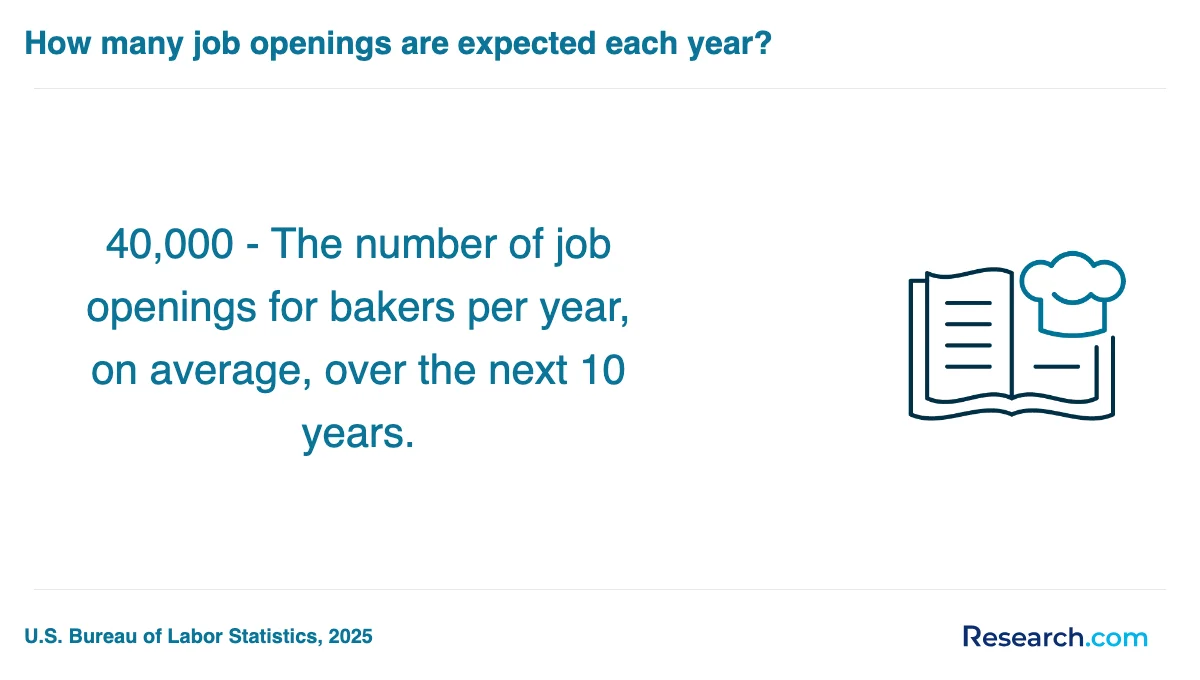
- Consistent demand driven by turnover and retirements
- Varied roles fitting different experience levels
- Preference for graduates with formal training
The average baker salary in Western states supports the choice to invest in formal training rather than relying solely on on-the-job experience. For those wondering about choosing the right educational path, exploring the easiest associate degree to get related to culinary arts can provide a competitive edge and fast entry into this vibrant job market.
Most Affordable Baking, Pastry & Culinary Schools - Top Baking & Pastry Chef Schools in West for 2026
# 1 position
Spokane Community College - Baking and Pastry Arts/Baker/Pastry Chef.
certificate or diplomaSpokane Community College offers a hybrid Baking and Pastry Arts/Baker/Pastry Chef program preparing students for careers as professional bakers and pastry specialists. The curriculum covers bread and pastry making, handling, decorating, baking industry operations, product packaging, marketing, and counter service. The annual in-state tuition is $4,057. Graduates have a median earning of $23,529 one year after completion. The program is accredited by the Northwest Commission on Colleges and Universities.
# 2 position
Southwestern Oregon Community College - Baking and Pastry Arts/Baker/Pastry Chef.
associateSouthwestern Oregon Community College offers a hybrid Baking and Pastry Arts/Baker/Pastry Chef program designed to prepare students for professional roles in commercial baking establishments. The curriculum covers bread and pastry making, handling, storage, decorating, and industry operations including packaging and marketing. The program's annual in-state tuition is $6,840. It is accredited by the Northwest Commission on Colleges and Universities. Graduates earn a median income of $27,855 one year after completion.
# 3 position
Southwestern Oregon Community College - Baking and Pastry Arts/Baker/Pastry Chef.
certificate or diplomaSouthwestern Oregon Community College offers a hybrid Baking and Pastry Arts/Baker/Pastry Chef program preparing students for professional roles in baking and pastry specialties. The curriculum covers bread and pastry making, decoration, handling, storage, and industry operations including marketing and packaging. Annual in-state tuition is $6,840. Graduates earn a median salary of $27,855 one year after completion. The program is accredited by the Northwest Commission on Colleges and Universities.
# 4 position
Central Oregon Community College - Baking and Pastry Arts/Baker/Pastry Chef.
associateCentral Oregon Community College offers a hybrid Baking and Pastry Arts/Baker/Pastry Chef program preparing students for careers as professional bakers and pastry specialists. The curriculum covers bread and pastry making, decorating, handling, storage, and industry operations including packaging and marketing. The annual in-state tuition is $4,941. Graduates have a median earning of $25,893 one year after completion. The program is accredited by the Northwest Commission on Colleges and Universities.
# 5 position
Central Oregon Community College - Baking and Pastry Arts/Baker/Pastry Chef.
certificate or diplomaCentral Oregon Community College offers a Baking and Pastry Arts/Baker/Pastry Chef program with a hybrid format, combining in-person and distance education. The program prepares students for professional roles in baking and pastry, covering bread and pastry making, decorating, operations, packaging, and marketing. Annual in-state tuition is $4,941. Graduates earn a median salary of $25,893 one year after completion. The program is accredited by the Northwest Commission on Colleges and Universities.
# 6 position
College of Southern Idaho - Baking and Pastry Arts/Baker/Pastry Chef.
associateThe College of Southern Idaho offers a hybrid Baking and Pastry Arts/Baker/Pastry Chef program that prepares students to work as professional bakers and pastry specialists in commercial settings. The curriculum covers bread and pastry making, decorating, handling, storage, and industry operations, including packaging and marketing. Annual in-state tuition is $3,360. The program is accredited by the Northwest Commission on Colleges and Universities.
# 7 position
College of Southern Idaho - Baking and Pastry Arts/Baker/Pastry Chef.
certificate or diplomaThe College of Southern Idaho offers a hybrid Baking and Pastry Arts/Baker/Pastry Chef program designed to prepare students for professional roles in commercial baking establishments. The curriculum covers bread and pastry making, handling, storage, cake decorating, baking industry operations, product packaging, marketing, and service. Annual in-state tuition is $3,360. The program is accredited by the Northwest Commission on Colleges and Universities.
# 8 position
Salt Lake Community College - Baking and Pastry Arts/Baker/Pastry Chef.
certificate or diplomaSalt Lake Community College offers a hybrid Baking and Pastry Arts/Baker/Pastry Chef program that prepares students for professional roles in commercial baking. The curriculum covers bread and pastry making, handling, storage, cake decorating, and industry operations including packaging and marketing. The annual in-state tuition is $4,257. The program is accredited by the Northwest Commission on Colleges and Universities.
# 9 position
Institute of Culinary Education - Baking and Pastry Arts/Baker/Pastry Chef.
associateThe Baking and Pastry Arts/Baker/Pastry Chef program at the Institute of Culinary Education offers hybrid learning with some distance-education options. It trains students to become professional bakers and pastry specialists in commercial establishments, covering bread and pastry making, decorating, packaging, marketing, and service. Graduates have median earnings of $22,759 one year after completion. The program is accredited by the Accrediting Commission of Career Schools and Colleges.
# 10 position
Institute of Culinary Education - Baking and Pastry Arts/Baker/Pastry Chef.
certificate or diplomaThe Baking and Pastry Arts/Baker/Pastry Chef program at the Institute of Culinary Education prepares students to become professional bakers and pastry specialists in commercial settings. This hybrid program includes instruction in bread and pastry making, storage, cake and pastry decorating, baking industry operations, product packaging, marketing, and counter service. Graduates have median earnings of $22,759 one year after completion. The program is accredited by the Accrediting Commission of Career Schools and Colleges.
Frequently Asked Questions about baking and pastry
After completing a baking and pastry trade school in the West, preparing for the job market involves several key steps. First, developing a strong portfolio showcasing your skills is essential. Include photos of your best work and any certifications earned during your program. Networking plays an important role; attending local culinary events and joining professional associations like the American Culinary Federation can open opportunities.
Internships or apprenticeships provide valuable hands-on experience and often lead to job offers. According to the Bureau of Labor Statistics, the demand for bakers in the Western U.S. is expected to grow by 6% through 2032, emphasizing the importance of practical experience. Additionally, polishing soft skills such as communication and time management boosts employability.
Employers in the West region highly value baking and pastry trade school graduates who demonstrate strong technical skills. Proficiency in dough preparation, cake decoration, and pastry techniques is essential, as reported by the Bureau of Labor Statistics and regional industry surveys. Knowledge of food safety standards, including ServSafe certification, is often required to comply with health regulations in commercial kitchens.
In addition to technical expertise, employers emphasize time management and the ability to work efficiently under pressure. Communication skills and teamwork are also critical, as bakeries and pastry shops function as collaborative environments. According to the California Culinary Academy, nearly 70% of employers prioritize graduates with practical internship experience.
Adaptability to new baking technologies and trends is increasingly important. Employers seek candidates who stay current with innovations like artisan bread baking and plant-based pastry options, reflecting growing consumer demands in West markets.
Finding internships in West that align with baking and pastry trade school programs requires a strategic approach. Start by contacting local culinary schools and trade programs, as many maintain partnerships with bakeries and restaurants offering internships. The U.S. Bureau of Labor Statistics highlights that internships in this field often provide hands-on experience crucial for skill development.
Utilize online job platforms focused on hospitality and culinary arts, such as Culinary Agents or local job boards. Networking through industry events and trade associations in West can also open doors. According to the National Restaurant Association, 70% of baking internships in the region are secured through direct outreach to employers or school referrals.
Additionally, inquire about paid and unpaid internship opportunities at well-known bakeries or hotels in West. Schools often have career services that assist students in locating internships that meet program requirements and enhance professional growth.
Obtaining a baking and pastry trade school diploma in West significantly enhances career mobility and advancement opportunities. According to the National Center for Education Statistics, graduates with vocational certificates in culinary arts, including baking and pastry, often experience higher employment rates compared to those without formal training. In West, the food service industry grows steadily, creating demand for skilled bakers and pastry chefs. Diploma holders typically qualify for entry-level roles with room for promotion to supervisory or specialized positions.
Trade school programs provide practical skills and industry certifications valued by employers, which can lead to higher starting wages. The West's local culinary market favors candidates with formal education, helping graduates move into roles such as pastry chef, bakery manager, or product developer more quickly than self-taught professionals.
Part-time job opportunities in West that complement baking and pastry trade school education are abundant and diverse. Many students find positions as bakery assistants or pastry prep workers in local bakeries, cafes, and restaurants. These roles offer practical experience with dough handling, decorating, and kitchen operations.
According to the U.S. Bureau of Labor Statistics, food preparation and serving-related jobs in the Western states are projected to grow by 6% from 2022 to 2032, supporting steady employment options. Additionally, catering companies often hire part-time pastry helpers, providing exposure to event-based baking and customer service.
Working part-time in these settings helps students apply classroom knowledge while building a professional network within the regional culinary industry.
To find the most affordable Baking and Pastry degree program near me in West, start by exploring local community colleges and technical schools, which typically offer more economical tuition rates. You can use online databases, such as Research.com, to compare programs and costs in your area or near West. Additionally, contacting the admissions offices of nearby institutions can provide specific information on tuition affordability and financial aid options.
- CIA Baking and Pastry Arts Programs | Culinary Institute of America https://www.ciachef.edu/cia-baking-and-pastry-arts-programs/
- Professional Baking and Pastry Arts | Vancouver Island University | Canada https://tradesappliedtech.viu.ca/baking
- Pastry & Baking Arts Program | NY & LA | Institute of Culinary Education https://www.ice.edu/campus-programs/pastry-baking-arts
- Baking & Pastry Chef School in California - Institute of Technology (IOT) https://www.iot.edu/career-training-programs/culinary-programs/baking-pastry-specialist/
- Baking & Pastry Arts Diploma, Certificate Program | Culinary Institute of Virginia https://www.ecpi.edu/college-of-culinary-arts/programs/baking-and-pastry-arts-diploma
- Baking and Pastry Arts https://www.sait.ca/programs-and-courses/diplomas/baking-and-pastry-arts
- Baking and Pastry Arts | NAIT https://www.nait.ca/programs/baking-and-pastry-arts
- Baking and Pastry Arts Management - Humber Polytechnic https://business.humber.ca/programs/baking-pastry-management.html
- Baking & Pastry Arts Certificate | McFatter Techical College https://www.mcfattertechnicalcollege.edu/baking-and-pastry-arts/
- How to Get a Culinary Internship or Externship - Escoffier https://www.escoffier.edu/blog/culinary-pastry-careers/how-to-get-a-culinary-internship-or-externship/