
Best Baking, Pastry & Culinary Schools - Top Baking & Pastry Chef Schools in Wisconsin for 2026

Co-Founder and Chief Data Scientist
Looking to jumpstart your career in baking and pastry arts? This article introduces the best baking and pastry trade schools in Wisconsin for 2026, featuring a carefully crafted ranking by the Research.com team of data scientists. Their data-driven approach helps you identify which programs truly stand out.
Whether you’re aiming for a diploma or certification, choosing the right school can open doors to exciting opportunities. Reading this guide will give you confidence and clarity as you plan your path in this creative and rewarding field.
Key benefits of finishing baking and pastry trade school in Wisconsin
- Graduates from baking and pastry trade schools in Wisconsin can expect starting salaries around $18.55 per hour as pastry cooks, with growth potential to earn up to $68,214 or more annually as Pastry Chefs.
- A graduate from a popular Wisconsin trade school often begins in entry-level baking roles and can advance to specialized or supervisory positions, opening many rewarding career paths in the food industry.
- Finishing a baking and pastry trade school online offers flexibility and quicker completion times, as experienced by online graduates from well-known Wisconsin programs who balance work and study effectively.
- Best Baking, Pastry & Culinary Schools - Top Baking & Pastry Chef Schools in Wisconsin for 2026
- What can I expect from baking and pastry trade schools in Wisconsin?
- Where can I work after finishing baking and pastry trade schools in Wisconsin?
What can I expect from baking and pastry trade schools in Wisconsin?
Enrolling in a baking and pastry trade school program in Wisconsin means diving into a highly practical education focused on hands-on experience. Graduates from schools like Waukesha County Technical College and Milwaukee Area Technical College recall spending over 500 hours mastering essential techniques, from crafting artisan breads to decorating elaborate cakes. This immersive approach ensures students gain confidence working directly with ingredients and tools, rather than just reading about them.
Students should anticipate coursework that balances creative skills with scientific understanding-learning why certain ingredients behave as they do, which helps in troubleshooting baking challenges. Beyond the kitchen, programs at Chippewa Valley Technical College often incorporate business lessons, such as cost management and food safety, preparing students to lead or manage bakery operations.
Real-world experience is common, with many programs offering chances to run student bakeries or cafés. While the work demands physical stamina and attention to detail, graduates express a rewarding sense of accomplishment from turning raw ingredients into professional-quality pastries. Overall, students can expect a rigorous yet fulfilling path in Wisconsin's baking and pastry trade schools.
Where can I work after finishing baking and pastry trade schools in Wisconsin?
Graduates from baking and pastry trade schools in Wisconsin find robust employment opportunities across diverse food industry sectors. Many step directly into roles such as bakers, pastry chefs, cake decorators, and bakery supervisors, often filling active openings reported by employers statewide. For instance, graduates from popular institutions like Chippewa Valley Technical College frequently secure positions in commercial bakeries and catering companies, where their hands-on training proves invaluable.
Others leverage their skills in grocery stores, hotels, or wholesale food production facilities, gaining practical experience as bakery assistants or pastry cooks. Some graduates even channel their business and technical knowledge into launching their own bakeries or pastry ventures, a path made possible by the comprehensive management education provided in Wisconsin's trade programs.
The state's baking and pastry job market spans both urban centers and smaller communities. Milwaukee alone offers nearly 100 openings, illustrating the variety of entry-level and advanced roles available. Graduates often feel confident and prepared, knowing their education aligns with employer demands and opens doors to career growth in specialized fields like artisan bread or chocolate work.
Graduates of baking and pastry trade schools in Wisconsin often see starting salaries around $29,670 annually, slightly above the national average. Those stepping into roles like baker, pastry chef, or cake decorator typically earn between $24,500 and $39,410, depending on where they work and their experience level.
For example, graduates from popular Wisconsin trade schools have shared stories of landing jobs in Waukesha County where salaries range from $24,500 up to $48,100, especially when working in busy bakeries or upscale hotels. Others have found rewarding positions in Milwaukee or Madison, with median wages near $29,000 annually, reflecting a solid entry point for new professionals.
Many alumni express excitement about earning hourly wages between $10 and $19 while gaining hands-on skills. Those who advance into supervisory roles or combine their baking expertise with management training often report higher pay and more job satisfaction.
Ultimately, success and earnings depend on the school's network, the graduate's ambition, and the local job market, making Wisconsin trade programs a promising path for those passionate about baking and pastry arts.
- Programs in Wisconsin offer certificates (9 credits), one-year diplomas (24-26 credits), and two-year associate degrees (about 61 credits), with start dates mainly in August and some in January.
- Admission requires an online application with a fee around $30, a minimum high school GPA of 2.60, or acceptable ACT, ACCUPLACER, or GED scores; placement tests may be needed if requirements are not met.
- The cost for a one-year Baking & Pastry Specialist diploma is about $6,821, covering tuition, materials, and books; financial aid is available for many students.
- Job prospects are strong, with starting salaries for bakers ranging from $28,000 to $36,000 yearly, and experienced or managerial roles paying $40,000 or more.
- Programs focus on hands-on training with extensive lab hours and student-run cafes, and some allow credit for prior learning to shorten program length.
Completing a baking and pastry trade school program in Wisconsin typically takes between 9 months and 1 year. Many graduates from popular schools in Milwaukee and Madison report that this timeframe strikes a good balance between learning foundational techniques and gaining hands-on experience in a professional kitchen setting.
For those attending trade schools in Wisconsin, the pace is often intensive but manageable, allowing students to progress from basic dough preparation to advanced cake decoration within a single academic year. Graduates describe the experience as both challenging and rewarding, highlighting how the condensed schedule keeps motivation high and skills sharp.
One graduate shared how, by the end of their program, they were confidently crafting pastries and breads that would be found in local bakeries across Wisconsin. This real-world readiness is a common theme among students, who appreciate that their time investment translates directly into employable skills.
Choosing a program in Wisconsin means immersing yourself in a curriculum designed to prepare you quickly and thoroughly for the baking and pastry industry, making the one-year completion time a pragmatic and appealing option.
The core difference between online and on-campus baking and pastry trade programs in Wisconsin centers on how students gain hands-on experience. Graduates from Waukesha County Technical College and Milwaukee Area Technical College often highlight the value of 576+ lab hours working directly with commercial equipment and serving customers in student-run restaurants. This immersive environment fosters immediate instructor feedback and teamwork, which many find essential for mastering intricate techniques and building confidence in real-world settings.
In contrast, online programs at Chippewa Valley Technical College and MATC focus on theoretical knowledge delivered through videos and virtual discussions. Students appreciate the flexibility, especially those balancing work or living far from campus. However, replicating hands-on practice digitally can be challenging. Some online learners creatively use home kitchens or local partnerships, but they often report needing greater self-discipline and resourcefulness to develop practical skills without direct supervision.
Both paths offer unique benefits, yet on-campus programs remain unmatched for those seeking comprehensive, tactile training in Wisconsin's baking and pastry trade schools.
The average tuition fees for baking and pastry programs in Wisconsin vary significantly depending on the institution and program length, but students can generally expect to invest between $3,200 and $12,100. Graduates from Chippewa Valley Technical College, for example, who completed the one-year Baking & Pastry Specialist program, often praise the hands-on learning despite its estimated total cost of $6,821, which includes supplies and books. Similarly, Madison College's Baking & Decorative Arts program offers a comprehensive education for about $6,745, striking a balance between affordability and quality.
In contrast, students at Fox Valley Technical College face a higher estimated cost of $12,120.48 for their Baking & Pastry Management associate degree, but many appreciate the broader skill set and potential career benefits that come with such detailed training. On the more affordable side, Nicolet College students benefit from a lower cost of $3,237, covering tuition and materials, which is appealing for those seeking cost-effective options without compromising essential learning.
Considering the overall cost of baking and pastry trade school diplomas in Wisconsin, it's important to factor in that these figures are estimates and may fluctuate. Prospective students often find financial aid and scholarships beneficial to offset expenses. Graduates commonly reflect that the investment is worthwhile, especially when coupled with exploring career options and potential jobs with a masters in hospitality management after completing their diploma or degree.jobs with a masters in hospitality management
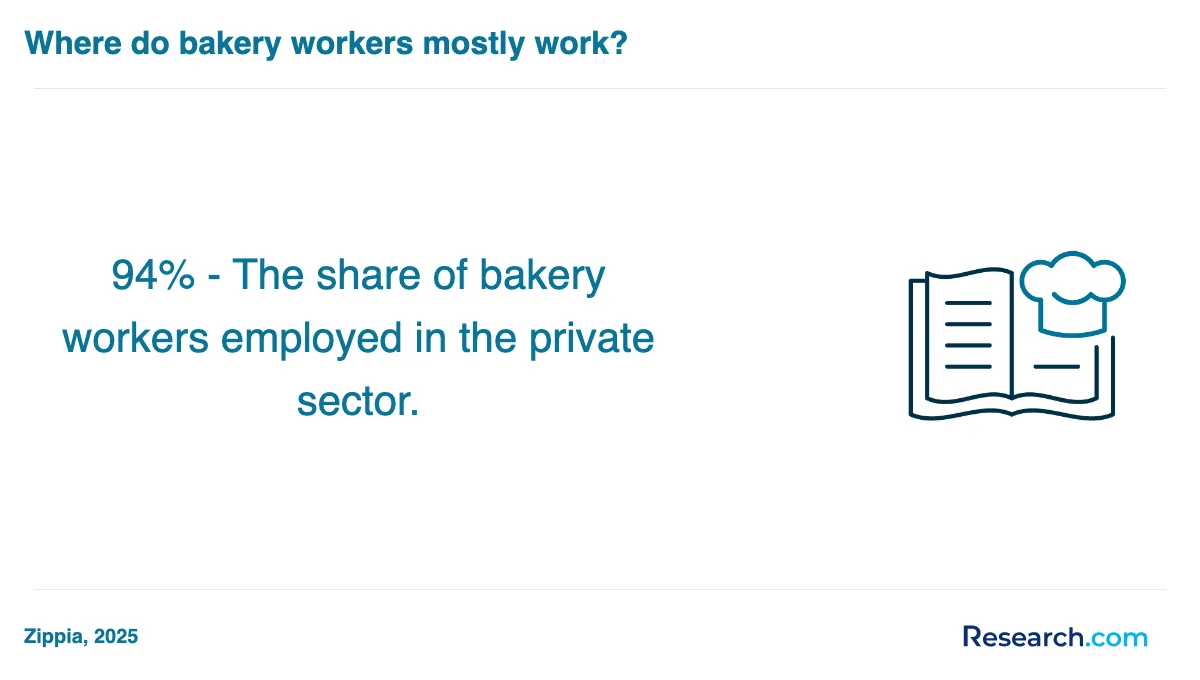
Students enrolled in baking and pastry programs at Wisconsin technical colleges often find financial aid crucial for managing costs. Federal aid, such as the Pell Grant, frequently covers a significant portion of tuition, relieving much of the financial pressure. Graduates from schools like Waukesha County Technical College recall how this grant allowed them to focus on mastering pastry techniques rather than worrying about expenses.
State-specific support, like the Wisconsin Grant, further eases the burden for eligible students attending at least half-time. Those attending Fox Valley Technical College have benefited from the Wisconsin Technical Excellence Scholarship, which rewards strong academic performance with additional funding, boosting confidence during rigorous coursework.
Institutional scholarships also play a vital role. Many baking and pastry students report that scholarships from their colleges helped them purchase essential tools and ingredients, making hands-on learning more accessible. However, students pursuing shorter, non-credit certificates often face limited aid options, which can make these programs harder to afford without personal savings or payment plans.
Enrolling in a baking and pastry trade school program in Wisconsin typically requires a high school diploma or GED, which ensures students have foundational skills needed for the coursework. Many trade schools also look for applicants who demonstrate a genuine passion for baking, often evidenced by prior experience in home baking or basic culinary classes.
Graduates from popular Wisconsin trade schools often share that having hands-on experience before enrollment made the transition smoother and more enjoyable. For example, some had spent weekends experimenting with recipes at home or worked part-time in local bakeries, which helped them grasp the fast-paced environment of professional kitchens.
Common prerequisites include:
- Proof of high school completion or equivalent
- Basic math and reading proficiency to follow recipes and measurements
- Physical stamina for standing long hours in kitchens
- Positive attitude and willingness to learn through trial and error
These requirements ensure students are prepared not only academically but also mentally and physically to thrive in Wisconsin's rigorous baking and pastry programs. Many students find that early baking experiences create excitement and confidence, making the intense training feel rewarding rather than overwhelming.
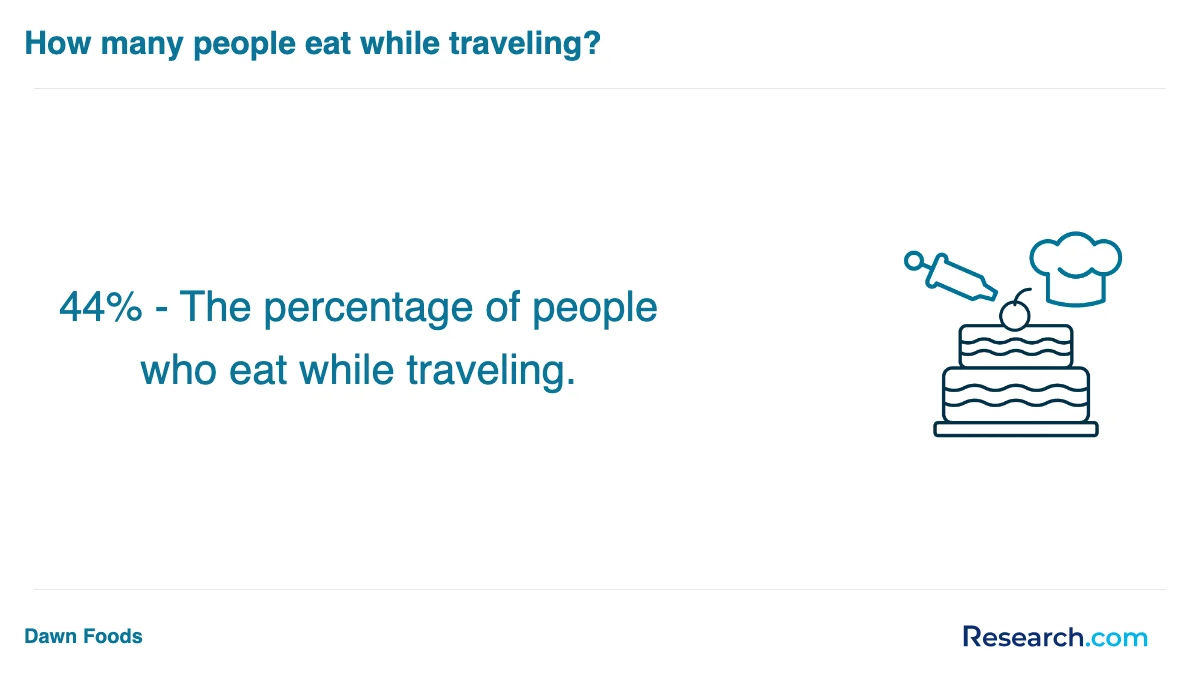
Baking and pastry trade school programs in Wisconsin cover a diverse curriculum designed to build practical skills and industry knowledge. Graduates from schools like Chippewa Valley Technical College (CVTC) and Milwaukee Area Technical College (MATC) often recall beginning with foundational courses that teach essential techniques such as creaming, blending, lamination, and chocolate work. These introductory lessons provide hands-on experience with key baking tools and ingredient functions, preparing students for advanced tasks.
Students typically progress to specialized courses focusing on:
- Artisan breads and rolls, including fermentation and proofing techniques found at Fox Valley Technical College (FVTC).
- Cake production and decorating, where MATC students refine skills for celebration cakes and elaborate showpieces.
- Bakery management, covering business operations, cost control, and customer service as emphasized by CVTC and Waukesha County Technical College (WCTC).
Real-life scenarios often involve extensive lab hours, such as WCTC's 500+ hour baking labs, where students prepare products for retail settings or student-run cafés. This immersive approach ensures graduates feel confident entering Wisconsin's competitive food sector equipped with both technical expertise and practical experience.
Students pursuing baking and pastry trade school programs in Wisconsin often select from diverse specializations that shape their careers. For example, artisan bread production courses at Waukesha County Technical College provide hands-on experience with traditional bread crafting, immersing graduates in the sensory joy of working with dough and perfected fermentation techniques. Those passionate about cake decorating and pastry arts courses Wisconsin will find programs emphasizing advanced sugar work, chocolate artistry, and elegant plated desserts, skills vital for thriving as professional pastry chefs.
Other sought-after focuses include bakery management, where learners gain the confidence to run operations smoothly-from managing staff to cost control-preparing graduates to lead or own bakeries. The Chippewa Valley Technical College's program highlights banquet and catering services, equipping students with the ability to manage large-scale culinary events, a rewarding challenge that graduates frequently recall as transformative.
Furthermore, students eager to understand bakery retail concepts and essential business fundamentals can build entrepreneurial skills, often accelerating progress through credit for prior experience. Those exploring career paths beyond traditional baking may benefit from easy certificate programs that pay well, available through specialized pathways tailored to accelerate expertise.
Choosing the best baking and pastry programs in Wisconsin involves carefully examining accreditation, curriculum, and hands-on opportunities. Graduates from Madison College often highlight the value of its Baking & Decorative Arts program, which is accredited by both the American Culinary Federation and the Retail Bakers of America, boosting their confidence when entering the workforce. Experiencing a balance of theoretical knowledge and practical skills is vital, as seen in the Baking & Pastry Management course at Fox Valley Technical College, where students gain not only baking expertise but also management insights.
When evaluating top Wisconsin culinary schools, consider facilities like Chippewa Valley Technical College's cutting-edge culinary labs that create immersive learning environments. Flexibility in program length, such as Madison College's one-year full-time option, helps students manage personal commitments and career goals. The total cost and availability of financial aid also play a role; for manageable expenses, researching options similar to Moraine Park Technical College's Artisan Baking Certificate ensures you can plan financially.
Job placement rates are encouraging indicators-graduates frequently share that Madison College's impressive 92% rate gave them assurance entering a competitive job market. Whether close to home or open to relocating, selecting a program that fits your lifestyle and aspirations is crucial. For practical guidance on budgeting your education path, consider exploring affordable online associate degree programs that can complement your schooling.

Baking and pastry trade school graduates in Wisconsin find a variety of rewarding options, reflecting the growing industry demand. Many begin with hands-on roles such as baker, pastry chef, cake decorator, or bakery worker, gaining real experience in local bakeries, restaurants, and hotels. These entry-level positions align closely with baking and pastry career opportunities in Wisconsin and allow graduates to develop essential skills in producing artisan breads and confections.
For those eager to advance, programs in the Wisconsin Technical College System provide management training that prepares students for leadership roles like bakery manager or food production manager. These positions involve staff supervision, quality control, and budgeting, often offering attractive salary prospects between $34,400 and $50,000 annually.
Many graduates also explore entrepreneurial paths by starting their own bakery or café, benefiting from trade schools' business-focused curricula. Students appreciate how practical lessons and real-world applications equip them for success.
The diversity of jobs for baking and pastry graduates in Wisconsin also includes catering and banquet management in hospitality venues. For more insights on affordable education options, consider this most affordable baking and pastry arts course online.
The baking and pastry job outlook in Wisconsin reflects a market with steady but limited opportunities. Graduates from popular trade schools often find that while entry-level positions as bakery workers offer average hourly wages around $21.20, climbing to pastry chef roles can increase earning potential to about $25.25 per hour. However, competition remains high due to relatively low active hiring throughout the state, which means graduates must be persistent and adaptable. Many find success by gaining additional skills or being open to relocating within Wisconsin's main baking hubs like Milwaukee or Madison.
Those navigating Wisconsin pastry chef salary and employment trends report common experiences such as:
- Working in local bakeries, restaurants, or food production facilities where hands-on skills learned in trade schools prove essential
- Leveraging internships during programs to build connections and practical experience
- Facing gradual career growth and advancement opportunities tied to management roles or specialized baking techniques
Despite the stable job market, some graduates feel encouraged by national statistics projecting a 5% growth in baker employment over the next decade. For students still deciding their path, exploring the easiest associate's degree to get might provide flexible options to combine baking expertise with broader career skills for greater adaptability in a competitive market.
Best Baking, Pastry & Culinary Schools - Top Baking & Pastry Chef Schools in Wisconsin for 2026
# 1 position
Waukesha County Technical College - Baking and Pastry Arts/Baker/Pastry Chef.
associateWaukesha County Technical College offers a hybrid Baking and Pastry Arts/Baker/Pastry Chef program preparing students for careers as professional bakers and pastry specialists. The curriculum covers bread and pastry making, decorating, industry operations, packaging, marketing, and service. Annual in-state tuition is $4,720. Graduates have median earnings of $26,053 one year after completion. The program is accredited by the Higher Learning Commission.
# 2 position
Waukesha County Technical College - Baking and Pastry Arts/Baker/Pastry Chef.
certificate or diplomaThe Baking and Pastry Arts/Baker/Pastry Chef program at Waukesha County Technical College offers hybrid learning with some distance education options. It prepares students for careers as professional bakers and pastry specialists, covering bread and pastry making, decorating, storage, and industry operations. The annual in-state tuition is $4,720. Graduates have median earnings of $26,053 one year after completion. The program is accredited by the Higher Learning Commission.
# 3 position
Milwaukee Area Technical College - Baking and Pastry Arts/Baker/Pastry Chef.
associateMilwaukee Area Technical College offers a hybrid Baking and Pastry Arts/Baker/Pastry Chef program designed to prepare students for professional roles in commercial baking establishments. The curriculum covers bread and pastry making, decorating, handling, storage, and marketing operations. Annual in-state tuition is $5,017. Graduates earn a median salary of $25,304 one year after completion. The program is accredited by the Higher Learning Commission.
# 4 position
Milwaukee Area Technical College - Baking and Pastry Arts/Baker/Pastry Chef.
certificate or diplomaMilwaukee Area Technical College offers a Baking and Pastry Arts/Baker/Pastry Chef program with a hybrid format, including some distance education options. The program trains students to become professional bakers and pastry specialists, covering bread and pastry making, handling, storage, decorating, and industry operations. Annual in-state tuition is $5,017. Graduates have a median earning of $25,304 one year after completion. The program is accredited by the Higher Learning Commission.
# 5 position
Lakeshore Technical College - Baking and Pastry Arts/Baker/Pastry Chef.
certificate or diplomaLakeshore Technical College offers a fully online Baking and Pastry Arts/Baker/Pastry Chef program designed to prepare students for careers as professional bakers and pastry specialists. The curriculum covers bread and pastry making, handling, storage, cake decorating, and baking industry operations, including marketing and product packaging. The program’s annual in-state tuition is $4,649. It is accredited by the Higher Learning Commission.
# 6 position
Gateway Technical College - Baking and Pastry Arts/Baker/Pastry Chef.
certificate or diplomaGateway Technical College offers a hybrid Baking and Pastry Arts/Baker/Pastry Chef program designed to prepare students for professional roles in commercial baking. The curriculum covers bread and pastry making, handling, storage, decorating, industry operations, packaging, marketing, and counter service. Annual in-state tuition is $4,853. The program is accredited by the Higher Learning Commission.
# 7 position
Fox Valley Technical College - Baking and Pastry Arts/Baker/Pastry Chef.
certificate or diplomaFox Valley Technical College offers a hybrid Baking and Pastry Arts program that prepares individuals to work as professional bakers and pastry chefs in commercial baking settings. The curriculum includes instruction in bread and pastry making, handling, storage, decorating, and baking industry operations. Annual in-state tuition is $4,916. The program is accredited by the Higher Learning Commission.
# 8 position
Chippewa Valley Technical College - Baking and Pastry Arts/Baker/Pastry Chef.
certificate or diplomaChippewa Valley Technical College offers a hybrid Baking and Pastry Arts/Baker/Pastry Chef program that trains students to become professional bakers and pastry specialists. The curriculum covers bread and pastry making, decorating, handling, storage, packaging, marketing, and counter service. Annual in-state tuition is $4,724. The program is accredited by the Higher Learning Commission and includes some distance-education options for flexible learning.
# 9 position
Madison Area Technical College - Baking and Pastry Arts/Baker/Pastry Chef.
certificate or diplomaMadison Area Technical College offers a hybrid Baking and Pastry Arts/Baker/Pastry Chef program that prepares students for professional roles in commercial baking establishments. The curriculum covers bread and pastry making, decorating, handling, storage, and baking industry operations, including product packaging and marketing. Annual in-state tuition is $4,780. The program is accredited by the Higher Learning Commission.
Frequently Asked Questions about baking and pastry
After completing a baking and pastry trade school in Wisconsin, preparing for the job market involves several key steps. First, gaining practical experience through internships or apprenticeships is crucial. Many local bakeries and restaurants in Wisconsin seek candidates with hands-on skills. According to the Wisconsin Department of Workforce Development, employment for bakers in the state is expected to grow 5% through 2030, reflecting steady demand.
Networking with industry professionals by attending local culinary events or joining associations like the Wisconsin Restaurant Association can improve job prospects. Additionally, obtaining certifications such as ServSafe can enhance employability. Finally, crafting a strong resume highlighting both education and real-world experience is essential to stand out to employers.
Employers in Wisconsin's baking and pastry industry prioritize a combination of technical skills and practical experience in trade school graduates. According to the Wisconsin Department of Workforce Development, proficiency in dough preparation, cake decorating, and pastry plating are essential for entry-level positions.
In addition to hands-on baking techniques, strong knowledge of food safety standards and sanitation practices is critical. Graduates must understand local health regulations to ensure compliance in commercial kitchens.
Soft skills such as time management and teamwork are also highly valued. Many employers look for candidates who can work efficiently under pressure while maintaining product quality.
Familiarity with commercial kitchen equipment and basic inventory management further enhances a graduate's employability in Wisconsin's competitive baking sector.
Finding internships in Wisconsin relevant to baking and pastry trade school programs involves several practical steps. Start by contacting the career services departments of local trade schools, as many maintain partnerships with bakeries and food service companies. According to the Wisconsin Technical College System, about 60% of baking students complete internships as part of their curriculum, providing valuable hands-on experience.
Additionally, explore opportunities with well-known Wisconsin bakeries and hospitality businesses, especially in cities like Milwaukee and Madison, where demand for skilled pastry professionals is higher. Websites such as Wisconsin's Job Center also list paid internships in food production and culinary arts.
Networking through local culinary associations and attending food industry events can connect students with potential internships. Lastly, directly reaching out to bakeries with a professional resume and portfolio often results in internship offers tailored to baking and pastry trades.
Obtaining a baking and pastry trade school diploma in Wisconsin significantly improves career mobility within the local food service industry. Graduates gain practical skills and certifications that meet state standards, making them attractive candidates for bakeries, restaurants, and catering businesses. According to the Wisconsin Department of Workforce Development, culinary occupations, including bakers and pastry chefs, are expected to grow by 8% through 2030, reflecting increased job opportunities.
Diplomas from accredited programs often lead to higher starting salaries compared to those without formal training. They also open pathways to supervisory roles and specialized positions, such as cake decorating or artisan bread making.
Moreover, employers in Wisconsin increasingly prefer candidates with formal credentials, which can accelerate promotions and wage increases. Trade school graduates benefit from networking opportunities and industry connections established during their education, enhancing their long-term career prospects.
Students enrolled in baking and pastry trade schools in Wisconsin can benefit from several part-time job opportunities that complement their education. Popular roles include bakery assistants, pastry prep workers, and cashier positions at local bakeries or cafes. These jobs provide hands-on experience with dough preparation, decorating, and customer service, which are essential skills in the field.
According to the U.S. Bureau of Labor Statistics, Wisconsin employed over 1,500 bakers in 2023, with many businesses offering part-time positions to students. Working in retail or wholesale bakeries allows students to apply classroom lessons in real-world settings while earning income.
Additionally, food service positions in catering companies and restaurants offer exposure to large-scale pastry production and event planning, valuable for career growth. Flexible schedules in these roles help students balance work and study commitments effectively.
Yes, there are reputable Baking and Pastry degree programs near Wisconsin that you can consider. Several universities and culinary schools in the region offer specialized programs in baking and pastry arts to provide hands-on training and academic coursework. To find options near me, Research.com can be a useful resource for identifying and comparing such educational programs.
- Best Baking, Pastry & Culinary Schools - Top Baking & Pastry Chef Schools in Minnesota for 2026
- Best Baking, Pastry & Culinary Schools - Top Baking & Pastry Chef Schools in Iowa for 2026
- Best Baking, Pastry & Culinary Schools - Top Baking & Pastry Chef Schools in Michigan for 2026
- Best Baking, Pastry & Culinary Schools - Top Baking & Pastry Chef Schools in Kentucky for 2026
- Best Baking, Pastry & Culinary Schools - Top Baking & Pastry Chef Schools in West Virginia for 2026
- Best Baking, Pastry & Culinary Schools - Top Baking & Pastry Chef Schools in Arkansas for 2026
- Best Baking, Pastry & Culinary Schools - Top Baking & Pastry Chef Schools in Pennsylvania for 2026
- Best Baking, Pastry & Culinary Schools - Top Baking & Pastry Chef Schools in Virginia for 2026
- Best Baking, Pastry & Culinary Schools - Top Baking & Pastry Chef Schools in Mississippi for 2026
- Best Baking, Pastry & Culinary Schools - Top Baking & Pastry Chef Schools in Georgia for 2026
- Baking and Pastry School: Read This Before You Enroll - CulinaryLab https://culinarylabschool.com/baking-and-pastry-school/
- Baking & Pastry Arts Trade Schools & Programs https://www.best-trade-schools.net/programs/culinary/baking-and-pastry-arts/
- Baking and Pastry Arts Degree | Culinary Institute of America https://www.ciachef.edu/cia-baking-and-pastry-arts-associate-degree-program/
- Why Specialize in Baking and Pastry? - Baker College https://www.baker.edu/about/get-to-know-us/blog/why-specialize-in-baking-and-pastry/
- Baking and Pastry Arts - Public and Consumer Services - New Castle County Vocational Technical School District https://www.nccvotech.com/apps/pages/index.jsp
- Want to Go to Pastry School? - Dessert First https://dessertfirstgirl.com/want-to-go-to-pastry-scho
- Baking and Pastry - Washington Network for Innovative Careers https://wanic.lwsd.org/academics/full-year-courses/baking-and-pastry
- Baking and Pastry Arts https://www.sait.ca/programs-and-courses/diplomas/baking-and-pastry-arts
- Baking and Pastry Arts | NAIT https://www.nait.ca/programs/baking-and-pastry-arts
- Pastry Chef Schools in Wisconsin - Baking & Pastry Training https://okchef.org/pastry-chef/wi/


