Best Baking, Pastry & Culinary Schools - Top Baking & Pastry Chef Schools in Iowa for 2026

Co-Founder and Chief Data Scientist
Are you passionate about baking and eager to start a rewarding career in pastry arts? Choosing the right trade school in Iowa is a crucial step toward turning your dreams into reality.
This article features a baking and pastry trade school programs ranking created by the Research.com team of data scientists to help you make an informed choice. By exploring these top programs, you’ll discover options that fit your goals and budget.
Getting a diploma or certification in baking and pastry opens doors to creative and fulfilling opportunities in the culinary world. Let’s help you find the best path forward.
Key benefits of finishing baking and pastry trade school in Iowa
- Graduates from baking and pastry trade schools in Iowa can expect an average hourly wage of around $15.46 as entry-level bakers, with potential to earn up to $23.50 or more as skilled pastry chefs.
- Career paths include roles in local bakeries, grocery stores, and food service, as well as opportunities to become pastry chefs who earn higher salaries and gain creative control in upscale establishments.
- Completing a baking and pastry trade school online offers flexible learning schedules and faster completion times, making it easier for students to balance work and study while gaining practical skills.
- Best Baking, Pastry & Culinary Schools - Top Baking & Pastry Chef Schools in Iowa for 2026
- What can I expect from baking and pastry trade schools in Iowa?
- Where can I work after finishing baking and pastry trade schools in Iowa?
What can I expect from baking and pastry trade schools in Iowa?
Enrolling in a baking and pastry trade school program in Iowa means diving into a hands-on, fast-paced learning environment designed for quick career entry. At places like the Iowa Culinary Institute at DMACC, students spend significant time mastering yeast breads, pastries, cakes, and international specialties, gaining confidence by practicing repeatedly on professional equipment. Graduates often share how the summer work experience at DMACC helped them apply classroom skills directly in real bakery settings, boosting their readiness for the workforce.
Programs at Eastern Iowa Community Colleges emphasize not only baking techniques but also food safety and sanitation, preparing students for certifications like ServSafe, which many find essential for industry jobs. Collaborative projects and teamwork simulate real kitchen dynamics, making students feel part of a professional culinary team early on.
Students can expect a curriculum that balances foundational science with creative skills like cake decorating and chocolate work. Many graduates appreciate that these programs, typically under one year, offer stackable credentials, allowing for further specialization or degree advancement if desired.
Where can I work after finishing baking and pastry trade schools in Iowa?
After finishing a baking and pastry trade school program in Iowa, graduates find many rewarding job opportunities across the state. Entry-level positions such as baker, pastry cook, or froster are common at local bakeries, pastry shops, and cafes, with hourly wages typically ranging from $15 to $18.50. Many students from well-known Iowa trade schools share that even with limited experience, businesses are eager to train motivated new hires, making the transition from classroom to kitchen smoother and encouraging.
Graduates often expand their careers by working in grocery stores and large supermarket chains that have in-house bakeries producing breads, cakes, and specialty desserts daily. Some advance to supervisory roles like Prepared Foods Pastry Lead, earning between $45,000 and $49,900 annually.
Other career paths include school cafeterias, healthcare facilities, government institutions, delis, and cafés, where creativity and customer service skills shine. With over 150-170 baking and pastry jobs regularly available statewide, many graduates find fulfilling roles that match their passion and skills.
Graduates from baking and pastry trade schools in Iowa, such as those at Iowa Western Community College, often start their careers with wages around $11.15 per hour. Many find this entry-level pay encouraging as they build real-world skills in local bakeries or restaurants. With experience, the average wage rises to about $14.20 per hour, reflecting growing confidence and expertise on the job.
For those pursuing pastry chef roles, salaries increase significantly. Entry-level pastry chefs typically earn around $50,402 annually, and with dedication and skill, some advance to earning up to $84,505 per year. Graduates often share how working in hotels or high-end bakeries in cities like Des Moines opens doors to these higher-paying positions.
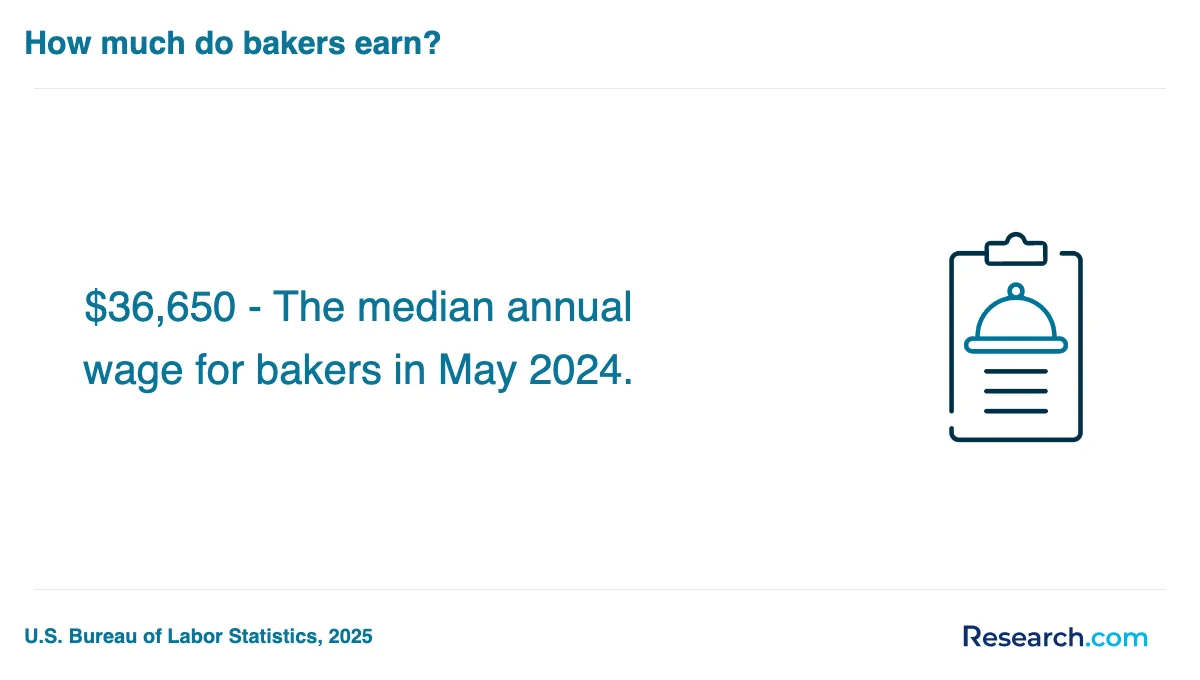
Other Iowa baking graduates find steady work as bakers or head cooks, earning between $26,380 and $42,280 yearly. Many appreciate how their trade school education quickly translates into meaningful jobs with room to grow and the chance to turn passion into a rewarding career.
- Admission requires a high school diploma or GED and maintaining a minimum 2.0 GPA during the program.
- Programs typically take about one year of full-time study to complete, covering skills like artisan breads, cake decorating, and chocolate work.
- The average cost to complete a program at DMACC is approximately $7,975, excluding additional fees and materials.
- Graduates can expect starting salaries between $24,000 and $32,000 per year, with higher earnings possible in management or specialized roles.
- Job opportunities are available across urban and rural areas, driven by demand for artisan and specialty baked goods.
Completing a baking and pastry trade school program in Iowa typically takes between 9 months and 1 year. Many students at well-known Iowa trade schools find this timeline ideal because it allows them to dive quickly into hands-on learning without long delays. For example, graduates often share how the accelerated pace helped them stay motivated and make rapid progress in mastering essential baking techniques.
At popular Iowa institutions, the curriculum balances practical kitchen experience with foundational baking theory, which students appreciate because it mirrors real bakery environments. This approach keeps the learning engaging and relevant, making students feel confident as they move through the program.
Graduates frequently mention the satisfaction of completing their training in under a year and entering the workforce with a solid skill set. Knowing they can start their careers sooner adds a positive, motivating edge to their studies. The focused, time-efficient structure of Iowa's baking and pastry programs aligns well with students eager to turn their passion into a profession quickly.
Online baking and pastry programs in Iowa offer flexibility that many students appreciate, especially those balancing work or family. Graduates often share how they could study theory and techniques at their own pace, fitting lessons into evenings or weekends. However, because hands-on skills are crucial, most online options require attending short residencies on campus or partner facilities. For example, students in hybrid programs might travel to DMACC for a week to practice cake decorating or bread-making, gaining essential real-world experience.
In contrast, on-campus programs at schools like the Iowa Culinary Institute at DMACC or Eastern Iowa Community Colleges immerse students daily in professional kitchens. Graduates describe the excitement of immediate, face-to-face guidance from instructors and working side-by-side with peers on chocolate work or international pastries. This setting builds confidence and connections within the culinary community, which many find invaluable for their future careers.
The choice depends on your schedule and learning style, but both paths ensure you develop the technical and creative skills needed to succeed in Iowa's baking and pastry field.
The average tuition fees for baking and pastry programs in Iowa vary depending on the school and program length, but a clear example can be seen at Indian Hills Community College in Ottumwa. Here, a 9-month Culinary Arts Diploma program charges $203 per credit for in-state students and $255 per credit for out-of-state students. With a total of 51 credits needed to complete the program, in-state students typically pay around $10,368 in tuition. Graduates from this program often describe the experience as rewarding, with a practical curriculum that prepares them well for hands-on careers in baking and pastry.
Another popular option is Iowa Western Community College in Council Bluffs, offering an 18-credit Culinary Arts: Baking and Pastry Certificate program. This shorter program is ideal for those looking to quickly enter the baking industry, focusing on core skills such as breads, pastries, and cakes. Many students appreciate the balance of classroom and kitchen time, which keeps learning engaging and applicable.
Students should also factor in additional costs like books, supplies, uniforms, and tools. For instance, at some institutions similar to the University of Arkansas - Pulaski Technical College, these extra materials can add between $350 and $525 to overall expenses. Financial aid, scholarships, and grants are often available, so it's crucial to reach out to the financial aid offices of each trade school to explore assistance options.
For those wondering what careers this education may open, it's helpful to learn what jobs can you get with an associate's in liberal arts, as some baking and pastry graduates leverage their broader education in various food service and hospitality roles. Understanding the cost of baking and pastry diploma programs in Iowa alongside these prospects can make the financial commitment feel more manageable and worthwhile.
Baking and pastry students in Iowa often start their financial aid journey by completing the FAFSA, unlocking access to federal grants like the Pell Grant, which many graduates from Iowa Culinary Institute at DMACC have successfully utilized to reduce tuition costs. These grants are crucial for students managing tight budgets while mastering their craft.
State aid offers additional support through programs like the Kibbie Grant, designed for Iowa residents pursuing high-demand technical fields such as baking and pastry. Graduates from Eastern Iowa Community Colleges frequently mention how this grant eased their financial worries by covering significant portions of their tuition when their Expected Family Contribution was below $6,000.
The Future Ready Iowa Last-Dollar Scholarship is a game-changer for students who still have remaining tuition after other aid. Many adult learners and recent high school grads have praised this scholarship for making completion possible without overwhelming debt, especially at community colleges offering pastry programs.
Institutional scholarships and work-study options also provide hands-on financial relief, with trade schools advising students to explore these early. Graduates often recall how these combined resources made their journey into baking and pastry arts both affordable and rewarding.
To enroll in a baking and pastry trade school program in Iowa, most schools expect students to meet a few straightforward prerequisites that ensure readiness and enthusiasm for hands-on learning.
Typically, applicants need to:
- Have a high school diploma or GED, which provides a basic foundation for technical coursework.
- Show a genuine interest in baking, often demonstrated through personal experience such as baking at home or working in a bakery setting.
- Pass placement tests or interviews at some schools to assess basic math and reading skills relevant to recipe measurements and safety protocols.
- Be physically prepared for long hours on their feet and working with kitchen equipment.
Graduates from popular Iowa trade schools often share how their early passion for baking-like experimenting with family recipes-helped them succeed. One student recalled how starting with simple cookies at home made the transition to professional kitchens exciting rather than intimidating.
Many schools in Iowa also recommend attending open houses or informational sessions to get a feel for the program's pace and environment. This hands-on preview helps students confirm their commitment and reduces first-day jitters.
Baking and pastry trade school programs in Iowa, such as the Baking and Pastry Arts Diploma at DMACC, offer hands-on courses designed to build strong foundational skills. Graduates often recall mastering sanitation and safety, essential for working confidently in busy bakery environments while meeting health standards.
Core courses include fundamentals of baking, where students learn to create yeast breads, cookies, cakes, and pastries using precise mixing and dough techniques. Many find this practical approach helps them quickly gain real-world baking confidence.
Specialized classes cover artisan breads and international pastries, exposing students to advanced dough methods like laminated dough, perfect for crafting croissants and other delicate treats.
Additional training in cake decorating and chocolate and sugar work allows students to develop skills for elaborate showpieces and desserts. Graduates often share how these creative courses spark pride and joy in their craft.
Programs also include applied nutrition, math for bakers, and communication to prepare students for teamwork and customer service roles. Most students gain practical experience through work placements, making the transition to Iowa bakeries and restaurants seamless.
Baking and pastry trade school programs in Iowa offer a variety of specializations that equip students with diverse skills necessary for success in the culinary arts. At Des Moines Area Community College (DMACC), graduates highlight courses such as Fundamentals of Baking, Artisan Breads, Plated Desserts, International Pastries, Cake Decorating, and Chocolate and Sugar Work as essential parts of their training, preparing them for hands-on roles like Executive Pastry Chef or Chocolatier.
Similarly, Iowa Western Community College's Culinary Arts: Baking and Pastry Certificate program focuses on core areas such as Breads and Pastries, Cakes and Chocolates, Sanitation and Safety, and Hospitality Personnel Management. Graduates often describe how these practical courses helped them confidently enter the workforce on day one.
Typical specializations include:
- Fundamentals of Baking
- Artisan Breads
- Plated Desserts
- International Pastries
- Cake Decorating
- Chocolate and Sugar Work
- Breads and Pastries
- Cakes and Chocolates
- Sanitation and Safety
- Nutrition
- Human and Work Relations
- Applied Math
- Communication Skills
- Hospitality Personnel Management
- Introduction to Entrepreneurship
Students report that mastering these areas through hands-on training and real-world practicums offers a rewarding, immersive experience, fostering both creativity and business acumen. For those seeking accessible and practical programs with strong career prospects, Iowa's baking schools provide an excellent path, especially when paired with insights from easy courses with high salary.
Start by examining the type of credential offered. Many Iowa baking and pastry schools provide certificates or associate degrees, such as those at Iowa Central Community College and Iowa Western Community College. Graduates often share how earning an associate degree gave them confidence and a competitive edge in the job market. Next, look for programs with strong hands-on training-Des Moines Area Community College's curriculum, for example, includes artisan breads and cake decorating, preparing students for real bakery environments. This practical experience is vital for mastering techniques and building creativity.
Consider class sizes and faculty expertise. Smaller student-to-teacher ratios, like those at Kirkwood Community College, allow more personalized guidance, making the learning process smoother and more enjoyable. When you compare baking program costs in Iowa, also factor in tuition and location. Some graduates found that affordable tuition combined with proximity to home made studying less stressful. Finally, check program reputation and graduate success to ensure you invest in a school that supports your career goals. For broader career insights, explore restaurant management degrees to complement your baking education.
Graduates of baking and pastry trade schools in Iowa quickly find diverse baking and pastry career opportunities in Iowa, ranging from hands-on roles to management positions. Many start as bakers, pastry chefs, cake decorators, or bakery assistants at local bakeries, grocery stores, and catering companies. These positions offer a vibrant work environment where creativity meets daily practical skills.
For those seeking advancement, jobs for baking and pastry graduates in Iowa often include supervisory roles overseeing bakery staff, managing inventory, and coordinating daily bakery operations. Some graduates have reported gaining valuable budgeting and cost control experience through Iowa trade school programs, preparing them for these leadership duties.
Popular trade schools in Iowa emphasize real-world skills-graduates share how training in artisan breads and plated desserts helped them excel in roles within restaurants and hotel kitchens. Many graduates also explore entrepreneurial paths, launching their own bakery businesses with confidence.
- Baker or pastry chef in commercial or local bakeries
- Cake decorator in grocery stores or specialty shops
- Bakery assistant in restaurants and catering companies
- Supervisory roles managing staff and inventory
Those interested in expanding their credentials can pursue further degrees like an A.A.S. in baking and pastry arts. For students looking to enhance career prospects, programs in Iowa provide a strong foundation linked to some of the high paying associate degrees, encouraging graduates to achieve long-term success within the industry.
The baking and pastry job outlook in Iowa is encouraging for graduates of local trade schools. Iowa's baker employment is projected to grow by 11.8% through 2026, outpacing the national average. Graduates from popular programs often share stories of quickly finding positions in retail bakeries, grocery stores, or hotel kitchens, where steady job openings-around 240 annually-reflect ongoing demand. Many note the hands-on training received at these schools helps them confidently transition into roles that pay between $11.73 and $15.34 per hour, with opportunities to advance to pastry chef positions earning up to $38.16 hourly.
Pastry chef employment opportunities in Iowa also show promise despite the state's lower wage ranking nationally. Trade school alumni frequently mention how their specialized skills open doors in diverse settings such as restaurants and manufacturing facilities. For students interested in expanding their expertise, pursuing a bachelors in culinary arts offers an excellent pathway to higher-level roles and increased earnings.
Best Baking, Pastry & Culinary Schools - Top Baking & Pastry Chef Schools in Iowa for 2026
# 1 position
Iowa Western Community College - Baking and Pastry Arts/Baker/Pastry Chef.
associateIowa Western Community College offers a hybrid Baking and Pastry Arts/Baker/Pastry Chef program designed to prepare students for professional roles in commercial baking establishments. The curriculum includes bread and pastry making, decorating, handling, storage, and operations related to marketing and product packaging. The annual in-state tuition is $6,780. The program is accredited by the Higher Learning Commission, providing flexible learning options with some distance education components.
# 2 position
Kirkwood Community College - Baking and Pastry Arts/Baker/Pastry Chef.
certificate or diplomaKirkwood Community College offers a hybrid Baking and Pastry Arts/Baker/Pastry Chef program designed to prepare students for careers as professional bakers and pastry specialists. The curriculum covers bread and pastry making, handling, decorating, baking industry operations, packaging, marketing, and service. The annual in-state tuition is $5,980. The program is accredited by the Higher Learning Commission, providing a blend of distance education and hands-on training.
# 3 position
Iowa Central Community College - Baking and Pastry Arts/Baker/Pastry Chef.
certificate or diplomaIowa Central Community College offers a Baking and Pastry Arts/Baker/Pastry Chef program with a hybrid format, including some distance education options. The program prepares students to work as professional bakers and pastry specialists in commercial settings, covering bread and pastry making, decorating, handling, storage, and baking industry operations. Annual in-state tuition is $5,376. The program is accredited by the Higher Learning Commission.
Frequently Asked Questions about baking and pastry
After completing a baking and pastry trade school in Iowa, preparing for the job market involves several key steps. First, gaining hands-on experience through internships or apprenticeships is crucial, as Iowa's hospitality industry values practical skills. According to the U.S. Bureau of Labor Statistics, employment for bakers in Iowa is projected to grow moderately through 2031. Networking within local culinary associations and attending job fairs can connect graduates with employers seeking skilled pastry professionals.
Additionally, obtaining food safety certifications like ServSafe enhances employability. Building a strong portfolio showcasing your work can also attract potential employers in bakeries, restaurants, and catering services across Iowa.
Employers in Iowa's baking and pastry industry prioritize a combination of technical skills and practical experience when hiring trade school graduates. Mastery of baking fundamentals, such as dough preparation, cake decorating, and pastry techniques, is essential. According to the Iowa Workforce Development, employers also value strong time management and the ability to work efficiently in fast-paced environments.
Additionally, knowledge of food safety and sanitation standards, including ServSafe certification, is often required. Communication skills and teamwork are important, as bakery staff frequently collaborate to meet production deadlines. Familiarity with commercial baking equipment and recipe scaling is also highly regarded by Iowa employers.
Finding internships in Iowa relevant to baking and pastry trade school programs involves a combination of research and networking. Start by contacting local culinary schools, such as Des Moines Area Community College, which often have partnerships with bakeries and restaurants offering internships. The Iowa Restaurant Association provides resources and listings that can connect students with apprenticeship opportunities in the state's food service industry.
Additionally, explore job platforms like IowaWORKS and Indeed, filtering for baking or pastry internships within Iowa. Internships typically last from a few weeks to several months, providing hands-on experience vital for career growth. According to the U.S. Bureau of Labor Statistics, practical experience significantly improves employment prospects in culinary fields.
Reaching out directly to bakeries and pastry shops in cities like Des Moines and Cedar Rapids can also uncover unadvertised opportunities. Many employers value proactive applicants who demonstrate passion and commitment through personalized outreach. Finally, attending local food industry events and fairs can help build connections and discover internships suited to your baking and pastry education goals.
In Iowa, earning a diploma from a baking and pastry trade school can significantly improve career mobility and advancement within the culinary sector. Trade schools provide specialized skills and hands-on training that employers in Iowa's growing foodservice industry highly value. According to the Iowa Workforce Development, the state expects a 5% growth in baker and pastry chef jobs through 2030, emphasizing a steady demand for qualified professionals.
Graduates with a diploma often find better entry-level opportunities, including roles in bakeries, hotels, and restaurants, which can lead to supervisory or managerial positions. The credential signals practical expertise, often resulting in higher starting wages compared to those without formal training. Additionally, networking opportunities during training can connect students with local Iowa employers, facilitating faster employment and career progression.
Part-time job opportunities in Iowa that complement baking and pastry trade school education include roles such as bakery assistant, pastry kitchen helper, and café barista. These positions provide hands-on experience with baking techniques, ingredient handling, and customer service. According to the U.S. Bureau of Labor Statistics (BLS), Iowa's food preparation and serving-related occupations are expected to grow by 6% from 2022 to 2032, offering steady part-time work options for students.
Working in local bakeries or grocery stores can enhance practical skills learned in school, such as dough preparation and decorating. Additionally, some students find positions in catering companies, which allow exposure to event-based baking and pastry production.
These jobs help build industry connections and improve time management, both crucial for career advancement in baking and pastry arts.
Yes, there are several reputable universities and institutions offering baking and pastry programs near Iowa. These programs provide practical training and academic coursework in the culinary arts, and for those searching for options "near me," numerous community colleges and specialized culinary schools are available. Utilizing resources like Research.com can be helpful in locating top-rated programs near Iowa that match one's educational and career aspirations.
- Best Baking, Pastry & Culinary Schools - Top Baking & Pastry Chef Schools in Minnesota for 2026
- Best Baking, Pastry & Culinary Schools - Top Baking & Pastry Chef Schools in Wisconsin for 2026
- Best Baking, Pastry & Culinary Schools - Top Baking & Pastry Chef Schools in Michigan for 2026
- Best Baking, Pastry & Culinary Schools - Top Baking & Pastry Chef Schools in Kentucky for 2026
- Best Baking, Pastry & Culinary Schools - Top Baking & Pastry Chef Schools in Arkansas for 2026
- Best Baking, Pastry & Culinary Schools - Top Baking & Pastry Chef Schools in West Virginia for 2026
- Best Baking, Pastry & Culinary Schools - Top Baking & Pastry Chef Schools in Mississippi for 2026
- Best Baking, Pastry & Culinary Schools - Top Baking & Pastry Chef Schools in Georgia for 2026
- Best Baking, Pastry & Culinary Schools - Top Baking & Pastry Chef Schools in Texas for 2026
- Best Baking, Pastry & Culinary Schools - Top Baking & Pastry Chef Schools in Florida for 2026
- Baking and Pastry School: Read This Before You Enroll - CulinaryLab https://culinarylabschool.com/baking-and-pastry-school/
- Baking & Pastry Arts Trade Schools & Programs https://www.best-trade-schools.net/programs/culinary/baking-and-pastry-arts/
- Baking and Pastry Arts Degree | Culinary Institute of America https://www.ciachef.edu/cia-baking-and-pastry-arts-associate-degree-program/
- Why Specialize in Baking and Pastry? - Baker College https://www.baker.edu/about/get-to-know-us/blog/why-specialize-in-baking-and-pastry/
- Baking and Pastry Arts - Public and Consumer Services - New Castle County Vocational Technical School District https://www.nccvotech.com/apps/pages/index.jsp
- Want to Go to Pastry School? - Dessert First https://dessertfirstgirl.com/want-to-go-to-pastry-scho
- Baking and Pastry - Washington Network for Innovative Careers https://wanic.lwsd.org/academics/full-year-courses/baking-and-pastry
- Baking and Pastry Foundations Program H128 | George Brown College https://www.georgebrown.ca/programs/baking-and-pastry-foundations-program-h128
- Baking and Pastry Arts https://www.sait.ca/programs-and-courses/diplomas/baking-and-pastry-arts
- 7 Exciting Careers for Baking & Pastry Arts Grads | Johnson & Wales University https://www.jwu.edu/news/2022/06/baking-pastry-arts-careers.html