
Best Baking, Pastry & Culinary Schools - Top Baking & Pastry Chef Schools in Texas for 2026

Co-Founder and Chief Data Scientist
Are you passionate about baking and dreaming of turning that passion into a rewarding career? Choosing the right trade school is a crucial first step. This article presents a carefully crafted baking and pastry trade school programs ranking created by the Research.com team of data scientists to guide Texas students in making informed decisions.
By exploring this ranking, you’ll discover programs that offer quality training and valuable certifications. Earning a diploma in baking and pastry can open doors to exciting job opportunities and creative fulfillment in a growing industry.
Key benefits of finishing baking and pastry trade school in Texas
- Graduates of baking and pastry trade schools in Texas can expect an average hourly wage around $23.31, with annual salaries near $67,638, offering a solid income as they start their careers.
- Career paths include roles like pastry chef, bakery manager, or pastry cook, as seen in graduates from popular Texas trade schools who quickly find rewarding jobs in bakeries and restaurants.
- Completing a baking and pastry program online provides flexibility and hands-on learning, helping graduates balance work and study while gaining skills that employers value, as reported by successful online program alumni.
- Best Baking, Pastry & Culinary Schools - Top Baking & Pastry Chef Schools in Texas for 2026
- What can I expect from baking and pastry trade schools in Texas?
- Where can I work after finishing baking and pastry trade schools in Texas?
What can I expect from baking and pastry trade schools in Texas?
Expect to dive hands-first into the world of flour, sugar, and butter as soon as you step into a Texas baking and pastry trade school. Graduates often recall the thrill of mastering artisan breads alongside the challenge of perfecting delicate French pastries under the guidance of expert instructors at well-known Texas programs. You'll not only learn classic dough techniques but also get your hands busy with cake decorating, fondant modeling, and creating show-stopping wedding cakes.
Picture yourself scaling recipes and calculating costs like a pro, skills that graduates say gave them confidence to run real bakery operations. From food safety drills to the hustle of real-world internships in bustling Houston bakeries or cozy Austin cafés, you'll experience the fast-paced kitchen vibe that Texas hospitality demands.
Students often describe their journey as a blend of creativity and business savvy-balancing the art of plating desserts with planning menus and managing bakery budgets. The camaraderie and intense learning environment make the process rewarding and fun, setting you up for a thriving career right here in Texas' booming culinary scene.
Where can I work after finishing baking and pastry trade schools in Texas?
After finishing a baking and pastry trade school program in Texas, graduates find themselves stepping into a vibrant world of opportunity. Imagine starting your day as a bakery clerk at Sprouts Farmers Market in Providence Village, mixing dough and greeting customers with a smile while earning $13.25 to $15.25 an hour. This hands-on experience is common for many recent grads from popular schools like Alamo Colleges District or Texas Culinary Academy, who quickly learn to balance baking skills with customer service.
With time and passion, many move up to become pastry chefs or executive pastry chefs, crafting dessert menus for high-end restaurants or managing bustling hotel kitchens. Some even share their love of baking as instructors at trade schools or adjunct faculty, inspiring the next generation. Others find joy in institutional kitchens or catering events, delivering sweet creations for weddings and community gatherings.
Certifications earned during or after school, like Certified Culinarian, boost confidence and open doors, making the Texas baking and pastry career path not just a job, but a flavorful adventure.
After wrapping up a baking and pastry trade school program in Texas, like those popular at Le Cordon Bleu or the Texas Culinary Academy, many graduates find themselves stepping into baker or kitchen assistant roles with starting salaries around $25,950 per year. Picture this: you're fresh out of school, crafting your first batch of croissants, earning close to the state median wage of $23,980. It's a humble beginning, but it's your launchpad.
Move a little further down the path, and your paycheck can rise. Graduates who hustle and level up to pastry chef positions in cities like Austin report earnings from $29,000 to $40,000 annually. Imagine the pride in creating wedding cakes or artisan pastries, while your bank account grows alongside your skill set.
Those who climb higher, stepping into chef or head cook roles, can see salaries jump to about $50,580. In bustling hubs like Dallas/Fort Worth, where hospitality is king, talented graduates often find opportunities to boost income, sometimes hitting $43,000 to $59,000 once experienced and trusted by top establishments.
It's a journey fueled by passion, practice, and persistence - every recipe baked is a step closer to a sweeter paycheck.
- Most baking and pastry trade school programs in Texas require a high school diploma or equivalent for admission, with some accepting associate degrees and no SAT scores needed.
- Top programs are accredited by the American Culinary Federation Education Foundation Accrediting Commission (ACFEFAC), combining classroom learning with hands-on kitchen training.
- Program duration typically ranges from 16 to 24 months for associate degrees, often including paid internships or externships.
- Tuition costs vary widely, from $4,000 to $8,000 at public community colleges to over $25,000 at private institutions, plus additional expenses for supplies and materials.
- Starting salaries for graduates usually range from $25,000 to $35,000 annually, increasing to $40,000 to $60,000 or more with experience and career growth.
Completing a baking and pastry trade school program in Texas typically takes about 9 to 12 months, a sweet sprint toward mastering the art of dough and delicate confections. Graduates from popular Texas trade schools often share stories of their intense yet rewarding months filled with hands-on baking, where early mornings blend into the warm, fragrant afternoons of kneading bread and perfecting pastries.
Imagine walking into a bustling campus kitchen in Houston or Dallas, where flour dust lingers in the air, and every lesson feels like a step closer to crafting that flawless croissant or rich chocolate ganache. These programs are designed to immerse students fully-balancing the science of baking with creative flair-so by the time the year wraps up, graduates feel confident and ready to whisk their way into the industry.
For many, the compact schedule means trading a year of typical routines for a whirlwind of flour-covered aprons and oven mitts, turning passion into skill quickly. The excitement of seeing your first batch of pastries come out golden and perfect is a common highlight, creating memories that make the months fly by.
Online baking and pastry programs in Texas, like those at Auguste Escoffier School of Culinary Arts, feel like baking from your own cozy kitchen while guided by expert pastry chefs via live virtual classes and video tutorials. Imagine perfecting a croissant at midnight, submitting photos for feedback, and feeling the thrill of mastering techniques without leaving home. Graduates often recall the freedom to balance family or work with their sweet ambitions.
On-campus programs, such as Dallas College or the Culinary Institute of America's San Antonio campus, plunge students into bustling kitchens where flour dust hangs in the air and ovens roar. These students cherish hands-on moments-kneading dough alongside peers, receiving instant tips, and serving creations to real customers. The camaraderie and direct mentorship create a buzz that's simply unmatched online.
Texas schools even offer hybrids, blending online theory with in-person labs, giving students the best of both worlds. Practical internships and live restaurant experiences remain the heartbeats of on-campus life, forging connections that online setups struggle to replicate.
Crunching the numbers on the average cost of baking and pastry programs in Texas reveals a tasty mix of options, each with its own sweet spot. Graduates from Austin's Auguste Escoffier School frequently rave about the value found in the Diploma in Pastry Arts at $22,253 for 30 weeks or opting for a more immersive experience with the Associate of Applied Science Degree at $37,745 over 60 weeks. These price points reflect rigorous hands-on training that many students say feels like an investment straight into their passion and future kitchen.
For those keeping an eye on tuition fees for pastry arts schools in Texas but juggling budgets, Austin Community College offers programs that resonate well with local students. The Pastry Arts Certificate runs around $4,579 for in-district learners, while the Baking and Pastry Associate degree is about $6,973, making it a friendlier financial recipe for hands-on craftspeople eager to launch careers without drowning in debt.
Imagine a graduate who once wrestled with affordability, finding relief enrolling at San Jacinto Community College, where their Pastry Chef Specialty Certificate of Technology wrapped practical skills and state-of-the-art facilities into a manageable timeframe. Plus, financial aid helps many reduce sticker shock. Often these stories intertwine with the pursuit of a bachelor's in culinary arts, sometimes just a step beyond these trade programs, opening doors to leadership roles and creative kitchens.

Imagine stepping into the bustling kitchen of a Texas pastry trade school like the Auguste Escoffier School of Culinary Arts in Austin, knowing that 89% of your classmates are funded by federal Pell Grants or scholarships. That's not just luck-it's the reality of federal student aid unlocking doors to your dream career. Completing the FAFSA is your golden ticket to grants, loans, and work-study programs that ease the financial heat of tuition and ingredients.
Beyond federal aid, picture tapping into state-level treasures like the Workforce Innovation and Opportunity Act (WIOA) through the Texas Workforce Commission-turning your passion for baking into a subsidized skill in high demand. If you face challenges, the Vocational Rehabilitation program is there, supporting Texans with disabilities to rise in the culinary ranks.
At community colleges like Houston Community College or Dallas College, scholarships and payment plans are crafted to make pastry education affordable. Many graduates recall how scholarship workshops and financial aid counseling transformed their ability to focus on perfecting croissants instead of worrying about bills.
And don't forget private scholarships from culinary organizations-they're like secret ingredients that sprinkle extra support on your journey, helping Texas baking students turn flour and sugar into sweet success.
Jumping into a baking and pastry trade school program in Texas usually means you're ready to bring a dash of passion and a pinch of discipline to the kitchen. Most programs expect you to have a high school diploma or GED-think of it as your golden ticket to measuring cups and mixers. Some trade schools, like those popular in Houston or Dallas, appreciate when you come with a sprinkle of basic math and reading skills; after all, recipes are basically delicious formulas!
Graduates often share how their eagerness to learn outweighed previous experience. Sure, some had whipped up countless cupcakes at home, but none were expert chefs before stepping into the classroom. To make things crystal clear, here's what Texas baking schools typically look for:
- A high school diploma or equivalent-your entry pass into the sweet world of baking.
- Basic literacy and numeracy skills to follow recipes and measure ingredients accurately.
- A strong desire to learn and adapt, because pastry arts are as much about creativity as precision.
- Sometimes a brief interview or placement test to assess readiness and enthusiasm.
Imagine standing in a bustling Texas trade school kitchen, surrounded by the aroma of freshly baked bread and the hum of mixers-your only prerequisite is that hunger to create mouthwatering masterpieces, coupled with the foundational skills that make learning smooth and joyful.
In Texas baking and pastry trade schools, the curriculum is a flavorful journey from fundamentals to finesse. Graduates often recall their first days mastering essential skills like food safety, sanitation, and basic kitchen math, which set the stage for confidence in any professional kitchen.
As they move forward, students dive into specialized courses, including:
- Classic French patisserie techniques-think delicate meringues and silky European buttercreams
- Artisan bread baking, where hands-on practice shapes crusty loaves and soft, fragrant breads
- Cake decorating and confectionery arts, allowing creativity to bloom with fondant, gum paste, and chocolate modeling
- Cost control, recipe costing, and bakery management, preparing students to lead or launch their own ventures
For example, at Houston Community College, students embrace the precision of baker's percentages and the metric system, transforming recipes into scalable masterpieces. Many Texas trade schools also offer paid internships, letting students experience the bustling energy of real bakeries and restaurants-turning classroom lessons into delicious realities.
When diving into Texas baking and pastry programs, students quickly discover a rich buffet of specializations designed to ignite creativity and sharpen skills. Graduates from popular trade schools like the Auguste Escoffier School of Culinary Arts in Austin often reminisce about mastering core areas such as:
- Fundamentals of Baking and Pastry
- Artisanal and Specialty Baking
- Chocolate and Confectionery
- Cake Decorating
- Advanced Pastry Techniques
- Food Safety and Sanitation
- Bakery Management
Meanwhile, student bakers at South Texas College find themselves enchanted by courses like Breads and Rolls, Cake Decorating I, and Chocolates and Confections, giving them hands-on experience that molds their unique style and expertise. The variety of baking and pastry specializations in Texas transforms classrooms into creative playgrounds where tradition shakes hands with innovation.
Graduates often feel a surge of confidence stepping into the industry, knowing their skill set covers both meticulous craft and management savvy. For those wondering about career versatility beyond baking, exploring what other jobs can a restaurant manager do might open exciting doors.
Picture yourself stepping into a bustling kitchen at one of the best baking and pastry schools in Texas, where the aroma of fresh croissants mingles with the hum of mixers. Graduates often highlight how programs like the Bakery/Pastry Arts Specialist Certificate at Dallas College blend hands-on training with a real-world rhythm that molds students into confident bakers. Choosing a top-rated pastry arts program in Texas means zeroing in on curriculum that balances artistry with technique and faculty who double as mentors, shaping your career with insider know-how.
Think about facilities-schools featuring on-site restaurants let you practice under pressure, turning theory into skill overnight. Location matters too; being close to vibrant food scenes not only spices up your daily life but opens doors to internships and job networks that alumni rave about. Finally, financial ease is a game-changer. Programs offering affordable tuition and transparent costs let you focus on your craft, while exploring options like a quick associate degree online that pays well can keep your career path flexible and rewarding.
Imagine stepping out of a Texas baking and pastry trade school with a toolkit ready for a dozen different career paths. Graduates from popular programs, like those at Houston Community College, dive into baking and pastry job opportunities in Texas that range widely from hands-on roles to creative exploits. Think pastry cook at a bustling Austin bakery or assistant pastry chef crafting desserts for a Dallas hotel's signature brunch. Many find themselves flourishing in small, cozy bakeries or thriving in large commercial kitchens.
Then there's the artistic side: some graduates channel their flair as cake decorators or chocolatiers, designing edible masterpieces for weddings and celebrations all over Texas. The scene even stretches to food stylists and culinary artists who spice up restaurant menus and food shoots with stunning visuals.
Career paths for pastry school graduates in Texas also include leadership and entrepreneurship. Imagine steering a bakery team or launching your own sweet empire, empowered by courses in culinary management and entrepreneurship from Texas' trade schools. Teaching at culinary colleges or becoming a content creator blending baking with media are other rewarding roads.
Considering the journey, if you're looking for the easiest aa degree to get that opens diverse doors, baking and pastry arts in Texas offer a delicious slice of opportunity.
Baking and pastry trade school graduates in Texas find themselves stepping into a market buzzing with regional flavors and bustling urban demand. Those who trained at popular Texas schools dive into a scene where baking and pastry job opportunities in Texas flourish mostly in metropolitan hotspots and thriving suburbs like Sugar Land, where artisan bakeries pop up like sweet surprises. Graduates often feel the thrill of shaping dough into delightful creations while earning an average hourly wage of $23.31 as bakery pastry chefs, with room to grow toward $29.13 based on skill and experience.
Many graduates describe early workdays filled with the aroma of fresh bread and the hum of busy kitchens, thankful for solid training that turns hands-on passion into a paycheck. Some find themselves at bustling neighborhood bakeries, while others climb into premium pastry roles where creativity pays off.
Texas pastry chef salary and employment trends show that while statewide job postings may not flood the market, savvy students armed with specialty skills or seeking what are easy certifications to get that pay well find stable, rewarding positions in upscale urban food scenes.
Best Baking, Pastry & Culinary Schools - Top Baking & Pastry Chef Schools in Texas for 2026
# 1 position
Dallas College - Baking and Pastry Arts/Baker/Pastry Chef.
associateDallas College offers a Baking and Pastry Arts/Baker/Pastry Chef program designed to prepare students as professional bakers and pastry specialists in commercial settings. The hybrid program includes instruction in bread and pastry making, decorating, handling, storage, and baking industry operations. Annual in-state tuition is $2,370. Graduates earn a median income of $31,770 one year after completion. The program is accredited by the Southern Association of Colleges and Schools Commission on Colleges.
# 2 position
Dallas College - Baking and Pastry Arts/Baker/Pastry Chef.
certificate or diplomaDallas College offers a hybrid Baking and Pastry Arts/Baker/Pastry Chef program that trains students to become professional bakers and pastry specialists in commercial settings. The curriculum covers bread and pastry making, handling, storage, cake decorating, and baking industry operations, including product packaging and marketing. The annual in-state tuition is $2,370. Graduates earn a median income of $31,770 one year after completing the program. The program is accredited by the Southern Association of Colleges and Schools Commission on Colleges.
# 3 position
Austin Community College District - Baking and Pastry Arts/Baker/Pastry Chef.
associateAustin Community College District offers a Baking and Pastry Arts/Baker/Pastry Chef program with a hybrid format, allowing some distance education. The annual in-state tuition is $2,550. This program prepares students to work as professional bakers and pastry specialists, covering bread and pastry making, decorating, handling, storage, and industry operations. Graduates have median earnings of $24,391.60 one year after completion. It is accredited by the Southern Association of Colleges and Schools Commission on Colleges.
# 4 position
Austin Community College District - Baking and Pastry Arts/Baker/Pastry Chef.
certificate or diplomaAustin Community College District offers a hybrid Baking and Pastry Arts/Baker/Pastry Chef program preparing students for careers as professional bakers and pastry specialists. The curriculum covers bread and pastry making, handling, storage, decorating, industry operations, product packaging, marketing, and counter service. Annual in-state tuition is $2,550. Graduates have median earnings of $24,391.60 one year after completion. The program is accredited by the Southern Association of Colleges and Schools Commission on Colleges.
# 5 position
Houston Community College - Baking and Pastry Arts/Baker/Pastry Chef.
associateHouston Community College offers a hybrid Baking and Pastry Arts/Baker/Pastry Chef program preparing students for professional roles in commercial baking and pastry. The curriculum covers bread and pastry making, handling, storage, decorating, industry operations, packaging, marketing, and service. Annual in-state tuition is $2,040. Graduates have a median earning of $26,419 one year after completion. The program is accredited by the Southern Association of Colleges and Schools Commission on Colleges.
# 6 position
Houston Community College - Baking and Pastry Arts/Baker/Pastry Chef.
certificate or diplomaHouston Community College offers a hybrid Baking and Pastry Arts/Baker/Pastry Chef program that trains students to become professional bakers and pastry specialists. The curriculum includes bread and pastry making, handling, storage, decorating, and baking industry operations. Annual in-state tuition is $2,040. Graduates earn a median income of $26,419 one year after completion. The program is accredited by the Southern Association of Colleges and Schools Commission on Colleges.
# 7 position
South Texas College - Baking and Pastry Arts/Baker/Pastry Chef.
associateSouth Texas College offers a hybrid Baking and Pastry Arts/Baker/Pastry Chef program designed to prepare students for professional roles in commercial baking establishments. The curriculum covers bread and pastry making, decorating, handling, storage, and industry operations including packaging and marketing. Annual in-state tuition is $4,920, and median earnings one year after completion reach $24,084. The program is accredited by the Southern Association of Colleges and Schools Commission on Colleges.
# 8 position
South Texas College - Baking and Pastry Arts/Baker/Pastry Chef.
certificate or diplomaSouth Texas College offers a hybrid Baking and Pastry Arts/Baker/Pastry Chef program that prepares students for professional roles in commercial baking. The curriculum includes bread and pastry making, handling, decorating, and baking industry operations. Annual in-state tuition is $4,920. Graduates earn a median salary of $24,084 one year after completion. The program is accredited by the Southern Association of Colleges and Schools Commission on Colleges.
# 9 position
Collin County Community College District - Baking and Pastry Arts/Baker/Pastry Chef.
associateCollin County Community College District offers a hybrid Baking and Pastry Arts/Baker/Pastry Chef program designed to prepare students for professional roles in commercial baking and pastry settings. The program includes training in bread and pastry making, decorating, handling, storage, and baking industry operations. Annual in-state tuition is $1,864. The program is accredited by the Southern Association of Colleges and Schools Commission on Colleges.
# 10 position
Collin County Community College District - Baking and Pastry Arts/Baker/Pastry Chef.
certificate or diplomaThe Baking and Pastry Arts/Baker/Pastry Chef program at Collin County Community College District offers hybrid learning options. It prepares students for professional roles in commercial baking, covering bread and pastry making, decorating, handling, storage, marketing, and service. The program’s annual in-state tuition is $1,864. It is accredited by the Southern Association of Colleges and Schools Commission on Colleges.
Frequently Asked Questions about baking and pastry
After completing a baking and pastry trade school in Texas, preparing for the job market involves several key steps. First, graduates should build a strong portfolio showcasing their skills, including photos of their best creations and any certifications earned during training. Networking is essential; joining professional organizations like the Texas Restaurant Association can connect new bakers with local employers.
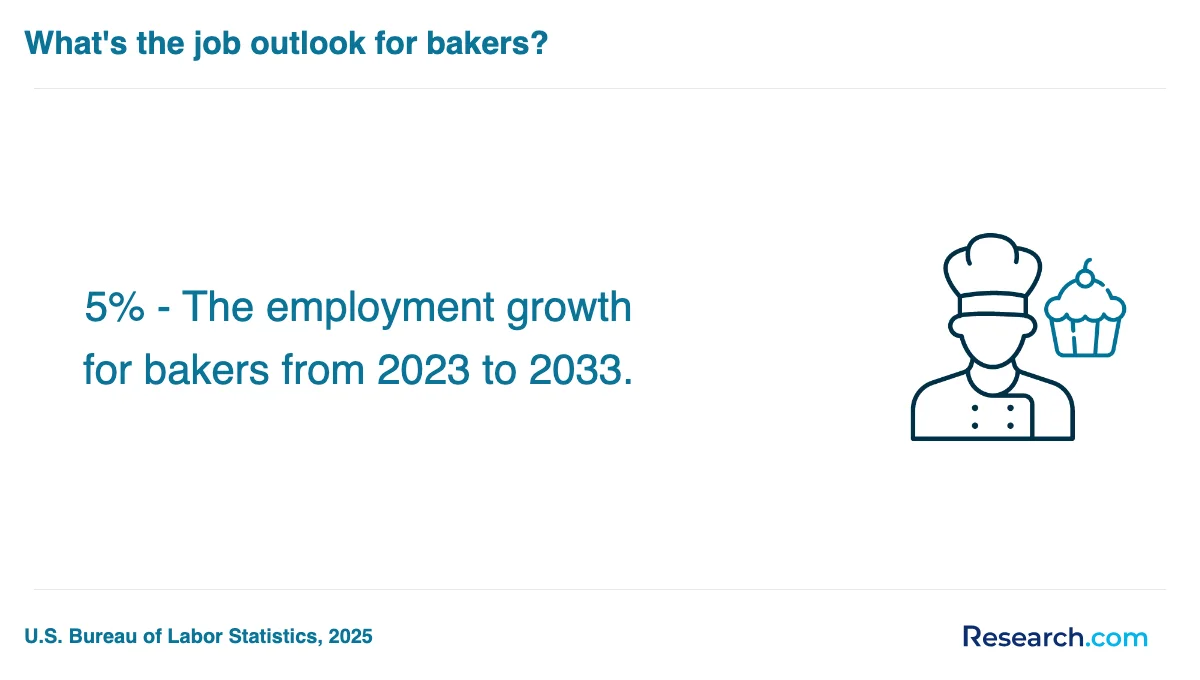
Texas has a growing culinary industry, with the U.S. Bureau of Labor Statistics projecting a 6% employment growth for bakers in the state through 2031, which is slightly faster than the national average. Job seekers should also consider internships or apprenticeships to gain practical experience.
Additionally, understanding regional food trends and customer preferences in Texas can give applicants a competitive edge. Finally, maintaining updated resumes and preparing for interviews by practicing common industry questions helps secure positions in bakeries, hotels, or catering companies.
Employers in Texas seek specific skills from baking and pastry trade school graduates to meet the demands of a competitive culinary market. Technical proficiency in baking techniques, such as dough preparation, cake decorating, and chocolate work, is essential. According to the Texas Workforce Commission, practical knowledge of food safety and sanitation standards is required in over 85% of baking-related job postings.
In addition to hands-on skills, employers value strong time management and teamwork abilities. The fast-paced environment of bakeries and pastry shops demands efficient multitasking and collaboration. Communication skills are also important, as graduates often interact directly with customers and suppliers.
Knowledge of recipe scaling and inventory control is increasingly sought after, helping businesses reduce waste and control costs. Finally, adaptability to new baking technology and trends plays a significant role in employability within the Texas culinary industry.
Finding internships in Texas that align with baking and pastry trade school programs involves targeted research and networking. Start by contacting your school's career services office, as many trade schools maintain partnerships with local bakeries and restaurants offering internships. According to the Texas Workforce Commission, hospitality and food service sectors grew by 7% from 2021 to 2023, increasing opportunities for hands-on experience.
Additionally, explore local bakery associations such as the Texas Bakery Association, which often shares internship listings. Online job platforms like Handshake and Indeed also feature baking internships specific to Texas cities like Austin and Houston. Building relationships with industry professionals through events can further enhance your chances.
Obtaining a baking and pastry trade school diploma in Texas significantly enhances career mobility and advancement opportunities within the state's culinary industry. Graduates often find improved access to entry-level positions in bakeries, restaurants, and hotels, which serve as stepping stones to higher roles such as pastry chef or kitchen manager.
According to the Texas Workforce Commission, employment in food preparation and serving roles is projected to grow by 13% through 2030, highlighting increasing demand for skilled bakers.
Trade school diplomas provide practical skills and recognized credentials, which employers in Texas value for promotions and wage increases. Additionally, such programs often offer industry connections and internships, further supporting career growth.
Part-time job opportunities in Texas can significantly enhance the practical skills gained in baking and pastry trade schools. Many students find roles as bakery assistants or pastry prep workers in local bakeries, cafés, or hotels. According to the Texas Workforce Commission, the state has over 4,000 bakery-related establishments, offering steady part-time employment.
Working in these environments allows students to apply techniques learned in class, like dough preparation and decorating, while gaining customer service experience. Other options include catering assistant roles and positions in grocery stores with bakery departments. These jobs often offer flexible hours suited for students' schedules.
Hands-on experience from part-time work is valuable for building resumes and networking within the Texas culinary industry.
To find the best Baking and Pastry degree program near me in Texas, you can start by researching various culinary schools and universities in and around Texas that offer specialized programs in this field. You may consult resources like Research.com to compare the rankings and curriculum details of these programs. Visiting local campuses or attending open house events can also provide valuable insights into what different programs near Texas have to offer in terms of facilities and hands-on training opportunities.
- Best Baking, Pastry & Culinary Schools - Top Baking & Pastry Chef Schools in Arkansas for 2026
- Best Baking, Pastry & Culinary Schools - Top Baking & Pastry Chef Schools in New Mexico for 2026
- Best Baking, Pastry & Culinary Schools - Top Baking & Pastry Chef Schools in Mississippi for 2026
- Best Baking, Pastry & Culinary Schools - Top Baking & Pastry Chef Schools in Arizona for 2026
- Best Baking, Pastry & Culinary Schools - Top Baking & Pastry Chef Schools in Georgia for 2026
- Best Baking, Pastry & Culinary Schools - Top Baking & Pastry Chef Schools in Florida for 2026
- Best Baking, Pastry & Culinary Schools - Top Baking & Pastry Chef Schools in Kentucky for 2026
- Best Baking, Pastry & Culinary Schools - Top Baking & Pastry Chef Schools in Iowa for 2026
- Best Baking, Pastry & Culinary Schools - Top Baking & Pastry Chef Schools in South Carolina for 2026
- Best Baking, Pastry & Culinary Schools - Top Baking & Pastry Chef Schools in North Carolina for 2026
- Texas Baking & Pastry Programs | Baking Classes | Austin, TX - Escoffier https://www.escoffier.edu/academics/baking-pastry-austin/
- Pastry Arts | Houston Community College (HCC) | We are Houston's Community College http://www.hccs.edu/programs/areas-of-study/public-safety-transportation--consumer-services/pastry-arts/
- Pastry & Baking Arts Program | NY & LA | Institute of Culinary Education https://www.ice.edu/campus-programs/pastry-baking-arts
- Pastry Chef Schools in Texas - Baking & Pastry Training https://okchef.org/pastry-chef/tx/
- SPC : Baking and Pastry Arts | Alamo Colleges https://www.alamo.edu/spc/academics/programs/tourism-hospitality-and-culinary-arts/baking-and-pastry-arts/
- profile icon https://www.niche.com/colleges/search/best-colleges-with-baking-and-pastry-arts/s/texas/
- Program: Baking and Pastry - Tarrant County College - Modern Campus Catalog™ https://catalog.tccd.edu/preview_program.php
- CIA Baking and Pastry Arts Programs | Culinary Institute of America https://www.ciachef.edu/cia-baking-and-pastry-arts-programs/
- Baking & Pastry Arts Diploma | Culinary Institute Lenotre https://culinaryinstitute.edu/programs/diploma-degree/baking-pastry-arts-diploma/
- Pastry professions: Training programmes and career opportunities | Le Cordon Bleu https://www.cordonbleu.edu/paris/pastry-professions/en


