
Best Baking, Pastry & Culinary Schools - Top Baking & Pastry Chef Schools in North Carolina for 2026

Co-Founder and Chief Data Scientist
Choosing the right baking and pastry trade school in North Carolina can shape your future career in a delicious way. This article presents a carefully crafted baking and pastry trade school programs ranking created by the Research.com team of data scientists. It’s designed to help you find the best programs that match your goals and talents.
Exploring these schools can open doors to rewarding opportunities and hands-on skills. Whether you want a diploma or certification, this guide supports your journey toward a fulfilling career in baking and pastry arts.
Key benefits of finishing baking and pastry trade school in North Carolina
- Graduates from baking and pastry trade schools in North Carolina can expect starting wages around $10 to $18 per hour, with opportunities to grow into pastry chef roles earning up to $65,896 annually.
- Career paths include pastry cook, baker, and pastry chef, with many successful alumni from popular local schools finding work in bakeries, hotels, and catering companies.
- Completing a baking and pastry program online offers flexibility and faster completion times, making it easier for busy students to gain skills and enter the workforce confidently without the cost of a traditional degree.
- Best Baking, Pastry & Culinary Schools - Top Baking & Pastry Chef Schools in North Carolina for 2026
- What can I expect from baking and pastry trade schools in North Carolina?
- Where can I work after finishing baking and pastry trade schools in North Carolina?
What can I expect from baking and pastry trade schools in North Carolina?
Students enrolling in a baking and pastry trade school program in North Carolina can expect a balanced blend of hands-on training and foundational theory tailored to industry demands. Graduates from schools like Wake Technical Community College and Sandhills Community College often share how immersive practical experience in modern kitchens, equipped with professional-grade baking tools, builds their confidence and skill set.
Instruction typically comes from seasoned professionals, such as fifth-generation bakers, who bring real-world insights that transform classroom lessons into engaging, applicable knowledge. Coursework covers everything from artisan breads and specialty desserts to decorative techniques and food marketing, ensuring students develop both creative and operational expertise.
Many programs emphasize work-based learning through partnerships with local bakeries and hotels, where students gain valuable real-world experience and networking opportunities. Graduates frequently describe the excitement of applying their skills in professional settings, which prepares them for roles like pastry assistant or area pastry chef right after graduation.
Programs accredited by the American Culinary Federation further enhance career prospects by enabling graduates to earn recognized certifications, often without extra exams, adding to their professional credibility and employability.
Where can I work after finishing baking and pastry trade schools in North Carolina?
Graduates of baking and pastry trade school programs in North Carolina find diverse career opportunities across the state. Many secure roles as bakers, pastry cooks, pastry chefs, or cake decorators in various settings, from small neighborhood bakeries to large commercial operations like Strong Arm Baking in Oxford, NC. These environments offer dynamic, hands-on experiences that graduates from schools such as Guilford Technical Community College or Central Piedmont Community College frequently describe as both challenging and rewarding.
Restaurants and hotels also provide promising employment, with graduates creating specialty desserts and baked goods in both casual and upscale establishments. For example, pastry chef positions in cities like Charlotte offer competitive wages and a chance to refine culinary creativity while working in fast-paced, team-oriented atmospheres.
Catering companies and event venues open additional pathways, allowing graduates to craft custom pastries for weddings and corporate functions, often drawing on skills honed during trade school internships. Some find opportunities within grocery stores or supermarkets that maintain in-house bakeries, where roles range from production bakers to cake decorators.
Entrepreneurship is another exciting option. Many graduates leverage North Carolina's vibrant local food scene to launch home-based bakeries or dessert catering businesses, eventually expanding to storefronts or wholesale. This path embodies the passion and independence that baking and pastry students cultivate during their trade school journey.
Graduates of baking and pastry trade school programs in North Carolina can expect to start their careers earning around $16.26 per hour, which translates to roughly $33,800 annually for full-time work. Those fresh out of well-known local programs often find entry-level positions paying between $13.99 and $18.37 per hour, reflecting a realistic range of $29,100 to $38,200 yearly. This range mirrors what many recent graduates from popular North Carolina trade schools experience when stepping into bakeries, cafes, or pastry shops.
One graduate shared how starting at a small city bakery at $14 per hour felt rewarding, especially when gaining hands-on skills that quickly opened doors to higher-paying roles. Another noted that with a bit more experience and specialty training, such as advanced cake decorating, salaries can rise closer to or above the $38,000 mark, especially in metropolitan areas like Raleigh or Charlotte.
While North Carolina's baking and pastry salaries are slightly below the national culinary average, the steady starting wages combined with strong local demand provide a solid foundation for graduates eager to grow their careers.
- Admission usually requires a high school diploma or equivalent, with programs offering certificates, diplomas, or associate degrees lasting from under a year to two years.
- Curriculum covers practical skills like bread and pastry production, cake decorating, food safety, and business topics such as marketing and cost control.
- Program costs range from about $350 for short courses to $2,500-$5,000 for certificate or diploma programs at community colleges, excluding materials.
- Graduates can work as baking assistants, pastry chefs, cake decorators, or bakers, with many programs accredited by the American Culinary Federation.
- Starting salaries range from $24,000 to $32,000 annually, with experienced roles earning $40,000 to $55,000 or more in urban and upscale settings.
Completing a baking and pastry trade school program in North Carolina typically takes between 6 months and 1 year, depending on the intensity of the curriculum and whether the student attends full-time or part-time. Many graduates from well-known North Carolina trade schools share that an immersive, full-time program lasting around 9 months allowed them to quickly develop hands-on skills in both baking techniques and pastry arts, preparing them effectively for the workforce.
For example, students often describe their daily experience as a mix of classroom instruction and practical kitchen labs, which accelerates skill acquisition. This approach helps them build confidence while mastering everything from classic bread baking to advanced cake decorating within a relatively short timeframe. Part-time options extend the completion time but offer flexibility for those balancing work or family commitments.
The focused nature of these programs means students can transition from beginner to job-ready in under a year, fueling excitement and a sense of accomplishment as they prepare to enter North Carolina's vibrant culinary scene.
The primary difference between online and on-campus baking and pastry trade school programs in North Carolina lies in the learning environment and hands-on experience. On-campus programs, such as those at Johnson & Wales University in Charlotte and Wake Tech, immerse students in professional kitchens and labs, allowing them to practice directly with industry-grade equipment. Graduates often recall the rewarding experience of working side-by-side with peers, receiving immediate feedback from instructors, and building strong networks during structured internships.
In contrast, online programs provide flexibility for students balancing work or family commitments by offering recorded lessons and virtual classes. For instance, students enrolled in online diplomas like those from the Institute of Culinary Education complete coursework from their home kitchens and submit videos for personalized instructor feedback. While they may miss daily in-person collaboration, many appreciate the convenience and still gain essential hands-on skills through required externships.
Both paths lead to valuable credentials, but the choice depends on whether a student prefers a collaborative campus atmosphere or flexible, self-driven learning at home.
The average tuition fees for baking and pastry programs in North Carolina vary significantly depending on the institution and residency status. For example, graduates from Sandhills Community College report paying around $9,785 total for in-state tuition and fees, while out-of-state students face much higher costs, close to $23,225. This range reflects the total expenses for baking and pastry trade schools in North Carolina, encompassing not only tuition but also essential items like uniforms, textbooks, and supplies.
Other notable programs include Central Piedmont Community College, where in-state students typically spend about $8,860 for the full two-year program, which covers tuition and required kits. Wake Technical Community College offers a more affordable route, with in-state tuition around $3,344, although additional fees vary. At Asheville-Buncombe Technical Community College, students pay approximately $1,356 per semester, which includes tuition and other fees. These figures provide a realistic picture of total expenses for baking and pastry trade schools in North Carolina and help prospective students plan their finances accordingly.
Graduates often reflect on the rewarding experience of gaining hands-on skills in these vibrant programs despite the costs involved. Many find that exploring financial aid options and scholarships significantly alleviates the burden. For those eager to maximize their investment, exploring accelerated options like accelerated online associate degrees that lead to high paying jobs can open doors to faster career entry and enhanced earning potential.

Students pursuing baking and pastry programs in North Carolina benefit from a variety of financial aid options that make education more accessible and affordable. Graduates from Asheville-Buncombe Technical Community College and Wake Technical Community College often share how federal aid, accessed through the Free Application for Federal Student Aid (FAFSA), significantly eased their financial burden. The Pell Grant, which can award up to $7,395 for the 2025-2026 academic year, is a crucial resource for those demonstrating financial need.
State-specific assistance such as the North Carolina Community College Grant and the Education Lottery Scholarship further support students by supplementing federal aid. Many baking students at Guilford Technical Community College and Wake Tech have expressed gratitude for institutional scholarships and work-study programs tailored to culinary arts, which help cover costs from tuition to supplies.
Additionally, accredited programs recognized by the American Culinary Federation offer benefits like certification fee waivers, enhancing both educational value and career readiness without extra financial strain.
Enrolling in a baking and pastry trade school program in North Carolina typically requires meeting several straightforward prerequisites that prepare students for success in this hands-on field. Most programs expect applicants to have a high school diploma or a GED, ensuring a foundational level of education. Some schools may also require basic math and reading proficiency, vital for measuring ingredients and following detailed recipes.
Many students share that having a genuine passion for baking or some prior experience, even from home kitchens, greatly enhances their confidence when starting the program at popular trade schools like those in Charlotte or Raleigh. Admissions teams often look for these qualities during interviews or application essays.
- Proof of high school completion (diploma or GED)
- Basic literacy and numeracy skills
- Pass a background check or health screening, depending on the school
- Demonstrate enthusiasm through a personal statement or interview
Graduates frequently recall how early hands-on practice, whether baking family recipes or volunteering at local bakeries, helped them adapt quickly to the fast-paced learning environment. This personal connection to baking fuels their motivation and makes the rigorous training at North Carolina trade schools both rewarding and enjoyable.
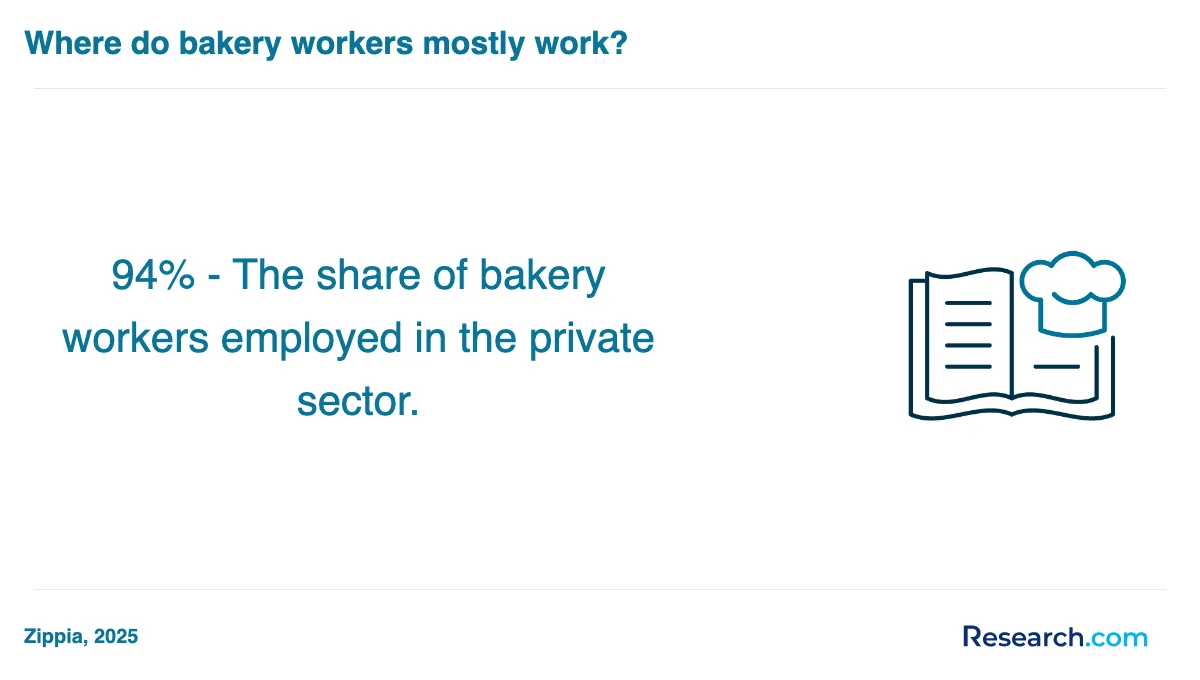
Baking and pastry trade school programs in North Carolina provide students with a well-rounded curriculum designed to build both foundational and advanced skills sought by employers. Graduates from popular schools like Wake Tech often reflect on their hands-on learning in essential areas such as:
- Basic baking techniques including breads, cakes, cookies, and pastries, where students master equipment use and baking science.
- Specialty and artisanal breads, focusing on fermentation, shaping, and finishing that bring bakery creations to life.
- Desserts and pastries, with training in cakes, tarts, mousses, and decorative arts like chocolate and sugar work, making every project a creative expression.
- Food safety and sanitation, ensuring students confidently uphold health standards in any kitchen environment.
- Production baking for commercial settings, emphasizing efficiency and large-scale recipe scaling to meet real-world demands.
- Food marketing and cost control, key skills for future bakery managers or entrepreneurs balancing quality and budget.
Students consistently value work-based learning opportunities, such as internships with local bakeries, which provide authentic industry exposure and build professional confidence. Many also appreciate programs accredited by the American Culinary Federation, as it opens doors to recognized certification and career advancement within North Carolina's vibrant culinary scene.
Baking and pastry trade school programs in North Carolina typically offer a variety of specializations that cater to diverse student interests and industry needs. Graduates from institutions like Wake Technical Community College and Johnson & Wales University Charlotte often highlight their training in artisan bread and pastry programs North Carolina, gaining strong foundational skills in specialty breads, pastries, and high-volume production techniques.
Students can focus on advanced areas such as:
- Cake design and decoration, mastering elaborate celebration cakes
- Chocolate and confectionery crafting, perfecting truffles and molded chocolates
- Plated desserts, combining creativity with fine dining presentation
Business-minded students appreciate program options that include food marketing and bakery management, preparing them to launch or run successful bakeries. Certificate and diploma options provide targeted expertise for roles like pastry chefs or bakery managers, often supported by American Culinary Federation accreditation which offers seamless pathways to professional certifications.
Many graduates cherish their hands-on experiences through internships and study abroad, shaping real-world skills. For those uncertain about career direction, exploring what jobs can you get with a liberal arts degree may offer additional insight into broader career planning.
To find the best baking and pastry trade schools in North Carolina, focus on institutions known for their strong curriculum and hands-on training. Graduates often praise programs that blend technical skills like artisan bread baking with real-world internships at local bakeries across the state. Consider schools with well-equipped kitchens that give a true taste of industry standards, where students gain confidence through practical experience. Alumni highlight the value of faculty expertise, emphasizing how seasoned instructors provide personalized mentorship that shapes career paths.
Location plays an essential role-schools near vibrant culinary hubs offer students better access to internships and job placements, enhancing post-graduation success. Financial aspects are equally important; evaluate tuition costs and available aid to ensure your investment aligns with future returns. Many North Carolina students have benefited from programs offering flexible schedules suited to working individuals. For those exploring alternatives, looking into a chef degree online can complement or broaden your options.
Knowing how to choose the best baking and pastry trade school program in North Carolina means balancing reputation, hands-on opportunities, and practical considerations to build a rewarding culinary career.
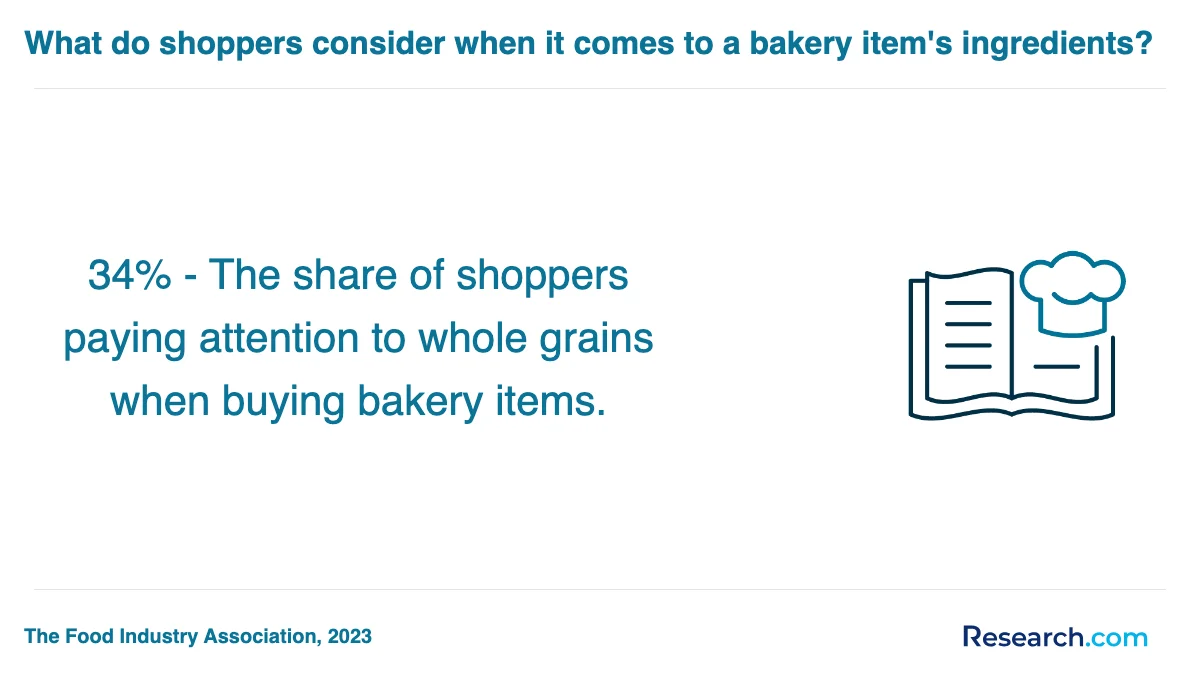
Baking and pastry trade school graduates in North Carolina have access to a variety of rewarding baking and pastry career opportunities in North Carolina. Entry-level roles commonly include baker, pastry cook, cake decorator, and pastry baker, roles that graduates from popular programs across the state readily fill. These positions exist in bakeries, upscale restaurants, hotels, and catering companies, providing a broad spectrum of work environments.
As graduates build experience, they often advance to positions such as pastry chef or executive pastry chef, with over 180 pastry chef job openings reported in North Carolina by late 2024. Many graduates from trade schools find these roles fulfilling, developing expertise in menu planning, dessert creation, and kitchen management. Salaries typically range from $18 to $22 per hour, with additional benefits like health insurance and paid vacation adding to job satisfaction.
Entrepreneurs among graduates have successfully launched bakeries or pastry businesses, such as small startups evolving into establishments like Strong Arm Baking in Oxford. School programs emphasize hands-on skills and business knowledge essential for this path. Other career options include becoming baking and pastry instructors at community colleges or culinary schools, where part-time instructors can earn upwards of $32 per hour. Graduates exploring leadership roles might also consider restaurant management jobs, blending their culinary talents with team oversight and operations.
The baking and pastry job market in North Carolina offers abundant opportunities for trade school graduates, with over 400 job openings statewide in roles such as pastry cooks, cake decorators, and assistant pastry chefs. Graduates from well-regarded programs at schools like Sandhills Community College and Cape Fear Community College benefit from strong relationships these institutions maintain with local employers, ensuring practical internships and smoother transitions into full-time positions.
Many graduates find rewarding employment in a variety of settings, including independent bakeries, high-volume commercial operations, hotels, and restaurants. The state's booming tourism sector further fuels demand for skilled pastry professionals in resorts and catering companies, giving graduates multiple pathways to advance their careers.
Key advantages for these graduates include:
- Hands-on training that builds confidence and creativity.
- Access to work-based learning opportunities that enhance employability.
- Recognition by employers for formal pastry arts education supplemented by practical experience.
For those aiming to elevate their careers, certification from the American Culinary Federation is highly valued. Students graduating from North Carolina programs often report positive employment experiences, reflecting the strength of the pastry chef employment opportunities North Carolina provides. To explore the best paying trade school jobs, including those in baking and pastry, consider the data presented by best paying trade school jobs.
Best Baking, Pastry & Culinary Schools - Top Baking & Pastry Chef Schools in North Carolina for 2026
# 1 position
Asheville-Buncombe Technical Community College - Baking and Pastry Arts/Baker/Pastry Chef.
associateAsheville-Buncombe Technical Community College offers a Baking and Pastry Arts/Baker/Pastry Chef program with a hybrid format including some distance education. The program prepares students for professional roles in baking and pastry through instruction in bread and pastry making, decorating, handling, storage, and related business operations. Annual in-state tuition is $2,882. Graduates have a median earning of $32,602 one year after completion. The program is accredited by the Southern Association of Colleges and Schools Commission on Colleges.
# 2 position
Asheville-Buncombe Technical Community College - Baking and Pastry Arts/Baker/Pastry Chef.
certificate or diplomaAsheville-Buncombe Technical Community College offers a Baking and Pastry Arts program designed to prepare students as professional bakers and pastry chefs in commercial settings. The hybrid program includes instruction in bread and pastry making, decorating, storage, and marketing. Annual in-state tuition is $2,882. Graduates earn a median salary of $32,602 one year after completion. The program is accredited by the Southern Association of Colleges and Schools Commission on Colleges.
# 3 position
Wilkes Community College - Baking and Pastry Arts/Baker/Pastry Chef.
associateWilkes Community College offers a hybrid Baking and Pastry Arts/Baker/Pastry Chef program that prepares individuals for professional roles in commercial baking establishments. The curriculum includes instruction in bread and pastry making, decorating, handling, storage, and marketing operations. The program’s annual in-state tuition is $2,572. It is accredited by the Southern Association of Colleges and Schools Commission on Colleges.
# 4 position
Wilkes Community College - Baking and Pastry Arts/Baker/Pastry Chef.
certificate or diplomaWilkes Community College offers a hybrid Baking and Pastry Arts/Baker/Pastry Chef program designed to prepare students for professional roles in commercial baking establishments. The curriculum covers bread and pastry making, handling, storage, decorating, and industry operations including packaging, marketing, and service. Annual in-state tuition is $2,572. The program is accredited by the Southern Association of Colleges and Schools Commission on Colleges.
# 5 position
Sandhills Community College - Baking and Pastry Arts/Baker/Pastry Chef.
associateSandhills Community College offers a hybrid Baking and Pastry Arts/Baker/Pastry Chef program designed to prepare students for professional roles in commercial baking establishments. The curriculum covers bread and pastry making, handling, storage, cake decorating, baking industry operations, product packaging, marketing, and counter service. The program’s annual in-state tuition is $2,040. It is accredited by the Southern Association of Colleges and Schools Commission on Colleges.
# 6 position
Sandhills Community College - Baking and Pastry Arts/Baker/Pastry Chef.
certificate or diplomaSandhills Community College offers a hybrid Baking and Pastry Arts/Baker/Pastry Chef program that prepares students for professional roles in commercial baking establishments. The curriculum covers bread and pastry making, handling, storage, cake and pastry decorating, and industry operations including packaging and marketing. The program’s annual in-state tuition is $2,040. It is accredited by the Southern Association of Colleges and Schools Commission on Colleges.
# 7 position
Cape Fear Community College - Baking and Pastry Arts/Baker/Pastry Chef.
associateCape Fear Community College offers a hybrid Baking and Pastry Arts/Baker/Pastry Chef program designed to prepare students for professional roles in commercial baking. The curriculum covers bread and pastry making, handling, storage, decorating, industry operations, packaging, marketing, and service. Annual in-state tuition is $2,748. The program is accredited by the Southern Association of Colleges and Schools Commission on Colleges.
# 8 position
Central Piedmont Community College - Baking and Pastry Arts/Baker/Pastry Chef.
associateCentral Piedmont Community College offers a hybrid Baking and Pastry Arts/Baker/Pastry Chef program that prepares students for professional roles in commercial baking establishments. The curriculum covers bread and pastry making, handling, storage, cake decorating, baking industry operations, product packaging, marketing, and counter service. Annual in-state tuition is $2,792. The program is accredited by the Southern Association of Colleges and Schools Commission on Colleges. Median earnings one year after completion are $27,127.
# 9 position
Wake Technical Community College - Baking and Pastry Arts/Baker/Pastry Chef.
associateWake Technical Community College offers a hybrid Baking and Pastry Arts/Baker/Pastry Chef program designed to prepare students for professional roles in commercial baking. The curriculum includes bread and pastry making, decorating, handling, storage, and industry operations such as packaging and marketing. Annual in-state tuition is $2,336. Graduates earn a median income of $27,043 one year after completion. The program is accredited by the Southern Association of Colleges and Schools Commission on Colleges.
# 10 position
Johnson & Wales University-Charlotte - Baking and Pastry Arts/Baker/Pastry Chef.
associateJohnson & Wales University-Charlotte offers a hybrid Baking and Pastry Arts/Baker/Pastry Chef program preparing students for professional roles in commercial baking. The curriculum includes bread and pastry making, handling, storage, cake decorating, industry operations, product packaging, marketing, and counter service. Tuition for in-state students is $40,408 annually. The program is accredited by the New England Commission on Higher Education, with graduates earning a median of $27,514 one year after completion.
Frequently Asked Questions about baking and pastry
After completing a baking and pastry trade school in North Carolina, preparing for the job market involves several strategic steps. Graduates should start by building a professional portfolio showcasing their skills and creations, which is essential for employers in this hands-on field. Networking is also critical; attending local food industry events or joining organizations like the American Culinary Federation can open doors to job opportunities.
Many schools in North Carolina offer internship programs or job placement assistance, which can provide valuable real-world experience. According to the North Carolina Department of Commerce, the food service industry is expected to grow by 6% through 2030, indicating steady demand for skilled bakers and pastry chefs. Finally, staying updated with food safety certifications and continuing education can improve employability in a competitive market.
Employers in North Carolina value specific skills in baking and pastry trade school graduates to meet the demands of the local food industry. Key skills include proficiency in baking techniques, such as dough handling and cake decorating, combined with a strong understanding of food safety standards set by the North Carolina Department of Agriculture. Additionally, practical experience with commercial kitchen equipment is essential. According to the U.S. Bureau of Labor Statistics and state labor market data, soft skills like time management, teamwork, and adaptability are equally important due to the fast-paced environment of bakeries and pastry shops. Graduates who master both technical and interpersonal skills have a competitive advantage.
Finding internships in North Carolina related to baking and pastry trade school programs involves several strategic steps. Start by contacting local culinary schools and trade programs, as many maintain partnerships with bakeries and restaurants offering internships. The North Carolina Restaurant and Lodging Association often lists internship opportunities in the food service industry, including baking and pastry.
Online job platforms like Indeed and Handshake also feature internships specific to culinary arts in North Carolina. Networking at local food events or farmers markets can connect you directly with potential employers. According to the U.S. Bureau of Labor Statistics, internships increase job placement success by 20%, making them an essential part of career development in this field.
Obtaining a baking and pastry trade school diploma in North Carolina can significantly impact career mobility and advancement within the state's culinary sector. According to the North Carolina Community College System, graduates with such diplomas often find faster entry into the workforce compared to those without formal training.
Trade school programs focus on practical skills, enabling students to qualify for positions ranging from pastry chefs to bakery managers. Data from the U.S. Bureau of Labor Statistics indicates that North Carolina's employment for bakers is expected to grow by 6% through 2031, signaling steady demand.
Additionally, diploma holders frequently report higher starting wages and improved promotion prospects, as employers value accredited credentials and hands-on experience. This credential can also open doors to specialized roles, such as cake decorating or artisan bread baking, enhancing job flexibility.
Part-time job opportunities in North Carolina that complement baking and pastry trade school education often include positions in bakeries, cafes, and restaurants. Working as a bakery assistant or pastry prep cook allows students to apply skills learned in class while gaining hands-on experience. According to the U.S. Bureau of Labor Statistics, North Carolina's food preparation and serving-related occupations are projected to grow by 10% from 2021 to 2031, signaling steady demand.
Bakeries in cities like Charlotte and Raleigh frequently hire part-time workers, offering flexible hours suitable for students. Additionally, local farmers' markets and catering companies provide seasonal roles that help develop customer service and time management skills essential in the baking trade.
There are several reputable Baking and Pastry degree programs at community colleges and universities near North Carolina that provide comprehensive training and hands-on experience in the culinary arts. Programs near me offer courses in pastry techniques, baking science, and kitchen management, preparing students for careers in the hospitality and restaurant industries. Research.com can be a useful resource to explore specific program offerings and find the best fit near North Carolina.
- Best Baking, Pastry & Culinary Schools - Top Baking & Pastry Chef Schools in South Carolina for 2026
- Best Baking, Pastry & Culinary Schools - Top Baking & Pastry Chef Schools in Virginia for 2026
- Best Baking, Pastry & Culinary Schools - Top Baking & Pastry Chef Schools in Georgia for 2026
- Best Baking, Pastry & Culinary Schools - Top Baking & Pastry Chef Schools in West Virginia for 2026
- Best Baking, Pastry & Culinary Schools - Top Baking & Pastry Chef Schools in Kentucky for 2026
- Best Baking, Pastry & Culinary Schools - Top Baking & Pastry Chef Schools in Florida for 2026
- Best Baking, Pastry & Culinary Schools - Top Baking & Pastry Chef Schools in Maryland for 2026
- Best Baking, Pastry & Culinary Schools - Top Baking & Pastry Chef Schools in Pennsylvania for 2026
- Best Baking, Pastry & Culinary Schools - Top Baking & Pastry Chef Schools in Mississippi for 2026
- Best Baking, Pastry & Culinary Schools - Top Baking & Pastry Chef Schools in New Jersey for 2026
- Challenges Faced by Senior High School Students of Bread and Pastry Production: Basis for Digital Recipe Repository - International Journal of Research and Scientific Innovation (IJRSI) https://rsisinternational.org/journals/ijrsi/articles/challenges-faced-by-senior-high-school-students-of-bread-and-pastry-production-basis-for-digital-recipe-repository/
- Top Challenges Faced by Pastry Chefs Explained Simply https://www.tedcoeducation.com/challenges-faced-by-pastry-chefs
- Pastry Problems | Institute of Culinary Education https://www.ice.edu/blog/pastry-problems
- CAKE GALLERY | Someone like me I don't easily get frustrated when my students aren't getting the techniques right | Facebook https://www.facebook.com/groups/111491717466117/posts/1043924384222841/
- Dedicated to bakers, pastry chefs and chocolatiers https://www.puratos.com/blog/bakery-school-foundation---the-future-is-what-you-bake-of-it
- Pastry Chef Schools in North Carolina - Baking & Pastry Training https://okchef.org/pastry-chef/nc/
- Baking & Pastry Arts | Wake Tech https://www.waketech.edu/programs-courses/credit/baking-and-pastry-arts
- Baking & Pastry Arts ǀ Sandhills Community College https://www.sandhills.edu/programs/hospitality/baking-pastry-arts.html
- Pastry Cook/Baker in Charlotte, North Carolina | North Italia https://www.northitaliacareers.com/north-italia-careers-home/jobs/14636
- Baking and Pastry Arts | Central Piedmont https://www.cpcc.edu/programs/baking-and-pastry-arts


