
Best Baking, Pastry & Culinary Schools - Top Baking & Pastry Chef Schools in New Jersey for 2026

Co-Founder and Chief Data Scientist
Choosing the right baking and pastry trade school in New Jersey can shape your future career in a deliciously rewarding way. This article introduces a carefully crafted ranking of baking and pastry trade school programs, developed by the Research.com team of data scientists to guide you in making an informed decision.
By exploring this guide, you’ll discover programs that fit your goals and help you gain valuable skills. Earning a diploma or certification opens doors to creative opportunities and a fulfilling career in the culinary arts.
Take the first step toward turning your passion into a profession with confidence.
Key benefits of finishing baking and pastry trade school in New Jersey
- Graduates in New Jersey can expect strong salaries, with average annual earnings around $75,231 and hourly wages up to $41.24, making trade school a smart investment for baking and pastry careers.
- Career paths include roles like Pastry Chef, Bakery Manager, or Specialty Baker, as seen with graduates from the Culinary Institute of New Jersey who quickly find rewarding positions in local bakeries and restaurants.
- Completing a baking and pastry trade school online offers flexibility and hands-on learning, allowing graduates from programs like the New Jersey Online Culinary Academy to balance work and study while launching their careers faster than traditional degrees.
- Best Baking, Pastry & Culinary Schools - Top Baking & Pastry Chef Schools in New Jersey for 2026
- What can I expect from baking and pastry trade schools in New Jersey?
- Where can I work after finishing baking and pastry trade schools in New Jersey?
What can I expect from baking and pastry trade schools in New Jersey?
Enrolling in a baking and pastry trade school program in New Jersey means diving into a career-focused experience that balances hands-on practice with expert guidance. Graduates often recall the thrill of working in small classes where skilled pastry chefs offer personalized instruction, turning theory into tangible skills like creating delicate pastries or decorating intricate cakes.
Expect to spend many hours in well-equipped kitchens, mixing dough or mastering oven techniques alongside peers. These real-world settings simulate bakery environments, helping students build confidence by managing everything from baking to customer service in school-run shops. The journey is both challenging and rewarding, as students quickly learn the importance of precision and creativity.
Safety is a key emphasis-graduates highlight mandatory certifications such as OSHA 10 and ServeSafe that prepare them for professional standards. Wearing uniforms and using proper knife kits become second nature, reinforcing discipline and responsibility.
Many students appreciate the program's flexibility, balancing full- or part-time schedules while exploring hospitality and business courses that open diverse career paths. Alumni often share how these programs in New Jersey opened doors not just to bakeries but also to hotels, catering, and even cruise ship roles, enriching their passion with practical opportunity.
Where can I work after finishing baking and pastry trade schools in New Jersey?
Graduates of baking and pastry trade schools in New Jersey often find themselves stepping confidently into roles at bakeries, restaurants, hotels, cafés, and specialty pastry shops. Many start as bakers or pastry assistants, where they apply hands-on skills from their training-mixing dough, decorating cakes, or managing bakery equipment with pride and precision. It's common to hear from alumni of well-known New Jersey trade schools how their first job in a local bakery made the lessons from the classroom come alive.
Others pursue creative paths as pastry chefs or cake decorators in upscale hotels and catering companies, using advanced techniques learned during their programs to craft visually stunning and delicious desserts. These roles often spark a deep sense of fulfillment, as graduates see their artistry delighting customers. Some find opportunities in coffee shops or event venues, blending baking expertise with customer interaction, which brings an enjoyable rhythm to their workdays.
With experience, many graduates take on supervisory positions or even launch their own businesses, reflecting the entrepreneurial spirit nurtured during their trade school journey in New Jersey's vibrant baking community.
Graduates of baking and pastry trade schools in New Jersey often find themselves stepping into the workforce with an encouraging salary outlook. On average, entry-level graduates earn around $31,000 annually, which is notably higher than the national average. For many who trained at well-known New Jersey trade schools, this figure reflects a rewarding start to their careers, providing financial stability while honing their craft.
Hourly wages typically range from about $15.62 to $20.48, with some experienced bakers earning up to $23.67 per hour. This progression is visible in real-life examples where graduates from respected New Jersey programs move from entry-level roles to positions in upscale bakeries or hotels, where the pay can rise to nearly $38,000 annually.
Many graduates share that their initial paychecks, earned after months of intense hands-on training, bring a sense of pride and reassurance. The financial rewards grow with experience, especially when graduates leverage the skills learned in top New Jersey trade schools to advance into supervisory roles. This path often means better pay and more creative freedom, making the investment in a baking and pastry program deeply worthwhile.
- Baking and pastry programs in New Jersey are offered as certificates or associate degrees, with certificate programs typically lasting one year or less.
- Entry requirements usually include a high school diploma or equivalent, with some schools requiring placement tests or interviews.
- Tuition for community college certificate programs ranges from $4,000 to $8,000 for in-state students, plus additional costs for uniforms and supplies.
- Graduates can work as bakers, pastry chefs, cake decorators, or chocolatiers in bakeries, restaurants, hotels, and catering businesses.
- Starting salaries range from $31,000 to $36,000 annually, with experienced professionals earning between $45,000 and $55,000.
Completing a baking and pastry trade school program in New Jersey typically takes between six months and one year, depending on the school and the intensity of the course. Graduates often reflect on how this focused timeframe allowed them to quickly gain hands-on skills without the extended commitment of a traditional college degree. For many, attending a popular New Jersey trade school meant immersing themselves in practical baking labs and real-world pastry techniques within months, transforming their passion into professional expertise.
Students recall how the compact schedule balanced classroom instruction with time in busy kitchens, where they practiced everything from artisan bread to delicate desserts. This immersive environment helped them build confidence rapidly, making the learning process both exciting and rewarding. The manageable length of these programs also appealed to those eager to enter the workforce swiftly, turning their love of baking into a fulfilling career without unnecessary delay.
Choosing a respected trade school in New Jersey means embracing a timeline that respects your ambition and dedication, offering a clear path from novice to skilled pastry professional in under a year.
The difference between online and on-campus baking and pastry programs in New Jersey lies largely in how students engage with their craft. Graduates from online programs, like those offered through the Institute of Culinary Education's virtual courses, often appreciate the flexibility to study baking techniques and pastry science from home. They find value in managing their own kitchens and schedules, though they also recognize the challenge of sourcing ingredients and equipment independently. Many cherish the opportunity to complete hands-on externships locally, which helps bridge theory with real-world practice.
On the other hand, students at community colleges such as Bergen or Hudson County experience the vibrant energy of professional kitchens daily. These on-campus programs immerse them in face-to-face instruction, where immediate feedback from skilled chefs sharpens their skills. Graduates often recall the camaraderie built during collaborative projects and the confidence gained from using industry-grade tools provided on site.
Both paths nurture passion and expertise, but the choice reflects whether one values flexible independence or in-person mentorship amid New Jersey's culinary community.
The average tuition fees for baking and pastry programs in New Jersey reflect a broad range influenced by the type of institution and program length. Graduates from Hudson County Community College often recall the value of their Associate Degree in Baking and Pastry Arts, with in-state tuition and fees at approximately $8,740 per year. This cost strikes a balance between affordability and quality instruction, helping students feel confident about their investment in their culinary future.
Trade school students at Rowan College at Burlington County typically benefit from even lower tuition rates, around $5,376 annually. Many describe this as an achievable entry point, especially when beginning their journey in baking and pastry arts. These figures demonstrate that the cost of baking and pastry diploma programs in New Jersey can be quite reasonable for those seeking foundational skills.
Conversely, recent graduates from private schools like Eastwick College in Hackensack highlight the higher tuition rates nearing $16,913 per year. Despite the steeper financial commitment, these students emphasize the personalized training and networking opportunities that often accompany private programs. It's worth noting that these tuition estimates exclude additional expenses such as books, supplies, and lab fees, which can add $1,000 to $3,000 annually. Many students find this manageable thanks to available financial aid options.
Students who explore financial support frequently take advantage of scholarships and work-study programs offered by institutions. This assistance makes the educational path more accessible and fosters enthusiasm for pursuing a career in baking and pastry arts. Additionally, prospective students considering their long-term return on investment may explore highest paying online associates degrees related to the culinary and baking fields, helping to guide their decision with practical insights.

Baking and pastry students in New Jersey often find that federal financial aid forms a solid foundation for funding their education. Completing the FAFSA each year opens doors to Pell Grants and federal loans, which many graduates recall as essential in easing the initial financial burden of tuition and supplies. For those attending schools like Hudson County Community College or Atlantic Cape Community College, the financial aid offices become trusted allies, guiding students through the maze of federal, state, and institutional aid opportunities.
Many students also benefit from state-specific programs such as the New Jersey Tuition Aid Grant (TAG) and the Community College Opportunity Grant (CCOG). These grants, especially CCOG, can cover tuition for households earning $65,000 or less, offering relief to those balancing work and study.
Institutional scholarships, like the ICE Cares Scholarship at the Institute of Culinary Education, provide substantial support-sometimes up to $25,000-rewarding those who demonstrate financial need and a passion for the culinary arts. Graduates frequently express gratitude for these awards, which often make the difference between pursuing their dream careers and postponing them.
Private scholarships from industry groups add another layer of support. Many baking and pastry students reflect on the encouragement these scholarships provide, not just financially but as recognition of their dedication and craftsmanship.
To enroll in a baking and pastry trade school program in New Jersey, candidates usually need to meet a few straightforward prerequisites that pave the way for a rewarding hands-on learning experience. Most programs require a high school diploma or GED, ensuring students have a basic educational foundation. Graduates often reflect on how this initial step helped them commit seriously to their culinary ambitions.
Many trade schools in New Jersey, such as those in Newark or Jersey City, encourage applicants to have some prior exposure to baking or cooking. This might be through personal kitchen experiments, part-time jobs, or even family traditions. Such experience often sparks excitement and confidence, making the transition into professional training smoother.
Common prerequisites include:
- Completion of high school or equivalent certification
- Basic math and reading skills to follow recipes and measurements
- A genuine passion for baking, often demonstrated through a personal statement or interview
Graduates frequently mention how entering with this foundation allowed them to embrace the creative and technical challenges at schools like the New Jersey Institute of Technology's culinary programs or local community colleges offering specialized baking courses. The prerequisites are less about gatekeeping and more about preparing students to thrive and enjoy their craft fully.
Baking and pastry trade school programs in New Jersey typically immerse students in a rich blend of practical and theoretical courses designed to build confidence and skill. Graduates often recall early lessons in yeast breads, quick breads, and puff pastries that laid the foundation for their artistry. At Bergen Community College, for instance, students eagerly practice crafting intricately decorated cakes, gaining hands-on experience that sparks creativity.
Students also explore specialty desserts such as laminated doughs like croissants and Danish, choux pastry, and delicate petit fours. Promise Culinary School's intensive 17-week program highlights these areas, fostering a deep sense of accomplishment as students master these challenging techniques.
Key courses focus on decorating and presentation skills, including cake decorating, chocolate work, and sugar artistry, which graduates find rewarding as they learn to transform simple ingredients into stunning creations.
Essential knowledge in food safety, sanitation, and kitchen management prepares students for real-world demands. Many programs, like those at Hudson County Community College, offer work-based learning opportunities, allowing students to confidently navigate customer service and production timing in bakery settings.
- Core baking techniques: yeast breads, quick breads, cakes, cookies
- Specialty pastries: laminated doughs, choux pastry, petit fours
- Decorating skills: cake decorating, chocolate, sugar artistry
- Food safety and kitchen management
- Hands-on internships and bakery operations
In New Jersey, baking and pastry trade school programs offer a thoughtfully diverse range of specializations that truly prepare students for the rich possibilities within the culinary arts. Graduates from schools like Bergen Community College and Atlantic Cape Community College often share how mastering artisan bread making or decorative pastries transformed their confidence in the kitchen, turning basic ingredients into edible art.
Programs typically focus on foundational and advanced skills, with students diving into:
- Yeast Breads and Puff Pastry
- Cakes and Pies
- Advanced Decorating Techniques
- Artisan Bread Making
- Decorative Pastries
- Food Safety and Sanitation
- Restaurant Management
- Confections and Patisserie
- International and Regional Cuisines
- Nutrition and Dietary Baking
- Business and Entrepreneurship in Baking
- Advanced Pastry Techniques
- Food Science and Culinology
For many students at Hudson County Community College and Rowan College at Burlington County, hands-on practicum experiences bring these specializations to life, connecting classroom knowledge with real-world culinary environments. This approach ensures students not only build technical skills but also learn how to thrive in busy bakery or restaurant settings.
Such varied options enable aspiring bakers to shape their education around their passions, whether that's creating artisan loaves or launching a food truck. Exploring these paths can clarify to any hopeful learner in New Jersey what kind of job can you get with a liberal arts degree in the culinary sector, guiding a fulfilling career ahead.
Choosing the best baking and pastry trade school program in New Jersey means focusing on accreditation and hands-on experience. Graduates from Hudson County Community College often highlight the personalized attention they received in small kitchen labs of just 16 students, which made mastering techniques feel achievable and rewarding. Their access to modern bakery labs and specialty rooms, like ice sculpting areas, gave them confidence to explore creative aspects of baking beyond the basics.
When considering how to choose a baking and pastry school in New Jersey, affordability and financial aid options also come into play. Many students appreciate the value offered by institutions such as Brookdale Community College, where tuition is manageable and scholarships are available, easing the financial burden and allowing focus on skill development.
Another key factor is program flexibility and future opportunities. Some programs, like those at Rowan College at Burlington County, are structured to facilitate transfer to four-year schools, ideal for those seeking a degree in restaurant management or related fields. This pathway adds versatility to your career planning while nurturing your passion for baking and pastry arts.
Graduates of baking and pastry trade school programs in New Jersey often discover a variety of rewarding career paths that tap into both creative passion and practical skills. Many start in traditional roles such as pastry chef, cake decorator, or baker, working in bustling bakeries, elegant patisseries, or high-end restaurants. For example, graduates from well-known trade schools in the state frequently share how real-world kitchen experience fuels their confidence and joy in their craft, turning early challenges into milestones.
Beyond hands-on culinary positions, the landscape of baking and pastry career opportunities in New Jersey also includes:
- Bakery supervisors or restaurant managers who lead teams and shape menus
- Technical roles like bakery equipment mechanics and production planners
- Specialized niches such as sugar artistry, chocolate work, and pastry design for luxury events
- Entrepreneurship, where some graduates open their own businesses to pursue creative independence
Among these, pastry chef jobs and salaries New Jersey offer a rewarding balance of artistry and steady income, with wages varying by role and experience. These pathways highlight how trade schools prepare students not only for immediate entry-level success but also for long-term career growth in one of the state's liveliest food sectors.
For those looking to find easy courses that pay well in this field, New Jersey's programs provide a practical foundation alongside inspiring opportunities to innovate and lead.
The baking and pastry job market in New Jersey offers a vibrant landscape for trade school graduates, with a steady stream of openings across the state. Graduates from well-known trade schools often enter roles ranging from pastry assistant to pastry chef, especially in New Jersey's bustling retail bakeries, cafes, and upscale hotel kitchens. Many of these graduates share stories of quickly finding opportunities due to their technical training and hands-on experience, which employers highly value.
Employment opportunities can be found in diverse settings such as:
- Local artisan bakeries
- Hotel pastry departments
- Catering companies specializing in desserts
- Manufacturing bakeries with large-scale production
While the field is competitive, the demand remains strong thanks to New Jersey's metropolitan areas. Graduates often note that possessing trade school credentials gives them an edge, especially for specialized roles like cake decorator or pastry chef. For those weighing options, pursuing an online culinary degree combined with local training can also broaden career prospects and skill sets.
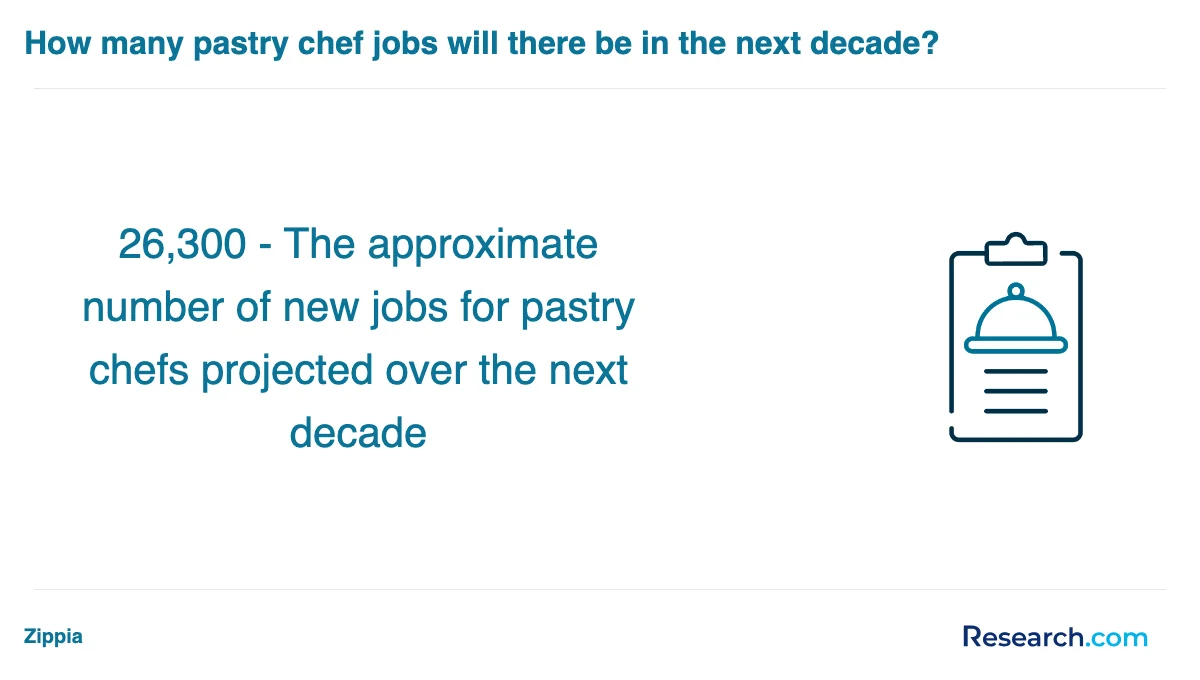
Pastry chef employment opportunities New Jersey-wide mirror the national trend, with healthy growth expected and approximately 189 pastry positions currently available, highlighting both promise and challenge for new entrants.
Best Baking, Pastry & Culinary Schools - Top Baking & Pastry Chef Schools in New Jersey for 2026
# 1 position
Brookdale Community College - Baking and Pastry Arts/Baker/Pastry Chef.
certificate or diplomaBrookdale Community College offers a hybrid Baking and Pastry Arts/Baker/Pastry Chef program designed to prepare individuals for professional roles in commercial baking establishments. The curriculum covers bread and pastry making, decorating, handling, storage, and related industry operations. Annual in-state tuition is $5,921. The program is accredited by the Middle States Commission on Higher Education and includes some distance-education options for flexible learning.
# 2 position
Rowan College at Burlington County - Baking and Pastry Arts/Baker/Pastry Chef.
associateRowan College at Burlington County offers a hybrid Baking and Pastry Arts/Baker/Pastry Chef program designed to prepare students as professional bakers and pastry specialists in commercial settings. The curriculum covers bread and pastry making, handling, storage, decorating, and industry operations including packaging, marketing, and counter service. The program’s annual in-state tuition is $4,968, and it is accredited by the Middle States Commission on Higher Education.
# 3 position
Rowan College at Burlington County - Baking and Pastry Arts/Baker/Pastry Chef.
certificate or diplomaRowan College at Burlington County offers a hybrid Baking and Pastry Arts/Baker/Pastry Chef program designed to prepare students for professional roles in commercial baking. The curriculum covers bread and pastry making, handling, storage, decorating, and baking industry operations, including packaging, marketing, and counter service. The program's annual in-state tuition is $4,968 and is accredited by the Middle States Commission on Higher Education.
# 4 position
Atlantic Cape Community College - Baking and Pastry Arts/Baker/Pastry Chef.
associateThe Baking and Pastry Arts/Baker/Pastry Chef program at Atlantic Cape Community College offers a hybrid format with some distance-education options. The program trains students to become professional bakers and pastry specialists, covering bread and pastry making, handling, storage, decorating, and baking industry operations. Annual in-state tuition is $4,863. Graduates typically earn a median income of $31,639 one year after completion. The program is accredited by the Middle States Commission on Higher Education.
# 5 position
Atlantic Cape Community College - Baking and Pastry Arts/Baker/Pastry Chef.
certificate or diplomaAtlantic Cape Community College offers a hybrid Baking and Pastry Arts/Baker/Pastry Chef program designed to prepare students for professional roles in commercial baking establishments. The curriculum covers bread and pastry making, handling, storage, decorating, baking industry operations, packaging, marketing, and service. Annual in-state tuition is $4,863. Graduates have median earnings of $31,639 one year after completion. The program is accredited by the Middle States Commission on Higher Education.
# 6 position
Bergen Community College - Baking and Pastry Arts/Baker/Pastry Chef.
certificate or diplomaBergen Community College offers a hybrid Baking and Pastry Arts/Baker/Pastry Chef program designed to prepare students for careers as professional bakers and pastry specialists. The curriculum covers bread and pastry making, handling, storage, cake decorating, baking industry operations, packaging, marketing, and service. The program’s annual in-state tuition is $4,757. It is accredited by the Middle States Commission on Higher Education.
# 7 position
Mercer County Community College - Baking and Pastry Arts/Baker/Pastry Chef.
certificate or diplomaMercer County Community College offers a hybrid Baking and Pastry Arts/Baker/Pastry Chef program that prepares students for professional roles in commercial baking establishments. The curriculum covers bread and pastry making, handling, storage, decorating, baking industry operations, product packaging, marketing, and counter service. Annual in-state tuition is $5,082. The program is accredited by the Middle States Commission on Higher Education.
# 8 position
Hudson County Community College - Baking and Pastry Arts/Baker/Pastry Chef.
associateHudson County Community College offers a hybrid Baking and Pastry Arts/Baker/Pastry Chef program that prepares students to work as professional bakers and pastry specialists. The curriculum covers bread and pastry making, handling, storage, decorating, industry operations, packaging, marketing, and service. Annual in-state tuition is $5,020. The program is accredited by the Middle States Commission on Higher Education. Median earnings one year after completion are $26,170.
# 9 position
Eastwick College-Hackensack - Baking and Pastry Arts/Baker/Pastry Chef.
associateEastwick College-Hackensack offers a hybrid Baking and Pastry Arts/Baker/Pastry Chef program that prepares students for careers as professional bakers and pastry specialists. The curriculum covers bread and pastry making, handling and storage, cake and pastry decorating, and baking industry operations. The annual in-state tuition is $16,913. The program is accredited by the Accrediting Commission of Career Schools and Colleges. Median earnings one year after completion are $29,123.
# 10 position
Passaic County Community College - Baking and Pastry Arts/Baker/Pastry Chef.
associatePassaic County Community College offers a hybrid Baking and Pastry Arts/Baker/Pastry Chef program that prepares individuals for careers as professional bakers and pastry specialists in commercial settings. The curriculum covers bread and pastry making, handling, storage, decorating, industry operations, packaging, marketing, and counter service. The annual in-state tuition is $5,580. The program is accredited by the Middle States Commission on Higher Education.
Frequently Asked Questions about baking and pastry
Preparing for the job market after completing a baking and pastry trade school in New Jersey involves several strategic steps. Graduates should focus on gaining practical experience through internships or apprenticeships, which many local bakeries and restaurants offer. According to the New Jersey Department of Labor, the culinary arts sector is expected to grow by 7% through 2030, highlighting steady job opportunities.
Building a strong portfolio showcasing your skills in various baking techniques is essential. Networking within industry groups, such as the New Jersey Restaurant & Hospitality Association, can provide valuable job leads. Additionally, certification from recognized bodies like the American Culinary Federation can enhance your employability.
Employers in New Jersey's baking and pastry industry prioritize a blend of technical skills and practical experience when hiring trade school graduates. Proficiency in dough preparation, cake decorating, and pastry techniques is essential. According to the New Jersey Department of Labor, attention to detail and consistency are critical, as these directly affect product quality and customer satisfaction.
Strong time management and the ability to work in fast-paced environments are highly valued, given the demands of commercial kitchens. Knowledge of food safety regulations, including ServSafe certification, is often required. Additionally, employers appreciate graduates who demonstrate creativity and adaptability, enabling them to meet diverse customer preferences and seasonal trends.
Finding internships in New Jersey related to baking and pastry trade programs involves several key steps. Start by contacting your trade school's career services office, as many institutions maintain partnerships with local bakeries and pastry shops. According to the New Jersey Department of Labor, food service internships have grown by 8% over recent years, highlighting opportunities in this sector.
Networking is essential; attend local culinary events and join professional groups such as the New Jersey Restaurant Association. Online platforms like Handshake and Indeed often list paid internships in the state's hospitality industry. Additionally, some schools offer externship placements directly tied to their curriculum, ensuring relevant hands-on experience.
Obtaining a baking and pastry trade school diploma in New Jersey can significantly enhance career mobility and advancement within the specialized food service industry. Trade schools provide practical skills and certifications recognized by employers, which often lead to higher starting wages compared to entry-level positions without formal training. According to the U.S. Bureau of Labor Statistics, pastry chefs in New Jersey earn a median annual wage above the national average, reflecting strong regional demand.
The diploma also opens opportunities for roles beyond basic baking tasks, such as supervisory or management positions in bakeries, hotels, and restaurants. Graduates frequently benefit from industry connections fostered during their studies, improving job placement rates.
Additionally, New Jersey's hospitality sector growth supports ongoing demand for skilled pastry professionals, making a diploma a valuable asset for long-term career progression.
Part-time job opportunities in New Jersey that complement baking and pastry trade school education include positions such as bakery assistant, pastry prep cook, and café barista. These roles provide hands-on experience with baking techniques and customer service, which are essential for career growth in this field. According to the U.S. Bureau of Labor Statistics, New Jersey's food preparation and serving-related occupations grew by 5% from 2020 to 2023, reflecting increasing demand.
Many students find part-time work in local bakeries, restaurants, or catering companies to apply their classroom knowledge practically. Additionally, farmers' markets and specialty food shops offer seasonal opportunities to develop sales and marketing skills relevant to bakery products.
Yes, there are several reputable baking and pastry degree programs both near you and specifically near New Jersey. Many culinary institutes and universities offer specialized programs that provide hands-on training and academic courses focused on baking and pastry arts. Research.com can be a helpful resource to find programs and universities that meet your specific location and educational needs.
- Best Baking, Pastry & Culinary Schools - Top Baking & Pastry Chef Schools in Pennsylvania for 2026
- Best Baking, Pastry & Culinary Schools - Top Baking & Pastry Chef Schools in New York for 2026
- Best Baking, Pastry & Culinary Schools - Top Baking & Pastry Chef Schools in Maryland for 2026
- Best Baking, Pastry & Culinary Schools - Top Baking & Pastry Chef Schools in Connecticut for 2026
- Best Baking, Pastry & Culinary Schools - Top Baking & Pastry Chef Schools in Virginia for 2026
- Best Baking, Pastry & Culinary Schools - Top Baking & Pastry Chef Schools in Massachusetts for 2026
- Best Baking, Pastry & Culinary Schools - Top Baking & Pastry Chef Schools in West Virginia for 2026
- Best Baking, Pastry & Culinary Schools - Top Baking & Pastry Chef Schools in Kentucky for 2026
- Best Baking, Pastry & Culinary Schools - Top Baking & Pastry Chef Schools in North Carolina for 2026
- Best Baking, Pastry & Culinary Schools - Top Baking & Pastry Chef Schools in South Carolina for 2026
- Client Challenge https://www.mcvsd.org/o/ccs/page/baking-and-pastry-arts
- Baking and Pastry Arts | Bergen Community College https://bergen.edu/baking/
- Bakery and Pastry | Training | My Career NJ https://mycareer.nj.gov/training/50300
- Baking & Pastry | Sussex County Community College https://www.sussex.edu/academics/degrees/baking-pastry/
- Baking and Pastry Proficiency | School of Business, Culinary Arts, and Hospitality Management | Academic Pathways | Programs and Courses | Hudson County Community College https://www.hccc.edu/programs-courses/academic-pathways/business-culinary-hospitality/culinary-arts-baking-certificate.html
- Baking/Pastry Arts - School of Culinary Arts - Camden County Technical Schools https://ccts.org/m/pages/index.jsp
- Academy of Baking & Pastry Arts - Gloucester County Vocational Tech School District https://www.gcit.org/apply-to-gcit/academies/academy-of-baking-pastry-arts
- Baking & Pastry Arts Trade Schools & Programs https://www.best-trade-schools.net/programs/culinary/baking-and-pastry-arts/
- Culinary Arts and Hospitality - Career Tech NJ https://careertechnj.org/programs/culinary-arts-and-hospitality/
- How to Get Your First Professional Job After Culinary School - A Guide for New Grads | Pacific Institute of Culinary Arts https://www.picachef.com/in-the-news/how-to-get-your-first-professional-job-after-culinary-school---a-guide-for-new-grads


