Best Baking, Pastry & Culinary Schools - Top Baking & Pastry Chef Schools in Austin for 2026

Co-Founder and Chief Data Scientist
Choosing the right baking and pastry trade school in Austin can shape your future in the culinary arts. This article introduces a carefully crafted ranking of baking and pastry programs, developed by the Research.com team of data scientists to help you make an informed decision.
Discover programs that match your goals and set you on a path toward a rewarding career. Earning a diploma or certification not only boosts your skills but also opens doors to exciting opportunities in the baking world.
Explore your options with confidence and take the first step toward turning your passion into a profession.
Key benefits of finishing baking and pastry trade school in Austin
- Graduates in Austin can expect competitive salaries, with Pastry Chefs earning around $68,657 annually and Bakers making approximately $34,359, offering a solid return on investment for trade school education.
- Career paths are diverse, ranging from entry-level baker roles to specialized Pastry Chef positions, as shown by many successful graduates from popular Austin trade schools who quickly advance in the industry.
- Completing a baking and pastry trade school online provides flexible learning options and faster entry into the workforce, which many online graduates from Austin schools find helps balance life and career goals effectively.
- Best Baking, Pastry & Culinary Schools - Top Baking & Pastry Chef Schools in Austin for 2026
- What can I expect from baking and pastry trade schools in Austin?
- Where can I work after finishing baking and pastry trade schools in Austin?
What can I expect from baking and pastry trade schools in Austin?
Expect an immersive experience combining both hands-on practice and solid theoretical learning when enrolling in a baking and pastry trade school program in Austin. Graduates from Austin Community College (ACC) often recall the advantage of small class sizes-just 12 students per instructor-allowing for personalized guidance in professional-grade kitchens that simulate real bakery environments.
Students typically engage in practical work through internships or running student-operated eateries like ACC's Eatery 73, which helps build confidence and real-world skills. Escoffier School of Culinary Arts students highlight how hybrid models enable balancing online coursework on topics such as entrepreneurship with in-person labs, fostering flexibility without sacrificing quality training.
Beyond technique, many appreciate exposure to Austin's culinary culture, including farm-to-table sourcing and local food events, which enriches their understanding of the industry. Career support via networking and mentorship is a consistent benefit, preparing students for diverse roles from bakery ownership to pastry chef positions.
Where can I work after finishing baking and pastry trade schools in Austin?
Graduates from baking and pastry trade schools in Austin often find themselves stepping into diverse roles across the city's thriving culinary landscape. Many start as pastry cooks, bakers, or cake decorators in commercial bakeries and local cafes, where hands-on skills learned at schools like Central Texas Baking Academy translate directly into daily tasks. These entry-level positions provide valuable experience and steady income, with some offering benefits such as health insurance and paid holidays at well-known retailers like Central Market.
For those who excel, opportunities quickly expand to supervisory or creative roles such as pastry chef or bakery pastry chef in upscale restaurants and hotels, including venues like the Austin Country Club. Graduates describe the satisfaction of managing pastry production teams and experimenting with recipe development, which builds both confidence and professional reputation.
Beyond traditional kitchens, Austin's food scene supports careers in catering, coffee shops, and specialty donut shops, where creativity in cake decorating or large-scale pastry production can flourish. Many graduates appreciate that their training equips them not only for employment but also for eventual entrepreneurship within the city's vibrant bakery culture.
Graduates of baking and pastry trade schools in Austin often find entry-level positions paying between $16 and $19 per hour, especially in roles like pastry cook or baker. For example, many recent grads from well-known Austin programs share that starting wages around $18.70 per hour feel encouraging as they begin full-time work, translating to roughly $33,000 to $39,500 annually before tips or overtime. This pays off the investment in hands-on training quickly and opens doors in Austin's vibrant culinary scene.
With experience, graduates often move up to lead baker or head pastry chef positions, where salaries can reach a median of about $50,580 per year in Texas. Many alumni emphasize how the skills gained at Austin's top trade schools-where instructors focus on both technique and creativity-prepare them to excel in these higher-paying roles.
Wages vary by employer: luxury hotels and fine dining spots in Austin tend to offer the best pay and benefits, rewarding graduates who bring strong skills and a passion for quality. These real-world outcomes make the local trade school path an appealing and realistic choice for aspiring pastry professionals.
- Austin offers accredited baking and pastry programs through institutions like Austin Community College and the Auguste Escoffier School of Culinary Arts, with options including certificates and associate degrees.
- Tuition at ACC ranges from about $4,580 for a Pastry Arts Certificate to between $6,696 and $6,973 for an Associate of Applied Science in Baking and Pastry for in-district students.
- Class sizes are small, typically around 12 students per instructor, with hands-on training in professional kitchens and opportunities for internships and externships.
- Graduates can pursue careers as pastry chefs, bakery managers, or entrepreneurs, supported by Austin's strong food industry demand.
- Starting salaries for graduates range from $28,000 to $38,000 annually, with median wages near $32,000 in Texas and higher earnings possible with experience.
- Some programs provide transfer options to four-year universities for students aiming to advance into culinary management or entrepreneurship.
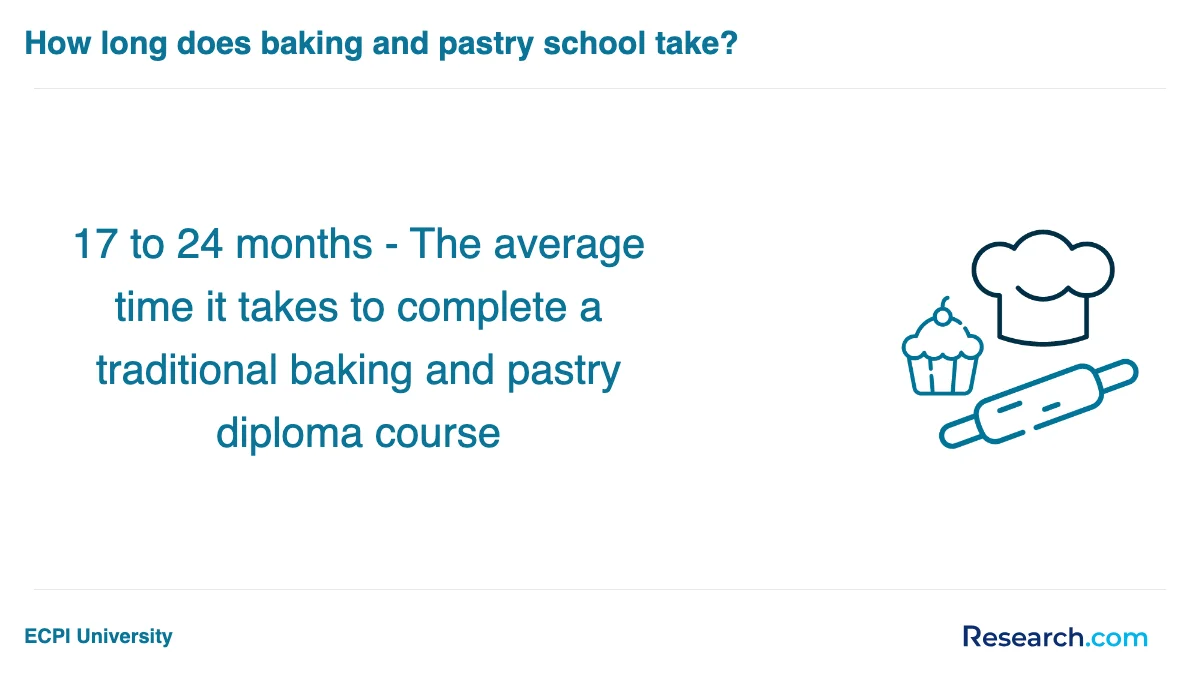
Completing a baking and pastry trade school program in Austin typically takes between six months and one year, depending on the school and the intensity of the curriculum. Graduates from popular Austin trade schools often share how immersive and fast-paced the programs feel, balancing hands-on kitchen work with essential theory. Many find that the condensed timeline pushes them to develop skills quickly, which can be both challenging and exciting.
For example, students in Austin's well-regarded programs describe early mornings filled with kneading dough and late afternoons perfecting delicate pastries, all within a compact schedule. This focused timeframe allows them to enter the workforce sooner, which is appealing for those eager to start their careers.
While the shorter duration requires dedication and stamina, graduates frequently express pride in how quickly they transformed their passion into practical expertise. This compressed experience also fosters a close-knit community, as classmates support each other through the demanding yet rewarding journey.
The key difference between online and on-campus baking and pastry trade school programs in Austin lies in how students engage with their craft. Graduates from on-campus programs often recall the vibrant energy of working side-by-side with chef instructors in fully equipped kitchens, where they could immediately feel the texture of dough and perfect their plating under expert eyes. This immersive environment, found in popular Austin schools, creates a strong sense of community and hands-on learning that many describe as deeply rewarding and motivating.
In contrast, online students appreciate the flexibility to learn at their own pace, balancing work or family commitments while following detailed video lessons from home kitchens. These students share how documenting their baking process through photos and videos fosters a unique self-discipline and pride in personal progress, even without direct in-person mentorship. While they miss the instant feedback of a live kitchen, they value the affordability and adaptability that online programs provide within Austin's culinary education scene.
The average cost of baking and pastry programs in Austin varies significantly depending on the institution and program length. At the Auguste Escoffier School of Culinary Arts in Austin, students pursuing a Diploma in Pastry Arts invest around $22,253 for 30 weeks, which covers tuition, uniforms, and a toolkit. Graduates often reflect positively on this investment, highlighting how the program's hands-on approach and comprehensive curriculum justified the cost, especially when considering long-term career benefits.
For a more extended and in-depth training, the Associate of Applied Science Degree in Pastry Arts at Escoffier Austin costs about $37,745 over 60 weeks, including tuition and additional materials like coursepacks. Many alumni appreciate this option for providing a stronger foundation and more advanced pastry techniques, which can lead to greater job opportunities.
That said, tuition fees for pastry arts schools in Austin are not the only expense; students also need to consider extra costs such as books, supplies (~$1,303), and living expenses, which can raise the total attendance cost to roughly $71,383. Meanwhile, Austin Community College offers a more affordable Pastry Arts Certificate at an estimated $4,579.78 in-district, catering to those seeking fundamental skills with a shorter commitment. Financial aid availability, which benefits 95% of students at Escoffier, can help offset these costs, making programs more accessible.
Prospective students balancing finances and quality often examine how much does an online associate's degree cost as a comparative reference when planning their budgets and educational paths.

Baking and pastry students in Austin often rely on federal student aid as a primary form of financial support. For instance, at the Auguste Escoffier School of Culinary Arts, 89% of students receive a Pell Grant or other scholarships, which can significantly ease the burden of tuition costs. Graduates frequently share how this federal assistance made their culinary dreams feel attainable, reducing stress about finances while focusing on mastering their craft.
Additionally, about 42% of Escoffier students take out federal loans, averaging around $9,632 annually, reflecting a practical choice for many who view loans as an investment in their future careers. Meanwhile, community colleges like Austin Community College offer more affordable programs, with costs for a Pastry Arts Certificate at roughly $4,580, making quality education accessible without heavy debt.
Beyond federal aid, institutional scholarships and merit-based awards provide extra opportunities tailored to baking and pastry students' unique needs, encouraging many to pursue their passions with confidence and support from their schools' financial aid offices.
Enrolling in a baking and pastry trade school program in Austin typically requires meeting a few straightforward prerequisites, designed to ensure you're prepared and ready to thrive in this hands-on, creative field. Most trade schools in Austin expect applicants to have a high school diploma or equivalent, which sets a foundational level of discipline and commitment.
Beyond formal education, many programs value prior exposure to baking, even if informal, as graduates often share how early kitchen experiences helped fuel their passion. For example, a graduate from a well-known Austin trade school recalls starting with weekend baking projects at home, which made adapting to professional techniques smoother and more enjoyable.
Common prerequisites include:
- High school diploma or GED
- Basic math and reading skills for recipe accuracy and safety guidelines
- Physical stamina for long hours standing and handling kitchen equipment
- Passion for baking, often demonstrated through personal projects or a brief interview
Trade schools in Austin may also require immunization records or health screenings due to food safety regulations, reflecting real-world kitchen standards. This practical preparation helps students confidently enter bustling kitchens, ready to create pastries that delight both the eye and palate.

Baking and pastry trade school programs in Austin typically include courses that build essential skills and real-world knowledge. Graduates often reflect on how core classes in food safety and sanitation transformed their approach to kitchen hygiene, pest control, and HACCP compliance, which are crucial in any professional bakery environment.
Students also benefit from baking mathematics courses, mastering recipe conversions, baker's percentages, and cost calculations. These skills enable them to confidently manage ingredient quantities and pricing, ensuring profitability in their future businesses.
- Hands-on baking techniques covering doughs, pastries, custards, breads, and confections
- Cake decoration and patisserie classes teaching European buttercream, fondant, and chocolate modeling
- Business and entrepreneurship training focused on bakery management, marketing, and legal considerations
- Practicums and internships, such as those offered by Austin Community College, providing real service experience in student-run establishments
Graduates often share how these comprehensive courses, combined with practical training, gave them the confidence and skills to thrive in Austin's competitive culinary scene.
In Austin, baking and pastry trade school programs offer diverse specializations tailored to different interests and career goals. Many students choose foundational tracks like the Pastry Arts Diploma Program at Escoffier Austin, where graduates gain hands-on skills in artisan baking, patisserie, and confiserie, preparing them for creative roles in high-end kitchens.
Others prefer the Pastry Arts Certificate at Austin Community College, which blends technical pastry skills with entrepreneurship training. Graduates often find this helps them confidently manage or start their own bakery, navigating the business side as smoothly as the kitchen.
Typical specializations include:
- Technical baking and pastry skill development
- Artisan and creative baking techniques
- Business and entrepreneurship within culinary contexts
- Child- and teen-focused culinary education at places like Confectious Pastry Shop and Cozymeal
Students frequently describe the experience as rewarding and immersive, with many appreciating the balance between practical technique and business knowledge. For those looking into new career opportunities, exploring new job paths for restaurant managers can also open doors beyond traditional baking roles, broadening how culinary skills translate professionally in Austin's vibrant food scene.
Choosing the best baking and pastry schools in Austin means focusing on hands-on training that graduates consistently praise for building confidence in real kitchen environments. Programs at local institutions like Austin Community College balance practical experience with smaller class sizes, allowing students to receive personalized guidance from chefs who actively work in the industry. Many students highlight how externships and student-run restaurants helped them develop both skills and professional networks, which are essential in Austin's competitive culinary scene.
When considering how to compare Austin baking and pastry programs, also evaluate program flexibility. Working adults benefit from hybrid models offering online lectures combined with in-person labs, which eases balancing education with other commitments. Cost is another factor; community colleges often provide more affordable tuition options without sacrificing quality, making them a smart choice for many.
Finally, look for programs connected to the local food community through job placement support and alumni networks. Graduates often mention these connections as pivotal in landing their first roles. If you want to explore accessible options further, check out this easiest online associates degree resource for additional insight.
Graduates of baking and pastry trade school programs in Austin find diverse career paths reflecting the city's robust culinary scene. Common entry-level roles include baker, pastry cook, pastry assistant, and cake decorator-positions that offer hands-on experience and steady income. Many graduates from popular Austin trade schools share stories of landing roles in artisanal bakeries or bustling cafes where creativity meets fast-paced service. These early roles often involve a mix of production skills, plating finesse, and customer interaction, making the work engaging and rewarding.
Beyond entry-level jobs, graduates can pursue specialty career paths such as assistant pastry chef or head pastry chef, especially with advanced training from institutions like Austin Community College. This school notably encourages students interested in entrepreneurship to open their own bakeries or catering businesses, fueling positive career growth in Austin's food industry.
Employment opportunities for baking and pastry graduates also extend to hotels, specialty grocery stores, and event catering companies. The local market offers unique roles like donut decorators and farm-to-table pastry experts, providing variety and innovation in day-to-day work. For those considering supervisory positions or broader culinary management, transfer programs to bachelor's degrees offer a pathway forward.
These opportunities translate into competitive salaries; for example, full-time pastry cooks at Austin Country Club earn around $21.56 per hour, illustrating the city's value for skilled professionals. With over 225 pastry and bakery positions posted recently, Austin clearly favors graduates prepared by well-known trade schools. Those seeking trade school jobs that pay well can find fulfilling and stable careers in this field.
The job market for baking and pastry trade school graduates in Austin is vibrant, reflecting the city's expanding culinary landscape. Approximately 149 open positions cover roles from entry-level bakers to specialized pastry chefs, creating diverse baking and pastry job opportunities in Austin. Graduates from popular local trade schools often highlight how hands-on training and creative skill development positioned them well for these roles. Employers seek candidates with practical experience, strong creativity, and an entrepreneurial spirit, qualities nurtured by Austin's top baking and pastry programs.
Salary prospects are encouraging, especially for those pursuing advanced positions like pastry chefs. These roles offer competitive compensation, with pastry chef salaries in Austin Texas ranging from $65,000 to $70,000 annually, while experienced cake decorators can earn $20 to $25 per hour. Notable employers include Whole Foods Market and Panda Restaurant Group, which provide salaries above national averages. Graduates appreciate how their education opens doors in both traditional bakeries and innovative hospitality venues.
Those considering education options might explore an affordable online baking and pastry certificate program to enhance skills flexibly. Popular baking and pastry schools often integrate real-world scenarios and industry connections, preparing students to thrive in Austin's competitive market.
- Hands-on experience is essential and emphasized in Austin trade schools
- The city's food culture supports diverse bakery roles and career growth
- Graduates find opportunities beyond bakeries, including corporate dining and boutique shops
Best Baking, Pastry & Culinary Schools - Top Baking & Pastry Chef Schools in Austin for 2026
# 1 position
Austin Community College District - Baking and Pastry Arts/Baker/Pastry Chef.
associateAustin Community College District offers a Baking and Pastry Arts/Baker/Pastry Chef program with a hybrid format, allowing some distance education. The annual in-state tuition is $2,550. This program prepares students to work as professional bakers and pastry specialists, covering bread and pastry making, decorating, handling, storage, and industry operations. Graduates have median earnings of $24,391.60 one year after completion. It is accredited by the Southern Association of Colleges and Schools Commission on Colleges.
# 2 position
Auguste Escoffier School of Culinary Arts-Austin - Baking and Pastry Arts/Baker/Pastry Chef.
associateThe Baking and Pastry Arts/Baker/Pastry Chef program at Auguste Escoffier School of Culinary Arts-Austin prepares students for careers as professional bakers and pastry specialists. The hybrid program includes instruction in bread and pastry making, handling, storage, cake and pastry decorating, and baking industry operations. Graduates gain skills in product packaging, marketing, and counter display. The program is accredited by the Council on Occupational Education, with median earnings of $26,613 one year after completion.
# 3 position
Austin Community College District - Baking and Pastry Arts/Baker/Pastry Chef.
certificate or diplomaAustin Community College District offers a hybrid Baking and Pastry Arts/Baker/Pastry Chef program preparing students for careers as professional bakers and pastry specialists. The curriculum covers bread and pastry making, handling, storage, decorating, industry operations, product packaging, marketing, and counter service. Annual in-state tuition is $2,550. Graduates have median earnings of $24,391.60 one year after completion. The program is accredited by the Southern Association of Colleges and Schools Commission on Colleges.
# 4 position
Auguste Escoffier School of Culinary Arts-Austin - Baking and Pastry Arts/Baker/Pastry Chef.
certificate or diplomaThe Baking and Pastry Arts/Baker/Pastry Chef program at Auguste Escoffier School of Culinary Arts-Austin offers hybrid learning options. It prepares students for professional roles in commercial baking, covering bread and pastry making, decorating, storage, and marketing operations. The program is accredited by the Council on Occupational Education. Median earnings for graduates one year after completion are $26,613. This program focuses on practical skills for the baking industry.
Frequently Asked Questions about baking and pastry
After completing a baking and pastry trade program in Austin, preparing for the job market involves several key steps. First, gaining practical experience through internships or apprenticeships is vital; many local bakeries and restaurants value hands-on skills. The Austin job market for bakers is growing, with the U.S. Bureau of Labor Statistics projecting a 7% growth rate for bakers nationwide through 2032, which reflects local demand.
Networking with industry professionals and joining organizations like the American Culinary Federation can open job opportunities. Additionally, creating a strong portfolio showcasing your skills and specialties helps employers assess your talents. Finally, continuing education and certifications in food safety and advanced pastry techniques increase employability.
Employers in Austin's baking and pastry industry prioritize a mix of technical and soft skills in trade school graduates. Key technical abilities include proficiency in dough preparation, cake decoration, and pastry production, reflecting standards set by the American Culinary Federation. Precision and consistency are essential, as Austin bakeries often emphasize artisanal quality and creativity.
Additionally, employers value strong time management and teamwork skills. According to the U.S. Bureau of Labor Statistics, baking roles require efficient multitasking, especially during peak hours. Communication skills are also important for collaborating in fast-paced kitchen environments.
Knowledge of food safety regulations, including local health codes, is a must-have. Graduates familiar with OSHA standards and ServSafe certification gain a competitive edge in Austin's growing food service sector.
Finding internships in Austin related to baking and pastry trade school programs involves a strategic approach. Start by contacting local culinary schools and trade programs, as they often have partnerships with bakeries and restaurants offering internship opportunities. The Austin Chamber of Commerce and local culinary guilds can provide valuable listings and networking events.
Online job platforms like Indeed and Handshake frequently post internships in culinary fields specific to Austin. According to the Texas Workforce Commission, hospitality and food service internships in Austin have grown by 8% in the past two years, signaling increased availability.
Direct outreach to well-known bakeries and pastry shops in Austin can also uncover hidden internship positions. Many businesses prefer candidates who demonstrate initiative by applying directly.
Additionally, attending culinary job fairs and industry expos in Austin can connect students with employers actively seeking interns. Leveraging social media groups focused on Austin's food industry may further enhance internship prospects.
A baking and pastry trade school diploma in Austin significantly enhances career mobility and advancement opportunities. Graduates gain specialized skills that are highly valued in local bakeries, restaurants, and catering businesses. According to the Texas Workforce Commission, Austin's culinary sector has grown by over 10% in recent years, increasing demand for trained pastry professionals.
Possessing a diploma often leads to higher starting wages; the U.S. Bureau of Labor Statistics notes that trained bakers typically earn 15-25% more than those without formal education. Additionally, trade school credentials can open doors to supervisory or specialized roles, such as pastry chef or bakery manager, facilitating upward career progression.
Furthermore, networking opportunities during schooling connect students with Austin's vibrant food industry, supporting job placement and career growth. Overall, the diploma serves as a credible proof of expertise, boosting employability and long-term prospects in the competitive Austin market.
Students enrolled in baking and pastry trade schools in Austin can find valuable part-time job opportunities that enhance their practical skills and industry knowledge. Common roles include bakery assistant, barista, and kitchen prep worker in local cafés and bakeries. According to the U.S. Bureau of Labor Statistics, Austin's food service sector is growing faster than the national average, increasing demand for skilled entry-level workers.
Positions at farmers' markets or specialty food stores also provide hands-on experience with fresh ingredients and customer service. These jobs often offer flexible hours, accommodating class schedules. Moreover, internships or apprenticeships with established pastry chefs in Austin can provide critical mentorship and networking opportunities essential for career advancement.
To choose the best Baking and Pastry degree program near Austin, TX, consider factors such as the program's curriculum, faculty expertise, and industry connections. Research various culinary schools and community colleges that offer specialized programs in this field, as these may provide hands-on training and certifications that are valuable in the culinary industry. Use resources like Research.com to compare programs near me and evaluate which institutions offer the most comprehensive and relevant courses to meet your career goals.
- Best Baking, Pastry & Culinary Schools - Top Baking & Pastry Chef Schools in Houston for 2026
- Best Baking, Pastry & Culinary Schools - Top Baking & Pastry Chef Schools in El Paso for 2026
- Best Baking, Pastry & Culinary Schools - Top Baking & Pastry Chef Schools in Boulder for 2026
- Best Baking, Pastry & Culinary Schools - Top Baking & Pastry Chef Schools in Savannah for 2026
- Best Baking, Pastry & Culinary Schools - Top Baking & Pastry Chef Schools in Orlando for 2026
- Baking and Pastry School: Read This Before You Enroll - CulinaryLab https://culinarylabschool.com/baking-and-pastry-school/
- Baking & Pastry Arts Trade Schools & Programs https://www.best-trade-schools.net/programs/culinary/baking-and-pastry-arts/
- Baking and Pastry Arts Degree | Culinary Institute of America https://www.ciachef.edu/cia-baking-and-pastry-arts-associate-degree-program/
- Why Specialize in Baking and Pastry? - Baker College https://www.baker.edu/about/get-to-know-us/blog/why-specialize-in-baking-and-pastry/
- Baking and Pastry Arts - Public and Consumer Services - New Castle County Vocational Technical School District https://www.nccvotech.com/apps/pages/index.jsp
- Want to Go to Pastry School? - Dessert First https://dessertfirstgirl.com/want-to-go-to-pastry-scho
- Baking and Pastry - Washington Network for Innovative Careers https://wanic.lwsd.org/academics/full-year-courses/baking-and-pastry
- Baking and Pastry Foundations Program H128 | George Brown College https://www.georgebrown.ca/programs/baking-and-pastry-foundations-program-h128
- Baking and Pastry Arts | NAIT https://www.nait.ca/programs/baking-and-pastry-arts
- How to Get a Culinary Internship or Externship - Escoffier https://www.escoffier.edu/blog/culinary-pastry-careers/how-to-get-a-culinary-internship-or-externship/