Best Baking, Pastry & Culinary Schools - Top Baking & Pastry Chef Schools in Maryland for 2026

Co-Founder and Chief Data Scientist
Are you passionate about baking and pastry arts and looking to start a rewarding career in Maryland? This article introduces the best baking and pastry trade schools in the state for 2026, designed to help you find the right program tailored to your goals.
Our ranking, created by the Research.com team of data scientists, provides clear insights into which trade schools offer top-quality education and training. Reading this guide will empower you to make an informed decision and take a confident step toward earning a valuable diploma or certification.
Discover opportunities to develop your skills, unleash creativity, and build a fulfilling future in the culinary world.
Key benefits of finishing baking and pastry trade school in Maryland
- Graduates from baking and pastry trade schools in Maryland can expect an average hourly wage around $24.28, with annual salaries ranging from approximately $50,000 to over $70,000, offering a solid income for skilled professionals.
- Career paths include roles such as Bakery Pastry Chef, pastry specialist, or bakery manager, with many graduates from popular Maryland trade schools quickly finding rewarding jobs in local bakeries and restaurants.
- Completing a baking and pastry program online provides flexibility and convenience, allowing students to balance work and study while gaining practical skills, as seen in successful online program graduates from well-known Maryland schools.
- Best Baking, Pastry & Culinary Schools - Top Baking & Pastry Chef Schools in Maryland for 2026
- What can I expect from baking and pastry trade schools in Maryland?
- Where can I work after finishing baking and pastry trade schools in Maryland?
What can I expect from baking and pastry trade schools in Maryland?
Expect to dive into hands-on kitchen training paired with essential classroom learning when attending a baking and pastry trade school in Maryland. Graduates often describe the excitement of working in commercial kitchens where they master breads, cakes, and specialty desserts, gaining real-world skills that boost confidence. Programs at well-known schools like Anne Arundel Community College emphasize practical experience through student-run cafes, allowing learners to produce baked goods for actual customers while developing speed and precision.
Curricula balance foundational topics such as safety, sanitation, and baking science with advanced skills like cost control and menu planning. Students share how mastering recipe conversions and plating techniques makes their work feel professional and rewarding. Maryland programs also teach business math and use of culinary software, preparing students for management roles beyond the oven.
Faculty with industry experience lead interactive lessons, including group projects and sometimes competitions, fostering teamwork and time management. Graduates often highlight the pride in meeting high standards and the satisfaction of stepping confidently into Maryland's vibrant foodservice sector immediately after completion.
Where can I work after finishing baking and pastry trade schools in Maryland?
Graduates from baking and pastry trade schools in Maryland often find themselves stepping confidently into vibrant roles such as bakers, pastry cooks, cake decorators, or bakery assistants. Many recall starting their careers in bustling Baltimore bakeries or local cafes where the skills honed in classrooms quickly translate to creating delightful pastries that brighten customers' days.
Maryland's food industry offers diverse pathways: some alumni secure positions in well-known restaurants, hotels, or catering companies, especially around urban hubs like Baltimore and the Washington D.C. metro area. Here, formal training from popular trade schools opens doors to both entry-level and management roles, where creativity and expertise are highly valued.
Others find rewarding opportunities in institutional settings such as school cafeterias or healthcare facilities, appreciating the stability and steady hours these jobs provide. A few graduates even transition into teaching roles at community colleges, sharing their passion and experience with the next generation after gaining industry experience.
After finishing a baking and pastry trade school program in Maryland, graduates often find themselves earning an average hourly wage of around $17.36. Many who trained at well-known Maryland trade schools share that starting salaries usually fall between $14.95 and $19.62 per hour, which can comfortably cover living expenses while gaining valuable experience in a bakery or café setting.
Some graduates who specialize as entry-level pastry chefs report earning significantly more, around $24.28 per hour, with potential to reach nearly $39.43 per hour as skills sharpen. Imagine working in a bustling Baltimore bakery, crafting pastries that customers rave about, while steadily growing your paycheck to about $50,500 annually.
Although Maryland ranks lower nationally for baking salaries, many graduates express optimism about future growth. With steady demand and opportunities to advance into higher-paying roles, those who start at these trade schools see their earnings as a launching pad for a rewarding career in the vibrant Maryland food scene.
- Most Maryland baking and pastry programs have open admissions, requiring a high school diploma or GED, and may include placement tests like the ACCUPLACER.
- Curricula cover baking, pastry arts, food safety, cost control, and often include internships or hands-on practicum components.
- Certificate programs typically cost around $3,000, with associate degrees costing more depending on residency and credits; financial aid and scholarships are available.
- Graduates have a high job placement rate, with some programs reporting 100% employment or continued education outcomes.
- Starting salaries for entry-level positions range from $28,000 to $35,000 annually, with experienced professionals earning up to $60,000 per year.
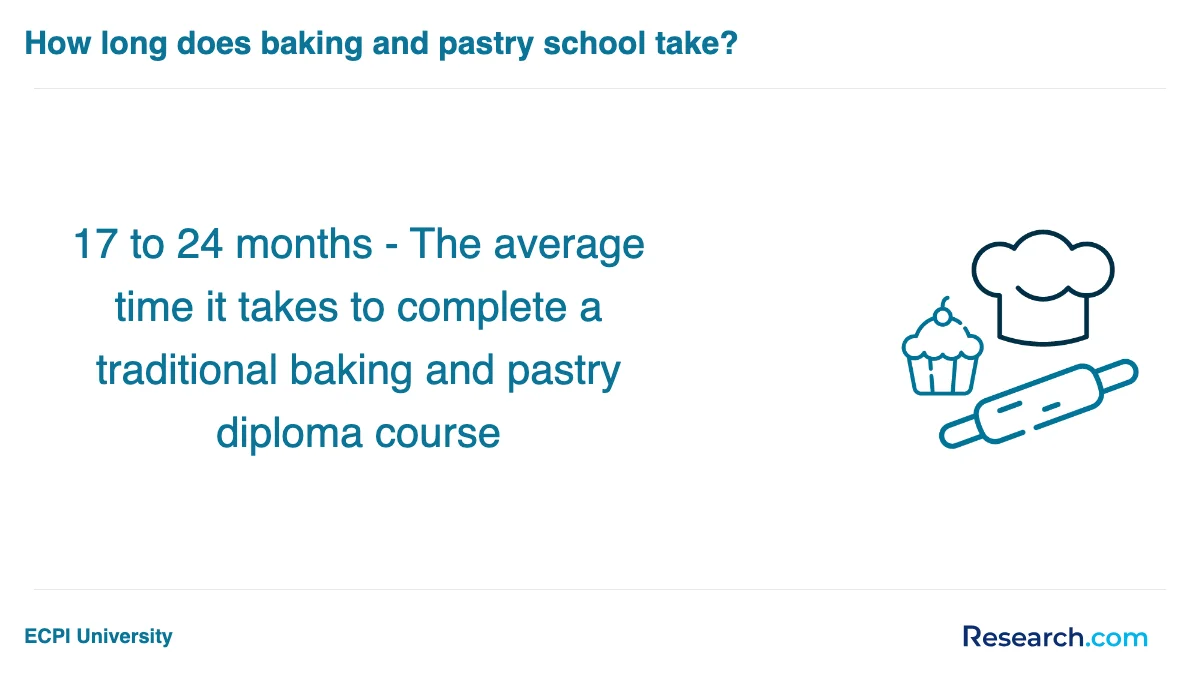
Completing a baking and pastry trade school program in Maryland typically takes between 9 months and 1 year, depending on the specific curriculum and school schedule. Many students at well-known Maryland trade schools find this timeline ideal for quickly gaining the hands-on skills needed to confidently enter the culinary world.
Graduates often share how immersive, fast-paced classes allowed them to experiment with everything from delicate pastries to artisan breads within a short timeframe. This intensive experience creates a sense of accomplishment and readiness, as students balance classroom instruction with real-world bakery practice.
For those attending popular trade schools in Maryland, the compact program length means they can swiftly transition from learning to earning, fueling their passion with practical expertise. The program structure typically includes a blend of foundational techniques and creative projects, helping students build a strong portfolio before graduation.
Imagining yourself mastering chocolate tempering or perfecting puff pastry over several months makes the journey feel tangible and exciting, especially knowing that many before you have thrived on this focused schedule.
Graduates from on-campus baking and pastry programs in Maryland, like those at Howard Community College or Anne Arundel Community College, often recall the energizing atmosphere of working side-by-side with instructors in fully equipped kitchens. They describe the thrill of mastering dough consistency through hands-on practice and receiving immediate feedback while plating delicate desserts. This immersive environment builds confidence and sharpens skills in ways that video tutorials alone can't replicate.
In contrast, online students appreciate the flexibility to study baking theory and food safety on their own schedule, balancing family or work commitments. Some share experiences of coordinating practical assignments at local bakeries, which, while less frequent, still offer valuable real-world exposure. However, many online learners express a longing for the camaraderie and spontaneous mentorship found on-campus, highlighting the unique networking opportunities that Maryland's culinary hubs provide.
Both paths require dedication, but the choice often depends on whether you prioritize direct kitchen experience and personal connections or adaptable learning tailored to your lifestyle.
The average tuition fees for baking and pastry programs in Maryland reveal a broad spectrum depending on the type of institution chosen. Many graduates recall the affordable tuition at community colleges such as Anne Arundel Community College, where the Baking and Pastry Certificate program costs around $4,670 annually. These programs offer an accessible entry point, combining hands-on training with manageable costs that suit local residents. On the other hand, private institutions like L'Academie de Cuisine in Gaithersburg command a significantly higher price, with tuition hovering near $29,775 per year. Despite the cost, graduates reflect positively on the intensive, professional kitchen skills developed there, often viewing the steep investment as a worthwhile step toward mastery in the field.
When contemplating the cost of baking and pastry diploma programs in Maryland, students often consider not just tuition but related expenses such as textbooks, uniforms, and supplies, which can add hundreds of dollars to their financial obligations. One graduate described balancing these expenses while taking advantage of financial aid options available in the state, including federal aid through FAFSA and scholarships offered by institutions and Maryland itself.
Future students envision their journey starting with fundamental programs and potentially advancing to a bachelor's in culinary arts to deepen their expertise. Understanding the average tuition fees for baking and pastry programs in Maryland enables aspiring bakers to plan realistically and embrace the rewarding challenge of turning their passion into a professional career.
Students pursuing baking and pastry programs in Maryland often find financial aid more accessible than expected, making their dreams feel within reach. Graduates from Montgomery County Community College share how completing the FAFSA unlocked federal grants and loans, easing tuition worries and allowing them to focus on mastering pastry techniques. These federal resources include Pell Grants and work-study opportunities that many students rely on to cover basic expenses.
State-specific support also plays a vital role. For example, Maryland's Department of Rehabilitation Services (DORS) offers funding for students with disabilities, with programs like Sunflower Bakery providing hands-on pastry arts training alongside financial assistance. This combination has empowered many to gain skills without overwhelming debt.
Community colleges like Frederick Community College often complement federal and state aid with their own scholarships and flexible payment plans. Graduates frequently highlight how programs such as SOAR helped them earn college credits early, reducing overall costs and speeding up their career paths.
To enroll in a baking and pastry trade school program in Maryland, most schools expect students to have a high school diploma or GED as a basic prerequisite. This foundation ensures you're ready to tackle both the hands-on and theoretical parts of the curriculum.
Many graduates recall how having some prior experience, even if just baking at home or helping in a family kitchen, made the transition smoother. Schools often encourage applicants to demonstrate enthusiasm and a genuine passion for baking through:
- Submitting a brief statement of purpose or passion for the craft
- Providing references or recommendations, sometimes from culinary professionals or instructors
- Completing an interview or skills assessment to showcase basic knowledge and eagerness to learn
Popular Maryland trade schools emphasize readiness over perfection. For instance, graduates describe how being willing to experiment with recipes and ask questions during the program helped them thrive.
Physical stamina and manual dexterity are also valued since baking involves long hours of standing and precise hand movements, which many students find rewarding as they see their skills improve.

Baking and pastry trade school programs in Maryland typically include a blend of foundational and advanced courses designed to build both technical skills and industry knowledge. Graduates often recall starting with core subjects that cover the essentials, such as:
- Baking science fundamentals, including weights, measurements, and ingredient functions
- Classical and modern baking techniques, focusing on breads, pastries, cakes, and chocolates
- Food safety and sanitation standards, often reinforced with certifications like ServSafe
As students progress, they encounter intermediate and specialized classes that bring creativity and precision into the mix. For example, at Montgomery County Community College, courses include advanced baking methods, cake design, and bread and rolls production. Practical internships, like the 240-hour practicum at Frederick Community College, immerse students in real kitchen environments, allowing them to confidently apply their knowledge.
Many graduates describe hands-on labs and group projects as energizing ways to master skills such as knife techniques, product identification, and food marketing strategies, preparing them for the dynamic foodservice industry in Maryland.
Students also appreciate learning about menu and cost control, which helps them understand the business side of baking. Specialized courses in plated desserts and international pastries spark creativity, making the experience both challenging and rewarding.
Baking and pastry trade school programs in Maryland commonly feature a range of baking and pastry specializations in Maryland that prepare students for dynamic culinary careers. Graduates from institutions like Sollers Point Technical High School and Anne Arundel Community College often recall mastering foundational skills such as food production, sanitation, and cost control before moving on to advanced techniques like laminated doughs and holiday baked goods. These schools emphasize hands-on learning that inspires confidence and sparks creativity.
Popular Maryland baking and pastry arts concentrations include:
- Professional baking and pastry arts, focusing on breads, cookies, and plated desserts
- Culinary management, blending kitchen skills with hospitality management
- Event planning and catering, integrating baking with client service
- Specialty certifications like ServSafe and the Certified Junior Culinarian credential
Students often share how these areas helped them shape career paths tailored to working in bakeries, high-end restaurants, or even launching personal businesses.
Many are drawn to flexible education options, including continuing education and personal enrichment classes, for instance in confectionary artistry or wine pairing. Prospects seeking an accessible pathway can explore the easiest associate degree programs available in the state, which allow focused advancement in these sectors with rewarding hands-on experiences.
Choosing from the best baking and pastry programs in Maryland means focusing on accredited schools that combine rigorous hands-on training with expert-led curriculums. Graduates from institutions like Anne Arundel Community College often share how practical classes in breads, cakes, and pastries transformed their confidence and skill set, preparing them to excel in professional kitchens. Flexibility matters too-whether you're balancing work or family, top Maryland baking and pastry schools typically offer evening or weekend classes that fit varied lifestyles.
Strong connections with local bakeries and hospitality businesses can make a huge difference in landing internships and mentorships, which many alumni recall as pivotal to launching their careers. Consider schools near urban centers such as Baltimore for broader job prospects and networking. Tuition affordability can't be overlooked, and programs under $3,500 provide accessible paths without sacrificing quality.
Finally, exploring reviews and speaking with recent graduates can reveal the real student experience. For those seeking easy job certifications that pay well, weighing these factors will help pinpoint a program that fits your ambitions and lifestyle.
Baking and pastry graduates in Maryland find a wealth of career paths fueled by hands-on training and certifications earned at notable trade schools. From entry-level roles like Baker and Pastry Cook to advanced positions such as Pastry Chef or Bakery Manager, graduates often build their expertise through internships and practicum experiences offered by programs like Frederick Community College's Baking and Pastry Arts A.A.S. degree. These immersive opportunities prepare students for thriving in bakeries, hotels, and catering companies while opening doors to bakery management and food service operations.
Many graduates take advantage of Maryland's vibrant culinary scene, pursuing jobs for baking and pastry graduates Maryland that include:
- Producing artisan breads, cakes, and confections in retail bakeries or cafes
- Specializing in cake decorating or chocolate work
- Engaging in hospitality management roles within resorts or private clubs
- Teaching culinary classes or supporting job placement for individuals with learning differences
For those dreaming of entrepreneurship, the skills gained can lead to launching independent bakeries or catering businesses, contributing to the state's dynamic food industry. Maryland's culinary programs, accredited by national organizations, also equip students with competencies recognized among the best paying associate degrees, enhancing the potential for long-term career growth.
The baking and pastry job opportunities in Maryland present a steady but somewhat challenging landscape for recent graduates from local trade schools. Graduates often find roles in bakeries and pastry kitchens across Baltimore and Rockville, where demand remains consistent yet competitive. Entry-level wages average near $17.36 per hour, with many earning between $14.95 and $19.62, yet those advancing to pastry chef positions see significant salary growth, reflecting skills and experience gained during training. Popular trade schools in Maryland emphasize hands-on learning that prepares students well for real kitchen environments, helping many secure positions despite moderate hiring activity statewide.
Students and graduates report positive experiences gaining practical expertise, with opportunities in:
- Independent bakeries
- Cake decorating shops
- Pastry assistant roles in larger chains
Understanding pastry chef salaries and employment trends Maryland shows upward mobility for those who specialize or exhibit leadership. Although the local market ranks 50th nationally for pay, growth possibilities exist.
For prospective students, navigating this field benefits from awareness of broader industry shifts. The hospitality management job outlook highlights steady national demand, encouraging Maryland graduates to build strong foundations and remain adaptable to market fluctuations.
Best Baking, Pastry & Culinary Schools - Top Baking & Pastry Chef Schools in Maryland for 2026
# 1 position
Frederick Community College - Baking and Pastry Arts/Baker/Pastry Chef.
associateFrederick Community College offers a hybrid Baking and Pastry Arts/Baker/Pastry Chef program that prepares students for careers as professional bakers and pastry specialists. The curriculum covers bread and pastry making, handling and storage, cake decorating, and baking industry operations. In-state tuition is $3,772 annually. The program is accredited by the Middle States Commission on Higher Education.
# 2 position
Lincoln College of Technology-Columbia - Baking and Pastry Arts/Baker/Pastry Chef.
certificate or diplomaThe Baking and Pastry Arts/Baker/Pastry Chef program at Lincoln College of Technology-Columbia prepares students for professional roles in baking and pastry specialties. The hybrid program covers bread and pastry making, decorating, storage, and marketing operations. Graduates have median earnings of $24,128 one year after completion. The program is accredited by the Accrediting Commission of Career Schools and Colleges and offers some distance-education options.
# 3 position
Frederick Community College - Baking and Pastry Arts/Baker/Pastry Chef.
certificate or diplomaFrederick Community College offers a hybrid program in Baking and Pastry Arts/Baker/Pastry Chef, preparing students for careers as professional bakers and pastry specialists in commercial settings. The curriculum includes bread and pastry making, handling, decorating, baking industry operations, and product marketing. The annual in-state tuition is $3,772. The program is accredited by the Middle States Commission on Higher Education.
# 4 position
Allegany College of Maryland - Baking and Pastry Arts/Baker/Pastry Chef.
certificate or diplomaThe Baking and Pastry Arts/Baker/Pastry Chef program at Allegany College of Maryland offers a hybrid format with some distance-education options. It prepares students to become professional bakers and pastry specialists, covering bread and pastry making, decorating, handling, storage, and baking industry operations. The program’s annual in-state tuition is $4,730. It is accredited by the Middle States Commission on Higher Education.
Frequently Asked Questions about baking and pastry
After completing a baking and pastry trade school in Maryland, preparing for the job market involves several key steps. First, graduates should build a strong portfolio showcasing their skills and creations, which is crucial when applying to bakeries, restaurants, or catering companies. Networking within Maryland's culinary community can open doors; attending local food events or joining industry groups helps connect with potential employers.
According to the U.S. Bureau of Labor Statistics, Maryland's demand for bakers is expected to grow steadily, making certification and hands-on experience valuable assets. Internships or apprenticeships during or after school enhance practical skills and improve job prospects.
Additionally, staying current with food safety regulations and trends in baking techniques is important to remain competitive in Maryland's evolving market.
Employers in Maryland's baking and pastry industry prioritize a combination of technical skills and practical experience when hiring trade school graduates. Mastery of fundamental baking techniques, such as dough preparation, cake decorating, and pastry production, is essential. According to the U.S. Bureau of Labor Statistics, attention to detail and consistency in product quality remain critical in Maryland bakeries and pastry shops.
Additionally, strong time management and the ability to work efficiently in fast-paced environments are highly valued. Communication skills and teamwork are important, as many baking roles require collaboration in kitchen settings. Familiarity with food safety regulations and sanitation standards, aligned with Maryland health codes, is also necessary to meet employer expectations.
Finding internships in Maryland that align with baking and pastry trade school programs involves a combination of research and networking. Start by exploring local culinary schools' career services, as many maintain partnerships with bakeries and restaurants offering paid or unpaid internships. The Maryland Department of Labor also provides resources and job listings in the food service sector, which can help identify relevant openings.
Additionally, industry events like the Maryland Restaurant Association's annual job fairs are valuable for connecting with employers seeking baking interns. According to the U.S. Bureau of Labor Statistics, Maryland's food preparation jobs are projected to grow by 6% through 2030, indicating increasing internship opportunities.
Engaging with local bakeries directly and using online platforms focused on hospitality internships can also yield results. Remember to prepare a professional resume highlighting your baking skills and coursework to improve your chances.
Obtaining a baking and pastry trade school diploma in Maryland significantly enhances career mobility and advancement opportunities within the local culinary industry. According to the Maryland Higher Education Commission, graduates with specialized diplomas in baking and pastry are 25% more likely to secure supervisory or lead baker roles within two years after completing their program.
Trade schools provide practical skills and industry-recognized certifications that employers in Maryland value highly, especially in competitive markets such as Baltimore and Annapolis. This credential often leads to higher starting wages compared to entry-level positions without formal training, with reported average increases of 15-20% according to labor market data from the U.S. Bureau of Labor Statistics.
Additionally, many baking and pastry programs include internships or externships that offer direct connections to Maryland bakeries and foodservice employers. These experiences improve networking and open pathways to career growth that might otherwise be inaccessible for workers without formal education. Overall, a diploma from a Maryland trade school is a proven asset for advancing within the state's baking and pastry sector.
Maryland offers several part-time job opportunities that complement baking and pastry trade school education. Many students find positions in local bakeries, cafes, and catering companies, where hands-on experience enhances their classroom learning. According to the U.S. Bureau of Labor Statistics, Maryland employs over 3,000 bakers, with a growing demand for skilled workers in the hospitality sector.
Part-time roles such as bakery assistant, pastry prep cook, or cashier in food service establishments provide practical skills and customer service experience. Additionally, farmers' markets and event catering in cities like Baltimore offer flexible work schedules. These jobs help students build professional networks and improve culinary techniques while studying.
To choose the best Baking and Pastry degree program near me, consider the program's curriculum, faculty credentials, and available facilities to ensure they align with your career goals. Near Maryland, several universities and programs offer specialized degrees in Baking and Pastry Arts, providing a strong foundation for future employment in the culinary industry. Research.com can serve as a resource for comparing various local options to make an informed decision.
- Best Baking, Pastry & Culinary Schools - Top Baking & Pastry Chef Schools in Virginia for 2026
- Best Baking, Pastry & Culinary Schools - Top Baking & Pastry Chef Schools in West Virginia for 2026
- Best Baking, Pastry & Culinary Schools - Top Baking & Pastry Chef Schools in Pennsylvania for 2026
- Best Baking, Pastry & Culinary Schools - Top Baking & Pastry Chef Schools in New Jersey for 2026
- Best Baking, Pastry & Culinary Schools - Top Baking & Pastry Chef Schools in New York for 2026
- Best Baking, Pastry & Culinary Schools - Top Baking & Pastry Chef Schools in North Carolina for 2026
- Best Baking, Pastry & Culinary Schools - Top Baking & Pastry Chef Schools in Kentucky for 2026
- Best Baking, Pastry & Culinary Schools - Top Baking & Pastry Chef Schools in Connecticut for 2026
- Best Baking, Pastry & Culinary Schools - Top Baking & Pastry Chef Schools in South Carolina for 2026
- Best Baking, Pastry & Culinary Schools - Top Baking & Pastry Chef Schools in Massachusetts for 2026
- Baking and Pastry Arts - Certificate (Career) | Howard Community College https://www.howardcc.edu/programs-courses/programs/baking-and-pastry-arts---certificate-career/
- Baking and Pastry Arts - Frederick Community College https://www.frederick.edu/programs-tlss/businesshcti/baking-and-pastry-arts.aspx
- Pastry Chef Schools in Maryland - Baking & Pastry Training https://okchef.org/pastry-chef/md/
- Hotel & Culinary - Anne Arundel Community College https://www.aacc.edu/programs-and-courses/credit-and-degree-seekers/hotel-and-culinary/
- Baking & Pastry Arts degree - Montgomery County Community College https://www.mc3.edu/degrees-and-programs/programs/culinary-and-hospitality/baking-and-pastry-degree
- Baking and Pastry Arts - Sollers Point Technical High School https://sollerspoinths.bcps.org/c_t_e_programs/baking_and_pastry_arts___new_
- Baking Essentials One-Year Certificate Program | Allegany College of Maryland https://www.allegany.edu/school-of-hospitality-culinary/baking-essentials.html
- Client Challenge https://www.aacps.org/o/catnorth/page/baking-pastry/
- How to Get a Culinary Internship or Externship - Escoffier https://www.escoffier.edu/blog/culinary-pastry-careers/how-to-get-a-culinary-internship-or-externship/
- Culinary Arts & Cooking Internships Abroad | GoAbroad.com https://www.goabroad.com/intern-abroad/search/culinary-arts-cooking/internships-abroad-1