Best Baking, Pastry & Culinary Schools - Top Baking & Pastry Chef Schools in Connecticut for 2026

Co-Founder and Chief Data Scientist
Choosing the right baking and pastry trade school in Connecticut can shape your future in the culinary arts. This article presents a carefully crafted ranking of baking and pastry trade school programs, developed by the Research.com team of data scientists. It’s designed to help you find the best options that match your goals and interests.
Whether you want a diploma or certification, learning these skills opens doors to exciting careers. Reading this guide will give you confidence in making an informed decision that supports your passion and growth in the baking world.
Key benefits of finishing baking and pastry trade school in Connecticut
- Graduates can expect competitive salaries, with entry-level roles starting around $39,588 annually and opportunities to grow to $71,395 or more as a Pastry Chef in Connecticut.
- Career paths include roles like Assistant Pastry Chef, Bakery Pastry Chef, or specialized positions, offering a variety of opportunities for growth and creativity after graduating from popular Connecticut trade schools.
- Completing a baking and pastry program online provides flexibility and convenience, allowing graduates to balance work and study while gaining practical skills, as experienced by many successful online trade school students in Connecticut.
- Best Baking, Pastry & Culinary Schools - Top Baking & Pastry Chef Schools in Connecticut for 2026
- What can I expect from baking and pastry trade schools in Connecticut?
- Where can I work after finishing baking and pastry trade schools in Connecticut?
What can I expect from baking and pastry trade schools in Connecticut?
Enrolling in a baking and pastry trade school program in Connecticut means diving into hands-on training combined with essential theory. Graduates from popular schools often describe spending hours in commercial-style kitchens mastering the art of breads, cakes, pies, and other pastries. They learn industry-standard techniques like precise measuring, dough handling, and presentation skills that prepare them for real bakery environments.
Many students appreciate the emphasis on food safety, sanitation, and kitchen math, which are crucial for success in professional kitchens. For example, at Connecticut State Norwalk, a typical semester includes weekly evening classes that fit well around work schedules, making it manageable for those balancing life commitments.
Beyond baking skills, students gain insight into the business side of baking, such as small-scale production and retail baking. Graduates often feel confident moving into bakery assistant roles or launching their own ventures, thanks to the practical, career-focused curriculum offered by Connecticut's trade schools.
Where can I work after finishing baking and pastry trade schools in Connecticut?
After completing a baking and pastry trade school program in Connecticut, graduates find a variety of rewarding career paths across the state. Many start working in bakeries, restaurants, hotels, catering companies, cafes, and resorts, where they apply skills learned at well-known local trade schools. Entry-level roles like Apprentice Pastry Chef, Baker, or Line Cook provide hands-on experience and a chance to grow quickly.
Graduates often share excitement about landing jobs as Pastry Cooks, Cake Decorators, or Bakery Associates in vibrant cities like Hartford and New Haven. Some progress to leadership positions such as Pastry Production Manager or Bakery Manager, taking on responsibilities like recipe creation, staff management, and quality control.
Trade school alumni also find opportunities beyond traditional kitchens. Many open their own bakeries or work as independent cake decorators and consultants, turning their passion into thriving businesses. Certification credentials gained during their training boost confidence and credibility, making these career transitions smoother and more fulfilling.
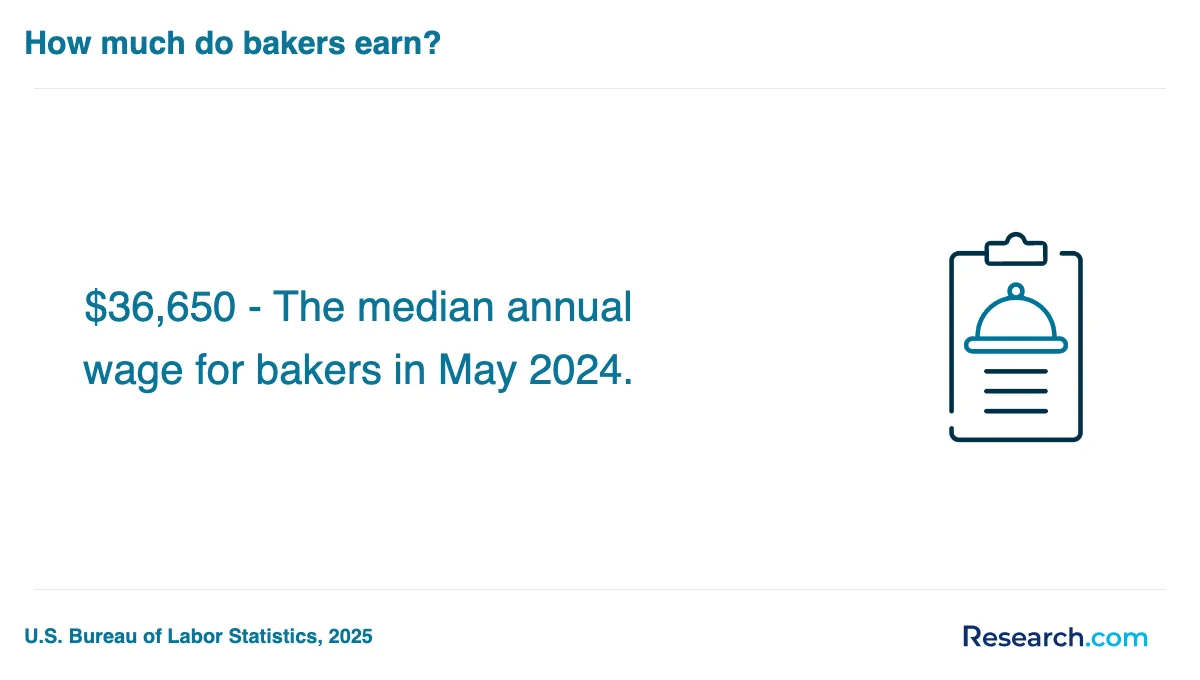
After finishing a baking and pastry trade school program in Connecticut, many graduates find steady entry-level wages starting around $14.17 per hour for bakers, which translates to roughly $29,480 annually when working full time. For example, graduates from well-known Connecticut trade schools often share how landing baker positions at local bakeries gave them a solid financial footing while they honed their skills.
Pastry chefs, especially those who specialize after gaining experience, typically earn more. Many graduates report hourly pay near $23.80, with annual salaries ranging from $36,100 up to $61,800, depending on their workplace and expertise. Some even reach salaries above $70,000 as they progress into head chef roles or join prestigious establishments.
Starting salaries around $33,000 to $34,000 are common for early-career pastry arts graduates in Connecticut, reflecting a promising start after trade school. This range offers a positive outlook for students eager to turn their passion for baking into a rewarding career with room to grow.
- Baking and pastry programs in Connecticut offer certificates requiring 20 to 30 credit hours and associate degrees needing 60 to 65 credit hours.
- Program duration typically lasts one to two years and includes courses on food safety, ingredient identification, and hands-on bakery skills.
- Tuition costs range from about $735 for a single non-credit course to over $20,000 for full certificate or degree programs.
- Entry-level jobs pay between $25,000 and $35,000 per year, while experienced professionals can earn $40,000 to $60,000 or more annually.
- Licensing is not mandatory, but professional certifications from groups like the Retail Bakers of America can improve job prospects.
Completing a baking and pastry trade school program in Connecticut typically takes between 6 months and 1 year, depending on the school's curriculum and whether the student attends full-time or part-time. Many graduates from well-known Connecticut trade schools share that the intensive hands-on training combined with classroom instruction makes the time feel rewarding and well spent.
For example, students at popular local schools often describe their experience as immersive, balancing practical baking techniques with lessons on pastry artistry. This focused timeframe allows learners to quickly build confidence in the kitchen, preparing them for entry-level roles in bakeries or restaurants without a lengthy wait.
Attending a trade school in Connecticut means you can start applying your new skills in real-world settings sooner, which is motivating for those eager to launch their culinary careers. Graduates frequently mention the satisfaction of mastering essential skills like dough preparation and cake decoration within months, making the investment of time feel efficient and purposeful.
The main difference between online and on-campus baking and pastry trade school programs in Connecticut is how and where you learn. Online programs let students study from their own kitchens, fitting classes around busy schedules. Graduates from schools like the Institute of Culinary Education appreciate being able to rewatch recorded tutorials and receive feedback without leaving home. This format works well for those juggling work or family, offering flexibility without sacrificing quality.
In contrast, on-campus programs at local community colleges provide hands-on learning in professional kitchens. Students enjoy real-time guidance from instructors and the chance to collaborate with peers in person. Many graduates find this immersive environment boosts confidence and skill through immediate correction and mentorship.
Both paths require practical experience, often through externships, ensuring real-world readiness. Whether mastering techniques online or practicing in campus kitchens, students at Connecticut trade schools gain skills suited to their lifestyle and goals.
The average tuition fees for baking and pastry programs in Connecticut vary greatly depending on the type of institution. Graduates from Lincoln Technical Institute in Shelton often mention the investment of approximately $25,737 per year for their Professional Baking & Pastry Chef Training Certificate Program, which runs for 16 months. While this might seem steep, many find the hands-on environment and expert instructors invaluable for jump-starting their culinary careers. Additional expenses such as books and supplies, averaging around $690, are part of the overall commitment.
For students seeking more affordable options, community colleges like Manchester Community College offer baking and pastry diploma programs in Connecticut at much lower costs. The average net price for in-state students is about $6,496, making these programs more accessible. Many graduates appreciate the balance between quality instruction and cost-efficiency, especially when factoring in savings on materials and community support.
Beyond tuition, it's wise to plan for extra costs like uniforms, kitchen tools, and textbooks, which can add several hundred dollars to the total. Fortunately, many students benefit from financial aid options. For example, Gateway Community College reports average scholarship and aid awards of $2,198, helping reduce the financial burden significantly. Students who research these opportunities find themselves better prepared to manage costs while enjoying their culinary education.
Considering the cost of baking and pastry diploma programs in Connecticut alongside these factors helps future students realistically plan their education. Many who complete these programs feel proud and confident as they enter the workforce. If you want to understand what jobs can you get with an associate's degree in liberal arts or related fields, check out what jobs can you get with an associate's degree in liberal arts.
Baking and pastry students in Connecticut benefit from a wide range of financial aid options tailored to their needs. Most start by completing the Free Application for Federal Student Aid (FAFSA), unlocking access to federal grants like the Pell Grant, low-interest student loans, and work-study programs. These resources make pursuing a culinary career more affordable and manageable.
State grants and scholarships specifically support Connecticut residents attending local trade schools. For example, many students at Lincoln Tech in Shelton find relief through institutional scholarships that cover tuition and supplies, helping them focus on mastering their craft without overwhelming financial stress.
Beyond school-based aid, national scholarships from organizations such as US Foods also provide valuable opportunities, opening doors for Connecticut baking students to secure extra funding. Graduates often share how these combined supports lowered their financial burden, allowing them to gain confidence and succeed in competitive kitchens.
With a low student loan default rate of about 2.7%, many baking and pastry graduates in Connecticut feel empowered to manage their loans responsibly while building rewarding careers.
To enroll in a baking and pastry trade school program in Connecticut, most schools expect applicants to meet a few straightforward prerequisites that set you up for success. Typically, you need a high school diploma or GED, which assures the school you have foundational skills for the coursework ahead.
Many students find it helpful to have some basic kitchen experience, even if it's just home baking or volunteering at local bakeries. Graduates often mention how this hands-on familiarity made the transition smoother, boosting their confidence during early classes.
Some schools may require or recommend:
- Proof of residency in Connecticut or the surrounding region.
- Basic math and reading proficiency to handle recipe measurements and technical instructions.
- A clear background check if working with food safety is part of the program.
- Immunization records, especially for programs involving internships or externships in commercial kitchens.
For example, at popular Connecticut trade schools, students share how meeting these prerequisites helped them focus on mastering techniques rather than catching up on basics. This approach creates an encouraging environment where passion for baking flourishes alongside practical skills.

Baking and pastry trade schools in Connecticut offer a hands-on curriculum that equips students with essential skills for a thriving career. Graduates from popular programs like CT State Norwalk often highlight the impact of foundational courses such as Principles of Baking, where they master techniques for breads, pies, cakes, and cookies through practical lab work that mirrors real commercial kitchens.
Core courses typically include:
- Principles of Baking: Focus on ingredient knowledge, mixing methods, and scaling recipes, blending science with creativity.
- Sanitation and Safety: Teaches critical hygiene standards and food handling practices to ensure compliance with industry regulations.
- Icing Artistry: Develops skills in cake decoration and advanced design, perfect for those aiming at custom pastry work.
- Artisan Techniques: Covers specialty items like French pastries, laminated doughs, and chocolate creations, often paired with internships for real-world experience.
- Culinary Math and Kitchen Essentials: Builds confidence in recipe conversions and inventory management, crucial for smooth kitchen operations.
Students appreciate how these courses create a confident, ready-to-work mindset, blending creativity with professional standards right in Connecticut's leading trade schools.
Baking and pastry trade school programs in Connecticut offer a variety of specializations designed to develop hands-on skills and culinary creativity. Students in these programs often focus on areas such as working with sugar, chocolate, artisan breads, pastries, and cakes. Graduates from popular Connecticut baking schools report gaining expertise in centerpiece creations made from chocolate, truffles, and candy, along with mastering viennoiserie and candy-making techniques.
Many of these specializations are embedded within broader Connecticut baking and pastry programs that also emphasize culinary and food service management. For example, students at well-known trade schools like Lincoln Culinary Institute and those within the Connecticut Technical Education and Career System experience practical training that prepares them for diverse roles in restaurants, hotels, and catering.
The opportunity to earn certifications such as ServSafe and Allergen Certification adds significant value to these programs, helping students stand out in the competitive food industry. For those seeking flexible and efficient learning paths, exploring high paying accelerated online associates degrees may complement their in-person training effectively.
Choosing the best baking and pastry trade school program in Connecticut starts with evaluating hands-on learning opportunities. Graduates from well-known local colleges often praise the real-world kitchen experience they gained, which boosted their confidence and creativity in baking. Look for programs that emphasize practical classes alongside theory, as this balance is crucial for mastering skills that employers value.
Consider the school's connections to Connecticut's food industry. Many successful students highlight the value of internships and networking events arranged by schools, which open doors to jobs in popular bakeries and restaurants around the state. This type of support can make a tangible difference when launching your career.
Cost is another important factor. Comparing tuition and financial aid options helps you find a program that fits your budget without sacrificing quality. For a detailed guide on costs and options, explore the cheapest baking and pastry arts online programs, which can be a smart alternative if you want flexibility and affordability.
Graduates of baking and pastry trade schools in Connecticut often begin their careers as bakers, pastry cooks, cake decorators, or pastry assistants. Many find opportunities in well-known local trade schools' partner bakeries and restaurants across cities like New Haven and Stamford. These roles provide hands-on experience and an exciting introduction to the vibrant food industry within the state.
More advanced positions such as pastry chef, assistant pastry chef, and pastry production manager are common career goals for those looking to grow. Graduates frequently share how programs in Connecticut prepare them to manage kitchen teams and develop creative recipes, essential for succeeding in these roles. Specializations like cookie decorator or froster offer creative outlets that many trade school alumni enjoy.
For those pursuing long-term success, the market for baking and pastry career opportunities in Connecticut also includes research and development pastry chefs, chocolatiers, and bakery owners. Experience combined with certifications can open these doors. Connecticut trade school graduates often leverage easy certification high paying jobs to enhance their credentials and job prospects.
Connecticut offers promising baking and pastry job opportunities in Connecticut for graduates from its trade schools, with a low 3.0% unemployment rate boosting demand in food service and hospitality sectors. Graduates report finding roles in bakeries, restaurants, catering companies, and grocery stores, from entry-level bakery associates to pastry sous chefs and production managers. Popular local trade schools provide hands-on learning that equips students with the skills employers want, making job transitions smoother and confidence higher.
Typical positions include:
- Pastry cook
- Baker
- Cake decorator
- Pastry chef
Graduates often comment on the variety of opportunities statewide and praise the ability to advance quickly in their careers due to strong local demand. Many find that earning a certificate or associate degree distinctly improves their competitiveness.
The pastry chef salary in Connecticut typically exceeds the national median thanks to higher living costs and skill demand, providing a stable income outlook that motivates many students to pursue a culinary career.
For those interested in further building skills applicable to Connecticut's robust hospitality sector, exploring programs in hospitality and restaurant management school can add valuable qualifications that complement baking and pastry training.
Best Baking, Pastry & Culinary Schools - Top Baking & Pastry Chef Schools in Connecticut for 2026
# 1 position
Lincoln Technical Institute-Shelton - Baking and Pastry Arts/Baker/Pastry Chef.
certificate or diplomaLincoln Technical Institute-Shelton offers a hybrid Baking and Pastry Arts program that prepares students to become professional bakers and pastry specialists in commercial settings. The curriculum covers bread and pastry making, handling, storage, decorating, and industry operations including packaging and marketing. Graduates have median earnings of $24,128 one year after completion. The program is accredited by the Accrediting Commission of Career Schools and Colleges.
# 2 position
Connecticut State Community College - Baking and Pastry Arts/Baker/Pastry Chef.
certificate or diplomaThe Baking and Pastry Arts/Baker/Pastry Chef program at Connecticut State Community College is an on-campus program preparing students for professional roles in baking and pastry. It covers bread and pastry making, handling, storage, decorating, and baking industry operations, including product packaging and marketing. The annual in-state tuition is $5,092. The program is accredited by the New England Commission on Higher Education.
Frequently Asked Questions about baking and pastry
After completing a baking and pastry trade school in Connecticut, preparing for the job market involves several key steps. First, gaining practical experience through internships or externships is vital, as many Connecticut employers value hands-on skills. The Connecticut Department of Labor reports steady growth in culinary jobs, with pastry chefs earning a median wage of around $30,000 annually. Networking within local culinary associations, such as the Connecticut Chefs Association, can open job opportunities. Additionally, obtaining food safety certifications like ServSafe enhances employability. Building a professional portfolio showcasing your baked goods and pastry creations also helps demonstrate your skills to potential employers.
Employers in Connecticut's baking and pastry industry prioritize a combination of technical skills and workplace abilities in trade school graduates. Proficiency in dough preparation, cake decorating, and pastry techniques is essential. According to the U.S. Bureau of Labor Statistics and Connecticut Department of Labor, hands-on experience with commercial baking equipment significantly improves job prospects.
Attention to detail and consistency are highly valued, as these traits ensure product quality and customer satisfaction. Additionally, skills in food safety and sanitation are mandatory, reflecting state health regulations.
Strong time management and teamwork abilities are also critical since many bakeries operate under tight schedules and collaborative environments.
Finding internships in Connecticut related to baking and pastry trade school programs involves a strategic approach. Start by contacting your school's career services department, as many trade schools maintain partnerships with local bakeries and restaurants. These connections often lead to exclusive internship opportunities.
The Connecticut Department of Labor regularly posts openings in culinary fields, including baking and pastry internships. According to their 2023 data, there was a 12% increase in hospitality internships statewide, indicating growing opportunities.
Networking is also vital. Joining local culinary associations or attending food industry events in cities like Hartford or New Haven can connect students with potential employers.
Lastly, consider reaching out directly to well-known Connecticut establishments such as Gaylord's Bakery or Claire's Corner Copia, which have histories of hosting interns.
In Connecticut, earning a diploma from a baking and pastry trade school significantly enhances career mobility and advancement opportunities. According to the U.S. Bureau of Labor Statistics, culinary occupations in Connecticut are projected to grow by 5% between 2022 and 2032, reflecting steady demand for skilled professionals.
Graduates with diplomas gain practical skills and industry certifications that local employers highly value, often leading to higher starting wages compared to those without formal training. Trade schools also provide networking connections with regional bakeries and restaurants, which can accelerate job placement.
Moreover, many diploma holders advance into supervisory or specialized pastry positions faster, benefiting from recognized credentials that demonstrate their expertise. This credential helps in meeting state health and safety requirements, a prerequisite for career growth in Connecticut's food industry.
Part-time job opportunities in Connecticut that complement baking and pastry trade school education are diverse and practical. Many students find work in local bakeries, cafes, and restaurants where hands-on experience with dough preparation, decorating, and customer service enhances their classroom learning.
The Connecticut Department of Labor reports that food preparation and serving-related occupations are projected to grow by about 5% through 2030, reflecting steady demand in this sector.
Positions such as bakery assistant, pastry helper, or kitchen aide provide valuable insight into commercial baking environments. Additionally, retail roles in specialty food stores or farmers markets offer exposure to customer preferences and product presentation.
These jobs offer flexible hours, an important factor for students balancing education and work.
To choose the best Baking and Pastry degree program near me in Connecticut, begin by researching available programs at universities and culinary schools, considering factors such as curriculum, faculty experience, and facilities. Many renowned programs near Connecticut emphasize hands-on training and industry connections, both crucial for gaining practical skills and job opportunities after graduation. Consulting platforms like Research.com can offer comparative insights and guide you in selecting a program that aligns with your culinary aspirations and geographical preferences.
- Best Baking, Pastry & Culinary Schools - Top Baking & Pastry Chef Schools in New York for 2026
- Best Baking, Pastry & Culinary Schools - Top Baking & Pastry Chef Schools in Massachusetts for 2026
- Best Baking, Pastry & Culinary Schools - Top Baking & Pastry Chef Schools in New Jersey for 2026
- Best Baking, Pastry & Culinary Schools - Top Baking & Pastry Chef Schools in Pennsylvania for 2026
- Best Baking, Pastry & Culinary Schools - Top Baking & Pastry Chef Schools in Maryland for 2026
- Best Baking, Pastry & Culinary Schools - Top Baking & Pastry Chef Schools in Virginia for 2026
- Best Baking, Pastry & Culinary Schools - Top Baking & Pastry Chef Schools in West Virginia for 2026
- Best Baking, Pastry & Culinary Schools - Top Baking & Pastry Chef Schools in Kentucky for 2026
- Best Baking, Pastry & Culinary Schools - Top Baking & Pastry Chef Schools in North Carolina for 2026
- Best Baking, Pastry & Culinary Schools - Top Baking & Pastry Chef Schools in South Carolina for 2026
- Baking and Pastry Certificate Program | Blue Ridge CTC - Apply Now! https://www.blueridgectc.edu/academic-programs/certificate-programs/culinary/baking-and-pastry/
- Professional Baking and Pastry Arts | Vancouver Island University | Canada https://tradesappliedtech.viu.ca/baking
- Professional Baking and Pastry : RRC Polytech: Program Explorer https://www.rrc.ca/explore/program/professional-baking-and-pastry/
- Baking and Pastry Arts Degree | Culinary Institute of America https://www.ciachef.edu/cia-baking-and-pastry-arts-associate-degree-program/
- Baking and Pastry Arts Program | College of DuPage https://www.cod.edu/academics/programs/culinary/baking-pastry-arts/
- Baking & Pastry Arts - Lively Technical College https://www.livelytech.com/programs/baking-pastry-arts/
- Baking & Pastry Specialist - Technical Diploma | Chippewa Valley Technical College https://www.cvtc.edu/academics/programs/baking-and-pastry-specialist
- Baking and Pastry https://uaptc.edu/baking
- Baking & Pastry Arts Certificate | McFatter Techical College https://www.mcfattertechnicalcollege.edu/baking-and-pastry-arts/
- Baking and Pastry School: Read This Before You Enroll - CulinaryLab https://culinarylabschool.com/baking-and-pastry-school/