Best Baking, Pastry & Culinary Schools - Top Baking & Pastry Chef Schools in South Carolina for 2026

Co-Founder and Chief Data Scientist
Are you passionate about baking and eager to turn that passion into a rewarding career? Choosing the right trade school is key to mastering the skills needed for success in the baking and pastry industry.
This article features a baking and pastry trade school programs ranking created by the Research.com team of data scientists. It’s designed to help South Carolina students make informed decisions about which programs truly stand out.
By exploring these options, you’ll discover valuable opportunities to earn a diploma or certification that can open doors to exciting careers. Your baking journey starts here!
Key benefits of finishing baking and pastry trade school in South Carolina
- Graduates can expect competitive salaries, with pastry chefs earning around $64,962 annually in South Carolina, and bakery owners making even more, averaging $71,690 per year.
- Career paths include roles like pastry cook, pastry chef, or bakery owner, offering opportunities to grow skills and increase earnings, as seen with many successful trade school alumni in the state.
- Completing a baking and pastry program online provides flexibility and convenience, allowing graduates to balance work and study while gaining practical skills just like traditional students, as reported by recent online program graduates.
- Best Baking, Pastry & Culinary Schools - Top Baking & Pastry Chef Schools in South Carolina for 2026
- What can I expect from baking and pastry trade schools in South Carolina?
- Where can I work after finishing baking and pastry trade schools in South Carolina?
What can I expect from baking and pastry trade schools in South Carolina?
When you enroll in a baking and pastry trade school program in South Carolina, expect a hands-on learning experience that feels just like working in a real bakery. Graduates from popular schools, like the Technical College of the Lowcountry, often share how they quickly got comfortable with bread making, cake decorating, and even packaging products for display-all within just two semesters.
You'll spend plenty of time in professional kitchens and baking labs, similar to the state-of-the-art facilities at the Culinary Institute of the South in Bluffton, where students prepare food for actual customers in a teaching restaurant. It's a perfect way to gain confidence and real-world skills.
Aside from the practical baking skills, expect to learn about food safety, menu planning, and cost control-important stuff that helps you thrive in commercial kitchens or resorts. Many students also find internships in local restaurants or hotels, which is a great way to build connections and get a foot in the door after graduation.
Where can I work after finishing baking and pastry trade schools in South Carolina?
After finishing a baking and pastry trade school program in South Carolina, you'll find a solid variety of job options waiting for you. Many graduates jump right into roles like baker, pastry cook, or cake decorator at places like commercial bakeries, restaurants, and cafés. For example, graduates from popular schools often share how they landed jobs decorating cakes in busy Charleston bakeries or working early shifts in grocery store bakeries around Columbia.
Some grads find themselves working in hotels or resorts, where pastry chefs are highly sought after-especially in bigger cities. It's common to start as a baker's assistant, then move up to lead baker or even executive pastry chef with experience. Others get excited about starting their own pastry businesses, using the skills they learned in trade school to create unique treats that stand out locally.
With about 300 bakery-related jobs statewide and dozens of openings for pastry pros, South Carolina's food scene is buzzing with opportunities that match your passion and training.
After finishing a baking and pastry trade school program in South Carolina, many graduates find themselves stepping into roles like bakers or pastry cooks, where starting pay is usually around $24,000 a year. For example, grads from popular schools in Charleston or Columbia often share how exciting it is to finally earn $11.55 an hour while honing their skills in local bakeries or hotel kitchens.
Some report that working in cities like Spartanburg can boost earnings, with median salaries hitting nearly $29,000, while others in Florence might start closer to $20,200. It's pretty common to see pay between $8.60 and $17.48 hourly, which feels rewarding when you're passionate about crafting delicious pastries every day.
As experience grows, many alumni move up to pastry chef or supervisory roles, where salaries jump into the $38,000 to $59,000 range. A few even transition to teaching culinary arts, earning around $61,700 annually after gaining some real-world experience. Overall, these programs open doors to steady, satisfying careers with plenty of room to grow.
- Applicants usually need a high school diploma or GED and may have to take standardized tests like the SAT or ACT.
- Programs include certificates of about 22 credit hours, which can be completed in two semesters, and associate degrees requiring around 70 credit hours over two years.
- Tuition for associate degrees is about $222 per credit, totaling roughly $15,540 before fees, with financial aid options such as South Carolina Lottery Tuition Assistance available.
- Graduates qualify for entry-level jobs in bakeries, restaurants, hotels, and catering, with starting salaries typically between $25,000 and $35,000 annually.
- Experienced bakers and pastry chefs in South Carolina can earn over $40,000, especially in specialized or supervisory roles.
In South Carolina, completing a baking and pastry trade school program usually takes about 9 to 12 months. Many students at popular trade schools like those in Charleston or Columbia find this timeframe just right to fully dive into both the hands-on skills and the essential theory behind baking. Graduates often share how rewarding it feels to start with basic doughs and end up confidently creating elaborate pastries in less than a year.
One graduate described the experience as intense but exciting, with every day bringing a new recipe or technique to master. The programs are designed to be immersive, so you get plenty of time working in actual kitchens, which makes the learning process feel real and practical.
For those balancing work or family, some trade schools offer flexible scheduling or part-time options, stretching the program a bit longer but still keeping things manageable. Overall, most students feel energized by the steady pace that lets them grow their skills quickly without feeling overwhelmed.
The main difference between online and on-campus baking and pastry trade school programs in South Carolina comes down to how and where you learn. On-campus students at places like Greenville Technical College or Trident Technical College get hands-on experience in professional kitchens and baking labs, using real commercial equipment every day. They love the buzz of working alongside instructors who give instant feedback and classmates who share the same passion. It's a very social, immersive experience that feels like stepping right into the industry.
Online students, such as those enrolled in the Institute of Culinary Education's remote program, study theory and techniques from home, fitting classes around their busy lives. They appreciate the flexibility to learn on their own schedule but still need to complete an externship locally to gain real-world experience. Graduates often say it takes extra self-motivation but offers a great way to balance family or work while pursuing their baking dreams.
In short, on-campus programs offer direct supervision and daily hands-on practice, while online options provide flexibility and remote learning with a focus on independent effort.
The average cost of baking and pastry programs in South Carolina varies quite a bit depending on the school and program type, but you can generally expect tuition fees anywhere from around $4,000 to $15,000 a year. For example, graduates from Technical College of the Lowcountry often mention that although the tuition is around $14,338 for their Baking & Pastry Arts Associate in Applied Science, financial aid options like the South Carolina Lottery Tuition Assistance helped make it much more affordable. Meanwhile, students at Sandhills Community College find costs to be quite manageable, paying about $5,320 for in-state tuition, though additional fees for textbooks and supplies add up.
Many graduates from Horry-Georgetown Technical College and Trident Technical College share that their baking and pastry trade school tuition fees in South Carolina are pretty reasonable, with certificates costing roughly $4,000 to $5,000, plus materials. These programs often attract students who want to jump quickly into the workforce while minimizing debt. Knowing the average cost helps set the right expectations, especially when factoring in prices for study materials, uniforms, and other necessary supplies.
For those wondering about balancing budget and career goals, there are plenty of scholarships and work-study opportunities to explore. Considering these cost factors can make all the difference in pursuing your passion for baking without breaking the bank. If you're looking for some inspiration or alternative career ideas after completing a baking program, checking out high paying jobs easy certification might spark some exciting possibilities.

If you're diving into baking and pastry programs in South Carolina, you'll find plenty of financial aid options to help ease the cost. Most students start by filling out the FAFSA to qualify for federal aid like Pell Grants, which don't have to be paid back-making those early semesters feel a lot less stressful. At schools like the Culinary Institute of the South or Horry-Georgetown Technical College, many graduates share how federal aid covered a big chunk of their tuition, leaving them more room to focus on perfecting their craft.
South Carolina also offers the SC Lottery Tuition Assistance Program, which is a real game-changer. It's available to technical college students enrolled at least half-time and keeps tuition costs low without requiring financial need. Imagine attending your baking classes with that peace of mind! Just keep your GPA above 2.0 after 24 credit hours to stay eligible.
Some students also benefit from the LIFE Scholarship, though you can't combine it with the lottery aid. Plus, many schools and organizations offer culinary scholarships that can further lighten your financial load, so it's always worth asking your school's financial aid office what's available.
To enroll in a baking and pastry trade school program in South Carolina, you don't need a mountain of prerequisites, which is great news if you're eager to start whisking and baking right away. Most trade schools here look for a high school diploma or GED as the basic entry ticket. Some programs might ask for a simple application form and a brief interview, just to get to know your passion for baking.
Graduates from popular South Carolina schools often mention that having a genuine love for baking and a willingness to learn is what really counts. A few helpful prerequisites you might want to consider before applying include:
- Basic math skills for measuring ingredients accurately
- Good physical stamina, since baking involves being on your feet for long hours
- Some kitchen experience or a hobbyist background in baking can give you a confident head start
One graduate shared how their weekend baking experiments at home made the transition to professional training smoother and a lot more enjoyable. Trade schools like these encourage a hands-on approach, so having that initial spark and some prep time in your own kitchen can really boost your confidence.
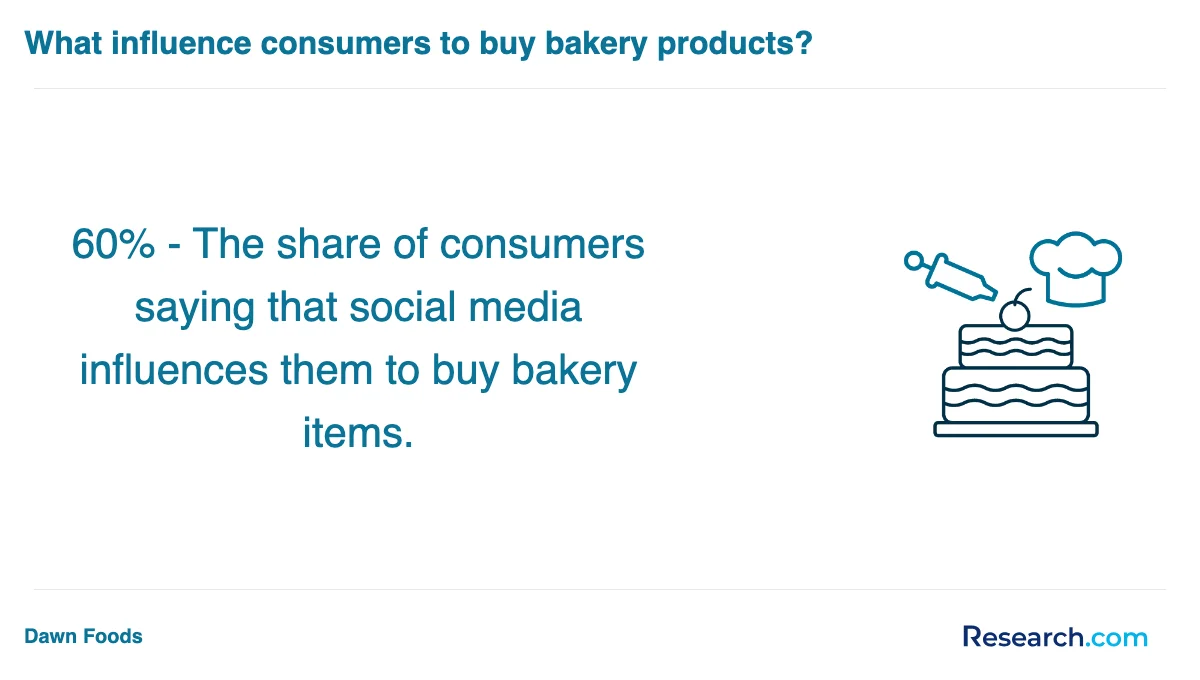
If you're diving into baking and pastry programs in South Carolina, expect a mix of hands-on and classroom time that really prepares you for the kitchen. Schools like Trident Technical College and Greenville Technical College focus on teaching you everything from the basics of bread and pastry making to the art of cake decorating. Graduates often share how exciting it is to master creating wedding cakes or perfecting flaky croissants through their laminated dough classes.
Here's a quick snapshot of what you'll typically study:
- Bread and pastry making, including handling and storing baked goods safely
- Cake and pastry decorating techniques, ideal for those eager to impress with stunning designs
- Specialty classes like chocolate tempering and sugar sculpture to add a wow factor
- Frozen desserts and fruit preserves, covering jams, jellies, and tarts
- Business skills such as menu planning, inventory control, and marketing to run or support a bakery
Many students at the Technical College of the Lowcountry mention how externships helped them gain confidence by working in real bakeries across South Carolina, making the learning curve smoother and more fun.
Baking and pastry trade school programs in South Carolina offer some really exciting specializations that students love. Graduates often highlight hands-on courses in bread and pastry making, cake and pastry decorating, and baking industry operations as key highlights. For example, students at the Technical College of the Lowcountry dive deep into these areas through their Associate in Applied Science degree, mastering skills that set them up for success in bakeries or restaurants.
Other popular programs, like those at Sandhills Community College, offer specialized classes such as Artisan & Specialty Bread, Hot and Cold Desserts, and European Cakes and Tortes. These specializations give students the confidence to experiment creatively while learning traditional techniques.
Many students enjoy learning practical knowledge that fits a real kitchen or bakery setting, focusing on skills that employers value across different environments. If you're wondering about the kinds of courses you'll take or how to plan your studies, checking out the culinary arts course requirements can be super helpful.
- Bread and pastry making
- Cake and pastry decorating
- Baking industry operations
- Artisan and specialty breads
- Hot and cold desserts
- European cakes and tortes
Choosing from the best baking and pastry programs in South Carolina means focusing on what really matters-like hands-on experience and a curriculum that sparks your passion. Graduates from top-rated pastry schools in South Carolina often mention how programs at places like Horry-Georgetown Technical College gave them practical skills alongside business know-how, making the transition into the culinary world smooth and exciting.
Look for schools with strong accreditation, such as those recognized by the American Culinary Federation. This ensures you're learning in a kitchen that mirrors real industry environments. Many students rave about the modern facilities at Greenville Technical College, which boost both confidence and skill level through immersive training.
Location can also affect your journey-being close to food hubs like Charleston or Myrtle Beach means more chances for internships and jobs after graduation. Don't forget to explore financial aid options to ease the investment. And once you're done, think about what jobs you can get with an associate's in liberal arts as a flexible backup or complement to your culinary career: what jobs can you get with an associate's in liberal arts.

Graduates from baking and pastry trade school programs in South Carolina often find a variety of rewarding career paths waiting for them. From hands-on roles like baker, pastry cook, or apprentice pastry chef to leadership positions such as executive pastry chef or bakery manager, the options are diverse and exciting. Many graduates from well-known trade schools land jobs in bustling restaurants, charming local bakeries, or even catering companies, gaining valuable experience that helps them grow professionally.
Here's what some baking and pastry career opportunities in South Carolina look like:
- Starting as a bakery assistant or line cook to develop key skills
- Advancing to specialize in cake decorating or pastry artistry
- Taking on supervisory roles like bakery manager
- Pursuing certifications such as Certified Pastry Culinarian for extra credentials
Pastry chef jobs in South Carolina can also lead to unique ventures, like opening your own bakery or exploring food entrepreneurship. Many graduates find rewarding full-time positions, for example at Winthrop University, earning competitive wages. For those interested in combining their culinary passion with business smarts, looking into a restaurant management degree online can open even more doors in the hospitality world.
The job market for baking and pastry trade school graduates in South Carolina is buzzing with opportunities. Graduates from popular trade schools find plenty of openings in bakeries, restaurants, and hotels across the state. Many start in entry-level roles like bakers or pastry cooks and quickly move up as they gain experience and certifications. For example, graduates often share how their hands-on training helped them land positions decorating cakes or managing kitchen stations.
When looking at pastry chef employment trends South Carolina shows strong demand, especially in cities like Greenville, where creativity and skill in recipe development are highly valued. Employers appreciate candidates with formal education and food safety certification, opening doors to higher-paying roles.
Some key points that graduates notice:
- Over 300 baking jobs in South Carolina are available, including specialized tasks
- Pastry chef jobs require creativity and management skills
- Certification like Certified Pastry Culinarian adds a competitive edge
If you want to explore options for getting your credentials, consider quick associate degrees online that pay well to jumpstart your career path in this exciting field. The steady demand and diverse roles make baking jobs in South Carolina a promising choice for trade school grads ready to turn their passion into a rewarding career.
Best Baking, Pastry & Culinary Schools - Top Baking & Pastry Chef Schools in South Carolina for 2026
# 1 position
Horry-Georgetown Technical College - Baking and Pastry Arts/Baker/Pastry Chef.
associateHorry-Georgetown Technical College offers a hybrid Baking and Pastry Arts/Baker/Pastry Chef program that prepares students for careers as professional bakers and pastry specialists. The curriculum covers bread and pastry making, handling, storage, decorating, baking industry operations, product packaging, marketing, and counter service. The annual in-state tuition is $4,468. Graduates have a median earning of $24,466 one year after completion. The program is accredited by the Southern Association of Colleges and Schools Commission on Colleges.
# 2 position
Trident Technical College - Baking and Pastry Arts/Baker/Pastry Chef.
associateTrident Technical College offers a hybrid Baking and Pastry Arts/Baker/Pastry Chef program designed to prepare students for professional roles in commercial baking and pastry establishments. The curriculum covers bread and pastry making, handling, storage, cake decorating, industry operations, packaging, marketing, and counter service. The program’s annual in-state tuition is $4,564 and it is accredited by the Southern Association of Colleges and Schools Commission on Colleges.
# 3 position
Technical College of the Lowcountry - Baking and Pastry Arts/Baker/Pastry Chef.
associateThe Baking and Pastry Arts/Baker/Pastry Chef program at Technical College of the Lowcountry offers hybrid instruction preparing students for professional roles in commercial baking. The curriculum covers bread and pastry making, handling, storage, decorating, industry operations, product packaging, marketing, and counter service. The annual in-state tuition is $5,500. The program is accredited by the Southern Association of Colleges and Schools Commission on Colleges.
# 4 position
Trident Technical College - Baking and Pastry Arts/Baker/Pastry Chef.
certificate or diplomaTrident Technical College offers a hybrid Baking and Pastry Arts/Baker/Pastry Chef program designed to prepare students for professional roles in commercial baking and pastry environments. The curriculum includes instruction in bread and pastry making, decorating, handling, storage, and industry operations such as packaging and marketing. Annual in-state tuition is $4,564. The program is accredited by the Southern Association of Colleges and Schools Commission on Colleges.
Frequently Asked Questions about baking and pastry
After completing a baking and pastry trade school in South Carolina, preparing for the job market involves several key steps. Graduates should focus on building a strong portfolio showcasing their skills and creativity, which can be critical when applying for positions in bakeries, restaurants, or catering services. Networking within local culinary communities and attending industry events in cities like Charleston and Greenville can open job opportunities. According to the U.S. Bureau of Labor Statistics, South Carolina's food preparation and serving sector is projected to grow by 8% through 2030, suggesting positive job prospects for skilled bakers and pastry chefs.
Additionally, seeking internships or apprenticeships during or after training provides practical experience and professional connections. Many trade schools in South Carolina also offer career services that assist with resume writing and interview preparation, which are essential for standing out in competitive hiring processes. Understanding local food regulations and certifications, such as ServSafe, can further enhance employability in the state's hospitality industry.
Employers in South Carolina's baking and pastry industry prioritize a combination of technical expertise and practical skills in trade school graduates. Proficiency in dough preparation, cake decorating, and pastry techniques remains essential. According to the U.S. Bureau of Labor Statistics and local workforce reports, attention to detail and consistency are highly valued, as they directly impact product quality and customer satisfaction.
Additionally, employers seek graduates who understand food safety standards, including proper sanitation and allergen management. Strong time management and teamwork abilities are critical in fast-paced bakery environments. Communication skills also matter, especially for roles involving customer interaction or collaboration with kitchen staff.
Familiarity with commercial baking equipment and adaptability to new technologies further enhance job prospects in South Carolina's evolving bakery market.
Finding internships in South Carolina relevant to baking and pastry trade school programs involves several strategic steps. Students should first explore partnerships that their trade schools may have with local bakeries, restaurants, and hotels. Many South Carolina culinary schools, such as those affiliated with the South Carolina Technical College System, offer internship placement assistance.
Additionally, networking through local industry events and organizations like the South Carolina Restaurant and Lodging Association can provide valuable opportunities. According to the U.S. Department of Labor, internships in culinary fields in South Carolina have grown by approximately 5% annually, reflecting rising demand.
Online job platforms and local classifieds may also list seasonal or part-time internships ideal for gaining hands-on experience.
Obtaining a diploma from a baking and pastry trade school in South Carolina can significantly enhance career mobility and advancement opportunities within the state's culinary industry. Graduates often gain practical skills and industry-recognized certifications that employers value, improving their chances of securing entry-level positions or promotions. According to the South Carolina Department of Employment and Workforce, the food preparation and serving sector is projected to grow by 7% through 2030, indicating rising demand for trained professionals.
Trade school diplomas can also help individuals transition from assistant roles to supervisory or specialized pastry chef positions, often accompanied by salary increases. Additionally, South Carolina's hospitality sector emphasizes formal training, and many employers prefer candidates with accredited credentials. This credential can serve as a foundation for further education or entrepreneurship in baking and pastry arts.
Part-time job opportunities in South Carolina can significantly enhance the practical skills of students enrolled in baking and pastry trade schools. Common roles include positions as bakery assistants, pastry helpers, and catering support staff. These jobs provide hands-on experience with dough preparation, decorating techniques, and customer service, complementing classroom learning.
According to the U.S. Bureau of Labor Statistics (2023), South Carolina's food preparation and serving-related occupations are expected to grow by 8% through 2031, indicating expanding opportunities in bakeries and catering services. Working in local bakeries or restaurants offers exposure to professional kitchen environments and time management skills.
Additionally, farmers markets and specialty food stores often hire part-time pastry cooks, allowing students to build networks within the regional food industry. These roles help students apply theoretical knowledge practically while earning income.
To choose the best Baking and Pastry degree program near me in South Carolina, you should start by researching the available culinary schools and universities near South Carolina that offer specialized programs in this field. It’s crucial to consider factors such as the curriculum, faculty experience, facilities, and alumni success, which you can compare using resources like Research.com. Additionally, visiting campuses, attending open houses, and speaking with current students and instructors can provide insight into the programs to make a well-informed decision.
- Best Baking, Pastry & Culinary Schools - Top Baking & Pastry Chef Schools in Georgia for 2026
- Best Baking, Pastry & Culinary Schools - Top Baking & Pastry Chef Schools in North Carolina for 2026
- Best Baking, Pastry & Culinary Schools - Top Baking & Pastry Chef Schools in Florida for 2026
- Best Baking, Pastry & Culinary Schools - Top Baking & Pastry Chef Schools in Virginia for 2026
- Best Baking, Pastry & Culinary Schools - Top Baking & Pastry Chef Schools in Kentucky for 2026
- Best Baking, Pastry & Culinary Schools - Top Baking & Pastry Chef Schools in Mississippi for 2026
- Best Baking, Pastry & Culinary Schools - Top Baking & Pastry Chef Schools in West Virginia for 2026
- Best Baking, Pastry & Culinary Schools - Top Baking & Pastry Chef Schools in Arkansas for 2026
- Best Baking, Pastry & Culinary Schools - Top Baking & Pastry Chef Schools in Maryland for 2026
- Best Baking, Pastry & Culinary Schools - Top Baking & Pastry Chef Schools in Pennsylvania for 2026
- Pastry Chef Salary in South Carolina (August 01, 2025) | Salary.com https://www.salary.com/research/salary/benchmark/pastry-chef-salary/sc
- How to Get a Culinary Internship or Externship - Escoffier https://www.escoffier.edu/blog/culinary-pastry-careers/how-to-get-a-culinary-internship-or-externship/
- Pastry professions: Training programmes and career opportunities | Le Cordon Bleu https://www.cordonbleu.edu/paris/pastry-professions/en
- Erasmus Internship : Bakery https://www.espamob.com/en/sector-internship-company-erasmusplus/catering-trades/erasmus-internship-bakery/
- Culinary Arts & Cooking Internships Abroad | GoAbroad.com https://www.goabroad.com/intern-abroad/search/culinary-arts-cooking/internships-abroad-1
- Culinary Arts Internships Abroad - World Endeavors https://www.worldendeavors.com/intern-abroad/tourism-hospitality/culinary-arts/
- Externships | ICE Career Services | Institute of Culinary Education https://www.ice.edu/career-services-resources/career-services/externships
- INTERNSHIP PROGRAMS | Florence Culinary Arts School (FCAS) https://www.florenceculinaryschool.com/intern/
- CIA Baking and Pastry Arts Programs | Culinary Institute of America https://www.ciachef.edu/cia-baking-and-pastry-arts-programs/
- Professional Baking and Pastry Arts | Vancouver Island University | Canada https://tradesappliedtech.viu.ca/baking