Best Baking, Pastry & Culinary Schools - Top Baking & Pastry Chef Schools in Twin Falls for 2026

Co-Founder and Chief Data Scientist
If you’re dreaming of a career in baking and pastry arts, choosing the right trade school in Twin Falls is a big step. This article introduces a carefully crafted ranking of baking and pastry trade school programs created by the Research.com team of data scientists. It’s designed to help you find programs that truly stand out.
With a diploma or certification, you can build valuable skills and open doors to exciting job opportunities. Reading this guide will give you confidence and clear direction on your educational journey.
Key benefits of finishing baking and pastry trade school in Twin Falls
- Graduates from baking and pastry trade schools in Twin Falls can expect competitive salaries, with pastry bakers earning around $55,253 annually and pastry chefs making up to $61,182, reflecting strong earning potential in the local market.
- Career paths for graduates include roles like pastry baker, pastry chef, or pastry cook, offering diverse opportunities to work in bakeries, cafes, or restaurants and grow within the industry.
- Completing a baking and pastry trade school online offers flexibility and convenience, allowing students to balance work or family while gaining practical skills, as shown by successful online graduates from popular Twin Falls programs.
- Best Baking, Pastry & Culinary Schools - Top Baking & Pastry Chef Schools in Twin Falls for 2026
- What can I expect from baking and pastry trade schools in Twin Falls?
- Where can I work after finishing baking and pastry trade schools in Twin Falls?
What can I expect from baking and pastry trade schools in Twin Falls?
Jumping into a baking and pastry trade school program in Twin Falls means you'll get hands-on experience right from the start. At places like the College of Southern Idaho, students dive into everything from safety and sanitation to mastering the art of bread, pastries, and desserts. Imagine spending your days mixing dough in labs, then perfecting your plate presentation during practical sessions-graduates often say this mix of classroom learning and real kitchen work really builds confidence.
Expect a personalized vibe, since the baking and pastry classes tend to be small. Some grads mention feeling like part of a close-knit community where instructors give plenty of one-on-one attention. You'll also explore dessert design and culinary history, which adds a creative and cultural side to the craft.
While the schedule can be demanding, students find it rewarding to connect with others passionate about baking. By the time you finish, you'll be ready to step into roles like baker or pastry chef, whether in a cozy bakery or a bustling hotel kitchen in Twin Falls.
Where can I work after finishing baking and pastry trade schools in Twin Falls?
After finishing a baking and pastry trade school program in Twin Falls, you'll find plenty of exciting job options right in your backyard. Graduates often land roles like baker, cake decorator, or bakery clerk at local spots ranging from cozy independent bakeries to well-known chains. For example, many have enjoyed working at Kneaders Bakery & Cafe, where specialized roles like Head Pastry Chef or Assistant Pastry Chef are regularly available, offering a great chance to grow your skills.
Trade school grads also find opportunities in grocery store bakery departments or food service companies supplying baked goods to restaurants and cafes. Some even work at hotels or event venues, crafting desserts for weddings and special events-roles that let your creativity shine. Others choose to start small businesses or work at specialty cake shops, using techniques they learned in school like dough prep and decorative icing.
With Twin Falls' steady demand for skilled bakers and pastry pros, trade school graduates often feel confident and excited stepping into roles where their hands-on training truly pays off.
If you're finishing a baking and pastry trade school program in Twin Falls, you can expect to make a decent living right out of the gate. Graduates often start as pastry bakers earning around $55,000 a year, which breaks down to about $27 an hour. Imagine working your first job in a local bakery, crafting delicious pastries and getting paid well enough to cover your bills and maybe even treat yourself to something sweet.
Many graduates from popular Twin Falls trade schools find that with a bit more experience, they can move up to pastry chef roles, where salaries jump to about $61,000 annually. This kind of role often means leading a kitchen team or designing new dessert menus, which adds a fun creative challenge to the job.
Even entry-level bakery workers in Twin Falls can earn around $19 an hour, which is pretty good for starting out. So whether you're just stepping into the kitchen or aiming to become a head baker, Twin Falls offers opportunities that match your growing skills and passion.
- The program at the College of Southern Idaho admits students once per year on a first-come, first-served basis, requiring early application and advisor meetings.
- Two main credentials are offered: a Basic Certificate taking less than one year and an Associate's Degree.
- Tuition ranges from $4,000 to $8,000 for certificates and $10,000 to $12,000 for the associate's degree, excluding books and supplies.
- Graduates can expect starting salaries between $25,000 and $30,000 annually, with experienced professionals earning up to $45,000.
- The curriculum includes safety, ingredient science, baking methods, dessert design, and hands-on lab work for practical experience.
Most baking and pastry trade school programs in Twin Falls typically take about six months to one year to complete, making them a great fit if you want to jump into the kitchen quickly. Many graduates from popular Twin Falls trade schools share how the hands-on classes and fast-paced learning kept them engaged and excited throughout the program.
One common experience among students is the balance between mastering basic techniques and experimenting with creative recipes, all within a manageable timeframe. For example, a graduate might start by perfecting classic bread and pastries in the first few months, then move on to more advanced skills like cake decorating and chocolate work before finishing strong.
Since the programs are designed to be intensive yet achievable, students often feel a real sense of accomplishment as they see their skills grow week by week. This makes studying baking and pastry in Twin Falls not only practical but also genuinely rewarding for anyone passionate about turning flour and sugar into art.
The main difference between online and on-campus baking and pastry trade school programs in Twin Falls comes down to how you learn and where. Online programs let you study from your own kitchen, juggling classes around work or family. Imagine watching a skilled chef demo a perfect croissant on your laptop, then trying it out with your own ingredients at home. Graduates often say they love the flexibility but miss the buzz of a busy kitchen.
On-campus programs, like those at popular Twin Falls trade schools, offer hands-on time in professional kitchens. You get to knead dough side-by-side with instructors and classmates, receiving instant tips to perfect your technique. Many grads talk about how the in-person vibe helped build their confidence and connections, which are huge when starting a baking career.
Cost and access also differ. Online courses often cost less, but you provide your own tools. On-campus students might spend more on commuting or meals but gain a full sensory experience and real-time feedback. Both paths have their perks depending on your lifestyle in Twin Falls.
When you think about the average cost of baking and pastry programs in Twin Falls, the College of Southern Idaho (CSI) often comes to mind for many students. Graduates often recall how manageable the baking and pastry trade school tuition in Twin Falls felt compared to other culinary programs around the country. In-state tuition at CSI runs around $4,560 per year, while out-of-state students can expect about $6,840 annually. This affordability allows students to focus on mastering techniques without stressing too much about finances.
Beyond tuition, there are other expenses to consider. Books and supplies typically add about $990 per year, and if you live on campus, room and board costs approximately $5,750 annually. Many graduates say budgeting for these on-campus expenses helps prepare them for real-world kitchen environments where planning and resourcefulness go hand in hand.
Some students choose other Idaho schools like McCall College, which offers a two-year culinary apprenticeship program totaling around $12,625. While it's a bit pricier, students appreciate the hands-on approach and feel ready to jump into their careers. Exploring factors like program length and curriculum can help you decide which path fits your goals best.
And when you start thinking beyond school, knowing about jobs after master's in hospitality management can be reassuring-especially as you plan your career fueled by your passion for baking and pastry arts. jobs after master's in hospitality management offer exciting options to continue growing in this tasty field.
If you're diving into baking and pastry programs in Twin Falls, financial aid is definitely there to help you out. At the College of Southern Idaho, where most students study these trades, about 93% of folks get some kind of aid-so you're not alone in looking for support. Many students find that federal grants like Pell Grants and FSEOG, plus state scholarships such as the Idaho Opportunity Scholarship, make a huge difference in covering costs.
Imagine a baking student who's juggling classes and work-study on campus, earning money while perfecting pastry skills. That kind of hands-on job helps ease the financial stress and builds experience at the same time. Plus, CSI's Financial Aid Office is known for being super helpful, guiding students through FAFSA and scholarship applications, making the whole process less overwhelming.
Graduates often share how the net price calculator online gave them a clear picture of what to expect financially before they even started. That transparency, combined with merit- and need-based scholarships specific to culinary students, makes baking and pastry education in Twin Falls feel way more achievable.
If you're thinking about enrolling in a baking and pastry trade school in Twin Falls, you'll find the prerequisites pretty straightforward and welcoming. Most schools here appreciate passion over perfect grades, so don't stress if you're coming from a non-traditional background. Graduates often recall that showing genuine enthusiasm for baking was a huge plus during admissions.
Typically, you'll need:
- A high school diploma or GED-this is standard for most trade programs in Twin Falls.
- Basic math and reading skills to follow recipes and measure ingredients accurately.
- A positive attitude and willingness to learn hands-on skills in a fast-paced kitchen environment.
- Some schools might ask for a short interview or even a practical test to see how you handle basic baking tasks.
Many students share that having some home baking experience, even just baking cookies or cakes for friends and family, made the transition smoother and boosted their confidence. The instructors at Twin Falls trade schools love seeing that kind of excitement because it makes the learning environment lively and fun.
If you're diving into baking and pastry programs in Twin Falls, like those at the College of Southern Idaho, expect courses that really get you hands-on from day one. Graduates often share how starting with safety and sanitation classes made them feel confident handling food properly, which is a big deal in any kitchen.
You'll also tackle the essentials of weights and measures-imagine perfectly scaling ingredients every time, so your cookies turn out just right every batch. Learning ingredient functionality and baking methods means you'll understand why dough rises or how to get that perfect flaky pastry.
Here's a quick look at what typical courses include:
- Core safety and sanitation practices
- Principles of weights and measures for recipe accuracy
- Ingredient functionality and various mixing and proofing techniques
- Plate presentation and dessert design to wow customers
- Bakeshop labs where you bake breads, pastries, cakes, and even savory items
Many students say the bakeshop labs feel like a real bakery, giving them a taste of what it's like to work under pressure but still create stunning desserts. Plus, longer programs add history and professionalism courses, plus internships that connect you with local bakeries-perfect for building your network right here in Twin Falls.
In Twin Falls, baking and pastry trade school programs, like the ones at the College of Southern Idaho, offer a range of specializations that really help students stand out. Many graduates talk about how they loved mastering advanced cake decorating techniques and designing wedding and specialty cakes that wow clients. Others enjoyed diving into artisan bread baking, learning everything from laminated dough to sourdough starters, which are essential skills in both small bakeries and bustling hotel kitchens.
Students also explore chocolate tempering and confectionery arts, perfect for those with a sweet tooth who want to create stunning chocolates and candies. Gluten-free and allergy-sensitive baking is another important focus area, preparing students to expertly serve diverse customer needs in-store or in commercial bakeries. Alongside hands-on classes, cooperative education opportunities give real-world experience, from managing retail baking operations to participating in culinary competitions.
For anyone in Twin Falls aiming for a culinary degree, these specializations unlock exciting career paths across restaurants, bakeries, and beyond.
Choosing the best baking and pastry programs in Twin Falls means thinking about what fits your goals. Some graduates share how starting with a Basic Certificate at the College of Southern Idaho gave them quick, hands-on skills to jump into bakery jobs fast. Others went for the Associate's Degree to build a broader foundation, which opened doors to more advanced roles and creative pastry work.
Look closely at the curriculum too-programs that blend classroom learning with real bakeshop labs and co-op experiences help students feel confident when they start working. Graduates often mention how practicing dessert presentation and mastering both sweet and savory pastries made all the difference in their job readiness.
If you want to compare baking trade schools Twin Falls offers, consider student support and career prep. Schools with strong connections to local bakeries and restaurants give grads a leg up in finding entry-level positions. Also, checking out graduation rates and low loan default numbers can tell you a lot about a program's success.
Finally, if cost matters, you might want to explore options like the cheapest associate degree available to balance quality and affordability.
Graduates from baking and pastry trade schools in Twin Falls find themselves stepping into a variety of rewarding roles. Common jobs include baker, pastry chef, cake decorator, and bakery clerk, often available in both cozy local bakeries and bigger food service spots. Entry-level grads frequently start hands-on, mixing dough, baking fresh breads, or decorating vibrant cakes-tasks that really let them put their skills to the test each day.
With a bit of experience, many move up to leadership roles like head pastry chef or bakery manager, where they run kitchen operations, create exciting new recipes, and lead a passionate team. These higher positions often come with perks such as better pay, health benefits, and even pet insurance, making them especially attractive.
Some graduates also choose steady, institutional roles-like baking for colleges or healthcare facilities, where shifts are predictable and pay ranges from $12 to $15 an hour. Baking and pastry jobs in Twin Falls truly offer a spectrum of options to fit different lifestyles and aspirations.
Many who studied at popular Twin Falls trade schools talk about how their hands-on education prepared them for this variety of careers. If you're exploring further options, consider checking out resources on careers with liberal arts degree to broaden your perspective on career possibilities.
The baking and pastry job opportunities in Twin Falls are looking pretty solid for graduates of local trade schools. Many recent grads share how stepping into roles like baker, cake decorator, or bakery clerk was easier than expected, thanks to hands-on learning at popular Twin Falls programs. Jobs with places from big retailers like Costco to cozy neighborhood bakeries offer steady openings-there are about 15 bakery-related job postings at any given time.
Entry-level wages usually range from $12 to $15.50 per hour, which feels encouraging for those starting out. Graduates often mention the excitement of early morning shifts kicking in as early as 4 AM, preparing fresh breads and pastries that make customers smile. For those ready to grow, bakery and pastry chef careers Twin Falls Idaho have options like assistant or head pastry chef positions, highlighting chances to climb up with the right skills and experience.
Success stories from graduates highlight:
- Working with diverse employers such as Sodexo and Kneaders Bakery & Cafe
- Learning management skills alongside baking techniques
- Appreciating a workplace that values quality, adaptability, and teamwork
For anyone wondering about career growth, many local pros recommend exploring the easiest certifications to get that pay well, which boost skills and open doors in this competitive food scene.
Best Baking, Pastry & Culinary Schools - Top Baking & Pastry Chef Schools in Twin Falls for 2026
# 1 position
College of Southern Idaho - Baking and Pastry Arts/Baker/Pastry Chef.
associateThe College of Southern Idaho offers a hybrid Baking and Pastry Arts/Baker/Pastry Chef program that prepares students to work as professional bakers and pastry specialists in commercial settings. The curriculum covers bread and pastry making, decorating, handling, storage, and industry operations, including packaging and marketing. Annual in-state tuition is $3,360. The program is accredited by the Northwest Commission on Colleges and Universities.
# 2 position
College of Southern Idaho - Baking and Pastry Arts/Baker/Pastry Chef.
certificate or diplomaThe College of Southern Idaho offers a hybrid Baking and Pastry Arts/Baker/Pastry Chef program designed to prepare students for professional roles in commercial baking establishments. The curriculum covers bread and pastry making, handling, storage, cake decorating, baking industry operations, product packaging, marketing, and service. Annual in-state tuition is $3,360. The program is accredited by the Northwest Commission on Colleges and Universities.
Frequently Asked Questions about baking and pastry
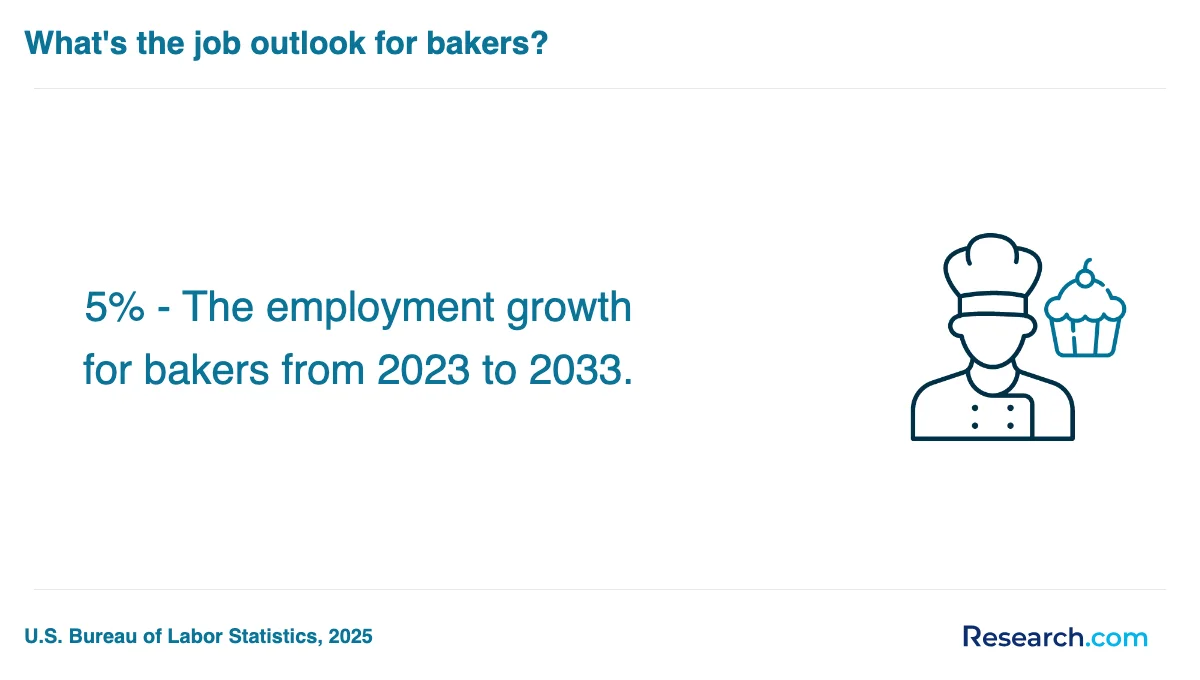
After completing a baking and pastry trade school in Twin Falls, preparing for the job market involves several key steps. First, gaining practical experience through internships or apprenticeships at local bakeries is essential. This hands-on work builds skills and professional connections. According to the Idaho Department of Labor, the demand for bakers in the Twin Falls area is expected to grow by 5% over the next decade, highlighting opportunities for entry-level positions.
Next, graduates should create a detailed resume showcasing their technical skills, certifications, and any specialized training from their programs. Networking with industry professionals at local culinary events or through trade associations can also increase job prospects. Finally, continuing education to stay current with baking trends and food safety standards is recommended to maintain competitiveness in the field.
Employers in Twin Falls seeking graduates from baking and pastry trade schools prioritize both technical and soft skills. Proficiency in baking techniques, such as dough preparation, cake decorating, and pastry finishing, remains fundamental. According to the U.S. Bureau of Labor Statistics, attention to detail is critical, as precision affects product quality and customer satisfaction.
Additionally, strong time management skills are essential because bakery environments often require multitasking under tight deadlines. Communication skills also matter, enabling graduates to work effectively within kitchen teams and interact with customers.
Local employers value graduates familiar with food safety standards and sanitation practices, which minimize health risks and comply with regulations. According to Twin Falls Chamber of Commerce reports, adaptability and creativity are increasingly sought to meet evolving consumer tastes and specialty dietary demands.
Finding internships in Twin Falls relevant to baking and pastry trade school programs involves a strategic approach. Start by contacting local bakeries, cafes, and restaurants, as many small businesses in Twin Falls offer hands-on internship opportunities. The Twin Falls Chamber of Commerce website often lists local businesses open to internships and apprenticeships.
Additionally, career services at trade schools can connect students with nearby internships tailored to baking and pastry skills. Online job portals like Indeed or Handshake also list internships, but filtering for Twin Falls and culinary keywords is essential.
According to the Idaho Department of Labor, food service and bakeries in Twin Falls have grown by 5% annually, increasing internship availability. Networking through local culinary events or farmer's markets can also uncover hidden opportunities.
Obtaining a baking and pastry trade school diploma in Twin Falls significantly enhances career mobility within the local culinary industry. Graduates often find improved job prospects, as employers in Twin Falls prioritize practical skills and formal training. According to Idaho Department of Labor data, the culinary sector in Twin Falls has seen steady growth, with a 5% increase in bakeries and pastry shops over the past five years.
A diploma provides not only technical expertise but also credibility, which can lead to higher starting wages. The U.S. Bureau of Labor Statistics reports that certified pastry chefs earn a median wage 10-15% above non-certified workers nationally, a trend reflected in Twin Falls.
Additionally, trade school graduates benefit from expanded professional networks and internship opportunities, supporting advancement into supervisory or specialized roles. This credential acts as a bridge to long-term career development in Twin Falls' competitive culinary market.
Part-time job opportunities in Twin Falls that complement baking and pastry trade school education are varied and valuable for gaining practical experience. Local bakeries and cafes frequently offer positions such as bakery assistants, pastry prep workers, and counter staff. These roles enable students to apply classroom skills in real-world settings while managing time efficiently.
Grocery stores with bakery departments also hire part-time workers, providing exposure to commercial baking operations and customer service. According to the U.S. Bureau of Labor Statistics, food preparation and serving-related jobs in Idaho are projected to grow by 9% through 2031, reflecting steady demand in the region.
Additionally, seasonal work at farmers' markets or catering companies can enhance hands-on learning and networking opportunities. These positions allow students to refine techniques and build professional contacts crucial for future careers in baking and pastry arts.
While Twin Falls, ID, may not be home to a university directly offering a specialized degree in Baking and Pastry, there are programs near me and the surrounding areas that focus on culinary arts, including Fine Dining and Pastry skills. Colleges like the College of Southern Idaho offer a Culinary Arts program where one can acquire foundational skills applicable to pastry and baking. For a more comprehensive list of Baking and Pastry degree options near Twin Falls, ID, consulting educational resources like Research.com can provide further insights into available institutions and programs.
- 14 Exciting Careers with a Baking and Pastry Arts Degree https://www.baker.edu/about/get-to-know-us/blog/careers-with-a-baking-and-pastry-arts-degree/
- 7 Exciting Careers for Baking & Pastry Arts Grads | Johnson & Wales University https://www.jwu.edu/news/2022/06/baking-pastry-arts-careers.html
- Career Opportunities in Baking and Pasty https://www.hrcacademy.com/en/blog/career-opportunities-for-bakers-and-pastry-chefs/
- Baking & Pastry Arts Trade Schools & Programs https://www.best-trade-schools.net/programs/culinary/baking-and-pastry-arts/
- WorkBC Site Maintenance - Service Temporarily Unavailable https://www.workbc.ca/career-profiles/bakers
- Join the ICE Team | Institute of Culinary Education https://www.ice.edu/about/careers-at-ice
- What Can You Do with a Baking & Pastry Degree? https://www.lci.edu/blog/what-can-you-do-with-a-baking-pastry-degree
- Where Can you Work as a Baking and Pastry Arts Chef? https://www.ecpi.edu/blog/where-can-you-work-as-a-baking-and-pastry-chef
- What Are the Career Opportunities in Baking and Pastry? - Escoffier https://www.escoffier.edu/blog/culinary-pastry-careers/what-are-the-career-opportunities-in-baking-and-pastry/
- Exciting Careers with Your Baking & Pastry Arts Diploma | Pacific Institute of Culinary Arts https://www.picachef.com/in-the-news/exciting-careers-with-your-baking-pastry-arts-diploma