2027 Fastest Online Sustainability Degree Programs Ranking in the Midwest

Co-Founder and Chief Data Scientist
Choosing the right sustainability degree program can be overwhelming, especially with so many online options available. This article introduces the 2027 Fastest Online Sustainability Degree Programs Ranking in the Midwest, created by the Research.com team of data scientists to help you make an informed decision.
By exploring this ranking, you'll discover efficient programs that fit your lifestyle and career goals. Earning a sustainability degree opens doors to meaningful work, contributing to a healthier planet and a brighter future.
Start your journey with confidence and clarity.
Key benefits of getting online sustainability degree in the Midwest
- While specific salary data is not available from the U.S. Bureau of Labor Statistics for Midwest sustainability roles, sustainability-related careers in the U.S. typically earn between $50,000 and $70,000 annually, offering stable and rewarding income potential.
- Graduates from Midwest schools like the University of Michigan often pursue careers in environmental consulting, renewable energy, or corporate sustainability, reflecting diverse and promising job opportunities.
- Completing a sustainability degree online from institutions such as Northern Illinois University allows flexible scheduling and reduced costs, making education more accessible without sacrificing quality.
- Key benefits of getting online sustainability degree in the Midwest
- What can I expect from online sustainability degree in the Midwest?
- Where can I work with online sustainability degree in the Midwest?
- How much can I make with online sustainability degree in the Midwest?
- 2027 Fastest Online Sustainability Degree Programs Ranking in the Midwest
- Key Findings
- How long does it take to complete online sustainability degree in the Midwest?
- What's the difference between online and on-campus sustainability degree?
- What is the average cost of online sustainability degree in the Midwest?
- What financial aid is available to online sustainability degree students in the Midwest?
- What are the prerequisites for enrolling in online sustainability degree program in the Midwest?
- What courses are typically in online sustainability degree programs in the Midwest?
- What types of specializations are available in online sustainability degree programs in the Midwest?
- How do you choose the best online sustainability degree in the Midwest?
- What career paths are available for online sustainability degree students in the Midwest?
- What is the job market for online sustainability degree in the Midwest?
- Top Trending Sustainability Rankings
What can I expect from online sustainability degree in the Midwest?
The average cost of an online sustainability degree in the Midwest varies but generally ranges between $10,000 and $25,000 for a full program. Public universities like those in Illinois and Minnesota often offer lower in-state tuition rates, which can significantly reduce expenses for residents. Graduates frequently share that accessing these programs online allowed them to balance work and family commitments without relocating or incurring extra living costs.
Financial aid and scholarships specifically targeting sustainability studies are becoming more common in the region, helping to ease the burden. For example, a graduate from a Midwestern university recalls applying for a renewable energy scholarship that covered a substantial portion of tuition, enabling continued education without major financial strain.
Many programs also emphasize flexible, asynchronous learning schedules, making it easier for working professionals to complete courses at their own pace, and avoid the hidden costs of lost income. Experiential projects integrated into the curriculum add practical value without extra fees, offering real-world experience directly applicable to local environmental and economic challenges.
Where can I work with online sustainability degree in the Midwest?
Graduates with an online sustainability degree from Midwest institutions like the University of Illinois or Michigan State often find themselves stepping into roles within the renewable energy sector. Imagine managing wind or solar projects in Ohio or Michigan, where these industries are rapidly expanding thanks to supportive state policies. Such positions allow you to apply your knowledge directly to real-world challenges, contributing to cleaner energy solutions.
Many grads secure jobs in government agencies such as the Illinois Environmental Protection Agency, working on environmental planning and sustainability initiatives. These roles offer a practical way to influence local policies and promote sustainable development in communities you care about.
Others are drawn to sustainable agriculture careers in Iowa or Indiana, collaborating with agribusinesses to improve farming practices. This hands-on work reduces environmental impact while supporting the region's strong agricultural economy.
Corporate sustainability jobs have also grown, with companies hiring specialists to increase efficiency and reduce waste. Graduates from schools like Ohio State University report satisfaction working in diverse industries that value sustainability expertise.
How much can I make with online sustainability degree in the Midwest?
Graduates with an online sustainability degree in the Midwest typically start with salaries ranging from $45,000 to $55,000 annually, taking on roles such as environmental compliance specialists or sustainability coordinators. These figures align with practical experiences from graduates of institutions like the University of Illinois Urbana-Champaign and Ohio State University, who often find their entry-level jobs in government or corporate sustainability programs.
With a few years of experience and additional certifications, salaries rise to between $65,000 and $85,000. Mid-career professionals frequently manage projects or lead sustainability efforts at larger companies, benefiting from the growing demand for renewable energy and environmental consulting. For example, alumni from the University of Minnesota report moving into sustainability manager positions averaging $80,000 to $95,000 annually.
Urban centers such as Chicago and Minneapolis offer higher wages, reflecting broader opportunities in corporate sustainability initiatives. Meanwhile, rural graduates find rewarding roles in natural resource management, earning between $50,000 and $70,000. Job seekers should focus on gaining specialized skills and certifications to maximize earning potential within this expanding field in the Midwest.
2027 Fastest Online Sustainability Degree Programs Ranking in the Midwest
How do we rank schools?
Investing in your education is a significant decision that can shape your future, and the Research.com team understands the importance of making informed choices. To assist prospective students interested in sustainability, we have meticulously crafted the "2027 Fastest Online Sustainability Degree Programs Ranking in the Midwest." Our commitment to quality, credibility, and accuracy is reflected in the extensive research and analysis conducted to compile this ranking.
We utilized the following reputable data sources to ensure a comprehensive evaluation of sustainability programs:
By exploring this ranking, readers will gain valuable insights into the fastest online sustainability degree programs in the Midwest, helping them make well-informed decisions about their educational paths. For more details on our methodology, please visit our Research.com methodology page.


Key Findings
- Online bachelor's degrees in sustainability in the Midwest typically cost between $20,000 and $35,000, while master's programs range from $15,000 to $40,000.
- Employment in sustainability-related jobs in the Midwest is expected to grow by 8 to 12 percent through 2030, faster than the average for all occupations.
- Starting salaries for sustainability graduates in the Midwest generally range from $45,000 to $55,000, increasing to $65,000 to $80,000 or more with experience and advanced degrees.
- Online programs often focus on regional issues like water quality, agriculture, and renewable energy, preparing students to tackle local environmental challenges.
- Accreditation by regional and environmental education organizations is crucial for program quality and employer recognition.
How long does it take to complete online sustainability degree in the Midwest?
Completing an online sustainability degree in the Midwest generally fits within clear timelines depending on your chosen level and pacing. For example, undergraduates at universities like Ohio State typically finish their bachelor's in about four years when studying full-time, but many appreciate the flexibility to accelerate or extend studies to suit their busy lives.
Associate degrees often take around two years, serving as practical stepping stones toward a bachelor's. Graduate students pursuing a Master's at schools such as the University of Illinois Urbana-Champaign can expect to complete their programs within 18 to 24 months full-time, though working professionals often extend this to three years or more while balancing career demands.
Graduates frequently highlight how managing course loads per semester and utilizing transfer credits or summer sessions helped them shorten their time-to-degree. These students value the balance online programs provide, enabling them to maintain work and family commitments while advancing their sustainability careers at their own pace.
What's the difference between online and on-campus sustainability degree?
Online sustainability degrees in the Midwest give you flexible access to coursework, letting you study whenever and wherever fits your schedule. Graduates from programs like those at the University of Illinois appreciate being able to balance work, family, and education without commuting. This flexibility often comes with lower tuition costs-up to 30% less than on-campus programs averaging $12,000 to $18,000 yearly-plus savings on travel and housing.
On-campus programs at schools such as Ohio State University offer hands-on experiences, like fieldwork and lab sessions, that are harder to duplicate online. Students often describe these moments as energizing and essential for mastering practical sustainability skills. The fixed class schedules encourage real-time interaction with professors and peers, building strong networks and immediate feedback.
Both formats follow rigorous curriculums ensuring credible credentials. Choose online if you need adaptability; choose on-campus if you thrive in immersive, face-to-face learning environments common across Midwest universities.
What is the average cost of online sustainability degree in the Midwest?
For students exploring the average cost of online sustainability degree Midwest programs, the typical total cost hovers around $26,925. In-state students attending public universities usually see tuition and fees close to $15,524, making these more affordable options especially appealing. Graduates from popular institutions like the University of Minnesota and Ohio State University often share how balancing program expenses with flexible payment plans and scholarships helped ease their financial journey.
Private institutions in the region tend to charge higher tuition, reflecting enhanced resources and faculty expertise. This difference can stretch total costs well beyond public university rates, but some students find added value in these specialized curricula that offer targeted career advantages.
Beyond tuition, program-specific fees for technology, materials, and lab access typically add $500 to $1,500 annually. Accounting for these expenses early is crucial when calculating your budget, especially if you're comparing Midwest online sustainability degree tuition fees among schools.
Many graduates emphasize the importance of researching financial aid opportunities available within Midwestern schools. For example, some sustainability students were able to leverage scholarships specifically for their field, which significantly reduced out-of-pocket costs. Exploring resources like the master's in sustainability job salary estimates can also provide practical insight into return on investment after graduation.
Planning carefully around these figures can make the difference between manageable debt and financial stress, helping prospective students focus on meaningful sustainability careers in the Midwest with confidence.
What financial aid is available to online sustainability degree students in the Midwest?
To fund an online sustainability degree in the Midwest, start by completing the FAFSA to access federal aid like Pell Grants, which helped many graduates reduce costs by up to $7,395 annually. For instance, students at Michigan State found Pell Grants crucial for covering major tuition portions. Federal Direct Subsidized and Unsubsidized Loans also provide manageable repayment options, easing financial pressure while studying.
Next, explore institutional scholarships offered by schools such as the University of Illinois Urbana-Champaign, where merit-based awards motivated several sustainability students to excel academically without worrying about finances. State grants, like Illinois's MAP program, can further lower expenses for residents attending local public universities online.
Working professionals should investigate employer tuition assistance, common in Midwest industries like agriculture and energy. Many found partial tuition reimbursements made balancing work and school more feasible.
Finally, don't overlook specialized scholarships from nonprofits like the Environmental Careers Organization, which have provided pivotal support for sustainability students seeking to advance their careers affordably.
What are the prerequisites for enrolling in online sustainability degree program in the Midwest?
To enroll in an online sustainability degree program in the Midwest, start by ensuring you have a high school diploma or GED, which is a non-negotiable first step. Many graduates from schools like the University of Illinois Springfield highlight that meeting the minimum GPA requirement-usually around 2.5-makes the application process smoother and boosts confidence. Gathering official transcripts early will save you last-minute stress.
Since sustainability programs blend science and policy, having a background in basic biology, chemistry, or environmental science from high school proves beneficial. A graduate from Northern Illinois University shared that brushing up on these subjects helped them excel in foundational courses without feeling overwhelmed.
If you're applying for a master's degree, holding a bachelor's is essential, though it doesn't need to be in sustainability specifically. Prepare a statement of purpose and gather recommendation letters to showcase your commitment and experience. Many Midwest programs, like those at Ohio State University, appreciate applicants with real-world environmental volunteer work, which adds a personal and practical dimension to academic records.
What courses are typically in online sustainability degree programs in the Midwest?
Online sustainability degrees in the Midwest typically include core courses that cover fundamental concepts like ecological balance, resource management, and environmental ethics. Graduates from popular regional universities often mention how understanding these basics prepared them to address real-world challenges such as soil erosion on farms or managing urban green spaces effectively.
Students usually take classes focused on environmental policy and law, crucial for navigating regulations in agriculture-heavy states like Iowa or manufacturing hubs like Ohio. These courses helped many graduates confidently engage with local communities and policymakers to promote sustainable practices.
Technical skills are a big part of the curriculum. Learning geographic information systems (GIS) and environmental data analysis allows students to map pollution levels or track renewable energy projects-a skill repeatedly praised by recent alumni from top Midwest colleges.
Renewable energy courses emphasize solar, wind, and bioenergy-especially wind, reflecting the Midwest's leadership in wind power. Practical project management and community engagement classes round out the experience, giving students tools to lead initiatives that resonate locally and beyond.
What types of specializations are available in online sustainability degree programs in the Midwest?
When exploring online sustainability degree specializations Midwest programs typically offer focused tracks that align with regional environmental priorities. Graduates from well-known colleges in the area often highlight specializations like Environmental Policy and Management, where they engage deeply with water rights and land use-critical issues given the Midwest's agricultural base. Others praise Renewable Energy and Technology programs, especially due to the region's wind and solar energy potential, gaining hands-on skills in designing solar systems or working with wind turbines.
Natural Resource Management is another popular path, as students learn sustainable farming techniques and habitat restoration suited to vast Midwestern farmlands and forests. Urban and Community Sustainability tracks appeal to those targeting city planning roles to enhance green infrastructure and waste management in growing urban centers. Finally, Corporate Sustainability and Social Responsibility prepares students to help companies adopt ethical and sustainable business practices.
Pragmatic planners benefit from these diverse options when choosing Midwest sustainability degree program options, as seen through the success of recent graduates. For those seeking career growth through practical, regionally relevant expertise, exploring an online mba in sustainability offers promising pathways.
How do you choose the best online sustainability degree in the Midwest?
Start by focusing on curriculum relevance, ensuring the program covers crucial Midwest sustainability issues such as renewable energy, Great Lakes conservation, and sustainable agriculture. Graduates from popular Midwest universities often praise courses that dive deep into regional environmental policies and practical resource management, which prepares them effectively for local challenges.
Next, verify the program's accreditation, prioritizing regionally accredited schools, particularly those recognized by the Higher Learning Commission (HLC). This guarantees a credible degree valued by employers in the region. Affordability is equally important; compare tuition rates and check for financial aid options since affordable Midwest online sustainability degrees often provide significant savings for in-state students.
Flexibility is another key factor. Many successful graduates highlight the benefit of asynchronous classes and strong student support services that let them balance studies with work and family. Finally, look for programs with solid connections to local industries and government agencies, which offer internship opportunities that lead directly to jobs related to sustainability, enhancing practical experience and career readiness.
What career paths are available for online sustainability degree students in the Midwest?
Graduates pursuing online sustainability careers in the Midwest find multiple practical paths tailored to the region's economic and environmental needs. Environmental consulting is common, as many manufacturers seek to reduce their impact. Graduates from popular Midwest colleges often highlight how working with local firms to implement energy-efficient technologies sparks real change and job satisfaction. For those interested in renewable energy, states like Iowa and Minnesota offer roles in project management and energy auditing in booming wind and solar markets.
Natural resource management invites graduates to work on conservation projects in Michigan's forests or Wisconsin's lakes, creating meaningful environmental stewardship experiences. Many also venture into sustainable agriculture, leveraging the Midwest's vast farmland to develop innovative, eco-friendly farming methods.
Career growth is supported by positive industry trends, and salary expectations align well with these roles. For those wondering how long does it take to be an environmental scientist, understanding these career options can clarify the best educational steps forward in the Midwest sustainability degree job opportunities landscape.
What is the job market for online sustainability degree in the Midwest?
The job market for graduates holding an online sustainability degree in the Midwest is steadily expanding, fueled by regional investments in renewable energy and sustainable agriculture. Graduates from popular colleges in states like Illinois and Michigan find roles as sustainability coordinators or environmental consultants, contributing to projects that reduce carbon footprints and enhance waste management.
Many graduates report tangible success transitioning into roles with manufacturing companies driven by corporate sustainability commitments, or in public agencies managing government grants for green initiatives. The Midwest's focus on wind energy, especially in Iowa and Minnesota, creates additional opportunities for energy analysts and resource management specialists.
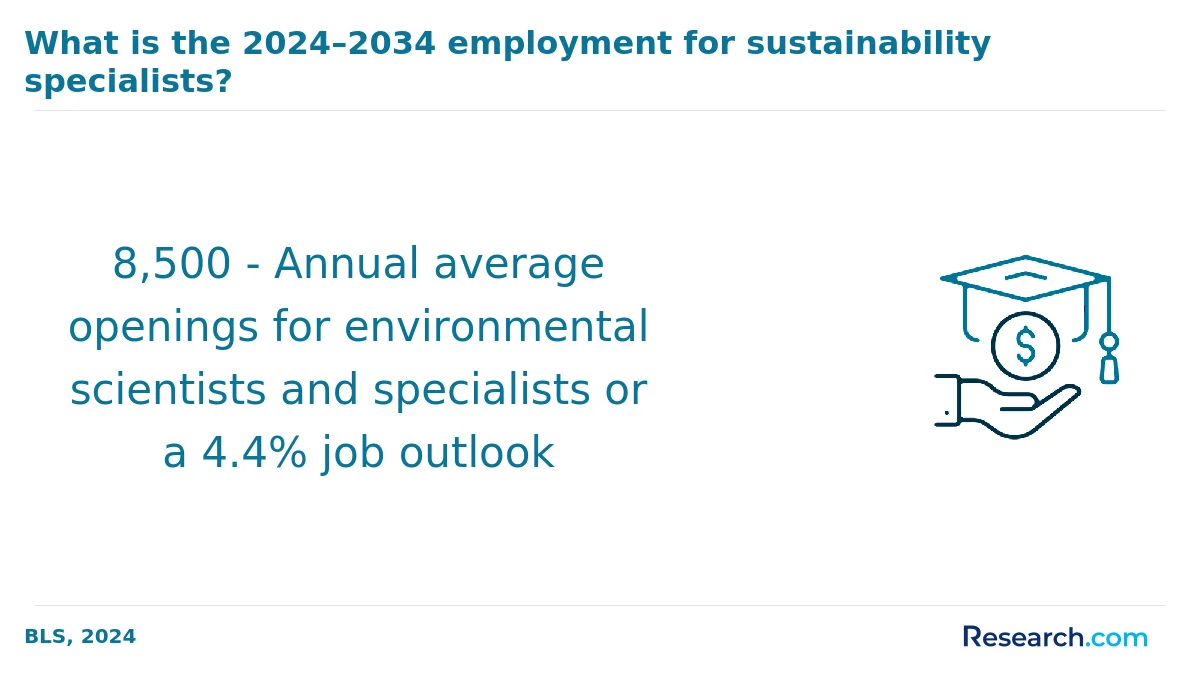
Salaries for environmental specialists median around $77,740 annually, offering a practical return on pursuing an online sustainability degree in the Midwest. In-state tuition costs at recognized universities typically range from $10,000 to $20,000 per year, making it a cost-effective choice. For those looking to advance quickly, an accelerated online mba environmental management program can complement their credentials and boost their career prospects.
Planning your education around these trends can position you well for meaningful roles as the Midwest continues prioritizing sustainable development.
Frequently Asked Questions About sustainability
Online sustainability degree students in the Midwest can maximize their learning by engaging actively with interactive course elements like discussion boards and group projects. Midwestern universities often integrate regional case studies focusing on the Great Lakes, agriculture, and renewable energy, which are pivotal in local sustainability efforts. Utilizing these resources helps students apply theory to real-world challenges.
Students should also seek internships or volunteer opportunities with local organizations such as the Midwest Renewable Energy Association. According to the U.S. Energy Information Administration, the Midwest has seen a 10% annual growth in wind energy jobs, making experience in this sector especially valuable.
Finally, students benefit from staying updated on policy changes affecting environmental laws in Midwest states through official government websites and local research centers. This approach builds practical knowledge alongside academic learning.
The sustainability field in the Midwest is rapidly evolving with several emerging niches attracting significant attention. One key area is renewable energy management, especially wind and solar power, which aligns with the region's growing green energy sector. According to the U.S. Energy Information Administration, the Midwest accounted for nearly 40% of U.S. wind power capacity in recent years.
Another emerging niche is sustainable agriculture, focusing on soil health, water conservation, and climate-resilient crops. The Midwest's vast farmland makes this a critical area. Additionally, environmental data science is expanding as companies seek experts to analyze ecological impacts through advanced technologies.
To prepare for the job market after earning an online sustainability degree in the Midwest, students should focus on gaining practical experience. Internships and volunteer positions with regional organizations like the Midwest Renewable Energy Association can provide hands-on skills and valuable networking. According to the U.S. Bureau of Labor Statistics, jobs in environmental science and renewable energy are projected to grow by 8% through 2030, with Midwest states emphasizing green infrastructure.
Additionally, tailoring your resume to highlight skills such as data analysis, environmental policy, and project management is crucial. Joining professional groups like the Illinois Sustainable Technology Center can also enhance job prospects through industry connections.
Employers in the Midwest seek sustainability graduates with strong analytical skills, enabling them to assess environmental data and develop practical solutions. Knowledge of regional environmental policies, especially those related to agriculture and manufacturing, is highly valued due to the area's economic profile.
Communication skills are essential, as graduates must engage diverse stakeholders, including businesses and communities, to promote sustainable practices. According to the Environmental Protection Agency (EPA), companies in the Midwest prioritize project management abilities to efficiently lead sustainability initiatives.
Technical proficiency in areas like renewable energy systems and GIS mapping is increasingly in demand. A 2023 report from the Midwest Sustainability Consortium highlights adaptability and problem-solving as top soft skills employers want to see in recent graduates.
Finding internships in the Midwest relevant to a sustainability degree involves targeted research and networking within specific industries. The region hosts major agricultural firms, environmental nonprofits, and renewable energy companies, which frequently offer internship opportunities. Websites like Handshake and internships.com list openings partnered with Midwest universities.
Many universities, including those offering online sustainability programs, maintain career services that connect students with local employers. The Midwest has seen a 15% growth in green jobs since 2020, according to the Environmental Protection Agency (EPA), increasing internship availability.
Students should also attend regional sustainability conferences and join professional associations like the Midwest Renewable Energy Association to expand their contacts.
An online sustainability degree can significantly boost career mobility and advancement in the Midwest, where industries increasingly value environmental expertise. According to the U.S. Bureau of Labor Statistics, jobs in environmental science and related fields are expected to grow by 8% between 2022 and 2032, outpacing many other sectors. In the Midwest, manufacturing and agriculture sectors are adopting sustainable practices, creating demand for qualified professionals.
Completing an online program offers flexibility for working adults and access to specialized courses tailored to regional challenges, such as water conservation in the Great Lakes area. Employers in states like Illinois, Michigan, and Ohio often prefer candidates with formal sustainability education when promoting to leadership roles, as verified by regional workforce studies.
Studying for an online sustainability degree in the Midwest prepares students for interdisciplinary roles by combining environmental science, policy, and business principles. Programs often emphasize practical skills relevant to this region's industries, such as agriculture, manufacturing, and energy.
Midwestern schools integrate data from the Environmental Protection Agency and the U.S. Department of Agriculture, reflecting local challenges like soil health and renewable energy adoption. According to the Midwest Energy Efficiency Alliance, over 50% of the region's workforce is in sectors impacted by sustainability efforts, highlighting the need for versatile knowledge.
This interdisciplinary approach builds problem-solving skills across multiple fields, improving career flexibility in areas like urban planning, resource management, and corporate responsibility.
Choosing between a thesis and a non-thesis sustainability degree program in the Midwest depends on your career goals and learning preferences. Thesis programs typically require conducting original research, which is ideal if you plan to pursue a PhD or a research-focused role.
Non-thesis programs emphasize coursework and practical skills, suited for professionals seeking to enter or advance in the sustainability field quickly.
According to the Midwest Association for Sustainability Education, 60% of sustainability-related jobs in the region value hands-on experience over academic research.
Consider your time availability; thesis options often extend program length by one semester or more.
Students based in the Midwest seeking to study sustainability abroad have limited direct options through traditional Midwestern universities, as few offer fully online international sustainability degree programs. However, many institutions provide study-abroad partnerships within their sustainability curricula, allowing students to gain global experience while enrolled locally. According to the Association for the Advancement of Sustainability in Higher Education, nearly 30% of Midwest universities include international components in sustainability programs.
Alternatives include enrolling in global online programs from universities with specialized sustainability tracks, though these may not be Midwest-based. Midwest students can also leverage exchange programs and internships abroad, supported by their home institutions to complement online sustainability studies.
Part-time job opportunities in the Midwest that complement sustainability degree education often involve roles in local government, non-profits, and environmental consulting. For example, many cities in states like Michigan and Illinois hire part-time sustainability coordinators or interns to support green initiatives and compliance with environmental regulations. According to the U.S. Bureau of Labor Statistics, employment in environmental science and protection roles is expected to grow faster than average in the Midwest.
Students can also find positions in renewable energy companies, notably in Iowa and Minnesota, where wind and solar power industries are expanding rapidly. These jobs provide hands-on experience with sustainable technologies.
Working with regional agriculture organizations offers another avenue, especially given the Midwest's focus on sustainable farming practices emphasized by the USDA. Roles range from data collection to community outreach.
Online sustainability students in the Midwest benefit from a variety of networking opportunities that connect them with professionals, alumni, and organizations focused on regional environmental challenges. Many Midwestern universities offer virtual career fairs and industry webinars tailored to sustainability fields, enabling students to engage with employers remotely.
Additionally, professional groups like the Midwest Association of Environmental Professionals and regional chapters of the U.S. Green Building Council provide accessible online platforms for collaboration. These groups often host conferences and workshops that promote networking across state lines.
Data from the Environmental Defense Fund highlight the Midwest's growing green economy, expanding job prospects for sustainability graduates in sectors such as agriculture, energy, and urban planning.
Alumni networks offer valuable support to online sustainability degree students in the Midwest by providing professional connections in a growing green economy. According to the U.S. Bureau of Labor Statistics, environmental science jobs in the Midwest are expected to grow 8% by 2031, making networking crucial for career opportunities.
These networks connect students with graduates working in industries like renewable energy, conservation, and urban planning. This access to mentors and job leads can help students navigate regional challenges and policies related to sustainability.
Additionally, Midwest alumni chapters often host online events and share local job postings, enhancing employment prospects for students in rural and urban areas alike.
Customizing an online sustainability degree in the Midwest often begins with selecting specialized concentrations. Many universities offer tracks such as environmental policy, renewable energy, or sustainable agriculture, allowing students to align their studies with specific career interests. For example, the growing demand for renewable energy in Midwestern states like Iowa and Minnesota makes focusing on energy systems practical. According to the U.S. Bureau of Labor Statistics, sustainability-related jobs in this region grew by over 8% between 2019 and 2022.
Students can also tailor their curricula by choosing electives related to local environmental challenges, such as water resource management or urban planning. Internships and project-based assignments offered online further enhance practical skills.
Advisors at many schools work closely with students to ensure course choices align with career goals, aiding in the design of individualized degree plans that fit professional ambitions.
Online sustainability students in the Midwest often face challenges related to balancing coursework with work and family commitments. Many students enroll part-time while maintaining full-time jobs, which can extend program completion times. Access to reliable high-speed internet is another concern in rural Midwestern areas, impacting participation in live lectures and group discussions. Additionally, some programs may lack strong local internship opportunities, which are vital for gaining practical experience in sustainability fields.
The regional focus of curricula sometimes limits exposure to broader sustainability issues, which could affect career preparedness. According to the Midwest Renewable Energy Association, local funding for sustainability education remains modest, influencing resource availability for students. These factors combined contribute to a unique set of challenges for online learners interested in sustainability degrees in the Midwest.
With an online sustainability degree from a Midwest institution, you can pursue several professional certifications that enhance career prospects. One popular option is the LEED Green Associate credential, recognized nationally for expertise in green building practices. Another valuable certification is the Certified Energy Manager (CEM), offered by the Association of Energy Engineers, which focuses on energy efficiency and management.
Many sustainability graduates also pursue the Certified Environmental Professional (CEP) credential, which validates knowledge in environmental regulations and compliance. For those interested in corporate sustainability, the Sustainability Excellence Associate (SEA) certification by the International Society of Sustainability Professionals is gaining traction.
The Midwest's focus on agriculture and manufacturing sustainability increases demand for these certifications, especially in states like Illinois and Michigan, according to the U.S. Bureau of Labor Statistics.
To write a winning application for an online sustainability program in the Midwest, start by clearly demonstrating your passion for environmental issues specific to the region, such as agricultural sustainability or Great Lakes conservation. Highlight relevant experiences like internships, volunteer work, or projects focused on renewable energy or natural resource management. Midwest programs often value applicants with a strong foundation in science and policy, so include any coursework or certifications in these areas.
Use your personal statement to connect your goals with regional sustainability challenges. According to the Midwest Renewable Energy Association, renewable energy jobs have grown 6% annually, showing increasing opportunities. Finally, secure strong letters of recommendation that emphasize your dedication and ability to succeed in an online learning environment.
Global perspectives on sustainability careers emphasize the growing need for professionals who can address environmental, social, and economic challenges worldwide. In the US, including the Midwest, sustainability jobs are expected to grow by over 8% through 2030 according to the U.S. Bureau of Labor Statistics. Universities in the Midwest offer online degrees that prepare students for careers in renewable energy, resource management, and sustainable agriculture-areas gaining international attention.
Midwestern states play a key role in global sustainability efforts due to their agricultural output and industrial sectors. According to research from the Midwest Sustainability Network, demand for experts in clean technology and environmental policy is rising globally, affecting local job opportunities.
Students pursuing online sustainability degrees in the Midwest can expect to learn skills that align with international standards, equipping them to work with global organizations or regional firms focused on sustainable development and climate resilience.
Gaining practical experience while pursuing an online sustainability degree in the Midwest can be achieved through several approaches. Many programs incorporate internships or cooperative education opportunities with local organizations, allowing students to apply classroom knowledge in real-world settings. According to the National Wildlife Federation, the Midwest hosts numerous conservation projects ideal for hands-on learning.
Students can also engage with regional environmental agencies or participate in volunteer work focused on renewable energy or agricultural sustainability, sectors critical to the Midwest economy. Universities often facilitate partnerships with these groups, enhancing experiential learning.
Additionally, virtual labs and project-based assignments simulate real sustainability challenges, which help develop problem-solving skills vital for future careers.
When choosing a concentration within an online sustainability degree in the Midwest, consider your career goals and regional environmental priorities. The Midwest faces unique challenges such as agricultural sustainability, water resource management, and renewable energy development, especially wind and bioenergy, supported by the U.S. Department of Energy.
Look for programs offering specializations that align with these areas, like environmental policy, sustainable agriculture, or energy systems. The National Renewable Energy Laboratory reports that wind power capacity in the Midwest is among the highest nationally, which may influence demand for experts in that sector.
Additionally, evaluate faculty expertise and local industry connections, which can enhance internship and job opportunities post-graduation.
Top Trending Sustainability Rankings
References
- Imperial Sustainability Alumni Network https://www.imperial.ac.uk/alumni/groups/alumni-affinity-networks/sustainability/
- 64 sustainability certifications to advance your career in 2025 | Trellis https://trellis.net/article/64-sustainability-certifications-to-advance-your-career-in-2025/
- Networks for sustainability in higher education https://www.copernicus-alliance.org/resources/networks-for-sustainability-in-higher-education
- Sustainable Futures in the Green Industry: Remote Work Experience https://www.futuresforall.org/post/sustainable-futures-in-the-green-industry-remote-work-experience
- Networks - Sustainable Career Pathways https://sustainablecareerpathways.com/networks/
- BS, Sustainable Planning and Leadership https://www.catawba.edu/sustainableplanning/
- 5 emerging professions in the environmental transition https://blog.esdes.fr/en/5-emerging-professions-in-the-environmental-transition
- 44 sustainability certifications for businesses and sustainability professionals https://fsc.org/en/blog/sustainability-certifications
- Is a Master in Sustainability Management Worth It in 2026? https://sumas.ch/blog/is-a-master-in-sustainability-management-worth-it/
- Online Bachelor's in Sustainability https://online.maryville.edu/online-bachelors-degrees/sustainability/