

Research.com is an editorially independent organization with a carefully engineered commission system that’s both transparent and fair. Our primary source of income stems from collaborating with affiliates who compensate us for advertising their services on our site, and we earn a referral fee when prospective clients decided to use those services. We ensure that no affiliates can influence our content or school rankings with their compensations. We also work together with Google AdSense which provides us with a base of revenue that runs independently from our affiliate partnerships. It’s important to us that you understand which content is sponsored and which isn’t, so we’ve implemented clear advertising disclosures throughout our site. Our intention is to make sure you never feel misled, and always know exactly what you’re viewing on our platform. We also maintain a steadfast editorial independence despite operating as a for-profit website. Our core objective is to provide accurate, unbiased, and comprehensive guides and resources to assist our readers in making informed decisions.

2027 Most Popular Speech Pathology Degree Programs Ranking in Nebraska

Imed Bouchrika, PhD

by Imed Bouchrika, PhD

Co-Founder and Chief Data Scientist

Table of Contents

What can I expect from speech pathology degree in Nebraska?

The average cost for completing a speech pathology degree in Nebraska varies depending on the institution and degree level, but students generally report tuition and fees ranging from $25,000 to $45,000 for a Master's program. Graduates from universities such as the University of Nebraska or Creighton University frequently describe the investment as worthwhile given the rigorous clinical training and research opportunities available. For many, the blend of comprehensive coursework and hands-on practice in real-world settings-like local hospitals and schools-justifies the expense, as it equips them with confidence and competence to enter the workforce.

Students often share how the financial commitment aligns with the quality of education, including access to accredited faculty and state-of-the-art resources. Scholarships, assistantships, and financial aid programs at Nebraska institutions can help mitigate costs, making these programs more accessible. The overall experience is rewarding, as graduates feel well-prepared to meet Nebraska's licensure and certification requirements, thus enhancing their career prospects in a growing field.

Where can I work with speech pathology degree in Nebraska?

Graduates from speech pathology programs at institutions such as the University of Nebraska-Lincoln and Creighton University find diverse career paths across Nebraska's educational and healthcare sectors. Many begin their careers in public and private schools, where they provide essential support to students with communication disorders, experiencing deep fulfillment from witnessing student progress daily.

Healthcare settings in metropolitan areas like Omaha offer rewarding roles in hospitals and rehabilitation centers. Here, speech pathologists help patients regain communication and swallowing abilities after strokes or injuries, fostering hope through hands-on patient care. Graduates often praise the meaningful impact of these environments on both patients and their own professional growth.

Private practices provide flexibility and specialization opportunities, enabling professionals to tailor therapy to children or voice disorder patients. Long-term care facilities also present growing demand, especially as Nebraska's aging population benefits from compassionate speech therapy services.

Additional prospects exist in government agencies, nonprofit organizations, and research, allowing graduates to engage in advocacy, public health, or early childhood development initiatives that resonate with their passion for making a difference.

How much can I make with speech pathology degree in Nebraska?

Graduates holding a speech pathology degree from institutions like the University of Nebraska often find rewarding salary prospects within the state. Entry-level speech-language pathologists typically earn around $73,000 annually, closely aligning with Nebraska's demand and cost of living. More experienced professionals in larger cities such as Omaha or Lincoln may see salaries approaching $80,000 to $90,000, especially when working in hospitals or specialized rehab centers where caseloads are complex.

According to the latest national salary data, speech therapists earn a mean annual wage of approximately $96,790, reflecting the potential for higher earnings as professionals gain experience and certifications. Speech-Language Pathology Assistants start around $47,010 annually, providing an accessible pathway to the field post-degree. Graduates from Nebraska's programs report satisfaction not only for competitive pay but also for the strong support in career advancement through state licensure and continuing education.

Real-life experiences from recent graduates highlight stable employment opportunities in Nebraska's public schools and community clinics, where benefits and incremental raises contribute to long-term financial growth and job satisfaction.

# 1 position

University of Nebraska-Lincoln

Bachelor of Science in Speech-Language Pathology

BachelorCollege logo

# 2 position

University of Nebraska-Lincoln

Master of Speech-Language Pathology

MasterCollege logo

# 3 position

University of Nebraska at Kearney

B.S. in Speech-Language Pathology

BachelorCollege logo

# 4 position

University of Nebraska at Kearney

Speech/Language Pathology, Master of Science in Education

MasterCollege logo

How long does it take to complete speech pathology degree in Nebraska?

Completing a speech pathology degree in Nebraska generally takes about six to seven years from start to finish. Graduates from programs like the University of Nebraska-Lincoln typically spend four years earning a bachelor's degree focused on communication sciences or related fields. This foundational period equips students with the knowledge and skills crucial for advanced study.

Following the bachelor's, students undertake roughly two years of graduate-level coursework and supervised clinical practice in a Master's program accredited by the Council on Academic Accreditation in Audiology and Speech-Language Pathology (CAA). This combination of rigorous study and hands-on clinical hours-often totaling 400 clock hours-prepares them effectively for real-world speech pathology work.

After graduation, most pursue a Clinical Fellowship Year lasting 9 to 12 months, gaining invaluable supervised professional experience. Graduates frequently express satisfaction with the strong support and practical exposure Nebraska universities provide, helping them confidently transition into licensed practitioners serving their communities.

Licensure and Certification in Nebraska

Becoming a licensed speech-language pathologist in Nebraska involves meeting both state and national requirements to ensure you’re qualified for independent practice.

  1. Complete a CAA-accredited master’s degree in speech-language pathology
  2. Accumulate at least 400 supervised clinical practicum hours during your graduate program
  3. Pass the Praxis Examination in Speech-Language Pathology with the score required by Nebraska DHS
  4. Apply for state licensure through the Nebraska Department of Health and Human Services, submitting official transcripts and exam scores
  5. Obtain the ASHA Certificate of Clinical Competence (CCC-SLP) to enhance credibility and meet many employers’ standards
  6. Fulfill continuing education requirements (typically 30 hours every two years) to renew both state licensure and CCC-SLP

For insights on program expenses and comparisons, see how much does it cost to become a speech pathologist in texas

What's the difference between online and on-campus speech pathology degree?

Online and on-campus speech pathology degree programs in Nebraska differ primarily in structure and learning experience. Graduates from the University of Nebraska often describe on-campus programs as immersive, with daily face-to-face interaction fostering close mentorship and hands-on practice in specialized labs. This environment suits recent high school graduates seeking a traditional college routine.

Conversely, online degree holders from institutions like Chadron State College emphasize flexibility, allowing them to balance coursework with jobs or family responsibilities through asynchronous learning. Such programs rely heavily on digital platforms, appealing to self-motivated, tech-savvy students living far from campus.

Both paths require completion of supervised clinical hours at approved Nebraska sites, ensuring eligibility for the Certificate of Clinical Competence (CCC-SLP) and robust practical experience. While tuition costs for Nebraska on-campus programs tend to be more affordable, online students often save on housing and commuting, though travel to clinical placements remains necessary. These differences reflect personalized choices based on lifestyle, learning preferences, and professional goals within Nebraska's speech pathology community.

Licensure and Certification Requirements in Nebraska

Prospective speech-language pathologists in Nebraska must navigate a clear pathway to obtain state licensure and national certification. First, candidates must earn a Master of Science in Speech-Language Pathology (MS-SLP) from a program accredited by the Council on Academic Accreditation (CAA). Next, students must pass the Praxis® Examination in Speech-Language Pathology, meeting or exceeding the Nebraska Department of Education’s minimum score requirement. Following graduation and exam completion, applicants are required to complete a Clinical Fellowship Year (CFY) consisting of at least 1,260 hours of supervised professional practice under a licensed SLP. Upon successful completion of the CFY, candidates can apply for the Certificate of Clinical Competence in Speech-Language Pathology (CCC-SLP) through the American Speech-Language-Hearing Association (ASHA), which is often a prerequisite for state licensure. To secure a Nebraska state license, applicants submit their ASHA certificate, official transcripts, Praxis score report, CFY verification, and a completed application form to the Nebraska Board of Speech-Language Pathology & Audiology, along with the required fee. Annual license renewal in Nebraska requires completion of 10 continuing education units (CEUs) every two years, including at least one hour in ethics. Professionals must track credits through approved providers and submit renewal applications before the expiration date to avoid lapses in licensure. For budget-minded students, review our Affordable Speech Pathology Degree Programs Ranking in Nebraska to find accredited programs that meet state requirements and set you on the fastest path to practice.

What is the average cost of speech pathology degree in Nebraska?

The average cost of a speech pathology degree in Nebraska is approximately $9,555 for in-state students, reflecting the median total cost for completing such a program. Many graduates from well-regarded institutions such as the University of Nebraska-Lincoln and the University of Nebraska Medical Center report that this investment balances affordability with quality education. These public universities are known for offering competitive tuition rates that enable local students to pursue their passions for speech therapy without incurring overwhelming debt.

Speech pathology degree expenses Nebraska 2027 projections indicate that students enrolling in graduate programs can expect steady tuition costs aligning with this median figure, though these may vary based on credit load and specific course selections. Many students appreciate the value of clinical experience combined with classroom instruction, noting that the financial commitment is worth gaining hands-on skills indispensable for their careers.

Out-of-state students will generally face higher tuition fees, sometimes twice the in-state rate, while private institutions may charge over $20,000 annually. Given these variables, prospective speech pathology candidates often explore financial aid and scholarships to reduce the overall burden. Those seeking more information about cost-effective opportunities can refer to the most affordable speech pathology programs in Nebraska, a helpful resource tailored to local educational pathways.

What is the average cost of speech pathology degree in Nebraska?

Cost Considerations and Financial Planning for Speech Pathology Students in Nebraska

When considering a Speech Pathology degree in Nebraska, it's essential to think about the financial implications and plan accordingly. The cost of tuition, additional expenses such as textbooks and clinical practicum fees, and living expenses can vary significantly. Students should research the most affordable speech pathology programs in Nebraska to find options that fit their budget. Additionally, exploring financial aid opportunities, scholarships, and graduate assistantships can help alleviate the financial burden. By carefully planning and considering these factors, prospective students can make informed decisions about their education and career in Speech Pathology, setting themselves up for success in this rewarding field.

What financial aid is available to speech pathology degree students in Nebraska?

Financial aid for speech pathology students in Nebraska typically includes federal student aid, institutional scholarships, assistantships, and state programs. For example, at the University of Nebraska Medical Center, graduates frequently mention how federal Direct Unsubsidized Loans and Grad PLUS Loans eased their financial burdens, particularly after submitting the FAFSA. These loans offer fixed interest rates and manageable repayment options, making them a reliable foundation for funding studies.

Many universities in Nebraska also provide graduate assistantships, which previous students report as invaluable. These roles often include monthly stipends and significant tuition waivers, allowing students to gain teaching or research experience while minimizing debt. Another common pathway involves scholarships offered through institutions or organizations such as the American Speech-Language-Hearing Foundation, which Nebraska students have successfully utilized to offset costs.

State-level grants administered by the Nebraska Coordinating Commission for Postsecondary Education add further support, especially for those interested in healthcare fields. Moreover, some graduates working in Nebraska's healthcare sector have benefited from employer tuition reimbursement and state loan repayment programs for serving underserved communities, enhancing both financial stability and career development.

Expert Application Tips for Aspiring Speech Pathologists

Navigating the admissions process can be challenging, but armed with the right insights, you can position yourself for success. Begin by thoroughly researching your desired programs and ensuring you meet all prerequisites, such as a minimum GPA and relevant observation hours. Focus on refining your personal statement to highlight your passion and practical experiences, and seek strong recommendations from professionals who can attest to your dedication. Additionally, preparing for potential interviews by practicing common questions will boost your confidence during the application process. Don't forget to explore resources that address various admission challenges—especially if you’re wondering which slp program is easy to get into—to discover programs that may offer more flexible entry criteria. By staying organized and proactive, you can overcome application hurdles and pave the way toward a fulfilling career in Speech Pathology.

What are the prerequisites for enrolling in speech pathology degree program in Nebraska?

Enrolling in a speech pathology degree in Nebraska requires meeting well-defined academic prerequisites that ensure readiness for the demanding curriculum. At universities such as the University of Nebraska-Lincoln, aspiring undergraduates must have completed relevant coursework including biology, anatomy, physiology, psychology, and linguistics, alongside maintaining a strong academic record with a minimum GPA around 3.0. Graduates from these programs often recall how mastering these foundational subjects gave them confidence during clinical training and coursework.

For graduate-level admission, particularly to master's programs accredited by the CAA, candidates typically hold a bachelor's degree in Communication Sciences and Disorders or a closely related field. Some Nebraska colleges require additional coursework in statistics and speech sciences for those from different backgrounds. Many applicants find that gaining volunteer experience in local clinics or schools significantly enhances their applications, embodying a genuine commitment to helping individuals with speech disorders.

Successful students emphasize that meeting these prerequisites not only fulfills admission criteria but cultivates a deep satisfaction in progressing through Nebraska's rigorous but supportive academic environment.

What are the prerequisites for enrolling in speech pathology degree program in Nebraska?

Licensure and Certification Requirements in Nebraska

Before beginning independent practice, all Speech-Language Pathology graduates in Nebraska must secure state licensure and often pursue national certification. Here’s what you need to know: 1. State Licensure through NDHHS - Education: Hold a Master of Science in Speech-Language Pathology from a CAA-accredited program. - Clinical Fellowship: Complete a 1,260-hour clinical fellowship (CF) under an ASHA-certified supervisor. - Examination: Pass the Praxis® Speech-Language Pathology exam (minimum score determined by the Nebraska Department of Health & Human Services). - Application: Submit official transcripts, CF verification, Praxis® score report, background check, and application fee to NDHHS. 2. ASHA Certification (CCC-SLP) - Benefits: Widely recognized by employers and often required for school-based positions. - Requirements: Accredited MS degree, completed CF, passing Praxis® exam, ASHA membership. - Maintenance: Renew every three years with 30 Continuing Education Units (CEUs), including ethical training. 3. Continuing Education & Renewal - License Renewal: Every two years with 20 clock hours of approved CE activities. - Approved Providers: ASHA, state professional groups, university courses. - Record-Keeping: Retain certificates for audit purposes. 4. Salary and Career Planning Compare how Nebraska’s licensure process impacts earning potential across states by exploring Research.com’s highest-paying states for speech-language pathologists jobs and salaries. This insight can guide decisions on relocation, specialty focus, and long-term career growth.

What courses are typically in speech pathology degree programs in Nebraska?

Speech pathology degree programs in Nebraska, such as those offered at the University of Nebraska, typically include a comprehensive range of courses designed to build a strong foundation in communication sciences. Graduates often recount the challenge and reward of mastering subjects like Introduction to Communication Disorders, where they gain insight into a variety of speech and language impairments encountered in clinical settings.

Core coursework also covers Anatomy and Physiology of Speech and Hearing, essential for understanding the biological mechanisms behind communication. Students engage deeply with Phonetics and Speech and Language Development, often reflecting on how these classes illuminate the stages of human communication from infancy to adulthood.

Advanced topics include Neurology for Communication Disorders and specialized classes such as Speech Sound Disorders and Fluency Disorders, which prepare students to address real-world challenges like stuttering or articulation issues. Clinical Practicum, emphasized across Nebraska's programs, allows students to experience hands-on therapy, fostering confidence and empathy as they work directly with clients.

What types of specializations are available in speech pathology degree programs in Nebraska?

Students pursuing a speech pathology degree in Nebraska commonly engage in specialized tracks that equip them to address diverse communication disorders. Typical specializations include child language disorders, adult neurogenic communication disorders, augmentative and alternative communication (AAC), and voice and swallowing disorders. These areas provide graduates with targeted clinical expertise essential for working in varied healthcare or educational settings. For example, students at major Nebraska universities often share how practicum placements in local hospitals or schools helped them gain confidence in managing real-world cases, from helping children with developmental speech delays to assisting stroke survivors in regaining communication skills.

The focus areas in Nebraska speech pathology degree programs emphasize hands-on learning combined with research, allowing students to tailor their competencies according to evolving clinical demands. Many graduates highlight the supportive academic environment that fosters both professional growth and emotional fulfillment, especially when witnessing meaningful patient progress. Prospective students interested in exploring which tracks might suit their goals best can refer to resources detailing which slp program is easy to get into in Nebraska.

Additionally, several Nebraska programs offer opportunities for further specialization through continuing education, enhancing expertise in niche fields such as pediatric feeding disorders. These tailored options reflect the dynamic nature of speech pathology specializations in Nebraska.

How do you choose the best speech pathology degree in Nebraska?

Selecting the best speech pathology degree in Nebraska involves prioritizing programs accredited by the Council on Academic Accreditation (CAA), which ensures eligibility for certification by the American Speech-Language-Hearing Association (ASHA). Graduates from universities in Omaha or Lincoln often praise the robust clinical practicum experiences offered, describing firsthand interactions with diverse patient populations as invaluable to their confidence and skill development. Cost considerations are essential; many seek affordable speech pathology degrees Nebraska offers by balancing tuition rates, which range from $10,000 to over $30,000 annually, with available scholarships targeting state residents. Students appreciate programs that provide flexible scheduling, including part-time and hybrid options, allowing them to maintain employment while advancing their education. Finally, reviewing graduation rates and job placement success from Nebraska institutions can reassure prospective students about their post-degree opportunities. For those comparing regional salaries and career prospects, Research.com's highest-paying states for speech-language pathologists jobs and salaries provides crucial insights into Nebraska's competitive positioning in the field.

How do you choose the best speech pathology degree in Nebraska?

What career paths are available for speech pathology degree students in Nebraska?

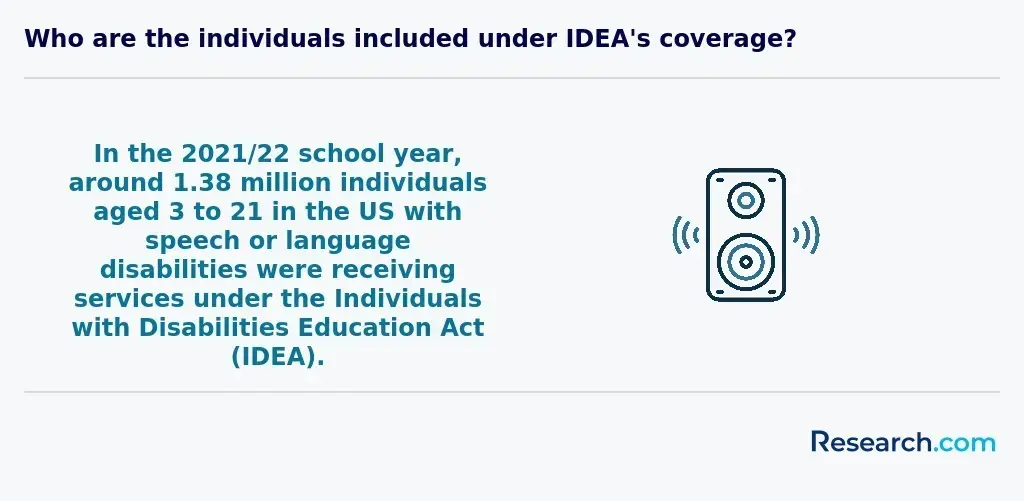
Graduates holding a speech pathology degree in Nebraska find diverse career paths across healthcare, education, and research sectors. Many pursue roles as licensed speech-language pathologists in public or private schools, where they support students with speech and language impairments, aligning with federal IDEA mandates. These positions contribute significantly to improved academic and social outcomes for children. Others enter hospitals and healthcare facilities, focusing on treating swallowing disorders, stroke recovery, and speech rehabilitation-key areas emphasized by Nebraska Health and Human Services. Rehabilitation centers and nursing homes also offer growing opportunities to work with the elderly population facing speech and neurological challenges, reflecting Nebraska's demographic trends.

Speech pathology careers in Nebraska extend to university research settings, developing innovative therapies, or private practice, where professionals enjoy rewarding client relationships and competitive earnings. Graduates from state universities often highlight their positive experiences balancing rigorous academics with practical training. For prospective students, exploring options through the Affordable Speech Pathology Degree Programs Ranking in Nebraska can guide informed decisions about accessible educational pathways.

What is the job market for speech pathology degree in Nebraska?

The speech pathology job outlook Nebraska presents is promising, with a 13% expected growth, reflecting strong demand for qualified professionals. Graduates from programs at popular institutions like the University of Nebraska or Creighton University often share how clinical placements in hospitals and schools prepare them well for this expanding job market. These real-life training experiences offer a clear pathway to employment, especially in healthcare facilities catering to Nebraska's aging population and educational settings needing support for children with communication disorders.

Salary expectations align with state realities; the median annual wage in Nebraska hovers around $75,000, slightly below the national average but balanced by reasonable living costs. Nebraska speech pathology career opportunities extend across diverse environments-nursing homes, outpatient centers, and K-12 schools-ensuring graduates have versatile options. Those considering this career should also explore the licensure process managed by the Nebraska Board of Speech Pathologists and Audiologists and understand tuition costs, which range from $10,000 to $30,000 annually.

Prospective students can enhance their planning by evaluating the best college degree to get in the context of Nebraska's thriving speech pathology field.

Frequently Asked Questions About speech pathology

How can speech pathology degree students in Nebraska maximize their learning experience?

Speech pathology degree students in Nebraska can maximize their learning experience by engaging actively in both academic coursework and practical clinical opportunities. Nebraska hosts several accredited programs recognized by the American Speech-Language-Hearing Association (ASHA), which emphasize hands-on training. Taking advantage of university partnerships with local hospitals and schools allows students to gain valuable real-world experience while completing their Clinical Fellowship Year (CFY).

Students should also pursue research opportunities in communication sciences, as Nebraska's universities often participate in studies supported by the National Institute on Deafness and Other Communication Disorders. According to the Nebraska Department of Labor, speech pathology is a growing field with a projected 15% job growth through 2030, underscoring the importance of networking and internship placements during study.

Finally, engaging with professional organizations such as the Nebraska Speech-Language-Hearing Association can provide mentorship, workshops, and conferences that enrich student knowledge beyond the classroom.

What are the emerging niches within the speech pathology field?

Emerging niches within the speech pathology field reflect growing demand and technological advancements. In Nebraska, professionals increasingly specialize in telepractice, offering remote therapy to rural areas where access to services is limited. Telepractice has expanded rapidly, especially since 2020, supported by state and federal health initiatives.

Another growing niche is working with aging populations, focusing on speech and swallowing disorders related to dementia and stroke. Nebraska's aging demographic amplifies the need for skilled clinicians in this area.

Additionally, speech pathologists are branching into bilingual and multicultural services, addressing diverse linguistic needs in Nebraska's communities. This trend is vital for effective communication therapies tailored to non-English speakers.

How to prepare for the job market after completing speech pathology degree in Nebraska?

Preparing for the job market after earning a speech pathology degree in Nebraska involves several key steps. Graduates should first pursue their Certificate of Clinical Competence (CCC) from the American Speech-Language-Hearing Association (ASHA), which is essential for professional practice. Nebraska also requires state licensure, so candidates must meet Nebraska Department of Health and Human Services criteria.

Networking through organizations like the Nebraska Speech-Language-Hearing Association can provide valuable job leads. According to the U.S. Bureau of Labor Statistics, speech pathology jobs in Nebraska have a strong growth outlook of about 15% through 2030, higher than the national average. Gaining clinical hours and internships during studies strengthens employability.

What are the top skills employers look for in speech pathology degree graduates in Nebraska?

Employers in Nebraska seeking speech pathology graduates prioritize strong clinical communication skills. Effective interaction with patients, families, and healthcare teams is essential for successful therapy outcomes. According to the American Speech-Language-Hearing Association (ASHA), Nebraska professionals must also demonstrate proficiency in evidence-based assessment and intervention techniques.

Analytical skills are critical, as clinicians need to accurately diagnose speech and language disorders. Cultural competence is increasingly valued, given Nebraska's growing diversity, ensuring therapists can address varying patient backgrounds.

Additionally, teamwork and adaptability are key, enabling graduates to work in schools, hospitals, and private practices. Technological fluency, including telehealth platforms, is also important amid rising remote care trends.

How to find internships in Nebraska relevant to a speech pathology degree?

Finding internships in Nebraska relevant to a speech pathology degree involves exploring placements offered through university programs and local healthcare facilities. Many accredited speech pathology programs in Nebraska require internships or clinical practicums as part of the curriculum, often partnering with hospitals, schools, and rehabilitation centers.

The Nebraska Speech-Language-Hearing Association provides resources and networking opportunities that can assist students in locating internships. Additionally, major hospitals in Omaha and Lincoln frequently accept speech pathology interns, offering real-world experience.

The American Speech-Language-Hearing Association reports that Nebraska's demand for speech pathologists is growing, increasing internship opportunities. Early contact with faculty advisors and professional organizations is key to securing valuable placements.

How does a speech pathology degree influence career mobility and advancement in Nebraska?

Obtaining a speech pathology degree in Nebraska significantly enhances career mobility and advancement opportunities. Graduates meet the state's licensing requirements, enabling them to practice as certified speech-language pathologists. Nebraska's robust demand for healthcare professionals, including speech pathologists, supports job growth estimated at 21% from 2022 to 2032, according to the U.S. Bureau of Labor Statistics.

Advanced degrees, such as a master's or doctorate, further increase eligibility for specialized roles in schools, hospitals, and rehabilitation centers. Completing accredited programs approved by the American Speech-Language-Hearing Association (ASHA) also boosts employability and potential earnings.

Continuing education is encouraged in Nebraska to maintain licensure and promote career progression. This degree serves as a foundational credential, facilitating entry into diverse clinical and educational settings statewide.

How does studying for a speech pathology degree in Nebraska prepare for interdisciplinary roles?

Studying for a speech pathology degree in Nebraska offers strong training for interdisciplinary roles, emphasizing collaboration across healthcare, education, and social services. Programs accredited by the American Speech-Language-Hearing Association (ASHA) in Nebraska integrate coursework with practical experience in settings such as hospitals, schools, and rehabilitation centers.

Students learn to work alongside professionals like audiologists, occupational therapists, and educators, developing skills crucial for comprehensive patient care. Nebraska's healthcare system encourages this teamwork, reflected in clinical placements that expose students to diverse populations and complex communication disorders.

According to the Nebraska Department of Labor, speech pathology is one of the fastest-growing healthcare professions in the state, highlighting the demand for versatile clinicians trained in interdisciplinary approaches.

How to choose between a thesis and a non-thesis speech pathology degree program in Nebraska?

When choosing between a thesis and a non-thesis speech pathology degree program in Nebraska, consider your career goals. Thesis programs typically involve conducting original research, which is useful if you aim for a career in academia or research. Non-thesis options focus more on clinical practice, ideal for those who wish to enter directly into speech-language pathology jobs.

The Council on Academic Accreditation notes that programs in Nebraska meet national clinical certification requirements regardless of the thesis option. Additionally, non-thesis tracks usually have a more flexible timeline.

The University of Nebraska-Lincoln reports about 30% of its students choose the thesis route, mostly for careers in university teaching or research.

What options do students based in Nebraska have for studying speech pathology abroad?

Students based in Nebraska who want to study speech pathology abroad have several pathways to consider. While Nebraska universities offer accredited programs, studying abroad requires careful planning to ensure credits transfer and meet certification standards. Popular destinations include Canada, the United Kingdom, and Australia, where speech pathology degrees follow similar educational frameworks recognized by the American Speech-Language-Hearing Association (ASHA).

Before enrolling, students should confirm their chosen foreign institution's program aligns with Nebraska licensure requirements. Some US schools have partnerships or exchange programs that facilitate smooth credit transfer. Additionally, scholarships and funding opportunities for international study are available through organizations such as Fulbright or the Gilman Scholarship Program.

What part-time job opportunities in Nebraska can complement speech pathology degree education?

Students pursuing speech pathology degrees in Nebraska can benefit from several part-time job opportunities that enhance their education. Positions like speech therapy aides or assistants in schools provide hands-on experience under licensed speech-language pathologists. According to Nebraska Department of Education, many public schools employ aides who support speech services, making this a practical option for students balancing work and study.

Additionally, Nebraska's healthcare facilities, including hospitals and rehabilitation centers, often seek support staff to assist in patient communication services. These roles offer exposure to clinical environments and diverse patient needs.

Volunteering at nonprofit organizations focused on communication disorders also offers valuable experience without conflict with academic commitments. Gaining practical knowledge complements theory learned in the classroom and strengthens a graduate's resume.

What are the networking opportunities for speech pathology students in Nebraska?

Speech pathology students in Nebraska have several strong networking opportunities through university programs and professional organizations. The Nebraska Speech-Language-Hearing Association (NSLHA) is a key resource, offering networking events, conferences, and workshops that connect students with practicing clinicians across the state.

Many Nebraska universities with speech pathology programs encourage students to participate in clinical placements at local hospitals and schools. These experiences foster professional connections and often lead to mentorships and job prospects.

Additionally, national organizations like the American Speech-Language-Hearing Association (ASHA) have student chapters at Nebraska schools, providing access to broader professional networks and updated research in the field.

How do alumni networks benefit speech pathology degree students in Nebraska?

Alumni networks play a crucial role for speech pathology degree students in Nebraska. These networks connect current students with graduates who have firsthand experience in the field and can offer valuable mentorship. According to the Nebraska Speech-Language-Hearing Association, alumni often help students navigate clinical experiences and state licensing requirements.

Many Nebraska universities maintain active alumni groups that provide job leads and professional development opportunities. Given that Nebraska's demand for speech-language pathologists is projected to grow by 10% through 2030 (U.S. Bureau of Labor Statistics), these connections can be vital for securing employment.

Students also benefit from alumni events and workshops, which foster relationships that aid career progression in local healthcare settings and schools.

How can I customize my speech pathology degree program in Nebraska to fit my career goals?

Customizing a speech pathology degree program in Nebraska involves selecting courses and clinical experiences that align with your professional goals. Many Nebraska universities offer flexible graduate programs where you can focus on specialties such as pediatric speech disorders, adult rehabilitation, or bilingual speech-language pathology.

Students can typically tailor their curriculum through elective courses and supervised practica in settings like schools, hospitals, or private clinics. The Nebraska Speech-Language-Hearing Association provides guidance on meeting licensure requirements, which helps in planning relevant coursework.

Additionally, some programs offer research opportunities or internships connected with local healthcare providers, enhancing real-world skills. Reviewing the curriculum details and available clinical placements at universities like the University of Nebraska-Lincoln can be essential to personalizing your education.

What are the typical challenges that speech pathology students in Nebraska are facing?

Speech pathology students in Nebraska often face several challenges unique to the region and the profession's requirements. One major difficulty is securing sufficient clinical placement hours. Nebraska has a relatively small number of approved clinics compared to more densely populated states, which can cause competition and limit hands-on experience opportunities. According to the American Speech-Language-Hearing Association (ASHA), students must complete 400 clinical hours, and finding local placements can be demanding.

Another challenge relates to balancing academic demands with fieldwork. Speech pathology programs involve intensive coursework alongside practicum hours, often requiring students to manage tight schedules and travel.

Finally, Nebraska's rural communities create additional hurdles. Students may experience limited access to diverse client populations, affecting their practical training breadth. This factor is crucial to gain experience treating a wide range of speech and language disorders.

What professional certifications can I pursue with a speech pathology degree?

With a speech pathology degree in Nebraska, graduates can pursue several key professional certifications to advance their careers. The primary credential is the Certificate of Clinical Competence in Speech-Language Pathology (CCC-SLP), awarded by the American Speech-Language-Hearing Association (ASHA). This certification is widely recognized across the U.S. and often required for employment in schools and healthcare settings.

Additionally, Nebraska requires speech pathologists to hold a state license issued by the Nebraska Department of Health and Human Services. Obtaining this license ensures compliance with state standards and allows professionals to practice legally within Nebraska.

Many graduates also seek a Certificate of Clinical Competence in Audiology (CCC-A) if they choose to work with hearing disorders. Continuing education and clinical hours are essential to maintain these certifications.

How to write a winning application for a speech pathology program in Nebraska?

To write a winning application for a speech pathology program in Nebraska, start by thoroughly researching the admission requirements of colleges like the University of Nebraska Medical Center and Wayne State College, both known for their strong speech pathology offerings.

Highlight relevant academic achievements, particularly in communication sciences, biology, and psychology, maintaining a competitive GPA-typically above 3.0. Include any volunteer or work experience involving speech-language pathology to demonstrate your commitment and hands-on knowledge.

Prepare a clear and compelling personal statement that explains your passion for speech pathology and your career goals within Nebraska's healthcare or education systems. Strong letters of recommendation from professors or professionals familiar with your abilities are essential to strengthen your application.

What are the global perspectives on a speech pathology career?

Speech pathology is recognized globally as a crucial healthcare field, with growing demand in many countries, including the United States. In Nebraska, the career outlook for speech-language pathologists is promising, with the U.S. Bureau of Labor Statistics projecting a 21% growth rate from 2021 to 2031. This growth reflects worldwide trends where communication disorders gain more attention due to aging populations and increased awareness of developmental needs.

While licensing requirements vary internationally, the U.S. system, including Nebraska, emphasizes a master's degree and clinical certification through the American Speech-Language-Hearing Association (ASHA). This standard helps graduates remain competitive in global job markets. Additionally, Nebraska's universities provide accredited programs aligning with these standards, ensuring graduates meet national and international criteria.

How can I gain practical experience while studying for a speech pathology degree in Nebraska?

Gaining practical experience while studying for a speech pathology degree in Nebraska is essential for career readiness. Most accredited programs in the state include supervised clinical practicum hours, which allow students to work directly with clients under professional guidance. The American Speech-Language-Hearing Association (ASHA) requires 400 clinical hours for certification, commonly integrated into Nebraska university curricula.

Students can also seek internships at local schools, hospitals, and rehabilitation centers such as the University of Nebraska Medical Center. These opportunities provide hands-on exposure to diverse populations. Additionally, Nebraska offers community-based service learning projects that enhance practical skills while benefiting underserved groups.

How do I choose the right concentration within a speech pathology degree program in Nebraska?

Choosing the right concentration within a speech pathology degree program in Nebraska begins with understanding your career goals and interests. Nebraska offers options such as pediatric speech therapy, adult rehabilitation, and autism spectrum disorder specialization, reflecting local demand.

A key factor is aligning your choice with job market trends. According to the Nebraska Department of Labor, speech-language pathologists specializing in pediatric and school-based services make up over 60% of state employment, indicating strong opportunities.

Additionally, review program curricula to ensure they meet the Nebraska Board of Speech-Language Pathology and Audiology licensure requirements. This ensures graduates can practice professionally within the state.

Consider also practicum opportunities and faculty expertise when selecting a concentration, as hands-on experience is crucial for certification and competence.

See What Experts Have To Say About Studying Speech Pathology

Read our interview with Speech Pathology experts

Rhea Paul

Rhea Paul

Speech Pathology Expert

Professor, Communication Disorders

Sacred Heart University

Do you have any feedback for this article?

Related Articles
2026 Most Affordable Online Masters in Speech Pathology thumbnail
Degrees AUG 20, 2026

2026 Most Affordable Online Masters in Speech Pathology

by Imed Bouchrika, PhD
2026 Best CAA-Accredited Graduate Degrees in Speech-Language Pathology thumbnail
2026 Best Online Communication Disorders Degree Programs thumbnail
Degrees AUG 20, 2026

2026 Best Online Communication Disorders Degree Programs

by Imed Bouchrika, PhD
2026 Best Accelerated Online Speech Pathology Degree Programs thumbnail
Degrees AUG 20, 2026

2026 Best Accelerated Online Speech Pathology Degree Programs

by Imed Bouchrika, PhD
2026 Online Communication Disorders Degree Programs Costs: Tuition & Fees thumbnail
2026 Online Speech Pathology Degree Programs Costs: Tuition & Fees thumbnail
Advice AUG 19, 2026

2026 Online Speech Pathology Degree Programs Costs: Tuition & Fees

by Imed Bouchrika, PhD