2027 Best Speech Pathology Degree Programs Ranking in Columbus

Co-Founder and Chief Data Scientist

Reviewed by Rhea Paul, PhD
SLP Education & Research Expert
Choosing the right speech pathology degree program is an important step toward a rewarding career. For students in Columbus, this article offers valuable guidance by presenting the 2027 Best Speech Pathology Degree Programs Ranking in Columbus. Created by the Research.com team of data scientists, this ranking helps you make an informed decision by highlighting the top programs worth considering.
Reading this article will give you a clearer understanding of your options and boost your confidence as you pursue a degree that can open doors to meaningful work helping others.
Key benefits of getting speech pathology degree in Columbus
- Salary advantages: Graduates with a speech pathology degree in Columbus can expect rewarding salaries, such as a Speech Therapist earning around $96,790 annually or $46.54 hourly, providing financial stability and growth.
- Career variety: A speech pathology degree opens doors to diverse roles like Speech-Language Pathology Assistant or Clinical Research Coordinator, offering fulfilling opportunities in healthcare and research in Columbus.
- Online degree benefits: Pursuing an online speech pathology degree from local universities allows flexible scheduling, making it easier to balance work and study while gaining the same valuable skills as traditional programs.
- 2027 Best Speech Pathology Degree Programs Ranking in Columbus
- What can I expect from speech pathology degree in Columbus?
- Where can I work with speech pathology degree in Columbus?
What can I expect from speech pathology degree in Columbus?
Students pursuing speech pathology degrees in Columbus typically encounter average tuition costs ranging from $20,000 to $35,000 per year, depending on whether they attend public institutions like Ohio State University or private colleges. Graduates often recall the balance between investment and the rewarding clinical experiences gained, especially within highly regarded programs that emphasize hands-on practicums at local hospitals and community centers.
As the field evolves, future students may see expanded funding options and scholarship opportunities aimed at reducing financial barriers. Many current students have expressed excitement about emerging telepractice training integrated into their curriculum, which prepares them for flexible care delivery models increasingly in demand.
One graduate described how tuition expenses felt manageable considering the program's reputation and the direct pathways to licensure and employment in Columbus's growing healthcare market. The robust partnerships between universities and healthcare providers also enhance the value of the investment, offering real-world experience that enriches learning beyond traditional classrooms.
Where can I work with speech pathology degree in Columbus?
Graduates from speech pathology programs in Columbus, such as those at Ohio State University, find diverse career avenues that blend clinical expertise with community impact. Many begin their careers in renowned healthcare settings like OhioHealth Riverside Methodist Hospital, where hands-on experience with patients recovering from strokes or surgeries creates deep professional fulfillment. These roles frequently evoke a sense of purpose and accomplishment among new professionals.
Others embrace roles in the Columbus City Schools system, supporting children with individualized education plans and witnessing firsthand the breakthroughs in communication skills. Graduates often describe the joy of seeing a student's confidence grow as a highlight of their work. Emerging trends suggest growing opportunities in outpatient clinics and private practices, allowing flexibility and the ability to tailor therapies to clients of all ages.
As Columbus' population ages, elder care facilities are becoming hotspots for specialists addressing swallowing disorders and communication challenges in seniors. Future graduates are likely to benefit from this expanding demand, making the city a promising place to build a rewarding speech pathology career.
Graduates with a speech pathology degree in Columbus can anticipate starting salaries around $65,000, aligning closely with the Ohio Department of Job and Family Services data showing average wages between $82,000 and $90,000 in Franklin County. For those entering roles such as Speech-Language Pathologists, the national mean annual wage is near $85,000, but specialized positions often pay more. For example, clinical roles like Speech Therapists earn a mean wage of about $96,790 annually according to U.S. Bureau of Labor Statistics data.
Students from universities in Columbus often share exciting stories about securing positions in large healthcare systems like Nationwide Children's Hospital, where competitive pay and career growth are common. Entry-level speech-language pathology assistants typically start around $47,000, making these roles accessible while building experience.
As the healthcare sector expands locally, graduates who pursue certifications and specialize in clinical or community outreach roles expect salaries nearing or exceeding $95,000, highlighting a positive outlook. This financial potential, combined with benefits and continuous learning opportunities in Columbus, inspires many to envision a fulfilling, stable career ahead.
- Speech pathology degrees in Columbus typically require a master's degree and about two years of study after completing an undergraduate program.
- Tuition costs range from $10,000 to $15,000 per year at public universities and can be up to $25,000 annually at private institutions, excluding fees and living expenses.
- Entry-level salaries for speech pathologists in Columbus range from $55,000 to $65,000 per year, with experienced professionals earning around $75,000 or more.
- Job opportunities in Columbus are strong due to growth driven by an aging population and expanding programs for communication disorders.
- Certification from the American Speech-Language-Hearing Association (CCC-SLP) is required to practice, with most programs including supervised clinical hours for preparation.
Completing a speech pathology degree in Columbus generally takes around two to three years at the master's level after earning a bachelor's degree. Graduates sharing their experiences from Ohio State University often describe the journey as intense but rewarding, especially when balancing academic coursework with hands-on clinical practicum placements in local schools and healthcare facilities.
Many find the 400 clinical hours required by ASHA challenging yet fulfilling, as it provides real-world exposure that shapes their future practice. Some students, particularly those entering without a related undergraduate degree, mention that accelerated or bridge programs add extra time but offer a valuable pathway into the profession.
Looking ahead, emerging trends like hybrid learning models and simulated clinical experiences could potentially shorten this timeline, making the degree more accessible without compromising quality. In Columbus, such innovations might enable students to finish their degrees faster while still meeting rigorous certification standards, enhancing the energetic and hopeful experience reported by many current students.
Students who want to practice as speech-language pathologists in Ohio should plan their education around both state licensure and national certification expectations. The typical pathway includes graduate education, supervised clinical experience, a national exam, and continuing education after licensure.
- Earn a Master of Science in Speech-Language Pathology (MS-SLP) with at least 400 hours of supervised clinical practicum.
- Pass the ASHA Praxis Exam in Speech-Language Pathology with the state’s minimum score.
- Submit an application, official transcripts, and exam scores to the Ohio Speech-Language Pathology & Audiology Board.
- Complete a 36-week Clinical Fellowship Year (CFY) under a licensed CCC-SLP mentor.
- Obtain the ASHA Certificate of Clinical Competence (CCC-SLP) after the CFY.
- Renew Ohio licensure biennially by completing a minimum of 30 hours of approved continuing education.
Prospective students should confirm the latest requirements with the Ohio Speech-Language Pathology & Audiology Board and with their intended graduate program before enrolling. Licensure rules can affect which programs are appropriate, especially for students considering online or out-of-state options.
Applicants comparing costs outside Ohio can also review cheapest slp programs in new york, but they should verify that any out-of-state program meets Ohio licensure requirements if they plan to practice in Ohio.
Choosing between online and on-campus speech pathology degrees in Columbus reveals distinct experiences shaped by evolving educational trends. Graduates from Ohio State University often describe on-campus programs as immersive journeys where direct interactions with professors and peers spark immediate feedback and hands-on learning, especially during clinical practicums at campus clinics or nearby hospitals. This approach fosters a strong sense of community and confidence.
In contrast, online students value the flexibility to balance work or family life while pursuing their degree. They engage through asynchronous lectures alongside scheduled virtual discussions, crafting a self-paced yet connected experience. However, these students typically coordinate local clinical placements independently, which can encourage proactive networking within Columbus's healthcare scene.
Looking ahead, hybrid models might blend these strengths, combining rich in-person practice with flexible digital coursework. Columbus's programs could lead in integrating advanced telepractice technologies, allowing remote clinical supervision with real-time feedback, enhancing accessibility without sacrificing quality. This emerging flexibility can empower diverse learners eager to thrive in speech pathology careers.
Finding an affordable speech pathology program in Columbus, OH, requires looking beyond the advertised tuition rate. Students should compare total cost, accreditation, clinical placement access, financial aid, program length, and whether the degree supports Ohio licensure requirements.
A practical affordability search should include four steps:
- Confirm accreditation and licensure alignment: A low-cost program is not a good value if it does not support the credentialing path you need.
- Calculate net cost: Add tuition, fees, books, supplies, transportation, housing, and required travel, then subtract confirmed grants, scholarships, and assistantships.
- Compare formats: On-campus programs may provide easier access to local clinics, while online or hybrid programs may reduce commuting or relocation costs.
- Evaluate outcomes: Consider clinical training quality, PRAXIS preparation, graduation support, and employment pathways alongside price.
Students comparing Columbus options with other Ohio programs can review an affordable speech pathology school in ohio to widen their search. The best financial decision is usually the program that combines reasonable net cost with accredited training, strong clinical experience, and a clear path to licensure.
The average cost of a speech pathology degree in Columbus typically reflects a blend of tuition, fees, and additional expenses, with the median total cost for students often reaching around $54,866. In-state students benefit from significantly lower costs, approximately $13,244 on average, making local public universities an attractive option for many. Graduates from these programs often share how access to affordable in-state tuition allowed them to focus more on clinical skills and hands-on experiences without the added stress of overwhelming debt.
Columbus offers a variety of study paths, from community colleges to private institutions, each impacting the total cost differently. Graduate students preparing for certification report tuition costs varying widely, yet many find the investment worthwhile as their programs equip them to thrive in clinical environments. A common narrative among recent graduates from Ohio State University, a leading local institution, involves the balance between rigorous coursework and the support received via scholarships or assistantships, which helped ease financial burdens.
Those exploring other fields might find parallels with a music composition degree in the city, where similar financial planning approaches can apply. Considering the average cost of speech pathology degree in Columbus, prospective students are encouraged to anticipate not just tuition but also living expenses and clinical practicum fees. This understanding fosters realistic budgeting and opens pathways to rewarding careers in speech-language pathology.
Columbus speech pathology degree tuition and fees continue to evolve, influenced by residency status, type of institution, and program duration. Future students can look forward to emerging financial aid models and flexible program structures aimed at reducing costs while maintaining educational quality and strong community ties.
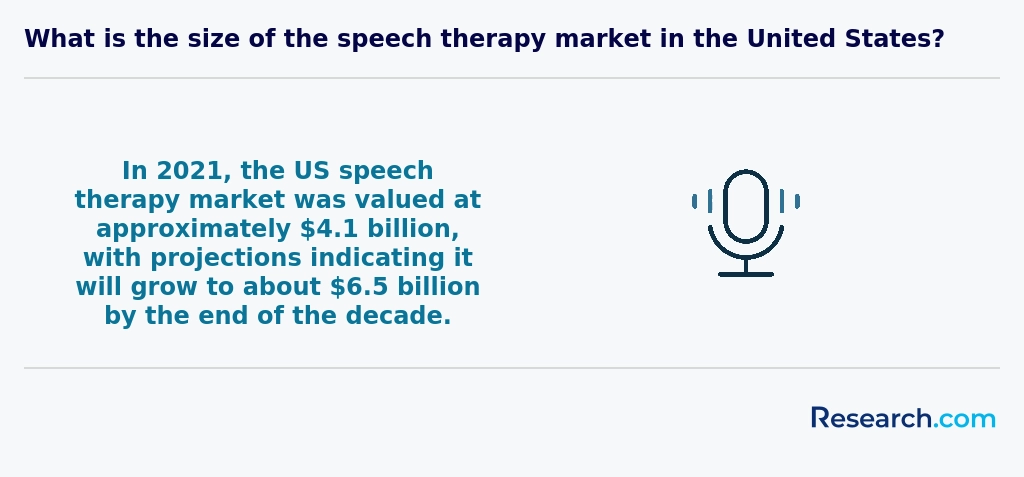
Speech pathology is changing quickly as care moves beyond traditional clinic and school settings. Students entering the field should expect to work with new service models, digital tools, and evidence-based interventions that support clients across age groups, languages, and levels of need.
Several trends are especially important for future speech-language pathologists:
- Telepractice: Remote assessment and therapy can expand access for clients in rural, underserved, or mobility-limited communities. Students should look for programs that prepare them to deliver therapy ethically and effectively through virtual platforms.
- Advanced diagnostics: Clinicians increasingly use more precise assessment tools to evaluate speech, language, voice, fluency, swallowing, and cognitive-communication disorders.
- AI-powered therapy support: Artificial intelligence and app-based tools may help with documentation, practice activities, data tracking, and personalized therapy support, but they do not replace clinical judgment.
- Interdisciplinary care: Speech-language pathologists often collaborate with teachers, physicians, occupational therapists, psychologists, audiologists, and families, making communication and teamwork core professional skills.
- Continuing professional development: Because research and practice standards evolve, strong clinicians keep learning through online courses, webinars, professional conferences, and supervision.
These innovations can also influence career direction. Clinicians with expertise in telehealth, dysphagia, pediatric language, voice, neurogenic communication disorders, or leadership may find broader opportunities over time. Students interested in compensation and advancement should review what are the highest paying jobs in speech language pathology to understand how specialization and setting can affect earnings.
The best programs do more than teach current techniques. They help students evaluate new tools critically, apply research to practice, and adapt services to client needs without overrelying on technology.
Students pursuing speech pathology degrees in Columbus commonly tap into federal aid through FAFSA to access Stafford and Grad PLUS loans, which graduates often praise for manageable repayment options. Those enrolled at well-known institutions like Ohio State University or Franklin University frequently describe relief from the burden of tuition costs, which typically range between $20,000 and $30,000 annually, thanks to these loans.
State scholarships such as the Ohio College Opportunity Grant also play a role, with some recipients sharing how this funding indirectly supports their graduate education by easing undergraduate expenses. Institutional scholarships and merit-based awards offered by Columbus universities further brighten the financial outlook for many pursuing speech pathology, especially when paired with paid clinical internships at local hospitals or schools, which former students highlight as invaluable for both income and hands-on experience.
Professional groups like the American Speech-Language-Hearing Association remain promising sources of specialized scholarships, encouraging Columbus students to apply early to maximize their chances. This layered financial approach helps future clinicians feel more confident about their educational journey.
Affordability is one of the biggest factors in choosing a speech pathology program because graduate education can be expensive and licensure requires additional supervised training after graduation. In Columbus, OH, in-state tuition for MS-SLP students averages $8,000–$12,000 per year, according to the figures provided for this guide. That can be competitive, but students should still compare the full cost of attendance rather than tuition alone.
Applicants who are open to relocating or studying in another format may also want to compare nearby Midwest options. For example, the Affordable Speech Pathology Degree Programs Ranking in Michigan includes master’s programs that charge as little as $6,500 per academic year for in-state learners.
| Cost factor | What to compare | Why it matters |
| Tuition | Columbus in-state rates averaging $8,000–$12,000 per year versus selected Michigan options as low as $6,500 per academic year | Tuition is often the largest direct academic cost. |
| Fees | Technology, registration, lab, clinic, graduation, and program-specific charges | Fees can change the real annual cost even when tuition looks affordable. |
| Living expenses | Housing, food, transportation, parking, and health insurance | Some Michigan cities may have a cost of living 10–15% lower than Columbus. |
| Program format | On-campus, hybrid, or online coursework with approved clinical placements | Hybrid or online formats may reduce relocation or commuting costs. |
| Aid opportunities | Scholarships, assistantships, state grants, and institutional awards | A higher-tuition program can become more affordable if aid is strong. |
Students should also include travel and relocation costs in the comparison. A lower tuition rate may not save money if it requires an expensive move, repeated travel, or unpaid time away from work. Conversely, a hybrid or online program with local clinical placements may reduce living costs while still meeting training requirements.
The most practical approach is to build a side-by-side budget for each program: tuition, required fees, estimated living costs, books and supplies, commuting or relocation, and confirmed aid. Then compare the net cost, not just the published tuition.
Enrolling in a speech pathology degree program in Columbus generally starts with holding a bachelor's degree, often in communication sciences, psychology, or related fields. Graduates from popular local institutions often recall how completing prerequisites like Anatomy and Physiology of the Speech Mechanism or Phonetics gave them a deeper understanding of the human voice, making their early graduate studies feel more engaging and relevant.
Many Columbus programs expect a solid GPA, typically around 3.0 or higher, reflecting academic dedication. Future students often share how balancing coursework with volunteering in clinics or schools made their applications stronger and sparked genuine excitement about the profession.
Observation hours with licensed speech-language pathologists are commonly required, offering hands-on insight into real-world practice. Some students mention how those experiences fueled their passion, helping them envision their future impact within diverse Columbus communities.
GRE requirements vary, but students appreciate schools that prioritize holistic assessments over test scores, emphasizing personal commitment and practical exposure.

Students considering speech pathology programs in Columbus should focus first on accreditation, clinical training access, faculty expertise, and licensure preparation. The following programs and pathways are commonly discussed by prospective students evaluating speech-language pathology education connected to the Columbus region and nearby options.
| Institution | Program features noted | Best fit considerations |
| Ohio State University | CAA-accredited MS-SLP with 400+ clinical practicum hours at state-of-the-art facilities | Students seeking a large research university environment and extensive clinical exposure |
| Capital University | Small cohort model, research-driven curriculum, and early hands-on placements | Students who prefer closer faculty interaction and a more personalized academic setting |
| University of Cincinnati | Hybrid format featuring simulation labs and community clinic rotations | Students who want a blend of structured coursework, simulation, and community-based training |
| Otterbein University | High PRAXIS pass rates, personalized mentorship, and strong community partnerships | Students who value mentoring, exam preparation, and local professional connections |
| Franklin University | Flexible, fully online MS-SLP pathway ideal for working students | Students balancing graduate study with employment, family responsibilities, or location constraints |
Program names and formats should always be verified directly with each institution before applying, because accreditation status, clinical placement policies, admissions requirements, and delivery formats can change. Students specifically comparing remote options can review online slp programs as part of a broader search.
Courses in speech pathology degree programs in Columbus are designed to thoroughly prepare students for diverse clinical challenges ahead. Graduates from institutions like Ohio State University often recall immersive classes such as Anatomy and Physiology of Speech and Hearing, which bring to life the intricate movement of vocal cords and ear structures through 3D models and lab work, sparking excitement about uncovering human communication mechanics.
At the University of Cincinnati, foundational courses like Speech Science and Phonetics help students analyze speech sounds with cutting-edge software, offering hands-on experiences that feel immediately relevant to real-world therapy. Many describe the process as empowering when mastering these tools.
Emphasis on disorders-including aphasia or voice disorders-and treatment methods encourages Columbus students to engage in role-playing scenarios that simulate clinical assessments and interventions, developing confidence before entering practicum settings.
Looking forward, emerging trends suggest integration of technology-driven communication aids and AI-enhanced diagnostics will become core components, evolving courses like Augmentative and Alternative Communication into vibrant, tech-focused learning hubs that spark optimism about future patient care.
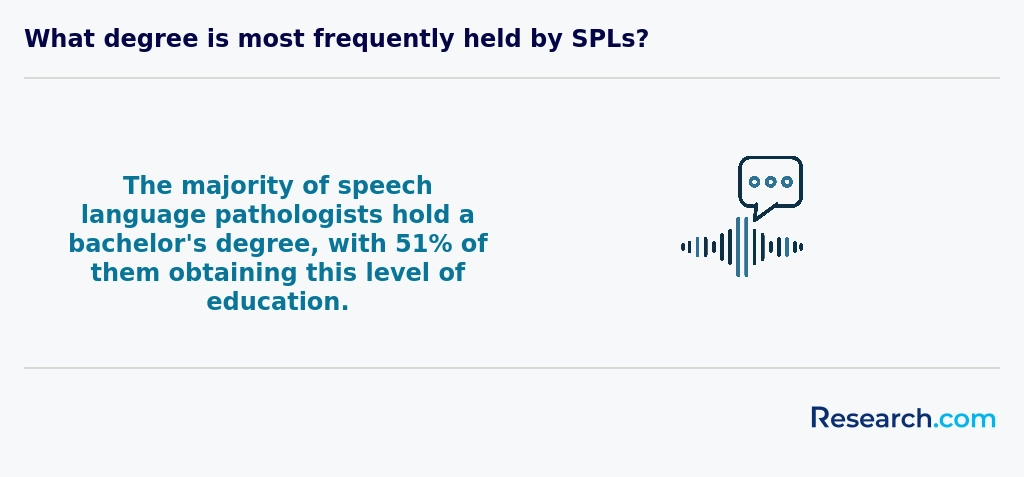
Students pursuing speech pathology degrees in Columbus often focus on specializations such as Pediatric Speech Pathology, Adult Neurogenic Disorders, and Voice and Resonance Disorders. Graduates from popular universities describe deep satisfaction in working directly with children overcoming articulation difficulties or adults recovering speech abilities after strokes, reflecting the hands-on training incorporated into Columbus programs. The emphasis on clinical practicum placements helps students experience real-world challenges and successes firsthand, fueling their passion.
Emerging trends in speech pathology specializations in Columbus include increased attention to Augmentative and Alternative Communication (AAC) technologies, empowering patients with severe speech impairments to communicate more effectively. Many programs enable students to explore AAC through research or specialized electives, enhancing future employability in innovative clinical settings. Busy students often balance this with access to interdisciplinary resources, including courses similar in spirit to the best library science master's programs online, showing how evolving coursework supports diverse skill sets.
Columbus speech pathology degree focus areas also highlight fluency disorders, where graduates enthusiastically share how managing stuttering or cluttering across ages has shaped their perspectives. These focused tracks encourage adaptability and empathy, qualities critical to success as they prepare for Ohio's certification and licensure requirements, making the programs both rewarding and forward-thinking for future practitioners.
Choosing the best speech pathology degree in Columbus means looking beyond just accreditation to future-focused factors that enhance your learning and career prospects. Graduates from popular Columbus universities often praise programs with direct clinical experiences in hospitals and schools, where hands-on patient work builds confidence and practical skills. These real-world scenarios prepare students for the growing local demand in speech-language pathology, making their degrees truly valuable.
Another key element is affordability, especially for those seeking affordable speech pathology degrees Columbus offers through public institutions. Tuition savings can ease financial pressure, allowing students to focus on immersive learning and professional growth. Flexibility in program formats-such as part-time or hybrid options-also plays a crucial role, as many students balance studies with work or family, a common experience among recent graduates.
Looking ahead, many students are exploring accredited online teaching master's programs to complement their clinical training with innovative educational skills. This combination positions them strongly for diverse career paths and leadership roles within the Columbus healthcare community.
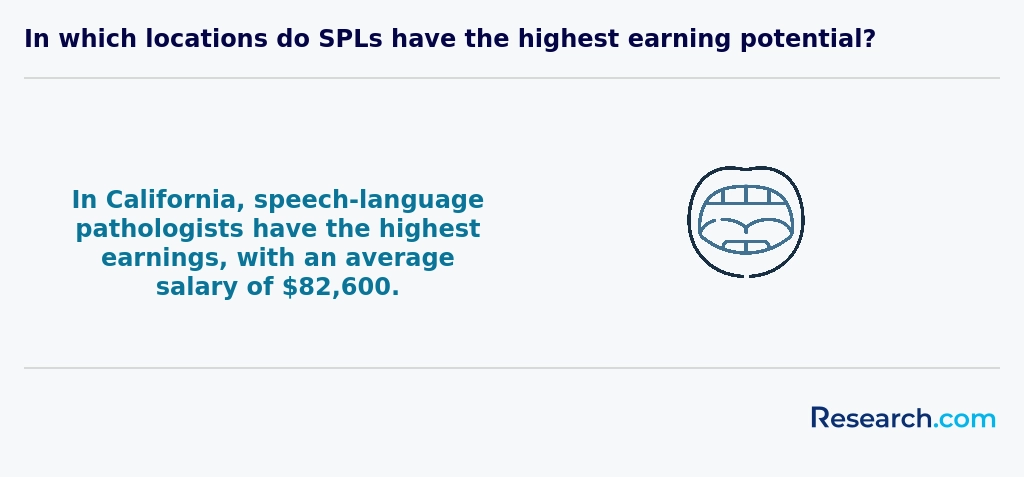
Graduates with a speech pathology degree in Columbus often find themselves thriving in diverse roles across healthcare, education, and private practice. Many build their careers in local hospitals and rehabilitation centers, where they support patients recovering from neurological conditions-a path frequently experienced by those from prominent Columbus universities. These roles not only demand clinical expertise but also foster a deep sense of fulfillment as they witness patient progress.
Within Columbus speech therapy job opportunities, some graduates choose to work in school districts, helping children overcome speech and language challenges. Alumni often share stories of empowering young students, which highlights the rewarding nature of education-based roles. Others venture into private practice or consultancy, enjoying the flexibility and personalized impact they can make on their clients' lives.
Emerging trends show growing demand for research and community-oriented roles, inviting speech pathologists to engage deeply with cutting-edge developments or nonprofit initiatives. For students considering broad career options, exploring the highest ranked online organizational leadership degrees may open additional leadership opportunities in clinical or educational settings.
Future-focused graduates often emphasize how a speech pathology degree in Columbus equips them not just with skills, but with meaningful pathways to transform lives across multiple sectors.

Graduates holding a speech pathology degree in Columbus find themselves in a thriving job market bolstered by broad demand across healthcare and education sectors. With the region's aging population increasing the need for communication therapy related to stroke recovery and other age-related challenges, opportunities for speech pathology career opportunities in Columbus continue to expand. Many graduates from popular Columbus universities express optimism about entering steady roles in hospitals, schools, and outpatient clinics, often supported by strong community partnerships that ease job placement after graduation.
Master's programs at institutions in Columbus frequently provide valuable clinical experiences in nearby schools and rehabilitation centers, helping students transition smoothly into professional roles. The competitive median wage around $80,000 locally further inspires confidence among graduates. Those seeking affordable options often explore an affordable speech pathology school in ohio, where reduced tuition helps maintain manageable student debt.
Looking ahead, the job outlook for speech pathology graduates Columbus is set to improve as demand increases due to healthcare growth and educational needs, creating both challenges and rich possibilities for new professionals in this rewarding field.
2027 Best Speech Pathology Degree Programs Ranking in Columbus
Investing in your education is a significant decision that can shape your future, and the Research.com team understands the importance of making informed choices. To assist prospective students in Columbus, we have meticulously crafted the "2027 Best Speech Pathology Degree Programs Ranking in Columbus." Our commitment to quality, credibility, and accuracy is reflected in the extensive research and analysis conducted to compile this ranking.
We utilized the following reputable data sources to ensure a comprehensive evaluation of speech pathology programs:
By exploring this ranking, readers will gain valuable insights into the best speech pathology degree programs available in Columbus, helping them make well-informed decisions about their educational paths. For more details on our methodology, please visit our Research.com methodology page.

Frequently Asked Questions About speech pathology
Speech pathology degree students in Columbus can maximize their learning experience by combining rigorous academic coursework with practical clinical training. Accredited programs typically require at least 400 clock hours of supervised clinical practice, which helps students apply theoretical knowledge in real-world settings. Engaging with local healthcare facilities or school districts in Columbus offers valuable opportunities to gain hands-on experience.
Students should also take advantage of Columbus-based professional organizations like the Ohio Speech-Language-Hearing Association, which hosts workshops and networking events. Additionally, staying updated on state licensure requirements and continuing education credits ensures students are prepared for certification exams and future career licensing in Ohio.
Research and collaborative projects with Ohio universities can deepen understanding of current speech pathology trends, while seeking mentorship improves skills and professional development. Utilizing campus resources such as speech labs and accessible academic advisors also supports academic success in Columbus programs.
Emerging niches within the speech pathology field offer new opportunities for students pursuing degrees in Columbus. Telepractice has grown significantly, especially after the COVID-19 pandemic, allowing speech pathologists to deliver therapy remotely to clients across Ohio. This niche requires proficiency with digital tools and adapting techniques for virtual settings.
Another expanding area is neurogenic speech disorders, focusing on conditions like traumatic brain injury and stroke recovery. Columbus hospitals and rehabilitation centers are increasing demand for specialists trained in this area.
Additionally, pediatric feeding and swallowing disorders represent a growing interest, linked to early intervention programs in Ohio's healthcare system. These niches highlight the evolving landscape of speech pathology careers in Columbus.
After completing a speech pathology degree in Columbus, preparing for the job market requires strategic steps. First, obtaining state licensure from the Ohio Speech-Language Pathology and Audiology Board is essential. This involves passing the national Praxis exam and completing a clinical fellowship year.
Networking plays a key role. Joining professional organizations such as the American Speech-Language-Hearing Association (ASHA) Ohio affiliate can connect graduates with local employers and continuing education opportunities.
Additionally, leveraging internships and practicum experiences gained during the degree can enhance your resume. Columbus has diverse clinical settings, including schools, hospitals, and rehabilitation centers, where demand for speech pathologists is growing due to an aging population and increased awareness of communication disorders.
According to the U.S. Bureau of Labor Statistics, employment for speech-language pathologists in Ohio is expected to grow by 12% through 2031, bolstering job prospects locally.
Employers in Columbus seek speech pathology graduates who demonstrate strong communication and interpersonal skills. These professionals must effectively interact with diverse client populations, including children and adults with various speech and language disorders.
Clinical competence is essential, with employers prioritizing graduates who have hands-on experience through internships or practicums. Familiarity with evidence-based assessment and intervention techniques improves job prospects.
Analytical skills are also critical, enabling clinicians to interpret diagnostic data and tailor treatment plans.
Additionally, knowledge of state licensure requirements for Ohio speech-language pathologists is important, given the regulatory environment. According to the Ohio Department of Education, compliance with licensure standards and continuing education ensures professional readiness.
Finding internships in Columbus for speech pathology students involves several practical steps. Many local universities with accredited speech-language pathology programs, such as Ohio State University, assist students in securing clinical placements as part of their coursework. These internships often partner with hospitals, schools, and rehabilitation centers in the Columbus area.
Students can also explore opportunities through the Ohio Speech-Language-Hearing Association (OSHA), which lists local internships and externship possibilities. Networking events and university career centers frequently provide connections to healthcare providers and clinics.
According to the Bureau of Labor Statistics, Ohio's healthcare sector is growing steadily, increasing internship availability. Early application and maintaining strong academic standing are crucial to access competitive local placements supporting certification requirements.
Obtaining a speech pathology degree in Columbus significantly enhances career mobility and advancement opportunities. According to the U.S. Bureau of Labor Statistics, speech-language pathologists in Ohio experience steady job growth, projected at 16% from 2021 to 2031, which is faster than the national average. Employers in Columbus, including hospitals, schools, and rehabilitation centers, often require certification and master's degrees, making formal education essential for entry and promotion.
Graduates with advanced degrees can access specialized roles, such as clinical director or research coordinator, boosting potential earnings. Local professional organizations also support networking and continuing education, crucial for career development in this field.
Studying for a speech pathology degree in Columbus offers strong preparation for interdisciplinary roles through comprehensive curricula and practical experiences. Programs typically integrate coursework in communication sciences, audiology, and related health fields, fostering collaboration skills essential in healthcare teams.
Columbus universities emphasize clinical placements in diverse settings such as hospitals, schools, and rehabilitation centers. This exposure helps students work alongside professionals like occupational therapists, educators, and physicians, enhancing their ability to approach patient care holistically.
According to the Ohio Board of Speech-Language Pathology and Audiology, over 60% of licensed speech pathologists in Columbus report regular interdisciplinary collaboration, highlighting the local demand for such competencies.
These programs also include training on patient-centered care, evidence-based practice, and communication techniques, all vital for effective teamwork in varied professional environments.
When choosing between a thesis and a non-thesis speech pathology degree program in Columbus, consider your career goals and learning preferences. Thesis programs demand conducting original research, which suits students aiming for clinical research or doctoral studies. Non-thesis programs focus more on coursework and practical skills, ideal for those wanting to enter the workforce directly.
The Ohio Speech-Language-Hearing Association notes that about 60% of speech pathology graduates in Ohio opt for non-thesis tracks due to faster completion times and immediate clinical preparation. Cost and time commitment may also influence your choice, with thesis programs often taking longer. Assess these factors carefully.
Students based in Columbus who wish to study speech pathology abroad have several pathways to consider. While Columbus offers strong local programs, some seek international experience to broaden their skills. Many students enroll in exchange programs or study-abroad opportunities through partnerships between Ohio State University and foreign institutions. These options allow students to spend a semester or summer studying speech pathology in countries like the UK, Australia, or Canada, all recognized for their quality allied health programs.
Such experiences often provide exposure to diverse clinical practices and global communication disorders. However, students must ensure that credits transfer back to their degree in Columbus and that coursework meets certification requirements from the American Speech-Language-Hearing Association (ASHA).
Because speech pathology licensure is state-specific, studying abroad generally complements but does not replace U.S.-based clinical training. According to the National Student Clearinghouse, approximately 12% of Ohio State students participate in some form of study abroad, highlighting its growing popularity among Columbus students.
Students pursuing speech pathology degrees in Columbus can benefit from various part-time job opportunities that enhance their education. Working as a therapy aide or assistant in local clinics allows hands-on experience with speech-language pathologists, supporting skill development. Columbus has numerous healthcare facilities and school districts offering such roles, which are often flexible for students' schedules.
Additionally, positions like research assistants at Ohio State University's voice and speech labs provide valuable exposure to clinical studies. Jobs in early childhood education centers or special education programs help build communication and intervention skills important for future clinicians.
According to the Bureau of Labor Statistics, practical experience gained through these roles increases employability and complements academic learning effectively.
Speech pathology students in Columbus benefit from numerous networking opportunities that can enhance their academic and professional growth. Many colleges in the area, including Ohio State University, offer student organizations such as the National Student Speech Language Hearing Association (NSSLHA). These groups provide access to local professionals, workshops, and conferences.
Additionally, Columbus is home to healthcare facilities and clinics where students can meet practicing speech-language pathologists through internships and volunteer programs. The Ohio Speech-Language-Hearing Association (OSLHA) hosts regional events, giving students chances to connect with industry leaders and stay updated on professional trends.
These activities support students in building relationships that may lead to employment or mentorship after graduation.
Alumni networks play a significant role in supporting students pursuing speech pathology degrees in Columbus. Many universities in this area offer access to established networks, connecting current students with graduates who have practical experience in clinical and educational settings. These connections often lead to mentorship opportunities, internships, and job placements.
According to the American Speech-Language-Hearing Association (ASHA), networking improves employment prospects, especially in specialized fields like speech pathology. Columbus's healthcare and educational sectors are growing, increasing demand for qualified professionals.
Alumni can provide insights on certification processes and the realities of working in Ohio's healthcare system, fostering a more informed transition from academics to professional practice.
Customizing a speech pathology degree program in Columbus involves selecting electives and clinical experiences that align with your career goals. Many universities in Columbus offer flexibility through specialty courses in areas such as pediatric speech therapy, adult rehabilitation, or augmentative communication methods. You can often choose practicum placements with local hospitals, schools, or rehabilitation centers to gain relevant hands-on experience. The American Speech-Language-Hearing Association (ASHA) accredits programs ensuring they meet national standards, which supports licensure and certification in Ohio. According to the Ohio Board of Speech-Language Pathology and Audiology, gaining varied clinical hours tailored to your interests enhances employability within Columbus's healthcare and education sectors.
Speech pathology students in Columbus often face several challenges during their studies. One common issue is managing the demanding coursework, which includes subjects like anatomy, linguistics, and clinical methods. These require strong commitment and time management skills.
Another challenge is securing enough clinical practicum hours. The Ohio Speech-Language-Hearing Association notes that fulfilling the required supervised clinical experience is competitive due to limited local placements.
Additionally, students must prepare for the national Praxis exam, which assesses their readiness to enter the profession. Many find balancing exam preparation with ongoing coursework stressful.
Financial concerns also weigh heavily, with graduate tuition in Columbus averaging over $15,000 per year, according to the National Center for Education Statistics.
With a speech pathology degree in Columbus, graduates can pursue professional certifications that enhance their career prospects. The primary credential is the Certificate of Clinical Competence in Speech-Language Pathology (CCC-SLP), offered by the American Speech-Language-Hearing Association (ASHA). This certification is recognized nationwide and often required for clinical positions. To earn it, candidates must complete a master's degree, a supervised clinical fellowship, and pass a national exam.
Additionally, speech pathologists can seek state licensure through Ohio's Speech-Language Pathology and Audiology Board, which oversees professional practice standards locally.
The combination of CCC-SLP and Ohio licensure is essential for practice in hospitals, schools, and private clinics across Columbus.
Applying to a speech pathology program in Columbus requires careful preparation to stand out. Start by researching programs accredited by the Council on Academic Accreditation in Audiology and Speech-Language Pathology (CAA), as accreditation is essential for licensure.
Highlight your academic achievements, particularly in sciences like biology and psychology, since these subjects build foundational knowledge. Columbus programs often look for applicants with a minimum GPA of 3.0, but higher is recommended due to competitive admission.
Strong letters of recommendation from professors or speech pathology professionals demonstrate your commitment and understanding of the field. Additionally, gaining relevant volunteer or work experience in clinical or educational settings can strengthen your application.
Prepare a clear, concise personal statement explaining your motivation for choosing speech pathology and how you plan to contribute to the Columbus community. Including knowledge of local healthcare challenges or populations can show your awareness and readiness to engage.
Speech pathology is a growing profession worldwide, with the United States being a key leader in advancing education and clinical standards. For a student in Columbus, Ohio, understanding global perspectives means recognizing that speech pathology practices and certifications vary by country, but all emphasize evidence-based care.
In the U.S., including Columbus, speech pathologists typically require a master's degree and state licensure. Globally, demand for speech pathology services is rising due to aging populations and increased awareness of communication disorders. According to the Bureau of Labor Statistics, employment in the U.S. speech-language pathology field is projected to grow 21% from 2021 to 2031, faster than average.
Many countries look to U.S. educational and clinical models for training standards. Columbus universities align with these trends, preparing students for competitive careers both locally and abroad.
Gaining practical experience while studying for a speech pathology degree in Columbus is essential for career readiness. Universities often require students to complete clinical practicum hours, which involve supervised work in real healthcare or educational settings. For example, Ohio State University's program includes on-campus clinics where students assess and treat communication disorders under faculty guidance.
Additionally, students can seek internships or externships at local hospitals, schools, and speech therapy centers. The Columbus Rehab Institute and area public schools provide valuable opportunities. According to the American Speech-Language-Hearing Association (ASHA), practical experience is crucial for meeting certification requirements in Ohio.
Choosing the right concentration within a speech pathology degree in Columbus involves understanding your career goals and interests. Speech pathology programs often offer tracks such as pediatric communication disorders, adult neurogenic disorders, or voice and swallowing therapy. Research the curriculum at Columbus-area institutions to see which concentrations align with your passion and the local job market.
Data from the Bureau of Labor Statistics indicates that Ohio has a steady demand for speech-language pathologists, especially in healthcare and educational settings. Exploring concentrations with clinical practicum opportunities in Columbus hospitals or schools can enhance your practical experience.
Consider accreditation status and faculty expertise in each concentration to ensure quality education. Local professional organizations like the Ohio Speech-Language-Hearing Association provide resources that may help with concentration choices.
- 2027 Best Speech Pathology Degree Programs Ranking in Cincinnati
- 2027 Best Speech Pathology Degree Programs Ranking in Cleveland
- 2027 Best Speech Pathology Degree Programs Ranking in Muncie
- 2027 Best Speech Pathology Degree Programs Ranking in Pittsburgh
- 2027 Best Speech Pathology Degree Programs Ranking in Detroit
- 2027 Best Speech Pathology Degree Programs Ranking in Harrisonburg
- 2027 Best Speech Pathology Degree Programs Ranking in Chicago
- 2027 Best Speech Pathology Degree Programs Ranking in Evanston
- 2027 Best Speech Pathology Degree Programs Ranking in Buffalo
- 2027 Best Speech Pathology Degree Programs Ranking in Washington
See What Experts Have To Say About Studying Speech Pathology
Read our interview with Speech Pathology experts

- Landing Your First Speech Pathology Job After Graduation: A https://www.healthcarelink.com.au/article/landing-your-first-speech-pathology-job-after-graduation-a-practical-guide-for-new-speechies/2087
- How to Make a Career Change to Speech Pathology https://speechpathologymastersprograms.com/become-speech-pathologist/career-change-to-speech-pathology/
- Speech-Language Pathologist Salary Guide https://slponline.ithaca.edu/blog/speech-language-pathologist-salary-guide
- 6 Exciting Career Goals for Speech Pathologists https://www.speechease.net.au/our-voice/career-goals-for-speech-pathologists/
- Eligibility and Requirements https://www.kumc.edu/school-of-health-professions/academics/departments/hearing-and-speech/academics/speech-language-pathology-degrees/master-of-arts-in-speech-language-pathology-(m.a.slp)/eligibility-and-requirements.html
- Navigating the Path to Becoming a Speech-Language Pathologist https://www.casrf.org/post/navigating-the-path-to-becoming-a-speech-language-pathologist
- How Much Does It Cost to Become a Speech Pathologist | Advanced Therapy Clinic https://www.advancedtherapyclinic.com/blog/how-much-does-it-cost-to-become-a-speech-pathologist
- Challenges Facing Speech Pathologists 2025 | SLP Career https://www.speechpathologygraduateprograms.org/blog/top-10-issues-facing-speech-language-pathologists/
- What’s Your Niche? Specializing as an Speech-Language Pathologist https://www.meaningfulspeech.com/blog/private-practice-SLP
- Speech pathologists: do you hate networking? Me too. But let's do it anyway | Speechies in Business https://speechiesinbusiness.com/business-tips/speech-pathologists-do-you-hate-networking-me-too-but-lets-do-it-anyway/