2027 Sociology Degree Job Posting Analysis: Skills, Credentials, and Experience Employers Request Most Often

Co-Founder and Chief Data Scientist
Sociology majors often face a practical question: which qualifications actually make them competitive after graduation? Employer postings show demand across human services, research, policy, education, public health, criminal justice, and business analytics. The U.S. Bureau of Labor Statistics reported a May 2024 median annual wage of $101,770 for sociologists, but most sociology graduates enter broader applied roles first.
This guide explains which skills, credentials, certifications, and experience employers request most often so students can choose electives, internships, and career paths more strategically.
Key Things You Should Know
- Sociology degree job postings most often reward applied experience: internships, casework, community outreach, program coordination, research projects, survey work, and data analysis are stronger signals than coursework alone.
- The strongest skill mix combines people-centered abilities with evidence-based analysis: communication, interviewing, cultural competence, writing, Excel, statistical reasoning, data visualization, and familiarity with tools such as SPSS, R, SQL, Tableau, or Power BI.
- Salary and growth vary sharply by path: BLS May 2024 data shows median pay of $78,240 for social and community service managers, $76,950 for market research analysts, and $101,770 for sociologists, with graduate education more common in research-heavy roles.
- Which Industries Have the Highest Demand for Sociology Graduates?
- Which Job Titles Appear Most Frequently in Sociology Degree Job Postings?
Which Industries Have the Highest Demand for Sociology Graduates?
Sociology graduates are hired where employers need people who can understand groups, institutions, inequality, behavior, policy, and social systems. Job postings rarely say "sociology only"; instead, they often list sociology alongside psychology, social work, public health, criminal justice, education, political science, or a related social science.
The table below summarizes the industries where sociology-related postings commonly appear and what employers usually expect in each setting.
| Industry | Common employer need | Typical sociology-fit roles | Most important hiring signals |
| Community and social services | Support individuals, families, and communities through programs and referrals | Case manager, outreach coordinator, family support specialist, program assistant | Client communication, documentation, crisis awareness, community resources, internship or volunteer experience |
| Government and public administration | Analyze public needs, coordinate programs, support compliance, and manage public-facing services | Program analyst, policy assistant, eligibility specialist, community development coordinator | Policy writing, data interpretation, public service experience, attention to regulations |
| Healthcare and public health | Address social determinants of health, patient navigation, prevention, and community health programs | Patient navigator, community health worker, health program coordinator, research assistant | HIPAA awareness, outreach skills, health equity knowledge, bilingual ability when relevant |
| Education and student services | Support student success, retention, advising, and access programs | Academic advisor, student success coach, admissions counselor, residence life coordinator | Advising experience, presentation skills, student-facing work, database use |
| Market research and consumer insights | Study attitudes, behavior, demographics, and customer needs | Research analyst, survey researcher, insights associate, user research assistant | Survey design, Excel, statistics, data visualization, qualitative interviewing |
| Criminal justice and public safety | Support rehabilitation, victim services, reentry, diversion, and community supervision | Victim advocate, probation support specialist, reentry coordinator, juvenile services worker | Trauma-informed communication, legal process awareness, documentation, field experience |
| Human resources and organizational development | Improve hiring, employee relations, training, engagement, and workplace culture | HR coordinator, talent acquisition assistant, employee engagement associate, DEI program assistant | Communication, confidentiality, HR systems exposure, conflict resolution |
For students choosing between career paths and MSW programs, the main decision is whether they want direct service, research and analytics, policy work, or organizational roles. BLS projections for social and community service managers show faster-than-average growth for the 2024 to 2034 period, which makes human services management a practical long-term path for graduates who build field experience early.
Which Job Titles Appear Most Frequently in Sociology Degree Job Postings?
The most frequent sociology-related job titles are applied rather than academic. A bachelor's degree can qualify candidates for many coordinator, assistant, advocate, and analyst roles, while titles such as sociologist, principal investigator, policy researcher, or advanced clinical role usually expect a graduate degree or specialized license.
This table helps students connect common job titles with the qualifications employers tend to request.
| Job title family | What the role usually does | Common minimum credential | Experience employers value |
| Case manager or case worker | Assesses client needs, coordinates services, documents progress, and refers clients to resources | Bachelor's in sociology, social work, psychology, human services, or related field | Internship, volunteer service, client-facing work, crisis response exposure |
| Community outreach coordinator | Builds partnerships, organizes events, communicates with residents, and supports program participation | Bachelor's degree often preferred or required | Community engagement, public speaking, bilingual skills, nonprofit experience |
| Program coordinator | Tracks program activities, manages records, supports grants, and reports outcomes | Bachelor's degree commonly required | Project coordination, reporting, spreadsheets, stakeholder communication |
| Research assistant or research associate | Collects, cleans, codes, and summarizes qualitative or quantitative data | Bachelor's degree for assistant roles; master's preferred for advanced research | Survey work, interview coding, statistics, SPSS, R, Excel, IRB or human subjects training |
| Policy analyst assistant | Reviews policy issues, summarizes evidence, prepares memos, and supports public programs | Bachelor's or master's depending on employer | Writing samples, policy coursework, government or advocacy experience |
| Market research analyst | Studies consumer behavior, survey results, market segments, and customer needs | Bachelor's degree usually required; quantitative coursework valued | Survey design, Excel, SQL, data visualization, statistics, presentation skills |
| Student services or academic support coordinator | Advises students, monitors progress, plans programs, and connects students with resources | Bachelor's degree common; master's preferred in higher education roles | Mentoring, advising, campus leadership, student database experience |
Market research is a strong example of how sociology skills can transfer beyond social services. BLS May 2024 data places the median annual wage for market research analysts at $76,950, but candidates usually need stronger quantitative, software, and presentation skills than many entry-level human services roles require.
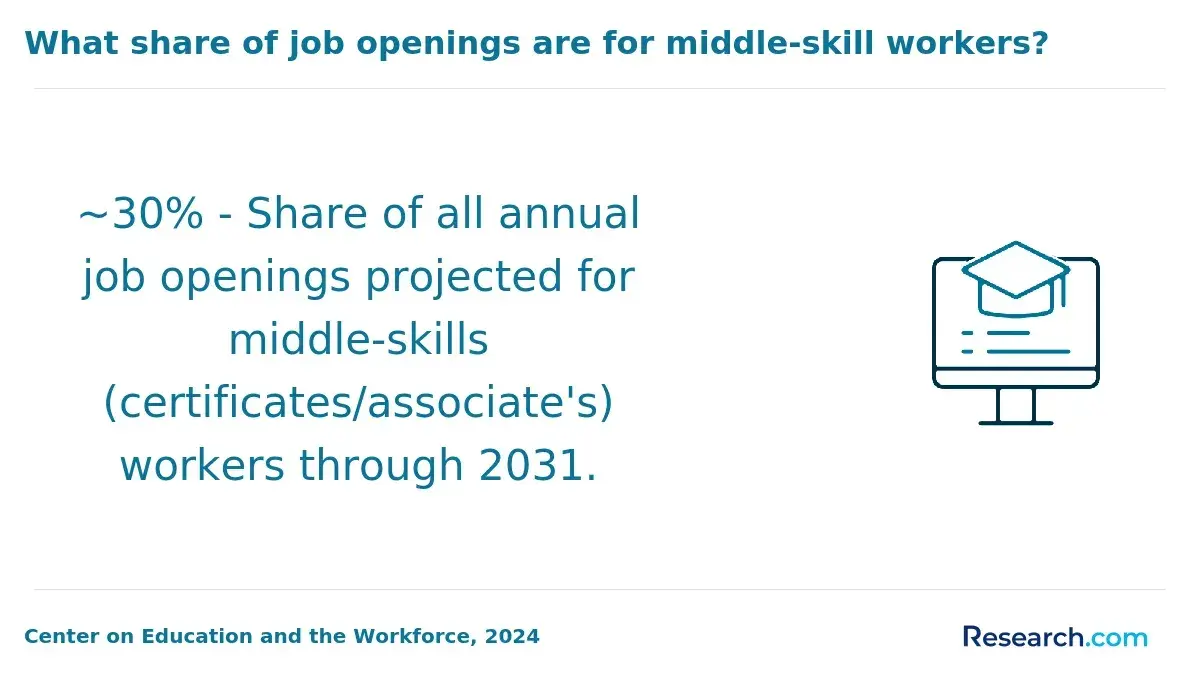
Employer postings for sociology graduates typically separate into three skill groups: human-facing skills, research and data skills, and workplace execution skills. The strongest candidates can show evidence of all three rather than relying on a general statement that they are "good with people."
The table below organizes frequently requested skills by type and explains how each one shows up in real hiring decisions.
| Skill category | Frequently requested skills | Why employers value them | Best evidence on a résumé |
| Communication | Writing, active listening, interviewing, public speaking, presentation | Sociology graduates often translate complex human problems into clear reports, service plans, or recommendations | Writing samples, presentations, outreach projects, client documentation |
| Research methods | Survey design, qualitative interviewing, focus groups, literature review, coding responses | Employers need candidates who can collect reliable information from people and communities | Capstone project, faculty research, survey project, interview protocol |
| Quantitative analysis | Descriptive statistics, Excel, data cleaning, charts, dashboards, basic regression exposure | Many postings ask candidates to report outcomes, measure program impact, or summarize population trends | Data portfolio, spreadsheet examples, statistics coursework, dashboard project |
| Software and tools | Excel, Google Workspace, Microsoft Office, SPSS, R, SQL, Tableau, Power BI, CRM or case management systems | Software skills reduce training time and help candidates qualify for analyst or coordinator roles | Tool names in skills section, project links, certificates, class projects |
| Client and community service | Case notes, referrals, intake, outreach, advocacy, trauma-informed communication | Human services employers need graduates who can work ethically with diverse populations | Internship hours, volunteer roles, practicum experience, supervised service work |
| Equity and cultural competence | Cross-cultural communication, inclusive practice, community context, accessibility awareness | Sociology training is especially relevant where employers serve diverse populations | Community-based projects, bilingual experience, DEI training, population-specific work |
| Project coordination | Scheduling, tracking deliverables, reporting, event planning, stakeholder follow-up | Coordinator postings often require reliable execution more than advanced theory | Program planning, campus leadership, grant support, operations experience |
Students should prioritize skills that appear repeatedly across their target roles. A practical sequence is to build a foundation in writing and communication first, add Excel and basic statistics, then choose either a direct-service or analytics specialization.
- For human services roles, prioritize interviewing, documentation, resource navigation, crisis awareness, and supervised field experience.
- For research and policy roles, prioritize statistics, survey design, literature review, data visualization, and memo writing.
- For business and HR roles, prioritize Excel, dashboards, presentation, stakeholder communication, and basic organizational behavior.
Experience expectations vary more than degree requirements. Many postings for recent graduates accept internships, volunteer work, campus leadership, service learning, research assistance, AmeriCorps-style service, or part-time employment as relevant experience if the duties match the job.
This table shows how employer expectations usually change by career level.
| Career level | Typical experience expectation | Common examples employers count | What candidates should prove |
| Pre-entry or student | No full-time experience expected, but exposure is helpful | Service learning, volunteer work, student organization leadership, class research | Reliability, communication, ethical awareness, interest in the field |
| Entry-level graduate | Internship or related experience often preferred | Practicum, nonprofit internship, research lab, peer mentoring, hotline volunteer work | Ability to apply sociology concepts in real settings |
| Early career | One to several years of related work may be requested | Case coordination, program support, survey administration, community outreach | Independent judgment, documentation, stakeholder communication, follow-through |
| Mid-level specialist | Directly related professional experience commonly expected | Program evaluation, data reporting, policy research, grant coordination, supervision | Measurable outcomes, technical depth, project ownership |
| Manager or senior analyst | Progressive responsibility and often graduate education preferred | Team leadership, budget tracking, evaluation design, cross-agency partnerships | Strategic decision-making, leadership, reporting to funders or executives |
Students should not wait until graduation to build experience. A sociology résumé becomes much stronger when it shows a specific population served, a method used, a tool applied, and a result produced.
- Weak résumé line: Completed sociology internship at a nonprofit.
- Stronger résumé line: Supported intake interviews, maintained confidential client records, and prepared weekly service referral summaries for a community housing program.
- Strongest résumé line: Analyzed intake trends in Excel and summarized barriers to housing access for program staff using anonymized client data.
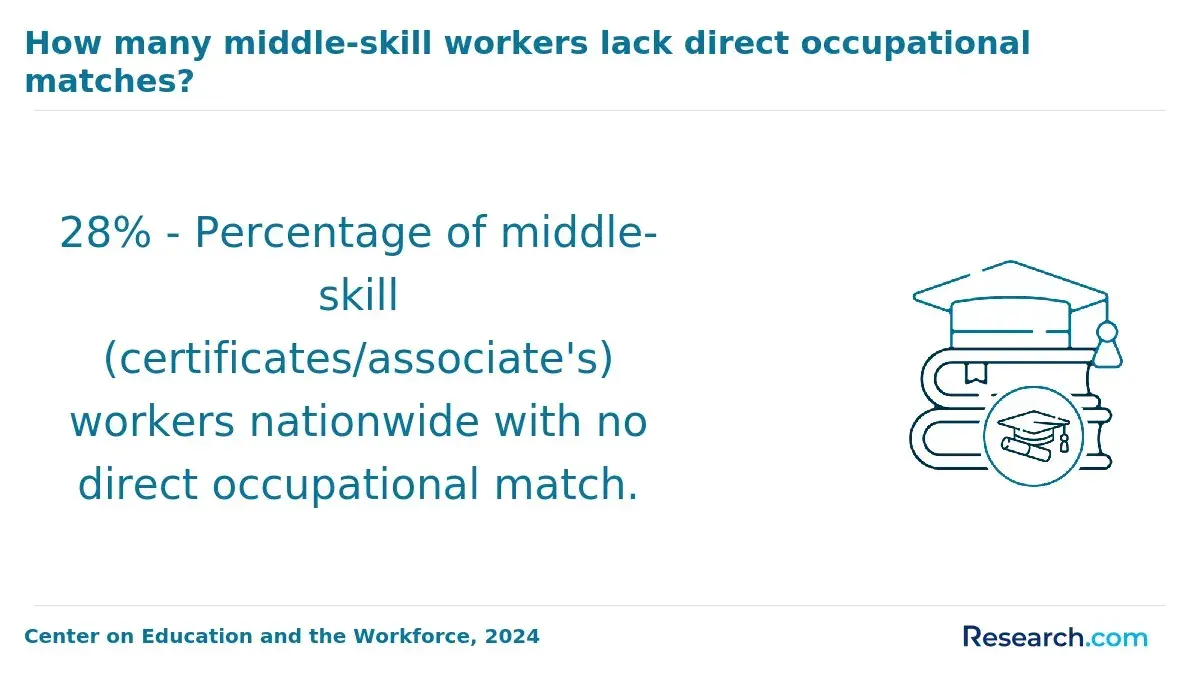
Certifications can help, but they are not equally valuable. The best certification is the one that appears in postings for the exact role, industry, or population a student wants to serve.
The table below separates commonly useful certifications and training signals from credentials that should be pursued only when they match a specific career goal.
| Certification or training | Most relevant roles | How employers may view it | When it is worth prioritizing |
| CPR, First Aid, or Basic Life Support | Residential programs, youth services, shelters, healthcare-adjacent roles | Often required for safety-sensitive direct-service jobs | Worth earning if postings mention fieldwork, residential care, or client safety |
| Mandated reporter or child abuse prevention training | Youth services, education, family support, child welfare-adjacent roles | Signals readiness for roles involving minors or vulnerable populations | Useful for students targeting schools, youth nonprofits, or family programs |
| Human subjects research or CITI training | Research assistant, university research, public health research, evaluation roles | Shows familiarity with research ethics and participant protections | Worth prioritizing for research-heavy postings or graduate school preparation |
| Data analytics certificates | Market research, policy analysis, program evaluation, operations roles | Can support claims of tool proficiency when paired with projects | Useful if the certificate produces portfolio work in Excel, SQL, R, Tableau, or Power BI |
| Certified Health Education Specialist | Public health education, prevention programs, community health | May be preferred in health education postings | Worth considering if coursework meets eligibility rules and the student wants public health work |
| SHRM-CP or HR-related coursework | Human resources, recruiting, employee relations, training | Can differentiate sociology graduates moving into HR | Best after confirming that target HR postings value certification or HR experience |
| Grant writing or nonprofit management certificate | Nonprofit program coordination, development, community organizations | Signals practical knowledge of funding, reporting, and program administration | Useful for students pursuing nonprofit leadership or program management |
A common red flag is collecting certificates without a career target. Before paying for any credential, students should review several current postings and ask whether the certification is required, preferred, or simply unrelated to the work they want.
Employer expectations differ because sociology graduates enter several labor markets at once. A nonprofit case manager, a government program analyst, and a consumer insights associate may all value sociology, but they screen for different proof.
The comparison below shows how the same sociology degree can be interpreted differently by employer type.
| Employer type | Required qualifications usually emphasized | Preferred qualifications often used to rank candidates | Best way to stand out |
| Nonprofit human services | Bachelor's degree, client communication, documentation, valid driver's license in some field roles | Bilingual ability, lived or community experience, crisis training, case management systems | Show direct service experience and familiarity with local resources |
| Government agencies | Degree in a related field, eligibility rules, public records accuracy, policy compliance | Public sector internship, data reporting, regulatory knowledge, writing samples | Use precise language from the job posting and document analytical writing experience |
| Healthcare organizations | Patient communication, confidentiality, health equity awareness, documentation | HIPAA training, community health experience, bilingual skills, social determinants of health knowledge | Connect sociology coursework to patient access, barriers to care, and population health |
| Research organizations | Research methods, data collection, literature review, ethics awareness | SPSS, R, SQL, survey platforms, qualitative coding, prior faculty or grant-funded research | Provide a portfolio or project summary with methods and findings |
| Private-sector analytics or HR | Communication, Excel, reporting, stakeholder support, confidentiality | Dashboards, SQL, HR systems, presentation skills, business writing | Translate sociology into business language such as customer segments, workforce trends, or employee engagement |
Geography can also affect expectations. Rural employers may combine outreach, transportation, and service coordination in one role, while large metro employers may split those duties into specialized research, intake, policy, or program positions. Students should compare postings in their preferred location rather than relying only on national job title descriptions.
Emerging skills in sociology-related postings are mostly connected to data, digital service delivery, AI-assisted workflows, and measurable program outcomes. Employers still value human judgment, but they increasingly expect graduates to use technology to document, analyze, and communicate that judgment.
The table below identifies emerging skill areas that are especially useful for sociology students deciding which electives, projects, or certificates to pursue.
| Emerging skill | Where it appears | Why it matters | Good student evidence |
| AI-aware research and writing | Research, policy, program administration, communications | Employers need staff who can use AI tools responsibly without exposing confidential data or accepting unsupported claims | Policy memo, documented research workflow, ethics reflection, source verification process |
| Data visualization | Program evaluation, public health, market research, government reporting | Charts and dashboards make social trends easier for decision-makers to understand | Tableau, Power BI, Excel dashboard, public dataset project |
| SQL and database literacy | Research, operations, HR analytics, nonprofit reporting | Many organizations store service, survey, donor, client, or employee data in structured systems | Basic SQL project, database query examples, cleaned dataset |
| Program evaluation | Nonprofits, public agencies, foundations, education programs | Funders and administrators increasingly ask whether programs are producing measurable outcomes | Logic model, outcome report, pre-post survey analysis, evaluation plan |
| Digital community engagement | Public health, advocacy, education, civic engagement, outreach | Programs now reach communities through online platforms as well as in-person services | Campaign plan, social listening summary, webinar support, community feedback analysis |
| Privacy and ethical data use | Healthcare, education, research, human services, HR | Sociology graduates often handle sensitive information about people and communities | HIPAA awareness, human subjects training, anonymized data project, confidentiality training |
AI and automation do not remove the need for sociology skills; they change how those skills are demonstrated. Candidates, even those from online colleges, who can combine ethical judgment, demographic reasoning, data literacy, and clear writing are better positioned for roles that require both human understanding and evidence-based reporting.
The best way to prepare is to reverse-engineer current job postings before choosing electives, internships, certificates, or graduate programs. Students should look for repeated requirements across several postings, not one unusual wish list.
Use the following process to turn job posting trends into a practical preparation plan.
- Choose three target job families, such as case management, research assistant, policy analyst, HR coordinator, or market research analyst.
- Collect several current postings for each job family in the location or work format you prefer.
- Highlight repeated degree requirements, software tools, population experience, writing tasks, and years of experience.
- Separate qualifications into required, preferred, and differentiating categories so you do not overinvest in credentials that are rarely requested.
- Build one résumé version per job family and mirror the employer's language when your experience genuinely matches it.
- Create proof for your top skills, such as a data dashboard, policy memo, research poster, outreach plan, or anonymized case documentation example.
- Fill the biggest gap first through an internship, research assistantship, service project, certificate, or elective rather than trying to improve everything at once.
Students should also avoid common mistakes that weaken applications. The biggest red flags are listing sociology concepts without applied examples, claiming software proficiency without a project, using the same résumé for every role, ignoring local employer requirements, and waiting until senior year to seek experience.
Job posting trends should help students choose a direction, not chase every possible qualification. The right path depends on whether a student prefers direct human service, research, policy, organizational work, public health, education, or graduate study.
The table below compares common sociology career paths by fit, preparation priorities, and salary context from BLS May 2024 wage data where a direct occupational comparison is available.
| Career path | Best fit for students who like | Preparation priority | Salary context |
| Human services and case management | Working directly with people, solving practical problems, connecting clients to resources | Internship, documentation, crisis awareness, community resources, supervised service | Pay varies widely by setting; advancement may lead toward social and community service management |
| Social and community service management | Program leadership, staff coordination, grant reporting, community partnerships | Several years of service experience, program evaluation, budgeting, leadership | BLS reported a May 2024 median annual wage of $78,240 for social and community service managers |
| Research, survey, and evaluation roles | Data, interviews, surveys, evidence, and explaining social patterns | Statistics, methods, Excel, SPSS or R, visualization, research ethics | Sociologist roles often require graduate education; BLS reported a May 2024 median annual wage of $101,770 for sociologists |
| Market research and consumer insights | Behavior, demographics, attitudes, products, and business decisions | Survey design, Excel, SQL, visualization, presentations, business writing | BLS reported a May 2024 median annual wage of $76,950 for market research analysts |
| Policy, advocacy, and government programs | Public issues, legislation, program rules, equity, and institutional change | Policy writing, public data, internships, memo writing, stakeholder communication | Pay depends on agency level, role classification, and whether a graduate degree is preferred |
| Graduate or academic sociology | Theory, advanced research, teaching, publishing, and independent scholarship | Research assistantship, methods depth, faculty mentorship, writing sample, graduate funding review | Graduate study can open specialized roles but adds cost and time, so funding and career goals matter |
A practical decision rule is to pursue graduate school only when the jobs you want repeatedly require it or when it is necessary for licensure, advanced research, or leadership. If postings mainly ask for experience, software, writing, or field knowledge, students may get better short-term value from 6 week courses, internships, and targeted projects before taking on additional education costs.
A sociology degree is usually treated as a flexible social science credential. The level that employers expect depends heavily on whether the role is entry-level, analytical, managerial, academic, clinical, or regulated by state rules.
The table below separates credentials that are commonly required from credentials that usually serve as advantages rather than strict requirements.
| Credential | Where it is commonly enough | Where it may not be enough | Decision guidance |
| Associate degree or college coursework | Some support roles, peer support, intake assistance, administrative human services roles | Analyst, case manager, government, and many coordinator roles that require a bachelor's degree | Useful for entry or transfer, but limited for long-term advancement without additional education |
| Bachelor's in sociology | Case management, outreach, program coordination, research assistant, HR assistant, student services, nonprofit roles | Advanced research, faculty roles, licensed clinical practice, senior policy roles | Best fit for students who pair coursework with internships, data skills, and writing samples |
| Master's in sociology, public policy, public health, social work, education, or related field | Policy analysis, program evaluation, applied research, higher education administration, management tracks | Roles that specifically require clinical licensure or doctoral research expertise | Makes sense when a target job repeatedly lists a master's as required or strongly preferred |
| PhD in sociology or related discipline | University research, advanced research leadership, some federal or think tank roles | Most entry-level applied roles where experience and practical tools matter more | Best for research-intensive careers, not necessary for most applied bachelor's-level jobs |
| Professional licensure in social work, counseling, or therapy | Clinical or regulated service roles, depending on state rules | General sociology, research, outreach, HR, market research, and policy jobs | Do not assume a sociology degree alone qualifies for licensed clinical practice; verify state requirements early |
The most common mistake is assuming that a sociology degree automatically opens every people-focused job, similar to online counseling programs. Employers distinguish between social science knowledge, supervised practice, and legally regulated clinical services, so students should check job descriptions before committing to graduate school or licensure pathways.
Other Things You Should Know About Sociology
It can be enough for many entry-level roles in human services, outreach, research assistance, student services, HR support, and program coordination. However, employers usually want applied proof, such as internships, data projects, client-facing experience, writing samples, or software skills.
Clear communication is the foundation, but data literacy is the strongest add-on. Students who can write well, interpret social patterns, use Excel, summarize data, and explain findings to nontechnical audiences are more competitive across several career paths.
Not always. A master's degree is more useful for policy analysis, program evaluation, advanced research, higher education administration, public health, or management roles. It is less necessary for many entry-level coordinator, outreach, HR assistant, and case support positions.
The best internships match the target career path. Human services students should seek client-facing or community program roles, research-focused students should look for survey or data projects, and policy-minded students should pursue government, advocacy, or nonprofit evaluation experience.
- Sociology Careers in High Demand https://sociologyatwork.org/2017/05/13/sociology-careers-in-high-demand/
- 10 Job Opportunities for Sociology Majors (and How to Land One) | The Muse https://www.themuse.com/advice/sociology-degree-major-jobs-careers
- Login https://www.britsoc.co.uk/what-is-sociology/sociologist-careers/
- Best Sociology Degree Jobs: 12+ Career Paths for 2026 | Extern https://www.extern.com/post/sociology-degree-jobs-career-guide