2027 Most Affordable Online Sociology Degree Programs Ranking in the Northeast

Co-Founder and Chief Data Scientist
If you're considering a sociology degree and live in the Northeast, this article is for you. It introduces the 2027 Most Affordable Online Sociology Degree Programs Ranking in the Northeast, created by the Research.com team of data scientists.
This ranking helps you easily identify the best value programs so you can make an informed decision about your education. A sociology degree offers insights into society and opens doors to meaningful career paths.
Explore affordable options and take a confident step toward achieving your goals in a field that truly matters.
Key benefits of getting online sociology degree in the Northeast
- While specific regional salary data is unavailable, sociology graduates in the US typically earn between $45,000 and $65,000 annually in social science, community, or research roles, offering a solid financial foundation.
- Graduates from well-known Northeast schools like Boston University often pursue diverse careers such as community service manager, social researcher, or human resources specialist, showing the degree's flexibility.
- Online sociology degree graduates from institutions like Southern New Hampshire University appreciate the convenience and affordability, enabling them to balance work, life, and study without sacrificing quality.
- 2027 Most Affordable Online Sociology Degree Programs Ranking in the Northeast
- What can I expect from online sociology degree in the Northeast?
- Where can I work with online sociology degree in the Northeast?
What can I expect from online sociology degree in the Northeast?
The average cost of an online sociology degree in the Northeast dances between $8,000 and $15,000 annually at public universities, with private institutions nudging those numbers higher. Imagine a graduate from a well-known New York or Massachusetts university, juggling part-time work and family while navigating this tuition landscape-each dollar invested feels like planting a seed for a career rooted in understanding society's intricate webs.
These costs reflect not just tuition but access to enriched programs that marry theory and real-world application. Learners report feeling empowered dissecting social stratification or ethnicity in virtual classrooms, where complex concepts pulse with relevance against the backdrop of bustling urban centers. The financial commitment echoes the value of engaging with projects analyzing city policies or healthcare disparities, experiences that shape confident advocates ready to tackle social inequities.
For many Northeast students, tuition is part of a larger investment in opportunity-crafting a future woven from research prowess, community insight, and professional readiness within a thriving job market.
Where can I work with online sociology degree in the Northeast?
Graduates from online sociology programs at places like Boston University or the University of Pennsylvania often find themselves at the heart of community transformation, stepping into roles as case managers or social service specialists in bustling cities like Philadelphia or New York. Imagine coordinating neighborhood programs that uplift families, blending academic insight with real-world compassion to create measurable change.
Others weave their sociological savvy into education, becoming academic advisors or school counselors at institutions emphasizing inclusion and social equity. A graduate might guide students at a liberal arts college in Vermont, drawing from their understanding of social dynamics to foster a supportive campus culture where every voice matters.
Some venture into the pulse of public policy, analyzing data for research firms shaping the future in Washington, D.C.'s orbit. Picture interpreting trends that drive funding decisions for community programs, turning complex numbers into stories that spark action.
Finally, in Northeast's tech and finance hubs, sociologists creatively apply their skills in corporate social responsibility and diversity initiatives, championing workplaces where innovation and empathy coexist. It's a career path where mindset meets mission in every project tackled.
Graduates from online sociology programs in the Northeast often unlock salary doors that swing wider than average, thanks to the region's bustling mix of academic hubs like Boston University and New York University. Imagine a fresh graduate stepping into a social science technician role, starting off around $45,000 to $60,000-a paycheck that reflects both entry-level enthusiasm and regional demand.
Those diving into research positions at prominent universities or government agencies soon find their paychecks nudging towards $55,000 to $70,000. Picture a Boston graduate collaborating on urban planning projects, their expertise not just shaping communities but elevating their income near those levels.
For seasoned professionals, the Northeast's metro pulse-think Philadelphia or Cambridge-inspires salaries pushing $80,000 or more, especially in policy analysis or consulting. Online degree holders here frequently share stories of salaries climbing above the national average, fueled by advanced degrees and the dense network of public and research institutions surrounding them.
- Online sociology degrees in the Northeast cover topics like social theory, research methods, cultural diversity, and social inequality.
- Tuition costs range from $300 to $600 per credit hour, with total program costs typically between $20,000 and $40,000.
- Early career salaries for sociology graduates are usually between $40,000 and $50,000, rising to $60,000 to $70,000 with experience.
- Job growth in social science fields in the region is projected at about 5% over the next decade, matching national trends.
- Common career areas include social research, community planning, education, government, nonprofits, healthcare, and social services.
Imagine juggling a full-time job while diving into the dynamic world of sociology through online programs offered by Northeastern powerhouses like Boston University or the University of Pennsylvania. For many, completing a bachelor's sociology degree here typically unfolds over four vibrant years, mirroring the classic academic rhythm while allowing the heartbeat of city life to pulse alongside.
Some graduates boast accelerating through their studies in two to three years by embracing heavier course loads and year-round classes-picture late-night Zooms fueled by coffee and determination at Northeastern University. Yet others, balancing family or part-time study, embrace a leisurely five-year pace, savoring each lesson as it fits seamlessly into their lives.
Associate degrees at local community colleges often wrap up in about two years, offering a quick ticket to workforce or further study. Graduate students chase their Master's in Sociology within two to three years online, crafting expertise while managing real-world commitments-proving the Northeast's online programs flexibly fit many lifestyles and ambitions alike.
Imagine juggling a latte at a bustling Boston café while streaming a lecture from a renowned Northeastern university's sociology program. That's the rhythm for online students embracing flexibility, blending their studies with life's unpredictable tempo. Meanwhile, peers on-campus at places like Rutgers navigate the hum of live debates in lecture halls, soaking up the energy of spontaneous discussions and face-to-face mentorship that colors their academic journey with immediacy and connection.
A Northeast online sociology graduate might cherish the freedom of accessing courses from a cozy Connecticut apartment, sidestepping hefty commuting expenses and campus fees that upstate New York students face. On the flip side, an on-campus student in Massachusetts dives into hands-on research projects or internships, leveraging nearby social agencies and local communities to enrich their sociological insights with real-world impact.
Both tap into rigorous curricula steeped in social theory and cultural studies, yet the online learner navigates digital threads-discussion boards and video calls-while the on-campus cohort thrives in spontaneous hallway chats and live group projects. The choice pulsates between convenience and immersive campus life, both pathways carving sociological thinkers ready for the dynamic challenges of the Northeast's social fabric.
The average cost of an online sociology degree in the Northeast settles around $39,360, with in-state students typically paying about $38,640 and out-of-state students facing a slightly higher bill near $48,960. Imagine a graduate from the State University of New York system, balancing work and study, relieved by the manageable in-state tuition that lets them focus on unraveling society's complexities without drowning in debt. These figures offer a realistic financial snapshot for anyone eyeing affordable sociology degree programs Northeast 2027, blending accessibility with academic rigor.
Many Northeastern schools like the University of Massachusetts provide competitive pricing for their online sociology programs, making the pursuit of social knowledge feel like an achievable journey rather than a costly gamble. Graduates often reflect on how the moderate tuition translated into peace of mind, freeing them to dive deep into community studies and systemic theories. Yet, beyond tuition, students should factor in technology fees and materials, which can subtly add up over semesters.
For those curious about how long does a sociology degree take, financial planning becomes crucial. The cost-efficiency of online options here allows students not only to tailor their timelines but also resources, juggling family, career, and study. This sweet spot between price and flexibility is what draws many aspiring sociologists to the Northeast's virtual classrooms-where thoughtful investment meets meaningful education.

Picture this: a sociology student at a renowned Northeast university like Boston University opening their financial aid award letter to find a generous Pell Grant covering a significant chunk of tuition, easing the stress of seeing $27,000-plus fees for out-of-state online learners. This lifeline-federal aid through FAFSA-often unlocks grants, low-interest loans, and work-study gigs that transform daunting bills into manageable steps toward a degree.
Nearby, a sociology major juggling studies and part-time work in New York benefits from the New York State Tuition Assistance Program (TAP), which can cover over $5,600 annually, a financial breeze keeping dreams afloat. Imagine a Massachusetts student tapping into the MASSGrant, feeling the thrill of need-based support tailored to their journey.
Many find institutional scholarships quietly waiting at their schools-like a merit-based award at Northeastern University or a need-based grant from Syracuse-turning the abstract concept of aid into tangible reassurance. Plus, private scholarships from sociology-focused nonprofits add extra bricks to the financial foundation.
And for working adults pursuing sociology online, employer tuition assistance programs often become unsung heroes, quietly fueling ambitions while balancing life's demands.
To embark on an online sociology journey in the Northeast, imagine a graduate from a renowned institution like Boston University recalling their application day: the crucial first key was a high school diploma or GED, setting the stage for deeper exploration. A GPA hovering around 2.5 to 3.0 often opened doors, signaling readiness for the intellectual dance ahead.
Picture students at Northeastern University gracefully sidestepping rigid standardized test demands, thanks to evolving test-optional policies. It's a breath of fresh air for many, lessening the stress while maintaining academic integrity. For those chasing graduate studies, a bachelor's degree anchors the process. Think of it as bringing your own backstory to an evolving sociological narrative-whether from sociology or a diverse field, varied backgrounds enrich discussions immensely.
- Official transcripts showcasing academic effort become a passport to your future.
- Letters of recommendation act as personal endorsements, much like cheers from a supportive crowd.
- Personal statements unveil ambitions and spark genuine connections with admissions panels.
- GRE scores might be a chapter for some, but many programs now invite you to skip this hurdle.
These prerequisites don't just gatekeep-they invite you to join a vibrant community in the Northeast that thrives on curiosity and critical thinking.

Diving into an online sociology degree in the Northeast feels like stepping into a vibrant urban mosaic-each course a tile revealing layers of social reality. Imagine logging into your Introduction to Sociology class with peers from Boston College or Syracuse University, unpacking stories behind the city streets and coffee shop conversations you witness daily. Graduates often recall these sessions as eye-opening, where abstract theories suddenly mapped out the bustling neighborhood dynamics around them.
Research methods come alive too, as students from Northeastern University learn to wield both qualitative interviews and quantitative data like social detectives. Their projects make sense of diverse populations around New York or Philadelphia, turning numbers into narratives of real people.
Specialized courses like Urban Sociology evoke the pulse of metropolitan hubs, while Race and Ethnicity reflect the rich, sometimes challenging histories woven through Northeastern communities. Many students celebrate the relevance of Social Inequality and Gender Studies, which connect policy debates directly to their lived experience-and fuel a passionate drive for change.
Online sociology degree specializations Northeast students rave about aren't just academic niches-they're vivid journeys through the complex social fabric of their own backyards. Graduates from well-known colleges often describe diving deep into criminology and criminal justice, where classroom theories come alive against the backdrop of bustling urban centers. They picture themselves analyzing real-life crime patterns or policy reforms shaping their communities.
Others find their passion in social justice and inequality, a powerful concentration rooted in the diverse, ever-evolving population around Northeast universities. Imagine engaging in community projects that tackle systemic discrimination firsthand, transforming abstract concepts into palpable change. This track, popular in Northeast online sociology programs concentrations, is where empathy meets action.
Healthcare sociology beckons those fascinated by how social factors influence well-being-a vital field as healthcare disparities impact many metropolitan areas here. Graduates often reflect on this specialization's role in equipping them for thriving careers in social services.
And urban sociology? It captures the pulse of city life-housing policies, migration flows, and metropolitan growth swirl through courses, preparing students to shape their cities' futures. Curious about accessible options? Check out these affordable online sociology bachelor's degree programs popular across the Northeast.
Picking the best online sociology degree in the Northeast is like weaving a tapestry from threads of accreditation, curriculum depth, cost, and flexibility. Imagine a graduate from a well-known college in Boston sharing how the Middle States Commission on Higher Education accreditation helped them smoothly transfer credits and qualify for federal aid, turning a daunting academic maze into a clear pathway. To feel this kind of confidence, prospective students must dig into curricula that echo the American Sociological Association's guidelines-courses rich with urban sociology or social policy feel like lenses to decode real societal puzzles.
Cost isn't just numbers; it's the peace of mind of a working parent studying from a small town in upstate New York, comparing tuition fees with a hint of relief finding affordable online sociology degrees Northeast. Flexibility means juggling asynchronous classes with family dinners or late-night brainstorming sessions for a sociology project.
Graduates from popular Northeast colleges often highlight faculty who aren't just lecturers but active researchers, turning textbooks into living conversations. Online student support services become lifelines, making long-distance learning feel less isolating.
And if you dream of landing high paying jobs for sociology majors, choosing wisely among the best online sociology programs Northeast is your first real step into a vibrant career.
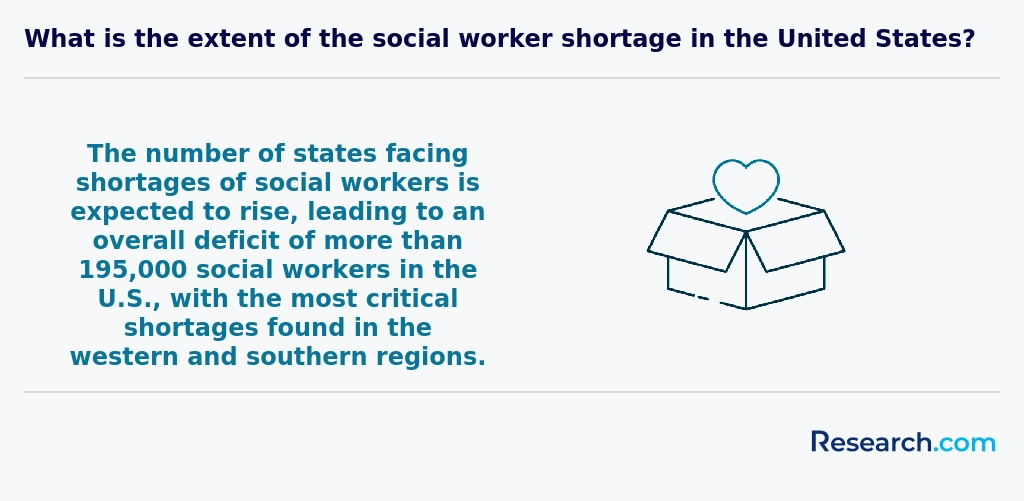
Graduates with an online sociology degree in the Northeast often find themselves stepping into roles as social architects-crafting meaningful change across vibrant urban landscapes or quiet rural towns. For those who have walked the halls of institutions like Boston University or SUNY Albany, career options for sociology graduates Northeast include roles in social services where empathy meets action, such as case managers or community outreach coordinators supporting diverse populations from New York City boroughs to Pennsylvania's heartland.
Others dive into the realm of social research, joining government agencies or nonprofits to decode community patterns and influence policies. Imagine graduates fueling data-driven decisions that reshape public health initiatives in Massachusetts or inform local justice reforms-this growth area mirrors the national 10% increase noted by the BLS. Those fascinated by the nuances of human behavior might explore the differences between psychology and sociology, enriching their approach to workforce diversity or criminal justice.
Human resources, public policy advocacy, and education roles beckon as well, especially in Northeast's colleges and nonprofits that cultivate social change. The vibrant mix of opportunities reflects the region's unique social fabric, energizing graduates who cherish their online sociology degree careers Northeast.
The job market for those armed with an online sociology degree in the Northeast pulses with opportunity, especially around bustling hubs like Boston and New York City. Graduates from schools known for strong social science programs often find themselves stepping into vibrant ecosystems full of nonprofits, government roles, and private firms hungry for their unique blend of analytical and empathetic skills. Many have landed roles as research assistants or social services specialists, navigating real-life challenges via data-driven insights and community outreach.
One graduate from a prominent Northeast university shared how their online degree opened doors for positions coordinating programs that directly impact urban populations, blending sociological theory with hands-on problem-solving. This dynamic employment landscape reflects trends in sociology career opportunities Northeast USA, where local nonprofits and public agencies value graduates who can dissect social patterns and influence policy.
With affordable options like SUNY's online offerings, the accessibility of an online sociology degree in the Northeast adds to the allure for students seeking both quality education and decent earning potential. For deeper specialization, many explore paths like the masters degree in sociology online to enhance their expertise and expand career horizons.
2027 Most Affordable Online Sociology Degree Programs Ranking in the Northeast
Investing in your education is a significant decision that can shape your future, and the Research.com team understands the importance of making informed choices. To assist prospective students in the Northeast, we have meticulously developed the "2027 Most Affordable Online Sociology Degree Programs Ranking in the Northeast." Our commitment to quality, credibility, and accuracy is reflected in the thorough research and analysis performed to compile this ranking.
We utilized the following reputable data sources to ensure a comprehensive evaluation of sociology degree programs:
By exploring this ranking, readers will gain valuable insights into the most affordable and quality online sociology programs available in the Northeast, empowering them to make informed educational decisions. For more details on our methodology, please visit our Research.com methodology page.
# 1 position
Charter Oak State College
Bachelor of Sociology




Frequently Asked Questions About sociology
Online sociology degree students in the Northeast can maximize their learning by actively engaging with virtual class discussions and leveraging local sociological research opportunities. Many universities in the region, such as those affiliated with the Council of Northeastern Sociology Programs, offer access to digital libraries and regional datasets that enrich coursework. Utilizing these resources helps students understand community-specific issues like urbanization and demographic shifts common in Northeast states.
Students should also participate in online study groups and attend virtual sociology conferences hosted by institutions like the Eastern Sociological Society. These activities promote networking and access to current Massachusetts and New York social research findings, enhancing academic growth and professional development.
Sociology as a field is expanding into various specialized areas that address contemporary social issues. In the Northeast, emerging niches like digital sociology explore how technology shapes social interactions, reflecting the region's strong tech industry presence.
Another growing area is environmental sociology, which examines the relationships between societies and their environments. This niche aligns with the Northeast's emphasis on sustainability and climate change policies.
Health sociology is also gaining momentum, focusing on social determinants of health, particularly in urban centers like New York and Boston. According to the American Sociological Association, these subfields are increasingly incorporated into online degree programs, catering to students interested in practical applications.
Preparing for the job market after completing an online sociology degree in the Northeast requires strategic planning and practical experience. Graduates should actively seek internships or volunteer opportunities related to social research, community work, or nonprofit organizations to gain relevant skills.
The Northeast job market for sociology majors is competitive, with areas like New York and Boston hosting numerous nonprofits and government agencies that frequently hire sociology graduates. According to the Bureau of Labor Statistics, sociologists in these states earned a median annual wage ranging from $65,000 to $75,000 in 2023.
Networking through regional professional associations such as the Eastern Sociological Society can enhance job prospects. Additionally, building skills in data analysis software like SPSS or R is crucial, as employers increasingly value quantitative competencies.
Employers in the Northeast seek several key skills in graduates holding online sociology degrees. Strong analytical abilities are crucial, as sociology involves interpreting complex social data. Communication skills-both written and verbal-are highly valued, especially for roles in research, social services, and policy analysis.
Additional important skills include critical thinking and cultural competence, enabling graduates to navigate diverse populations effectively. According to a 2023 report by the National Association of Colleges and Employers, 78% of employers in the Northeast emphasize problem-solving abilities in candidates with sociology backgrounds.
Data literacy, including familiarity with statistical software like SPSS or R, is also frequently requested, reflecting the growing importance of quantitative methods in sociology careers across the region.
Finding sociology-related internships in the Northeast involves several strategic approaches. Students should start by leveraging career services offered through their online programs, as many schools maintain partnerships with regional nonprofits, government agencies, and social research firms.
The Northeast, home to over 30% of U.S. social science organizations according to the American Sociological Association, offers a rich landscape for internships in areas like public policy, community outreach, and social justice.
Utilize online job boards such as Handshake and LinkedIn, filtering for positions in cities like Boston, New York, and Philadelphia where sociology internships are more concentrated. Networking with local chapters of sociological associations can also provide direct internship leads.
Additionally, contacting faculty for research opportunities can be advantageous, as professors often have connections with organizations seeking interns familiar with sociological research methods.
Obtaining an online sociology degree in the Northeast can significantly enhance career mobility and advancement opportunities. The region hosts a diverse labor market where skills in social research, data analysis, and critical thinking are in growing demand, especially in social services, education, and public policy sectors.
According to the U.S. Bureau of Labor Statistics, many Northeast metropolitan areas, including Boston and New York, expect a 5% growth in community and social service jobs between 2022 and 2032. An online sociology degree can prepare graduates with the theoretical knowledge and practical skills needed for these roles.
Additionally, online programs offered by accredited Northeastern institutions provide flexible schedules, allowing students to maintain employment while advancing their qualifications. Employers in the region increasingly recognize online degrees, particularly from regionally accredited colleges, as valid credentials for promotion and specialized positions.
Studying for an online sociology degree in the Northeast offers strong preparation for interdisciplinary roles by integrating diverse fields such as psychology, public health, and criminal justice. Northeast institutions emphasize real-world applications, combining sociological theories with practical insights from related disciplines.
The region's universities, often ranked among the top nationally, provide access to extensive research resources and faculty expertise, which help students develop critical analytical and communication skills demanded across sectors.
According to the National Center for Education Statistics, nearly 25% of sociology graduates in the Northeast pursue careers in multidisciplinary environments, highlighting the degree's flexibility.
This approach equips graduates to work effectively in areas like social services, policy development, and community planning.
Choosing between a thesis and a non-thesis online sociology degree in the Northeast depends on your career goals and learning preferences. Thesis programs often require original research and a formal presentation, ideal for students aiming at academic or research careers. Non-thesis options usually emphasize coursework and practical skills, suitable for those focused on professional or applied sociology roles.
In the Northeast, where universities like Boston University and SUNY offer both pathways, tuition average ranges from $14,000 to $22,000 annually for online sociology programs (NCES, 2023). Thesis students should be prepared for additional time commitments related to research advisement.
Consider also future plans; a thesis may strengthen graduate school applications, while a non-thesis degree can accelerate entry into the workforce.
Students based in the Northeast interested in studying sociology abroad through online programs have limited direct options since most U.S. institutions focus on domestic online offerings. However, some universities in the region maintain international exchange partnerships allowing students to study sociology overseas for a semester or participate in remote global research projects.
For example, schools like Northeastern University and Rutgers University offer study abroad advisories that support students in integrating international experiences with their online sociology degrees. According to the Institute of International Education, only about 12% of sociology majors participate in study abroad programs nationally, reflecting modest uptake.
Additionally, online study abroad programs affiliated with U.S. universities can provide virtual access to global sociological perspectives without requiring relocation. These options expand cultural understanding while maintaining degree progress in the Northeast's affordable online sociology programs.
Part-time jobs that complement a sociology degree in the Northeast often focus on social services, research assistance, and community outreach. Positions such as case aides or community support workers offer practical experience in understanding social behavior and public policy. According to the U.S. Bureau of Labor Statistics (BLS), social and human service assistants in this region earn a median hourly wage of about $18.50, reflecting steady demand.
Many online sociology students also find opportunities as research assistants at local universities or nonprofits. These roles provide hands-on exposure to data collection and analysis techniques critical in sociology.
Additionally, roles in nonprofit organizations focused on social justice or urban development align particularly well with sociological theories and skills.
Online sociology students in the Northeast benefit from various networking opportunities that enhance their academic and professional growth. Many institutions partner with regional sociological associations such as the Eastern Sociological Society, which hosts annual conferences attracting hundreds of scholars and students from the area. These events provide valuable chances to connect with professors, researchers, and fellow students.
Moreover, online programs often offer virtual networking events, webinars, and alumni groups tailored specifically to sociology majors. Schools encourage participation in internships and community projects in cities like Boston and New York, fostering practical experience and local contacts. According to the U.S. Bureau of Labor Statistics, sociologists in the Northeast have growing opportunities in social research, making connections through these networks essential.
Alumni networks play a crucial role for students pursuing online sociology degrees in the Northeast. These networks provide valuable connections that can lead to internships, job opportunities, and mentorship. According to the National Association of Colleges and Employers, 70% of jobs are found through networking, emphasizing the importance of strong alumni ties. In regions like the Northeast, where sociology professionals often work in social services, education, and public policy, having access to a regional alumni network helps students tap into local job markets.
Many Northeastern universities facilitate online platforms and virtual events, ensuring remote learners can engage with graduates actively working in sociology-related fields. These interactions foster professional growth and community support, enhancing career prospects after graduation.
Students pursuing an online sociology degree in the Northeast can customize their program by selecting electives and concentrations aligned with their career goals. Many regional universities offer specializations such as criminology, social work, or urban studies, which can enhance job prospects. According to the National Center for Education Statistics, over 60% of Northeast institutions provide flexible course options to accommodate working adults. Online students should also consider programs that include internships or research projects relevant to their desired field, offering practical experience. Academic advising and career services play a crucial role in tailoring the curriculum effectively to individual goals.
Online sociology students in the Northeast often face challenges related to balancing rigorous academic demands with personal and professional responsibilities. The region's dense urban environments can limit access to quiet, distraction-free study spaces at home. Additionally, according to the National Center for Education Statistics (NCES), many students report difficulties with time management and maintaining motivation in fully online formats.
Technical issues also surface, especially for those lacking reliable high-speed internet, which is critical for streaming lectures and participating in discussions. Some students struggle with limited access to local academic resources or internships, which are vital for practical experience in sociology.
Lastly, the need for stronger peer interaction and networking opportunities poses a challenge, as sociology heavily relies on dialogue and collaborative learning. Institutions are working to mitigate these hurdles through improved online platforms and virtual engagement initiatives.
Graduates with an online sociology degree in the Northeast can pursue several professional certifications to enhance their career prospects. Common options include the Certified Social Researcher (CSR) credential, which validates skills in research methodology and data analysis.
Another relevant certification is the Certified Case Manager (CCM), useful for sociology graduates working in healthcare or social services. In addition, some professionals choose certifications related to human services, such as the Human Services-Board Certified Practitioner (HS-BCP) offered by the National Organization for Human Services.
These certifications can improve job opportunities in fields like social work, community outreach, and nonprofit management, especially in states like New York and Massachusetts where social services are significant employers. According to the Bureau of Labor Statistics (2023), employment for sociologists and social service specialists in the Northeast is projected to grow by around 7% over the next decade, emphasizing the value of certifications.
When applying to an online sociology program in the Northeast, clarity and relevance are key. Start by clearly stating your academic and career goals related to sociology. Admissions committees value applicants who demonstrate a strong understanding of social issues, especially those affecting Northeastern communities, such as urban diversity and economic inequality.
Highlight any relevant experience, including volunteer work or research, particularly if tied to regional organizations. According to the National Center for Education Statistics, sociology majors in the Northeast often engage in community-based research, which can strengthen your application.
Ensure your personal statement is well-organized, free of errors, and tailored to each school's unique strengths. Including knowledge of local demographics or pressing social challenges in the region can give you an advantage. Finally, request letters of recommendation from professionals familiar with your interest in sociology.
The career prospects for sociology graduates are increasingly viewed through a global lens. Graduates with an online sociology degree from the Northeast can apply their skills in various international contexts, including social research, policy development, and community advocacy. According to the American Sociological Association, nearly 30% of employed sociology graduates in the US work in public and international affairs sectors, reflecting a growing demand for sociological insight in global issues.
In the Northeast, institutions offering accredited online sociology programs emphasize training students to understand diverse cultures and social systems. This global perspective is key to careers in NGOs, government agencies, and international organizations focused on social justice and development.
Furthermore, the US Bureau of Labor Statistics projects a steady growth rate of 7% for social science-related jobs through 2031, showing stable opportunities for sociology graduates. Online programs in the Northeast often integrate global case studies, helping students prepare for work that transcends national boundaries.
Gaining practical experience while studying for an online sociology degree in the Northeast is achievable through several pathways. Many accredited programs encourage internships or fieldwork in local organizations, nonprofits, or social service agencies. These opportunities help students apply theoretical knowledge to real-world settings.
Additionally, students in the Northeast can seek volunteer positions or research assistant roles at universities and community centers, which often focus on urban and social issues unique to the region. According to the National Center for Education Statistics, about 65% of sociology undergraduates participate in some form of experiential learning during their studies.
Online learners should communicate with academic advisors to identify suitable local placements, ensuring experiences align with degree requirements and professional goals.
Choosing the right concentration within an online sociology degree program in the Northeast depends on your career goals and interests. Common concentrations include social inequality, criminal justice, health, and urban sociology, reflecting regional issues. For example, urban sociology may be relevant in metropolitan areas like New York or Boston, where population diversity and city dynamics shape social research.
Many accredited Northeast institutions offer flexible concentrations tailored to workforce demands, supported by resources such as the American Sociological Association and state labor reports. Research local job markets to see which sociology specialties are in demand, noting that fields like social policy or community development often show steady growth.
Additionally, consider program faculty expertise and internship opportunities linked to Northeast organizations. Choosing a concentration aligned with both your passion and regional employment trends can enhance your practical experience and job prospects after graduation.
- How to Apply Your Degree in Sociology to Any Career https://nortonlearningblog.com/2022/10/how-to-apply-your-degree-in-sociology-to-any-career/
- Finding Networking Opportunities as a Student https://www.nshss.org/resources/blog/blog-posts/how-to-find-networking-opportunities-as-a-student/
- Sociology Frequently Asked Questions https://centralmethodist.edu/academics/undergraduate/sociology/sociology-faqs.html
- Sociology https://www.nicc.edu/academics/programs/sociology/
- 10 Job Opportunities for Sociology Majors (and How to ... https://www.themuse.com/advice/sociology-degree-major-jobs-careers
- Most Affordable Online Sociology Degrees https://www.onlineu.com/most-affordable-colleges/sociology-degrees
- Working Groups | ISA https://www.isa-sociology.org/research-networks/working-groups
- Opportunities in Sociology https://www.csa-scs.ca/resources/possibilities-en-sociologie
- 20 Great Value Online Colleges for a Sociology Degree ... https://www.greatvaluecolleges.net/online-colleges-sociology-bachelors/
- Sociology https://ntcc.edu/academics/programs-study/behavioral-sciences/sociology