2027 Fastest Online Sociology Degree Programs Ranking in the Northeast

Co-Founder and Chief Data Scientist
Choosing the right sociology degree program can be challenging, especially when you're looking for options in the Northeast. This article features the 2027 Fastest Online Sociology Degree Programs Ranking in the Northeast, created by the Research.com team of data scientists to help you make an informed decision.
By exploring this ranking, you'll discover which programs offer quality education with flexible online formats. Pursuing a sociology degree opens doors to understanding society and contributing to meaningful change. This guide aims to support your academic journey and future career goals.
Key benefits of getting online sociology degree in the Northeast
- Sociology graduates in the Northeast often pursue careers in social services or research, with average salaries around $45,000 to $60,000 per year, providing a solid financial foundation.
- A graduate from a well-known Northeast university found diverse opportunities in community outreach, policy analysis, and education, showing the degree's versatility in meaningful careers.
- Completing a sociology degree online from a respected Northeast school offers flexibility to balance work and study, making it easier to gain experience while earning your degree.
- 2027 Fastest Online Sociology Degree Programs Ranking in the Northeast
- What can I expect from online sociology degree in the Northeast?
- Where can I work with online sociology degree in the Northeast?
What can I expect from online sociology degree in the Northeast?
The average cost of an online sociology degree in the Northeast usually falls between $300 and $600 per credit hour at public schools for students living in the state. For example, a graduate from a popular program at the University of Massachusetts shared how the flexibility of the online courses fit perfectly with their busy schedule, while keeping tuition manageable thanks to in-state rates. Out-of-state students might see higher prices, but many find scholarships or employer tuition help that ease the load.
Another graduate from Penn State World Campus mentioned how the ability to pace their studies helped balance work and school without breaking the bank. These programs are designed to offer a quality education with real-world applications in social policy, healthcare, and community work, all while keeping costs as reasonable as possible. So if you're thinking about earning your sociology degree online in the Northeast, you can expect a solid education that's friendly on your wallet too.
Where can I work with online sociology degree in the Northeast?
With an online sociology degree from schools like Boston University or the University of Pennsylvania, you'll find plenty of ways to jump into meaningful work right here in the Northeast. Many grads land jobs in social services or community programs, helping people navigate life's challenges while making a real difference. For example, graduates often describe how rewarding it is working as community service managers or social workers in cities like New York or Philadelphia, where the demand for these roles is strong.
Some grads also dive into healthcare settings, bringing a sociological perspective to hospitals or nonprofit health groups to improve patient care-something students from Northeastern University have found especially fulfilling. Others enjoy careers in education and research, joining sociology departments or local research centers in Boston that focus on urban issues and social justice.
Government agencies and nonprofits in Massachusetts and nearby states actively recruit sociology grads for roles in policy analysis and criminal justice. Many alumni say their internships during school opened doors to these career opportunities, making the journey feel achievable and exciting.
If you're eyeing an online sociology degree in the Northeast, you're likely wondering, "How much can I make?" While exact salary data is tricky since official numbers aren't available for all sociology roles, graduates often land jobs where starting pay ranges from about $45,000 to $60,000 annually. For example, many grads from universities like Boston University or Rutgers enter roles as research assistants or social science technicians and find themselves comfortably earning in that range.
As you gain experience, especially in bustling hubs like New York or Boston, salaries can jump significantly. It's common for senior research or academic positions to top $100,000, which feels pretty rewarding after the grind of online coursework!
Plus, sociology skills open doors beyond classic roles. Graduates often shift into social services or policy research jobs, where starting pay can land in the low to mid-$50,000s but grows with time and additional certifications. Imagine working in a federal agency or a large nonprofit, where salaries often beat those at smaller local groups.
Overall, studying sociology online through recognized Northeast schools sets you up for solid pay and career growth right in vibrant, opportunity-rich cities.
- Annual tuition for online sociology bachelor's programs in the Northeast ranges from $15,000 to $30,000.
- Starting salaries for sociology graduates in this region are around $45,000 to $50,000, increasing to $65,000 to $75,000 after 10 years.
- Job market growth for sociology roles in the Northeast is projected at 5% to 7% over the next decade.
- Many programs offer fully online or hybrid formats covering social theory, research methods, and applied sociology.
- Regional accreditation is important for ensuring quality and federal financial aid eligibility.
- Networking and internship opportunities with local organizations are often available despite online study formats.
Getting your sociology degree online in the Northeast usually takes about the same time as on-campus programs, but with a lot more flexibility. For example, a bachelor's typically takes around four years if you're full-time, just like at schools such as Boston University or Northeastern University. But many students find they can speed things up by taking extra classes during summer sessions or enrolling in accelerated 5 to 8-week courses offered by schools like Syracuse University. It's pretty common for grads to mention how this flexible pacing helped them balance work, family, and studies without feeling overwhelmed.
Associate degrees usually wrap up in about two years at community colleges in the region, and master's degrees often take one to two years depending on whether you go full or part-time. Some folks juggling jobs at universities like University of Connecticut highlight how part-time master's programs let them keep working while slowly finishing their degree.
Things like transferring credits, year-round classes, and your pace really shape how fast you finish. So, you can tailor your path to what fits your life best without sacrificing quality.
If you're thinking about a sociology degree in the Northeast, the biggest difference between online and on-campus programs is how you experience your classes and campus life. Imagine juggling work or family while studying - that's where online shines. Many grads from schools like Boston University appreciate being able to watch lectures whenever it fits their schedule, cutting out long commutes and saving cash on travel. It's flexible and perfect if you need to balance life stuff alongside your studies.
On the flip side, those hitting the Rutgers campus talk about the buzz of face-to-face time with professors and classmates. They love joining in lively discussions, hitting up campus events, and networking in person, which sometimes feels like a game-changer when hunting internships or real-world projects.
Tuition can be a mixed bag-some online programs offer lower fees, but top Northeast schools might charge the same for either format. Online learners need solid internet and a bit of tech know-how, while on-campus folks get that classic college vibe plus direct access to labs and resources. Both paths get you a respected degree, it's just about what fits your vibe and lifestyle better.
The average cost of an online sociology degree in the Northeast generally falls around $39,360, but it really depends on whether you're in-state or out-of-state. For example, in-state students might see total expenses closer to $38,640, while out-of-state students may pay about $48,960. This is pretty much in line with the experiences of graduates from popular schools around here, like those who studied sociology online through universities in New York or Massachusetts. They often mention how manageable the costs became once they factored in financial aid and scholarships.
One common story is about students choosing public universities, where the per-credit cost usually ranges between $400 and $600 if you're a resident. That pricing structure can be a relief compared to private colleges charging upwards of $800 per credit hour - which can really add up when you hit the roughly 120 credits needed. It's super helpful that many of these schools offer payment plans, making budgeting a lot less stressful during those long semesters.
When you think about the total expenses for sociology degree online Northeast, don't forget that technology fees, textbooks, and other hidden costs can add a few thousand dollars more. Still, students often say it's worth it because of the solid education and access to research tools. And if you want to get a clearer picture of returns, some grads look into sociology major salary to see the payoff on their investment.

If you're diving into an online sociology degree in the Northeast, there's good news: plenty of financial aid options can lighten the load. Many graduates from places like the University of Massachusetts Amherst or Rutgers University have enjoyed federal aid, starting with FAFSA, which opens doors to grants like the Pell Grant-think up to $7,395 if you qualify. It's a major help when tuition can feel steep.
State aid is another big plus. New York residents often tap into the Tuition Assistance Program (TAP) for up to $6,470 a year, while Massachusetts offers MassGrant for local students enrolled in online public programs. These state programs make a real difference, helping you breathe easier financially.
Plus, a lot of schools toss in their own scholarships based on merit or need, sometimes specifically for online sociology students. And if you're juggling a job, employer tuition assistance can be a game changer, covering part or even all your tuition.
Many grads found combining these options was key to making their degrees affordable-and totally worth it.
If you're looking to jump into an online sociology degree in the Northeast, most programs want to see that you've got a solid academic background. For undergrad ones, like those at well-known schools such as Northeastern University or Boston University, you'll usually need a high school diploma with at least a 2.5 to 3.0 GPA. Some graduates have shared how meeting these GPA requirements felt motivating rather than stressful, especially since many schools now don't require SAT or ACT scores thanks to test-optional policies.
For the grad programs, say at places like Columbia or Rutgers, you'll typically need a bachelor's degree already, not necessarily in sociology but in related fields like psychology or history.
Letters of recommendation and a personal statement are pretty common requests, too. Graduates often mention how writing their statement helped them really reflect on why sociology matters to them, which made the application feel more personal and exciting.
Also, expect some programs to want you comfortable with tech since everything's online. Many grads say orienting themselves to the platform early on made their experience smoother and more enjoyable.

If you're diving into an online sociology degree in the Northeast, expect to start with some solid basics like Introduction to Sociology. Many grads from schools like Boston University and Syracuse University loved how this class helped them see the world differently-think breaking down everyday social interactions you never really noticed before.
Then, you'll get into hands-on stuff like Social Research Methods and Statistics for Social Sciences. These courses give you the tools to actually analyze social trends-imagine studying neighborhood changes in NYC or shifts in Boston's immigrant communities, all from your laptop.
Most programs also dive into important topics like Social Inequality, Race and Ethnicity, and how different social institutions like family or education shape lives. Electives like Criminology or Environmental Sociology let you explore what really fires you up, whether that's justice reform or community sustainability.
Graduates often share how this blend of theory and real-world examples made their studies feel relevant and exciting, especially since Northeastern cities are hotspots for the social issues covered in classes.
When you dive into an online sociology degree in the Northeast, you'll find plenty of cool specializations to choose from that really connect with the local vibe. Graduates from popular colleges around Boston or New York often highlight tracks like Cultural Sociology, where they explore the rich diversity and social shifts in their own backyard. Others love diving into Social Inequality and Stratification, tackling issues around race and class that feel very real in cities like Philadelphia. If you're into a more hands-on approach, Criminology and Deviance is a favorite, especially with programs linking to local law enforcement data for some real-world insights.
Students also rave about Urban and Community Sociology, which zooms in on city life challenges, from housing to migration. For those who nerd out on numbers and data, Social Research Methods is a solid pick. These options make the best sociology concentrations in Northeast online programs not just interesting but super relevant.
Plus, if cost is a concern, you might want to check out the cheapest online sociology degree programs to get the best experience without breaking the bank.
When picking the best online sociology degree in the Northeast, start by checking if the program is properly accredited-like those approved by the Middle States Commission on Higher Education-so your degree actually holds weight. Many grads from popular schools around here love how comprehensive their courses were, mixing classic social theory with practical research methods and cool electives like race and ethnicity or urban sociology. It really helped them connect classroom ideas to real-world stuff.
Flexibility is huge, especially if you're juggling work or family. Students at big Northeastern public universities often find asynchronous classes a lifesaver because they can study when it suits them. Plus, if you're scouting for affordable sociology degrees online Northeast options, look for state schools offering in-state tuition discounts-those savings can add up big time.
Finally, don't forget to explore career support and networks-some grads swear that helped land them awesome roles in social services or policy analysis. If you want to see which paths pay off best, check out this guide on highest paying sociology careers to get inspired.
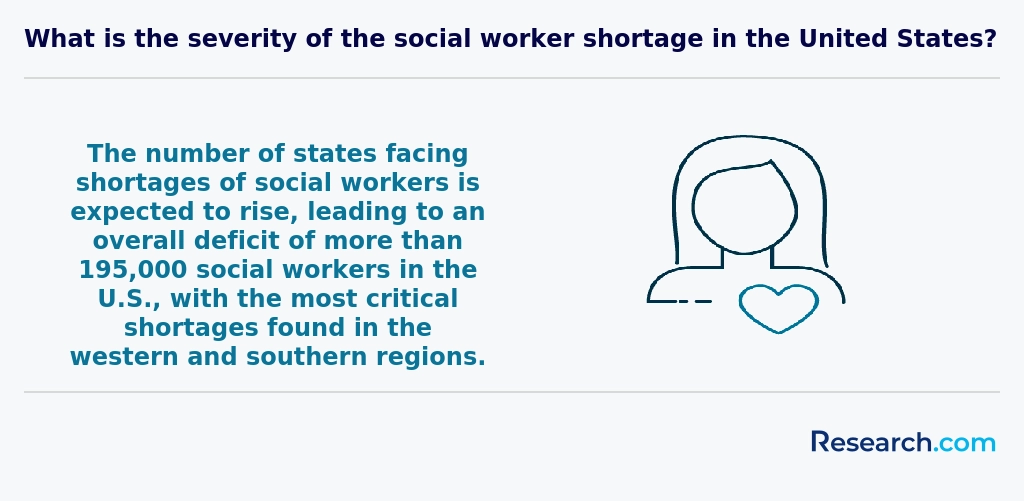
If you're pursuing an online sociology degree career opportunities Northeast are pretty diverse and exciting. Graduates from schools like Boston University or Syracuse often find themselves drawn to social services-working as case managers or community outreach coordinators, helping people navigate tough situations. It feels rewarding to make a real difference in neighborhoods you care about.
Others jump into market research roles, using their skills to decode consumer behavior and trends. This is huge in cities like New York and Philadelphia where marketing firms thrive. One graduate shared how their online studies helped them land a research analyst job that lets them blend data with real-world social insights. If you want a broader understanding of social topics, it's worth checking out the differences between sociology and psychology through sociology vs psychology as a neat side note.
Healthcare also beckons many grads, especially in public health programs around the Northeast. Knowing about social determinants of health opens doors to meaningful roles in hospitals or health advocacy. And if crime and justice interest you, becoming a probation officer or victim advocate taps into what you've learned about social patterns and rehab.
Lastly, education and university program coordination are growing fields. Online sociology grads love helping students succeed, often at their alma maters or other regional colleges. Balancing work and study online at a Northeast school makes all these futures feel real and within reach.
Best sociology jobs with online degree in Northeast don't just pay the bills-they connect you to communities and careers you'll genuinely enjoy.
The job market for online sociology degree holders in the Northeast is pretty encouraging. Graduates from well-known schools around Boston and New York, for example, often find themselves stepping into roles where their skills in research and data analysis are in high demand. Think of someone who completed their online sociology degree and landed a position advising urban planners on community projects-these types of jobs are growing, especially because nonprofits and government agencies are eager to hire sociologists. This strong demand is a real plus if you're eyeing sociology career opportunities Northeast region.
Many grads also point out how the connections they've made through their programs help open doors to internships and jobs, especially since institutions like those near New York City offer rich networking possibilities. Salaries here tend to be a bit higher than the national average, hovering between $90,000 and $105,000 depending on where you land, which makes juggling living costs easier.
For anyone curious about next steps, checking out an online sociology masters degree could be a smart move to boost that career trajectory even more.
2027 Fastest Online Sociology Degree Programs Ranking in the Northeast
Investing in your education is a significant decision that can shape your future, and the Research.com team understands the importance of making informed choices. To assist prospective students, we have carefully developed the "2027 Fastest Online Sociology Degree Programs Ranking in the Northeast." Our dedication to quality, credibility, and accuracy is demonstrated by the thorough research and analysis behind this ranking.
We utilized the following reputable data sources to ensure a comprehensive evaluation of online sociology degree programs:
By exploring this ranking, readers will gain valuable insights into the fastest online sociology degree programs available in the Northeast, helping them make well-informed decisions about their educational paths. For more information on how this ranking was created, please visit our Research.com methodology page.
# 1 position
Charter Oak State College
Bachelor of Sociology




Frequently Asked Questions About sociology
Students pursuing online sociology degrees in the Northeast can maximize their learning by actively engaging with course materials and faculty. According to the National Center for Education Statistics, participation in discussion forums correlates with higher course completion rates. Utilizing regional research databases like JSTOR or the Northeast Sociological Association's resources helps students access relevant studies.
Networking with peers through virtual study groups strengthens understanding of sociological theories and applications. Additionally, seeking internships or community projects in nearby urban areas like Boston or New York offers practical experience relevant to coursework.
Finally, setting regular study schedules and leveraging academic support services offered by Northeast colleges significantly improve academic outcomes.
Emerging niches within the sociology field reflect shifting social dynamics and technological advancements. In the Northeast, where diverse urban populations dominate, areas like digital sociology are gaining prominence. This niche studies online communities and social media's impact on society. Another growth area is environmental sociology, addressing how social behaviors influence climate change-a critical subject given the region's focus on sustainability.
Additionally, medical sociology is expanding, partly due to the aging population in Northeast states like New York and Massachusetts. Researchers examine healthcare disparities and social determinants of health.
Fields such as criminal justice sociology continue to evolve, especially with ongoing policy reforms in states like New Jersey and Pennsylvania.
According to the American Sociological Association, these niches offer promising careers for graduates from online programs seeking relevance in current societal issues.
Graduates of online sociology programs in the Northeast can enhance job prospects by gaining practical experience through internships or volunteer work with local nonprofits and social service agencies. According to the Bureau of Labor Statistics, the Northeast has a steady demand for sociologists and social researchers, with growth projected at 7% from 2022 to 2032. Networking is vital; joining professional organizations like the Eastern Sociological Society provides access to regional job listings and mentorship. Additionally, graduates should develop skills in data analysis and research software, as employers increasingly value technical proficiency alongside theoretical knowledge in sociology.
Employers in the Northeast highly value sociology graduates who demonstrate strong research and data analysis skills. Proficiency in statistical software like SPSS or R is often required, as it supports social research and policy evaluation. According to the U.S. Bureau of Labor Statistics, communication skills are critical, particularly the ability to present findings clearly to various audiences.
Critical thinking and problem-solving abilities also rank high, enabling graduates to address complex social issues effectively. Many employers seek candidates with experience in community engagement and multicultural competence, reflecting the region's diverse populations, as reported by the Northeastern Sociology Association.
Finding internships in the Northeast relevant to a sociology degree involves leveraging both university resources and regional opportunities. Many universities in this area maintain partnerships with local nonprofits, social service agencies, and government organizations that offer sociology-focused internships.
Students should explore career services departments and dedicated sociology faculty to access listings tailored to their field. Additionally, platforms like Handshake and internships.com frequently feature opportunities within states such as New York, Massachusetts, and Pennsylvania, where sociology programs are prevalent.
According to the National Association of Colleges and Employers, about 60% of students secure internships through campus connections. This is especially true in the Northeast, where urban centers provide diverse placements in research, community outreach, and public policy.
Networking with local sociology associations or attending regional events can also increase chances of finding relevant internships. Early planning and active engagement are key.
Obtaining an online sociology degree in the Northeast can significantly enhance career mobility and advancement opportunities. The region hosts numerous organizations and government agencies valuing sociological expertise, particularly in urban planning, social services, and policy analysis. According to the U.S. Bureau of Labor Statistics, social scientists in the Northeast earn a median annual wage approximately 5% higher than the national average, reflecting regional demand.
Online programs provide flexible access to accredited institutions, allowing professionals to upskill without geographic constraints. Graduates equipped with sociological research and data analysis skills often qualify for promotions or new roles in nonprofits, healthcare, and education sectors.
Moreover, networking opportunities through online platforms connected to Northeastern universities support career growth by linking students to local employers and internships, an advantage highlighted by recent Northeastern education employment reports.
Studying for an online sociology degree in the Northeast offers unique preparation for interdisciplinary roles by combining strong theoretical foundations with practical applications. Many programs emphasize collaboration across fields such as public health, education, and criminal justice, reflecting regional workforce demands. According to the National Center for Education Statistics, nearly 40% of sociology graduates in the Northeast pursue careers involving multiple disciplines. Universities often integrate courses from related departments, enhancing skills in data analysis, policy evaluation, and social research methods. This approach equips students to address complex social issues, making them valuable in diverse professional environments.
Choosing between a thesis and a non-thesis online sociology degree in the Northeast depends on your career goals and time commitment. Thesis programs typically suit students aiming for research, academia, or advanced graduate study, involving original research and a detailed paper. Non-thesis options focus more on coursework and practical application, ideal for those pursuing professional roles in social services or community work.
Data from the National Center for Education Statistics shows that about 40% of Northeast sociology graduates enroll in thesis tracks, reflecting strong research interests. Consider program flexibility and faculty expertise before deciding.
Students in the Northeast seeking to study sociology abroad through online programs have several pathways available. Many universities in this region offer partnerships or exchange programs with institutions in other countries that provide online sociology courses. For instance, schools like Penn State and Northeastern University have global learning initiatives that allow students to earn credits abroad via digital platforms.
Additionally, organizations such as the Institute of International Education report that over 15% of U.S. sociology students engage in study abroad programs, with many opting for virtual or hybrid formats. This trend continues to grow, offering Northeastern students flexible options to explore international sociology perspectives without relocating.
Part-time job opportunities in the Northeast that complement a sociology degree often focus on social services, community outreach, and research assistance. Roles like case aides, social work assistants, or research support staff allow students to apply sociological theories practically. According to the U.S. Bureau of Labor Statistics, employment in social and community service roles in the Northeast is expected to grow by 12% through 2030, highlighting expanding opportunities.
Additionally, nonprofits and government agencies frequently seek part-time workers who can support data collection and program evaluation, both relevant to sociology coursework. Positions in local health departments or educational organizations also align well with the sociological focus on human behavior and social systems.
Online sociology students in the Northeast benefit from numerous networking opportunities despite the remote format. Many universities in this region, including those accredited by the Middle States Commission on Higher Education, host virtual networking events, webinars, and guest lectures featuring prominent sociologists. These activities allow students to connect with faculty and peers across states like New York, Massachusetts, and Pennsylvania.
Furthermore, students can join professional organizations such as the Eastern Sociological Society, which offers conferences, workshops, and mentoring programs tailored for sociologists in the Northeast. According to ESS membership data, participation in these events boosts career prospects and collaborative research opportunities.
Local sociology departments often collaborate with community organizations and government agencies, providing students with internships and service-learning projects. These partnerships enhance practical experience and foster connections with professionals actively working in social research and policy.
Alumni networks offer significant advantages for students pursuing online sociology degrees in the Northeast. These networks connect current students with graduates who work in academia, social services, and research, providing valuable mentorship and career guidance. According to the National Center for Education Statistics, 68% of sociology graduates in the region find employment within their first year, often through alumni referrals.
Furthermore, active alumni associations host networking events and webinars, which help students build professional relationships despite geographic distances. Such connections increase job placement rates and internships, essential for hands-on sociology experience. For students in the Northeast, leveraging these networks can substantially improve career outcomes.
Customizing an online sociology degree in the Northeast can help align your education with your career goals. Many regional schools offer concentrations like social work, criminology, or cultural studies, allowing targeted skill development. For example, programs accredited by the Council on Social Work Education (CSWE) provide specialized tracks suited for social service professions.
Additionally, students can often choose electives or independent study options to deepen knowledge in specific areas, such as urban sociology or public policy. Internships and practicum placements, available through partnerships with local organizations, further enhance practical experience.
Consulting academic advisors early on ensures your course plan supports your professional objectives within the evolving sociology job market in the Northeast, where employment is projected to grow by 5% through 2030 (Bureau of Labor Statistics).
Online sociology students in the Northeast often face challenges related to digital accessibility. Despite the region's strong internet infrastructure, some rural areas still experience connectivity issues, which can limit participation in live discussions or timely submission of assignments. According to the National Center for Education Statistics, about 8% of students in the Northeast report inconsistent internet access, affecting their academic performance.
Time management is another common hurdle. Many students juggle work, family, and study, making it difficult to stay on track with rigorous sociology coursework. Additionally, the lack of in-person interaction may hinder networking opportunities and engagement with peers or faculty.
Lastly, navigating financial aid can be complex as students balance tuition costs with potential in-state and out-of-state fee variations common in Northeast institutions. The College Board reports that in 2023, average tuition in this region ranged widely, which can add to students' stress when budgeting for their education.
An online sociology degree from a Northeast institution can open doors to several professional certifications, enhancing your career prospects. Graduates often pursue certifications like Certified Social Researcher (CSR) or certifications through the American Sociological Association, which validate skills in research methods and data analysis.
Additionally, many students leverage their degree toward social work credentials, including the Licensed Social Worker (LSW), recognized in states such as New York and Massachusetts. The Bureau of Labor Statistics notes a 12% growth in social work jobs by 2030 in the Northeast, highlighting demand for such certifications.
Certifications in community health or nonprofit management also align well with sociology graduates, allowing for expanded roles in public policy and advocacy sectors.
When applying to online sociology programs in the Northeast, it is essential to highlight your genuine interest in social issues affecting the region. Admissions committees often look for applicants who can connect their experiences with broader sociological themes.
Be sure to include clear, concise personal statements that demonstrate your understanding of sociology's role in addressing challenges like urban inequality or demographic shifts common in Northeastern cities.
Many programs value applicants with relevant volunteer or work experience. According to the National Center for Education Statistics, nearly 60% of sociology students in the Northeast have some related background, which strengthens applications.
Finally, submitting all required documents promptly and requesting strong letters of recommendation from academic or professional contacts in the field will improve your chances.
Global perspectives on a sociology career highlight the field's growing importance in understanding complex social issues. In the United States, and particularly in the Northeast, sociology graduates are increasingly valued for their skills in research, data analysis, and cultural competence. According to the U.S. Bureau of Labor Statistics, employment for sociologists is expected to grow by 12% from 2022 to 2032, faster than the average for all occupations.
Many graduates pursue careers in policy analysis, social services, or education, fields that require nuanced understanding of social dynamics across diverse populations. The Northeast hosts numerous institutions offering online sociology programs, allowing students to engage with global social theories while living locally.
Research from the American Sociological Association indicates that sociologists contribute to global issues such as inequality, migration, and public health. This global focus equips graduates with perspectives valuable to international organizations and community agencies throughout the Northeast.
Gaining practical experience during an online sociology degree in the Northeast involves leveraging local opportunities alongside your coursework. Many programs encourage internships at community organizations, social service agencies, or research institutions based in major cities like Boston, New York, and Philadelphia.
According to the National Center for Education Statistics, approximately 70% of sociology students participate in internships or volunteer roles before graduation. These placements offer hands-on knowledge of social issues relevant to urban populations in the Northeast.
Additionally, some universities provide virtual internships or collaborative projects with nonprofit groups, enabling remote engagement without geographic barriers. Attending regional conferences or local sociological association meetings also connects you with professionals working in policy and research.
These experiences complement online study by building practical skills in data analysis, community outreach, and critical thinking essential for sociologists entering the workforce.
Choosing the right concentration within an online sociology degree program in the Northeast depends on your career goals and personal interests. Popular concentrations include social inequality, criminology, and urban studies, reflecting regional issues like diversity and urbanization.
Consider labor market demands: according to the U.S. Bureau of Labor Statistics, social science occupations in the Northeast are projected to grow by 6% through 2030. This growth aligns with fields like social work, community development, and human services.
Research curricula from accredited institutions such as those recognized by the New England Commission of Higher Education (NECHE). Programs often highlight faculty expertise and alumni outcomes to help you gauge fit.
Additionally, look into practicum or internship opportunities that relate directly to your intended concentration. These experiences are valuable for networking and practical skills within regional contexts.
- Study Sociology Abroad - Top Universities for Masters, MBA, PhD Degree Programs https://studee.com/degree/abroad/sociology
- Sociology Frequently Asked Questions https://centralmethodist.edu/academics/undergraduate/sociology/sociology-faqs.html
- Opportunities in Sociology https://www.csa-scs.ca/resources/possibilities-en-sociologie
- Sociology - Northeast Iowa Community College https://www.nicc.edu/academics/programs/sociology/
- Become Certified https://www.aacsnet.net/get-certified/
- Challenges and Opportunities in Applied Sociology Careers https://sociologyatwork.org/2019/01/03/challenges-opportunities-applied-sociology-careers/
- Learn How the World Works With a Sociology Degree - UNCF https://uncf.org/the-latest/sociology-learning-from-the-group-teaches-us-for-an-advantage
- Online Degree vs. Traditional: Choosing the Right Path https://beal.edu/online-degree-vs-traditional/
- 20 Surprising Sociology Jobs Beyond Social Work https://sociology.org/sociology-jobs-arent-just-social-work/
- new emerging areas in Sociology - Brainly.in https://brainly.in/question/12228773