2027 Most Affordable Online Sociology Degree Programs Ranking in the Midwest

Co-Founder and Chief Data Scientist
Choosing the right online sociology degree program can feel overwhelming, especially with so many options across the Midwest. This article offers a helpful 2027 Most Affordable Online Sociology Degree Programs Ranking in the Midwest created by the Research.com team of data scientists. It's designed to guide you toward programs that are both budget-friendly and reputable.
Reading this ranking will help you make an informed decision, ensuring your investment in education is worthwhile. A sociology degree opens doors to understanding society, making a positive impact, and building a meaningful career. Start your journey on the right foot today.
Key benefits of getting online sociology degree in the Midwest
- While specific salary data for sociology graduates is unavailable, typical careers like social workers in the Midwest earn around $50,000 annually, offering a stable financial foundation.
- Graduates from popular Midwest universities often pursue roles in social work, community planning, or human services, providing meaningful and impactful career options.
- Online sociology degrees offer flexible schedules and lower costs, allowing students to balance work and study successfully, as experienced by many alumni from regional online programs.
- 2027 Most Affordable Online Sociology Degree Programs Ranking in the Midwest
- What can I expect from online sociology degree in the Midwest?
- Where can I work with online sociology degree in the Midwest?
What can I expect from online sociology degree in the Midwest?
The average cost of pursuing an online sociology degree in the Midwest is typically around $300 to $400 per credit hour at public universities, which is remarkably affordable compared to other regions. For many students balancing work and family, this cost-effective option makes earning a degree achievable without overwhelming debt. Graduates from schools like the University of Illinois at Springfield or Indiana University East often express relief and pride knowing that their investment was manageable while still receiving a high-quality education.
Imagine completing your coursework on social inequality or research methods late at night after a day at work, confident that you are learning from accredited programs recognized by the Higher Learning Commission. This regional accreditation not only guarantees quality but also makes you eligible for federal financial aid, adding to the accessibility of these programs.
Students often describe how these affordable tuition rates allow them to focus more on gaining practical experience through virtual internships or service projects, which are crucial for stepping into fields like community development or public policy after graduation.
Where can I work with online sociology degree in the Midwest?
With an online sociology degree from a Midwest university like the University of Wisconsin or Ohio State, you're stepping into a world full of meaningful career paths. Graduates often find themselves thriving in social services, where they make a real difference in nonprofit organizations and government agencies. Imagine working as a social and community service manager, shaping programs that uplift local families and neighborhoods.
Healthcare is another promising area, especially in states like Illinois and Michigan. Graduates use their understanding of social behavior to support community health initiatives in major hospital systems, creating tangible outcomes for public well-being.
Many also pursue roles in local government, analyzing data to craft policies that address regional challenges. The Minnesota Department of Employment and Economic Development often welcomes these skilled professionals to help build stronger communities.
Finally, whether it's teaching in schools or conducting research at institutions like the University of Illinois, sociology graduates bring valuable insights that enrich education and social research firms throughout Chicago, Detroit, and Minneapolis. Your degree opens doors to careers fueled by passion and impact.
Graduates with an online sociology degree in the Midwest often find rewarding opportunities that reflect their dedication and the region's unique economic landscape. Many begin their careers earning between $50,000 and $60,000 annually in states such as Illinois, Ohio, and Michigan. For example, alumni of well-regarded programs at schools like the University of Chicago or Ohio State University frequently land roles in social work or community services, where initial salaries provide a solid foundation for growth.
As you gain experience or pursue advanced studies, your earning potential expands. Mid-career professionals in the Midwest may see salaries rise to between $80,000 and $100,000, especially in urban areas like Chicago or Minneapolis where demand for sociologists or specialists in data analysis is strong.
Many sociology graduates also work in fields such as social science research or nonprofit management, with average salaries ranging from $45,000 to $78,000 depending on the role and experience. These paths not only provide financial rewards but also the opportunity to make a meaningful difference in communities across the Midwest.
- Online sociology degrees in the Midwest typically cost between $20,000 and $35,000 at public universities, with private institutions costing over $40,000.
- Entry-level sociology salaries in the Midwest range from $40,000 to $45,000 annually, increasing to $55,000-$65,000 after five to ten years of experience.
- The job market in the region grows moderately at 5% to 7% over the next decade, with more opportunities in urban centers like Chicago, Detroit, and Minneapolis.
- Midwestern online sociology programs are often regionally accredited, which supports quality education and national recognition.
- Key employment sectors for graduates include healthcare, social services, education, public policy, and nonprofit organizations.
Many students pursuing an online sociology degree in the Midwest find that the journey's length depends largely on their chosen degree level and personal pacing. For example, graduates from well-known institutions like the University of Illinois Urbana-Champaign often complete their bachelor's degrees in about four years attending full-time, which fits the traditional academic timeline.
Others, balancing family and work commitments, take advantage of part-time options to stretch their studies over more years without sacrificing quality. Graduates from schools such as Michigan State University have shared how flexible schedules helped them succeed without overwhelming their daily lives.
Associate degrees in sociology typically require around two years of full-time study. These programs offer a solid foundation and are especially popular among those aiming to transfer credits toward a bachelor's later on.
For those pursuing a master's online in the region, expect about two years full-time, though part-time routes extending to three or four years are common, providing peace of mind and manageable workloads.
Midwest students often appreciate that many universities accept transfer credits from local community colleges, a real advantage that can shorten degree time and reduce costs while maintaining the rewarding experience of earning their sociology degree.
Choosing between an online and on-campus sociology degree in the Midwest often comes down to how you want to engage with your learning experience. Online programs, like those offered by Illinois State University, allow you to balance studies with work or family by accessing lectures and assignments digitally. Graduates frequently highlight the freedom to set their own pace, making it easier to fit education into busy lives.
In contrast, on-campus learning at schools such as the University of Nebraska offers a vibrant, immersive environment where face-to-face interaction with peers and professors sparks lively discussions and networking opportunities. Many find this direct connection inspires deeper engagement and access to campus resources like libraries and clubs, enriching their sociological understanding.
Cost-wise, Midwestern online programs often reduce extra expenses like commuting and housing, and some universities even offer discounted rates for online students. Both formats maintain rigorous coursework, ensuring graduates from either path are well-prepared to impact the sociology field.
When considering the average cost of an online sociology degree in the Midwest, in-state students at public universities can expect to invest around $45,000 for a full program. This aligns with many graduates' experiences from schools like Michigan State University and Ohio University, where tuition remains approachable while providing a quality education. These programs balance affordability with flexibility, allowing students to thrive both academically and personally.
Out-of-state students, however, face higher costs, often totaling near $74,520 due to additional fees. Many graduates recall budgeting carefully to manage these expenses but found that financial aid and scholarships made a meaningful difference. For those exploring options at private universities, tuition costs can be noticeably higher, but robust support programs and resources often help offset the initial price.
It's wise to factor in extra expenses such as technology fees and textbooks, which can add between $500 to $1,500 annually. Many students pursuing affordable online sociology programs Midwest tuition appreciate the convenience of studying remotely while saving on commuting and housing expenses, which lightens the financial load and enhances focus on their coursework.
If you're inspired to join this vibrant field, be sure to explore updated tuition details and financial aid options at well-known Midwest schools. Learning more about a sociology degree and planning finances ahead equips you to make informed, confident decisions about your future.

When pursuing an online sociology degree in the Midwest, many graduates have found tremendous relief through federal financial aid like Pell Grants and Direct Loans. Imagine a student at a well-known institution such as the University of Illinois Urbana-Champaign receiving a Pell Grant that covers a significant portion of tuition, allowing them to focus more on studies and less on finances. Completing the FAFSA opens these doors, unlocking non-repayable funds and affordable loans with manageable repayment terms.
State grants in places like Illinois and Ohio further lighten the financial load. For example, the Illinois Monetary Award Program (MAP) can provide up to $5,000 annually, a lifeline for many students balancing work and coursework. Merit scholarships at public universities in the Midwest-like Michigan State University-often reward academic excellence or community engagement, encouraging you to aim high and get involved.
Working professionals studying sociology online also benefit when employers offer tuition assistance, sometimes covering most or all costs. Plus, tax credits such as the American Opportunity Tax Credit can make a surprising difference on your tax return, easing education-related expenses regardless of your school's location.
To embark on an online sociology degree journey in the Midwest, you'll first need to meet some foundational prerequisites that many students from well-known institutions like the University of Illinois or Ohio State University have successfully navigated. For undergraduate programs, showing proof of a high school diploma or GED is essential. Many Midwest universities appreciate a solid GPA-typically around 2.5 to 3.0-and while some still consider SAT or ACT scores, numerous schools now offer test-optional options, making access more flexible and less stressful.
Graduates often recall how community colleges, such as those in Illinois or Michigan, provided an open doorway with just a diploma needed, perfect for those easing into their academic paths. For master's degrees, expect to present a bachelor's in sociology or a related field, along with transcripts demonstrating a 3.0 GPA or above, plus letters of recommendation or personal statements that showcase your passion.
Many students find it encouraging that introductory sociology courses can be completed or credited beforehand, easing the transition into more advanced topics. Embracing these steps, you'll feel more prepared and motivated to thrive in the vibrant Midwest online sociology community.

Online sociology degrees in the Midwest typically include courses that build a strong foundation in understanding society's complexities. Graduates from respected institutions like the University of Illinois or Ohio State often recall how core classes such as Sociological Theory introduced them to the seminal ideas of Marx, Weber, and Durkheim-concepts that helped them see everyday social interactions in a new light.
Research Methods in Sociology is another staple, empowering students to confidently use qualitative and quantitative tools. Many graduates share how mastering statistical software like SPSS during their studies at schools like Indiana University made analyzing social data both accessible and fascinating.
Courses on Social Stratification and Cultural Sociology bring current social issues into focus, allowing students to explore how race, gender, and class shape personal experiences across diverse Midwest communities. Electives in Criminology or Environmental Sociology offer practical paths for building meaningful careers in public policy or social services, blending theory with real-world impact.
In online sociology degree specializations Midwest programs offer, you'll find pathways that vividly connect with the region's social fabric. Graduates from popular Midwest colleges often highlight how specializations like Criminology and Criminal Justice prepared them to address real challenges in urban centers such as Chicago, where understanding the criminal justice system's impact is crucial. Others reflect on Social Inequality and Stratification, which equips students to advocate for marginalized communities, an urgent need in diverse Midwestern populations.
Health and Medical Sociology is another vibrant track, focusing on social determinants of health-vital for careers in public health roles across the Midwest. Meanwhile, Urban and Community Sociology resonates with those passionate about the growth and transformation of cities like Minneapolis, emphasizing practical solutions for urban challenges. Family and Gender Studies appeal to students aiming to foster positive change in social services or education.
Those seeking Midwest affordable sociology program concentrations often turn to flexible online options that accommodate working adults. For guidance on finding the most budget-friendly choices, check out cheapest online bachelors sociology. You'll find programs designed to enrich your perspective and launch a meaningful career.
Choosing the best online sociology degree in the Midwest means focusing on programs with strong regional accreditation, such as from the Higher Learning Commission, to ensure your degree holds weight. Graduates from well-known Midwest colleges often share how faculty expertise and a curriculum that balances classical theories with real-world social issues made their learning experience both rigorous and inspiring. When exploring top online sociology programs in Midwest institutions, look for courses offering flexibility through asynchronous classes, which help balance studies with personal commitments.
Cost is another key consideration. Many students appreciate how online programs at Midwest universities offer competitive tuition rates, especially compared to out-of-state options. Scholarships and financial aid tailored for sociology majors can greatly reduce expenses. Also, quality student support services-from career advising to virtual tutoring-play a vital role in boosting confidence and persistence.
Finally, remember that your degree should prepare you for success, so consider how programs link to future career paths. Graduates laud programs that connect academic rigor to highest paying jobs for sociology majors, helping turn passion into profession through practical skills.
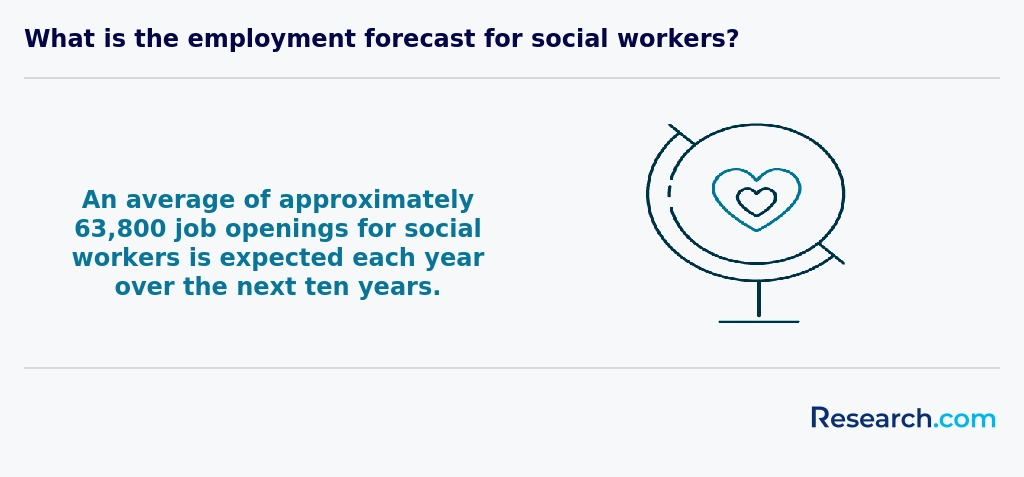
Graduates with an online sociology degree in the Midwest can pursue diverse career paths that truly make an impact. Many find fulfillment working as social workers or community outreach professionals in cities like Chicago or Minneapolis, directly helping vulnerable populations and fostering community growth. Others apply their knowledge in criminal justice roles, such as probation officers or correctional specialists, where understanding social behavior is key to supporting rehabilitation efforts.
Some graduates from popular Midwest institutions like Ohio State University channel their skills into human resources or diversity specialist positions, where they enhance workplace culture and promote inclusion. These roles often provide starting salaries that reflect the region's growing demand for sociological expertise. For those passionate about research, becoming social science researchers or academic coordinators allows them to work on meaningful projects at universities or nonprofits, leveraging data analysis skills that are increasingly valued.
If you're undecided between fields, it's helpful to explore distinctions between related disciplines, such as sociology or psychology, to align your career goals. Choosing an online sociology degree career options Midwest offers is a smart move, enabling you to grow professionally while contributing to your community's wellbeing.
- Social worker or community outreach professional
- Probation or correctional officer
- Human resources or diversity specialist
- Social science researcher or academic coordinator
The job market for an online sociology degree in the Midwest offers promising paths fueled by diverse local needs and opportunities. Graduates from well-regarded institutions, such as those known for their strong sociology departments, often find roles in social services or public policy that make a tangible impact on communities facing economic and social challenges. These graduates share stories of working with state agencies in Illinois and Ohio, where they apply their skills to analyze social trends and contribute to effective program development.
Employment opportunities for sociology graduates in the Midwest are robust across sectors like public health, education, and market research, reflecting the versatility of the degree. Many Midwestern public universities keep tuition affordable, which helps students balance costs and career readiness. Graduates often highlight how their online study combined with internships or volunteer work opened doors, proving their qualifications to employers. Exploring options through programs like those found at popular Midwest colleges can enhance prospects even further. For those considering advanced degrees, the value of online masters sociology programs is widely recognized and can elevate career growth.
2027 Most Affordable Online Sociology Degree Programs Ranking in the Midwest
Investing in your education is a significant decision that can shape your future, and the Research.com team understands the importance of making informed choices. To assist prospective students in the Midwest, we have meticulously crafted the "2027 Most Affordable Online Sociology Degree Programs Ranking in the Midwest." Our commitment to quality, credibility, and accuracy is reflected in the extensive research and analysis conducted to compile this ranking.
We utilized the following reputable data sources to ensure a comprehensive and reliable evaluation of sociology programs:
By exploring this ranking, readers will gain valuable insights into affordable, quality online sociology degree programs in the Midwest, empowering them to make well-informed decisions about their educational paths. For more information on how this ranking was created, please visit our Research.com methodology page.



Frequently Asked Questions About sociology
Midwest students pursuing online sociology degrees can enhance their learning by actively engaging with course materials and peers through virtual discussions and group projects. Utilizing campus resources, even if remote, such as online libraries and tutoring services, also supports academic success.
Choosing programs accredited by recognized bodies ensures quality education relevant to current sociological research and trends. Many Midwest institutions, including the University of Illinois and Ohio State University, offer robust online options.
Students should complement theoretical knowledge with community involvement or internships, which regional sociology associations often promote. According to the American Sociological Association, practical application deepens understanding and improves career prospects.
Time management and consistent study schedules are essential for balancing online coursework with personal commitments, a challenge many adult learners face in the Midwest.
The sociology field continues to evolve, with several emerging niches gaining prominence, especially relevant for students in the Midwest pursuing online degrees. One growing area is digital sociology, which examines the impact of social media and digital technologies on human behavior. This reflects the broader rise of technology-focused research in higher education institutions across states like Illinois and Ohio.
Another significant niche is environmental sociology, which studies social interactions related to climate change and sustainability. This is particularly important in the Midwest, where agriculture and industry intersect with environmental issues.
Health sociology also remains a critical field, focusing on healthcare access disparities, a topic well-studied in Midwestern communities by universities such as the University of Michigan.
According to the American Sociological Association, these niches are attracting increasing research funding and course offerings in the region, drawing students interested in both academic and applied career paths.
Graduates with an online sociology degree in the Midwest should focus on building practical skills alongside theoretical knowledge. Many regional employers value experience in data analysis, community outreach, and program evaluation. Internships and volunteer positions at local nonprofits or government agencies provide valuable exposure and networking opportunities.
Midwest graduates can also benefit from joining professional organizations like the Midwest Sociological Society, which offers job boards and career resources.
According to the U.S. Bureau of Labor Statistics, employment in sociology-related fields in the Midwest is expected to grow moderately by 7% through 2031, highlighting the importance of practical experience.
Strengthening technical skills in statistics software such as SPSS or R can improve job prospects in research and social services positions.
Employers in the Midwest value sociology graduates who demonstrate strong analytical and research skills. According to the American Sociological Association, the ability to interpret social data and conduct qualitative and quantitative research is vital, especially in urban and regional development sectors common in states like Illinois and Ohio.
Communication skills are also critical. Graduates must effectively write reports and present findings to diverse audiences. This skill is highly sought after in nonprofit organizations and government agencies throughout the Midwest.
Additionally, employers look for cultural competence and adaptability, reflecting the region's evolving demographics. Understanding social diversity helps graduates support community initiatives and policy-making.
Proficiency in data software such as SPSS or R is another key requirement, enhancing graduates' employability in research-intensive roles across the Midwest's educational and social service institutions.
Finding internships in the Midwest related to a sociology degree involves using both university resources and local organizations. Many online sociology programs in the region partner with community groups, nonprofits, and government agencies to offer internship opportunities. For example, Midwestern cities like Chicago and Minneapolis have numerous social service organizations seeking interns focused on social research and community development.
The National Association of Colleges and Employers (NACE) reports that about 60% of sociology students secure internships before graduation, highlighting the importance of early preparation. Students should consult their academic advisors and career centers, even when studying online, as these often provide Midwest-specific internship listings.
Additionally, platforms like Handshake and LinkedIn can connect students with positions in the social sciences sector. Checking local chambers of commerce and university-affiliated centers focused on social research can also uncover targeted opportunities.
Online sociology degrees in the Midwest offer flexible access to education that can enhance career mobility and advancement. According to the National Center for Education Statistics, the region's universities award over 3,000 sociology degrees annually, increasingly through online platforms. Graduates often pursue roles in social services, public policy, and community development, fields projected to grow 8% from 2020 to 2030 by the U.S. Bureau of Labor Statistics.
Employers in the Midwest increasingly value candidates with analytical and research skills gained from sociology programs. Online degrees also enable working professionals to upskill without relocating, crucial in this geographically diverse area.
Research from the Midwest Sociological Society highlights that online graduates report comparable career advancement opportunities to traditional students, provided the program is regionally accredited and offers practical experience.
Studying for a sociology degree online in the Midwest equips students with a broad understanding of social systems, which is essential for interdisciplinary roles. Programs emphasize critical thinking and research methods that apply to fields like public health, education, and criminal justice. According to the National Center for Education Statistics, Midwest universities have increasingly integrated cross-disciplinary coursework in their sociology curricula to meet diverse workforce needs.
Midwestern online sociology degrees often include partnerships with other departments, allowing students to study topics such as social policy or human services. This prepares graduates to collaborate across various sectors, addressing complex societal challenges from multiple perspectives.
Choosing between a thesis and a non-thesis sociology degree in the Midwest depends on your career goals and learning preferences. Thesis programs focus on original research, ideal for students aiming for doctoral studies or research careers. Non-thesis options emphasize coursework and practical skills, suitable for those targeting social work, community services, or policy roles.
According to the National Center for Education Statistics, Midwest schools offering online sociology degrees often provide both formats, with thesis tracks requiring about 6-9 fewer credit hours in coursework but an additional research project. Consider your available time and interest in research when deciding.
Employment data from the Bureau of Labor Statistics shows sociology graduates with research experience often earn higher starting salaries in academic and government sectors across states like Illinois and Ohio. Ultimately, weigh the commitment and intended career path before selecting a program type.
Students based in the Midwest who want to study sociology abroad have several pathways through partnerships between Midwestern universities and international institutions. Many Midwestern schools with online sociology programs offer study abroad options or exchange programs in countries such as the United Kingdom, Canada, and Germany. These programs allow students to earn credits that count toward their degree while experiencing diverse sociocultural environments. According to the Institute of International Education, Midwestern universities like the University of Illinois and Indiana University report increasing participation in such programs. However, fully online students should carefully plan these opportunities, as some may require brief in-person participation abroad.
Part-time job opportunities in the Midwest that complement a sociology degree often involve roles in social services, research, and community outreach. Many students work as research assistants for university sociology departments or local nonprofits, where they gain hands-on experience with data collection and analysis. According to the Bureau of Labor Statistics, social and human service assistants in the Midwest earn an average hourly wage of around $17, which suits part-time schedules well. Jobs in community centers, youth programs, and public health organizations also provide practical exposure to societal issues, enhancing academic knowledge with real-world application.
Online sociology students in the Midwest have several networking opportunities despite the remote nature of their studies. Many Midwestern universities with online sociology programs organize virtual events, guest lectures, and discussion forums, allowing students to connect with peers and faculty. Professional associations like the Midwest Sociological Society often offer discounted memberships to students and host annual conferences in states such as Illinois and Ohio, fostering regional professional connections.
Additionally, internships arranged by universities provide practical experience and local networking. According to the National Center for Education Statistics, nearly 30% of Midwestern online students participate in such placements, strengthening their ties to regional organizations and job markets.
Alumni networks provide valuable support for online sociology degree students in the Midwest by connecting them with experienced professionals and recent graduates. These networks often offer mentorship opportunities, career guidance, and job leads tailored to the region's social research and community development sectors. According to the Midwest Education Research Consortium, 72% of sociology graduates in the region found employment through contacts made via alumni associations.
Additionally, many universities facilitate online forums and events specifically for sociology alumni, helping students build local and regional connections despite studying remotely. This engagement enhances their understanding of Midwestern social issues and employment trends.
Such networks also frequently share internship openings and workshops, crucial for sociology students seeking practical experience. Given the growing demand for sociologists in healthcare, education, and government agencies across states like Illinois and Ohio, leveraging alumni resources boosts employment prospects in these fields.
Customizing an online sociology degree in the Midwest allows students to align their studies with specific career goals. Many universities offer concentration options such as social inequality, criminology, or urban studies. For example, Indiana University's online sociology programs let students select electives tailored to public policy or social services.
Students can often choose between theoretical and applied tracks, emphasizing either research skills or community engagement. Internships and practicum experiences are sometimes available remotely or locally. According to the National Center for Education Statistics, over 30 Midwest institutions provide flexible online sociology degrees, enabling career-focused customization while balancing work and family commitments.
Online sociology students in the Midwest face several distinct challenges related to accessibility, engagement, and local relevance. Limited internet infrastructure in some rural areas complicates consistent participation for about 15% of the population, according to the FCC's 2023 broadband report.
Another major challenge is the lack of in-person interaction, which can reduce networking opportunities vital for sociology students aiming to understand community dynamics. This is significant because sociology relies heavily on interpersonal communication and field research.
Additionally, some Midwestern programs struggle to incorporate region-specific social issues into the curriculum, reducing the practical applicability of coursework for students interested in local employment. The National Center for Education Statistics notes that 40% of regional online sociology students cite curriculum relevance as a concern.
An online sociology degree from a Midwest institution can open doors to several professional certifications that enhance career opportunities. Graduates often pursue certifications in areas such as social research, nonprofit management, and human services. For example, the Certified Social Research Associate credential is valuable for those interested in data analysis and sociological research.
Many sociology students also consider the Certified Case Manager (CCM) or Certified Alcohol and Drug Counselor (CADC) credentials, particularly in states like Illinois and Ohio, where social services demand is significant. According to the National Center for Education Statistics, Midwest graduates have a higher placement rate in social work and counseling fields, supporting certification utility.
Lastly, certification in grant writing and program evaluation can complement a sociology degree, especially for roles in community outreach or public policy. Such certifications typically require some coursework or experience beyond the degree but greatly boost professional standing in the region.
To write a winning application for an online sociology program in the Midwest, start by thoroughly researching the specific program's requirements. Many Midwestern schools evaluate your academic background, so highlight relevant coursework and any related experience in social sciences. For example, the National Center for Education Statistics reports that sociology programs in this region often seek candidates with strong critical thinking skills.
Craft a clear, focused personal statement explaining your interest in sociology and how the program fits your career goals. Mention any volunteer work or internships related to social issues, as these strengthen your application. Additionally, some programs may require letters of recommendation, ideally from professors or employers who can attest to your analytical abilities. Finally, make sure to submit all materials before deadlines and follow instructions precisely to make a strong impression.
Global perspectives on a sociology career emphasize its importance in understanding social dynamics, inequality, and cultural diversity. In the United States, including the Midwest, sociology graduates are valued for their ability to analyze complex social issues. According to the U.S. Bureau of Labor Statistics, employment of sociologists is projected to grow 7% from 2022 to 2032, faster than average.
The Midwest has a strong tradition in sociology research, with institutions like the University of Chicago contributing to global theories. Online sociology degrees from Midwest schools offer students flexible opportunities to engage with both local and international social issues.
Many sociology roles extend beyond academia into public policy, social work, and market research, reflecting worldwide applications of the discipline.
Gaining practical experience while pursuing an online sociology degree in the Midwest is achievable through various opportunities. Many accredited programs encourage students to complete internships with local nonprofits, social service agencies, or government departments. These placements offer hands-on exposure to research methods and community engagement.
Additionally, students can participate in virtual research projects or collaborate with faculty on studies. According to the American Sociological Association, Midwestern universities often have strong ties with regional organizations, facilitating such experiences.
Volunteering in relevant community initiatives also builds applicable skills and enhances résumés. These options help students apply theory to real-world issues during their studies.
When choosing a concentration within an online sociology degree program in the Midwest, consider your career goals and interests first. Sociology offers various specializations such as social inequality, criminology, or family studies, each aligning with different professional paths. For example, criminology prepares students for roles in law enforcement or social work.
Next, research how Midwestern universities structure their concentrations and course offerings. Schools like the University of Illinois and Ohio State University provide detailed curriculum guides online. According to the American Sociological Association, the demand for sociologists in the Midwest is growing by 7% annually, especially in healthcare and community development sectors.
Also, evaluate faculty expertise and available internship opportunities connected to your concentration. Practical experience is vital for career advancement.
- Top 25 Career-Enhancing Certification Programs for Sociologists | Sociology Plus https://sociology.plus/top-25-career-enhancing-certification-programs-for-sociologists/
- Online Degree vs. Traditional: Choosing the Right Path https://beal.edu/online-degree-vs-traditional/
- Best Sociology Degree Jobs: 12+ Career Paths for 2026 | Extern https://www.extern.com/post/sociology-degree-jobs-career-guide
- 4 Factors in Choosing Between Online and Traditional Degrees | ProFellow https://www.profellow.com/tips/4-factors-in-choosing-between-online-and-traditional-degrees/
- 20 Surprising Sociology Jobs Beyond Social Work https://sociology.org/sociology-jobs-arent-just-social-work/
- Learn How the World Works With a Sociology Degree - UNCF https://uncf.org/the-latest/sociology-learning-from-the-group-teaches-us-for-an-advantage
- Sociology, BA https://www.ucmo.edu/academics/programs/majors/cahss/sociology-anthropology-and-social-studies/sociology-ba/
- Opportunities in Sociology https://www.csa-scs.ca/resources/possibilities-en-sociologie
- Working Groups https://www.isa-sociology.org/research-networks/working-groups
- Is Sociology A-Level Difficult? A Guide to Understanding the Challenges TutorExtra UK https://tutorextra.co.uk/articles/is-sociology-a-level-difficult-a-guide-to-understanding-the-challenges/332