2027 Best Online Sociology Degree Programs Ranking in the USA

Co-Founder and Chief Data Scientist
Choosing the right online sociology degree program can feel overwhelming, but it doesn't have to be. This article presents the 2027 Best Online Sociology Degree Programs Ranking in the USA, carefully crafted by the Research.com team of data scientists to guide you toward the best options available.
Pursuing a sociology degree opens doors to understanding social dynamics and making a real difference in communities. Whether you want to advance your career or explore new opportunities, this ranking will help you find programs that fit your goals.
Key benefits of getting online sociology degree in America
- Sociology degree graduates often pursue fulfilling careers in social services, education, and research, with typical annual salaries ranging from $40,000 to $70,000 depending on the role and experience.
- Graduates from popular universities, such as the University of California, Berkeley, find diverse career paths including policy analysis, community outreach, and counseling, allowing them to make a meaningful impact in society.
- Online sociology degrees offer flexible schedules and lower costs, as demonstrated by graduates from Arizona State University, making it easier to balance work, family, and education while gaining valuable skills.
- 2027 Best Online Sociology Degree Programs Ranking in the USA
- What can I expect from online sociology degree in America?
- Where can I work with online sociology degree in America?
What can I expect from online sociology degree in America?
The average cost of an online sociology degree in America typically ranges from $15,000 to $40,000 for the entire program, depending on the institution and whether it is public or private. For example, graduates from well-known public universities often benefit from more affordable tuition, making it easier to manage expenses while balancing work or family commitments.
Many students at state universities report feeling satisfied knowing they can access quality education without the high cost of traditional campus attendance. Private colleges may charge higher tuition, but some offer robust financial aid packages that reduce out-of-pocket costs.
Graduates often highlight that the flexibility of online formats allowed them to maintain full-time jobs while earning their degrees, which effectively offsets tuition through continued income. Scholarships and federal aid frequently play a key role in managing tuition costs, so prospective students should explore these options early in the application process.
Institutions like Arizona State University or the University of Florida also provide transparent cost breakdowns and support for budgeting, helping students plan ahead with confidence.
Where can I work with online sociology degree in America?
Graduates with an online sociology degree from well-known institutions like Arizona State University or the University of Florida often secure roles in social services, where they help design programs to support families and communities. Many find fulfillment working with local agencies focused on rehabilitation or youth outreach, applying their skills to create positive change.
Others pursue careers in education, starting as academic advisors or teaching assistants at colleges, with some advancing toward research positions by continuing their studies. For example, graduates from Ohio State University have reported satisfaction working as education program coordinators, directly impacting student success.
Government agencies at all levels also recruit sociology graduates to develop policies or conduct research. Whether analyzing census data or supporting urban planning departments, these roles offer meaningful opportunities to influence public welfare.
Private sector jobs in market research and human resources attract graduates who enjoy interpreting data on consumer behavior and workplace culture. Alumni of the University of Wisconsin-Madison often highlight the rewarding challenge of applying sociology in corporate environments.
Many also thrive in nonprofit organizations, taking on roles like grant writing or program management, allowing them to advocate for social causes they care deeply about, often working remotely or within their communities.
Graduates with an online sociology degree in America often find that salaries vary widely depending on education level and career path. Those with a bachelor's degree typically start in roles like social science research assistants, earning around $50,000 annually, according to U.S. Bureau of Labor Statistics data. Many graduates from well-regarded programs, such as those at the University of California or the University of Michigan, experience this entry-level range while gaining valuable experience.
For those who advance their studies to a master's or doctoral level, salaries rise considerably. Experienced sociologists and professors can earn between $70,000 and over $100,000 per year. Positions in academia, government agencies, and research firms open up with a master's or Ph.D., offering graduates from institutions like New York University or the University of Chicago rewarding opportunities both financially and professionally.
Online sociology degrees from accredited schools offer flexibility without sacrificing value, enabling graduates to pursue promising careers nationwide as they build expertise and networks in their chosen fields.
- Online sociology degrees offer flexible access to education and cover sociological theory, research methods, and applied sociology.
- The average cost for a bachelor's degree in sociology ranges from $15,000 to $40,000, with private schools often charging more.
- Additional expenses may include textbooks, technology fees, and limited financial aid for part-time online students.
- Sociology graduates typically earn around $45,000 to $50,000 starting, with median salaries near $86,000 and higher earnings possible with experience or advanced degrees.
- The job market for sociology graduates is expected to grow about 8% from 2022 to 2032, slightly faster than average for all occupations.
- Accredited online programs ensure credit transferability and quality, so verifying accreditation and faculty expertise is important.
Completing an online sociology degree in America generally depends on the level and enrollment status. An associate degree usually takes about two years full-time, covering foundational courses popular at community colleges like Miami Dade College. Graduates from these programs often appreciate the manageable timeframe alongside work or family commitments.
Bachelor's degrees typically require four years full-time, with schools like Arizona State University offering flexible online options that let students extend their studies part-time without pressure. Many students find joy in pacing themselves, balancing coursework with careers or parenting, sometimes finishing in five or more years like many reported nationwide.
Master's programs at institutions such as the University of Southern California usually demand one to two years full-time. Part-time students may take three years or longer, tailoring their studies around demanding jobs. Transfer credits and competency-based offers from some universities can shorten this journey, inspiring students confident in their skills to accelerate completion.
Online sociology degrees in the US offer flexibility that appeals to many students balancing jobs or family, as seen with graduates from universities like Arizona State University. They access lectures and assignments on their own schedules, often through asynchronous courses, allowing study during evenings or weekends. This freedom helps maintain motivation and reduces stress for those with busy lives.
In contrast, on-campus programs at schools such as the University of Michigan provide direct interaction with professors and peers through face-to-face classes, creating a lively academic community. Graduates often highlight how in-person discussions and campus resources like libraries enhanced their understanding of complex topics like social theory.
Cost is another factor. While online programs may sometimes reduce fees by cutting facility costs, many maintain tuition similar to on-campus options. Students appreciate transparency about these details when choosing a program. Both formats deliver the same accredited curriculum, including research methods and electives on contemporary issues like race and gender.
- Online students benefit from digital discussion boards and video conferencing, promoting engagement despite distance.
- On-campus learners enjoy clubs and advising centers that foster a strong social and academic network.
The average cost of an online sociology degree in America varies depending on residency and institution type, but generally, students can expect a median total tuition of around $45,720. For those attending out-of-state, this median cost rises to about $59,215, while in-state students benefit from a lower median cost near $37,200. Graduates from well-known universities in the country often reflect on balancing their budgets between tuition and additional expenses like technology fees and course materials, which are typical in online programs.
Students pursuing online sociology degrees at public universities usually find more affordable options, especially when qualifying for in-state tuition rates. Many universities allow online learners to pay in-state fees regardless of their residence, enabling significant savings. Private nonprofit universities tend to have higher tuition rates but often provide scholarship opportunities tailored for sociology students. These financial aids can ease the burden and make the investment feel more manageable.
One practical approach successful graduates recommend is exploring federal student loans and grants early in the application process. This strategy aligns with managing the total tuition and fees for online sociology degree USA more effectively. By planning ahead, students can maintain a positive outlook throughout their studies and feel empowered by their educational choices.
Those interested in sociology masters careers often emphasize seeking programs that offer transparent per-credit pricing, which can range broadly but helps in budgeting personal finances step-by-step. For deeper insight on career paths after graduation, check out sociology masters careers, which highlights how the investment in education pays off through meaningful work and personal fulfillment.
Students pursuing an online sociology degree in America have access to various financial aid options designed to ease costs, which can range from $10,000 to $30,000 for a bachelor's degree. Graduates from institutions like Arizona State University or the University of Florida often mention relying on federal aid, including Pell Grants that award up to $7,395, helping reduce their tuition burden without adding debt.
Many also benefit from state-specific grants and scholarships, like California's Cal Grant or New York's Tuition Assistance Program, which significantly lower expenses for in-state students attending respected sociology programs.
Institutional scholarships at colleges such as Ohio State University frequently assist sociology students by rewarding academic achievement or leadership, making online learning more affordable. Additionally, private scholarships from groups like the American Sociological Association provide crucial support when applicants apply early enough.
- Employer tuition assistance is valuable for working professionals balancing jobs and study, with some companies covering partial or full tuition costs.
- Filing the FAFSA promptly is essential for accessing federal aid and institutional scholarships.
To enroll in an online sociology degree in America, you typically need a high school diploma or a GED for undergraduate programs. Many universities, like those popular in major states, also expect a minimum GPA around 2.0 to 2.5, which helps ensure you're ready to handle college coursework. Some graduates recall submitting SAT or ACT scores, though these tests are now optional at many schools.
If you're aiming for a master's in sociology, you must hold a bachelor's degree, ideally with some sociology background. Graduate programs commonly require official transcripts, recommendation letters, and a statement of purpose. A few even request GRE scores to assess academic readiness more deeply.
International students remember needing proof of English proficiency through TOEFL or IELTS exams, which is essential for most U.S. institutions offering online options.
Ensuring reliable internet and basic computer skills completes the checklist. Many students find orientation and advising at schools like well-known public universities invaluable for success in their studies.

Online sociology degree programs in America typically include foundational courses like Introduction to Sociology, Research Methods, and Social Statistics that equip you with essential tools to analyze social behavior and institutions. Graduates from well-known schools such as Arizona State University and the University of Florida often highlight how these courses helped them understand real-world issues-like analyzing community trends or evaluating policy impacts-making the learning feel relevant and motivating.
In addition to these core classes, you'll find courses like Sociological Theory, where you explore ideas from thinkers like Durkheim and Marx, and Social Inequality, which dives into systemic disparities involving race, class, and gender. For students at institutions like Penn State, these classes sparked a deeper passion for advocacy and research, translating academic concepts into meaningful community action.
Specialized topics such as Urban Sociology or Criminology allow you to tailor your studies toward specific career paths. Many programs include capstone projects or senior seminars that challenge students to apply theoretical knowledge practically, which graduates find both exciting and empowering as they prepare to enter social services, education, or policy roles.
Online sociology degree specializations USA commonly include areas like Criminal Justice and Criminology, appealing to those aiming for careers in law enforcement or social work related to justice. Graduates from popular universities often share how this specialization provided practical insights into the social dynamics of crime, enhancing their readiness for public service roles. Another frequent choice is Social Inequality and Stratification, which addresses how race, gender, and class shape society. Students focusing here have successfully transitioned into advocacy and community development jobs, feeling empowered to drive social change.
Specialized sociology programs in America also offer Healthcare and Medical Sociology, perfect for students interested in public health sectors. Graduates commonly report job satisfaction working in hospitals or non-profits, applying sociological knowledge to healthcare challenges. In addition, concentrations like Urban Sociology and Community Development and Educational Sociology provide clear pathways to careers in urban planning, education policy, or counseling, based on real experiences of online learners from renowned colleges.
For those concerned about expenses, exploring the cheapest online sociology degree options can help balance quality education with affordability.
Choosing the best online sociology degree in America starts with verifying that the program is regionally accredited, a step graduates from respected institutions like the University of Florida or Arizona State University emphasize as critical. Accreditation ensures your degree holds value with employers and graduate schools, making it easier to advance your career.
Next, consider the curriculum and flexibility. Many students appreciate programs that offer core courses in social theory, research methods, and inequality, while also allowing specialization in areas such as criminology or urban sociology. Graduates from popular colleges often highlight the benefit of asynchronous courses that fit their busy schedules, especially for those balancing jobs or family commitments. Programs at these schools frequently provide multiple start dates and part-time enrollment, enhancing accessibility.
Cost is another major factor. Public universities in America typically charge about $9,500 yearly for in-state students, but private institutions can exceed $25,000. Graduates advise factoring in additional fees like technology and course materials when budgeting.
Many students also find success by selecting programs rich in support services such as career counseling and advising, which improve retention and connect learners with internships. Checking job placement and graduate acceptance rates helps gauge program outcomes, especially since sociology offers diverse pathways. For insight on career opportunities, explore resources detailing the highest paying jobs with sociology major.
Integrating these factors will guide you toward the best online sociology degrees USA offers, matching your goals with top accredited sociology programs America provides.

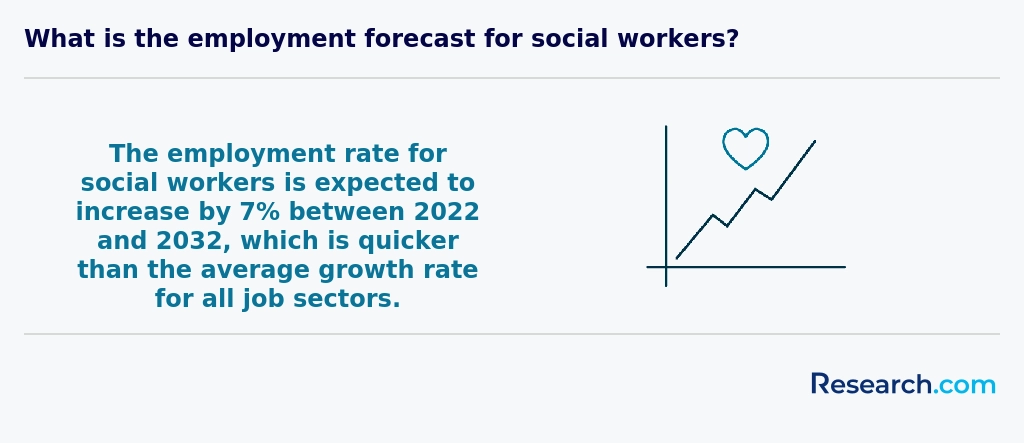
Career opportunities for sociology graduates in America are diverse and promising, especially for those earning an online sociology degree. Graduates from popular programs at universities like Arizona State University or the University of Florida frequently find roles as social workers, policy analysts, or market researchers, leveraging skills gained through remote coursework. Social workers enjoy strong job growth, motivated by increasing demand in mental health and substance abuse services.
Others pursue positions as probation officers or correctional treatment specialists, where understanding social systems is critical. Graduates passionate about data analysis often become market research analysts, a field expected to grow significantly. Those seeking stable roles in education might teach high school social studies or work in academic support, with deeper specialization available through advanced degrees.
Many graduates highlight the practical benefits of an online degree, noting it provides flexibility while preparing them to contribute meaningfully in community outreach or nonprofit management. Research-oriented students often compare outcomes in sociology vs social work salary to choose paths offering both fulfillment and financial stability.
- Community outreach coordinators
- Health educators
- Policy advisors
- Urban planners
- Nonprofit managers
The job market for online sociology degree graduates in America offers varied but competitive employment opportunities. Many graduates from universities popular for sociology, such as those in state university systems or private colleges with strong social science programs, find roles in social research, community services, or policy analysis. These jobs commonly appear in government agencies, nonprofits, or educational institutions. Graduates often share that their online education, combined with internships or research projects, enabled them to develop practical skills that employers value highly.
Graduates report that the versatility of their sociology skills allows them to transition into adjacent fields like market research or public administration, increasing their chances in a fluctuating job market. The median salaries vary, with many entry-level roles paying between $45,000 and $55,000, while advanced positions requiring a master's or doctoral degree can reach closer to $90,090 annually. To maximize prospects, students should consider accredited programs with real-world experience and plan their education costs wisely, comparing tuition alongside expected income levels.
For students exploring career paths, researching social science courses in college can provide valuable insights and help tailor their academic journey to in-demand roles. Focusing on the job outlook for online sociology degree graduates in the USA means leveraging critical thinking and research skills while targeting community-focused or policy-driven positions.
2027 Best Online Sociology Degree Programs Ranking in the USA
Investing in your education is a significant decision that can shape your future, and the Research.com team understands the importance of making informed choices. To assist prospective students, we have meticulously crafted the "2027 Best Online Sociology Degree Programs Ranking in the USA." Our commitment to quality, credibility, and accuracy is reflected in the extensive research and analysis conducted to compile this ranking.
We utilized the following reputable data sources to ensure a comprehensive evaluation of sociology programs:
By exploring this ranking, readers will gain valuable insights into the best online sociology degrees across the USA, enabling well-informed educational decisions. For more information on how this ranking was created, please visit our Research.com methodology page.






Frequently Asked Questions About sociology
Students pursuing online sociology degrees in America can enhance their learning by actively engaging with course materials and participating in virtual discussions. According to the American Sociological Association, regular interaction with peers and instructors improves comprehension and critical thinking skills. Utilizing university-provided resources, such as online libraries and research databases, also deepens understanding of sociological theories and methods.
Scheduling dedicated study times and setting clear academic goals helps maintain motivation. Practical experience through internships or volunteering-often coordinated by online programs-strengthens applied knowledge. Finally, staying updated on current social issues complements theoretical learning, preparing students for diverse careers within sociology.
Emerging niches within the sociology field reflect growing societal changes and technological impacts in America. One key area is digital sociology, which examines how social behaviors evolve through online platforms and social media. The American Sociological Association highlights this as a rapidly expanding specialty.
Another important niche is environmental sociology, focusing on human interactions with the environment, especially relevant due to increasing climate change concerns. This area sees active research on sustainability and social justice.
Medical sociology is also growing, studying healthcare disparities and health behaviors in diverse populations across the US, supported by CDC data on health inequality.
Preparing for the job market after completing an online sociology degree in America involves several key steps. First, gaining practical experience through internships or volunteer work is crucial, as the Bureau of Labor Statistics (BLS) highlights employer preference for candidates with relevant experience. Networking with professionals in social research, public policy, or community services can open doors. Developing strong data analysis skills using software such as SPSS or SAS enhances employability, as sociology roles increasingly demand research proficiency.
Additionally, pursuing certifications in related fields or considering graduate studies can improve prospects. According to the American Sociological Association, sociology graduates often find work in education, social services, and market research.
Employers in America highly value sociology graduates for their strong analytical and critical thinking skills. According to the American Sociological Association, graduates who can interpret complex social data and trends are in demand across multiple sectors.
Communication skills are essential, especially the ability to convey research findings clearly to diverse audiences. This skill helps in roles like social work, policy analysis, and market research.
Proficiency in statistical software such as SPSS or R is increasingly required. The U.S. Bureau of Labor Statistics highlights that data literacy enhances a candidate's competitiveness in the job market.
Finally, cultural competence and ethical awareness are important as sociology graduates often work with diverse populations and sensitive social issues.
Finding internships relevant to a sociology degree in America involves a strategic approach. Start by exploring your university's career services; many schools offer exclusive internship listings tailored to sociology students. According to the National Association of Colleges and Employers (NACE), approximately 57% of college students nationally complete at least one internship before graduating.
Professional organizations like the American Sociological Association (ASA) provide resources, including internship databases, networking events, and mentorship opportunities. Additionally, students can search federal and local government sites for internship programs related to social research, community development, or public policy.
Online platforms such as Handshake and LinkedIn also list sociology-related internships, often with remote options. Early application and a well-prepared resume are critical due to competitive demand.
An online sociology degree in America can significantly enhance career mobility and advancement, especially in fields like social services, public policy, and community development. According to the U.S. Bureau of Labor Statistics, employment in social science occupations is projected to grow 8% from 2022 to 2032, faster than the average for all jobs.
Graduates with sociology degrees often qualify for roles that require strong analytical and research skills. An online program provides flexibility, allowing working professionals to upskill without pausing their careers, which can accelerate promotions and salary increases. Employers value the critical thinking and understanding of social dynamics that sociology students develop.
Furthermore, many American employers recognize accredited online degrees equally to traditional ones, broadening opportunities for advancement. Data from the National Center for Education Statistics shows increasing enrollment in online sociology programs, reflecting their acceptance and the growing demand for qualified sociologists in the labor market.
Studying for a sociology degree in America equips students with skills valuable across multiple disciplines. American sociology programs emphasize research methods, critical thinking, and data analysis, which are transferable to fields like public health, education, and social work. The American Sociological Association (ASA) highlights that 85% of sociology graduates work in interdisciplinary roles combining social sciences, policy, and community development.
Online sociology degrees often include courses related to psychology, economics, and political science, reinforcing cross-disciplinary understanding.
This interdisciplinary focus prepares graduates to analyze complex social issues from diverse perspectives, enhancing their employability in fields requiring broad analytical capabilities.
When choosing between a thesis and a non-thesis online sociology degree in America, consider your career goals. A thesis program typically requires original research and is well-suited for students aiming for doctoral studies or research-based roles. According to the American Sociological Association, about 40% of U.S. sociology graduate students pursue thesis options to prepare for academic careers.
Non-thesis programs focus more on coursework and practical skills, ideal for those seeking immediate employment in social services, policy, or business sectors. These programs often include internships or applied projects instead of a research thesis, which can be completed in less time.
Cost and time commitment also differ; thesis degrees may take longer and require faculty mentorship, while non-thesis tracks offer flexibility beneficial for working professionals. Understanding these factors will help align your degree choice with your professional ambitions.
American students interested in studying sociology abroad have several options, primarily through international partnerships and exchange programs facilitated by their home institutions. Many U.S. universities collaborate with foreign schools, allowing students to take online sociology courses offered abroad while earning American credits.
Programs through platforms like the Institute of International Education (IIE) often enable virtual participation in global classrooms, providing diverse sociological perspectives. However, fully online sociology degrees from foreign universities may face accreditation challenges when evaluated by U.S. employers or graduate programs.
Students should verify that any international program complements their American degree path, aligning with guidelines from bodies such as the Council for the Accreditation of Educator Preparation (CAEP) and U.S. Department of Education data.
Part-time job opportunities that complement a sociology degree in America often involve roles emphasizing research, social services, and data analysis. Students frequently find positions as research assistants at universities or social research firms, which allow them to apply sociological theories and methodologies practically. According to the U.S. Bureau of Labor Statistics (BLS), jobs in social work and community service can provide valuable experience, especially roles like case aides or outreach coordinators.
Data entry or survey administration jobs are also common, helping students gain skills in managing and analyzing quantitative information. These positions can enhance understanding of social trends and disparities-key topics in sociology curricula. Engaging in such roles ideally prepares students for careers in policy analysis, counseling, or public administration, fields that demand both sociological knowledge and practical experience.
Online sociology students in America have growing opportunities to connect with peers and professionals despite the virtual format. Many accredited programs offer virtual networking events, webinars, and student forums tailored specifically to sociology topics. These platforms help students share ideas and collaborate on research projects.
Students can also join national organizations like the American Sociological Association (ASA), which provides access to conferences, mentorship programs, and job boards. ASA reports that over 13,000 members benefit from these connections annually, supporting career development.
Moreover, regional sociology societies often host local events that online students can attend either virtually or in person, depending on location. This combination of digital and physical networking helps online students build valuable professional contacts nationwide.
Alumni networks play a crucial role for students pursuing online sociology degrees in America by offering valuable professional connections. Graduates and current students can access job leads, internships, and mentorship opportunities through these networks. According to the National Association of Colleges and Employers (NACE), about 85% of jobs are filled through networking, making alumni associations a key resource.
For sociology students, alumni often work in social research, policy analysis, or community organizations, providing targeted career guidance. Many universities host virtual events and discussion groups to encourage engagement, which is especially beneficial for online learners looking to build local and national contacts.
Participation in alumni activities also helps students stay informed about industry trends and graduate programs, expanding their academic and career horizons. Overall, these networks foster a supportive community, bridging the gap between education and professional growth in sociology.
Many online sociology degree programs in America offer flexible curriculum options, allowing students to tailor courses to their career goals. Students can usually choose electives that focus on specific areas such as social justice, criminology, or public policy. Some programs also provide concentrations or specializations that match industry demands.
This customization helps align academic learning with professional objectives, enhancing employability in sectors like social services, healthcare, or education. According to the American Sociological Association, approximately 60% of sociology graduates work in fields related to social research or community development, highlighting the value of targeted studies.
Additionally, online degrees often incorporate internships or research projects that can be selected based on student interests, further personalizing the learning experience.
Online sociology students in America often face challenges related to limited direct interaction. Sociology relies heavily on discussions and debates to explore social issues, which can be less dynamic in virtual settings. According to the American Sociological Association, nearly 30% of students in online sociology programs express concerns about reduced peer engagement.
Technical difficulties also pose hurdles, especially for students in rural or underserved areas where reliable internet access may be lacking. The National Center for Education Statistics reports that 15% of U.S. households with students experience inadequate connectivity.
Furthermore, balancing coursework with personal responsibilities can be difficult. Many online sociology learners are working adults, and managing study time without structured campus schedules demands strong discipline.
With an online sociology degree in America, you can pursue several professional certifications that enhance your career opportunities. Popular certifications include the Certified Social Researcher credential offered by the American Sociological Association (ASA), which validates expertise in research methods.
Additionally, graduates often obtain certifications in related fields such as Certified Case Manager (CCM) or Certified Rehabilitation Counselor (CRC), both recognized across social service professions. Certifications in data analysis tools like SAS or SPSS are also valuable, as sociologists frequently analyze complex datasets.
According to the U.S. Bureau of Labor Statistics, sociologists with certifications have higher employability in government and non-profit sectors, where 70% of sociology graduates find work.
When applying to online sociology programs in America, a strong application highlights your understanding of both sociological concepts and your goals. Begin with a clear, well-written personal statement that explains why sociology interests you and how online study fits your lifestyle. According to the American Sociological Association, emphasizing your awareness of social issues and research experience can strengthen your application.
Include transcripts showing relevant coursework, especially in social sciences. Many programs also require letters of recommendation from professors or employers familiar with your academic or professional work.
Finally, meet all deadlines and tailor your application for each program to demonstrate genuine interest and preparation.
Global perspectives on a sociology career reveal growing demand for professionals who understand social dynamics across cultures. In the U.S., sociology graduates benefit from strong interdisciplinary training, preparing them for roles in policy, research, and social services. According to the U.S. Bureau of Labor Statistics (BLS), employment for sociologists is projected to grow 3% from 2022 to 2032, reflecting steady interest. Many sociologists work internationally or on global issues such as migration, inequality, and human rights. A sociology degree, especially from accredited online American programs, offers valuable skills for addressing social challenges in diverse settings worldwide.
Gaining practical experience while studying for an online sociology degree in America is essential for career readiness. Many programs encourage students to pursue internships with social service agencies, non-profits, or government organizations. These opportunities allow students to apply sociological theories in real-world settings.
Additionally, students can participate in virtual research projects or volunteer with community outreach programs focused on social issues. According to the American Sociological Association, practical field experience boosts employment prospects by over 30% among sociology graduates.
Some universities also offer capstone projects or practicum courses designed specifically for online learners to gain hands-on experience.
Choosing the right concentration within an online sociology degree program in America begins with understanding your career goals and interests. Sociology offers various specializations, such as criminology, social work, and cultural studies, each targeting different job markets. For example, according to the U.S. Bureau of Labor Statistics, social workers are expected to grow 13% from 2022 to 2032, indicating strong demand in that field.
Investigate program curricula carefully to ensure they align with your goals. Check if concentrations offer practical skills and internships suited to your desired career. Additionally, consider faculty expertise and research opportunities, which can enhance your learning experience.
Review accreditation status to confirm program quality; regional accreditation is vital for future employment or graduate studies. Finally, explore networking possibilities and alumni outcomes to find a concentration that supports your long-term success in sociology.
- Top 25 Career-Enhancing Certification Programs for Sociologists | Sociology Plus https://sociology.plus/top-25-career-enhancing-certification-programs-for-sociologists/
- Graduate careers advice: you and your sociology degree https://gradireland.com/careers-advice/graduate-careers-advice-you-and-your-sociology-degree
- How to Apply Your Degree in Sociology to Any Career – Norton Learning Blog https://nortonlearningblog.com/2022/10/how-to-apply-your-degree-in-sociology-to-any-career/
- 2025 Most Affordable Online Sociology Degrees https://www.onlineu.com/most-affordable-colleges/sociology-degrees
- Is Sociology A-Level Difficult? A Guide to Understanding the Challenges TutorExtra UK https://tutorextra.co.uk/articles/is-sociology-a-level-difficult-a-guide-to-understanding-the-challenges/332
- Best Sociology Degree Jobs: 12+ Career Paths for 2026 | Extern https://www.extern.com/post/sociology-degree-jobs-career-guide
- Learn How the World Works With a Sociology Degree - UNCF https://uncf.org/the-latest/sociology-learning-from-the-group-teaches-us-for-an-advantage
- new emerging areas in Sociology - Brainly.in https://brainly.in/question/12228773
- Online Degree vs. Traditional | University of Arkansas Grantham https://www.uagrantham.edu/blog/pros-cons-online-degree-vs-traditional-university/
- What Can You Do With a Sociology Degree? https://willamette.edu/academics/college/sociology/career-options