2027 Fastest Online Bachelor's in Sociology Degree Programs Ranking in the Northeast

Co-Founder and Chief Data Scientist
Choosing the right sociology degree program can shape your future, especially if you're looking for speed and quality in the Northeast. This article presents the 2027 Fastest Online Bachelor's in Sociology Degree Programs Ranking in the Northeast, carefully crafted by the Research.com team of data scientists.
Designed to help you make an informed decision, it highlights programs that balance efficiency with academic excellence. Reading this guide can inspire you to pursue a rewarding sociology degree, opening doors to meaningful careers and personal growth.
Take the next step confidently toward your educational goals.
Key benefits of getting online sociology degree in the Northeast
- Sociology graduates in the Northeast often pursue careers in social services or education, with average salaries around $50,000 to $60,000 annually, offering a stable and rewarding income.
- Graduates from universities like Boston University explore diverse roles such as community outreach coordinator or policy analyst, showcasing the versatile career paths a sociology degree can unlock.
- Completing an online sociology degree from schools like Northeastern University provides flexibility and the ability to balance work and study, making education more accessible and convenient without sacrificing quality.
- 2027 Fastest Online Bachelor's in Sociology Degree Programs Ranking in the Northeast
- What can I expect from online sociology degree in the Northeast?
- Where can I work with online sociology degree in the Northeast?
What can I expect from online sociology degree in the Northeast?
The average cost of an online sociology degree in the Northeast varies significantly depending on the institution and residency status. Public universities like Penn State World Campus generally offer lower tuition rates for in-state residents, often making the total program cost more affordable for local students. Conversely, private institutions or out-of-state learners may encounter higher tuition fees. Graduates from programs at universities such as the University of Massachusetts Global often note that financial aid and scholarships played a crucial role in mitigating expenses, allowing them to focus on coursework without excessive financial stress.
Students pursuing online sociology degrees in this region typically experience flexible payment plans, which help balance budgeting alongside other responsibilities. For instance, learners juggling work and family commitments at SUNY Empire State College report that these options fostered a sense of confidence and motivation, enhancing their academic journey. While tuition costs vary, the investment is often viewed positively, given the quality education and career opportunities these programs facilitate in the thriving social sciences sector of the Northeast.
Where can I work with online sociology degree in the Northeast?
Graduates with an online sociology degree from well-known institutions in the Northeast, such as those near Boston or New York, find diverse career opportunities across multiple sectors. Many leverage their skills in research and social analysis to secure roles in government agencies, working on community planning or social policy projects that directly impact local populations.
Others gain fulfilling positions in nonprofit organizations focused on social justice or public health, managing programs or contributing to evaluation research. These roles often bring a strong sense of purpose, as graduates help address pressing societal challenges in their communities.
Graduates from prominent universities in Pennsylvania and New York commonly enter academia or education technology fields, assisting with research or academic advising. Their ability to navigate evolving digital learning environments prepares them for these dynamic roles.
Healthcare systems in cities like Boston increasingly hire sociologists to support patient advocacy and behavioral health initiatives, allowing graduates to influence meaningful improvements in public health.
Finally, private-sector employers in urban centers such as Philadelphia and Washington D.C. value sociology graduates for market research and human resources positions, where interpreting data and understanding consumer behavior are critical. These career paths offer both intellectual engagement and growth potential, making them attractive to recent online sociology graduates.
Graduates holding online sociology degrees from institutions popular in the Northeast, such as Boston University or the University of Pennsylvania, often find rewarding salary prospects that reflect the region's dynamic job market. Entry-level positions for bachelor's degree holders typically range between $40,000 and $55,000 annually, with metropolitan hubs like New York City and Boston offering higher starting salaries due to concentrated demand in social research and policy organizations.
Many graduates report successful employment in roles such as research assistants, data analysts, and community outreach coordinators, where their sociological skills translate into salaries that surpass national averages. With additional qualifications-such as master's or doctoral degrees-earnings can exceed $100,000 per year, especially in government agencies or university research roles, reinforcing the economic value of advanced study.
Furthermore, sociology graduates entering related sectors like human resources or market research in the Northeast typically earn between $50,000 and $75,000, benefiting from their analytical training. The consistent demand in these cities assures graduates of not only competitive salaries but also meaningful, impactful careers in their communities.
- Tuition for online bachelor's degrees in sociology in the Northeast ranges from $15,000 to $30,000 per year, varying between public and private schools.
- Starting salaries for sociology graduates in the region are typically between $45,000 and $50,000 annually, higher than the national average.
- Experienced graduates can earn between $65,000 and $80,000, especially in fields like social research and policy analysis.
- Many programs follow American Sociological Association guidelines, ensuring academic quality and credit transferability.
- Flexible scheduling and asynchronous courses are common, helping students balance education with work or family commitments.
- The job market includes roles in social services, education, government, and nonprofits, with strong demand for skills in data analysis and public policy.
Completing an online sociology degree in the Northeast typically takes between two and four years for full-time students, depending on program structure and prior credits. Most programs require about 120 to 128 credit hours, mirroring traditional on-campus formats. Graduates from institutions like Southern New Hampshire University and Pennsylvania State University World Campus often report that flexible scheduling and year-round courses accelerate their progress, allowing some to finish in as little as three years.
Part-time students, balancing work or family, may extend their timeline beyond four years, sometimes up to six. Many appreciate how part-time enrollment accommodates their personal circumstances without sacrificing educational quality. Those transferring credits from community colleges also benefit, often completing the degree in two years due to articulation agreements common in the Northeast.
This flexibility and recognition of varied student needs help learners feel empowered and optimistic about achieving their goals efficiently while managing life's demands, making sociology an accessible and rewarding field of study in the region.
The primary difference between online and on-campus sociology degrees in the Northeast lies in how students engage with their coursework and campus life. Online students at institutions like Rutgers University benefit from the flexibility to study asynchronously, allowing them to balance work or family commitments while accessing lectures on their own schedule. Graduates often appreciate this adaptability, which enables them to pursue a degree without relocating or adjusting daily routines.
Conversely, on-campus students at schools such as the University of Massachusetts enjoy direct, face-to-face interactions with professors and peers, fostering spontaneous discussions and networking opportunities. This immersive environment supports involvement in extracurricular activities and easy access to campus resources like libraries and career services, creating a vibrant social experience.
Despite these differences, both online and traditional programs in the region maintain rigorous academic standards, covering core topics like social theory and research methods equally. Graduates from both modes express confidence in their preparedness for sociology careers, emphasizing that employers value degrees earned through accredited Northeast universities regardless of delivery format.
The typical cost of earning an online sociology degree in the Northeast averages around $39,360 overall, with in-state students often paying slightly less at approximately $38,640, while out-of-state students may expect to spend closer to $48,960. These figures reflect the median total tuition costs for completing a standard 120-credit hour program, which many students find reasonable when compared to the higher sticker prices of some private institutions in the region. Graduates from public state universities reported satisfaction with the balance of tuition cost and quality education, especially those enrolled in schools within the State University of New York (SUNY) system.
Many students pursuing affordable online sociology bachelor's programs Northeast appreciate the flexibility of keeping costs manageable without sacrificing academic rigor. They often highlight that while private schools like Boston University or Northeastern University have higher tuition rates, the public university systems provide a financially accessible alternative without diminishing the value of their sociology studies. Additionally, graduates frequently mention that financial aid opportunities and scholarships-which are available to roughly 85% of full-time undergraduates in the area-play a critical role in easing the financial burden.
When planning for total expenses, it is also important to consider fees for technology and course materials, though many online sociology students have noted that online programs tend to reduce or waive some traditional campus fees. For students comparing career prospects, the decision to pursue an online sociology degree is not only about cost but also the potential return on investment, which can be better understood by reviewing data such as sociology major salary statistics.
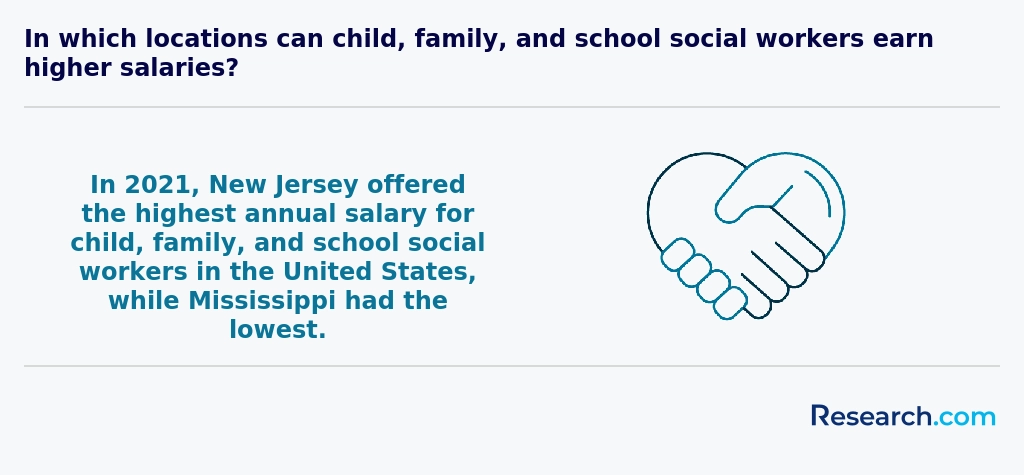
Students pursuing online sociology degrees in the Northeast frequently rely on a combination of federal, state, institutional, and private financial aid to make their education affordable. Graduates from universities like Boston University and Penn State often recall how Pell Grants, which for 2023-2024 can award up to $7,395, provided critical relief by covering a significant portion of tuition costs.
State aid programs play an important role as well. For example, New York's Tuition Assistance Program (TAP) offers up to $5,665 annually to full-time students attending approved institutions, including many online sociology programs. This aid often complements federal grants, reducing overall expenses and easing financial worries.
Merit scholarships and need-based institutional aid at schools such as Northeastern University empower students by rewarding academic achievement or financial necessity. Many sociology students describe how carefully timing their FAFSA submissions unlocked additional funding, making their studies manageable without heavy loan burdens.
Work-study opportunities provide hands-on experience and income, helping students balance education with living costs. Private scholarships from sociology associations and regional organizations further support students by lessening dependence on loans and fostering a community of encouragement throughout their academic journey.
To enroll in an online sociology degree program in the Northeast, applicants generally must hold a high school diploma or its equivalent, such as a GED. Graduates from institutions like Boston University or Syracuse University often recall the straightforward submission of official transcripts to verify their secondary education. A minimum GPA between 2.5 and 3.0 on a 4.0 scale is commonly required, reflecting adequate preparation for rigorous sociology coursework.
While some programs in the region may request SAT or ACT scores, many have adopted test-optional policies, making access more flexible. For example, prospective students at Northeastern University appreciate this shift, as it eases entry barriers and fosters confidence.
Applicants should also prepare a compelling personal statement outlining their passion for understanding social dynamics and career aspirations. Many graduates found this essay an opportunity to connect their lived experiences with academic goals. Occasionally, recommendation letters are requested to provide additional insight into motivation and readiness, although this is less frequent for online formats.

Online sociology degree programs in the Northeast commonly include a core curriculum that covers social theory, research methods, and statistics. Graduates from universities like Boston University and New York University often highlight how courses in research methodology equip them with practical skills to conduct both quantitative and qualitative studies, essential for analyzing complex social behaviors.
Students engage deeply with topics of social inequality such as race, class, gender, and ethnicity-issues highly relevant to urban centers like New York City and Boston. This focus resonates with many learners' personal experiences or community involvement, fueling their passion for careers in advocacy or social policy.
Additional courses typically offered include Introduction to Sociology, Social Institutions, Cultural Sociology, Criminology and Deviance, Urban Sociology, and Social Psychology. These classes allow students to explore various facets of social life, often connecting theory to tangible challenges faced across the Northeast.
Graduates frequently describe their coursework as both intellectually stimulating and immediately applicable, enhancing their confidence in addressing real-world societal questions within their local contexts.
Online sociology degree specializations Northeast programs commonly include Criminology and Criminal Justice, Social Inequality and Stratification, Urban and Community Sociology, Family and Childhood Studies, and Health, Medicine, and Society. Graduates from prominent Northeastern colleges often recount how focusing on Criminology enriched their understanding of the justice system, preparing them for careers in public safety. Others express enthusiasm for Social Inequality concentrations, which sharpen advocacy skills relevant to diverse urban populations.
Students appreciate the practical applications of these concentrations in real-world settings, often involving community engagement or policy analysis. For example, learners at well-known universities in the Northeast find the Urban and Community Sociology specialization particularly compelling for addressing social change in cities. These programs' flexibility and relevance resonate strongly with working professionals, delivering an approachable path to deepen expertise without interrupting careers.
When exploring options, prospective students can find details on the cheapest online sociology degree programs to compare investment against outcomes, ensuring alignment with their professional goals.
When choosing the best online sociology degree in the Northeast, start by verifying accreditation from agencies like the Middle States Commission on Higher Education to ensure program quality and credit transferability. Graduates from well-regarded institutions in this region often emphasize the value of curricula that blend foundational theories with electives addressing current social issues, which enhance both understanding and employability. For example, students at popular colleges appreciate programs that integrate practical research methods alongside sociological theory.
Cost is a critical factor, especially for those seeking an affordable online sociology bachelor's Northeast, where tuition varies considerably between public and private institutions. Many find that online programs offer significant financial aid or lower rates compared to on-campus options. Additionally, faculty expertise matters: graduates frequently highlight the benefits of engaging with professors active in sociological research and policy, enabling deeper academic insight and networking.
Flexibility is essential for adult learners balancing work and family. Programs with asynchronous courses and strong advising create positive experiences. Consulting alumni reviews can also reveal how well a program supports student success. Exploring potential career paths, prospective students should consider the highest paying sociology careers to align education with goals and maximize return on investment.

Graduates with an online sociology degree in the Northeast find diverse career opportunities spanning social services, education, research, and policy work. Many alumni from well-regarded institutions like Boston University and the University of Pennsylvania secure roles in social work, leveraging their understanding of community dynamics to support vulnerable populations. In urban centers such as New York and Massachusetts, where social work demand remains high, these positions often involve child welfare, healthcare advocacy, and non-profit program coordination.
Career options also include community outreach coordinator roles focused on addressing pressing issues like homelessness and substance abuse, as well as human resources specialists who improve workplace culture using sociological insights. Market research analysts analyze consumer behavior to guide businesses, while public policy analysts collaborate with government agencies to evaluate social programs. The ability to navigate these roles effectively is often enhanced by alternative certification programs available throughout the Northeast, which many online sociology degree students pursue alongside their studies.
Understanding the distinctions between fields such as sociology and psychology is essential, and students frequently explore resources like sociology vs psychology to clarify their career focus. The flexibility of an online sociology degree jobs Northeast graduates find complements local hiring trends, enabling professionals to thrive in competitive, socially impactful roles.
The job market for graduates with an online sociology degree in the Northeast is dynamic, reflecting the region's vibrant social service sectors and diverse economies. Graduates from popular institutions often secure entry-level roles as research assistants, social service coordinators, or community outreach specialists, positions that provide valuable practical experience. Demand remains steady in urban hubs like New York and Boston, where sociological research supports policy development and community programs. This positive outlook aligns with the broader national employment opportunities for sociology graduates Northeast.
Many graduates describe their experience as fulfilling, especially when working in government agencies or nonprofit organizations where their skills in data analysis and critical thinking influence program evaluation and social interventions. Affordable tuition at local public universities combined with promising starting salaries ranging from $40,000 to $55,000 enhance the appeal of pursuing an online sociology degree in this region. Students aiming to deepen their expertise often pursue an online sociology masters degree to open doors to advanced roles such as policy analysts or urban planners.
2027 Fastest Online Bachelor's in Sociology Degree Programs Ranking in the Northeast
Investing in your education is a significant decision that can shape your future, and the Research.com team understands the importance of making informed choices. To assist prospective students in the Northeast, we have meticulously crafted the "2027 Fastest Online Bachelor's in Sociology Degree Programs Ranking in the Northeast." Our commitment to quality, credibility, and accuracy is reflected in the extensive research and analysis conducted to compile this ranking.
We utilized the following reputable data sources to ensure a comprehensive evaluation of sociology programs:
By exploring this ranking, readers will gain valuable insights into the fastest online sociology degree programs available in the Northeast, empowering them to make informed decisions about their educational paths. For more details on our methodology, please visit our Research.com methodology page.
# 1 position
Charter Oak State College
Bachelor of Sociology




Frequently Asked Questions About sociology
Online sociology degree students in the Northeast can maximize their learning by actively engaging with their coursework and faculty. Many accredited institutions in this region offer robust virtual discussion boards and synchronous class sessions, which enable meaningful interaction. According to the National Center for Education Statistics, Northeastern schools tend to emphasize collaborative learning, which is vital for understanding complex social theories.
Students should take advantage of local resources such as public lectures, online seminars hosted by nearby universities, and regional sociology associations. Networking with peers through these platforms enriches real-world perspectives on social issues relevant to the Northeast.
Additionally, integrating region-specific research projects into coursework can deepen understanding. For example, the Northeastern US faces unique demographic trends, including urbanization and migration patterns, which offer valuable case studies. Utilizing databases like JSTOR or accessing the American Sociological Association's resources helps students stay current with sociological research nationwide.
The field of sociology is evolving with several emerging niches that reflect current social changes and technology trends. In the Northeast, growing interest surrounds digital sociology, which examines how social media and online communities influence behavior and identity. This area is increasingly relevant given the region's high internet penetration rates and technological hubs.
Another niche gaining attention is environmental sociology, focusing on the interaction between society and environmental issues. This aligns with New England's active role in climate change advocacy and sustainable practices. Additionally, health sociology is expanding, driven by public health challenges highlighted during the COVID-19 pandemic, with programs often emphasizing social determinants of health.
Urban sociology remains critical in the Northeast's metropolitan areas, where researchers analyze housing, inequality, and urban policy. According to the American Sociological Association, students engaging in these niches can find growing career opportunities in research, policy analysis, and community work.
Preparing for the job market after completing an online sociology degree in the Northeast involves several strategic steps. Graduates should build practical experience through internships or volunteer work with local organizations or government agencies, enhancing their resumes and professional networks. According to the U.S. Bureau of Labor Statistics, sociology-related employment in the Northeast is projected to grow moderately by 5% through 2031. Students should also develop strong research, data analysis, and communication skills, which are highly valued in social service, education, and public policy roles. Connecting with regional professional associations can provide valuable job leads and mentorship opportunities. Continued education and certifications in data analytics or social work also improve employability.
Employers in the Northeast seek sociology graduates with strong analytical and research skills. These skills enable graduates to interpret social data, a key requirement in various fields such as social services, policy analysis, and market research.
Communication abilities, both written and verbal, are also critical. Graduates must clearly present findings to diverse audiences, including stakeholders and community groups.
Problem-solving and critical thinking are highly valued. According to the National Center for Education Statistics, Northeast employers prioritize candidates who can evaluate social issues and propose effective solutions.
Adaptability and cultural awareness are important due to the region's diverse populations and evolving social dynamics.
Finding internships related to a sociology degree in the Northeast involves multiple strategies. Start by exploring the career services offices of online sociology programs, as many partner with local organizations in states like New York, Massachusetts, and Pennsylvania. According to the National Association of Colleges and Employers (NACE), nearly 60% of sociology students complete internships before graduating, boosting job prospects.
Networking through professional organizations such as the Eastern Sociological Society can open doors to regional nonprofit, government, and research internships. Job platforms like Handshake and LinkedIn also list sociology internships specifically filtered by location.
Additionally, consider reaching out directly to local community centers, social service agencies, and research institutes, which often offer unpaid or stipend-based internships suitable for sociology students seeking practical experience in the Northeast.
Obtaining an online sociology degree in the Northeast can significantly enhance career mobility and advancement opportunities. Many employers in this region value the analytical and research skills gained through sociology programs, especially in urban centers like New York City and Boston. According to the U.S. Bureau of Labor Statistics, sociology-related jobs such as social scientists and community service managers are projected to grow by about 7% nationally through 2030, with the Northeast showing higher concentration of these roles.
Online programs also provide flexible access to education, allowing working professionals to upskill without relocation. This flexibility supports career advancement in nonprofit organizations, public policy, and social services, which are strong sectors in the Northeast. Additionally, degrees from accredited institutions here often include networking opportunities and internships that can boost job prospects.
Studying for an online sociology degree in the Northeast equips students with skills applicable across multiple disciplines. Many regional universities emphasize integrating sociology with fields like public health, criminal justice, and urban studies. This interdisciplinary approach reflects workforce demands in metropolitan areas such as New York City and Boston, where understanding social dynamics supports diverse careers.
Programs often include coursework in statistics, research methods, and social theory, fostering critical thinking and data analysis skills. According to the National Center for Education Statistics, Northeastern schools award a significant share of sociology degrees nationally, indicating robust academic resources and networking opportunities.
Students gain practical experience through virtual internships and research collaborations, preparing them for roles in policy development, community outreach, and social services. This broad educational foundation helps graduates adapt to evolving job markets.
When choosing between a thesis and a non-thesis online sociology degree in the Northeast, consider your career goals and learning preferences. A thesis program typically requires original research and is ideal for students planning to pursue graduate studies or research-intensive roles. A non-thesis option often focuses more on coursework and practical skills, fitting those entering the workforce directly.
In the Northeast, schools like Rutgers University and the University of Massachusetts offer both paths, reflecting regional demand for flexible sociology education. According to the National Center for Education Statistics, nearly 40% of sociology undergraduates in this region choose research-focused tracks.
Understanding these differences helps align your degree with your professional ambitions.
Students in the Northeast interested in studying sociology abroad often explore exchange programs and dual-degree options offered by their home institutions. Many universities in this region, such as Boston University and Northeastern University, have partnerships with European and Canadian institutions. These programs allow students to earn credits overseas while completing their degrees online or on campus.
According to the Institute of International Education, about 30% of students from Northeastern universities choose Europe as their study abroad destination for social sciences, including sociology. Some programs provide fully online components, enabling students to continue coursework remotely during international stays.
Additionally, some schools offer study abroad scholarships specifically for sociology majors, enhancing accessibility for Northeast students seeking global perspectives without extending their degree timelines.
Students pursuing an online sociology degree in the Northeast can benefit from part-time roles that provide practical experience and complement their studies. Common opportunities include research assistant positions at local universities or nonprofit organizations, where students contribute to data collection and analysis. According to the U.S. Bureau of Labor Statistics, research support roles in the Northeast often pay between $15 and $22 per hour.
Community outreach and social service assistant roles also align closely with sociology coursework, allowing students to engage with diverse populations. The Northeast region's strong network of social service agencies offers numerous openings, especially in urban areas like Boston and New York City.
Additionally, internships in public policy or advocacy groups provide valuable insights into social structures and policy impact, enhancing students' academic and career trajectories.
Online sociology students in the Northeast benefit from diverse networking opportunities despite the virtual format. Many universities in this region, including institutions in New York, Massachusetts, and Pennsylvania, offer virtual career fairs, alumni panels, and guest speaker events focused on sociological research and social services. According to the American Sociological Association, nearly 60% of Northeastern sociology programs encourage online students to join local and virtual student chapters to connect professionally.
State and regional sociology associations provide additional networking platforms through conferences and workshops, which often feature virtual participation options. These events help students build relationships with faculty, peers, and industry professionals, fostering career development and research collaboration.
Alumni networks play a vital role in supporting online sociology degree students in the Northeast by providing access to professional connections and career resources. Graduates often benefit from mentorship programs, which can guide students through job searches and advanced academic opportunities. According to Northeastern University's Center for Career Development, 70% of online students find employment through alumni referrals within six months of graduation.
These networks also facilitate collaborations on research projects, helping students gain practical experience. Regional sociological associations in the Northeast often invite alumni to participate in conferences, expanding professional visibility. This support is especially valuable for students who study remotely and seek engagement beyond virtual classrooms.
Customizing an online sociology degree program in the Northeast involves selecting electives and concentrations aligned with your career goals. Many institutions offer specialization options such as criminology, social justice, or data analysis.
Choosing courses focused on research methods and statistics can prepare you for roles in policy analysis or social research. According to the National Center for Education Statistics, Northeastern schools increasingly provide flexible online tracks to meet workforce demands.
Additionally, some programs allow internships or independent projects in local communities, facilitating practical experience.
Consult academic advisors to create a curriculum that complements your desired profession within the region's diverse social sectors.
Online sociology students in the Northeast often face challenges related to balancing studies with personal and professional responsibilities. Many learners juggle full-time jobs or family care while pursuing their degrees. According to the National Center for Education Statistics, about 60% of online undergraduates nationwide work at least part-time, a figure reflected in Northeast programs as well.
Technical issues also arise, as not all students have reliable internet access or familiarity with online learning platforms. This can hinder timely participation in discussions and submission of assignments.
Furthermore, networking and building relationships with peers and faculty can be difficult in virtual settings, affecting students' academic engagement and motivation.
With an online sociology degree, graduates in the Northeast can pursue several professional certifications that enhance career opportunities. Common options include the Certified Social Science Analyst (CSSA) and certifications in data analysis or research methods, which are valuable in policy and community work.
Many sociology graduates also consider certifications related to social work, such as the Licensed Social Worker (LSW), although additional education and state-specific requirements apply. The Northeast has a demand for professionals skilled in demographic research, making skills verified by certifications in statistics or geographic information systems (GIS) particularly useful.
According to the Bureau of Labor Statistics and regional job market reports, certification can boost employability in government, nonprofit, and healthcare sectors.
Writing a strong application for an online sociology program in the Northeast requires careful attention to both academic and personal elements. Admissions committees typically expect candidates to demonstrate clear motivation, relevant experiences, and academic readiness. For example, a solid undergraduate GPA-often around 3.0 or higher-is a common benchmark among schools in this region, according to the National Center for Education Statistics.
Highlighting any volunteer work or jobs related to social research or community engagement can strengthen your profile. Also, tailoring your personal statement to reflect regional social issues pertinent to the Northeast-such as urban diversity or immigration trends-shows awareness and interest. Schools may ask for letters of recommendation emphasizing your critical thinking and communication skills, vital in sociology studies.
Submitting all materials before application deadlines, and clearly formatting your resume, are practical steps to avoid common pitfalls. Checking specific requirements on official university websites ensures compliance with their criteria and deadlines.
Global perspectives on a sociology career highlight its relevance across many sectors, including education, healthcare, government, and social services. In the United States, and particularly the Northeast, sociology graduates often address pressing social issues like inequality, urban challenges, and policy development. According to the Bureau of Labor Statistics, employment for sociologists is projected to grow about 5% nationally through 2031, reflecting steady demand.
For students pursuing online sociology degrees in the Northeast, understanding global social dynamics enhances career prospects. Northeastern institutions frequently emphasize cross-cultural research and international social trends within their curricula, preparing graduates for diverse roles.
The interdisciplinary skills sociology provides are valued worldwide, supporting careers in research, advocacy, and community development. The perspective gained from studying global social patterns equips students to analyze and address complex social problems locally and globally.
Students pursuing an online sociology degree in the Northeast can gain practical experience through local internships and community-based research projects. Many universities partner with nearby organizations where students can volunteer or intern, applying sociological concepts in real-world settings. According to the National Association of Colleges and Employers, internships increase job prospects by 60% after graduation.
Online students should explore virtual and local internship opportunities in government agencies, nonprofits, and social service providers common in the Northeast region. Networking platforms and school career services also assist in finding these positions.
Some programs incorporate practicums or fieldwork requirements, allowing students to earn credit while developing skills. According to the Bureau of Labor Statistics, hands-on experience strengthens employment outcomes in social sciences.
Choosing the right concentration within an online sociology degree in the Northeast starts with assessing your interests and career goals. Common concentrations include social inequality, criminology, or health and aging, each offering distinct career paths.
Look for programs accredited by recognized bodies such as the New England Commission of Higher Education to ensure quality. According to the U.S. Bureau of Labor Statistics, roles in social services and community outreach are growing by 12% nationally, with strong demand in urban Northeastern areas like Boston and New York.
Research faculty expertise and how their work aligns with your interests. This can enhance your learning and networking opportunities. Also, consider concentration curricula that include applied research or internships, which are valuable for practical experience.
Finally, review alumni outcomes when available; Northeastern schools often publish employment rates and sector data, helping predict your post-graduation prospects.
- Sociology Frequently Asked Questions https://centralmethodist.edu/academics/undergraduate/sociology/sociology-faqs.html
- Junior Sociologists Network https://www.isa-sociology.org/isa-events/other-isa-events/junior-sociologists-network
- Challenges and Opportunities in Applied Sociology Careers https://sociologyatwork.org/2019/01/03/challenges-opportunities-applied-sociology-careers/
- Finding Networking Opportunities as a Student | National Society of High School Scholars https://www.nshss.org/resources/blog/blog-posts/how-to-find-networking-opportunities-as-a-student/
- Study Sociology Abroad - Top Universities for Masters, MBA, PhD Degree Programs https://studee.com/degree/abroad/sociology
- Become Certified https://www.aacsnet.net/get-certified/
- 20 Great Value Online Colleges for a Sociology Degree (Bachelor’s) https://www.greatvaluecolleges.net/online-colleges-sociology-bachelors/
- Sociology - Northeast Iowa Community College https://www.nicc.edu/academics/programs/sociology/
- CERTIFICATIONS FOR SOCIOLOGY MAJORS https://ftp.rudraksham.com/insight/8TW/347/IIbLwS/CertificationsForSociologyMajors
- Login https://www.britsoc.co.uk/what-is-sociology/sociologist-careers/