
2027 Most Popular Social Work Degree Programs Ranking in the Midwest

Co-Founder and Chief Data Scientist
Exploring social work degree programs in the Midwest can feel overwhelming, but the right information makes all the difference. This article presents the 2027 Most Popular Social Work Degree Programs Ranking in the Midwest, developed by the Research.com team of data scientists to guide you toward the best options available.
Choosing a solid program opens doors to meaningful careers helping others and making a real impact in communities. By reading this ranking, you'll gain clarity and confidence to find a program that matches your goals and values.
Key benefits of getting social work degree in the Midwest
- Salary for social work degree graduates: Social work careers in the Midwest offer competitive wages, with social workers earning a mean annual salary of $68,800 and community organizers earning up to $83,400, providing financial stability in fulfilling roles.
- Career paths: Graduates can pursue varied roles from child welfare specialist to residential counselor, reflecting diverse opportunities in social support and advocacy typical of Midwest universities.
- Benefits of online degrees: Earning a social work degree online allows flexible schedules and access to quality education from universities like the University of Wisconsin, helping busy students balance work and life while advancing their careers.
- Key benefits of getting social work degree in the Midwest
- What can I expect from social work degree in the Midwest?
- Where can I work with social work degree in the Midwest?
- How much can I make with social work degree in the Midwest?
- 2027 Most Popular Social Work Degree Programs Ranking in the Midwest
- Key Findings
- How long does it take to complete social work degree in the Midwest?
- Licensure and Certification Requirements in the Midwest
- What's the difference between online and on-campus social work degree?
- What is the average cost of social work degree in the Midwest?
- Online Education Opportunities in Social Work
- What financial aid is available to social work degree students in the Midwest?
- Return on Investment for Social Work Degrees in the Midwest
- What are the prerequisites for enrolling in social work degree program in the Midwest?
- Application Tips: Strengthening Your Social Work Program Application
- What courses are typically in social work degree programs in the Midwest?
- What types of specializations are available in social work degree programs in the Midwest?
- How do you choose the best social work degree in the Midwest?
- What career paths are available for social work degree students in the Midwest?
- What is the job market for social work degree in the Midwest?
- Top Trending Social Work Rankings
- See What Experts Have To Say About Studying Social Work
What can I expect from social work degree in the Midwest?
The average cost of pursuing a social work degree in the Midwest typically ranges between $20,000 and $40,000 for a Bachelor of Social Work (BSW), while Master of Social Work (MSW) programs often cost between $30,000 and $60,000. Graduates from popular institutions like those in Illinois or Ohio often share how they balanced tuition with scholarships and part-time work during field placements at community organizations or hospitals, which not only reinforced their learning but eased financial pressure.
Many find that the investment leads to rewarding careers addressing issues close to home, such as rural poverty or mental health, increasing their sense of purpose. For example, students from Midwestern universities describe how hands-on experiences in local child welfare agencies helped them connect theory to real challenges, making the cost feel like a worthwhile step toward meaningful employment.
Looking ahead, expanding online and hybrid programs could make social work degrees more affordable and accessible, allowing future students to manage costs while gaining essential practical skills through regional partnerships and virtual internships.
Where can I work with social work degree in the Midwest?
Graduates from social work programs at universities like the University of Michigan or the University of Chicago often find themselves drawn to healthcare facilities across the Midwest, where they actively support patients navigating complex medical and mental health challenges. Many express excitement about roles in hospitals or community health centers, feeling empowered by their ability to advocate for vulnerable populations and coordinate vital resources.
Others embrace public agency careers in states such as Illinois and Ohio, working in child welfare or community development with a strong sense of purpose. These positions often involve managing foster care or leading protective investigations-real-world experiences that graduates from schools like Ohio State University find deeply rewarding when they witness tangible improvements in children's lives.
Nonprofit organizations remain a thriving avenue, particularly in vibrant urban centers such as Minneapolis and Detroit. Graduates passionate about social justice engage in homelessness outreach or domestic violence prevention, shaped by hands-on internships at institutions like Washington University in St. Louis.
Looking ahead, school social work is expanding rapidly, fueled by rising awareness of students' mental health needs. Graduates from well-known Midwestern colleges often describe their work in schools as profoundly impactful, connecting families with community support.
Finally, clinical social work in private practice offers a fulfilling path for those pursuing licensure, with MSW holders increasingly tapping into the growing demand for psychotherapy services across the region.
How much can I make with social work degree in the Midwest?
Graduates with social work degrees in the Midwest can anticipate varied but promising salary prospects. For example, those entering roles as child welfare specialists or residential counselors often see mean annual wages around $59,190, reflecting a solid foundation soon after completing their studies at well-regarded institutions like the University of Michigan or the University of Illinois. These figures give graduates confidence as they start their careers in community-focused settings.
Social work graduates stepping into positions as community organizers or youth workers experience higher mean annual salaries, approximately $83,400, indicating the potential for financial growth in more specialized or leadership-driven roles. Alumni from schools such as Washington University in St. Louis frequently share positive experiences about leveraging their Midwest education to secure these impactful, better-paying jobs.
For social workers broadly, the mean annual wage stands around $68,800, highlighting a rewarding balance between meaningful work and financial stability. Seeing peers successfully navigate salary growth reinforces optimism about investing in advanced training or clinical licensure, especially given the ongoing demand for mental health and social service professionals in Midwest urban centers.
2027 Most Popular Social Work Degree Programs Ranking in the Midwest
How do we rank schools?
Investing in your education is a significant decision that can shape your future, and the Research.com team understands the importance of making informed choices. To assist prospective students, we have carefully developed the "2027 Most Popular Social Work Degree Programs Ranking in the Midwest." Our dedication to quality, credibility, and accuracy is demonstrated through extensive research and analysis in compiling this ranking.
We utilized the following reputable data sources to ensure a comprehensive evaluation of social work programs:
By exploring this ranking, readers will gain valuable insights into the most popular social work degree programs in the Midwest, empowering them to make well-informed decisions about their educational and professional futures. For more details on our methodology, please visit our Research.com methodology page.


# 13 position
University of Chicago
Master of Arts in Social Work, Social Policy, and Social Administration


Key Findings
- Bachelor of Social Work (BSW) programs in the Midwest cost between $10,000 and $25,000 per year at public universities; private schools may charge up to $35,000 annually.
- Entry-level social workers in the Midwest earn about $45,000 per year, with salaries rising to $60,000-$70,000 after 5 to 10 years of experience.
- Job growth for social workers is projected at around 12% through 2030, driven by demand in healthcare, schools, and government agencies.
- Accreditation by the Council on Social Work Education (CSWE) is required for licensure and employment.
- Most BSW programs require 120 credit hours over four years; Master of Social Work (MSW) programs last two years full-time, with part-time options available.
- Licensure requires completing a CSWE-accredited program and passing the Association of Social Work Boards (ASWB) exam, with state-specific licensing boards in the Midwest.
How long does it take to complete social work degree in the Midwest?
Completing a social work degree in the Midwest typically takes about four years for a Bachelor of Social Work (BSW) when students attend full-time at traditional universities like those in Illinois or Ohio. Graduates often recall balancing rigorous coursework with meaningful community engagement, which makes the experience both challenging and rewarding.
Master of Social Work (MSW) programs usually require around two years, but many Midwestern schools now offer accelerated tracks that let students finish in 12 to 18 months. Graduates from Michigan universities who chose this route describe the pace as intense yet energizing, enabling them to enter the workforce faster and start making an impact sooner.
Looking forward, flexible online and hybrid options are expected to gain popularity, allowing students to tailor their schedules around work or family. Part-time study may extend completion to three or four years, but it offers the joy of balancing life and education without overwhelming pressure.
Licensure and Certification Requirements in the Midwest
Earning your license to practice social work ensures you meet state standards and can advance into clinical roles.
- Graduate from a CSWE-accredited BSW program for entry-level licensure (LBSW) or an MSW for clinical licensure (LCSW).
- Complete supervised fieldwork: typically 1,000 hours for LBSW and 3,000 hours for LCSW under a licensed supervisor.
- Pass the Association of Social Work Boards (ASWB) exam at the appropriate level.
- Apply to your state board and fulfill continuing education requirements (usually 20–30 CEUs every two years).
Exact requirements vary: Illinois, for example, mandates 3,000 supervised hours and 30 CEUs biennially, while Ohio requires 3,200 hours and 30 CEUs.
For accelerated licensure pathways, explore our fast track social work degree online options.
What's the difference between online and on-campus social work degree?
Online and on-campus social work degrees in the Midwest offer distinct experiences tailored to different student needs. Graduates from on-campus programs at universities in Chicago or Minneapolis often recall the energizing campus atmosphere, where face-to-face discussions with faculty and peers deepen understanding and build lasting professional connections. The daily routine of being physically present fosters a sense of community and immediate support, especially during field placements arranged through university partnerships.
Conversely, graduates from online programs appreciate the flexibility of attending classes from places as varied as rural Iowa or busy Kansas suburbs, balancing work and family while studying. These students often describe a personalized challenge in securing practicum sites locally, which builds independence and adaptability. Many appreciate virtual collaboration tools that bring them closer to instructors and classmates despite distances, hinting at the future blending of digital and in-person learning styles.
Both routes highlight the Midwest's evolving social work education landscape, where technology and tradition intertwine to create more inclusive, accessible pathways for aspiring professionals across diverse communities.
What is the average cost of social work degree in the Midwest?
The average cost of a social work degree in the Midwest typically centers around $41,234, reflecting tuition, fees, and other mandatory expenses. Many graduates from well-known Midwestern schools share that attending a public university as an in-state student greatly alleviates the financial burden. For instance, completing a Bachelor of Social Work (BSW) often costs closer to $15,000 in total for those qualifying for in-state tuition rates, making social work studies here more accessible than in many other regions.
Students pursuing a Master of Social Work (MSW) find that the cost can vary but remains relatively manageable compared to coastal universities. Graduates note that budgeting strategies and campus resources at institutions like those in Chicago or Missouri help cushion costs beyond tuition. When considering the total expenses for social work degree in Midwest programs, it is encouraging that scholarships and assistantships are increasingly targeted to help those passionate about making a difference in their communities.
Visualize a future where an enthusiastic social work student in the Midwest leverages these financial aids while benefiting from efficient programs lasting two to four years. The combination of lower living expenses and affordable tuition invites students to fully immerse themselves in their studies and fieldwork without overwhelming debt. For those seeking flexible pathways, exploring the top online social work school in Missouri offers an innovative approach to achieving these goals.
Online Education Opportunities in Social Work
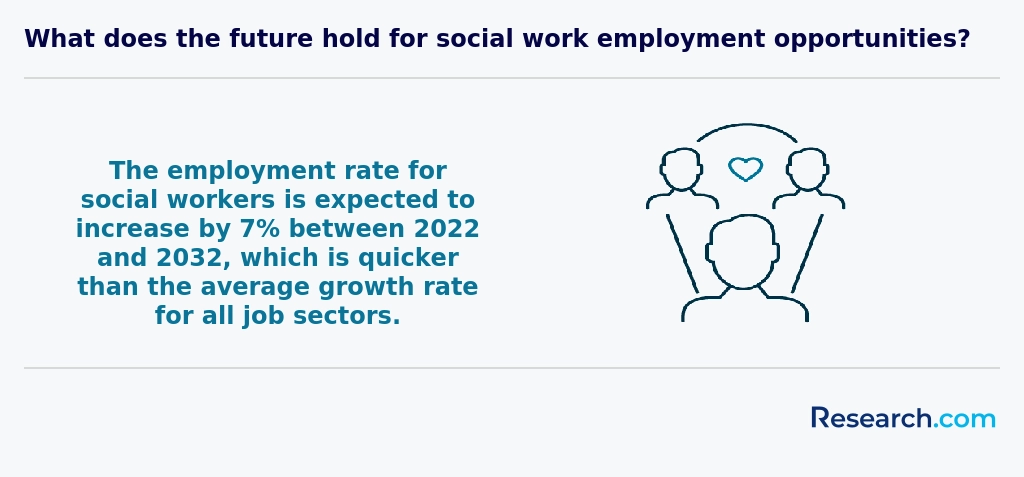
For students seeking flexibility and convenience, online social work degree programs can be an attractive option. Many reputable institutions in the Midwest, such as those listed in the top online social work school in Missouri, offer online programs that cater to working professionals and individuals with other commitments. These programs provide students with the opportunity to balance their academic pursuits with personal and professional responsibilities, while still gaining the knowledge and skills necessary to succeed in the field of social work. With the advancement of technology and online learning platforms, students can now engage in interactive classes, participate in discussions, and complete assignments from the! comfort of their own homes. Online social work programs also offer a range of specializations, allowing students to focus on areas that align with their interests and career goals, such as mental health, child welfare, or community organization. By leveraging online education opportunities, students can gain a high-quality social work degree, regardless of their geographical location, and embark on a rewarding career in this vital field.
What financial aid is available to social work degree students in the Midwest?
Social work students in the Midwest often tap into federal aid programs like Pell Grants and Direct Loans through FAFSA, easing the financial strain of degrees. Imagine a graduate from the University of Michigan describing how a Pell Grant covered a significant portion of their tuition, allowing them to focus more on fieldwork than financial worries. State-specific scholarships also play a vital role; for instance, students at Ohio State University benefit from Ohio's targeted grants that reward commitment to community service.
Many universities offer assistantships and fellowships, providing valuable hands-on experience alongside tuition relief. Graduates from institutions such as the University of Minnesota share how research assistantships not only funded their education but deepened their professional skills. Looking ahead, these aid forms might expand, incorporating technology-driven funding platforms or partnerships with public service organizations.
Loan forgiveness programs such as PSLF inspire Midwestern social work students by promising debt relief after a decade of service in public or nonprofit roles. This encourages a future where financial aid aligns more closely with social impact careers.
Return on Investment for Social Work Degrees in the Midwest
Investing in a social work degree in the Midwest requires careful consideration of both costs and long-term earning potential. On average, bachelor’s programs in this region range from $15,000 to $35,000 per year in tuition and fees, while master’s degrees can total between $30,000 and $60,000. Graduates with a Bachelor of Social Work (BSW) report starting salaries around $45,000–$55,000, with Master of Social Work (MSW) holders earning $60,000–$75,000 annually. By comparing these figures, students can estimate a tuition payback period of roughly 4–6 years, depending on their specialization and geographic location. To maximize ROI, consider programs with strong alumni networks and high licensure exam pass rates. Institutions that partner with local agencies often secure paid internships or stipends, effectively offsetting tuition costs. Graduates who complete their field practicum while receiving academic credit or a modest living allowance can reduce out-of-pocket expenses and enter the workforce with professional connections already in place. Prospective students seeking budget-friendly pathways should explore our curated list of cheapest bsw programs online, which balances affordability with accredited curriculum and robust student support. Online options often feature lower overhead costs, flexible scheduling, and reduced ancillary fees, making them ideal for working professionals or those with family commitments. Finally, leverage available financial aid-such as state grants, employer tuition reimbursement, and loan forgiveness programs for public service-to further enhance ROI. By combining strategic program selection with targeted funding opportunities, Midwest social work graduates can achieve a solid financial foundation while embarking on a meaningful and impactful career.
What are the prerequisites for enrolling in social work degree program in the Midwest?
Enrolling in a social work degree in the Midwest often begins with a high school diploma or equivalent, coupled with competitive GPA and test scores-a solid foundation that graduates from University of Illinois often recall as pivotal in their journey. Many recall the personal statement as a meaningful opportunity to express their passion for social justice, which helped admissions committees sense their genuine commitment. Looking ahead, prerequisites may increasingly emphasize demonstrated experience in social services, as seen among Michigan State graduates who shared how volunteer work shaped their understanding before starting the program.
Graduate applicants usually hold a bachelor's degree, sometimes in related fields, and may need to complete prerequisite courses in social work fundamentals-a step that many find challenging but ultimately rewarding. As more Midwest programs push toward CSWE accreditation, selecting an accredited institution will be essential for licensure and credibility. Future trends could also see an expansion in required interdisciplinary coursework, blending technology and social sciences to meet evolving community needs.
Application Tips: Strengthening Your Social Work Program Application
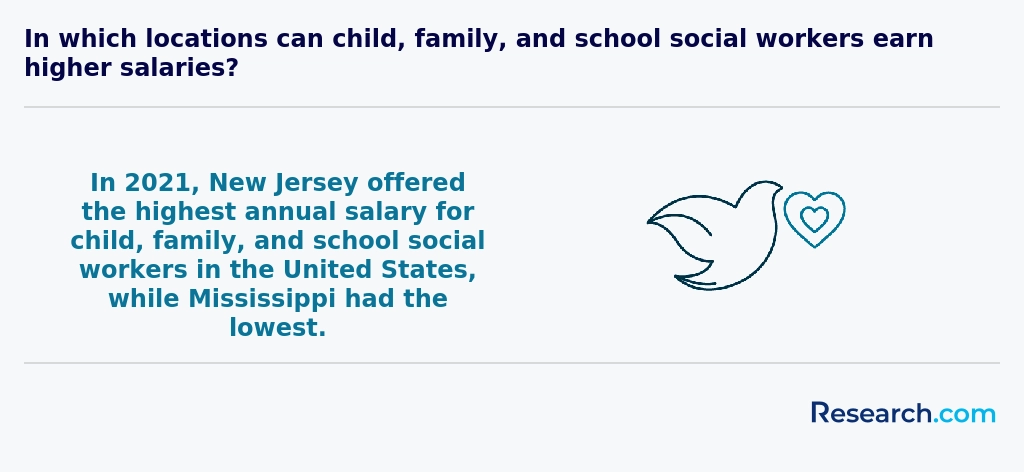
Crafting a compelling application for Midwest social work programs requires strategic preparation and attention to detail. Follow these steps to maximize your chances of acceptance: 1. Highlight Relevant Experience • Volunteer or work in social service agencies, schools, or community organizations. • Showcase leadership in initiatives addressing mental health, child welfare, or community outreach. • Quantify impact: “Led a weekly support group for 15 at-risk youth, improving attendance by 30% over six months.” 2. Secure Strong Recommendations • Obtain two to three letters from professors, field supervisors, or agency directors who can attest to your dedication and practical skills. • Provide recommenders with your resume and personal statement draft, ensuring their endorsements align with your career goals. 3. Craft a Persuasive Personal Statement • Start with a vivid anecdote illustrating your passion for social work. • Clearly articulate your career objectives and how the Midwest program’s curriculum and field practicum will help you achieve them. • Address challenges you’ve overcome and lessons learned, demonstrating resilience and empathy. 4. Demonstrate Academic Readiness • Highlight coursework in statistics, human behavior, and social welfare policy. • If your GPA falls below program averages, emphasize trends of improvement and relevant certifications or trainings. 5. Prepare for the Interview • Research the school’s mission, faculty research interests, and community partnerships. • Practice responses to common questions, such as: “How will you integrate ethical standards in field practicum?” • Formulate thoughtful questions about field placement sites and mentorship opportunities. 6. Consider Cost and Flexibility • Compare program tuition, financial aid, and part-time or online options. For instance, you may also explore the Most Affordable Online Social Work Degree Programs Ranking in Kentucky to balance affordability with program quality. By showcasing relevant experience, securing strong endorsements, and demonstrating clear goals, you’ll present a standout application that resonates with admissions committees and aligns with the Midwest’s top social work degree programs.
What courses are typically in social work degree programs in the Midwest?
Midwest social work degree programs typically include courses that blend theory with hands-on experience, preparing students for real-world challenges. For example, a graduate from a well-known Midwestern university recalls how classes on human behavior and the social environment made her better understand the communities she now serves. These courses explore cultural and psychological factors, shaping a deep empathy essential for social work.
Students often study social welfare policy, learning to analyze and advocate for vulnerable populations. At popular colleges in the Midwest, this has empowered many graduates to confidently participate in policy discussions affecting housing and healthcare access. The inclusion of research methods and statistics allows students to adopt evidence-based practices, a skill praised by recent alumni who use data to improve local programs.
Ethics courses are vital, ensuring future social workers navigate complex situations responsibly. Field education placements in nearby schools or agencies give students a chance to apply their skills in authentic settings, creating rewarding and inspiring experiences frequently shared by graduates from regional universities. Electives in mental health or child welfare further deepen expertise, making these programs uniquely suited for the Midwest's diverse social needs.
What types of specializations are available in social work degree programs in the Midwest?
Social work degree specializations Midwest programs often include clinical social work, child and family social work, school social work, healthcare social work, and community and social policy. Graduates from universities like the University of Illinois at Urbana-Champaign often share how clinical tracks prepared them deeply for real-world therapy roles, equipping them with skills to address mental health with confidence and compassion. Students focusing on child and family social work at institutions such as the University of Minnesota find themselves emotionally fulfilled by making tangible improvements in children's lives.
Looking ahead, emerging trends in Midwest social work concentration options emphasize integrating technology and trauma-informed care, reflecting growing community needs. Future social workers may engage more with policy advocacy and innovative community organizing, inspired by experiences shared by recent graduates navigating these paths.
Many also consider continuing studies by exploring doctorate of social work programs to expand their expertise and influence systemic change in the Midwest, where evolving social challenges call for specialized, empathetic professionals.
How do you choose the best social work degree in the Midwest?
Choosing the best social work degree in the Midwest often begins with exploring program quality and accreditation, especially from the Council on Social Work Education (CSWE). Graduates from well-known universities in Illinois and Ohio frequently highlight how these programs' field placements with local agencies opened doors to vibrant community work. Considering affordable social work colleges in Midwest states can ease financial stress, enhancing the overall educational experience.
Many students envision balancing work and studies by opting for flexible online or hybrid options. For example, graduates from public Midwestern universities appreciate the chance to study part-time while gaining hands-on experience, which increases confidence and job readiness. Those seeking entry-level roles might choose Bachelor of Social Work programs, while others aiming for clinical careers trend toward Master of Social Work degrees, which align with future healthcare and mental health needs.
To ease the financial burden, prospective students often research scholarships and explore the cheapest bsw programs online. This strategic approach empowers students to pursue their passion for social justice without compromising quality or support.

What career paths are available for social work degree students in the Midwest?
Graduates with a social work degree in the Midwest find diverse career paths that extend beyond traditional roles, reflecting growing regional needs and evolving social priorities. Many start as Licensed Social Workers or Licensed Clinical Social Workers, providing crucial counseling in hospitals or private clinics, particularly in states like Illinois and Ohio. Some graduates share stories of supporting families through school social work positions, balancing heavy caseloads with rewarding moments of community impact. These real-life experiences underscore how Midwest social work career opportunities blend direct service with advocacy.
Increasingly, social work graduates from prominent universities are stepping into policy advocacy and program management roles, addressing systemic issues such as poverty and healthcare access. This shift aligns with a demand for community organizers skilled in grant writing and program development. By engaging with nonprofit leadership or government agencies, they shape future social policies impacting entire populations.
Looking ahead, specialties like geriatric and substance abuse social work are rising in importance due to demographic trends and public health challenges. Many graduates feel inspired by the chance to serve vulnerable elders or combat the opioid crisis, illustrating the meaningful and adaptable nature of social work jobs in the Midwest. Prospective students can explore options and financial considerations through resources such as the Most Affordable Online Social Work Degree Programs Ranking in Kentucky.
What is the job market for social work degree in the Midwest?
The social work job outlook Midwest remains encouraging as the region experiences steady growth in demand for social services. Graduates from well-known Midwestern universities often share how their hands-on experiences in hospitals, schools, and community centers prepared them for impactful careers. Many find rewarding opportunities addressing mental health and aging populations, trends expected to grow over the coming decade. The steady rise in social programs means new social workers can anticipate meaningful roles that truly make a difference.
Midwest social work career opportunities are diverse, ranging from urban centers to rural communities where support is urgent and rewarding. Graduates commonly highlight gaining licensure to access clinical roles that offer higher salaries and greater responsibility. With in-state tuition for public universities generally affordable, prospective students often explore pathways like the fastest associate's degree online to begin their careers swiftly.
Frequently Asked Questions About social work
Social work degree students in the Midwest can maximize their learning by engaging actively in field placements, which many accredited programs require. These practical experiences allow students to apply classroom knowledge in real-world settings, improving their skills and professional network.
Midwestern universities often partner with diverse communities, providing exposure to various populations and social issues unique to the region. According to the Council on Social Work Education, nearly 60% of accredited programs in the Midwest have strong community connections, enhancing hands-on learning opportunities.
Students should also participate in professional organizations like the National Association of Social Workers (NASW) Midwest chapter, which offers workshops and internships. Combining academic study with community involvement and professional development is key to a richer educational experience.
The social work field in the Midwest is expanding into several emerging niches that reflect changing societal needs. One significant area is gerontological social work, driven by the region's aging population. According to the U.S. Census Bureau, states such as Illinois and Ohio have a growing share of residents over 65, increasing demand for specialized social workers.
Another rising niche is healthcare social work, especially related to mental health and addiction services. The Substance Abuse and Mental Health Services Administration (SAMHSA) highlights the Midwest's focus on integrating behavioral health support in medical settings.
Additionally, there is growth in social work tailored to rural communities, addressing access to resources and healthcare difficulties. The National Association of Social Workers (NASW) notes increased interest in environmental social work, which addresses community resilience amid climate challenges impacting the Midwest.
Preparing for the job market after earning a social work degree in the Midwest involves practical experience and professional networking. Many programs require fieldwork or internships, which offer hands-on skills and valuable contacts. According to the Council on Social Work Education (CSWE), over 90% of accredited social work programs include supervised practicums, essential for job readiness.
Licensing is also critical. Most Midwest states, including Illinois and Ohio, require passing the ASWB exam to practice clinically. Early preparation for this exam boosts employability.
Additionally, joining regional social work associations can provide networking and job leads. The Midwest Social Work Education Consortium (MSWEC) offers resources tailored to this region.
Employers in the Midwest highly value practical skills in social work graduates, emphasizing cultural competence, communication, and ethical decision-making. According to the National Association of Social Workers (NASW) Midwest chapter, 78% of agencies prioritize candidates with strong interpersonal and advocacy skills.
Graduates must demonstrate an ability to work with diverse populations, including rural and urban communities, reflecting the Midwest's demographic variety. Critical thinking and problem-solving capabilities are essential for addressing complex social issues such as poverty and substance abuse.
Additionally, proficiency in case management and familiarity with state-specific policies in Illinois, Michigan, and Ohio are frequently required.
Finding social work internships in the Midwest involves leveraging local resources and university partnerships. Many accredited social work programs in states like Illinois, Ohio, and Michigan collaborate with community organizations, hospitals, and government agencies to provide field placements. According to the Council on Social Work Education (CSWE), about 85% of accredited Midwest programs require internships as part of their curriculum, ensuring students gain practical experience.
Students should start by contacting their program's field coordinator who assists in matching interns with relevant agencies. Networking through state social work associations, such as the Illinois Chapter of NASW, also opens doors.
Online job boards and university career centers often list regional internship opportunities. Early applications are recommended due to competition.
In the Midwest, earning a social work degree significantly enhances career mobility and advancement opportunities. According to the Bureau of Labor Statistics, states like Illinois, Ohio, and Michigan have a strong demand for social workers, with projected regional growth rates around 10% through 2030. This demand supports upward mobility within social services agencies, healthcare, and education sectors.
Degrees accredited by the Council on Social Work Education (CSWE) are essential for licensure, which is required to practice professionally in all Midwestern states. Licensed social workers are eligible for higher-paying roles and supervisory positions.
Overall, a social work degree provides a clear pathway to varied roles and leadership positions in the region's growing social services workforce.
Studying for a social work degree in the Midwest equips students with skills necessary for interdisciplinary collaboration. Programs often emphasize teamwork with healthcare, education, and criminal justice fields, reflecting regional workforce needs. According to the Council on Social Work Education (CSWE), many Midwestern institutions integrate practical experiences promoting coordination with professionals like nurses and counselors.
Midwestern social work curricula commonly include case management, policy analysis, and community engagement, fostering adaptability across diverse sectors. The state's mixed urban-rural setting offers varied practicum sites, providing exposure to complex social issues that demand cooperative approaches.
Data from the Bureau of Labor Statistics highlights a growing demand for social workers skilled in interdisciplinary roles, notably in Illinois and Ohio, which strengthens the value of Midwest programs in this area.
Choosing between a thesis and a non-thesis social work degree in the Midwest depends largely on your career goals and learning preferences. Thesis programs typically emphasize research, preparing students for doctoral studies or academic roles. Non-thesis options focus more on practical training and fieldwork, which suits those aiming for direct social work practice.
According to the Council on Social Work Education, about 40% of Midwest social work graduates pursue research-oriented paths, which often align with thesis tracks. In contrast, 60% select non-thesis programs emphasizing applied skills in agencies or clinical settings. Understanding how each program matches your professional aspirations is key.
Students in the Midwest interested in studying social work abroad have several opportunities through U.S. universities offering exchange programs and international practicums. Many Midwestern schools with accredited social work programs, such as those listed by the Council on Social Work Education (CSWE), collaborate with institutions in Europe, Latin America, and Asia.
Programs often include semester exchanges or summer intensives, allowing students to earn credit while gaining global perspectives on social welfare. For example, the University of Michigan and Ohio State University coordinate study abroad options specifically tailored for social work majors.
Furthermore, some programs emphasize field placement abroad, providing practical experience in diverse cultural settings, which is valued by employers. Access to scholarships or grants to support study abroad is available but competitive.
Part-time job opportunities that complement social work degree education in the Midwest often include roles in community organizations, schools, and healthcare settings. Positions such as case aides, residential counselors, and behavioral health technicians provide practical experience relevant to coursework.
According to the U.S. Bureau of Labor Statistics, the Midwest has seen a steady growth in social work occupations, supporting more job openings in child and family services. This growth expands options for part-time work that allow students to apply theoretical knowledge.
Additionally, many social service agencies in states like Illinois and Ohio offer internships or part-time roles focused on mental health support and crisis intervention, enhancing hands-on skills crucial for social work professionals.
Social work students in the Midwest have access to a variety of networking opportunities through regional and national organizations. The National Association of Social Workers (NASW) has several Midwest chapters, providing events and conferences where students can connect with professionals and peers. Midwestern universities often host career fairs and workshops tailored to social work fields, increasing access to internships and job placements.
Professional conferences in cities like Chicago and Minneapolis draw large numbers of social workers, enabling students to build valuable contacts. According to NASW data, engagement in such networks enhances job placement rates by up to 20% for recent graduates.
Alumni networks offer valuable support to social work degree students in the Midwest by connecting them with experienced professionals who understand regional challenges. These networks often provide mentorship, guiding students through licensure processes specific to Midwest states like Illinois and Ohio.
Access to job placements and internships through alumni connections significantly boosts students' employment chances upon graduation. According to the Council on Social Work Education, Midwest social work programs with active alumni networks report up to 20% higher employment rates within six months.
Furthermore, alumni groups frequently host workshops and seminars focused on evolving social issues such as rural mental health, helping students stay informed and connected professionally.
Customizing your social work degree in the Midwest involves selecting specializations and electives that align with your career goals. Many accredited programs offer tracks such as clinical practice, child welfare, or community organizing. For example, schools like the University of Chicago and the University of Michigan provide flexible curricula allowing students to focus on policy, mental health, or aging populations.
Field placements are a key customization option, enabling hands-on experience in settings like hospitals, schools, or government agencies. According to the Council on Social Work Education (CSWE), Midwest programs typically require 400-900 practicum hours, which can be tailored to your interests.
Additionally, online and part-time formats offer scheduling flexibility for working professionals. Utilizing these options can help you balance study with career advancement efficiently.
Social work students in the Midwest often face unique challenges that impact their academic and professional progress. One common difficulty is managing field placements, especially in rural or underserved areas where opportunities are limited. According to the National Association of Social Workers (NASW), these placements can require long commutes or relocation, which adds stress and financial burden.
Another challenge involves balancing coursework with demanding practicum hours, both essential for licensure. Many students report difficulty in securing paid internships, which can hinder gaining practical experience. Additionally, Midwest social work programs must address diverse populations, requiring students to develop cultural competency in both urban centers like Chicago and smaller rural communities.
Finally, financial challenges are notable. Data from the Midwest Community Foundation show average student debt for social work graduates hovers around $30,000, affecting retention and graduation rates in the region.
With a social work degree in the Midwest, you can pursue several professional certifications that enhance your career opportunities. The most common certification is the Licensed Social Worker (LSW), which allows you to practice under supervision. Many states in the Midwest, such as Illinois, Ohio, and Michigan, offer this credential. Advancing further, you can seek the Licensed Clinical Social Worker (LCSW) certification, enabling independent clinical practice and therapy roles. According to the National Association of Social Workers, about 45% of Midwest social workers hold the LCSW credential, reflecting its importance.
There are also specialist certifications like Certified School Social Work Specialist (C-SSWS) for those working in educational settings. Additionally, the Academy of Certified Social Workers (ACSW) credential from the National Association of Social Workers is nationally recognized and valuable for career advancement. Certification requirements vary by state but typically include completing a master's degree, supervised hours, and passing an exam.
Writing a winning application for a social work program in the Midwest requires clear focus and preparation. Start by researching programs accredited by the Council on Social Work Education (CSWE), as these ensure quality education and better career prospects.
Highlight relevant experience in your personal statement, such as volunteering or internships in social service agencies. Midwest programs often value community involvement and understanding of regional social issues.
Strong letters of recommendation from professionals familiar with your commitment to social work can significantly boost your application. Additionally, meet all application deadlines carefully, as many Midwestern schools have strict timelines.
According to the National Association of Social Workers (NASW), nearly 40% of social workers in states like Illinois and Ohio hold advanced degrees, emphasizing competitive educational standards.
Social work as a career holds significant global recognition for addressing social justice, human rights, and community well-being. In the United States, including the Midwest, social work programs emphasize both local and international perspectives to prepare students for diverse challenges. According to the Council on Social Work Education (CSWE), over 700 accredited programs nationwide foster global awareness among students.
Many Midwest universities integrate global issues such as migration, poverty, and healthcare disparities into their curricula. This approach aligns with international standards set by the International Federation of Social Workers (IFSW). Graduates often find opportunities in government agencies, nonprofits, and international organizations focusing on global social policies.
Understanding global perspectives strengthens a social worker's ability to collaborate across cultures and respond effectively to increasingly interconnected communities. The U.S. Bureau of Labor Statistics projects a 12% growth in social work jobs nationally by 2031, driven partly by diverse, international communities urbanizing in Midwestern cities such as Chicago and Minneapolis.
Gaining practical experience while studying for a social work degree in the Midwest is essential for building relevant skills and meeting accreditation requirements set by the Council on Social Work Education (CSWE). Most programs include supervised field placements or internships, where students work in community agencies, hospitals, schools, or government organizations. These placements typically range from 400 to 900 hours, depending on the degree level.
Midwestern universities often leverage partnerships with local social service agencies, enabling students to engage with diverse populations. For example, according to the National Association of Social Workers (NASW) Midwest Chapter, over 70% of accredited programs offer placement sites connected to mental health and child welfare services.
Additionally, some schools encourage volunteering or research projects related to social policy or advocacy to deepen practical knowledge. These experiences equip students with hands-on skills crucial for licensure and employment after graduation.
Choosing the right concentration within a social work degree program in the Midwest depends on your career goals and the community needs. The Midwest has diverse populations, including urban centers and rural areas, each demanding different social work skills. For example, concentrations in healthcare social work or mental health can be valuable due to rising needs in these areas, as highlighted by the National Association of Social Workers (NASW) Midwest chapter.
Consider your interest in working with specific groups like children, families, or the elderly. According to the Bureau of Labor Statistics, social workers in the Midwest focusing on family services or child welfare show consistent job growth. Also, look into programs offering field placements in local agencies to gain practical experience relevant to the region.
Top Trending Social Work Rankings
See What Experts Have To Say About Studying Social Work
Read our interview with Social Work experts

References
- Social work certificates | edX https://www.edx.org/certificates/social-work-certificates
- Illinois Social Work Scholarships and Financial Resources https://www.illinoissocialworkedu.org/resources-for-social-workers-and-students-in-illinois/financial-resources/
- 17 Most Affordable Online MSW Programs: Analyzed for 2025 - Social Work Education Center https://www.socialworkdegree.net/online-msw-programs/most-affordable-online-msw-programs/
- The Evolution of Online Social Work Education https://www.socialworktoday.com/news/enews_0317_1.shtml
- Surviving your social work degree placement - Community Care https://www.communitycare.co.uk/content/news/surviving-your-social-work-degree-placement
- How Long Does It Take to Become a Social Worker? https://www.onlinemswprograms.com/careers/how-to-become-a-social-worker/how-long-does-it-take/
- Become a Social Worker in Wisconsin https://socialworklicensemap.com/social-work-licensure/become-a-social-worker-in-wisconsin/
- 1+ Social Worker Cover Letter Examples (with In-Depth Guidance) https://www.tealhq.com/cover-letter-examples/social-worker
- How To Become A Social Worker | Psychology.org https://www.psychology.org/social-work/how-to-become/
- Social Work https://www.wits.ac.za/course-finder/undergraduate/humanities/social-work/


