
2027 Most Popular Social Work Degree Programs Ranking in Columbia

Co-Founder and Chief Data Scientist
Choosing the right social work degree program is an important step for students in Columbia who want to make a meaningful impact in their communities. Our article introduces the 2027 Most Popular Social Work Degree Programs Ranking in Columbia, thoughtfully created by the Research.com team of data scientists. This ranking helps you explore top programs based on reliable data, so you can make an informed decision that fits your goals.
Pursuing a social work degree opens doors to rewarding careers and personal growth. Discovering the best programs can bring you closer to making a positive difference in society.
Key benefits of getting social work degree in Columbia
- Graduates with a social work degree in Columbia can expect competitive salaries, such as $68,800 annually for social workers and $83,400 for community organizers, providing financial stability and rewarding career options.
- Career paths are diverse, including roles like child welfare specialists and youth workers, with many graduates from Columbia's top universities successfully entering fulfilling positions that help communities thrive.
- Obtaining a social work degree online offers flexibility and convenience, allowing students to balance studies with personal life while gaining the same valued credentials as traditional programs, as shown by many online graduates from Columbia's leading institutions.
- Key benefits of getting social work degree in Columbia
- What can I expect from social work degree in Columbia?
- Where can I work with social work degree in Columbia?
- How much can I make with social work degree in Columbia?
- 2027 Most Popular Social Work Degree Programs Ranking in Columbia
- Key Findings
- How long does it take to complete social work degree in Columbia?
- Application Process and Admission Tips
- What's the difference between online and on-campus social work degree?
- Accreditation and Licensure Pathways in South Carolina
- What is the average cost of social work degree in Columbia?
- Accreditation & Licensing Requirements
- What financial aid is available to social work degree students in Columbia?
- Is a Social Work Degree Worth It?
- What are the prerequisites for enrolling in social work degree program in Columbia?
- Why Choose a Social Work Program in Columbia, SC?
- What courses are typically in social work degree programs in Columbia?
- What types of specializations are available in social work degree programs in Columbia?
- How do you choose the best social work degree in Columbia?
- What career paths are available for social work degree students in Columbia?
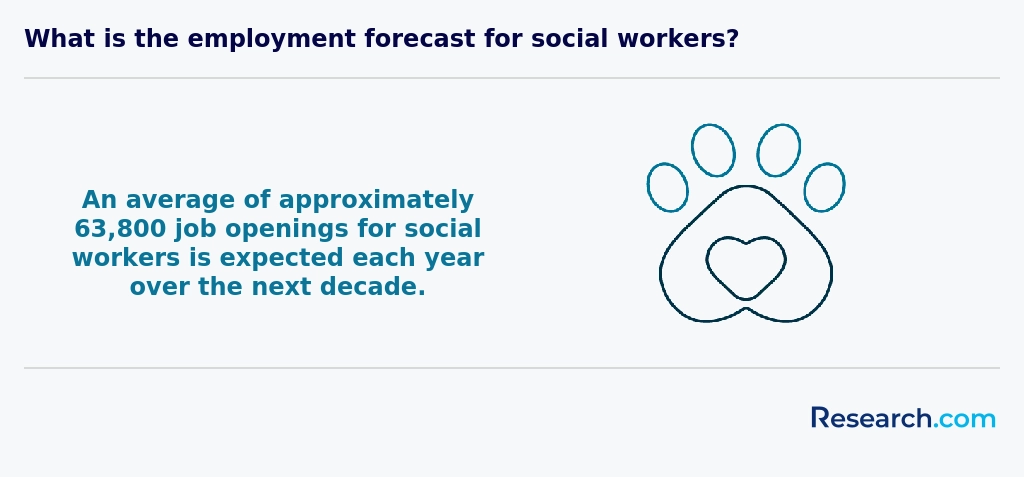
- What is the job market for social work degree in Columbia?
- Top Trending Social Work Rankings
- See What Experts Have To Say About Studying Social Work
What can I expect from social work degree in Columbia?
The average cost of a social work degree in Columbia varies but generally falls between $25,000 and $45,000 for a Bachelor of Social Work (BSW) at institutions like the University of Missouri. Graduates often recall feeling that this investment was well worth the comprehensive education and extensive field placements they experienced. For those pursuing a Master of Social Work (MSW), costs can increase to around $35,000 to $60,000 depending on the program length and whether it's full-time or part-time.
Several graduates remember balancing work and studies in Columbia, benefiting from part-time MSW options that made advanced education more accessible and affordable. These programs often include supervised clinical hours integrated with local agencies, offering real-world experience without additional financial burden.
Looking ahead, some predict that expanding partnerships between universities and community organizations in Columbia might help reduce costs further, providing scholarships or paid internships that ease financial stress and enhance practical learning. This trend offers exciting prospects for future students aiming to combine passion with affordability in social work education.
Where can I work with social work degree in Columbia?
Graduates with social work degrees from Columbia's prominent institutions, like the University of Missouri, often find themselves drawn to dynamic roles within local government agencies. Imagine working alongside dedicated professionals at the Boone County Health Department, helping elderly clients navigate healthcare services or supporting children in foster care-real experiences that inspire confidence and purpose.
Healthcare settings also show promising career paths. Clinical social workers in hospitals or community health centers play essential roles in patient recovery, especially dealing with mental health or substance abuse. Graduates recall the rewarding challenge of collaborating in the University of Missouri Health Care system, where integrated care requires both compassion and expertise.
Many alumni emphasize their growth working in Columbia's schools, like Columbia Public Schools, where addressing bullying or family troubles makes a tangible difference in students' lives. Nonprofit organizations further expand options, engaging passionate graduates in housing assistance and advocacy initiatives, turning commitment into real-world progress.
Licensure such as the LCSW often unlocks advanced clinical roles, enhancing career flexibility as community needs evolve in this growing Missouri city.
How much can I make with social work degree in Columbia?
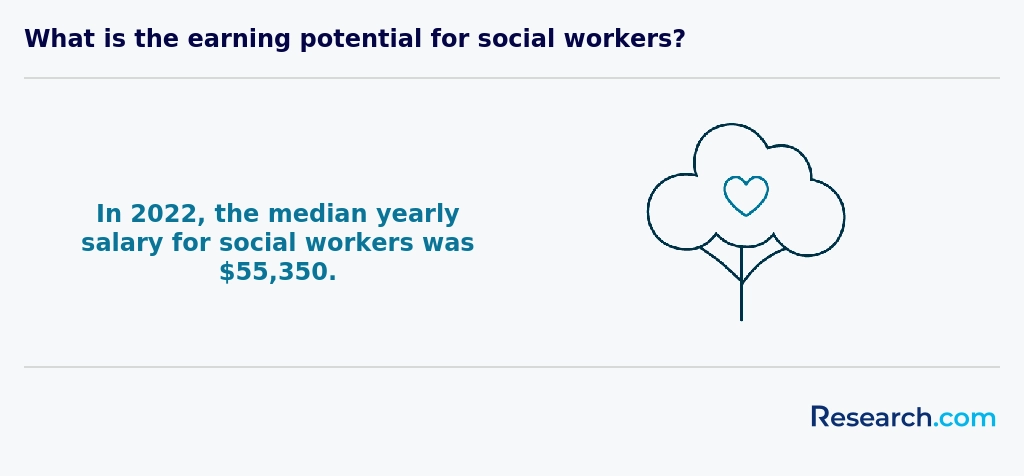
Graduates from social work programs in Columbia, such as those at the University of South Carolina, often find rewarding salary opportunities that reflect their education and dedication. Entry-level social workers typically earn between $35,000 and $45,000 annually, but with a Master of Social Work degree, salaries rise significantly. For example, Child Welfare Specialists and Residential Counselors see mean annual wages around $59,190, highlighting stable earning potential early in a career.
Many graduates share how securing roles as Community Organizers or Youth Workers can elevate earnings, with average salaries near $83,400. These positions often allow graduates to engage deeply with communities, adding both professional growth and personal fulfillment. Social Workers more broadly earn about $68,800 per year, reflecting both public and private sector opportunities available in Columbia.
Institutions in Columbia emphasize practical experience, preparing students to pursue clinical licenses or supervisory roles that push earnings above $70,000. This upward trend aligns with growing demand for specialized social workers who want to make a meaningful impact while building a sustainable career in the region.
2027 Most Popular Social Work Degree Programs Ranking in Columbia
How do we rank schools?
Investing in your education is a significant decision that can shape your future, and the Research.com team understands the importance of making informed choices. To assist prospective students in Columbia, we have meticulously crafted the "2027 Most Popular Social Work Degree Programs Ranking in Columbia." Our commitment to quality, credibility, and accuracy is reflected in the extensive research and analysis conducted to compile this ranking.
We utilized the following reputable data sources to ensure a comprehensive evaluation of social work programs:
By exploring this ranking, readers will gain valuable insights into the most popular social work degree programs available in Columbia, empowering them to make well-informed decisions about their educational paths. For more details on our methodology, please visit our Research.com methodology page.


Key Findings
- Social work degrees in Columbia include Bachelor (BSW) and Master (MSW) programs accredited by the Council on Social Work Education.
- Bachelor's tuition ranges from $6,000 to $12,000 per year for in-state students, while MSW programs cost between $15,000 and $30,000 annually.
- Starting salaries after graduation are around $40,000 to $45,000, with experienced social workers earning between $60,000 and $70,000 per year.
- Employment in social work in Columbia is projected to grow by about 12% over the next decade, driven by demand in health and social assistance sectors.
- Licensure requires completing an accredited degree and passing a state licensing exam to practice professionally in Columbia.
How long does it take to complete social work degree in Columbia?
Completing a social work degree in Columbia typically involves a commitment of several years, shaped by the program level and structure. Graduates from well-known institutions like the University of Missouri recall that earning a Bachelor of Social Work took about four years of full-time study, balancing rigorous coursework with fulfilling fieldwork placements, which helped them feel truly prepared for real-world challenges.
For those moving on to a Master of Social Work, the journey usually extends two years full-time, though some accelerated pathways allow completion in just one year if a BSW is already held. Many working professionals in Columbia opt for part-time MSW programs, taking anywhere from three to four years, enjoying the flexibility while still deeply engaging with practicum experiences that build confidence and practical skills.
Doctoral students in Columbia face a flexible timeline ranging from three to five years post-MSW, often appreciating the autonomy in research focus and pacing. Across these levels, students describe a blend of excitement and accomplishment, motivated by the tangible impact of their evolving expertise on their communities.
Application Process and Admission Tips
Navigating the admission process for Social Work degree programs in Columbia, SC requires strategic planning and attention to detail. Here’s how to position your application for success: 1. Research and Timeline - Identify program deadlines-many universities, including the University of South Carolina and Columbia College, set priority deadlines in December and final deadlines by February. - Note rolling admissions options; applying early can increase scholarship eligibility. 2. Academic and Supporting Documents - Transcripts: Request official transcripts from all post-secondary institutions at least six weeks before your deadline to avoid delays. - Prerequisite Coursework: Confirm completion of introductory psychology, sociology and statistics courses, as listed by each program’s admissions page. - Letters of Recommendation: Secure two to three strong recommendations from professors or supervisors who can attest to your academic ability and commitment to social services. 3. Personal Statement and Resume - Craft a clear personal statement that highlights hands-on volunteer experiences and your passion for social justice. Emphasize how fieldwork placements in Columbia solidified your career goals. - Tailor your resume to include relevant internships or community outreach roles. Detail specific outcomes-e.g., “Coordinated a food-drive program serving 200+ families.” 4. Entrance Exams and Interviews - While many BSW programs do not require GRE scores, MSW applicants should verify testing requirements. - Prepare for interviews by reviewing core social work values: confidentiality, advocacy and cultural competence. Treat each conversation as an opportunity to demonstrate your ethical commitment and communication skills. 5. Financial Planning and Comparative Research - Investigate institutional scholarships and graduate assistantships early. - If cost is a primary concern, compare programs by exploring our Cheapest Social Work Degree Programs Ranking in Iowa for additional perspective on budget-friendly options outside South Carolina.
What's the difference between online and on-campus social work degree?
Online social work degrees in Columbia offer a flexible learning environment, allowing students to balance careers or family life while studying. Graduates from well-known schools like the University of Missouri appreciate this adaptability, describing how they could engage deeply with coursework at their own pace without sacrificing job responsibilities. The virtual format encourages self-motivation and tech-savviness, which many find empowering as they navigate interactive platforms and online discussions.
Conversely, on-campus programs at institutions such as Columbia College provide lively, face-to-face interactions that some students find energizing. These graduates highlight the value of immediate access to campus libraries, counseling centers, and networking events, describing how these resources enriched their learning experience. Local internships, often facilitated through close university-community connections, offer hands-on practice that feels immediate and relevant in Columbia's social work landscape.
Looking ahead, hybrid models may blend these strengths, combining flexibility with the tangible benefits of campus life-potentially reshaping how future social workers gain their education in Columbia.
Accreditation and Licensure Pathways in South Carolina
Ensuring your Social Work program is accredited by the Council on Social Work Education (CSWE) is essential for licensure and employment. In South Carolina, all entry-level and advanced practice degrees must come from CSWE-accredited institutions to qualify for the Licensed Master Social Worker (LMSW) or Licensed Clinical Social Worker (LCSW) exams. Most Bachelor of Social Work (BSW) graduates in Columbia complete a 400-hour supervised internship approved by the South Carolina Board of Social Work Examiners. Upon earning a BSW, applicants must submit official transcripts, a completed application, and a background check to sit for the LMSW exam. Passing this exam unlocks roles in child welfare, community mental health, and school settings. For those pursuing an MSW, choosing a CSWE-accredited online or on-campus program is key. Compare programs not only on curriculum but also on tuition and financial support-especially important when weighing online msw programs cost against potential earnings. After completing an MSW, candidates need two years (3,000 hours) of supervised clinical experience under an LCSW supervisor before applying for the LCSW licensure exam. Continuing education is required for both LMSWs and LCSWs: 30 contact hours every two years, including ethics, diversity, and clinical practice updates. Many graduates leverage university-sponsored webinars or local chapter workshops of the National Association of Social Workers (NASW) to satisfy these requirements. Understanding these accreditation and licensure steps will streamline your path to a rewarding social work career in Columbia, SC.
What is the average cost of social work degree in Columbia?
The average total cost of a social work degree in Columbia is around $51,004, which includes tuition and additional fees. In-state students typically pay significantly less, averaging about $12,688, making public universities an attractive option for many. Graduates often recall how choosing a Columbia college well-known for its social work program helped them balance quality education with affordability. They describe their experiences navigating tuition alongside expenses like books and field placement fees, which add another layer to overall budgeting.
Many students find encouragement in financial aid opportunities offered by schools, especially those pursuing their degrees at institutions recognized among the most popular social work school lists in Columbia. This extra support allows them to focus more on their fieldwork and studies rather than financial stress. As programs and tuition rates evolve, there's speculation about how emerging online social work degrees or part-time options could further enhance access and affordability for future students.
Considering the total expenses for social work programs Columbia students face, it's common to envision a path where increasing scholarship availability and competitive tuition drive more individuals into the profession. Recent graduates often express pride and optimism, sharing how their education opened doors in rewarding careers despite the costs involved.

Accreditation & Licensing Requirements
Choosing a CSWE-accredited program ensures your degree meets South Carolina’s licensing standards and qualifies you for key professional exams.
Key steps to licensure in South Carolina:
- Enroll in a CSWE-accredited BSW or MSW program to satisfy educational criteria
- Complete required supervised clinical hours (typically 3,000+ for LCSW)
- Pass the Association of Social Work Boards (ASWB) exam at the desired level
- Submit your application to the South Carolina Board of Social Work Examiners and pay the licensing fee
Many graduates advance their credentials by earning an online msw degree that meets CSWE standards and prepares them for the ASWB exam, streamlining both education and licensure preparation.
What financial aid is available to social work degree students in Columbia?
Students pursuing social work degrees in Columbia often find crucial support through a range of financial aid options that can make their education more affordable and less stressful. Graduates from prominent schools like the University of Missouri share how Pell Grants helped alleviate the immediate cost of tuition, allowing them to focus more on their studies and community involvement. These federal grants, combined with subsidized loans, offer a safety net with manageable repayment plans after graduation.
State-specific scholarships administered by the Missouri Department of Higher Education, such as the Access Missouri Financial Assistance Program, provide valuable aid to residents balancing work and study. Many students recount feeling empowered when receiving awards ranging from $500 to $3,000 annually-these can cover books or living expenses.
At the institutional level, scholarships tailored for social work students reward academic excellence and dedication to social causes. Those attending Columbia's leading colleges often mention receiving scholarships between $1,000 and $5,000, giving them confidence to deepen their field experience.
Emerging trends show growing collaboration between employers and social service agencies offering tuition reimbursement. This work-study synergy not only eases financial pressures but enriches hands-on training, inspiring many students by connecting classroom learning with real-world impact.
Is a Social Work Degree Worth It?
Prospective students often wonder about the long-term return on investment when pursuing a social work degree, and examining the benefits, career outcomes, and financial implications can help clarify this decision. Now more than ever, evaluating the true value of your education is essential before committing to a program. A well-rounded assessment shows that while social work may not yield the highest immediate salaries compared to some other fields, its rewards extend into job satisfaction, community impact, and diverse career opportunities that evolve over time. Graduates frequently highlight the intrinsic rewards of working in supportive, mission-driven environments as well as the growing demand for mental health and community services in today’s job market. Additionally, the evolving landscape of public policy and healthcare presents expanding roles for qualified social workers, ensuring a solid future outlook. If you’re debating whether investing in a social work degree is the right career move, consider not only the immediate financial returns but also the professional fulfillment and long-term impact you can make on your community. By weighing the upfront costs against potential career growth and personal satisfaction, you can make a well-informed decision about your educational journey and future profession.
What are the prerequisites for enrolling in social work degree program in Columbia?
Enrolling in a social work degree program in Columbia typically requires a mix of academic achievements and practical experiences, designed to prepare students for the meaningful challenges of the profession. Graduates from popular institutions in Columbia often recall beginning their journey by meeting foundational criteria such as holding a high school diploma and completing general education courses-English, psychology, and sociology being common staples. These prerequisites set the stage for success in Bachelor of Social Work (BSW) programs, ensuring students grasp essential theoretical concepts early on.
Looking ahead, those interested in Master of Social Work (MSW) programs at Columbia universities are expected to hold a bachelor's degree, sometimes from outside social work, along with a GPA typically above 3.0. Many graduates highlight the importance of submitting strong personal statements and securing recommendation letters, which reflect enthusiasm and real-world community involvement. Students often share pride in how volunteer work helped shape their commitment to social change, a sentiment that resonates deeply across Columbia's academic landscape.
Why Choose a Social Work Program in Columbia, SC?
When considering a career in social work, choosing the right program is crucial for both personal and professional growth. Prospective students in Columbia, SC, can benefit from understanding the unique advantages of local social work programs. One of the key reasons to choose a social work program in Columbia, SC, is the opportunity to study at reputable institutions such as the University of South Carolina, which is known for its robust curriculum and commitment to community engagement. By attending a program in Columbia, SC, students can leverage the city's diverse social landscape to gain practical experience and build a network of professionals in the field. For those interested in exploring the most popular social work schools, visiting the most popular social work school can provide valuable insights into the top programs available. This hands-on experience, combined with theoretical knowledge, prepares graduates to address the complex social issues faced by the community, making them highly competent and sought-after professionals in their field.
What courses are typically in social work degree programs in Columbia?
Social work programs in Columbia blend core courses with hands-on experiences, preparing students to meet evolving community needs. Graduates from notable universities describe courses like Social Welfare Policy and Services as eye-opening, helping them critically evaluate how local policies impact families in neighborhoods across Columbia.
Students engage deeply with Practice with Individuals, Families, and Groups, refining communication and intervention skills through role-plays and real case studies from city agencies. Research classes often emphasize emerging data methods, empowering students to innovate program evaluations tailored for Columbia's diverse population.
- Field Education or Practicum placements provide vivid learning moments, as many report transformative experiences working in Columbia's nonprofit centers and public health clinics, bridging theory with community impact.
- Courses on Human Behavior and Social Environment invite students to explore cultural factors shaping individuals, fostering empathy especially for marginalized groups in urban settings.
- Social Justice and Diversity classes inspire a strong commitment to equity, preparing future social workers to champion anti-oppressive practices in Columbia's dynamic social landscape.
Such coursework not only builds confidence but also excites students about their potential to create positive change locally, reflecting an encouraging future for social work in Columbia's universities and communities alike.
What types of specializations are available in social work degree programs in Columbia?
Social work degree specializations in Columbia are evolving, with students at popular colleges experiencing pathways that go beyond traditional clinical roles. Graduates often share how clinical social work, focusing on mental health and therapy, combines rigorous training with meaningful patient interactions, especially in urban centers where demand for emotional support is growing. Others highlight the Child, Youth, and Family Services specialization, describing rewarding placements in schools and nonprofits that foster lasting community impact.
Emerging trends in Columbia's programs emphasize Community and Organizational Social Work, where students collaborate with local agencies to design programs addressing systemic issues. This forward-thinking approach helps graduates develop leadership skills for social change in diverse urban and rural settings. The integration of gerontology in curricula also excites students passionate about aging populations.
Those pursuing a social work degree in Columbia might find programs cultivating skills in Social Work Administration, preparing them to lead organizations efficiently. Such specializations reflect the varied career paths available, making a social work degree a versatile credential in Columbia's dynamic social services landscape.
How do you choose the best social work degree in Columbia?
Choosing the best social work degree programs Columbia has to offer means looking beyond just accreditation to how programs prepare you for real-world challenges. Graduates from popular universities often share how strong field placements with local hospitals and community organizations transformed their learning into meaningful impact, sparking a passion for lasting social change. These immersive experiences make it easier to envision a career in mental health or child welfare, especially when programs allow you to tailor studies through specialized concentrations.
Many students also reflect positively on affordability as a key factor in their decision. With public universities offering in-state tuition between $7,000 to $10,000 annually, the financial accessibility can make pursuing a Bachelor of Social Work or Master of Social Work more feasible. For those balancing work and study, exploring options like online msw programs cost can open new doors without compromising quality.
Looking ahead, programs that embrace emerging trends such as integrating technology in practice or policy advocacy are gaining momentum in Columbia. Graduates often emphasize how small class sizes and expert faculty made these innovative approaches feel personal and inspiring, helping them develop skills that resonate with future job markets. This makes choosing an affordable social work degrees in Columbia not just a practical step but an exciting journey toward shaping tomorrow's communities.
What career paths are available for social work degree students in Columbia?
Graduates with a social work degree in Columbia find dynamic social work career opportunities in Columbia, ranging from child and family social work to healthcare and school settings. Many alumni from popular institutions in the city describe rewarding experiences helping vulnerable children through foster care or supporting patients navigating health challenges in hospitals. These roles are evolving as agencies emphasize interdisciplinary approaches and community-driven solutions, expanding opportunities for those passionate about social justice and mental health.
As state and local social service demands grow, mental health and substance abuse counselors are increasingly needed. Students from Columbia's leading colleges often share inspiring stories about collaborating with local organizations to address homelessness and employment barriers, illustrating a hands-on, impactful career path. Pursuing advanced degrees enhances prospects, especially for clinical roles requiring LCSW licensure. Tuition affordability remains a practical concern, and prospective students might explore options like the Cheapest Social Work Degree Programs Ranking in Iowa for comparison.
These emerging trends highlight the vibrant Columbia social work degree job prospects for those committed to making a measurable difference in their communities.
What is the job market for social work degree in Columbia?
The social work job opportunities in Columbia are expanding steadily, fueled by increasing demands in healthcare, education, and community services. Graduates from popular institutions report rewarding experiences applying their skills in hospitals, schools, and child welfare agencies, where they help individuals navigate complex life challenges. This practical environment in Columbia nurtures graduates' confidence and adaptability, vital for sustaining a fulfilling career.
With the Columbia social work degree career outlook showing promise, many graduates find entry-level roles offering salaries between $40,000 and $50,000, with potential to grow, especially for those obtaining an MSW. The blend of competitive pay and meaningful work attracts students eager to make a difference in local communities. Cost-conscious students often explore funding options, including federal aid, to access high-quality programs without undue financial strain.
For those seeking flexible education paths that accelerate entry into the field, the best accelerated online associates degree can complement their social work ambitions, allowing quicker immersion into Columbia's evolving job market.
Frequently Asked Questions About social work
Social work degree students in Columbia can maximize their learning by engaging deeply in both coursework and practical experiences. Many programs in this area require field placements, which are vital for gaining hands-on skills. According to the Council on Social Work Education (CSWE), field education accounts for nearly 30% of most accredited social work programs, emphasizing its importance. Students should seek diverse placement settings such as community centers, healthcare, and schools to broaden their exposure.
Participating in local workshops and networking with professionals helps students stay updated on Columbia-specific social issues. Additionally, joining social work organizations and attending conferences can enhance knowledge and career opportunities.
Emerging niches within the social work field are rapidly evolving to address contemporary societal needs. In Columbia and across the U.S., there is growing demand for social workers specializing in healthcare, particularly in mental health and substance abuse treatment. According to the Bureau of Labor Statistics, employment for healthcare social workers is expected to grow 21% from 2021 to 2031, much faster than average.
Another expanding area is social work in geriatrics, responding to an aging population. Columbia's aging residents have increased the need for specialists trained to support elderly clients with complex medical and social concerns.
Additionally, environmental social work is gaining attention by focusing on communities affected by climate change and natural disasters-a field still emerging but promising in Columbia's context of urban and rural vulnerability.
After earning a social work degree in Columbia, preparing for the job market involves several key steps. First, obtaining licensure is essential. In Columbia, earning the Licensed Social Worker (LSW) credential requires passing the ASWB exam, which is necessary for clinical practice and increases job prospects, according to the Columbia Board of Social Work Examiners.
Networking is crucial. Joining local chapters of the National Association of Social Workers (NASW) provides connections and job leads. Graduates should also seek internships or volunteer roles to gain practical experience and build professional relationships.
Developing specialized skills such as trauma-informed care or child welfare can enhance employability. Finally, exploring job openings in government agencies, healthcare, and nonprofits will help graduates enter Columbia's competitive social work field.
Employers in Columbia seeking social work degree graduates prioritize a combination of practical and interpersonal skills. Strong communication abilities are essential for effectively advocating for clients and collaborating with multidisciplinary teams. Critical thinking and problem-solving skills help graduates navigate complex social issues and develop appropriate intervention strategies.
According to the National Association of Social Workers (NASW), cultural competence is increasingly vital, as Columbia's diverse population requires sensitivity to varying backgrounds and experiences. Graduates with proficiency in case management and knowledge of local social services tend to be highly valued.
Additionally, ethical decision-making and emotional resilience are critical, as social workers often face challenging situations that require maintaining professional boundaries and self-care.
Finding internships in Columbia relevant to a social work degree involves exploring opportunities through accredited universities and local agencies. Many schools in Columbia connect students with field placements as part of their curriculum, since practical experience is a key component of social work education according to the Council on Social Work Education (CSWE).
Additionally, students can seek internships by contacting state and county social service departments, which often offer placements for trainees. Organizations like the South Carolina Department of Social Services provide structured programs suited for social work students. Networking through professional associations such as the National Association of Social Workers (NASW) South Carolina chapter can also increase internship prospects.
Research from the U.S. Bureau of Labor Statistics shows that internships boost employment chances by 20-30% in social work fields, highlighting their importance in Columbia's competitive environment.
In Columbia, earning a social work degree significantly enhances career mobility and advancement opportunities. A Bachelor of Social Work (BSW) or Master of Social Work (MSW) degree is often required for many professional roles within public agencies, healthcare, and non-profit organizations. According to the U.S. Bureau of Labor Statistics, social workers with an MSW tend to have better job prospects and higher earning potential compared to those with only a bachelor's degree. Additionally, advanced degrees enable eligibility for clinical licensure, which broadens the range of job roles, such as therapy or counseling.
Employers in Columbia increasingly value formal social work qualifications as a sign of expertise and commitment. Licensed social workers in the state can expect a median annual wage above the national average, reflecting career advancement potential. Educational credentials thus serve as a critical mechanism for social workers to move into supervisory, specialized, or policy-making positions within the local social services sector.
Studying for a social work degree in Columbia equips students with skills that are essential for interdisciplinary collaboration in the U.S. healthcare and social service systems. Programs accredited by the Council on Social Work Education (CSWE) emphasize teamwork among professionals such as healthcare providers, educators, and law enforcement.
According to the National Association of Social Workers (NASW), Columbia's graduates often engage in integrated care settings, supporting clients with complex needs by coordinating across multiple disciplines. Coursework typically includes training in communication, policy, and ethics that prepare students for these roles.
The 2023 Bureau of Labor Statistics reports that interdisciplinary competence enhances job prospects in Columbia, where healthcare and social services are projected to grow faster than average.
Choosing between a thesis and a non-thesis social work degree program in Columbia depends largely on your career goals and learning preferences. Thesis programs typically require independent research, ideal for students interested in academic or research careers. Non-thesis programs focus more on practical skills and fieldwork, preparing students for direct social work practice.
Data from the Council on Social Work Education (CSWE) shows that over 60% of social work graduates pursue non-thesis options to enter the workforce quickly. Students aiming for doctoral study or specialized research roles often prefer the thesis route.
Consider your time commitment; thesis programs generally take longer due to research demands. Evaluate program offerings at Columbia's universities to match your professional plans with either option.
Students based in Columbia interested in studying social work abroad have several options within the US higher education system. Many universities offer robust Bachelor's and Master's programs in social work with opportunities for international study or exchange programs. According to the Council on Social Work Education, over 50 accredited institutions provide social work education with global perspectives.
Additionally, students may consider enrolling in study abroad programs that partner with universities in countries known for strong social work practices. These programs often include fieldwork, which is essential for gaining practical skills. Financial aid and scholarships are frequently available to support international study.
Prospective students should explore universities with strong international social work departments and confirm accreditation by the CSWE to ensure education quality and professional recognition in Columbia.
Part-time job opportunities in Columbia that complement social work degree education often include roles such as case aide, community outreach assistant, and behavioral health technician. These positions provide practical experience working directly with diverse populations, which is essential for developing strong interpersonal and assessment skills.
The South Carolina Department of Social Services frequently offers part-time openings in child welfare support, allowing students to observe and contribute to real-world case management.
Additionally, nonprofits like the United Way of the Midlands employ part-time staff in client services and advocacy roles, offering exposure to program development and resource coordination.
Gaining work experience in these areas not only enhances learning but also improves employment prospects post-graduation.
Social work students in Columbia have access to various networking opportunities that can support their academic and professional growth. Many universities with social work programs encourage participation in student organizations linked to the National Association of Social Workers (NASW), which provides local chapters and events. These foster connections with practicing professionals and peers.
Additionally, Columbia social work programs often host career fairs, workshops, and guest lectures featuring regional social work leaders. These events offer students valuable chances to build relationships and learn about job prospects.
Internships facilitated through university partnerships in Columbia grant students hands-on experience and professional networking within local agencies.
Alumni networks offer significant benefits to social work degree students in Columbia by providing valuable connections within the professional community. These networks facilitate mentorship opportunities, allowing current students to gain insights from experienced graduates who understand the local social services landscape.
Access to job openings is another key advantage. According to the National Association of Social Workers (NASW), over 70% of social work positions in Columbia are filled through referrals and networking, highlighting how alumni connections can enhance employment prospects.
Additionally, alumni often participate in workshops, panels, and career fairs hosted by universities, helping students stay informed about industry trends and licensure requirements in Columbia.
Customizing a social work degree program in Columbia to fit your career goals begins with selecting relevant courses and specializations. Many universities offer concentrations such as clinical social work, child welfare, or community organization, allowing you to tailor your studies to your interests.
Internships and field placements are crucial; they provide hands-on experience and networking opportunities in specific social work sectors. Columbia's local agencies and hospitals often collaborate with schools for these placements, enhancing practical learning.
Additionally, consider programs that incorporate emerging topics like trauma-informed care or policy advocacy. These areas are gaining importance in Columbia's social services landscape, reflecting current community needs.
Social work students in Columbia face a range of challenges during their studies. Many struggle to balance demanding coursework with unpaid field internships required for accreditation. According to the Council on Social Work Education (CSWE), practical experience is essential but can create financial stress for students who must manage living expenses without pay.
Additionally, social work programs often address complex social issues, which can be emotionally taxing. Students may encounter secondary trauma when working closely with vulnerable populations, leading to burnout. The Columbia University School of Social Work highlights the need for strong self-care strategies.
Financial barriers also persist, with average tuition costs ranging between $30,000 and $50,000 annually at Columbia-based institutions, impacting accessibility for many potential students (National Center for Education Statistics, 2023).
With a social work degree, graduates in Columbia can pursue several professional certifications that enhance career opportunities and credibility. The most recognized credential is the Licensed Master Social Worker (LMSW), which requires passing the Association of Social Work Boards (ASWB) exam.
For those with more experience, the Licensed Clinical Social Worker (LCSW) certification is available, enabling independent clinical practice. This certification demands supervised clinical hours along with the ASWB clinical exam.
Additional certifications include those focused on school social work, substance abuse counseling, and gerontology. According to the National Association of Social Workers, Columbia's demand for licensed social workers is growing due to expanding healthcare and social services sectors.
To write a winning application for a social work program in Columbia, it is essential to demonstrate both academic readiness and personal commitment. Most programs require transcripts showing a minimum GPA of 3.0 or higher, backed by coursework related to social sciences.
Applicants should craft a clear, focused personal statement explaining their motivation for social work, relevant experiences, and career goals. Highlighting volunteer or work experience with diverse populations can strengthen the application.
Letters of recommendation from academic or professional references who can attest to your interpersonal skills and dedication are also crucial. According to the Council on Social Work Education, practical experience remains highly valued by admissions committees.
Social work careers are gaining increased recognition worldwide for their vital role in promoting social justice and supporting vulnerable populations. In the United States, and specifically in Columbia, social work education is designed to prepare professionals for diverse global challenges, including healthcare, mental health, and community development. According to the Bureau of Labor Statistics, employment for social workers is projected to grow 12% from 2022 to 2032, signaling strong demand.
The global perspective emphasizes cultural competence and ethical practice, which are integral parts of most social work degree programs in Columbia. Students learn to navigate complex social systems while respecting diverse backgrounds. Organizations such as the National Association of Social Workers (NASW) provide guidelines aligning U.S. practices with international standards.
Developing expertise in global social issues strengthens a graduate's ability to work in both local and international contexts, enhancing career flexibility and impact.
Gaining practical experience while studying for a social work degree in Columbia is essential to building professional skills. Many accredited programs in the U.S. require field placements or internships as a core part of the curriculum. These experiences typically involve partnering with local agencies that serve vulnerable populations.
Students can expect to complete between 400 to 900 hours of supervised fieldwork, depending on the program and degree level, according to the Council on Social Work Education (CSWE). This hands-on training is often integrated during the final semesters.
Additionally, Columbia students benefit from access to nonprofit organizations and community centers that offer diverse opportunities in areas like mental health, child welfare, and substance abuse counseling.
Enrolling in programs with strong community ties and established internship networks significantly enhances practical learning.
Choosing the right concentration within a social work degree program in Columbia requires careful consideration of your career goals and local community needs. Common concentrations include clinical social work, school social work, and policy advocacy, each preparing students for distinct roles. The National Association of Social Workers highlights that clinical social workers represent nearly 60% of practitioners in Columbia, emphasizing demand in this area.
Consider factors such as practicum opportunities, faculty expertise, and program accreditation by the Council on Social Work Education (CSWE). Reviewing employment trends and wage data from the U.S. Bureau of Labor Statistics can also guide your decision, ensuring alignment with job market demands in Columbia and surrounding regions.
Related Social Work Rankings for Nearby Cities
- 2027 Most Popular Social Work Degree Programs Ranking in Fayetteville
- 2027 Most Popular Social Work Degree Programs Ranking in Greensboro
- 2027 Most Popular Social Work Degree Programs Ranking in Raleigh
- 2027 Most Popular Social Work Degree Programs Ranking in Atlanta
- 2027 Most Popular Social Work Degree Programs Ranking in Tallahassee
- 2027 Most Popular Social Work Degree Programs Ranking in Lexington
- 2027 Most Popular Social Work Degree Programs Ranking in Nashville
- 2027 Most Popular Social Work Degree Programs Ranking in Louisville
- 2027 Most Popular Social Work Degree Programs Ranking in Cincinnati
- 2027 Most Popular Social Work Degree Programs Ranking in Washington
Top Trending Social Work Rankings
See What Experts Have To Say About Studying Social Work
Read our interview with Social Work experts

References
- Is an Online Master’s in Social Work (MSW) Degree Worth it? https://socialworklicensemap.com/social-work-degrees/online-msw-programs/is-an-online-masters-in-social-work-msw-degree-worth-it/
- How To Become A Social Worker | Psychology.org https://www.psychology.org/social-work/how-to-become/
- Global Perspectives in Social Work https://www.gu.se/en/study-in-gothenburg/exchange-student/courses/sw1118
- Preparing For A Career In Social Work: Tips For New Graduates https://www.tripodpartners.com/career-advice/social-work/preparing-for-a-career-in-social-work-tips-for-new-graduates/
- Know more about thesis vs non- thesis: what is the difference? https://studyfans.com/en/blogs/816
- Web Exclusive https://www.socialworktoday.com/archive/exc_081823.shtml
- My social work journey: from experience to practice https://socialworkwithadults.blog.gov.uk/2023/09/26/my-social-work-journey-from-experience-to-practice/
- Social Work Networking Nights - National Association of Social Workers https://www.naswma.org/page/218
- 10 Careers for Social Work Majors https://www.umassglobal.edu/blog-news/careers-for-social-work-majors
- Social work certificates | edX https://www.edx.org/certificates/social-work-certificates


