
2027 Fastest Online Bachelor's in Public Health Degree Programs Ranking in the Northeast

Co-Founder and Chief Data Scientist
Are you considering a career in public health and wondering which online bachelor's programs in the Northeast offer the fastest paths to graduation? Our 2027 Fastest Online Bachelor's in Public Health Degree Programs Ranking in the Northeast is designed to guide you toward programs that balance quality and speed.
Created by the Research.com team of data scientists, this ranking helps you make an informed choice based on thorough data analysis. Earning a public health degree opens doors to meaningful work, personal growth, and the chance to make a real difference in your community.
Explore your options confidently and find the right program for your goals.
Key benefits of getting online public health degree in the Northeast
- Graduates with a public health degree can pursue rewarding careers such as Community Health Worker with a mean annual wage of $52,610 or Environmental Health Specialist earning about $86,710, offering strong financial stability.
- Public health alumni from Northeast universities often find diverse career paths in health education, safety, and environmental health, opening doors to impactful roles that improve community well-being.
- Completing a public health degree online provides flexibility, allowing students to balance work and study while gaining the same respected credentials as traditional programs, as highlighted by recent online graduates in the Northeast.
- 2027 Fastest Online Bachelor's in Public Health Degree Programs Ranking in the Northeast
- What can I expect from online public health degree in the Northeast?
- Where can I work with online public health degree in the Northeast?
What can I expect from online public health degree in the Northeast?
When diving into an online public health degree in the Northeast, one of the first questions is often about cost-and the landscape here is as diverse as the region itself. Graduates from well-known universities in New York or Massachusetts recall carefully balancing tuition with work and family demands. Public in-state tuition typically falls between $8,000 and $15,000 annually, making it accessible for many local students aiming to invest in their futures without overwhelming debt.
Private institutions, meanwhile, can exceed $20,000 a year, but many students find this is offset by scholarships or financial aid targeted at aspiring public health leaders. Imagine discovering an unexpected scholarship while juggling coursework from a college in Pennsylvania-such support changes the game, opening doors to accelerated bachelor's options finished in about three years.
These price points reflect not just education, but a doorway to engaging with real health challenges unique to places like New Jersey's urban centers or Boston's innovation hubs. The financial journey can feel empowering, sparking hope and determination as students navigate this vibrant field.
Where can I work with online public health degree in the Northeast?
With an online public health degree in the Northeast, the world of career possibilities opens wide. Imagine working at bustling health departments in New York or Massachusetts, where graduates from schools like Columbia University dive into disease prevention and emergency readiness. These roles often feel like standing on the frontline of community health, shaping strategies that protect millions.
Picture joining a leading hospital such as Massachusetts General, contributing to epidemiology teams analyzing real-world health data. Many graduates from Johns Hopkins University find excitement here, crafting outreach programs that truly change lives across diverse communities.
For those drawn to grassroots impact, nonprofits addressing substance abuse or maternal care offer fulfilling journeys. It's inspiring to see graduates channel their passion into organizations focused on chronic disease prevention, reflecting a thrilling blend of compassion and expertise.
Research roles at top universities enable another adventurous route. From environmental health to infectious disease studies, public health students often step into cutting-edge projects, fueling innovations that ripple across the Northeast's dense healthcare landscape.
In the private sector, insurance firms and pharmaceutical companies welcome graduates who thrive in health policy analysis and clinical trial management, creating pathways that combine science with strategy. The Northeast's rich infrastructure guarantees diverse, meaningful careers for the curious and committed.
Graduates from online public health programs in the Northeast, such as those from renowned schools like Boston University or the University of Pennsylvania, discover exciting salary opportunities right after finishing their degrees. Imagine starting your career as a community health worker, earning around $52,610 annually, making a real impact on local communities in cities like Philadelphia or Boston.
If you're drawn to educating and empowering others, becoming a health educator can be your path, with an average salary near $69,790. Many graduates relish working in vibrant urban centers, where demand for outreach programs is high and the pay reflects that energy.
For those venturing into specialized roles, environmental health specialists and occupational health and safety specialists in the Northeast can earn impressive wages of approximately $86,710 and $85,570 respectively. Graduates often share stories of rewarding careers protecting public health in major hospitals or government agencies, witnessing firsthand how their work contributes to safer, healthier communities.
- Online public health bachelor's degrees in the Northeast typically cost between $30,000 and $50,000, with public universities offering lower tuition for in-state students.
- Entry-level salaries for public health graduates in the region are around $50,000 to $60,000 annually, increasing to $70,000 to $85,000 mid-career.
- The job market is strong, with high demand for roles such as health educators, epidemiologists, and community health workers in diverse urban and community settings.
- The U.S. Bureau of Labor Statistics projects a 16% growth rate for health educators and community health workers through 2032, with above-average growth in Northeastern states.
- Many Northeastern online public health programs are accredited by the Council on Education for Public Health (CEPH), ensuring recognized and quality education.
On the other hand, part-time study offers a flexible, kinder pace for busy professionals juggling work and family, extending the adventure to five or six years. Many graduates treasure this balance, finding freedom in online programs at institutions like Northeastern University or Drexel University.
At the graduate level, MPH programs in the Northeast usually span about two years full-time. Graduates cherish the opportunity to tailor their studies over three to four years part-time, turning their degrees into lifelong voyages of learning and growth.
Before enrolling in an online public health bachelor’s program, confirm these credentials to protect your investment and future career:
- Programmatic accreditation by the Council on Education for Public Health (CEPH)
- Regional institutional accreditation (e.g., NECHE, MSCHE) for academic rigor
- State authorization or NC-SARA approval for out-of-state students
Accreditation affects credit transferability, federal aid eligibility and employer recognition. Strongly accredited programs often include practicum partnerships with local health agencies, enhancing real-world experience. Many graduates also bolster their credentials by pursuing related certifications-see options for online medical billing and coding with financial aid.
On the flip side, envision a student walking through the vibrant campus of a top public health school in New York, exchanging ideas face-to-face with professors, visiting state-of-the-art labs, or grabbing coffee with local health professionals after class. This immersive, hands-on experience opens doors to internships through long-established university partnerships with regional health agencies, fueling personal growth in ways an online format may not easily replicate.
Both paths spark inspiring journeys-whether it's the adventurous spirit of remote learning's flexibility or the enriching community pulse on campus, students in the Northeast find themselves empowered to shape their futures in public health.
Earning professional certifications can significantly enhance your credentials and open doors to advanced roles in public health and nursing. After completing an online Bachelor’s in Public Health, graduates often pursue certifications such as the Certified Health Education Specialist (CHES), Master Certified Health Education Specialist (MCHES), and the Certified in Public Health (CPH) credential, which validate specialized expertise and commitment to the field. Many programs also recommend obtaining certifications in data analysis or informatics, like the Certified Public Health Informatics Specialist (CPHIMS), to strengthen your ability to interpret epidemiological trends and manage health information systems. These credentials not only boost your résumé but can also translate into higher salaries and leadership opportunities in agencies, hospitals, and non-profits. Continuing education is equally vital. Online platforms and university-sponsored workshops offer courses in topics such as outbreak investigation, biostatistical software (e.g., R and SAS), and grant writing to keep your skills current. Employers increasingly value professionals who engage in lifelong learning, particularly in fast-evolving areas like global health security and environmental health. For those interested in community health nursing, understanding the specific competencies required by employers is essential. Review the latest community health nursing job requirements to align your continuing education plan with industry expectations. By strategically selecting certifications and engaging in targeted coursework, you demonstrate both expertise and adaptability-key factors that Google’s Search Quality Guidelines recognize as indicators of high E-A-T (Expertise, Authoritativeness, and Trustworthiness).
The average cost of an online public health degree in the Northeast hovers around $51,180, offering a vivid middle ground between more affordable in-state public options and pricier private institutions. Graduates from well-known public universities like the University of Massachusetts often share enthusiastic stories about the balance of quality education and manageable tuition, especially when they took advantage of in-state tuition savings. This figure reflects a comforting reality for many prospective students weighing their choices among affordable online public health bachelor programs Northeast residents treasure.
Picture a student navigating the affordable yet rigorous online program at the University of Connecticut: while the tuition leans toward the lower spectrum, the expert faculty and engaging curriculum deliver an inspiring learning adventure. Meanwhile, those choosing private schools like Northeastern University or Boston University embark on a more costly journey, sometimes crossing the $80,000 mark in total tuition, yet many feel invigorated by the robust networking opportunities and advanced resources these institutions provide.
Exploring the financial landscape reveals that the cost per credit hour ranges roughly between $300 and $600, adding layers of excitement and strategy to budgeting for this degree. Alumni often highlight how the flexibility of online learning in the Northeast eliminates commuting costs, making it easier to dive deeply into their studies without the stress of additional expenses. For a detailed comparison of costs and programs, it's worth checking out valuable public health schools in connecticut where affordability meets quality head-on.
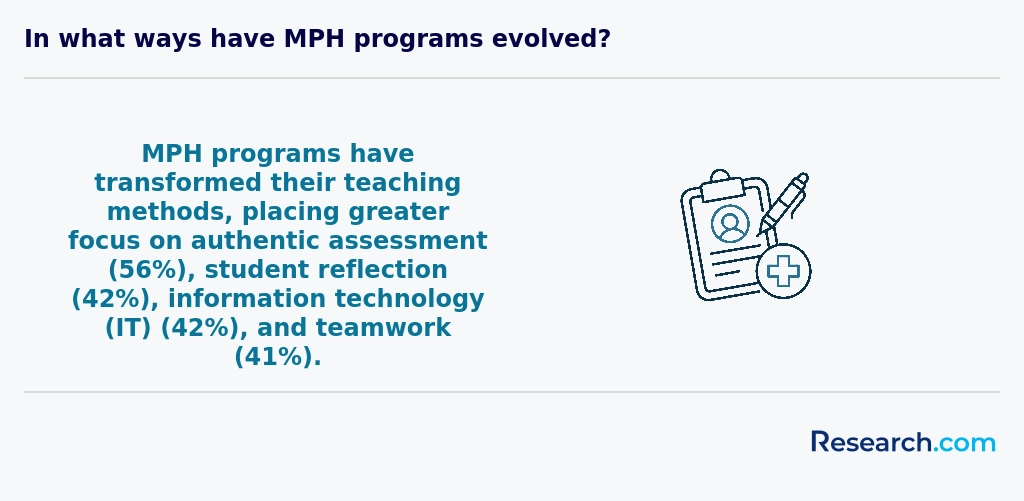
Imagine starting your online public health degree at a renowned Northeast institution like Boston University or the University of Massachusetts and discovering a treasure trove of financial aid just waiting to be unlocked. Many students eagerly apply for Federal Pell Grants, which can cover up to $7,395 a year, lightening the tuition load significantly. These grants don't need to be repaid, giving students peace of mind as they focus on their studies.
Graduates recall how easily accessible the FAFSA application opened doors-not just to federal funding, but to important state grants like New York's TAP or similar programs in New Jersey and Massachusetts. These grants feel like hidden gems supporting those committed to improving public health through online education.
Scholarships targeting public health students, often offered by associations or local foundations, add an encouraging boost, rewarding dedication and diversity within the field. Then there are institutional scholarships and employer tuition assistance, which many students have embraced to make their education within reach while balancing busy lives.
To maximize the impact of an online Public Health degree, graduates often pursue professional certifications that validate their expertise and open doors to advanced career opportunities. The most recognized credentials include: • Certified in Public Health (CPH): Offered by the National Board of Public Health Examiners, the CPH credential demonstrates mastery of foundational public health sciences and is increasingly preferred by employers in government and research institutions. • Certified Health Education Specialist (CHES): Administered by the National Commission for Health Education Credentialing, the CHES certification highlights proficiency in planning, implementing, and evaluating health education programs. • Specialty Certificates and Microcredentials: Many universities now offer focused digital badges in areas like epidemiology, health informatics, or global health, often integrated into graduate curricula or available as standalone modules. Continuing education is vital for maintaining these certifications. Professionals must complete a specified number of recertification credits-CPH holders require 50 credits every two years, while CHES candidates need 75 credits every five years. Online workshops, webinars, and university-sponsored conferences provide flexible pathways to fulfill these requirements without disrupting full-time employment. For prospective students evaluating cost-effective preparation for certification exams, it’s helpful to compare tuition rates and curriculum alignment through resources like the Cheapest Public Health Degree Programs Ranking in Maryland. Choosing a program that integrates exam preparation into core courses can reduce out-of-pocket expenses and streamline the certification process. By strategically selecting accredited programs with robust certification support, graduates not only enhance their credentials but also demonstrate a commitment to lifelong learning-an essential quality in the rapidly evolving field of public health.
Diving into an online public health degree in the Northeast means gearing up with a set of foundational prerequisites designed to set you on the right path. Imagine a graduate from a well-known public university in Boston-before starting their journey, they had to prove their high school credentials or GED, along with official transcripts showcasing solid grades in biology, chemistry, and math. These core subjects ignite the curiosity and critical thinking essential for public health challenges.
Some adventurous learners, transferring from other schools, recalled how they were asked to complete college-level courses like statistics or anatomy to ensure they could keep up with rigorous content. English proficiency shows up too, often demonstrated through TOEFL scores for non-native speakers, opening doors wide to global perspectives.
- Graduates talk about submitting letters of recommendation or heartfelt statements of purpose, sharing their passion for impacting community health.
- While not always mandatory, experience volunteering or working in health-related fields often boosts confidence and applications alike.
Even though you study online, certain programs in the Northeast might request proof of immunizations if any hands-on activities arise, blending flexibility with real-world readiness. This blend of requirements creates an exciting launchpad for your public health adventure.
The evolving landscape of public health is marked by exciting trends and innovative opportunities that are shaping both education and career trajectories. As technological advances like telehealth, data analytics, and digital health platforms redefine how care is delivered, graduates are finding that lifelong learning has become a strategic asset. Emerging trends include the increased use of artificial intelligence for disease surveillance, evolving health policies that prioritize pandemic preparedness, and expanding collaboration between public health institutions and community organizations. These trends not only enhance academic rigor but also enrich professional practice by fostering continuous skill development. Additionally, staying informed about emerging opportunities can empower students and professionals alike to make strategic career decisions. For example, exploring programs offered by valuable public health schools in connecticut provides insights into institutions committed to excellence and innovation. Ultimately, understanding where the industry is headed and how technology intersects with public health can help build a resilient career and make a tangible impact on community well-being.
Online public health degrees in the Northeast invite curious minds to dive into core courses like Epidemiology and Biostatistics, which graduates from esteemed schools like Boston University found both challenging and rewarding. Picture yourself analyzing real-world data sets that reveal patterns behind community health trends-this is the kind of hands-on experience these programs offer.
Environmental and Occupational Health classes open doors to understanding how local industries impact health, a topic graduates from Columbia University often highlight as eye-opening. Health Policy, Economics, and Management courses equip students to navigate complex systems, making you ready to influence decisions that shape regional health outcomes.
Social and Behavioral Determinants of Health courses connect you to stories of diverse Northeast populations, helping you develop empathy and strategies for effective interventions. Meanwhile, electives like Emergency Preparedness prepare you to respond confidently to crises common in urban hubs like New York City.
Many graduates cherish how these programs balance theory with practice, fostering skills in communication and public health ethics-essentials for genuinely making a difference. This blend creates an exciting path for anyone eager to explore and impact health in the vibrant Northeastern context.
Diving into online public health degree specializations Northeast students often find a thrilling range of options tailored to local and global challenges. Graduates from top schools like the University of Massachusetts Amherst explore epidemiology, unraveling disease patterns crucial during public health emergencies. Others immerse themselves in Health Policy and Management, learning to navigate complex healthcare systems right in the urban heart of Boston or beyond. Environmental Health captivates those eager to protect communities from local hazards, while Community Health Education appeals to students passionate about fostering wellness through prevention and outreach, sometimes inspired by real-world community health nursing job requirements. For those with a global perspective, Global Health programs offer an adventurous path tackling issues across borders, empowering learners to engage in international collaborations. These best public health concentrations in Northeast online programs reflect a vibrant educational journey full of meaningful impact and personal growth at renowned regional institutions.
When navigating the adventure of selecting the best online public health degree in the Northeast, imagine walking alongside graduates from renowned institutions like Boston University or the University of Pittsburgh, who emphasize the impact of CEPH accreditation on their confidence and career readiness. These alumni often share how choosing programs with specialized tracks-such as urban health or environmental public health-unlocked opportunities in regional health agencies, connecting their studies directly to community needs.
Cost considerations spark another voyage: many students exploring affordable public health bachelor's degrees Northeast discover that online formats offer a balance between quality and tuition, sometimes around $10,000 annually, often complemented by flexible payment options. Stories from peers highlight the relief of managing coursework asynchronously, blending study with family or work seamlessly.
Finally, immersing yourself in a program's support system-academic advising, career counseling, and tech help-can feel like having a trusty compass. For the budget-conscious, tracking down insights through resources like the Cheapest Public Health Degree Programs Ranking in Maryland helps make this journey more accessible and informed.

Graduates with an online public health degree in the Northeast find themselves stepping into a dynamic world of career paths, ranging from epidemiology to healthcare administration. Many discover rewarding roles working with government agencies or nonprofits in bustling cities like Boston or Philadelphia, where public health initiatives are urgent and deeply impactful. These careers often involve tackling real challenges, such as managing disease outbreaks or addressing environmental health risks, which makes the work thrilling and meaningful.
Those pursuing public health degree job opportunities Northeast often join teams analyzing health policies or conducting vital research at renowned institutions. Graduates from popular regional universities often share stories of applying their learning directly to improve community health programs, experiencing genuine excitement from seeing positive change unfold. The opportunities stretch across health education, data-driven biostatistics, and policy advising, all fueled by the Northeast's robust public health infrastructure and growing job market.
Supporting working students, flexible online programs tailored to this vibrant region make these careers accessible and engaging. If you're eager to explore public health further, check out top college courses for older adults online, which offer pathways suited for lifelong learners.
The job market for online public health degree graduates in the Northeast buzzes with opportunity, fueled by a dense network of healthcare systems and government agencies. Graduates from popular schools, nestled within bustling cities like Boston or New York City, find themselves stepping into roles that tackle real-world challenges-from managing urban health disparities to advancing epidemiological research. Many share stories of landing roles in state and local health departments or nonprofit organizations that shape community health policy, finding excitement in meaningful impact.
With public health roles in the Northeast growing faster than the national average, the job outlook for public health graduates Northeast is vibrant and promising. The region's dynamic health landscape means graduates often juggle projects in hospitals alongside federal agencies, developing skills that speak to the evolving needs of urban populations. The flexibility of an online degree helps working professionals thrive without uprooting, boosting confidence as they advance their careers.
Tuition costs vary widely, but many find affordable paths through programs charging between $15,000 and $40,000, making a low cost master degree online an achievable goal that opens doors to exciting jobs and growth in this competitive market.
2027 Fastest Online Bachelor's in Public Health Degree Programs Ranking in the Northeast
Investing in your education is a significant decision that can shape your future, and the Research.com team understands the importance of making informed choices. To assist prospective students in the Northeast, we have carefully developed the "2027 Fastest Online Bachelor's in Public Health Degree Programs Ranking in the Northeast." Our dedication to quality, credibility, and accuracy is demonstrated through thorough research and analysis in compiling this ranking.
We utilized the following reputable data sources to ensure a comprehensive evaluation of public health programs:
By exploring this ranking, readers will gain valuable insights into the fastest online public health bachelor's degree programs in the Northeast, empowering them to make well-informed decisions about their educational paths. For more details on our methodology, please visit our Research.com methodology page.


Frequently Asked Questions About public health
Online public health students in the Northeast can enhance their learning by actively engaging with regional resources and professional networks. The Northeast hosts numerous public health organizations and agencies, such as the New York State Department of Health and the Massachusetts Public Health Association, which offer internships, workshops, and webinars relevant to student learning.
Additionally, students should utilize virtual study groups and collaborate on projects to deepen their understanding of local health challenges like opioid addiction and urban health disparities, both prevalent in the region. According to the CDC, these issues continue to significantly impact Northeastern populations.
Leveraging local public health data and participating in community-based research projects allows students to connect theory with practice effectively.
The field of public health is evolving rapidly, and several emerging niches are capturing attention, especially for students in the Northeast seeking online degrees. One growing area is epidemiology with a focus on infectious diseases, driven by recent events like the COVID-19 pandemic. Another expanding niche is environmental health, addressing climate change impacts on urban populations in cities like New York and Boston.
Health informatics is also becoming crucial; it combines data analysis and technology to improve healthcare delivery. According to the Bureau of Labor Statistics, the Northeast shows a 15% growth projection in health informatics jobs through 2030. Additionally, health equity and social determinants of health are priorities in public health programs, reflecting regional efforts to address disparities.
Preparing for the job market after earning an online public health degree in the Northeast involves strategic planning. Start by gaining relevant experience through internships or practicum placements, which many accredited programs require. According to the Bureau of Labor Statistics, the Northeast offers a higher concentration of public health jobs compared to other regions, especially in urban centers like Boston and New York City.
Networking is essential; join professional organizations such as the American Public Health Association's Northeast chapter. Additionally, consider obtaining certifications like the Certified in Public Health (CPH) credential, which employers in this region value highly. Regularly visiting state health department job boards will help identify local opportunities.
Employers in the Northeast highly value public health graduates who demonstrate strong analytical skills. Employers seek professionals adept at interpreting health data to inform policy and program decisions. According to the Bureau of Labor Statistics, skills in statistical software and data visualization tools are increasingly important for regional public health roles.
Communication is another critical skill. Graduates must effectively share health information with diverse communities, especially given the Northeast's varied population. Leadership and project management abilities are also prioritized, as many employers expect graduates to lead community health initiatives.
Knowledge of health equity and social determinants of health is vital, reflecting the Northeast's focus on addressing health disparities. These skills align with recommendations from the Association of Schools and Programs of Public Health.
Finding internships in the Northeast related to public health requires strategic research and networking. Start by exploring university career centers, which often list local internship opportunities tailored to public health students. Many institutions partner with nearby hospitals, government agencies, and nonprofits to provide placements.
The Northeast hosts numerous public health organizations, such as the New York City Department of Health and the Massachusetts Department of Public Health, offering internships each year. According to the Bureau of Labor Statistics, the Northeast employs over 15% of the United States' public health workforce, highlighting ample opportunities.
Utilize platforms like Handshake and internship-specific websites focused on health sectors to identify openings. Joining professional associations, such as the American Public Health Association's Northeastern chapter, can enhance your networking. Early application and tailored resumes significantly improve chances in this competitive region.
An online public health degree offers significant advantages for career mobility and advancement, especially in the Northeast. This region hosts a dense network of healthcare institutions, government agencies, and nonprofit organizations, all seeking qualified public health professionals.
According to the Bureau of Labor Statistics, the Northeast is projected to grow public health-related jobs by 11% through 2031, outpacing the national average. An online degree provides flexible access to accredited programs, enabling students to acquire essential skills in epidemiology, health policy, and community health without relocating.
Graduates often advance into leadership roles or specialized fields, benefiting from the region's emphasis on public health innovation and funding. Employers in states like New York and Massachusetts frequently prioritize candidates with relevant credentials, including online degrees from reputable institutions.
Studying for an online public health degree in the Northeast equips students for interdisciplinary roles by integrating diverse fields such as epidemiology, health policy, and behavioral sciences. Many programs emphasize collaboration between public health, medicine, social work, and environmental sciences to address complex regional health issues.
The Northeast, home to numerous top-ranked universities, offers access to extensive research networks and healthcare systems. According to the Northeast Public Health Training Center, over 40% of public health jobs require skills spanning multiple disciplines.
This regional focus helps students understand urban and rural health disparities, preparing them for roles that demand cross-sector solutions in government, nonprofits, and private sectors.
Choosing between a thesis and a non-thesis public health degree program in the Northeast depends primarily on your career goals and preferred learning style. Thesis options require original research and can prepare students for roles in academia or epidemiological research, often appealing to those considering graduate studies or specialized public health careers. Non-thesis programs focus more on practical applications and coursework, suitable for students aiming for immediate entry into the workforce.
In the Northeast, many accredited online programs offer both options, allowing flexibility in how you meet graduation requirements. Data from the Council on Education for Public Health (CEPH) notes that about 40% of Northeast MPH programs include thesis tracks, reflecting regional emphasis on research.
Consider your time availability as thesis programs typically demand more months of research and writing, which may extend the duration of your studies. Conversely, non-thesis tracks may be completed faster, aligning with the needs of working professionals seeking quick advancement.
Students in the Northeast interested in studying public health abroad have several options through US universities that offer online degrees combined with international experience. Many institutions provide study-abroad opportunities, internships, or virtual global collaborations as part of their public health programs.
For example, schools in the Northeast often partner with international organizations or offer faculty-led trips to gain global health perspectives, enriching the online curriculum. According to the Association of Schools and Programs of Public Health (ASPPH), over 30% of Northeast public health programs incorporate global health components, facilitating exposure to worldwide health challenges.
This hybrid approach allows students to earn accredited online degrees while benefiting from global learning without relocating permanently. It suits working professionals and those seeking flexible options with cultural immersion opportunities.
Part-time job opportunities in the Northeast that complement public health degrees are widely available in healthcare and community organizations. Positions such as health educators, research assistants, and community outreach coordinators provide practical experience while pursuing an online degree. According to the U.S. Bureau of Labor Statistics, the Northeast has seen a 9% increase in public health-related roles since 2020. Local hospitals, state health departments, and nonprofit organizations often seek part-time workers to support vaccination campaigns, data collection, and health promotion activities. These roles help develop skills in communication, data analysis, and program planning-essential for public health professionals.
Online public health students in the Northeast benefit from diverse networking opportunities despite their remote status. Many universities maintain active virtual communities, including discussion boards, webinars, and alumni groups, fostering connections among peers and professionals.
Regional organizations such as the Northeastern Public Health Association (NEPHA) offer virtual events that encourage engagement with local experts and public health practitioners. These platforms help students build relationships and stay informed about regional health initiatives.
Additionally, partnerships between online programs and local health departments often provide internship placements and mentoring, allowing students to gain real-world experience. According to the Association of Schools and Programs of Public Health, the Northeast boasts over 40 accredited public health programs, enhancing these opportunities.
Alumni networks play a key role in supporting online public health degree students in the Northeast. They provide valuable connections to professionals working in the region's public health sector, which includes states like New York, Massachusetts, and Pennsylvania. According to the National Network of Public Health Institutes, these states employ over 100,000 public health workers combined.
Through alumni events, online forums, and mentorship programs, students can access job opportunities, internships, and career advice tailored to the Northeast's unique health challenges. For example, alumni often share insights on addressing urban health disparities common in cities like Boston and Philadelphia.
Strong alumni networks also help students stay updated on regional policy changes and emerging public health trends, enhancing their educational experience and career readiness.
Customizing an online public health degree in the Northeast allows students to align their education with specific career goals. Many programs offer concentrations such as epidemiology, health policy, or community health, enabling focused skill development. According to the Association of Schools and Programs of Public Health (ASPPH), nearly 70% of online public health programs in the region provide elective courses tailored to emerging public health challenges.
Students can also select capstone projects or internships related to local health issues, gaining practical experience. Accreditation by the Council on Education for Public Health (CEPH) ensures programs meet quality standards while offering flexibility.
For professionals, accelerated tracks and part-time options help balance work and study, crucial in the busy Northeast job market where public health roles grow steadily.
Online public health students in the Northeast often face challenges related to balancing coursework with personal and professional responsibilities. Many learners are working adults who struggle to manage time effectively amidst demanding schedules. Furthermore, regional disparities in internet access can affect the quality of remote learning, particularly in rural areas of states like Maine and Vermont. According to the U.S. Census Bureau, around 12% of households in these states lack reliable broadband, which can hinder online class participation.
Another issue is limited in-person networking opportunities, which are important in public health careers. Students may also encounter variations in program accreditation and state licensure requirements, complicating post-graduate employment prospects within the multi-jurisdictional Northeast region.
An online public health degree can open doors to several respected professional certifications. Common options include the Certified Health Education Specialist (CHES) credential offered by the National Commission for Health Education Credentialing. This certification is valuable for roles in health promotion and community health, particularly relevant in the Northeast where public health agencies emphasize education and prevention.
Another key certification is the Certified in Public Health (CPH) credential, administered by the National Board of Public Health Examiners. It is widely recognized across the United States and enhances career prospects in both government and nonprofit sectors.
In the Northeast, where public health challenges like urban health and opioid addiction are prominent, certifications like these can demonstrate specialized knowledge and commitment to addressing regional issues.
To write a winning application for an online public health program in the Northeast, start by clearly demonstrating your motivation and understanding of public health issues relevant to the region. Highlight any experience with local public health initiatives or healthcare systems, as programs value applicants with regional awareness.
Include specific examples that showcase your skills in data analysis, community engagement, or health policy, which are critical in Northeast public health employment sectors. According to the Northeast Public Health Association, programs often seek applicants with strong quantitative and communication abilities.
Ensure your statement of purpose is well-organized, concise, and tailored to the specific school.
Public health careers increasingly reflect global challenges such as pandemics, chronic diseases, and health equity. Professionals trained in the Northeast benefit from exposure to diverse populations and international collaborations. According to the Association of Schools and Programs of Public Health (ASPPH), over 60% of public health graduates seek roles addressing global health issues. Trends emphasize cultural competence, policy development, and disease prevention on a worldwide scale.
Online public health programs in the Northeast prepare students for roles in organizations like the World Health Organization and Centers for Disease Control. These institutions highlight the importance of understanding social determinants of health globally while focusing on regional needs.
Data from the Bureau of Labor Statistics projects a 17% growth in public health jobs nationally through 2030, with the Northeast showing similar demand due to urban population density and health disparities. This creates opportunities for graduates to impact both local and global health outcomes.
Gaining practical experience while studying for an online public health degree in the Northeast is crucial for career readiness. Many programs in this region integrate internships or fieldwork components, often coordinated remotely or locally near a student's residence. These practical opportunities allow students to engage with public health agencies, hospitals, or non-profits addressing regional health issues such as opioid addiction or urban health disparities.
Students can also participate in virtual simulations or community-based projects. According to the New England Public Health Training Center, internships in public health agencies in Northeastern states increased by 15% from 2020 to 2023, reflecting growing opportunities for real-world application.
Faculty advisors frequently assist in placing students in relevant experiential learning settings tailored to local needs and student schedules, promoting both flexibility and skill development.
Choosing the right concentration within an online public health degree in the Northeast involves considering your career goals and the region's public health needs. Common concentrations include epidemiology, community health, and health policy. For example, the Northeast faces challenges like urban health disparities and infectious disease surveillance, making epidemiology a relevant focus.
Research regional job trends; the U.S. Bureau of Labor Statistics shows that healthcare and public health occupations in the Northeast are projected to grow faster than the national average through 2030. Also, explore programs accredited by CEPH, ensuring quality education aligned with local standards.
Additionally, think about practical components like internships with nearby health departments or organizations, which many online programs in the Northeast offer to enhance real-world experience.
- Pre-Professional Health Experience Guide | PublicHealthOnline.org https://www.publichealthonline.org/pre-professional-experience/
- How to Be a Good Candidate for a Public Health Job https://www.publichealthdegrees.org/careers/highest-paid-public-health-jobs/good-candidate/
- The Interdisciplinary Nature of Public Health https://www.cune.edu/news/interdisciplinary-nature-public-health
- What can I do with an online DrPH? - MPH Online https://www.mphonline.org/careers-online-drph/
- What do you learn in a bachelor's in public health? | edX https://www.edx.org/resources/what-do-you-learn-in-a-bachelors-in-public-health
- How to carve a niche in your public health career | PH SPOT https://phspot.org/carvinganiche/
- Are there Practical Experience Courses in an MPH Program? - Master's in Public Health Degree Programs https://www.masterspublichealth.net/faq/are-there-practical-experience-courses-in-an-mph-program/
- Public Health Jobs https://publichealthjobs.aspph.org/
- Public Health: A Global Perspective https://www.routledge.com/Public-Health-A-Global-Perspective/Singh/p/book/9781032644226
- Public Health https://northeast.edu/degrees-and-programs/public-health











