
2027 Best Online Doctorate in Public Health Degree Programs Ranking in the USA

Co-Founder and Chief Data Scientist
Choosing the right online doctorate in public health program can be challenging, especially with so many options available. To support your journey, this article presents the 2027 Best Online Doctorate in Public Health Degree Programs Ranking in the USA, developed by the Research.com team of data scientists.
This carefully crafted ranking helps you identify quality programs that align with your career goals and passions. Pursuing a doctorate in public health opens doors to meaningful work that positively impacts communities.
Explore this guide to make an informed decision and take a confident step toward a rewarding future.
Key benefits of getting online public health degree in America
- Graduates with a public health degree can earn competitive salaries in roles like Government Health Program Manager, with a mean annual wage of $134,440, or Safety Director, earning about $129,330 per year.
- Potential career paths include positions in health program management, environmental health and safety, or consultancy, as seen with graduates from popular universities who find diverse opportunities in public and private sectors.
- Completing a public health degree online offers flexibility and affordability, allowing graduates from respected programs to balance work and study while gaining practical skills faster than traditional routes.
- 2027 Best Online Doctorate in Public Health Degree Programs Ranking in the USA
- What can I expect from online public health degree in America?
- Where can I work with online public health degree in America?
What can I expect from online public health degree in America?
The average cost of an online public health degree in America varies significantly based on the institution and degree level. Public universities often provide more affordable tuition, with in-state students typically paying between $8,000 and $15,000 per year, while out-of-state students may incur higher fees, sometimes reaching $20,000 annually. Private institutions, well-known for their robust public health curricula, can charge upwards of $30,000 per year, reflecting their extensive resources and networking opportunities.
Graduates from prominent schools like the University of North Carolina or Johns Hopkins University recall balancing cost concerns with the value of accredited programs. Many appreciated how flexible payment plans and scholarships made their education manageable. They often emphasize that the investment is justified by the practical skills gained and the career advancement possible in a field with strong job growth.
For example, students juggling families or jobs found the online format combined with reasonable tuition costs to be a perfect fit. This balance enabled them to pursue advanced degrees without compromising their financial stability or professional responsibilities, reinforcing the affordability alongside quality education.
Where can I work with online public health degree in America?
Graduates with online public health degrees from American universities such as the University of North Carolina at Chapel Hill or Johns Hopkins University frequently find rewarding careers across diverse sectors. Many join government agencies, including local health departments or federal entities like the CDC and NIH, where they contribute to critical public health initiatives. These roles often involve disease prevention, health education, and policy development, providing graduates with a sense of meaningful impact on their communities.
In healthcare settings, graduates bring expertise to hospitals and clinics by managing public health programs or conducting epidemiological research. For example, alumni from George Washington University have successfully designed community health interventions that address chronic disease and health disparities.
Nonprofit organizations offer opportunities to engage directly with underserved populations, allowing graduates to create outreach programs and secure funding. Meanwhile, those pursuing research or academic roles at institutions such as UCLA Faculty often lead pioneering studies that shape public health policies nationally.
Private companies, including pharmaceutical firms and insurers, also seek public health professionals for roles in product development and regulatory affairs. Many graduates appreciate the diverse career paths available that combine passion with professional growth.
Graduates with online public health degrees from well-regarded programs such as those at Johns Hopkins University or the University of North Carolina often find rewarding salary outcomes that reflect their specialized training and dedication. For instance, positions like Government Health Program Manager offer a mean annual wage of $134,440, providing financial stability early in a professional career. Similarly, roles such as Environmental Health & Safety Director and Safety Director both command mean salaries around $129,330, underscoring the value employers place on expertise in these critical areas.
Those advancing into leadership roles may aspire to Government Affairs Director positions, where the mean annual wage reaches an impressive $258,900, representing a significant return on investment for online public health studies. Additionally, Senior Public Health Management Consultants earn approximately $95,600 annually, offering diverse opportunities across government and private sectors.
Graduates frequently describe a sense of accomplishment and confidence when transitioning from academic settings at institutions like the University of California, Berkeley to such impactful careers. These salary figures highlight that pursuing an online public health degree in America can lead to both personal fulfillment and strong financial rewards.
- Online public health degrees are available at Bachelor's, Master's, and Doctorate levels from accredited universities across the U.S.
- Graduate program tuition at public universities ranges from $10,000 to $30,000, while private universities can charge over $40,000.
- Undergraduate online public health degrees typically cost between $5,000 and $20,000 in tuition.
- Entry-level public health professionals earn about $55,000 to $65,000 annually, with mid-career salaries between $75,000 and $95,000.
- Senior public health roles and those with doctoral degrees may earn over $100,000 per year.
- The job market for health educators and community health workers is expected to grow 17% from 2022 to 2032, faster than the average for all jobs.
Completing an online public health degree in America typically depends on the degree level and enrollment status. For instance, undergraduate programs such as a Bachelor of Science in Public Health at institutions like the University of Florida generally require around four years of full-time study, encompassing about 120 credit hours. Many motivated students appreciate accelerated tracks offered by schools like Johns Hopkins University, which can shorten completion to three years.
Graduate students pursuing a Master of Public Health (MPH) often complete their degrees in two years full-time, as seen in programs at Boston University. However, online options provide the flexibility to extend this up to five years when balancing career and education, a benefit frequently cited by working professionals. Approximately half of MPH students nationwide study part-time, allowing them to manage commitments while gradually progressing toward their degree.
Doctoral degrees, including the DrPH or PhD, require three to six years, influenced by research demands and prior coursework. Graduates from prominent universities highlight the rewarding challenge of managing rigorous exams and dissertation work remotely, making the extended timeline worthwhile.
Online and on-campus public health degrees in America both deliver accredited and rigorous education, yet their experiences diverge notably. Graduates from institutions like Johns Hopkins University often highlight the flexibility online programs provide, allowing them to balance demanding jobs and family life while accessing comprehensive coursework through digital platforms. This flexibility appeals especially to those residing in rural areas, who might otherwise relocate for campus-based study.
Conversely, on-campus students at universities such as the University of North Carolina benefit from immersive, face-to-face engagement-participating in collaborative projects, attending live lectures, and utilizing campus resources like health research centers. These environments foster spontaneous peer interactions and networking, enriching their professional development.
Cost and logistics also differ: online learners typically save on commuting and housing, while some on-campus options offer lower in-state tuition. Both formats teach core subjects-epidemiology, biostatistics, health policy-and prepare graduates for the Certified in Public Health credential. Students frequently express satisfaction with their format's alignment to personal circumstances, underscoring the importance of self-motivation and time management for online success.
Navigating the application process for an online doctorate in public health can be as challenging as it is rewarding. Begin by researching each program’s unique requirements, such as prerequisite coursework, standardized tests, and professional experience. Tailor your personal statement and resume to highlight your passion for public health and any real-world experience that underscores your commitment to community well-being. Also, seek recommendations from supervisors or professors who can attest to your leadership and analytical skills. Consider creating a timeline to manage application deadlines, interviews, and follow-ups to ensure you don’t miss any critical steps. Many successful candidates find value in connecting with current students or alumni-exploring insights on how these perspectives can guide you in aligning your career goals with the strengths of a program. For a comprehensive view of high-quality programs, you might find it useful to review the top public health programs to see how they set the benchmark in rigorous academic standards and professional support. Lastly, don’t hesitate to reach out directly to admissions counselors; their feedback can provide clarity on program specifics and ultimately set you up for a successful application journey.
The average cost of an online public health degree in America varies notably depending on residency status and institution type. Median total tuition fees for online public health degree programs stand at approximately $49,464 nationwide. For in-state students attending public universities, the median cost is significantly lower, around $30,787. Out-of-state students or those enrolled in private universities can expect to pay more, with median tuition reaching $54,716. These figures align with experiences shared by graduates of well-known public health colleges, who report budgeting carefully around tuition, fees, and additional costs such as technology or materials.
Students pursuing an online public health doctorate in the USA often encounter higher total tuition fees due to longer program durations and advanced coursework. Many find that part-time enrollment options offer financial flexibility, enabling them to manage tuition expenses alongside work commitments. Graduates value their investment, citing rewarding career opportunities in fields like epidemiology and health policy, which validate the expense of their degree.
One graduate from a popular American university recounted how the balance between cost and quality education was key to their decision. Their program's tuition aligned closely with the median out-of-state total, but robust financial aid and scholarships made it manageable. Prospective students interested in navigating these costs and seeking top-tier programs should consider consulting rankings of the top public health programs to identify quality options within their budget.
Students pursuing online public health degrees in America commonly access financial aid such as federal student aid, which includes Pell Grants, Federal Supplemental Educational Opportunity Grants (FSEOG), and Direct Loans. Graduates from universities like Johns Hopkins and the University of North Carolina share that Pell Grants, offering up to $7,395 without repayment, significantly ease their financial burden during study.
Federal Direct Loans, particularly subsidized loans, help reduce debt by suspending interest accrual while enrolled half-time. For many graduate students, unsubsidized federal loans with an annual borrowing limit of $20,500 provide essential support to cover tuition costs. These loan options tend to offer more favorable terms compared to private lending.
State grants and scholarships also play a crucial role, especially for in-state students attending institutions such as the University of Florida or the University of Washington. Many find employer tuition assistance beneficial, particularly healthcare professionals advancing their careers through online public health programs.
Additionally, internal university scholarships and assistantships, available at schools like George Washington University, offer partial tuition discounts or stipends in exchange for research or teaching contributions, further lightening the financial load.
The dissertation phase in an online Doctorate in Public Health challenges you to produce original research that impacts policy or practice. Some institutions adopt structured research milestones common in other online doctorate tracks-such as a pharmacy degree-to guide candidates from proposal to defense.
- Proposal Development: Craft a clear research question, conduct a comprehensive literature review, and outline your methodology.
- Committee Milestones: Schedule formal proposal and pre-defense meetings to secure feedback and approval.
- Data Collection & Analysis: Use quantitative or qualitative methods while adhering to ethical and IRB standards.
- Writing & Revision: Draft each chapter, integrate committee feedback, and refine arguments for coherence and impact.
- Defense & Publication: Prepare a compelling defense presentation, finalize your manuscript, and target peer-reviewed journals for publication.
Enrolling in an online public health degree in America commonly requires applicants to have completed a high school diploma or equivalent for bachelor's programs, demonstrated by graduates from recognized state universities. These individuals often share how maintaining a competitive GPA around 3.0 and submitting SAT or ACT scores, when required, provided confidence entering rigorous coursework. Graduate programs, such as those offered by top colleges known for public health, typically ask for a bachelor's degree from an accredited institution with a strong academic record. Graduates frequently emphasize how prior coursework in biology or statistics helped them acclimate to advanced subjects.
Letters of recommendation, personal statements, and resumes highlighting relevant health-sector experience are standard requirements, with many students recounting how their volunteer or professional backgrounds enriched their applications. Though some doctoral programs request GRE scores, many leading institutions now waive this, easing access for aspiring public health professionals.
International students often report that demonstrating English proficiency through tests like TOEFL was a straightforward step. Successful enrollees often describe feeling motivated by these clear prerequisites as they began impactful public health careers.

Online public health degree programs in America consistently include core courses such as epidemiology, biostatistics, environmental health, health policy and management, and social and behavioral sciences. Graduates from well-known universities often share how epidemiology classes enabled them to understand disease patterns, a skill they vividly recall applying during community health projects. Biostatistics courses, frequently enhanced by statistical software training, empower students to analyze real-world health data, fostering confidence in data-driven decision-making.
Environmental health classes offer practical insights into how pollution or workplace hazards affect community wellness, resonating with students who later contributed to local environmental initiatives. Health policy and management courses present the organizational and economic aspects of healthcare, which many graduates describe as eye-opening when preparing for leadership roles. Social and behavioral sciences emphasize designing interventions sensitive to diverse populations, an approach students at top public health colleges find particularly rewarding.
Advanced topics like global health, health communication, and research methods further prepare American online students for impactful public health careers, combining theory with scenarios they encounter during internships or capstone projects. These courses reflect a curriculum that not only informs but inspires dedication to improving community health nationwide.
Online public health degree specializations in America typically include Epidemiology, Health Policy and Management, Environmental Health, Global Health, and Community Health Education. These areas allow students to tailor their studies to practical challenges, such as managing disease outbreaks, shaping healthcare policies, or addressing environmental health risks. Graduates from prominent universities report feeling empowered by applying concepts learned online to real-world problems like controlling infectious diseases or designing community health initiatives.
For instance, epidemiology students from respected schools gain critical skills in analyzing disease patterns, a concentration sought after in the US public health workforce. Similarly, Health Policy and Management prepares students to influence health systems, reflecting the significance of healthcare reform and large federal investments such as the NIH's multibillion-dollar budget. Environmental Health specialization attracts learners passionate about reducing pollution and climate impacts on health.
Many American graduates value the flexibility of online programs while gaining expertise aligned with workforce demands. Those exploring options might consult rankings like the Most Affordable Online Master's in Public Health Degree Programs Ranking in Baltimore, MD to find suitable accredited programs. Popular concentrations also include those that enhance skills in addressing health disparities and global challenges, making these programs relevant and rewarding.
When selecting the best online public health degree in America, accreditation by the Council on Education for Public Health (CEPH) is essential, as it assures program quality and eligibility for certifications like Certified in Public Health (CPH). Graduates from top accredited online public health degrees America often praise the comprehensive curricula offered by institutions such as Johns Hopkins and the University of North Carolina, which include specializations in epidemiology and health policy. Flexibility is another key factor; many working professionals appreciate asynchronous course formats that accommodate busy schedules, enhancing the learning experience without sacrificing career demands.
Cost considerations also weigh heavily. Public and private universities differ widely, with tuition ranging from $10,000 to over $40,000 annually, and additional fees can accumulate unexpectedly. Student support services like career counseling and internship placement profoundly impact success stories, allowing graduates to transition smoothly into public health roles. For those seeking accelerated paths, exploring programs through the degree fast track option can be advantageous. Choosing thoughtfully guarantees alignment with personal goals and professional fulfillment in the growing field.
Many seeking the best online public health doctorate USA highlight how institutions with robust real-world faculty expertise elevate their educational experience, fostering confidence and practical skills vital for public health careers.
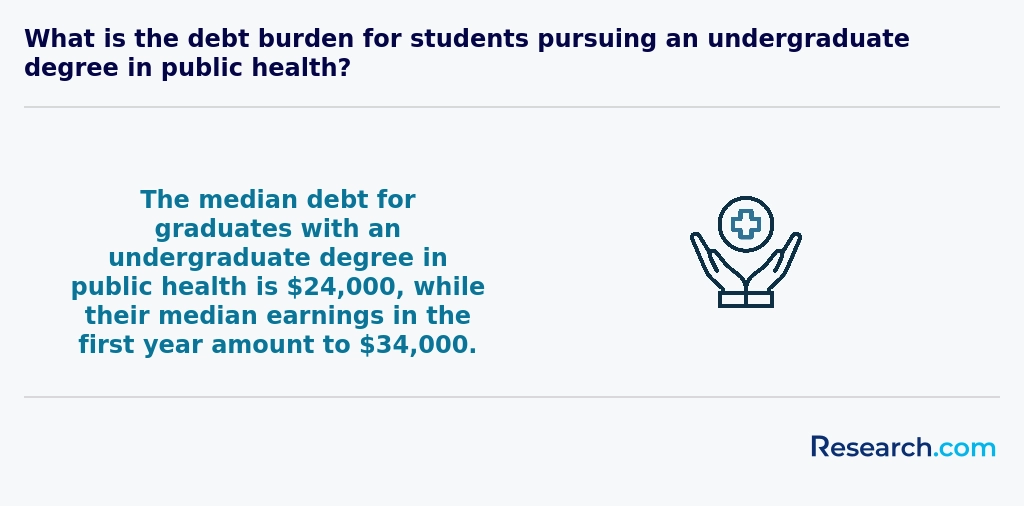
Graduates with an online public health degree in America unlock numerous career opportunities, reflecting the field's broad impact on society. Many choose to become epidemiologists, analyzing disease patterns to safeguard communities-roles that offer a median salary of approximately $78,000 as of 2022. Others engage as health educators or community health workers, developing and delivering programs that improve local health outcomes, often earning around $60,000 annually. These career opportunities for online public health degrees in the USA offer meaningful ways to contribute to public well-being while working with government bodies like the CDC or nonprofit organizations.
Leadership roles such as public health program managers or policy analysts also appeal to graduates, especially those aiming to influence health policy at various government levels. Popular universities in America frequently highlight alumni who advance in these paths, combining advanced data analysis and health policy expertise. The private sector provides additional options in consultancy, biostatistics, and environmental health, where analytical skills are prized. Prospective students exploring options will find a range of institutions, including well-known public universities, that offer flexible programs and competitive tuition. For more information, consider exploring online colleges with open admissions to maximize accessibility to quality education for diverse learners pursuing job prospects with online public health doctorate in America.
The job market for individuals with online public health degrees in America remains strong and promising. Graduates from prominent programs at universities and colleges across the country report securing positions in government agencies, healthcare facilities, and nonprofit sectors, reflecting increasing demand for public health expertise. This growth is fueled by public health challenges such as emerging infectious diseases and health equity, which require a skilled workforce.
Those pursuing online public health careers in the USA benefit from flexible programs aligned with accredited standards, equipping them with skills in data analysis, policy advocacy, and community outreach. Many graduates find rewarding roles that blend their passion for improving population health with competitive salaries. Institutions known for their public health curricula contribute to these positive outcomes, often sharing success stories of alumni advancing in leadership or research positions.
Students also consider financial factors carefully. Tuition varies widely, yet investing in accredited online degrees often yields opportunities across a wide range of career paths. For more information on top earning possibilities, students are encouraged to explore resources on highest paying bachelor's degrees.
2027 Best Online Doctorate in Public Health Degree Programs Ranking in the USA
Investing in your education is a significant decision that can shape your future, and the Research.com team understands the importance of making informed choices. To support prospective students seeking the best public health doctorates, we have carefully developed the "2027 Best Online Doctorate in Public Health Degree Programs Ranking in the USA." Our dedication to quality, credibility, and accuracy is demonstrated through thorough research and rigorous analysis.
We utilized the following reputable data sources to ensure a comprehensive evaluation of online public health doctorate programs:
By exploring this ranking, readers will gain valuable insights into the highest-quality online public health doctoral programs, helping them make well-informed decisions about their advanced education. For more details on our methodology, please visit our Research.com methodology page.



# 7 position
Walden University
Doctor of Public Health


Frequently Asked Questions About public health
Students pursuing online public health degrees in America can maximize their learning by actively engaging with course materials and participating in virtual discussions. According to the Association of Schools and Programs of Public Health, collaboration enhances critical thinking and application of public health concepts. Scheduling consistent study times helps manage workload and reduces procrastination, which is crucial given that 39% of online students report time management as a challenge (NCES, 2023).
Utilizing university resources such as virtual libraries and academic advising supports deeper understanding. Additionally, seeking internships with American public health agencies like the CDC can provide practical experience, boosting career readiness. Networking through online forums and webinars also connects students with professionals and peers nationwide.
Emerging niches in the public health field reflect the evolving challenges facing America. One key area is health informatics, which involves using data and technology to improve healthcare outcomes. According to the U.S. Bureau of Labor Statistics, jobs in health informatics are expected to grow by 15% from 2021 to 2031. Another growing niche is environmental health, driven by concerns over climate change and its impact on community health. Additionally, public health preparedness and emergency response careers have expanded significantly following pandemics and natural disasters. These specialties require interdisciplinary skills and are increasingly available in online doctorate programs.
After completing an online public health degree in America, preparing for the job market involves leveraging both academic credentials and practical experiences. Most employers in this field value hands-on skills, so seeking internships or volunteer opportunities during your studies is crucial. According to the U.S. Bureau of Labor Statistics, employment of health educators and community health workers is projected to grow 17% from 2021 to 2031, highlighting strong job prospects.
Networking with professionals through platforms like the American Public Health Association can provide valuable connections. Additionally, obtaining certifications such as the Certified Health Education Specialist (CHES) enhances credibility. Tailoring your resume to highlight data analysis, epidemiology, or policy expertise gained online will increase employability. Staying updated with emerging public health issues and technologies is essential to stand out in the competitive market.
Employers in the United States highly value public health graduates who demonstrate strong analytical skills. The ability to interpret data and apply statistical methods is essential, as reported by the Bureau of Labor Statistics, which highlights data competency as critical for public health roles.
Communication skills are also paramount. Employers seek graduates who can clearly convey complex health information to diverse audiences, enhancing community outreach and policy advocacy. Leadership and project management skills are another priority to effectively coordinate health initiatives and interdisciplinary teams.
Familiarity with health policy, epidemiology, and health equity frameworks is increasingly important, especially in addressing American public health challenges, including chronic disease and pandemic response, according to recent reports from the CDC.
Finding internships in America relevant to a public health degree involves a strategic approach. Start by exploring university career centers, which typically list local and national internship opportunities linked to public health organizations. Many online programs also provide dedicated internship placement support.
Additionally, use resources like the American Public Health Association (APHA) website, which offers internship listings and networking tools. Public health internships often exist in government agencies such as the Centers for Disease Control and Prevention (CDC), which reported hosting over 200 public health interns annually as of 2023.
Networking through professional social media platforms like LinkedIn and joining public health groups can also lead to valuable internship prospects.
Online public health degrees in America significantly enhance career mobility and advancement. They provide flexible access to advanced education, allowing working professionals to continue their jobs while improving qualifications. According to the Bureau of Labor Statistics, employment for medical and health services managers, a common role for public health graduates, is projected to grow 28% from 2021 to 2031, much faster than average.
These degrees equip students with critical skills in epidemiology, health policy, and data analysis, which are increasingly valued across government agencies, non-profits, and healthcare organizations. Graduates often gain eligibility for leadership roles and higher salaries.
Furthermore, online programs accredited by the Council on Education for Public Health (CEPH) ensure academic rigor, which employers recognize nationally. This recognition facilitates better job opportunities and geographic mobility across states.
Studying for a public health degree in America equips students with skills to work across multiple disciplines. Programs emphasize core areas such as epidemiology, biostatistics, health policy, and environmental health, fostering a broad understanding of health challenges. According to the Association of Schools and Programs of Public Health (ASPPH), over 60% of public health graduates find employment in roles requiring collaboration with professionals from medicine, social work, and environmental sciences.
Online public health degrees in the US often include coursework focused on teamwork, leadership, and communication, essential for interdisciplinary work. Graduates learn to analyze data, design health programs, and influence policy, preparing them to tackle complex health issues from various angles.
When choosing between a thesis and a non-thesis public health degree program in America, consider your career goals and learning preferences. Thesis programs require original research, which can be valuable if you plan to pursue a PhD or work in research-heavy roles. Non-thesis options often focus more on practical skills and coursework, fitting professionals aiming for leadership or administrative positions.
According to the Council on Education for Public Health (CEPH), many accredited online doctoral programs offer both tracks to accommodate diverse student needs. Thesis paths may take longer due to research demands, while non-thesis tracks can often be completed faster.
Evaluating faculty expertise and available resources can also help determine which option suits you best.
American students interested in studying public health abroad while pursuing their degree online have several options. Many US institutions offer global public health specializations within their online programs, partnering with international universities for virtual exchanges or joint research.
Some programs allow students to participate in short-term international fieldwork or internships, combining remote coursework with real-world global health experience. According to the Association of Schools and Programs of Public Health (ASPPH), more than 60% of accredited US public health schools offer such global opportunities.
Additionally, students may choose fully online degree programs from foreign universities recognized in the US through credential evaluation, broadening their exposure to international health systems without leaving home.
Part-time jobs that complement an online public health degree in America often focus on practical experience and application of public health principles. Roles such as health educator, community outreach worker, or research assistant provide valuable insights into population health and policy development. According to the U.S. Bureau of Labor Statistics, health educators held about 57,000 jobs in 2022, with a median hourly wage of $26. Part-time research assistants in academic or government public health departments can gain hands-on experience in data collection and analysis.
Additionally, many students work as medical interpreters or case managers, helping diverse populations navigate healthcare systems. These roles enhance cultural competence and communication skills, critical for public health professionals. Finding part-time work in nonprofits or local health departments also expands understanding of health program planning and evaluation.
Online public health students in America benefit from various networking opportunities through their institutions. Many programs offer virtual events, webinars, and discussion forums that connect students with peers, faculty, and public health professionals nationwide. These platforms facilitate collaboration and knowledge sharing, essential for career growth.
Additionally, students often gain access to alumni networks and professional organizations such as the American Public Health Association (APHA). APHA hosts annual conferences and regional events, providing valuable contacts and industry insights. According to APHA, over 25,000 members participate in these activities, many of whom are online learners.
Moreover, internships and practicum placements arranged through schools help students build real-world connections with health agencies and nonprofits, increasing employment prospects in the public health sector.
Alumni networks offer significant benefits to students pursuing online public health degrees in America. These networks provide access to a broad community of professionals who have graduated from the same program, facilitating valuable mentoring and career guidance. According to the Council on Education for Public Health (CEPH), strong alumni connections can increase job placement rates by up to 20% in public health fields.
Additionally, alumni networks often share exclusive job openings, research opportunities, and conferences tailored to public health. Online students particularly benefit as these connections help overcome geographical barriers common in remote education.
The sense of belonging to a professional community can also enhance continuing education and collaboration on health initiatives, supporting long-term career growth.
Many online public health degree programs in America allow students to customize their studies to align with specific career goals. Typically, this customization happens through selecting specialized tracks or concentrations such as epidemiology, health policy, or community health. According to the Council on Education for Public Health (CEPH), over 80% of accredited programs offer such options to address diverse professional needs.
Students often choose electives that focus on areas relevant to their desired roles, enhancing practical skills like data analysis or health communication. Additionally, some programs provide opportunities for capstone projects or internships tailored to particular public health sectors.
Online public health students in America often face challenges related to balancing their studies with work and personal life. Many learners are professionals already employed in healthcare or related fields, making time management critical. According to the National Center for Education Statistics, over 40% of online students juggle full-time jobs while studying.
Technology access and digital literacy can also be obstacles. Reliable internet and familiarity with learning platforms are essential, yet not all students have equal resources. Additionally, lack of in-person interaction may impact networking opportunities, which are important in public health careers.
Lastly, some students struggle with the demanding content, such as epidemiology and biostatistics, requiring strong analytical skills.
Graduates with an online public health degree in the US can pursue several professional certifications that enhance career opportunities. One of the most recognized is the Certified in Public Health (CPH) credential, offered by the National Board of Public Health Examiners. This certification validates expertise across various public health disciplines and is highly valued by employers.
Other notable certifications include the Certified Health Education Specialist (CHES) for those focusing on community health promotion. For professionals interested in epidemiology or biostatistics, certifications like the Certification Board of Infection Control and Epidemiology (CBIC) are relevant. According to the Bureau of Labor Statistics, certified professionals often have better job prospects and higher salaries.
These certifications often require a combination of education, work experience, and passing an exam, making an online degree a strong foundation for eligibility.
To write a winning application for an online public health program in America, start by thoroughly researching the program's focus and admission criteria. Highlight your relevant academic background and any professional experience in health-related fields, emphasizing skills like data analysis or community outreach. Admissions committees value clear, well-organized personal statements that explain your motivation and career goals in public health.
Include strong letters of recommendation from supervisors or professors familiar with your work. According to the Council on Education for Public Health, public health programs increasingly seek candidates demonstrating leadership and a commitment to improving community health.
Finally, ensure you meet all document requirements, such as transcripts and test scores, and submit your application before deadlines to improve your chances.
The field of public health is increasingly recognized worldwide for its vital role in addressing global challenges such as pandemics, chronic diseases, and health inequities. In the United States, public health careers are valued not only for their domestic impact but also for their international relevance. The U.S. Bureau of Labor Statistics reports a projected 17% growth for epidemiologists and health educators from 2020 to 2030, reflecting the expanding demand for public health professionals.
American online public health degrees prepare students to engage with global health issues, emphasizing cross-border disease prevention and health policy development. Graduates often contribute to international organizations like the World Health Organization or collaborate in global health initiatives.
Understanding cultural diversity and global health systems is essential for U.S. students, as public health challenges transcend borders. This global perspective enhances career opportunities and the ability to improve health outcomes worldwide.
Gaining practical experience while pursuing an online public health degree in the US is essential for career readiness. Many programs incorporate practicum or capstone projects that require students to work with local health departments, hospitals, or nonprofits. These placements provide real-world settings to apply classroom knowledge. According to the Council on Education for Public Health (CEPH), accredited programs must offer hands-on learning experiences.
Additionally, students can seek internships independently, often remotely, with organizations like the CDC or state health agencies. Volunteering for community health initiatives also helps build skills. Networking through professional associations, such as the American Public Health Association, can reveal more opportunities.
Choosing the right concentration in an online public health degree in America depends on your career goals and interests. Common specializations include epidemiology, health policy, environmental health, and biostatistics. Each area addresses different public health challenges and requires distinct skill sets.
Consider the U.S. Bureau of Labor Statistics projections, which show faster growth in epidemiology and health education roles, suggesting strong job prospects in these fields. Additionally, review the curriculum and faculty expertise offered by programs.
Think about your desired work environment, such as government agencies, hospitals, or research institutions. Aligning your concentration with these goals helps maximize the degree's value and your future impact on public health.
- Public Health https://disabroad.org/program/public-health/
- 5 Internships for a Master’s in Public Health Student - Healthcare Administration Degree Programs https://www.healthcare-administration-degree.net/lists/5-internships-for-a-masters-in-public-health-student/
- Dive deeper into public health topics. https://www.apha.org/topics-and-issues
- Areas in Public Health https://www.publichealthcareers.org/areas-in-public-health.html
- What is the Salary Outlook with MPH Degree? https://mphprogramslist.com/what-is-the-salary-outlook-for-mph-program-grads/
- Financing Your Degree https://aspph.org/student-journey/financing-your-degree/
- What Can You Do With a Public Health Degree? https://www.publichealthdegrees.org/careers/what-can-you-do-with-public-health-degree/
- Know more about thesis vs non- thesis: what is the difference? https://studyfans.com/en/blogs/816
- 2025 Most Affordable Online MPH Programs https://www.onlineu.com/most-affordable-colleges/public-health-masters-degrees
- Public Health Challenges – IPA SDG Dashboard https://sdg.internationalpublishers.org/sdgaction/public-health-challenges/











