
2027 Best Online Public Health Degree Programs Ranking in Chicago, IL

Co-Founder and Chief Data Scientist
Choosing the right public health degree can shape your future and impact your community. This article introduces the 2027 Best Online Public Health Degree Programs Ranking in Chicago, IL, crafted by the Research.com team of data scientists to guide you through trusted options.
By exploring this ranking, you'll gain clarity on reputable programs that fit your goals and lifestyle. Earning a public health degree opens doors to meaningful careers, empowering you to make a difference. Dive in to discover programs that align with your passion and ambition, helping you take confident steps toward a rewarding future.
Key benefits of getting online public health degree in Chicago
- Graduates with a public health degree in Chicago can earn competitive salaries such as $52,610 annually for Community Health Workers and up to $86,710 for Environmental Health Specialists, which means stable and rewarding job opportunities.
- Career paths include roles like Health Educator, Medical Assistant, and Occupational Health and Safety Specialist, offering diverse options to match your passion and skills in improving community health.
- Online public health degrees provide flexibility and convenience for busy Chicago students, allowing them to balance work and study while accessing high-quality education from reputable local universities.
- 2027 Best Online Public Health Degree Programs Ranking in Chicago, IL
- What can I expect from online public health degree in Chicago?
- Where can I work with online public health degree in Chicago?
What can I expect from online public health degree in Chicago?
The average cost of an online public health degree in Chicago typically ranges from $20,000 to $45,000 for a master's program. Graduates from institutions like the University of Illinois Chicago and DePaul University often share how financial aid and employer tuition assistance played a crucial role in managing these expenses. Many found that exploring scholarships specific to public health or urban community service helped reduce out-of-pocket costs.
Students balancing work and study appreciate the flexibility of online courses, which allow them to spread tuition payments over time. By engaging with real-world projects focused on Chicago's health challenges, graduates feel the investment is worthwhile and directly relevant to their careers.
Choosing a CEPH-accredited program ensures quality education that supports professional certification and job opportunities, making the cost an investment in a promising future. Practical budgeting, leveraging financial resources, and selecting programs tailored to local health issues can make this degree both affordable and impactful.
Where can I work with online public health degree in Chicago?
Graduates with an online public health degree in Chicago often find rewarding roles in diverse sectors like government agencies, hospitals, nonprofits, academia, and private companies. For example, many graduates from the University of Illinois at Chicago secure positions with the Chicago Department of Public Health, working hands-on in disease prevention and emergency preparedness, directly impacting local communities.
Others leverage their skills at major hospitals such as Rush University Medical Center, supporting patient education and coordinating community health initiatives. These roles allow graduates to feel a real sense of accomplishment as they improve health outcomes and quality of care.
Nonprofits focusing on health equity also offer fulfilling career paths, where graduates from programs at DePaul University engage in outreach programs tackling substance abuse and mental health. These opportunities combine data analysis and advocacy, connecting graduates to meaningful community work.
Academic institutions in Chicago open doors for graduates eager to participate in urban health research projects, cultivating skills in public health informatics. Private firms provide roles developing wellness programs and compliance strategies, reflecting a growing demand that nurtures career growth and confidence.
Graduates with an online public health degree in Chicago can expect to earn competitive salaries that improve with experience and specialization. For example, entry-level roles such as community health workers earn an average of about $52,610 annually, while health educators make closer to $69,790 according to national data. Graduates from well-known Chicago schools have reported starting in these ranges and advancing quickly by gaining experience in community programs or research projects.
More specialized positions like environmental health specialists and occupational health and safety specialists offer even higher earning potential, with mean salaries of approximately $86,710 and $85,570 respectively. Many Chicago graduates find roles in local government agencies or health-focused nonprofits, where salaries reflect both the city's demand for public health skills and unionized pay scales. Experience at institutions such as the University of Illinois at Chicago or Loyola University Chicago helps graduates build practical skills that employers value, leading to salary growth exceeding $80,000 within a few years.
Embracing an online public health degree provides flexibility while preparing students for these rewarding opportunities, combining practical knowledge with competitive wages in Chicago's dynamic healthcare environment.
- Tuition for online MPH programs in Chicago typically ranges from $20,000 to $45,000, with some offering in-state rates for Illinois residents.
- Starting salaries for public health graduates in Chicago are generally between $55,000 and $65,000 per year.
- Experienced professionals in public health roles can earn more than $85,000 annually in positions like epidemiologists and health educators.
- Employment in public health and healthcare support in Chicago is expected to grow by about 10% over the next decade, faster than the national average.
- Chicago offers diverse job opportunities through government agencies, nonprofits, and private healthcare providers, with many programs including local fieldwork or internships.
Completing an online public health degree in Chicago varies by program level and personal pace. Bachelor's degrees usually take about four years full-time, but many students at institutions like the University of Illinois Chicago appreciate part-time options that stretch over more years, allowing them to balance work and study comfortably.
Master's degree students often finish in two years if studying full-time, though accelerated online tracks can shorten this to 12-18 months. Many Chicago grads find this flexibility invaluable, as it lets them maintain jobs while advancing their education without overwhelming pressure.
Doctoral programs typically span four to six years, influenced by individual research and dissertation progress. Online doctoral candidates enjoy self-paced scheduling that fits around their professional and family duties.
Transfer credits and prior academic work can reduce time spent, so asking about credit policies at colleges like UIC can be a smart first step. Graduates often emphasize how flexible pacing and accredited curricula provided both structure and freedom during their studies.
The application process for online public health degrees in Chicago follows clear steps and dates to keep on your radar.
- Research accredited programs and confirm CEPH status.
- Submit official transcripts at least six weeks before deadlines.
- Provide 2–3 recommendation letters from academic or professional contacts.
- Craft a personal statement that highlights your public health involvement.
- Complete any required tests (GRE optional) and upload your resume.
- File the FAFSA by March 1 to maximize financial aid opportunities.
Key deadlines:
- Fall term: apply by July 1 for priority consideration.
- Spring term: apply by December 15 to secure your spot.
For more affordable healthcare paths, consider exploring cheap np programs.
Online public health degrees offer Chicago students flexibility to study anytime, fitting learning into busy schedules. Graduates from online programs like those offered by the University of Illinois at Chicago appreciate accessing lectures remotely while managing jobs or family responsibilities. This format reduces extra costs for commuting and housing, making education more affordable.
Conversely, on-campus degrees provide face-to-face interaction with faculty and peers, helping students build strong local networks. Graduates recall hands-on experiences through partnerships with Chicago-area public health agencies, which enhance practical skills and career readiness. These programs often have fixed class times, requiring more structured schedules.
Both formats demand internships; however, on-campus students tend to find it easier to connect with local organizations for fieldwork. Online learners must be comfortable navigating digital platforms, which suits those who embrace technology.
Choosing between formats depends on your lifestyle, financial needs, and learning preferences. For Chicago residents, considering in-state tuition benefits on-campus may offset the convenience of online classes.
The average cost of an online public health degree in Chicago typically centers around $57,975 for the full program, reflecting local tuition rates and program length. Graduates from well-known institutions such as the University of Illinois Chicago and DePaul University often share that managing tuition fees alongside daily responsibilities is achievable with careful planning. For example, many students pursuing their MPH online budget based on the approximate range of $400 to $700 per credit hour, with programs usually requiring 42 to 48 credits.
One common scenario involves in-state students who benefit from lower tuition rates, generally between $20,000 and $25,000 total, allowing them to complete their degrees with fewer financial stresses compared to out-of-state or private university attendees. Students often take advantage of scholarships, employer tuition assistance, and flexible payment plans, which help make the total tuition and fees for public health programs Chicago more affordable while maintaining a high level of educational quality.
A positive takeaway from student experiences is the value of choosing programs that offer a balance of cost and flexibility while remaining accredited and reputable. Those looking for options should review details on affordable public health programs in illinois, which can provide practical pathways to reduce overall expenses and maximize the return on investment.
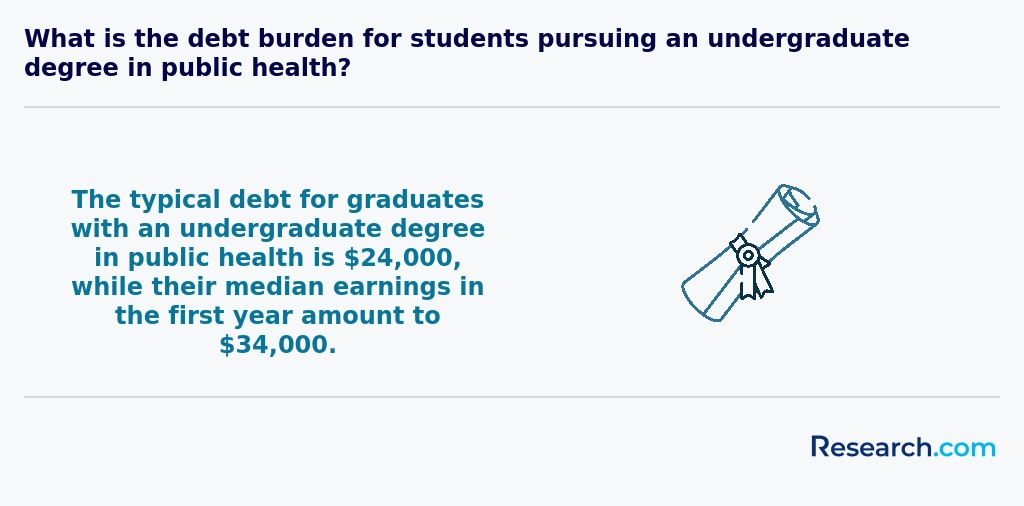
Many online public health students in Chicago rely on federal aid through the FAFSA to access grants, loans, and work-study opportunities that ease financial burdens. For example, graduates from universities like the University of Illinois Chicago recall how Pell Grants helped them cover tuition without accumulating overwhelming debt. The Health Resources and Services Administration (HRSA) further supports those ready to serve Chicago's underserved neighborhoods with scholarships and loan repayment programs, turning community commitment into financial relief.
State-specific programs such as Illinois' Monetary Award Program (MAP) provide crucial aid to Illinois residents enrolled at local institutions like DePaul University, making studies more affordable. Chicago-area universities often offer merit-based scholarships and assistantships tailored for public health students, rewarding academic excellence and professional experience. Many students appreciate how these resources, combined with employer tuition assistance from public health organizations in the city, create a manageable path to degree completion while balancing work and family life.
Prospective students often ask whether the financial and time investment in an online Public Health degree in Chicago, IL will pay off in the long run. By comparing average tuition, living expenses, and expected salaries, you can calculate a realistic payback period and make an informed decision. • Average Total Cost vs. Salary Increase – With total program costs ranging from $43,890 to $60,000, graduates can anticipate salary increases of 20–40% upon entering roles such as Health Educator or Environmental Health Specialist. – At a mean annual wage of $66,710 for Health Educators, the breakeven point on tuition investment can be as short as 2–3 years. • Debt-to-Income Ratio and Payback Timeline – Assuming $50,000 in student loans at a 5% interest rate, monthly payments of $530 translate to an annual outlay of $6,360. – When paired with an entry-level salary boost of $15,000–$20,000 per year, most graduates recoup their educational costs within 3–5 years, depending on living expenses and repayment plans. • Maximizing ROI through Strategic Choices – Selecting accredited programs with competitive per-credit rates and robust financial aid can significantly reduce out-of-pocket expenses. – Comparing tuition and outcomes across regions is crucial. For example, students seeking cost-effective alternatives may review the Affordable Online Master's in Public Health Degree Programs Ranking in Missouri to benchmark program costs and projected earnings. By carefully analyzing tuition fees, projected salaries, and repayment options, you can ensure your online Public Health degree in Chicago delivers strong returns-both professionally and financially.
To enroll in an online public health degree program in Chicago, you'll need a high school diploma or GED for bachelor's programs, along with strong coursework in biology, chemistry, and social sciences. Many graduates from institutions like the University of Illinois at Chicago recall how their solid foundation in these subjects made grasping public health concepts easier and boosted their confidence during studies.
If you're aiming for a master's degree such as an MPH, holding a bachelor's degree is essential. Many Chicago schools prefer applicants with backgrounds in health sciences or related fields, plus coursework in statistics or epidemiology. Graduates often share how prior experience in healthcare or community service-usually one to two years-helped them connect theory with real-world public health challenges, making classes more engaging.
Non-native English speakers should prepare TOEFL or IELTS scores early to meet language requirements. Some programs may ask for GRE scores, so check each university's details carefully. Planning ahead to meet these prerequisites helps ease your path to joining Chicago's vibrant online public health community.
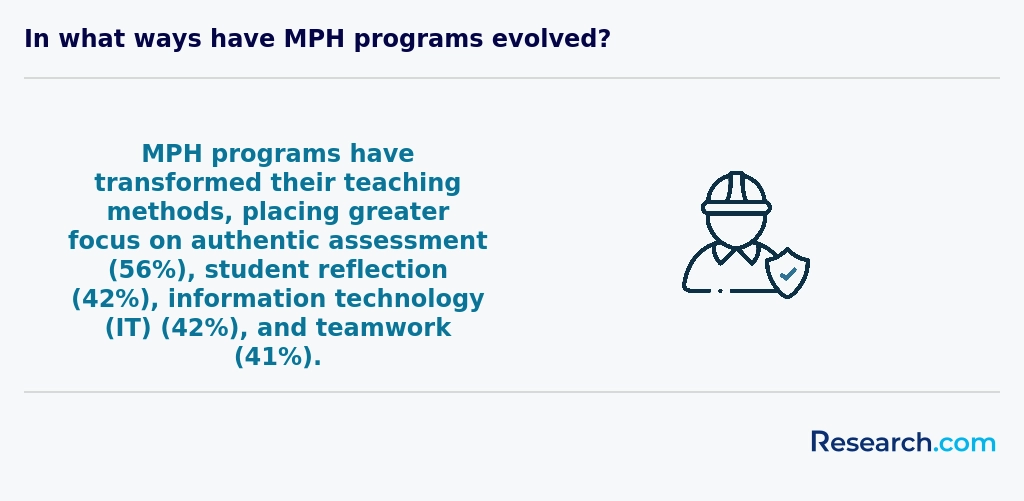
Online public health degrees in Chicago typically include foundational courses that build essential skills, such as Introduction to Public Health, Biostatistics, Epidemiology, Environmental Health, Health Policy and Management, and Social and Behavioral Sciences. Graduates from well-known Chicago institutions often recall how Epidemiology courses helped them understand disease patterns affecting their own communities, making learning highly relevant and motivating.
Beyond these basics, many programs tailor coursework to address Chicago's unique health challenges. For example, Community Health Assessment and Program Planning classes focus on urban health issues like asthma and chronic disease hotspots within the city's neighborhoods. Health Informatics courses teach students to navigate health data systems crucial for local public health departments.
Emergency Preparedness and Response is another vital course, reflecting real-world demands seen during recent pandemics. Ethics and Public Health Law guide students through the complex regulations that govern Chicago's diverse healthcare landscape. Such targeted training helps students feel well-equipped to make a positive impact locally while gaining confidence in applied skills.
Online public health degree specializations Chicago programs commonly offer include Epidemiology, Health Policy and Management, Community Health, Environmental Health, Global Health, and Biostatistics. Graduates from universities known for their public health offerings in Chicago often highlight how focusing on Community Health helped them develop impactful urban programs addressing social determinants of health, a vital skill given Chicago's diverse population.
Health Policy and Management is favored by those aiming for leadership roles in local health departments, where they tackle challenges such as healthcare disparities and policy development. Environmental Health specialization resonates deeply with students concerned about Chicago's industrial pollution and its health effects, providing practical skills to design intervention strategies.
Many students pursuing a Chicago online public health program concentrations find Epidemiology and Biostatistics crucial for roles requiring data analysis on chronic and infectious diseases prevalent in the city. Exploring jobs with mph degree from these programs confirms the positive career impact of selecting a specialization aligned with regional health challenges.
When choosing the best online public health degree in Chicago, prioritize programs with CEPH accreditation, ensuring recognized quality and smoother credit transfers. Graduates from well-known Chicago universities often praise flexible schedules that accommodate their busy lives, such as asynchronous courses and part-time options, which make balancing work and study manageable.
Focus on the curriculum to see if it covers areas like epidemiology, health policy, or environmental health, and includes modern topics like pandemic response-this helps you stay relevant in Chicago's evolving health landscape. Many students emphasize the value of programs tied to local hospitals and health departments where internships and networking open doors to exciting careers.
Cost is another major factor. Public universities around Chicago offer tuition benefits for residents, but out-of-state online tuition can be higher. For students seeking affordable options, reviewing the Affordable Online Master's in Public Health Degree Programs Ranking in Missouri might provide useful insights and comparable alternatives nearby.
Finally, look at faculty expertise and reputation. Chicago-based programs often feature professors actively engaged in local public health initiatives, which enriches learning and career connections. This blend of flexibility, curriculum relevance, affordability, and faculty support helps you pick the best online public health degree programs Chicago has to offer.
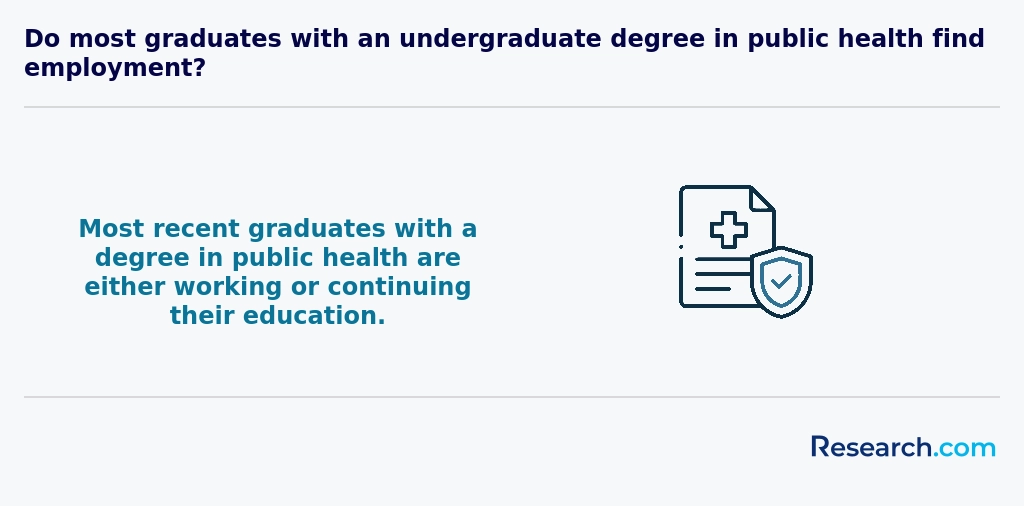
Graduates with an online public health degree in Chicago often find diverse career paths right in their backyard. Many secure roles in local government health departments such as the Chicago Department of Public Health, working as epidemiologists or policy analysts managing disease prevention campaigns and community health programs. Graduates from universities like the University of Illinois at Chicago appreciate how their programs emphasize skills that match the city's health needs, helping them transition smoothly into government roles.
Nonprofit organizations focusing on health equity and outreach also attract many Chicago public health degree job opportunities. Alumni recall rewarding experiences coordinating programs that tackle maternal health and chronic illness in underserved neighborhoods. Hospitals and healthcare systems across Chicago, home to renowned institutions like Rush University Medical Center, are a common destination for graduates aiming to improve patient outcomes through quality improvement and health informatics roles.
For those interested in the private sector, careers in health policy consulting and pharmaceutical firms offer exciting challenges. Public health knowledge supports roles in regulatory compliance and wellness product development. Prospective students often explore options through fast degrees, helping them enter the workforce quickly and efficiently while gaining relevant experience.
The job market for an online public health degree in Chicago is strong and steadily growing, driven by the city's diverse population and robust public health infrastructure. Graduates from well-known institutions like the University of Illinois Chicago and Loyola University Chicago find rewarding roles in government agencies, healthcare systems, and nonprofits focused on disease prevention and health equity. Public health careers demand Chicago IL often centers on skills such as data analysis, community outreach, and program planning, which employers actively seek.
Many graduates describe their entry into positions with competitive salaries-health educators earn around $58,000 annually, while analysts with advanced degrees often see $70,000 or more. The city's commitment to addressing urban health challenges creates ongoing opportunities, especially for those holding certifications like CHES alongside their degrees. Those balancing work and study appreciate online programs for avoiding relocation and managing costs, with tuition ranging between $10,000 and $25,000 annually at public universities.
Prospective students interested in advancing quickly might explore pathways listed among the easiest phd programs to complement their public health education and enhance job prospects in this vibrant market.
2027 Best Online Public Health Degree Programs Ranking in Chicago, IL
Investing in your education is a significant decision that can shape your future, and the Research.com team understands the importance of making informed choices. To assist prospective students in Chicago, IL, we have meticulously crafted the "2027 Best Online Public Health Degree Programs Ranking." Our commitment to quality, credibility, and accuracy is reflected in the extensive research and analysis conducted to compile this ranking.
We utilized the following reputable data sources to ensure a comprehensive evaluation of public health programs:
By exploring this ranking, readers will gain valuable insights into the best online public health degree programs available in Chicago, enabling them to make well-informed decisions about their educational and career goals. For more details on our methodology, please visit our Research.com methodology page.
# 1 position
University of Illinois Chicago
Master of Concentration in Community Health Practice and Methods


Frequently Asked Questions About public health
Online public health degree students in Chicago can maximize their learning experience by actively engaging with both virtual and local resources. Chicago is home to diverse public health challenges, including high rates of asthma and chronic diseases in certain neighborhoods, which students can study through local data from the Chicago Department of Public Health. Applying this knowledge to coursework enhances practical understanding.
Participating in virtual internships and research projects with Chicago-based health organizations allows learners to gain real-world experience remotely. Networking with Chicago professionals through online forums or city-specific public health groups also broadens career opportunities. Finally, leveraging university-provided digital libraries and attending live webinars enrich theoretical knowledge and skill development.
The field of public health is rapidly evolving, with several emerging niches gaining prominence. Among these, health informatics has become critical, combining data analysis and technology to improve health outcomes. In Chicago, institutions emphasize training students in this area due to the city's vast healthcare data resources.
Another growing niche is environmental health, addressing urban challenges like air pollution and lead exposure, which are significant concerns in some Chicago neighborhoods. Experts also highlight global health, focusing on pandemics and international health policies, drawing on lessons from the COVID-19 response.
Behavioral health and community-based intervention are gaining attention, recognizing the importance of mental health and social determinants in Chicago's diverse populations. These specialties reflect the future direction of public health careers in the US.
After earning an online public health degree in Chicago, graduates should focus on building a strong professional network. Chicago is home to numerous public health organizations, including the Chicago Department of Public Health, which offers internship and job opportunities.
Obtaining relevant certifications such as Certified Health Education Specialist (CHES) can enhance employability. According to the U.S. Bureau of Labor Statistics, the demand for public health professionals in Illinois is projected to grow 11% from 2022 to 2032.
Job seekers are encouraged to utilize local job fairs and professional associations like the Illinois Public Health Association for connections and resources.
Practical experience via internships or volunteer work with community health programs in Chicago strengthens resumes.
Employers in Chicago increasingly seek public health graduates with strong data analysis skills, as local health departments rely heavily on epidemiological data to manage community health. Familiarity with statistical software like SAS or R is highly valued. Communication skills also rank high, enabling graduates to effectively engage with diverse populations, a crucial need in Chicago's multicultural environment.
Knowledge of health policy and program planning is important due to ongoing initiatives targeting chronic diseases and health disparities in the city, as highlighted by the Chicago Department of Public Health. Finally, cultural competency and the ability to work in interdisciplinary teams are essential to addressing urban public health challenges effectively.
Finding internships in Chicago relevant to a public health degree requires a focused approach. Start by exploring opportunities offered through Chicago's public health departments, such as the Chicago Department of Public Health (CDPH), which frequently offers internships in areas like epidemiology and community health.
Many universities and organizations list internships on platforms like Handshake or Idealist, which are popular among public health students nationwide. Connecting with local non-profits and hospitals, such as Rush University Medical Center or the University of Chicago Medicine, can also lead to meaningful internships.
Networking through professional groups like the Illinois Public Health Association or attending local health conferences may increase access to internship openings and mentorship. According to the CDPH, Chicago's public health workforce is expanding, creating more entry-level positions for students.
Obtaining an online public health degree in Chicago can significantly enhance career mobility and advancement opportunities. Chicago's public health sector employs over 10,000 professionals, with roles ranging from community health workers to epidemiologists, according to the Illinois Department of Public Health (IDPH).
Online degrees offer flexibility, enabling working professionals to pursue education without interrupting their careers. With Chicago's growing focus on health equity and pandemic preparedness, employers increasingly seek candidates with formal public health training.
Graduates with online public health degrees are often preferred for higher-level positions, such as program management or policy development. The U.S. Bureau of Labor Statistics reports a projected 17% growth for health services managers in Illinois through 2031, underscoring demand for qualified candidates.
Additionally, online degrees accredited by the Council on Education for Public Health (CEPH) ensure recognition by Chicago employers, further aiding professional advancement.
Studying for a public health degree online in Chicago offers a robust foundation for interdisciplinary roles by integrating diverse fields such as epidemiology, health policy, social sciences, and biostatistics. Chicago's public health programs emphasize collaboration across these disciplines, reflecting the city's complex health challenges.
Students gain skills to analyze data, develop policies, and design community interventions, preparing them for roles in government, nonprofits, and healthcare. According to the Chicago Department of Public Health, the city faces persistent disparities in chronic diseases and environmental health issues, which require multifaceted strategies.
By engaging with real-world case studies and local health data, graduates learn to work effectively with professionals from various sectors, enhancing their adaptability and problem-solving abilities in interdisciplinary teams.
When choosing between a thesis and a non-thesis online public health degree program in Chicago, consider your career goals. A thesis option involves original research and suits students aiming for roles in academia, research, or doctoral studies. Non-thesis programs focus more on practical skills, ideal for those seeking immediate public health practice or administrative positions.
Chicago's public health sector employs over 10,000 professionals, with growing demand for applied expertise, according to the Chicago Department of Public Health 2023 report. This trend supports the appeal of non-thesis programs for many students.
Also, thesis programs often require more time and effort due to research demands. In contrast, non-thesis tracks usually allow faster completion.
Students based in Chicago seeking to study public health abroad through online programs have several opportunities within the US higher education system. Many accredited universities offer online degrees with international fieldwork options or partnerships with global institutions. These programs enable students to gain global perspectives without relocating. For example, schools often include virtual international collaborations or optional overseas internships, which can supplement online coursework.
While Chicago itself hosts top public health schools, students can enroll in programs nationwide that meet Council on Education for Public Health (CEPH) accreditation standards. This ensures quality and recognition of their degrees globally. According to the Association of Schools and Programs of Public Health, over 50 CEPH-accredited online MPH programs incorporate global health elements, accessible to Chicago residents.
Part-time job opportunities in Chicago can greatly enhance the education of students pursuing online public health degrees. Roles such as community health worker, health educator assistant, or research aide provide practical experience and complement academic learning. The Chicago Department of Public Health and local nonprofits often hire part-time staff for outreach programs addressing chronic diseases and population health.
According to the U.S. Bureau of Labor Statistics, Chicago's public health sector is growing, supporting over 15,000 jobs in health education and promotion. Gaining hands-on experience in data collection or health communication improves understanding of community needs and health disparities.
Additionally, hospitals and clinics in Chicago occasionally offer flexible positions for public health students to assist with patient data management or wellness initiatives. This direct involvement in health systems boosts career readiness and networks within the local healthcare environment.
Online public health students in Chicago benefit from a variety of networking opportunities supported by the city's strong public health community. Organizations such as the Chicago Public Health Association and Illinois Public Health Association offer virtual events, workshops, and conferences that connect students with professionals and peers.
Many Chicago-based universities also provide online learners access to mentorship programs and alumni networks. These connections help students engage with public health leaders working on issues like infectious disease control and health equity, which are priorities in Chicago's public health agenda.
The city's large health department and nonprofit sector present additional chances for online students to gain practical experience and professional contacts through virtual internships and collaborative projects, enriching their educational experience beyond traditional coursework.
Alumni networks offer significant benefits to online public health degree students in Chicago, connecting them with professionals across the city's robust healthcare sector. These networks facilitate mentorship opportunities, which are crucial for career development in fields like epidemiology and health policy. According to the Illinois Public Health Association, Chicago houses over 175 public health organizations, making alumni connections valuable for internships and job placements.
Students gain access to exclusive events, workshops, and job boards, enhancing their professional growth. Additionally, alumni can provide insights on local public health challenges, helping students tailor their skills to Chicago's needs. This network support often leads to stronger employment outcomes post-graduation.
Customizing an online public health degree program in Chicago allows students to align their studies with specific career goals. Many programs offer elective courses in areas such as epidemiology, community health, or health policy, enabling students to focus on their interests. Chicago's diverse population and public health challenges provide practical case studies that enrich online coursework.
Students often choose certificate programs or dual degrees along with their main degree to increase expertise in areas like healthcare management or environmental health. According to the Chicago Department of Public Health, tailored knowledge is crucial given the city's focus on reducing health disparities.
Internships and virtual practicums available through Chicago institutions can provide relevant hands-on experience while studying online.
Online public health students in Chicago often face challenges related to balancing rigorous coursework with personal and professional responsibilities. Many learners juggle full-time jobs while managing virtual classes, which can cause time management issues and increase stress levels. According to the Illinois Board of Higher Education, nearly 60% of online adult learners report difficulty staying motivated without in-person interaction.
Limited access to local internship placements also presents a barrier. Public health employers in Chicago expect hands-on experience, yet remote students may struggle to find suitable practicum sites nearby. Additionally, navigating complex federal and state licensure requirements can be confusing for those pursuing specialized public health roles.
Connectivity issues and technological barriers impact some students, especially in underserved Chicago neighborhoods where internet access is less reliable. This digital divide can impede access to synchronous learning and resources.
With an online public health degree, you can pursue several professional certifications that enhance your career prospects in Chicago's growing health sector. A notable credential is the Certified in Public Health (CPH) exam, offered by the National Board of Public Health Examiners. This certification is widely recognized and valuable for public health practitioners nationwide.
Another key certification is the Certified Health Education Specialist (CHES), which demonstrates expertise in health education and promotion. Illinois also values specialized credentials like the Registered Environmental Health Specialist (REHS) for those focusing on environmental public health.
As Chicago faces ongoing public health challenges such as chronic diseases and infectious outbreaks, certified professionals are increasingly in demand. According to the Illinois Department of Public Health, public health roles are projected to grow by 11% through 2030, making these certifications important for career advancement.
Applying to an online public health program in Chicago requires clear, focused preparation. Start by thoroughly reviewing program requirements, as Chicago schools often emphasize practical experience alongside academic credentials. Highlight any relevant work or volunteer roles in community health or epidemiology, as the city's public health departments prioritize these skills.
Include a tailored personal statement explaining your commitment to addressing local health issues, such as Chicago's ongoing challenges with chronic disease and infectious outbreaks, cited by the Chicago Department of Public Health. Use specific examples to show how your background aligns with these concerns.
Strong letters of recommendation-especially from professionals familiar with public health or urban communities-can strengthen your application.
Finally, maintain clear and professional formatting while meeting all submission deadlines.
A public health career offers a broad, global perspective, reflecting its importance beyond national borders. Professionals address worldwide issues like pandemics, vaccination programs, and health disparities. According to the Association of Schools and Programs of Public Health (ASPPH), U.S. public health degrees increasingly incorporate global health topics to prepare graduates for international challenges.
In Chicago, where diverse communities face unique health concerns, public health professionals often engage with global trends such as infectious diseases and environmental health. The Chicago Department of Public Health highlights collaboration with global health organizations for disease prevention and health promotion.
Graduates with a public health degree can work with agencies like the WHO or CDC, which have strong ties to Chicago's public health community. Career opportunities often require understanding global health frameworks, emphasizing prevention and policy development across borders.
Gaining practical experience while pursuing an online public health degree in Chicago is crucial for career readiness. Many programs include virtual internships or fieldwork options through partnerships with local health departments or organizations like the Chicago Department of Public Health.
Students can also seek remote volunteer opportunities with nonprofits focusing on community health initiatives, such as chronic disease prevention or vaccine outreach. The city's diverse population offers a valuable context for applied learning.
Moreover, universities often help place students in practicum sites within Chicago-area hospitals or government agencies, enabling hands-on experience. According to the Chicago Public Health Institute, nearly 60% of graduates engage in applied projects before finishing their degrees.
Choosing the right concentration within an online public health degree program in Chicago involves considering both personal interests and local health priorities. Chicago faces unique public health challenges, including disparities in chronic diseases such as diabetes and heart disease, particularly in underserved communities, according to the Chicago Department of Public Health's 2023 report.
Prospective students should explore concentrations aligned with these needs, such as epidemiology, community health, or health policy and management. Reviewing program curricula and faculty expertise can offer insight into which concentrations emphasize Chicago-specific health issues.
Additionally, consider career goals and consult local job market data. The Illinois Department of Employment Security indicates growing demand for professionals skilled in data analysis and public health program development within the Chicago metropolitan area.
- 2027 Best Public Health Degree Programs Ranking in Milwaukee
- 2027 Best Public Health Degree Programs Ranking in West Lafayette
- 2027 Best Public Health Degree Programs Ranking in Indianapolis
- 2027 Best Public Health Degree Programs Ranking in Bloomington
- 2027 Best Public Health Degree Programs Ranking in Ann Arbor
- 2027 Best Public Health Degree Programs Ranking in Detroit
- 2027 Best Public Health Degree Programs Ranking in Cincinnati
- 2027 Best Public Health Degree Programs Ranking in Saint Louis
- 2027 Best Public Health Degree Programs Ranking in Columbus
- 2027 Best Public Health Degree Programs Ranking in Saint Paul
- Choosing the Right MPH Program in Chicago: Insights for Prospective Students https://masterspublichealth.com/mph-programs-in-chicago/
- What can I do with an online DrPH? - MPH Online https://www.mphonline.org/careers-online-drph/
- Know more about thesis vs non- thesis: what is the difference? https://studyfans.com/en/blogs/816
- Online Degrees https://www.publichealthdegrees.org/online/
- Effective Networking Strategies for Public Health Professionals | PH SPOT https://phspot.org/effective-networking-strategies-for-public-health-professionals/
- Dive deeper into public health topics. https://www.apha.org/topics-and-issues
- What do you learn in a bachelor's in public health? | edX https://www.edx.org/resources/what-do-you-learn-in-a-bachelors-in-public-health
- Areas in Public Health https://www.publichealthcareers.org/areas-in-public-health.html
- Public Health Degrees & Careers | How To Work In Public Health https://www.learnhowtobecome.org/medical-health-careers/public-health/
- Alumni Association https://sph.tulane.edu/phaa










