
2027 Most Affordable Online Nursing Education Degree Programs Ranking in the Northeast

Co-Founder and Chief Data Scientist
Embarking on a nursing education degree is a meaningful step toward a rewarding career, especially for students in the Northeast seeking affordable options. This article introduces the 2027 Most Affordable Online Nursing Education Degree Programs Ranking in the Northeast, crafted by the Research.com team of expert data scientists.
By exploring this ranking, you'll gain valuable insights to help you choose programs that balance quality and cost. Whether you're starting fresh or advancing your nursing journey, this guide supports smart decisions toward your goals and a brighter future.
Key benefits of getting online nursing education degree in the Northeast
- The average salary for nursing educators in the US is around $80,000 annually, offering stable and rewarding financial prospects for graduates in the Northeast.
- Graduates from well-known Northeast schools often pursue roles in teaching, clinical training, or healthcare administration, providing diverse and fulfilling career options.
- Online nursing education degrees offer flexibility and convenience, allowing busy students to balance work, family, and studies while benefiting from reputable programs like those at Northeastern University.
What can I expect from online nursing education degree in the Northeast?
When it comes to the cost of online nursing degrees in the Northeast, students often find a pretty wide range depending on where they choose to study. For example, graduates from big public universities in states like New York or Pennsylvania usually mention that in-state tuition keeps things affordable, somewhere around $8,000 to $12,000 per year. On the other hand, private colleges or out-of-state options can bump the price up to $20,000 or more annually.
Many nursing students share how they balanced these costs with scholarships or employer tuition help, which made a huge difference in easing the financial stress. Imagine juggling work, family, and online classes at a school like Boston College or Rutgers University, but feeling confident because the program's price didn't overwhelm your budget.
The key is those schools understand the juggling act and try to keep tuition competitive, so you can focus on learning without constantly stressing about finances. Plus, many grads say that investing in a well-accredited online program in the Northeast worth it, opening doors to better job opportunities and mobility.
Where can I work with online nursing education degree in the Northeast?
If you're wondering where an online nursing education degree can take you in the Northeast, the options are pretty exciting. Graduates from places like the State University of New York or Massachusetts community colleges often find themselves teaching future nurses at universities or community colleges. Imagine stepping into a classroom or clinical lab, helping students get hands-on training, just like many grads do in their first jobs.
Hospitals in cities like Boston or Philadelphia also hire nursing educators to run staff training sessions or develop new educational programs. Many grads love these roles because they're right in the heart of healthcare, improving how nurses care for patients every day.
Plus, public health departments and government agencies in states like New York offer roles where you can create community health programs. Graduates often share how rewarding it feels to impact underserved neighborhoods through these jobs.
And don't forget private providers and long-term care spots-nursing educators there help keep care top-notch, which many find really fulfilling. Overall, the Northeast's mix of schools, hospitals, and agencies means you've got plenty of doors open after graduation.
How much can I make with online nursing education degree in the Northeast?
If you're diving into an online nursing education degree in the Northeast, you can expect your paycheck to be pretty competitive compared to other regions. Graduates from well-known programs like those at Boston College or New York University often find themselves starting around $70,000 to $80,000 annually as registered nurses.
But there's good news: specialized roles like nurse educators or nurse practitioners tend to earn way more. Think of nurse educators working at institutions such as Rutgers University-they typically pull in between $75,000 and $95,000, which is great for teaching and shaping future nurses. For nurse practitioners and clinical nurse specialists who get those advanced degrees, making over $110,000 isn't uncommon, especially in healthcare hubs like Massachusetts or New Jersey.
Many grads share how getting their degree online still opened doors to leadership roles, like nurse administration, where salaries hit the six-figure mark thanks to the high demand in the Northeast. So, whether you want to teach or lead, the earning potential here definitely reflects the high value placed on nursing education.
- Key benefits of getting online nursing education degree in the Northeast
- What can I expect from online nursing education degree in the Northeast?
- Where can I work with online nursing education degree in the Northeast?
- How much can I make with online nursing education degree in the Northeast?
- How do we rank schools?
- 2027 Most Affordable Online Nursing Education Degree Programs Ranking in the Northeast
- What online nursing education degree graduates have to say
- Key Findings
- How long does it take to complete online nursing education degree in the Northeast?
- What's the difference between online and on-campus nursing education degree?
- What is the average cost of online nursing education degree in the Northeast?
- What financial aid is available to online nursing education degree students in the Northeast?
- What are the prerequisites for enrolling in online nursing education degree program in the Northeast?
- What courses are typically in online nursing education degree programs in the Northeast?
- What types of specializations are available in online nursing education degree programs in the Northeast?
- How do you choose the best online nursing education degree in the Northeast?
- What career paths are available for online nursing education degree students in the Northeast?
- What is the job market for online nursing education degree in the Northeast?
- Frequently Asked Questions About nursing education
- Top Trending Nursing Education Rankings
How do we rank schools?
Investing in your education is a significant decision that can profoundly impact your career and life, and the Research.com team is committed to helping you make well-informed choices. For this reason, we have carefully developed the "2027 Most Affordable Online Nursing Education Degree Programs Ranking in the Northeast." Our dedication to quality, credibility, and accuracy guided every step of the ranking process.
We utilized the following reputable data sources to ensure a thorough and reliable evaluation of nursing programs:
By reviewing this ranking, readers will gain crucial insights into affordable and high-quality online nursing education options in the Northeast, empowering them to choose programs that best fit their goals. For more information on our approach, please visit our Research.com methodology page.
2027 Most Affordable Online Nursing Education Degree Programs Ranking in the Northeast
# 1 position

The State University of New York Polytechnic Institute offers a Master's program focused on Nursing and Healthcare, designed to be completed in 24 months. The program has an open admission policy with an acceptance rate of 81%, providing high levels of financial aid to 100% of its students. The average total cost is $18,369, and the graduation rate is 55%. Currently, 702 students are enrolled in the online format.
# 2 position
Sacred Heart University
Master
Sacred Heart University offers a 24-month Master program focused on Nursing and Healthcare. The program has a less selective acceptance rate of 65%, making it accessible to many applicants. It has a graduation rate of 73% and enrolls 1,145 online students. The average total cost is $26,910, with 100% of students receiving high levels of financial aid to support their studies.
# 3 position

Indiana University of Pennsylvania offers a Master's program focused on Nursing and Healthcare lasting 24 months. The program has an open admission policy with a 91% acceptance rate and a graduation rate of 56%. With an average total cost of $20,232, it supports 100% of its students with financial aid. The online enrollment includes 4,708 students, reflecting its accessibility and strong online presence.
# 4 position
Robert Morris University
Master
Robert Morris University offers a Master's program focused on Nursing and Healthcare with an open admission acceptance rate of 90%. The program spans 24 months and has a graduation rate of 66%. With an average total cost of $23,865, 92% of students benefit from high levels of financial aid. Currently, 578 students are enrolled online, making it accessible for remote learners.
# 5 position

The University of Southern Maine offers a Master's program focused on Nursing and Healthcare. It has an open admission policy with an acceptance rate of 79%. Approximately 97% of students receive high levels of financial aid. The program's average total cost is $15,480. The graduation rate stands at 40%. There are about 3,900 online students currently enrolled in the program.
# 6 position
Empire State University
Master
Empire State University offers a Master's degree focused on Nursing and Healthcare, with a graduation rate of 41%. The program serves 8,481 online students, making it a popular choice for distance learners. The average total cost is $16,956, and a high 93% of students receive financial aid, ensuring strong support for those enrolled.
# 7 position
Duquesne University
Master
Duquesne University offers a 24-month Master's program focused on Nursing and Healthcare with a graduation rate of 77%. The program has an open admission policy, accepting 84% of applicants. It supports high financial aid levels, with 100% of students receiving aid. The average total cost is $58,860. The program enrolls 561 online students, providing flexible access to advanced education in this field.
# 8 position
Utica University
Master
Utica University offers a Master's program focused on Nursing and Healthcare with a 36-month duration. The program has an open admission policy, accepting 92% of applicants, and features a graduation rate of 56%. Most students, 99%, receive high levels of financial aid. The average total cost is $34,650. The program supports a significant online community with 3,040 students enrolled remotely.
# 9 position
Mercy University
Master
Mercy University offers a Master's degree focused on Nursing and Healthcare with a high acceptance rate of 86%, reflecting an open admission policy. The average total cost of the program is $33,948. Nearly all students, 99%, receive financial aid, indicating a high level of support. The graduation rate stands at 46%, and the university currently enrolls 2,057 online students in this program.
# 10 position

Roberts Wesleyan University offers a Master's program focused on Nursing and Healthcare with a less selective acceptance rate of 71%. The program has a graduation rate of 67%, indicating a satisfactory completion level among students. Financial aid is highly accessible, with 98% of students receiving assistance. The average total cost for the program is $32,448, making it an important consideration for prospective applicants.
What online nursing education degree graduates have to say
- "Pursuing my online nursing education degree at Northeastern University allowed me to balance work and study seamlessly. The interactive virtual labs and expert faculty made difficult concepts easy to grasp. I feel confident and prepared to excel in my healthcare career." - Jessica
- "The University of Vermont's online nursing program gave me the flexibility I needed as a mother of two. The personalized support and community forums offered a truly collaborative learning experience that made me feel connected despite the distance." - Mark
- "At Rutgers University, the online nursing education program combined rigorous coursework with practical real-world applications. The well-structured curriculum and accessible instructors inspired me to push beyond my limits and achieve my career goals." - Emily
Key Findings
- Annual tuition for online nursing degrees in the Northeast ranges from $10,000 to $25,000, varying by school type and program level.
- About 85% of graduates find employment in nursing-related roles within six months, a rate higher than the national average.
- Entry-level nursing educators typically earn between $60,000 and $75,000 per year, with experienced professionals earning $90,000 to $110,000.
- Job growth for nursing instructors in the region is expected to be around 15% through 2030, driven by healthcare demands and an aging population.
- Online programs often include local clinical practicums, and accreditation by CCNE or ACEN is essential for quality and licensure eligibility.
How long does it take to complete online nursing education degree in the Northeast?
If you're thinking about getting an online nursing degree in the Northeast, the time it takes really depends on which program you choose and how you juggle your schedule. For example, many students starting with an Associate Degree in Nursing (ADN) find they can finish in about 2 to 3 years while balancing work and family, especially at community colleges that partner with local hospitals for clinicals. Graduates often share how this flexible pace made it possible to keep their jobs without feeling overwhelmed.
On the other hand, if you're aiming for a Bachelor of Science in Nursing (BSN) and starting fresh, expect around 4 years. But plenty of nurses already holding an ADN go for RN-to-BSN bridge programs in the Northeast, which is a neat shortcut that wraps up in 12 to 24 months. Many graduates praise these programs from popular schools for letting them level up quickly while staying employed.
For those going further with a Master of Science in Nursing (MSN), most find 1.5 to 3 years to be the sweet spot. Online MSN options in the Northeast let working nurses specialize without moving, which a lot of successful alum love for how it fit their busy lives.
What's the difference between online and on-campus nursing education degree?
Online nursing programs in the Northeast, like those offered by public universities in New York or Massachusetts, give you the freedom to study on your own schedule. Many graduates share how this flexibility helped them juggle work, family, and classes without the stress of a strict campus routine. You can access lectures and assignments anytime, which is a big win if you live in a rural area or have a full-time job.
On the flip side, on-campus programs at popular schools in Pennsylvania or Connecticut provide that classic college feel-face-to-face talks with professors, group study sessions, and hands-on clinical work right at nearby hospitals. Graduates often say that the personal connections they made helped boost their confidence and understanding.
Both paths require clinical hours, but online students usually have to find local healthcare sites themselves, which means a bit more independence. Tuition costs in the Northeast tend to be close for both options, though online students often save on commuting and housing. Either way, checking that your program is accredited and licensed in your state is a must to make sure your degree counts where you want to work.
What is the average cost of online nursing education degree in the Northeast?
When you're looking into an online nursing education degree in the Northeast, the average cost usually lands around $27,000 for the full program. This number includes both in-state and out-of-state rates, with many students paying closer to $18,000 if they qualify for in-state tuition, while others might see costs near $22,000. Graduates from well-known colleges in this region often mention that budgeting for these costs felt manageable once they factored in scholarships and employer tuition reimbursement programs.
One graduate from a popular Northeast university shared how the tuition felt like an investment that truly paid off-especially given the strong support network and the quality of virtual clinical placements offered. For many, the higher price is balanced by the convenience of online learning and the ability to stay local while still attending prestigious schools known for their nursing education programs.
The average cost of online nursing degree northeast opportunities does vary, but the sense of community and access to resources often makes it worth the price. If you're curious about continuing on to advanced degrees, you might want to check out programs for a PhD in nursing education, which are also available online from these institutions.
What financial aid is available to online nursing education degree students in the Northeast?
If you're diving into an online nursing education degree in the Northeast, financial aid can really lighten the load. Many grads from popular programs at places like Boston College or the University of Pennsylvania often mention how federal aid made a huge difference. Filling out the FAFSA unlocks access to Pell Grants, which can offer up to $7,395 a year if you qualify-great for easing tuition costs.
Federal Direct Loans with fixed interest rates and income-driven repayment options help keep things manageable, especially if you plan on working in public service. Plus, there's the Federal Nursing Faculty Loan Program, which is perfect if you want to eventually teach nursing-that loan can even be forgiven.
State-level programs add even more help. Nursing students at schools like New York University often tap into extra grants or scholarships geared toward healthcare careers. For example, New York's Nurse Education Initiative offers loan forgiveness if you commit to working in underserved areas, which really sweetens the deal.
Many Northeastern universities also offer institutional scholarships targeted at online nursing learners, sometimes rewarding hard work or specialties in high demand. And if you're working, don't forget to check if your employer offers tuition reimbursement-lots of hospitals in the region team up with schools to support staff education. It's all about combining these aids to keep those nursing dreams alive without drowning in debt.
What are the prerequisites for enrolling in online nursing education degree program in the Northeast?
If you're thinking about enrolling in an online nursing education degree in the Northeast, you'll need to check off a few key prerequisites first. Most programs, like those at popular schools in Boston or New York, expect you to have an active RN license. This shows you've already tackled the NCLEX-RN exam and got some solid clinical experience under your belt.
Many grads from well-known Northeast colleges shared how having a BSN was almost a must, especially for masters programs. Some places do accept an ADN plus work experience, but honestly, having that Bachelor's often makes the application smoother-plus, it feels great knowing you're competing at a high level.
You'll also want to have your transcripts ready with a GPA around 3.0 or better. Classes like anatomy, physiology, and stats come in handy too! And having one or two years of clinical work experience? That's golden. It not only boosts your chance to get in, but also preps you for what's ahead.
Graduates often mention how letters of recommendation and a personal statement helped show their passion and goals-stuff that really makes you stand out. While some places still ask for GRE scores, many have dropped that requirement recently, which is a relief for busy nurses!
What courses are typically in online nursing education degree programs in the Northeast?
If you're looking into online nursing degrees in the Northeast, expect courses that really prepare you for the real world. Many graduates from popular schools share how foundational classes like Human Anatomy and Physiology gave them a solid understanding of how the body works, which made clinical practice feel way less intimidating. Then there's Pathophysiology and Pharmacology, where you learn about diseases and medications - crucial for safely caring for patients.
Students often talk about how Health Assessment courses sharpen their ability to spot subtle changes in patients' conditions, something that's a game-changer in fast-paced hospital settings around Boston or New York. Fundamentals of Nursing also come up a lot; it's where ethics and communication skills click, helping you build confidence interacting with diverse patients.
Beyond basics, courses like Community and Public Health Nursing connect you to local health challenges, whether in urban centers or rural towns. Plus, Nursing Leadership and Management classes are a favorite among those wanting to step up into supervisor roles after graduation from schools like Syracuse or University of Vermont.
What types of specializations are available in online nursing education degree programs in the Northeast?
If you're diving into an online nursing education degree in the Northeast, you'll find plenty of specializations to choose from. Nursing education itself is a big one, helping RNs become confident teachers by focusing on curriculum design and hands-on clinical training. Graduates from well-known colleges around here often rave about how practical and flexible the classes are, making it easier to juggle work and studies.
Other popular tracks include family nurse practitioner (FNP), which suits those wanting to provide care across all ages. Many students appreciate programs at Northeastern universities for offering real-world scenarios that prepare them for community health roles. There's also gerontological and pediatric nursing, perfect if you're drawn to working with the elderly or kids, reflecting regional healthcare needs.
Leadership-focused degrees in clinical nurse leadership or nursing administration are hot too, especially for nurses aiming to manage teams and improve patient care. If you're curious about the wide array of nursing degree specialization options Northeast students explore, check out this helpful guide on nursing degree online.
How do you choose the best online nursing education degree in the Northeast?
Picking the best online nursing education degree in the Northeast means focusing on a few key things. First off, make sure the program's accredited by CCNE or ACEN-graduates from these programs often feel confident because their degrees count toward licensure. Many find that schools like the University of Massachusetts or State University of New York offer solid, affordable options that don't break the bank. Graduates often share how flexible online classes alongside local clinical placements made balancing work and study way easier.
Cost is a big deal, especially here, so look into programs known for affordable nursing education degrees Northeast; this can save you headaches later. Also, consider what kind of clinical experiences they offer since hands-on work is a must. Finally, check out how grads did on the NCLEX-RN and their employment rates-high success stories mean the program is doing something right.
For those weighing options, this comparison of programs can be a huge help: best value nursing education online WGU.
What career paths are available for online nursing education degree students in the Northeast?
Graduates with an online nursing education degree in the Northeast have tons of great career options right at their fingertips. Many step into roles like clinical nurse educators, where they're actively shaping how nursing teams stay sharp and deliver top-notch care at well-known colleges and hospitals in the region. Others love moving into nurse administrator positions, mixing leadership with hands-on experience to keep healthcare facilities running smoothly.
Some graduates find their passion advancing as nurse practitioners or APRNs, especially from programs connected to schools famous for flexible schedules-all while earning competitive salaries above $110,000 annually. Faculty roles at nursing schools or community colleges are also popular, where online learning has blossomed, fitting perfectly with busy lives. Those diving into nursing education know this path opens doors across the board, blending care, teaching, and leadership.
If you're curious about nursing education degree job opportunities Northeast, check out programs that ease the transition like the RN to BSN pathway; it's a favorite among many working nurses around here.
What is the job market for online nursing education degree in the Northeast?
The job market for graduates with online nursing education degrees in the Northeast is looking pretty solid right now. Many graduates from well-known nursing programs at universities like those in Massachusetts and New York find themselves stepping into roles as nurse educators or clinical instructors without much trouble. These positions are in demand, especially with the region's growing healthcare systems and large educational networks. For those worried about location, the flexibility of online programs makes it easier to find online nursing jobs in the Northeast, whether working remotely or moving between states.
Many graduates share how the strong job market matches well with the moderate tuition costs they encountered. Programs are often affordable, and some public universities offer deals for in-state students. If you're aiming to climb the academic ladder or become a nursing program administrator, picking from options like BSN to MSN bridge programs can open doors. The nursing career outlook Northeast region is filled with opportunity, making it an exciting time to join this field.
Frequently Asked Questions About nursing education
Online nursing education students in the Northeast can enhance their learning by actively engaging with digital course materials and participating in virtual discussions. According to the New England Board of Higher Education, using interactive simulations and attending live webinars significantly improves comprehension in nursing curricula.
Establishing local study groups is also beneficial, enabling students to share experiences and practice clinical skills when possible. Given that many Northeast states require hands-on clinical hours, collaborating with nearby healthcare facilities can help fulfill these requirements efficiently.
Furthermore, students should regularly consult academic advisors to tailor their programs according to licensure requirements in their state, ensuring both educational and career goals align effectively.
The nursing education field is rapidly evolving, with emerging niches that address specialized healthcare needs. In the Northeast, programs increasingly focus on geriatric nursing due to the region's aging population. According to the U.S. Census Bureau, states like Maine and New Hampshire have higher percentages of residents over 65, creating demand for expertise in elder care.
Another growing niche is psychiatric-mental health nursing, responding to rising awareness of mental health issues nationwide. Online programs tailored to these specialties provide flexible pathways for busy professionals.
Additionally, informatics nursing, which combines healthcare and technology, is gaining traction as hospitals in the Northeast adopt advanced electronic health records systems. This niche offers new career opportunities within nursing education degrees.
After completing an online nursing education degree in the Northeast, preparing for the job market involves strategic steps to enhance employability. First, graduates should obtain their Registered Nurse (RN) license by passing the NCLEX-RN exam, a mandatory requirement across all Northeast states.
Networking is also crucial. Joining regional nursing associations, such as the Massachusetts Nurses Association or the New York State Nurses Association, helps access job leads and professional development opportunities. Additionally, many hospitals in the Northeast, including those affiliated with New York-Presbyterian and Massachusetts General Hospital, value clinical experience, so securing internships or part-time roles during studies can be beneficial.
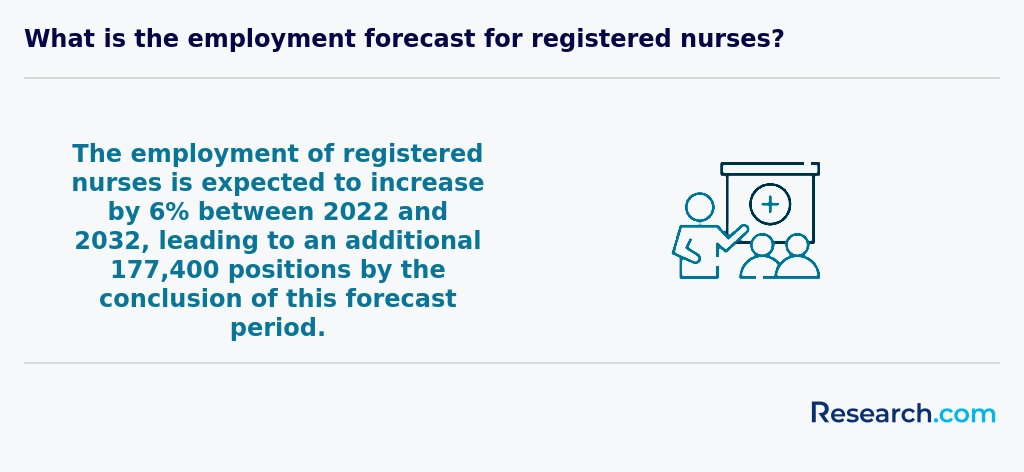
Finally, staying updated on the Bureau of Labor Statistics shows a 12% growth in nursing jobs nationwide through 2031, while Northeast states maintain competitive salaries, making ongoing education and certifications critical for advancement.
Employers in the Northeast prioritize a combination of clinical expertise and strong communication skills in nursing education degree graduates. According to the New England Center for Nursing, proficiency in patient assessment and evidence-based practice ranks highly, reflecting the region's focus on quality care.
Additionally, adaptability to evolving healthcare technologies is essential, as many hospitals in states like Massachusetts and New York integrate advanced digital systems.
Leadership skills also stand out, with nearly 60% of employers expressing preference for graduates capable of managing interdisciplinary teams effectively (Northeast Healthcare Workforce Report, 2023).
Lastly, cultural competence and empathy are critical, given the Northeast's diverse patient populations. These skills prepare graduates to provide inclusive and patient-centered care.
Finding internships in the Northeast for nursing education degrees begins with exploring connections through your online program's affiliations. Many accredited nursing schools partner with hospitals and healthcare facilities in states like New York, Massachusetts, and Pennsylvania.
The New England Board of Higher Education reports that clinical placements for nursing students increased by 8% between 2020 and 2023, highlighting growing opportunities. Sites such as local hospitals, community health centers, and nursing homes often offer formal internships.
Additionally, professional organizations like the Massachusetts League of Nursing provide internship listings and networking events specifically for regional nursing students. Using state nursing boards' resources can also guide you toward approved clinical sites.
Starting early and utilizing faculty recommendations are key. Internships typically require background checks and vaccination records, so prepare these documents ahead of time to enhance your chances.
Online nursing education degrees significantly enhance career mobility and advancement for nurses in the Northeast. According to the American Association of Colleges of Nursing (AACN), nurses with a Bachelor of Science in Nursing (BSN) or higher are 24% more likely to be promoted than those with only an associate degree.
Northeastern states including New York, Massachusetts, and New Jersey report a growing demand for advanced nursing roles such as nurse practitioners and clinical nurse specialists, which typically require a master's or doctorate obtained through flexible online programs. The Bureau of Labor Statistics projects a 15% increase in nursing employment in this region by 2030, fueling opportunities for those with advanced online degrees.
Moreover, accredited online programs allow working nurses in the Northeast to gain credentials without relocating, improving access to leadership roles and specialized clinical positions. Regional healthcare systems increasingly prefer or require higher education levels, making online degrees a strategic investment for long-term career growth.
Studying for a nursing education degree in the Northeast equips students with essential skills to work in interdisciplinary healthcare teams. Programs emphasize collaboration across professions such as medicine, social work, and pharmacy to enhance patient care outcomes. According to the American Association of Colleges of Nursing, many Northeast schools integrate simulation labs and case studies that mimic real-world interdisciplinary scenarios.
These degrees also focus on communication skills, critical thinking, and leadership, which are vital for coordinating among diverse healthcare professionals. With the region's dense concentration of hospitals and research institutions, students often access varied clinical experiences. This practical exposure supports preparation for roles that bridge education, clinical practice, and administration in complex healthcare settings.
When choosing between a thesis and a non-thesis nursing education degree program in the Northeast, consider your career goals and learning preferences. Thesis programs often appeal to those aiming for research roles or doctoral studies, as they emphasize original research and critical analysis.
Non-thesis options typically focus on practical skills and coursework, suitable for professionals seeking advanced clinical or educational positions without research demands. According to the National League for Nursing, many Northeast programs, such as those in New York and Massachusetts, offer both formats to accommodate diverse student needs.
Cost and time commitment also differ: thesis paths may require more time for research and writing. Reviewing program details and outcomes helps align your choice with professional goals.
Students based in the Northeast seeking to study nursing education abroad through online programs have limited but valuable options within US-accredited institutions offering global learning components. While direct international online nursing degrees are rare, students can enroll in programs from Northeast schools with international partnerships or study abroad opportunities integrated into their curriculum.
Many accredited universities in the region, such as those part of the New England Commission of Higher Education, provide online courses combined with clinical placements abroad. According to the American Association of Colleges of Nursing, nearly 40% of Northeast nursing programs include some form of global health or international nursing education.
These options allow students to gain cross-cultural nursing experience while maintaining the flexibility of online learning.
Students pursuing online nursing education degrees in the Northeast often seek part-time jobs that enhance their clinical skills and complement their studies. Common opportunities include roles such as Certified Nursing Assistants (CNAs) and patient care technicians in hospitals or long-term care facilities. According to the Bureau of Labor Statistics, New York and Massachusetts report some of the highest employment levels for these positions, with median hourly wages around $15-$18.
Other roles include medical scribing, which provides exposure to healthcare documentation, and community health worker positions that offer patient interaction experience. These jobs enable practical learning while maintaining flexible schedules compatible with rigorous online coursework.
Online nursing education students in the Northeast have access to robust networking opportunities through regional nursing associations and virtual conferences. Organizations like the Massachusetts Nurses Association and the New Jersey State Nurses Association offer students discounted memberships, providing access to professional events and online forums.
Many online programs also partner with local hospitals and clinics to facilitate virtual internships and clinical networking. According to the American Association of Colleges of Nursing, over 30% of Northeast nursing programs include virtual simulation labs that connect students nationwide.
Additionally, students benefit from alumni networks and social media groups aimed at Northeast nursing professionals, which can be crucial for job placement and mentorship.
Alumni networks play a crucial role in supporting online nursing education degree students in the Northeast. These networks provide valuable connections to experienced professionals who can offer mentorship and career advice. According to the National Student Clearinghouse Research Center, 68% of nursing graduates in the region report that alumni connections helped them secure clinical placements or job opportunities.
Networking through alumni communities also fosters collaboration and exchange of best practices among nurses. Additionally, many Northeastern nursing programs leverage their alumni for guest lectures and webinars, enriching the online learning experience. This ongoing engagement strengthens professional development beyond graduation.
Many online nursing education degree programs in the Northeast offer flexible options to tailor your studies according to career goals. You can select from specialties such as pediatric, geriatric, or psychiatric nursing, often through elective courses. Some programs also allow you to choose accelerated tracks or part-time schedules to fit work commitments.
Clinical practicum placements are frequently arranged locally, letting you gain experience in settings relevant to your interests. Schools like Rutgers University and Northeastern University provide these customizable options and boast high NCLEX pass rates above 85% as reported by the National Council of State Boards of Nursing.
Additionally, some programs include leadership or research-focused electives, preparing graduates for administrative or academic roles in healthcare. Understanding state licensing requirements in the Northeast is key when selecting your program to ensure your degree meets career licensing goals.
Online nursing education students in the Northeast often face challenges related to clinical placement availability. Due to high demand and strict state regulations, securing local clinical sites can be difficult, delaying program completion. Additionally, inconsistent internet access in rural parts of states like Vermont and Maine affects some learners' ability to participate fully in coursework. Time management is also a significant hurdle, as many students balance work, family, and school commitments simultaneously.
Licensing requirements vary across Northeastern states, complicating preparation for the NCLEX exam. The Nurse Journal reports that about 60% of Northeast nursing students express concern over meeting diverse state standards while enrolled in online programs.
With an online nursing education degree, graduates in the Northeast can pursue several professional certifications to advance their careers. Common options include Certified Nurse Educator (CNE), offered by the National League for Nursing, which validates expertise in nursing instruction. Additionally, becoming a Certified Clinical Nurse Specialist (CCNS) or obtaining Advanced Cardiac Life Support (ACLS) certifications are popular choices, enhancing clinical skills alongside teaching capabilities.
According to the New England Board of Higher Education, nearly 40% of nursing graduates in the region seek specialized certifications to boost employment opportunities. These credentials reflect both educational and professional competencies, essential for roles in academia and healthcare settings.
Writing a winning application for an online nursing education program in the Northeast requires careful preparation and attention to detail. Start by clearly demonstrating your academic readiness, including a competitive GPA and relevant prerequisites, as many programs emphasize these criteria.
Highlight your clinical experience and commitment to nursing, since Northeast programs value practical skills and dedication. Tailor your personal statement to explain why you chose this field and how the online format fits your professional goals.
Include strong letters of recommendation from healthcare professionals familiar with your work. According to the National Student Clearinghouse Research Center, nursing enrollments in the Northeast rose by 8% in 2022, increasing competition.
Ensure all documents are error-free and submitted before deadlines to strengthen your application's chances.
Nursing education careers are increasingly valued worldwide, reflecting a growing demand for qualified nurses in various healthcare settings. In the United States, including the Northeast, nurse educators play a critical role in preparing a skilled workforce to meet healthcare challenges. According to the American Association of Colleges of Nursing (AACN), the Northeast hosts some of the highest concentrations of nursing programs, supporting global healthcare standards.
The global perspective highlights the importance of robust nursing education, with the World Health Organization emphasizing nurse educators as key to improving health outcomes worldwide. Students earning online nursing education degrees in the Northeast gain skills aligned with international best practices.
Furthermore, data from the Bureau of Labor Statistics (BLS) indicate U.S. nurse educators earn a median annual wage of over $80,000, a figure reflecting competitive opportunities compared to some global markets.
This regional and international alignment demonstrates online nursing education degrees in the Northeast offer both practical and global career relevance.
Gaining practical experience while pursuing an online nursing education degree in the Northeast is essential for licensure and skill development. Many programs partner with local hospitals, clinics, and nursing facilities to offer clinical placements near students' residences. According to the American Association of Colleges of Nursing, these clinical hours are carefully supervised to meet state board requirements. In states like New York, Massachusetts, and Pennsylvania, students often complete 500 to 700 clinical hours during their program.
Additionally, simulation labs and virtual clinical experiences are becoming more common, complementing hands-on practice. These blend well with online coursework to prepare students effectively for real-world nursing roles.
Choosing the right concentration within an online nursing education degree in the Northeast depends on your career goals and interests. Popular options include nurse educator, nurse administrator, and clinical specialist tracks. According to the American Association of Colleges of Nursing (AACN), nurse educators are in high demand due to faculty shortages nationwide, particularly in states like New York and Massachusetts. Consider job market trends and state licensing requirements when selecting a focus. Additionally, some programs emphasize practical clinical hours, while others lean toward leadership or research. Reviewing each concentration's curriculum and alignment with your professional plans will guide you to the best choice for your future.
Top Trending Nursing Education Rankings
References
- How to Choose a Nursing Program | All Nursing Schools https://www.allnursingschools.com/how-to-get-into-nursing-school/choose-the-right-school/
- How Do I Choose the Right Nursing School? | NursingEducation https://nursingeducation.org/insights/choose-nursing-school/
- From our readers…Strengthening nursing networks https://www.myamericannurse.com/from-our-readersstrengthening-nursing-networks/
- Master's Education https://www.aacnnursing.org/students/nursing-education-pathways/masters-education
- Nursing Internships: Benefits, Opportunities & Tips | Maryville Nursing https://nursing.maryville.edu/blog/nursing-internships-benefits-tips
- Top Skills Employers Want in Practical Nursing Graduates https://vervecollege.edu/what-employers-look-for-in-practical-nursing-graduates/
- Know more about thesis vs non- thesis: what is the difference? https://studyfans.com/en/blogs/816
- Comprehensive Guide to Nursing Education | NEIT https://www.neit.edu/blog/nursing-education-comprehensive-guide
- What Are the Best Jobs to Work While in Nursing School? https://www.dewv.edu/what-are-the-best-jobs-to-work-while-in-nursing-school/
- Nursing Prerequisites - Westcott Courses https://westcottcourses.com/nursing-prerequisites/


