
2027 Easiest Online Nursing Education Degree Programs Ranking in the USA

Co-Founder and Chief Data Scientist
Choosing the right nursing education degree program can feel overwhelming, especially with so many online options available. This article features the 2027 Easiest Online Nursing Education Degree Programs Ranking in the USA, created by the Research.com team of data scientists to guide you in finding the best fit for your goals.
Reading this ranking can help you discover programs designed for flexibility and success, making your journey toward a nursing career more achievable and rewarding. A nursing degree can open doors to fulfilling and stable opportunities-your future starts here.
Key benefits of getting online nursing education degree in America
- Graduates with a nursing education degree can expect rewarding salaries, with nursing instructors and teachers earning a median annual wage around $82,160, providing strong financial stability.
- Career paths include becoming nursing educators, clinical instructors, or continuing into advanced nursing roles; for example, a graduate from the University of Pennsylvania often finds rich opportunities in both teaching and healthcare leadership.
- Online nursing education degrees offer flexibility and convenience, allowing students like those from Ohio State University's online program to balance work, family, and study while earning respected credentials.
What can I expect from online nursing education degree in America?
If you're wondering about the cost of an online nursing education degree in America, it generally averages around $9,000 per year for in-state students at public universities. Many graduates from well-known schools like the University of Florida or Ohio State University share how this pricing made it possible for them to study nursing without breaking the bank. Some programs even offer per-credit pricing, which means you only pay for the classes you take each semester-super flexible if you need to balance work and studies.
Online programs often come with financial aid and scholarships, just like on-campus ones, which really helps ease the burden. Imagine juggling family life and still being able to attend live virtual discussions or complete clinical hours nearby your home city, thanks to the hybrid model. These practical experiences are key and make the degree worth every penny because they prepare you fully for the NCLEX exam and a fulfilling nursing career.
Where can I work with online nursing education degree in America?
With an online nursing education degree in America, you've got a solid ticket to some pretty rewarding jobs. Many grads find themselves teaching at colleges or community colleges, like those who studied at popular universities such as the University of Texas or Ohio State. They often mention how fulfilling it is to inspire the next generation of nurses while enjoying flexible schedules.
Others land roles in hospitals or health systems as clinical instructors or nurse educators. Imagine working side-by-side with clinical staff, helping train them on new tech or updated healthcare rules-something many grads from schools like the University of Florida truly value.
There are also opportunities in public health agencies or nonprofits where you create programs that promote wellness and disease prevention. Plus, some grads become curriculum developers or education consultants, especially if they attended places known for strong online nursing programs.
This variety means wherever you study, your degree opens doors to meaningful work in teaching, leadership, and healthcare education across America.
How much can I make with online nursing education degree in America?
If you're wondering how much you can make with an online nursing education degree in America, the numbers are pretty encouraging. Graduates often start as registered nurses (RNs) with a median pay around $77,600 a year, which many from schools like the University of Phoenix or Ohio State University have found to be a solid launchpad. Going beyond that, nurse educators teaching the next generation of nurses can earn between $75,000 and $105,000 annually, depending on experience and location-so if you land a role at a college or university in California or New York, your paycheck might be closer to the higher end of that range.
Licensed Practical Nurses (LPNs), who often use online bridge programs to step up to RN status, typically see median wages near $49,000, but making that jump can really boost your career trajectory.
Those who climb the ladder into nursing administration or education coordination roles, especially with master's or doctoral degrees earned through trusted programs, can pull in $90,000 to $120,000.
So whether you're just starting out or aiming higher, an online nursing education degree opens up some pretty promising earning paths that many grads from top nursing schools across America are enjoying.
- Key benefits of getting online nursing education degree in America
- What can I expect from online nursing education degree in America?
- Where can I work with online nursing education degree in America?
- How much can I make with online nursing education degree in America?
- How do we rank schools?
- 2027 Easiest Online Nursing Education Degree Programs Ranking in the USA
- What online nursing education degree graduates have to say
- Key Findings
- How long does it take to complete online nursing education degree in America?
- What's the difference between online and on-campus nursing education degree?
- What is the average cost of online nursing education degree in America?
- What financial aid is available to online nursing education degree students in America?
- What are the prerequisites for enrolling in online nursing education degree program in America?
- What courses are typically in online nursing education degree programs in America?
- What types of specializations are available in online nursing education degree programs in America?
- How do you choose the best online nursing education degree in America?
- What career paths are available for online nursing education degree students in America?
- What is the job market for online nursing education degree in America?
- Frequently Asked Questions About nursing education
- Top Trending Nursing Education Rankings
How do we rank schools?
Investing in your education is a significant decision that can shape your future, and the Research.com team understands the importance of making informed choices. To assist prospective students, we have meticulously crafted the "2027 Easiest Online Nursing Education Degree Programs Ranking in the USA." Our commitment to quality, credibility, and accuracy is reflected in the extensive research and analysis conducted to compile this ranking.
We utilized the following reputable data sources to ensure a comprehensive evaluation of nursing programs:
By exploring this ranking, readers will gain valuable insights into accessible and flexible online nursing education options, helping them make confident and informed decisions about their educational paths. For more details on our methodology, please visit our Research.com methodology page.
2027 Easiest Online Nursing Education Degree Programs Ranking in the USA
# 1 position

The University of Texas at Arlington offers a master's program focused on Nursing and Healthcare, with a program length of 24 months. The program has an open admission policy with an 80% acceptance rate. Approximately 54% of enrolled students graduate, and 92% receive high levels of financial aid. There are 18,750 online students, and the average total cost is $20,085.
# 2 position

Indiana University of Pennsylvania offers a Master's program focused on Nursing and Healthcare lasting 24 months. The program has an open admission policy with a 91% acceptance rate and a graduation rate of 56%. With an average total cost of $20,232, it supports 100% of its students with financial aid. The online enrollment includes 4,708 students, reflecting its accessibility and strong online presence.
# 3 position

The University of North Georgia offers a Master's program focusing on Nursing and Healthcare, lasting 24 months. It has a less selective acceptance rate of 68%, providing high levels of financial aid to 91% of students. The program serves 9,317 online students and features a graduation rate of 37%. The average total cost for completing this degree is $10,605.
# 4 position
Cedarville University
Master
Cedarville University offers a Master's program focused on Nursing and Healthcare, designed to be completed in 24 months. The program has a graduation rate of 73% and an acceptance rate of 65%, indicating a less selective admission process. With an average total cost of $26,568, 100% of students receive financial aid, reflecting a high level of support. The program serves 3,308 online students, making it a substantial digital learning community.
# 5 position
Alcorn State University
Master
Alcorn State University offers a Master's degree focusing on Nursing and Healthcare. The program spans 24 months and has a moderately selective acceptance rate of 45%. The graduation rate is 57%, indicating over half of the students complete the program. It supports a high level of financial aid, with 100% of students receiving assistance. Currently, 2,148 students are enrolled online. The average total cost is $13,370.
# 6 position

Concordia University Wisconsin offers a Master's program focused on Nursing and Healthcare that takes 36 months to complete. The program has an open admission policy with a 78% acceptance rate and a graduation rate of 68%. All students benefit from a high level of financial aid availability. Currently, 2,425 students are enrolled online, and the average total cost of the program is $27,261.
# 7 position

The State University of New York Polytechnic Institute offers a Master's program focused on Nursing and Healthcare, designed to be completed in 24 months. The program has an open admission policy with an acceptance rate of 81%, providing high levels of financial aid to 100% of its students. The average total cost is $18,369, and the graduation rate is 55%. Currently, 702 students are enrolled in the online format.
# 8 position
Sacred Heart University
Master
Sacred Heart University offers a 24-month Master program focused on Nursing and Healthcare. The program has a less selective acceptance rate of 65%, making it accessible to many applicants. It has a graduation rate of 73% and enrolls 1,145 online students. The average total cost is $26,910, with 100% of students receiving high levels of financial aid to support their studies.
# 9 position
Utica University
Master
Utica University offers a Master's program focused on Nursing and Healthcare with a 36-month duration. The program has an open admission policy, accepting 92% of applicants, and features a graduation rate of 56%. Most students, 99%, receive high levels of financial aid. The average total cost is $34,650. The program supports a significant online community with 3,040 students enrolled remotely.
# 10 position

MidAmerica Nazarene University offers a 24-month Master's program focused on Nursing and Healthcare. The program has an open admission policy with a 79% acceptance rate, accommodating 185 online students. Graduates see a 54% completion rate. The average total cost is $21,400, and 100% of students receive financial aid, reflecting a high level of support for enrollees.
# 11 position

Georgia College & State University offers a 24-month Master's program focused on Nursing and Healthcare. The program has a graduation rate of 64% and an acceptance rate of 78%, indicating open admission. The average total cost is $14,547, with 97% of students receiving high levels of financial aid. Currently, 1,620 online students are enrolled, reflecting strong remote learning options.
# 12 position

Southern Illinois University - Edwardsville offers a 24-month Master's program focused on Nursing and Healthcare with an open admission policy, accepting 97% of applicants. The program has a 57% graduation rate and enrolls 1,687 online students. The average total cost is $14,619. A high percentage of students, 95%, receive financial aid, indicating strong support for those seeking assistance.
# 13 position

Pittsburg State University offers a Doctor-level program focused on Nursing and Healthcare, lasting 24 months. The program has an open admission policy with an 89% acceptance rate. It reports a 57% graduation rate and enrolls 3,930 online students. The average total cost is $16,672, and 92% of students benefit from high levels of financial aid.
# 14 position
Duquesne University
Master
Duquesne University offers a 24-month Master's program focused on Nursing and Healthcare with a graduation rate of 77%. The program has an open admission policy, accepting 84% of applicants. It supports high financial aid levels, with 100% of students receiving aid. The average total cost is $58,860. The program enrolls 561 online students, providing flexible access to advanced education in this field.
# 15 position
University of Missouri
Master
The University of Missouri offers a Master's program focused on Education with a duration of 24 months. The acceptance rate is 78%, indicating an open admission policy. Graduates have a 75% graduation rate. The average total cost is $28,167. A high level of financial aid is available, with 97% of students receiving some form of assistance.
# 16 position

The University of Northern Colorado offers a Doctor-level program focused on Nursing and Healthcare, spanning 48 months. The program has an open admission policy with an acceptance rate of 86%. Graduation rate stands at 51%. The average total cost is $42,240, and 97% of students receive high levels of financial aid. Currently, there are 2,500 online students enrolled in this program.
# 17 position
Ohio University
Master
Ohio University offers a Master's program focused on Nursing and Healthcare, designed to be completed in 24 months. The program has an open admission policy with an acceptance rate of 85%, making it accessible to many applicants. Approximately 97% of students receive high levels of financial aid. The average total cost to complete the program is $38,255, and the graduation rate stands at 65%, reflecting the program's outcome for enrolled students.
# 18 position
Robert Morris University
Master
Robert Morris University offers a Master's program focused on Nursing and Healthcare with an open admission acceptance rate of 90%. The program spans 24 months and has a graduation rate of 66%. With an average total cost of $23,865, 92% of students benefit from high levels of financial aid. Currently, 578 students are enrolled online, making it accessible for remote learners.
# 19 position

The George Washington University offers a 36-month doctoral program focused on nursing and healthcare. The program has a graduation rate of 84% and admits students with a moderately selective acceptance rate of 47%. Approximately 5,000 online students are enrolled. The average total cost is $43,260, with 80% of students receiving high levels of financial aid, supporting accessibility for many applicants.
# 20 position

The University of North Carolina at Charlotte offers a Master's program focused on Nursing and Healthcare. It features an open admission policy with an 80% acceptance rate, providing access to a diverse student body. The program spans 24 months and costs an average total of $9,789. Approximately 75% of students receive moderate financial aid. The institution enrolls 1,813 online students and maintains a 69% graduation rate.
What online nursing education degree graduates have to say
- "Completing my online nursing degree at the University of Texas was a game changer. The flexible schedule allowed me to balance work and study, while interactive modules kept me engaged. I feel fully prepared to advance my career in healthcare with confidence." - Jessica
- "Ohio State's online nursing program combined rigorous coursework with supportive faculty who genuinely cared about my success. The practical simulations helped me apply theory in real situations, making learning effective and inspiring. It's been an empowering journey toward becoming a skilled nurse." - David
- "Studying nursing online through the University of Florida offered me unmatched convenience without sacrificing quality. The collaborative virtual environment fostered connections with peers nationwide, enriching my education and boosting my motivation. I'm proud to have earned my degree on my own terms." - Maria
Key Findings
- Online nursing degrees include BSN, MSN, and DNP programs that prepare students for nursing education and healthcare leadership roles.
- The cost of online nursing degrees varies; a bachelor's degree averages $30,000 to $60,000, while advanced degrees range from $20,000 to over $70,000.
- Entry-level nurse educators earn between $60,000 and $75,000 annually, with salaries rising to $80,000-$100,000 or more for experienced professionals.
- Employment for nursing instructors is expected to grow 13% from 2020 to 2030, faster than average job growth in other fields.
- Accreditation from CCNE or ACEN is important for ensuring program quality, federal financial aid eligibility, and state licensure.
How long does it take to complete online nursing education degree in America?
If you're thinking about getting an online nursing degree in America, how long it takes really depends on your starting point and the program you pick. For example, a fresh student diving into a Bachelor of Science in Nursing (BSN) often spends about four years if they study full-time at popular schools like the University of Florida or Ohio State. But many students juggle work and family, stretching it out to six years with part-time study, which feels more manageable and still keeps the finish line in sight.
Graduates from accelerated BSN programs at places like Georgetown University share how awesome it is to wrap up in just 12 to 18 months when they've already got some college credits. Meanwhile, if you're already a registered nurse with an associate degree, an RN-to-BSN program can usually be knocked out in one to two years online, which a lot of nurses appreciate because it builds on their experience.
For those chasing advanced degrees, like an MSN or a doctorate (DNP), it's a bit longer-think around two to four years-but many find the flexibility pretty refreshing, especially at big-name schools like Johns Hopkins or Arizona State. Seeing real progress while balancing life is a big win for many who've gone this route.
What's the difference between online and on-campus nursing education degree?
If you're considering nursing education degrees in America, knowing how online and on-campus programs differ can make your choice easier. Online nursing programs, like those offered by top universities such as the University of Florida or Arizona State, give you incredible flexibility. Imagine juggling work, family, and classes all from your living room, accessing lectures whenever it suits you. Graduates often say this format allowed them to stay on track without sacrificing their busy lives.
On the flip side, traditional on-campus programs - think schools like Ohio State or the University of North Carolina - give you face-to-face time with professors and hands-on practice in state-of-the-art labs. You get that classroom buzz and immediate answers to your questions, plus use of campus study spaces. It's a more structured environment that suits people who thrive with fixed schedules and in-person support.
Both paths require clinical hours, but online students usually complete these at local healthcare centers, fitting the experience closer to home. Tuition costs vary, with on-campus often costing more but online programs sometimes including extra fees. Either way, graduates agree both routes prepare you fully for nursing careers in America.
What is the average cost of online nursing education degree in America?
The average cost of an online nursing education degree in America usually lands around $26,000, with some variation depending on whether you're an in-state or out-of-state student. For example, graduates from popular universities often mention how paying roughly $17,600 as an in-state student helped them manage their budgets better compared to the $26,100 many out-of-state students encounter. It's comforting to know that these numbers cover total tuition, so you can plan accordingly without unexpected fees sneaking up too much.
Many nursing students aiming for their BSN or MSN degrees appreciate that tuition tends to reflect the program level and school prestige. Some who've taken online courses from well-known colleges say the investment feels worthwhile, especially when financial aid options ease the burden. If you're curious about more advanced studies, looking into nursing PhD online might open doors with different costs and opportunities.
When thinking about your budget for an online nursing education degree, keep in mind that popular state schools often offer in-state tuition rates that make things easier for local students. Many find this really reassuring because they can get a solid education close to home without the hefty price tag of private schools or out-of-state fees.
On top of tuition, students love sharing stories about how scholarships, grants, and employer tuition reimbursement have helped them out. One graduate from a recognized university mentioned these financial aids made a huge difference and motivated them to complete their degree stress-free while working.
What financial aid is available to online nursing education degree students in America?
If you're diving into an online nursing education degree in America, you'll find plenty of financial aid options to help ease the cost. Many graduates from big-name schools like the University of Phoenix or Chamberlain University mention how federal aid programs, like Pell Grants and subsidized loans, gave them a huge leg up. Pell Grants are especially popular since they don't need to be paid back and can offer up to $7,395 in some cases.
State-based scholarships are also a big deal. For example, students in California often tap into the California Board of Registered Nursing's scholarships to offset tuition. Plus, private scholarships from groups like the American Association of Colleges of Nursing can boost your budget by a couple thousand bucks.
And if you're already working in healthcare, many employers jump in with tuition reimbursement programs, making it easier to balance work and school without breaking the bank.
Just make sure your online program is accredited-like those approved by CCNE or ACEN-so you qualify for all these benefits without a hitch.
What are the prerequisites for enrolling in online nursing education degree program in America?
If you're thinking about enrolling in an online nursing education degree in America, you'll want to know what schools expect from you first. Most online ADN or BSN programs ask for a high school diploma or something equivalent. You'll usually need some basic science classes under your belt, like biology and chemistry - nothing too fancy, but important since nursing is rooted in science.
For those aiming higher, like RN-to-BSN or RN-to-MSN online programs, having your RN license is a must. This means you've already passed the NCLEX-RN exam and probably have a year or two of nursing work experience. Many grads from big-name places like the University of Florida or Ohio State share how this real-world nursing background gave them confidence when starting online classes.
Some colleges also ask for scores from tests like the TEAS to make sure you're ready for the challenge. Plus, be ready for background checks and clinical hours, even if you're mainly studying online. Time management becomes a huge deal - lots of students say staying organized and having a quiet spot with good Wi-Fi made all the difference in their success.
What courses are typically in online nursing education degree programs in America?
When you sign up for an online nursing education degree in America, you'll dive into a mix of science and hands-on healthcare courses that really prepare you for the real world. Graduates from popular schools like those in the University of California or Ohio State often mention how starting with classes like anatomy, microbiology, and chemistry gave them a solid foundation to understand what's happening inside the body.
From there, you jump into nursing-focused subjects that feel immediately relevant. Courses like pharmacology teach you about meds and safety, while health assessment classes train you to do physical checks just like you'd do during an internship. Many grads say learning about both adult and pediatric nursing helped them feel ready for any patient situation.
And it's not just about physical health-mental health nursing and community health classes show you how to support people in all parts of life. Leadership and evidence-based practice courses also pop up, giving you skills to lead teams and improve care using research. Plus, hands-on clinical hours, which you do close to home, connect all that theory to actual patient care, making your education feel real and exciting.
What types of specializations are available in online nursing education degree programs in America?
If you're looking into online nursing education degrees in America, you'll find a bunch of cool specializations that really let you focus on what excites you most. For example, many graduates from popular schools like the University of Pennsylvania or Johns Hopkins dive into the Nurse Practitioner (NP) track, which gets you ready to take on advanced care roles and even prescribe meds independently.
Others love the idea of becoming Nurse Educators, which is perfect if you're into teaching and shaping future nurses-especially since schools across the US need more faculty. Some grads from big state universities mention how rewarding it is to develop curricula that really help students succeed.
There's also the highly specialized Nurse Anesthetist (CRNA) path, which is intense but super rewarding, and Informatics Nursing, where tech-savvy nurses combine healthcare with data management. Online programs even let you take it at your own pace, which makes juggling work and study much easier.
One quick tip: if you want to see how much is the RN program at various schools, that link is super helpful for budgeting your path.
Many folks appreciate these options because they make online nursing degree specializations USA so flexible and accessible, especially if you're balancing life and work while pushing your career forward.
How do you choose the best online nursing education degree in America?
Picking the best online nursing education degree in America means looking at what really matters to you. Graduates from popular schools often share how accreditation made all the difference-it's not just a badge but a must-have for licensure and job hunting. Schools like those offering top online nursing degrees emphasize this, helping you feel confident your degree counts. If you're aiming for a fast track, consider whether you want an ADN, BSN, or advanced degrees like an MSN or DNP. Many students who balanced work and family loved programs with asynchronous classes-super flexible for busy lives.
Cost can be a big deal too; public in-state options are often friendlier on the wallet, with private schools costing way more. But remember to factor in things like tech fees and clinical placements. If you're curious how different programs stack up, you might check out Capella university vs WGU RN to BSN for real student experiences.
Making a smart choice also means looking at NCLEX-RN pass rates, clinical help, and how accessible the faculty is-these details really shape your journey. For anyone hunting the best online nursing degrees USA has, focusing on these key pieces can make studying nursing education feel exciting and doable, not overwhelming.
What career paths are available for online nursing education degree students in America?
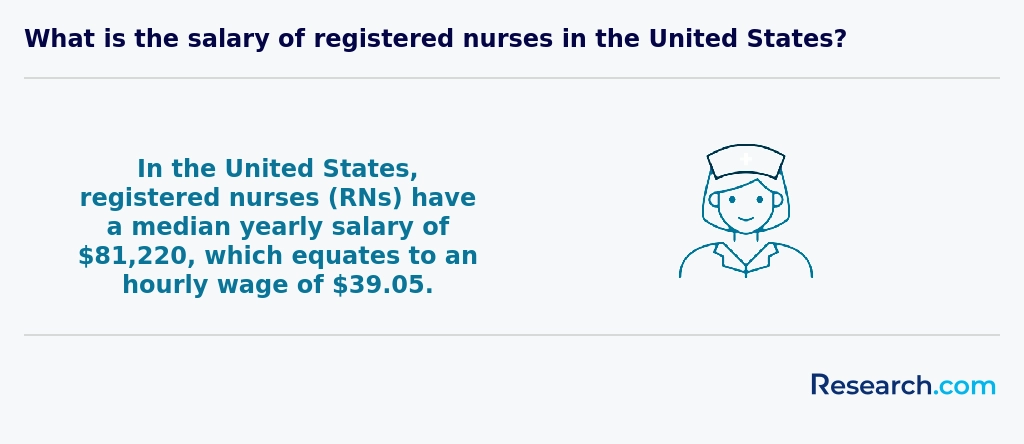
If you're thinking about where an online nursing education degree in America can take you, there are plenty of exciting career paths to consider. Many grads start as Registered Nurses (RNs), which is a solid jumpstart-especially with median wages around $77,600 and jobs growing steadily. Others aim higher by earning a Bachelor of Science in Nursing (BSN) online to become Nurse Practitioners or Clinical Nurse Specialists, roles known for their fast growth and satisfying work, like many graduates from popular state schools have shared.
Healthcare is huge, so some grads find their passion in nursing informatics or healthcare administration, managing hospital systems and making a real impact behind the scenes. Then there are those who love teaching and choose to become Nurse Educators, helping train the next generation-something graduates from big-name colleges often mention as super rewarding. If you want a clear pathway, exploring programs like the easiest online RN to BSN program is a great step.
Overall, nursing degree job opportunities in America are diverse, so whether you want hands-on care or leadership roles, there's space for you to thrive.
What is the job market for online nursing education degree in America?
The job market for those with online nursing education degrees in America is pretty solid right now, and things look like they'll keep improving. Graduates from popular colleges often share how landing roles teaching at universities or training hospital staff feels rewarding and stable. Many find themselves working at well-known institutions or public health departments where their expertise is truly valued. Plus, the demand for nursing faculty is growing, partly because schools struggle to fill open positions as experienced educators retire.
If you're exploring online nursing jobs in USA, the flexibility of earning your degree remotely means you can work while you study, which a lot of current students appreciate. Some even take advantage of pathways like the RN to NP programs offered at major universities to boost their career prospects.
The salary outlook is competitive and worth the investment, especially with tuition ranging widely but offering good returns in the long run. Graduates often report feeling excited about the variety of places they can work-from colleges and healthcare education companies to nurse associations-making this a promising field for many.
Frequently Asked Questions About nursing education
Online nursing education students in America can maximize their learning by actively engaging with course materials and instructors. According to the American Association of Colleges of Nursing (AACN), interactive participation improves knowledge retention and skill development. Students should establish a dedicated study schedule to balance online coursework with clinical practice, as hands-on experience remains essential.
Utilizing university resources such as virtual libraries, tutoring services, and discussion forums supports deeper understanding. Networking with peers through online study groups fosters collaboration and motivation.
Finally, staying current with NCLEX-RN pass rate statistics helps students set realistic goals; in 2023, the national average pass rate was about 86% (National Council of State Boards of Nursing). This data can guide study focus and preparation strategies.
The nursing education field in America is evolving with emerging niches that reflect changes in healthcare demands and technology. One significant growth area is **telehealth nursing education**, which prepares nurses for remote patient care, an essential skill after its rapid expansion during the COVID-19 pandemic. According to the National Institutes of Health, telehealth usage among nurses increased by over 50% since 2020.
Another promising niche is **geriatric nursing education**, addressing the needs of the aging US population. The US Census Bureau projects that by 2030, one in five Americans will be over 65, driving demand for specialized eldercare training.
Additionally, **nursing informatics education** is gaining traction, combining nursing science with data management to improve patient outcomes. The Healthcare Information and Management Systems Society reports that nursing informatics roles are expected to grow by 24% through 2029.
These niches enhance online nursing education programs by offering focused curricula that prepare students for future healthcare challenges.
After completing an online nursing education degree in America, preparing for the job market requires strategic steps. First, acquiring certification such as the NCLEX-RN is essential for Registered Nurses; passing rates typically exceed 85%, according to the National Council of State Boards of Nursing (NCSBN).
Next, building clinical experience through internships or externships enhances employability. Many online programs integrate virtual simulations, but hands-on experience remains critical.
Networking is vital: joining professional bodies like the American Nurses Association (ANA) can provide job leads and mentorship.
Finally, tailoring resumes to highlight both online learning and practical skills helps graduates navigate a competitive market effectively.
Employers hiring graduates with online nursing education degrees in America prioritize a mix of clinical competence and interpersonal skills. Critical thinking and strong communication abilities are essential, as nurses must effectively collaborate with healthcare teams and educate patients. According to the American Association of Colleges of Nursing (AACN), nearly 75% of nursing employers emphasize leadership skills, including decision-making and adaptability in dynamic healthcare environments.
Technical proficiency with electronic health records (EHR) and familiarity with telehealth technologies are increasingly sought after due to rapid digitalization. Additionally, cultural competence and empathy rank highly, reflecting the diverse patient populations nurses serve. These skills help graduates meet the evolving demands in the US healthcare system efficiently and compassionately.
Finding internships relevant to a nursing education degree in America often begins with your educational institution. Many accredited online nursing programs have partnerships with local hospitals, clinics, and healthcare organizations that offer clinical placements. According to the American Association of Colleges of Nursing (AACN), these affiliations are essential for hands-on training required by nursing education standards.
Additionally, students can explore opportunities through state nursing boards or professional associations like the National Student Nurses' Association (NSNA). These organizations frequently list internship openings tailored for nursing students nationwide.
Networking events, healthcare job fairs, and online platforms like Indeed or Handshake can also be valuable resources for internship searches.
It is recommended to start the search early, as many competitive nursing internships fill quickly and require proof of enrollment in an accredited program.
Obtaining an online nursing education degree in America significantly enhances career mobility and advancement opportunities. According to the Bureau of Labor Statistics, nurses with a Bachelor of Science in Nursing (BSN) or higher often receive preference for leadership roles and specialized clinical positions.
Online programs offer flexibility, enabling working nurses to continue education without interrupting their careers. This accessibility supports advancement into roles such as nurse managers, educators, or advanced practitioners.
Graduates from accredited online nursing programs meet the same licensing requirements as traditional students, ensuring their qualifications are recognized nationwide.
Research by the American Association of Colleges of Nursing shows that 65% of healthcare employers prioritize hiring nurses with bachelor's or higher degrees, highlighting the value of advanced education for career growth.
Studying for a nursing education degree in America equips students with the skills to collaborate across healthcare disciplines. Programs often integrate training on communication, leadership, and teaching methods that prepare nurses to work with physicians, therapists, and social workers.
According to the American Association of Colleges of Nursing, over 70% of nursing education curricula include interdisciplinary teamwork components, ensuring graduates can coordinate care effectively.
Online nursing education degrees maintain these standards by offering interactive simulations and group projects focused on real-world healthcare scenarios. This approach fosters the ability to manage complex patient needs alongside diverse healthcare professionals.
Choosing between a thesis and a non-thesis nursing education degree program in America depends largely on your career goals and learning preferences. Thesis programs usually require original research, preparing students for roles in academia or advanced clinical practice. According to the American Association of Colleges of Nursing (AACN), about 40% of nursing master's graduates opt for thesis options to strengthen research skills.
Non-thesis tracks tend to focus on coursework and practical skills, ideal for those seeking direct entry into administrative or teaching positions. These programs may also be shorter and less demanding in terms of time commitment. Both options are widely available online through accredited institutions recognized by entities like the Commission on Collegiate Nursing Education (CCNE).
Students based in America who wish to study nursing education abroad have several options through partnerships between U.S. institutions and international universities. Many accredited U.S. nursing programs offer study-abroad or exchange opportunities, enabling students to gain global perspectives while earning credits toward their degrees. According to the American Association of Colleges of Nursing (AACN), approximately 15% of nursing programs include international experiences integrated into their curricula.
Online nursing education also allows American students to enroll in foreign programs, but licensing and accreditation must be carefully considered. The Commission on Collegiate Nursing Education (CCNE) does not accredit overseas institutions, so students should confirm if foreign credentials will be accepted by U.S. licensure boards. Additionally, some American universities partner with global campuses, providing hybrid models combining online and in-person study abroad components.
Part-time jobs that complement nursing education degrees in America often provide practical experience and flexible scheduling. Common roles include Certified Nursing Assistant (CNA), medical scribe, and patient care technician positions. These jobs offer hands-on patient interaction, which enhances clinical skills useful for nursing students.
According to the U.S. Bureau of Labor Statistics, CNAs earn a median hourly wage of about $15.50, making this a viable option while studying. Medical scribes, who assist healthcare providers with documentation, help students understand medical terminology and workflow.
Many nursing students also find part-time roles in telehealth support and healthcare administration, which align with growing trends in remote care delivery.
Online nursing education students in America benefit from various networking opportunities designed to connect them with peers, faculty, and professionals. Many accredited programs offer virtual discussion forums, group projects, and live webinars that foster collaboration and skill-sharing. According to the American Association of Colleges of Nursing (AACN), about 65% of nursing schools incorporate interactive online platforms to enhance student engagement.
Additionally, students can join national organizations like the National Student Nurses' Association (NSNA), which provides virtual events, leadership training, and mentorship options. These networks are critical, as studies show that strong professional connections can improve job placement rates after graduation. Clinical placements and local nursing groups further expand networking possibilities, bridging online learning with real-world experience.
Alumni networks provide essential support for students enrolled in online nursing education degree programs in America. These networks connect current students with graduates who have successfully navigated the nursing profession, offering practical advice and mentorship.
Many online nursing programs encourage active alumni engagement, which can lead to exclusive job opportunities and internships. According to the American Association of Colleges of Nursing, nearly 85% of nursing graduates find employment through connections made during or after their educational experience.
Additionally, alumni groups often host webinars and workshops that keep students updated on industry trends and continuing education requirements, which is crucial in nursing where regulations and best practices constantly evolve.
Through these networks, students gain a sense of community and professional identity despite the remote nature of their studies.
Customizing an online nursing education degree program in America begins with choosing the right specialization aligned with your career goals. Many programs offer tracks such as nurse educator, clinical nurse leader, or nurse administrator. According to the American Association of Colleges of Nursing (AACN), over 70% of online BSN and MSN programs provide elective courses allowing students to tailor their studies.
Students can also select practicum or clinical placements in settings that match their interests, such as hospitals, community health, or educational institutions. Flexible scheduling options and part-time enrollment further help accommodate work and personal commitments. This adaptability supports focused skill development to meet specific nursing roles and certifications you aim to achieve.
Online nursing education students in America often face several challenges unique to remote learning. One major difficulty is managing clinical practice requirements, which are essential for nursing licensure but can be hard to complete virtually. According to the American Association of Colleges of Nursing (2023), nearly 40% of students reported struggles finding local clinical placements.
Another challenge relates to technology access and digital literacy. Students from rural or low-income backgrounds may encounter unreliable internet connections or insufficient hardware, impacting their learning experience.
Additionally, balancing work, family, and study demands is especially common, with surveys indicating that over 60% of online nursing students work while enrolled. This juggling act can contribute to stress and course attrition.
With an online nursing education degree in the United States, graduates can pursue several professional certifications to advance their careers. One popular option is the Certified Nurse Educator (CNE) credential offered by the National League for Nursing, which validates expertise in nursing education. According to the National Board of Certification and Recertification for Nurse Anesthetists, other notable certifications include Certified Nurse Practitioner and Clinical Nurse Specialist certifications, which often require advanced clinical experience in addition to the degree.
For educators, the CNE certification can enhance employment opportunities in colleges and healthcare training programs. Statistics from the American Association of Colleges of Nursing show that as of 2023, over 60% of nursing faculty hold such credentials. Additionally, state-specific certifications may be required depending on where graduates plan to teach or practice. Staying informed about national and state licensing requirements ensures a smooth transition from graduate to certified professional.
To write a winning application for an online nursing education program in America, start by thoroughly researching accredited schools recognized by agencies like the Commission on Collegiate Nursing Education (CCNE). Accreditation ensures program quality and eligibility for federal aid. Highlight your relevant healthcare experience clearly, as many programs value practical backgrounds. Strong letters of recommendation from nursing supervisors or educators can significantly strengthen your application.
Pay close attention to your personal statement. Use it to explain your passion for nursing education, career goals, and how the program fits your objectives. According to the American Association of Colleges of Nursing (AACN), clear and focused essays improve admission chances.
Maintain a competitive GPA; many programs require a minimum of 3.0. Submit all transcripts and test scores promptly. Finally, proofread carefully to avoid errors that could undermine your professionalism.
The global demand for nursing professionals is rising, highlighting the value of nursing education careers worldwide. In the United States, online nursing education degrees offer flexibility and accessibility, making it easier to meet this demand. According to the American Association of Colleges of Nursing (AACN), enrollment in online nursing programs grew by over 6% in recent years, reflecting increased interest. Globally, nursing is recognized as a vital profession with diverse opportunities, though the U.S. emphasizes advanced education and certifications. American online nursing degrees align with international standards, allowing graduates to contribute to healthcare systems worldwide.
Gaining practical experience is essential when pursuing an online nursing education degree in America. Most accredited programs require students to complete clinical hours in healthcare settings such as hospitals, clinics, or community centers. These placements are often arranged locally by the school, allowing students to apply theoretical knowledge in real-world environments.
The American Association of Colleges of Nursing (AACN) reports that clinical practice is a vital component, with many programs mandating between 600 to 1,000 clinical hours. Some schools also offer simulations and virtual labs to supplement hands-on training, enhancing skill development remotely.
Additionally, students can seek internships or volunteer roles aligned with their studies to broaden their practical experience, which strengthens job prospects after graduation.
Choosing the right concentration within an online nursing education degree program in America involves evaluating your career goals and interests. Nursing education offers various specializations such as pediatric, geriatric, or psychiatric nursing, each preparing you for different patient populations and settings.
Consider job market trends; the U.S. Bureau of Labor Statistics projects a 9% growth in registered nurse employment through 2032, with increased demand in community and outpatient care. Accreditation is also critical-look for programs accredited by the Commission on Collegiate Nursing Education (CCNE) or the Accreditation Commission for Education in Nursing (ACEN).
Review the curriculum and clinical requirements of each concentration carefully. Some fields require additional certifications that can affect your timeline and costs. Additionally, think about personal strengths and preferred work environments to ensure the chosen focus aligns well with your professional aspirations.
Top Trending Nursing Education Rankings
References
- How to Choose a Nursing Program | All Nursing Schools https://www.allnursingschools.com/how-to-get-into-nursing-school/choose-the-right-school/
- 7 Things to Consider When Getting a Nursing Degree Online https://onlinedegrees.elmhurst.edu/blog/seven-things-consider-when-picking-online-nursing-program
- Nursing Programs | ACE https://ace.edu/degree-programs/nursing-degrees/
- Social Care Network for students and early career nurses - Council of Deans of Health https://www.councilofdeans.org.uk/social-care-network-for-students-and-early-career-nurses/
- Nursing Financial Aid https://nursinglicensemap.com/resources/nursing-financial-aid/
- How Long Is Nursing School in The USA? | Shiftmed Blog https://www.shiftmed.com/professionals/blog/how-long-is-nursing-school-in-the-usa/
- Emerging Trends in Global Nursing Education: The Shift Toward Baccalaureate Level Education - CGFNS International, Inc. https://www.cgfns.org/emerging-trends-in-global-nursing-education-the-shift-toward-baccalaureate-level-education/
- Interdisciplinary Education and Practice https://www.aacnnursing.org/news-data/position-statements-white-papers/interdisciplinary-education-and-practice
- Online Bachelor of Science in Nursing https://an.edu/programs/bachelors-degrees/online-bachelor-of-science-in-nursing/
- Real-World Experience in Nursing Education - CNI College https://cnicollege.edu/blog/nursing/real-world-experience-nursing-education/


