
2027 Easiest Online Nursing Education Degree Programs Ranking in the Northeast

Co-Founder and Chief Data Scientist
Choosing the right nursing education degree program can feel overwhelming, especially in the Northeast where options abound. This article presents the 2027 Easiest Online Nursing Education Degree Programs Ranking in the Northeast, carefully compiled by the Research.com team of data scientists. It aims to guide you toward programs that balance quality and accessibility, helping you find the best fit for your goals.
By exploring this ranking, you'll gain valuable insights that make your decision easier and more confident. Pursuing a nursing degree offers rewarding career possibilities and personal growth, making your investment truly worthwhile.
Key benefits of getting online nursing education degree in the Northeast
- Graduates with a nursing education degree in the Northeast can expect competitive salaries, often ranging from $70,000 to $90,000 annually, reflecting rewarding financial prospects in teaching and clinical education roles.
- Career paths include becoming nurse educators, clinical instructors, or curriculum developers, as seen in graduates from schools like the University of Pennsylvania, offering diverse and fulfilling opportunities within healthcare education.
- Online nursing education degrees from institutions such as Northeastern University provide flexible schedules and the ability to balance work and study, making it easier to advance your career without sacrificing personal commitments.
What can I expect from online nursing education degree in the Northeast?
The average cost of online nursing education degrees in the Northeast typically ranges from $8,000 to $20,000 annually, reflecting a broad spectrum influenced by institution type and degree level. Graduates from well-known universities, such as those frequently chosen in New York or Massachusetts, often recall balancing tuition with the value of flexible schedules and strong faculty support, making each dollar feel like a worthwhile investment in their future.
Many students find that public universities offer considerably lower tuition, especially for in-state learners, while private colleges, though often pricier, provide specialized programs that align with career goals, such as nurse practitioner tracks or nurse educator certifications. This financial diversity allows prospective nurses to tailor their education based on both budget and ambition.
One common thread among graduates is the excitement and relief in accessing rigorous, accredited programs that blend online study with clinical placements in local healthcare facilities. The cost, while significant, often feels justified by the high NCLEX-RN pass rates and robust academic support sustainably offered by these Northeast institutions, proving that quality online nursing education need not be out of reach.
Where can I work with online nursing education degree in the Northeast?
Graduates with an online nursing education degree from renowned institutions like those in New York or Massachusetts often discover their career options stretch beyond traditional classroom teaching. Many find themselves thriving as nursing educators in community colleges, where they shape the next generation of nurses by blending real-world experience with academic rigor.
Others pursue dynamic roles within major hospital systems in cities such as Boston or Philadelphia, where they develop clinical training programs and mentor staff, directly impacting patient care quality. One graduate shared how her role in a hospital education department became a deeply rewarding challenge, balancing the fast-paced healthcare environment with the responsibility of staff development.
State health departments in New Jersey and Connecticut also attract nursing educators to lead public health initiatives, offering a unique chance to influence community wellness on a broader scale. Meanwhile, the growing eldercare sector in the Northeast opens doors in nursing homes and rehabilitation centers, where educators enhance staff skills to meet the needs of an aging population.
These varied paths demonstrate that an online nursing education degree in the Northeast isn't just about teaching-it's about becoming a vital force in healthcare transformation at multiple levels.
How much can I make with online nursing education degree in the Northeast?
Graduates with an online nursing education degree in the Northeast can anticipate competitive salaries that reflect the region's strong healthcare and academic institutions. For example, many registered nurses transition into nurse educator roles earning between $75,000 and $100,000 annually, particularly those affiliated with esteemed universities or urban medical centers. Some graduates from well-known nursing programs in Massachusetts or New York share how their advanced degrees unlocked opportunities for educator positions commanding salaries near or above $90,000.
Imagine a graduate from a leading Northeastern college who, after completing an online Master's in nursing education, secures a faculty position at a prestigious university. Their salary not only supports their lifestyle but also reflects the demand for qualified educators in this bustling region.
Despite the flexibility of online degrees, graduates report earning similarly to those from traditional programs-demonstrating that the Northeast prioritizes skills and credentials over delivery format. This dynamic amplifies the appeal of pursuing an online nursing education degree within this region, where salary prospects encourage growth and sustained professional satisfaction.
- Key benefits of getting online nursing education degree in the Northeast
- What can I expect from online nursing education degree in the Northeast?
- Where can I work with online nursing education degree in the Northeast?
- How much can I make with online nursing education degree in the Northeast?
- How do we rank schools?
- 2027 Easiest Online Nursing Education Degree Programs Ranking in the Northeast
- What online nursing education degree graduates have to say
- Key Findings
- How long does it take to complete online nursing education degree in the Northeast?
- What's the difference between online and on-campus nursing education degree?
- What is the average cost of online nursing education degree in the Northeast?
- What financial aid is available to online nursing education degree students in the Northeast?
- What are the prerequisites for enrolling in online nursing education degree program in the Northeast?
- What courses are typically in online nursing education degree programs in the Northeast?
- What types of specializations are available in online nursing education degree programs in the Northeast?
- How do you choose the best online nursing education degree in the Northeast?
- What career paths are available for online nursing education degree students in the Northeast?
- What is the job market for online nursing education degree in the Northeast?
- Frequently Asked Questions About nursing education
- Top Trending Nursing Education Rankings
How do we rank schools?
Investing in your education is a significant decision that can impact your career and personal growth, and the Research.com team fully recognizes the importance of making well-informed choices. To support prospective nursing students in the Northeast, we have carefully developed the "2027 Easiest Online Nursing Education Degree Programs Ranking." Our dedication to quality, credibility, and precision is evident in the thorough research and analysis conducted to create this ranking.
We utilized the following reputable data sources to ensure a comprehensive evaluation of online nursing programs:
By reviewing this ranking, readers will obtain valuable insights into accessible and high-quality online nursing education options in the Northeast, empowering them to choose a program that best fits their needs. For more information on how we compiled this ranking, please visit our Research.com methodology page.
2027 Easiest Online Nursing Education Degree Programs Ranking in the Northeast
# 1 position

Indiana University of Pennsylvania offers a Master's program focused on Nursing and Healthcare lasting 24 months. The program has an open admission policy with a 91% acceptance rate and a graduation rate of 56%. With an average total cost of $20,232, it supports 100% of its students with financial aid. The online enrollment includes 4,708 students, reflecting its accessibility and strong online presence.
# 2 position
Utica University
Master
Utica University offers a Master's program focused on Nursing and Healthcare with a 36-month duration. The program has an open admission policy, accepting 92% of applicants, and features a graduation rate of 56%. Most students, 99%, receive high levels of financial aid. The average total cost is $34,650. The program supports a significant online community with 3,040 students enrolled remotely.
# 3 position
Sacred Heart University
Master
Sacred Heart University offers a 24-month Master program focused on Nursing and Healthcare. The program has a less selective acceptance rate of 65%, making it accessible to many applicants. It has a graduation rate of 73% and enrolls 1,145 online students. The average total cost is $26,910, with 100% of students receiving high levels of financial aid to support their studies.
# 4 position

The State University of New York Polytechnic Institute offers a Master's program focused on Nursing and Healthcare, designed to be completed in 24 months. The program has an open admission policy with an acceptance rate of 81%, providing high levels of financial aid to 100% of its students. The average total cost is $18,369, and the graduation rate is 55%. Currently, 702 students are enrolled in the online format.
# 5 position
Duquesne University
Master
Duquesne University offers a 24-month Master's program focused on Nursing and Healthcare with a graduation rate of 77%. The program has an open admission policy, accepting 84% of applicants. It supports high financial aid levels, with 100% of students receiving aid. The average total cost is $58,860. The program enrolls 561 online students, providing flexible access to advanced education in this field.
# 6 position
Drexel University
Master
Drexel University offers a Master's program focused on Education with an open admission rate of 79%, making it accessible to many applicants. The program boasts a graduation rate of 78%, reflecting solid student success. About 5,000 students are enrolled online, and the average total cost is $43,636. Financial aid is highly available, with 100% of students receiving support to help manage costs.
# 7 position
Empire State University
Master
Empire State University offers a Master's degree focused on Nursing and Healthcare, with a graduation rate of 41%. The program serves 8,481 online students, making it a popular choice for distance learners. The average total cost is $16,956, and a high 93% of students receive financial aid, ensuring strong support for those enrolled.
# 8 position
Robert Morris University
Master
Robert Morris University offers a Master's program focused on Nursing and Healthcare with an open admission acceptance rate of 90%. The program spans 24 months and has a graduation rate of 66%. With an average total cost of $23,865, 92% of students benefit from high levels of financial aid. Currently, 578 students are enrolled online, making it accessible for remote learners.
# 9 position

The University of Southern Maine offers a Master's program focused on Nursing and Healthcare. It has an open admission policy with an acceptance rate of 79%. Approximately 97% of students receive high levels of financial aid. The program's average total cost is $15,480. The graduation rate stands at 40%. There are about 3,900 online students currently enrolled in the program.
# 10 position
Mercy University
Master
Mercy University offers a Master's degree focused on Nursing and Healthcare with a high acceptance rate of 86%, reflecting an open admission policy. The average total cost of the program is $33,948. Nearly all students, 99%, receive financial aid, indicating a high level of support. The graduation rate stands at 46%, and the university currently enrolls 2,057 online students in this program.
What online nursing education degree graduates have to say
- Studying nursing education online at Northeastern University allowed me to balance work and family effortlessly. The interactive courses and experienced faculty made learning engaging and practical. I truly felt supported throughout my journey. I'm proud to be a graduate ready to make a difference in healthcare. - Emily
- The University of Vermont's online nursing program offered rigorous academics combined with flexible scheduling. This perfect blend helped me advance my career without sacrificing personal time. The sense of community among students was surprisingly strong, driving me to excel every day. I highly recommend this program for driven professionals. - James
- Johns Hopkins' online nursing education degree exceeded all my expectations. The curriculum was cutting-edge, preparing me for real-world challenges with confidence. The virtual labs and peer discussions brought the campus experience right to my home in the Northeast. It was empowering, inspiring, and truly transformative. - Sophia
Key Findings
- The Northeast offers many accredited universities with fully online or hybrid nursing education programs for flexible learning.
- Tuition costs for nursing education degrees range from $15,000 to $30,000, with public in-state rates generally lower than private school fees.
- Starting salaries for nursing education graduates in the Northeast range between $60,000 and $75,000, with experienced educators earning over $90,000 annually.
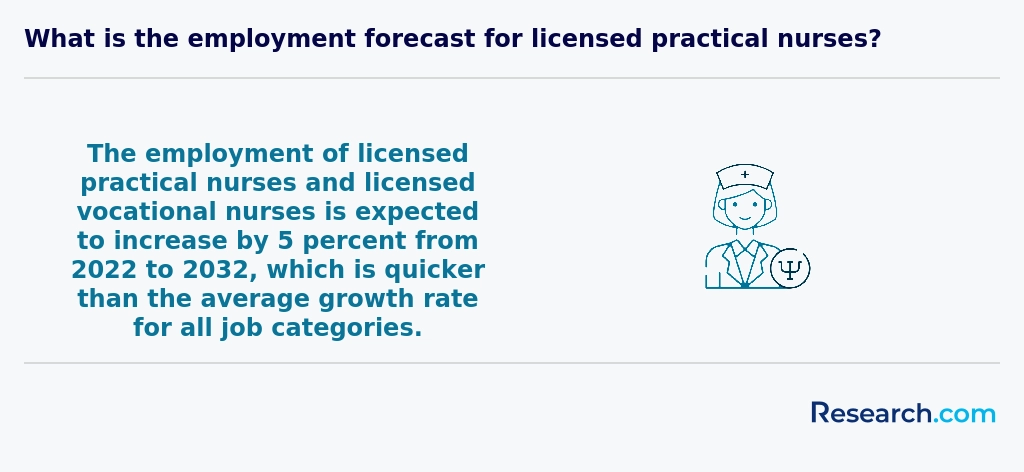
- The job market for nursing educators is growing faster than average due to increasing demand and expanded nursing program enrollments.
- Many programs require clinical practicums near healthcare facilities, even for online students, and accreditation from CCNE or ACEN is important for program recognition.
How long does it take to complete online nursing education degree in the Northeast?
Online nursing education degrees in the Northeast challenge the notion that longer always means better. Graduates from accelerated BSN programs at the University of Massachusetts marvel at how they balanced demanding coursework with full-time jobs, finishing in just 12 to 18 months-far quicker than the traditional 3 to 4 years.
Others, attending flexible ADN programs in Massachusetts or New York, appreciate the option to stretch their studies over 4 years part-time, allowing them to juggle family and work without losing momentum. These varied timelines reveal how individual circumstances reshape the typical nursing education journey.
Meanwhile, MSN candidates at institutions like the University of Connecticut find that 1.5 to 3 years can be tailored to fit their life rhythms, whether focusing on nurse educator roles or advanced practice specialties.
Even DNP students embracing part-time formats at Villanova relish the 3 to 4 year pace that respects their professional commitments yet propels their ambitions forward.
These graduates' stories illuminate that in the Northeast, completing an online nursing degree isn't confined to a single timeframe-it's a personalized path fuelled by determination and adaptable program structures.
What's the difference between online and on-campus nursing education degree?
Graduates from prominent Northeast institutions often describe online nursing programs as a lifeline that fits demanding lives. Imagine a working parent enrolled through a well-known university's online program, attending lectures during late hours after kids are asleep, savoring the freedom to learn where and when suits them. In contrast, on-campus peers at the same school cherish the energizing hum of buzzing hallways and live lab sessions, where immediate faculty feedback sparks confidence.
Clinical hours, a cornerstone for all, anchor both experiences locally. Online students appreciate how their programs arrange nearby placements, allowing them to test skills in familiar hospitals without uprooting their lives. Yet, the on-campus environment offers spontaneous peer support walking between classes, something digital platforms strive to replicate but rarely replace.
Cost also matters; while tuition at Northeastern universities remains similar regardless of delivery, online learners breathe easier skipping hefty commuting and housing fees. This trade-off between in-person connection and flexible convenience nudges students to reflect deeply on what truly matters in their journey to becoming nurses.
What is the average cost of online nursing education degree in the Northeast?
The average cost of an online nursing education degree in the Northeast typically centers around $26,910, reflecting the region's blend of public and private institutions and their varying tuition structures. Graduates of popular nursing programs at universities in states like New York and Massachusetts often note the challenge of balancing tuition costs with the substantial benefits of their education, especially when out-of-state tuition hikes push total expenses closer to $22,035 or higher.
For many students, the question isn't just about the number but the return on investment-graduates frequently describe how the flexible online format allowed them to manage work and study simultaneously, easing the financial burden. The average cost of online nursing degree Northeast programs is influenced by factors like residency status, program length, and additional fees, yet these graduates emphasize the empowerment gained through accessible education, which far outweighs the sticker price.
Students often recall navigating fees beyond tuition, such as textbooks and exam costs, but financial aid and employer reimbursement programs remain significant allies. This financial support makes it feasible to pursue degrees at well-regarded nursing schools across the Northeast, with greater confidence. More advanced pathways, like online PhD in nursing programs, also contribute to shaping this evolving financial landscape, inviting ongoing evaluation of investment versus career growth.

What financial aid is available to online nursing education degree students in the Northeast?
Financial aid for online nursing education degrees in the Northeast often feels like a maze, yet it's a lifeline many graduates vividly recall. Federal aid, accessed through FAFSA, opens doors with Pell Grants that can cover up to $7,395 annually-a sum that transformed the journey for many studying at institutions like Northeastern University or Boston College. These grants don't require repayment, making them a beacon of hope for balancing tuition costs ranging from $7,000 to $20,000.
Loans, while carrying weighty responsibilities, offer crucial support too. Graduates often highlight how subsidized federal loans made courses manageable, unlike private loans that can become overwhelming burden. Beyond federal sources, state-specific aid plays a surprising role. Scholarships such as New York's Nursing Incentive Scholarship, providing up to $5,000 for those willing to serve underserved areas, reflect a commitment to community that resonates deeply with local students.
Many share heartfelt stories of employer tuition assistance programs, especially among healthcare workers advancing careers at places like the University of Pennsylvania's online nursing programs. Veterans cherish the GI Bill's support, fueling ambitions without the shadow of debt. Ultimately, these multifaceted aids aren't just funds but affirmations of possibility in the demanding, rewarding path of nursing education.
What are the prerequisites for enrolling in online nursing education degree program in the Northeast?
Meeting the prerequisites for an online nursing education degree in the Northeast demands more than just paperwork-it's about readiness to embrace a challenging yet rewarding journey. Graduates from well-known institutions like those in Boston or New York often reflect on how holding an active RN license was their first critical step, confirming their practical foundation before advancing academically. This isn't merely bureaucratic; it ensures students arrive equipped to deepen their clinical knowledge immediately.
Academically, maintaining a GPA near 3.0 signals commitment and capability, a threshold many successful candidates recall as a motivating benchmark rather than a barrier. For example, those entering MSN programs at prestigious Northeastern colleges often share how prior degrees or relevant coursework became milestones that shaped their confidence, preparing them for the rigorous curriculum.
Beyond grades, personal statements and letters of recommendation bring authenticity to applications, offering glimpses into applicants' dedication and long-term vision. Many graduates emphasize the positive challenge of articulating their goals, which helped them connect with faculty even before starting classes.
Technical readiness is equally vital. Students describe feeling empowered when mastering online platforms and technology early on-an experience echoing across campuses from Providence to Philadelphia. While the upfront investment in tuition and materials in the Northeast may feel daunting, flexible payment options and scholarships available at local institutions become essential lifelines, fostering hope and determination.
What courses are typically in online nursing education degree programs in the Northeast?
Online nursing education degrees in the Northeast often challenge students to engage deeply with courses that go beyond traditional nursing skills. Graduates from well-known regional universities report that advanced classes such as Advanced Physiology and Pathophysiology transform their understanding of the human body, enabling them to anticipate patient needs more effectively when mentoring others.
Rather than just focusing on direct care, students find courses like Curriculum Development in Nursing Education and Instructional Strategies for Nursing crucial in preparing them to become thoughtful educators who can tailor lesson plans to diverse learners. For example, learners at a top Massachusetts college share how these courses helped them confidently design virtual simulations that replicate real clinical settings.
Other classes such as Healthcare Ethics and Research Methods and Evidence-Based Practice invite students to grapple with complex moral dilemmas and the latest clinical research, adding layers of critical thinking that future nurse educators in New York and Pennsylvania find incredibly empowering.
These courses are not merely academic requirements; they shape professionals who embrace leadership and adaptability within the dynamic healthcare landscape of the Northeast.
What types of specializations are available in online nursing education degree programs in the Northeast?
Online nursing education degrees in the Northeast defy the one-size-fits-all mindset by offering a spectrum of specializations tailored to real-world demands. Graduates from well-regarded institutions often describe how focusing on areas like Family Nurse Practitioner (FNP) or Psychiatric Mental Health Nurse Practitioner (PMHNP) transformed their outlook and boosted their confidence in providing specialized care. The emphasis on nursing degree focus areas Northeast unlocks opportunities to serve diverse populations, whether managing chronic conditions or addressing mental health crises endemic to urban centers.
Many students appreciate how Acute Care Nurse Practitioner (ACNP) programs, especially at prominent colleges, prepare them for intense hospital environments with complex cases, fostering a sense of readiness that surpasses traditional classroom learning. Meanwhile, nursing education specializations empower experienced nurses to bridge the critical faculty shortage, inspiring new educators who shape future personnel. Prospective students keen to explore these tailored paths should consider nursing programs online for competitive costs and flexible access across the Northeast.
How do you choose the best online nursing education degree in the Northeast?
Choosing the best online nursing education degree in the Northeast requires looking beyond surface perks like brand names or flashy websites. Graduates from respected institutions in this region often emphasize the critical role of program accreditation-whether through the Commission on Collegiate Nursing Education (CCNE) or the Accreditation Commission for Education in Nursing (ACEN)-as their well-founded confidence stemmed from knowing their credentials hold industry weight. But accreditation alone isn't enough; affordability plays a decisive role. Many students reflect on balancing tuition costs against hidden fees and clinical placement expenses, making an affordable nursing degree Northeast a top priority without compromising quality.
Flexibility also shapes real student experiences. Whether juggling family commitments or working shifts in healthcare settings, asynchronous learning and hybrid programs with local clinical support allow for success without burnout. For instance, graduates share how programs with established healthcare facility partnerships in the Northeast turned the daunting clinical hours into opportunities for meaningful local networking. Assessing licensing exam pass rates and exploring career services prevents one from falling into the trap of programs promising much with little proven outcome. For comparative insights, students often refer to Capella university vs WGU RN to BSN to weigh their options carefully.

What career paths are available for online nursing education degree students in the Northeast?
Graduates with an online nursing education degree in the Northeast often unlock a spectrum of career options far beyond bedside nursing. For instance, many become Registered Nurses (RNs), a path supported by programs at prominent institutions where students feel empowered by supportive faculty and real-world clinical preparations. These graduates find themselves well-equipped for fast-paced hospital settings in Massachusetts or New York, earning salaries that reflect the region's high demand.
Others pursue advanced roles like Advanced Practice Registered Nurse (APRN), which require further study but start with that solid nursing foundation. Community health nursing also emerges as a rewarding option, especially with the growth of outpatient centers and home health services across the Northeast. Here, graduates actively engage in preventive care and education, impacting entire communities-something noted often by those studying at regional colleges.
For those intrigued by education itself, teaching the next generation of nurses is a natural extension. Institutions in the Northeast foster environments where nurse educators thrive, blending clinical expertise with meaningful mentorship. Students curious about career advancement often explore the easiest online RN to BSN program as a stepping stone toward these diverse nursing education jobs Northeast region.
What is the job market for online nursing education degree in the Northeast?
The job market for graduates holding online nursing education degrees in the Northeast is far from stagnant; it thrives amid evolving healthcare demands and institutional growth. For instance, graduates from well-regarded nursing programs at universities like those in Massachusetts often describe feeling confident stepping into roles such as nurse educators or clinical instructors because of high demand and flexible learning pathways. This region values advanced degrees offered online, which accommodate busy schedules without compromising rigorous training.
Those pursuing nursing degree employment opportunities Northeast often encounter competitive salaries and diverse job roles tied to community colleges and hospitals that emphasize workforce retention initiatives. Graduates find themselves equipped not only for traditional teaching but also for curriculum development and program coordination-roles critical to sustaining the future nursing workforce. Many who complete online education celebrate how institutions, especially amid the rise of remote instruction, now actively embrace this format, expanding access and opening doors beyond conventional hiring norms.
For students still deciding, exploring online associate nursing programs acts as a strategic first step to tapping into these growing opportunities. Embracing the evolving landscape offers a sense of purpose and belonging in a sector urgently needing dedicated educators and innovators.
Frequently Asked Questions About nursing education
Students pursuing online nursing education degrees in the Northeast can enhance their learning by actively engaging with clinical placements required by state nursing boards. Many programs in this region, such as those accredited by the New England Association of Schools and Colleges, mandate hands-on experience that complements online coursework.
Utilizing regional nursing associations and online study groups can provide peer support and professional networking opportunities. According to the National League for Nursing, students who participate in collaborative learning tend to perform better in clinical and theoretical assessments.
Additionally, taking advantage of virtual simulation tools, which have grown by 30% usage in Northeast nursing programs since 2020, can improve practical skills and critical thinking. Staying organized with a dedicated study schedule aligned with program requirements also supports academic success.
Emerging niches within nursing education reflect evolving healthcare demands and technological advances, especially in the Northeast. One growing area is gerontological nursing education, driven by the region's aging population. According to the National Center for Education Statistics, programs in states like New York and Massachusetts have expanded to address eldercare complexities.
Another niche is nursing informatics, combining healthcare with data management skills. The demand for certified informatics nurses rose by 15% in the Northeast from 2019 to 2023, per the Healthcare Information and Management Systems Society.
Also notable is the growth of population health nursing, focusing on community-based care models. Universities are integrating telehealth education to prepare nurses for remote patient management.
After completing an online nursing education degree in the Northeast, preparing for the job market involves several key steps. First, obtaining state licensure is essential; each Northeastern state has specific requirements overseen by its Board of Nursing. Graduates should also consider gaining certification in specialized areas like pediatrics or gerontology to improve job prospects.
Networking plays a vital role. Joining local chapters of professional nursing organizations can open doors to job opportunities and mentorships. According to the New England Board of Higher Education, the regional demand for nurses is expected to grow by 15% through 2030.
Finally, seeking internships or clinical placements in nearby healthcare facilities helps build practical experience and strengthens resumes, making candidates more competitive in this evolving market.
Employers in the Northeast prioritize strong clinical competence when hiring nursing education degree graduates. This includes proficiency in patient care, assessment skills, and practical knowledge of healthcare technologies. According to the National Council of State Boards of Nursing, hospitals in this region seek nurses with sharp critical thinking and decision-making abilities to handle complex cases.
Communication skills are also vital, enabling nurses to effectively collaborate with healthcare teams and educate patients. Leadership qualities, particularly in teaching or mentoring roles, are increasingly valued because many Northeast healthcare facilities emphasize ongoing staff development.
Familiarity with regional healthcare regulations and electronic health record (EHR) systems is another important asset. The U.S. Bureau of Labor Statistics projects growth in nursing education roles by 9% through 2031 in states like New York and Massachusetts, highlighting a demand for these well-rounded professionals.
Finding internships in the Northeast relevant to a nursing education degree begins with utilizing resources from accredited institutions and healthcare facilities. Many nursing programs in the region partner with local hospitals and clinics to offer clinical placements. The Northeast includes states like New York, Massachusetts, and New Jersey, which host top medical centers actively seeking nursing interns.
Students should consult their online nursing program's career services, which often maintain updated internship listings. Websites such as the Massachusetts Nursing Association and New York State Department of Health provide resources and contacts for clinical opportunities. Networking through professional organizations like the American Nurses Association can also open doors.
According to the National Council of State Boards of Nursing, internship availability in the Northeast has grown by 12% over recent years, reflecting increased demand for nursing education professionals.
An online nursing education degree in the Northeast significantly enhances career mobility by offering flexible learning tailored to working professionals. According to the New England Board of Higher Education, many employers in this region value online degrees from accredited institutions, which align with state nursing board standards.
Advanced degrees, such as a Master of Science in Nursing Education, are linked to greater opportunities for leadership roles in hospitals and academic settings. The Bureau of Labor Statistics reports that nursing educators in the Northeast earn a median annual wage approximately 12% higher than the national average, reflecting demand for advanced credentials.
Graduates often find easier access to promotions and specialty certifications, supported by many Northeastern states' initiatives to expand nursing education pathways. Thus, an online degree can serve as a strategic step for nurses seeking advancement without geographic relocation.
Studying for a nursing education degree in the Northeast equips students with skills essential for interdisciplinary healthcare roles. Northeast programs often emphasize collaboration across nursing, medicine, social work, and public health, reflecting integrated care models common in the region. For example, institutions align curricula with recommendations from the American Association of Colleges of Nursing, which stresses teamwork and communication.
Many Northeastern schools incorporate case studies and simulations involving diverse health professionals, preparing graduates to navigate complex clinical environments. According to the National League for Nursing, this region shows above-average adoption of interdisciplinary practices in nursing education.
This integrated training supports graduates in leadership, education, and clinical coordination positions within healthcare teams.
Choosing between a thesis and a non-thesis nursing education degree program in the Northeast depends on your career goals and learning preferences. Thesis programs emphasize research, ideal for students aiming for doctoral studies or research roles.
Non-thesis programs focus on practical skills and coursework, often preferred by those seeking leadership or clinical educator roles. According to the Northeast Regional Nursing Education Consortium, about 60% of online nursing master's students in this region opt for non-thesis tracks to expedite graduation and enter the workforce faster.
Consider your learning style, time commitment, and future plans when making this decision.
Students based in the Northeast interested in studying nursing education abroad often explore online programs with international partnerships. Many US institutions collaborate with universities overseas, allowing students to complete coursework remotely while engaging in limited in-person clinical experiences abroad.
The New England region, known for its strong nursing schools, encourages partnerships to enhance global nursing competency. According to the National League for Nursing, over 60% of Northeast nursing programs offer international study options within their curricula, often via virtual exchanges or study abroad opportunities during summer terms.
However, fully online nursing degrees with abroad clinical placements remain limited due to licensure and accreditation rules. Prospective students should verify each program's ability to meet state board requirements before enrolling.
In the Northeast, several part-time job opportunities can complement nursing education degree programs, especially for students enrolled in online formats. Clinical assistant roles in hospitals and community health centers allow students to apply theoretical knowledge in real-world settings. According to the Bureau of Labor Statistics, the healthcare sector in the Northeast is expected to grow by 14% between 2022 and 2032, increasing demand for such positions.
Additionally, tutoring or mentoring nursing students can enhance leadership skills while providing flexible hours. Local nursing homes and outpatient clinics also frequently offer part-time positions, useful for gaining patient care experience alongside studies. These opportunities help strengthen resumes and clinical understanding.
Online nursing education students in the Northeast benefit from various networking opportunities despite the virtual setting. Professional organizations such as the New England Nursing Education Consortium actively engage students through virtual events, conferences, and workshops tailored to this region. According to the American Association of Colleges of Nursing (2023), over 70% of Northeastern nursing schools offer membership or access to local chapters of national nursing groups, fostering connections among students and faculty.
Additionally, many schools collaborate with local healthcare facilities, enabling students to participate in clinical rotations and internships. Virtual alumni networks and dedicated online forums further enhance peer-to-peer and mentor-mentee interactions, critical for career growth in nursing education.
Alumni networks play a crucial role for online nursing education degree students in the Northeast by offering lasting professional connections. These networks help students gain insights into local healthcare job markets and internship opportunities, which is vital as the region hosts numerous leading medical centers.
According to the American Association of Colleges of Nursing, over 60% of nursing graduates find employment through networking contacts. Alumni from Northeast institutions often provide mentorship, helping current students navigate licensure and resume building tailored to state requirements. Participation in regional alumni events fosters collaboration and knowledge sharing, which can improve graduates' career prospects.
Moreover, many Northeast nursing programs facilitate online alumni groups, enabling flexible engagement for distance learners. This access can be especially beneficial during the formative early career years, bridging classroom learning and real-world nursing challenges.
Customizing an online nursing education degree program in the Northeast allows students to tailor their studies toward specific career goals. Many accredited programs offer elective courses in areas such as pediatric nursing, gerontology, or nurse leadership. Choosing specializations aligned with your interests can help you build expertise in high-demand fields.
Additionally, some schools provide flexible pacing options, including part-time study and accelerated tracks, to accommodate working professionals. Clinical placement opportunities within the Northeast region enable practical experience in local healthcare settings.
According to the Massachusetts Board of Registration in Nursing, specialized certifications significantly improve job prospects and salaries in the region.
Online nursing education students in the Northeast often face several challenges related to balancing rigorous coursework with personal and professional responsibilities. According to a 2023 report by the National League for Nursing, about 45% of nursing students juggle full-time jobs while studying, which impacts their ability to engage fully in online programs.
Access to reliable high-speed internet is another common issue, particularly in rural parts of states like Maine and Vermont where broadband connectivity remains limited. This can disrupt participation in live simulations and virtual clinicals, essential components of nursing education.
Furthermore, students report difficulties securing local clinical placements required for licensure, due to high demand in Northeast healthcare settings. The American Association of Colleges of Nursing noted that delays in clinical placements have increased by 20% from 2021 to 2023, affecting online students' timely progression.
Graduates with an online nursing education degree in the Northeast can pursue several respected professional certifications. The most common is the Certified Nurse Educator (CNE) credential, awarded by the National League for Nursing, which validates excellence in nursing education. According to the NLN, over 60% of nurse educators in the Northeast hold this certification, reflecting its regional importance.
Other options include certifications in specialty areas like clinical nurse specialist or nurse practitioner roles, depending on prior nursing experience. Many online programs also prepare students for state licensure exams critical for teaching in academic or clinical settings across Northeast states.
Holding these certifications enhances career prospects and aligns with the growing demand for qualified nurse educators throughout the region.
To write a winning application for an online nursing education program in the Northeast, start by highlighting your academic achievements and clinical experience clearly. Many programs in this region require a minimum GPA around 3.0 and relevant healthcare experience, so emphasize these qualifications.
Strong letters of recommendation from nursing professionals or faculty can significantly boost your application, reflecting your dedication and skills. Additionally, tailor your personal statement to express why you specifically want to study nursing education online and how it fits your career goals.
According to the New England Board of Higher Education, competitive applicants often show commitment to rural or underserved communities in their essays, which aligns with regional healthcare priorities.
Completing all prerequisites before applying and submitting all documents early can improve your chances of acceptance.
The nursing profession is recognized worldwide for its critical role in healthcare systems. In the United States, and specifically in the Northeast, nursing education programs are increasingly designed to meet global standards, reflecting an interconnected healthcare environment.
Graduates with nursing education degrees often find opportunities both domestically and internationally due to the high demand for qualified educators. According to the American Association of Colleges of Nursing (2023), the Northeast region produces a significant portion of nursing educators, supporting quality workforce development.
Online nursing education programs in the Northeast emphasize evidence-based practice and cultural competence, skills valued in international healthcare settings. This alignment helps prepare future educators for diverse patient populations and global health challenges.
Gaining practical experience while studying for an online nursing education degree in the Northeast is essential for licensure and career readiness. Many programs partner with local hospitals, clinics, and healthcare facilities to arrange clinical placements near students' homes. This approach allows students to complete required hands-on hours without relocating.
The New York State Education Department and Massachusetts Board of Registration in Nursing, among others, require clinical hours for nursing degrees, often ranging between 500 and 700 hours. Schools typically help coordinate these experiences.
Additionally, some programs offer simulation labs and virtual clinical experiences to supplement in-person practice, enhancing skills safely. Checking each school's partnerships and clinical support is crucial for prospective students.
Choosing the right concentration within an online nursing education degree program in the Northeast requires understanding your career goals and local healthcare needs. The Northeast has a strong demand for nurse educators specialized in geriatrics and community health, reflecting its aging population and urban centers. According to the Bureau of Labor Statistics, nurse educator roles in this region are projected to grow by 18% through 2031.
Consider concentrations that align with your experience and interests, such as pediatric nursing education or nursing leadership. Research state licensing requirements and program accreditation to ensure your chosen concentration supports eligibility for certification exams.
Many programs in the Northeast offer flexible pathways tailored to working professionals, so review curriculum and practicum options to match your schedule and career plans.
Top Trending Nursing Education Rankings
References
- Best Nurse Educator Programs in Massachusetts (2026) https://www.nurseeducator.com/state/massachusetts/
- Online Nursing Prerequisites: Complete Guide & Cost Savings | StraighterLine https://www.straighterline.com/blog/which-online-nursing-prerequisites-should-you-take-online
- Client Challenge https://www.springerpflege.de/nursing-graduates-perceived-future-career-pathway-and-career-shi/50653658
- Scholarships & Financial Aid https://www.aacnnursing.org/students/scholarships-financial-aid
- Nursing Scholarships and Grants Guide https://teach.com/online-ed/healthcare-degrees/online-msn-programs/scholarships/
- application letter for nursing learne https://www.platform.benelli.com/journal/application-letter-for-nursing-learne
- How to Choose a Nursing Program | All Nursing Schools https://www.allnursingschools.com/how-to-get-into-nursing-school/choose-the-right-school/
- What Are the Best Jobs to Work While in Nursing School? https://www.dewv.edu/what-are-the-best-jobs-to-work-while-in-nursing-school/
- persepective of-nursing-education https://www.slideshare.net/slideshow/persepective-ofnursingeducation/57713232
- NEAA Awards https://tcneaa.org/neaaawards/


