
2027 Most Valuable MBA Degree Programs Ranking in Columbus

Co-Founder and Chief Data Scientist
Choosing the right MBA program in Columbus can shape your career and open exciting opportunities. Our article presents the 2027 Most Valuable MBA Degree Programs Ranking in Columbus, created by the Research.com team of data scientists to guide you toward the best options.
By exploring this ranking, you'll gain valuable insights into programs that offer strong returns on your investment and enhance your skills for today's dynamic job market.
Whether you're starting your MBA journey or seeking growth, this article helps you make a confident, informed decision. Discover how the right MBA can empower your future.
Key benefits of getting MBA degree in Columbus
- Salary for MBA graduates: While specific local salary data is unavailable, MBA graduates in the US typically earn between $90,000 and $120,000 annually, offering strong financial rewards and career growth potential.
- Career paths: MBA graduates from universities in Columbus often pursue roles in management, finance, and marketing, gaining skills that open doors to leadership positions in various industries.
- Online MBA benefits: Graduates from online MBA programs in Columbus enjoy the flexibility to balance work and study, accelerating their careers without relocating or pausing their income.
- 2027 Most Valuable MBA Degree Programs Ranking in Columbus
- What can I expect from MBA degree in Columbus?
- Where can I work with MBA degree in Columbus?
What can I expect from MBA degree in Columbus?
The average cost of pursuing an MBA in Columbus varies depending on residency status and program structure, but many students find the investment rewarding. At Ohio State University's Fisher College of Business, for instance, in-state students typically pay around $40,000 for the full program, while out-of-state students face tuition closer to $60,000. Graduates often reflect on how this financial commitment was balanced through scholarships, employer sponsorships, and financial aid, easing the burden and allowing them to focus on their studies and career goals.
Many MBA candidates in Columbus appreciate the flexible options available, such as the Working Professional MBA at Fisher, which lets them continue earning while studying. This approach helps manage costs without sacrificing quality, making the degree feel more attainable. Graduates frequently express that the value extends beyond tuition, emphasizing strong networking opportunities and real-world projects designed to align with Columbus's thriving industries like healthcare and technology.
Where can I work with MBA degree in Columbus?
Graduates from MBA programs in Columbus, such as those at Ohio State University, often find themselves welcomed into a dynamic job market brimming with opportunities. Many share stories of stepping confidently into leadership roles within finance institutions like JPMorgan Chase or Nationwide Insurance, where their strategic skills become essential in managing complex projects and guiding corporate growth.
Others describe the excitement of blending business acumen with healthcare expertise at organizations like OhioHealth, taking on roles that directly influence patient outcomes through better operations management. These experiences reveal how MBA alumni thrive by applying innovative solutions in real-world healthcare settings.
Columbus's expanding tech scene provides fertile ground for entrepreneurs and innovators fresh out of MBA programs. Graduates frequently engage with startups such as CoverMyMeds, navigating fast-paced environments where their project management and innovation skills drive company success.
For many, the appeal of working in nonprofits or local government agencies shines through, as MBA grads find satisfaction in using their leadership and financial oversight capabilities to make tangible community impacts. The city's diverse economy ensures there's a fit for every MBA ambition, fueling optimism and a sense of purpose among new graduates.
MBA graduates in Columbus can expect promising salary prospects, reflective of the city's robust economy and expanding industries. Many graduates from prominent institutions like Ohio State University report starting salaries between $65,000 and $85,000, depending on their specialization and employer size. With a few years of experience, mid-career professionals often see rapid growth, earning between $95,000 and $130,000 as they take on roles such as financial or marketing managers.
Graduates often highlight the advantage their MBA brings in negotiating these salaries, especially in key sectors like finance and healthcare management. For example, financial managers in Columbus earn a median salary near $120,000, while marketing and operations managers typically command $90,000 to $110,000 annually, illustrating strong returns on educational investment.
Many alumni share that beyond the numbers, the MBA experience in Columbus enhances leadership skills and industry connections, providing excitement about future career growth. These success stories reinforce the tangible benefits of earning an MBA locally, where moderate living costs amplify the impact of competitive wages.
- Tuition for MBA programs in Columbus ranges from $30,000 to $60,000, depending on school type and residency status.
- Additional costs such as books, fees, and living expenses increase the overall investment.
- Entry-level MBA graduates typically earn between $70,000 and $80,000 annually, with mid-career salaries ranging from $100,000 to $130,000.
- Columbus offers strong job opportunities in industries like finance, healthcare, technology, and logistics, supported by major employers including Nationwide, Cardinal Health, and JPMorgan Chase.
- MBA programs often provide flexible learning options such as part-time, online, and evening classes for working professionals.
Completing an MBA in Columbus typically takes about two years for full-time programs, a timeline many students find both achievable and rewarding. Graduates from well-known local universities often share how this period allowed them to deeply engage with coursework while building valuable networks. Part-time and evening MBA options extend to three or four years, providing flexibility for working professionals balancing careers and studies.
Some recent graduates from Columbus's popular programs highlight the appeal of accelerated MBAs, completed in as little as one year. These intense paths demand strong commitment but deliver rapid advancement, ideal for those eager to fast-track their careers. Online MBA programs offer even greater adaptability, with completion times ranging from 18 months to three years, often fitting seamlessly into busy lives.
Looking ahead, emerging trends suggest an increase in hybrid formats blending online and on-campus experiences, potentially shortening durations further while expanding access. This evolution promises students in Columbus more diverse and personalized pacing options, shaping a future where earning an MBA is both dynamic and tuned to individual goals.
When considering an MBA program in Columbus, OH, one of the most critical decisions prospective students face is selecting the right institution. This choice can significantly impact their future career prospects, networking opportunities, and overall educational experience. To make an informed decision, it is essential to research and evaluate various factors, including program accreditation, curriculum, faculty expertise, and alumni network. For instance, students looking for a valuable mba school in ohio can explore options by visiting valuable mba school in ohio. Additionally, understanding the institution's reputation, both locally and nationally, can provide insights into the potential return on investment for the degree. By carefully weighing these factors, prospective students can identify the MBA program that best aligns with their career goals, personal interests, and financial situation, ultimately setting themselves up for success in the competitive business landscape of Columbus, OH.
Graduates from Ohio State University often describe on-campus MBA programs as energizing hubs where face-to-face interactions spark lasting connections. Imagine walking through campus, exchanging ideas with peers between classes, or accessing on-site career services that boost professional growth. This immersive environment cultivates a sense of community and structure, ideal for students who thrive on direct feedback and scheduled learning.
Conversely, alumni of Franklin University's online MBA emphasize the freedom to balance studies with demanding careers or family life. They appreciate the ability to log in from anywhere in Columbus or beyond, tailoring study times to their own rhythms. This flexibility opens doors for professionals eager to advance without pausing their work.
Emerging trends suggest Columbus universities will blend these strengths, offering hybrid options that combine online convenience with occasional on-campus immersion, enriching networking without sacrificing flexibility. As online credibility grows, the choice centers increasingly on personal learning styles rather than limitations imposed by geography or schedules.
Understanding the return on investment (ROI) is essential when evaluating MBA programs in Columbus, OH. ROI measures the net financial gain compared to tuition and living expenses, helping you estimate the payback period and long-term value of your degree. On average, Columbus MBA graduates report starting salaries between $70,000 and $100,000, which can translate into a payback period of three to five years for full-time programs. To calculate ROI, subtract total program costs (tuition, fees, and living expenses) from projected lifetime earnings. For example, an MBA program costing $60,000 with a salary increase of $30,000 per year yields a simple payback period of two years. However, factoring in taxes, loan interest, and opportunity costs provides a more accurate picture. Bringing these elements together will help you compare Columbus programs and even explore more affordable options, such as those highlighted in our Inexpensive MBA Degree Programs Ranking in the Northeast. Key factors affecting ROI include scholarship packages, graduate employment rates, and industry demand in Columbus. Programs with strong corporate partnerships-especially with local employers like Nationwide and L Brands-often boost ROI by facilitating internships and job placements. Additionally, online and part-time formats can reduce opportunity costs by allowing you to earn while you study. By analyzing ROI alongside accreditation, curriculum, and alumni outcomes, you can make an informed decision that balances cost, career goals, and financial returns. This comprehensive ROI approach ensures you choose an MBA program in Columbus that maximizes both personal and professional value.
The average MBA degree cost Columbus students face is roughly $24,482 for in-state residents, while out-of-state attendees often budget around $51,584 in total expenses. Graduates from Ohio State University's Fisher College of Business, for instance, frequently share how the investment felt manageable over time, especially when paired with local job prospects and financial aid opportunities. This balance of cost and return fosters a positive outlook among students navigating the challenges of higher education.
Many MBA candidates imagine themselves thriving in Columbus's dynamic business environment while managing a budget that reflects real-life constraints. Part-time or online options at smaller colleges in the area often attract professionals who appreciate flexibility without sacrificing quality, offering more affordable total cost MBA programs Columbus Ohio residents can appreciate. These programs allow for smoother work-study balance, enabling learners to apply lessons immediately in their careers.
With tuition fees complemented by additional expenses such as materials and technology, students are advised to plan for an increase of 10 to 20 percent beyond the base cost. This pragmatic budgeting approach helps promote financial confidence throughout the academic journey.
Looking ahead, Columbus's competitive pricing in comparison to national averages, combined with strong local industries, supports a bright future for MBA aspirants. Those seeking a valuable mba school in ohio find the city's educational and economic landscape especially encouraging.
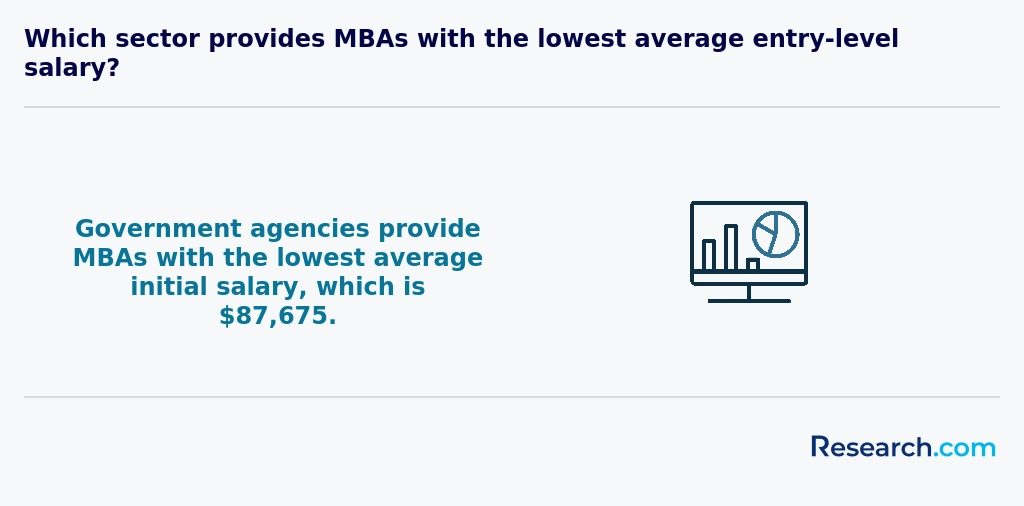
Investing in an MBA program demands a clear understanding of the return on investment (ROI) you can expect post-graduation. In Columbus, OH, the average total cost of an MBA-including tuition, fees, and living expenses-ranges from $60,000 to $100,000. With starting salaries for graduates often falling between $70,000 and $100,000, the typical payback period for in-state students is approximately 3 to 5 years, depending on your specialization and prior work experience. Factors such as employer tuition reimbursement and accelerated online formats can further shorten this timeline. Beyond raw figures, ROI must account for intangible gains: leadership skills, expanded professional networks, and enhanced career mobility. For instance, graduates entering management consulting or finance can see a 30% to 50% salary increase within two years of completing their degree. Tracking metrics like salary growth rate, promotion frequency, and long-term career satisfaction will help you quantify the real value of your MBA journey in Columbus’s dynamic job market. To balance cost against outcomes, consider exploring regional comparisons and more budget-friendly alternatives. For a broader perspective on affordability and ROI, check out our Inexpensive MBA Degree Programs Ranking in the Northeast to see how Columbus programs stack up against other cost-effective options.
MBA students in Columbus often find federal student loans a reliable starting point, offering low fixed interest rates and income-driven repayment plans that provide peace of mind after graduation. Many graduates recall how submitting the FAFSA unlocked these benefits early in their journey. While federal grants are scarce for graduate degrees, scholarships and fellowships at schools like Ohio State University's Fisher College of Business frequently brighten the path, rewarding leadership and academic excellence with substantial tuition awards.
Working professionals pursuing an MBA in Columbus often tap into employer tuition assistance programs, transforming job commitments into financial support. Imagine balancing evening classes while your employer reimburses tuition-this has helped many local students ease financial stress and focus on studies.
Ohio residents can also access state and local grants supplementing their aid package, enhancing affordability. Veterans celebrate the value of the GI Bill, which makes an MBA within reach. Though private loans remain an option, many prefer federal and institutional aid, embracing the confidence that comes from manageable payments and meaningful investment in their futures.
To enroll in an MBA program in Columbus, candidates generally must hold a bachelor's degree from an accredited institution, laying a strong academic foundation for advanced business studies. Many graduates recall the challenge and excitement of assembling their GMAT or GRE scores-though some Columbus schools are now embracing test-optional policies, especially after the pandemic shifts. For competitive programs like those at Ohio State University's Fisher College of Business, scores around 600 to 650 still reflect the standard.
Work experience often makes the difference, with most students bringing two to five years of professional background that enriches classroom dialogue and team projects. Many alumni remember how sharing leadership experiences, whether managing a local startup or leading community initiatives, helped them connect deeply with peers and faculty.
Letters of recommendation from mentors or employers add personal depth, while thoughtfully crafted resumes and essays reveal clear career goals, helping admissions committees see each candidate's unique motivation. Some programs also include interviews, a chance for hopefuls to express passion and vision directly.
MBA programs in Columbus typically embrace a core curriculum centered on accounting, finance, marketing, and operations management. Graduates from well-regarded local institutions often recall how these courses helped them confidently analyze budgets, craft marketing plans, and optimize business workflows. They describe real projects where, for instance, they developed detailed financial reports or executed marketing strategies that directly impacted local companies.
Leadership and organizational behavior courses are especially impactful, focusing on teamwork dynamics and effective management. Many students share how these classes transformed their approach to leading diverse teams, drawing from interactive case studies and group exercises common at Columbus campuses.
Looking ahead, electives like entrepreneurship and innovation or data analytics are rapidly gaining popularity. Graduates enthusiastically note how such courses allowed them to launch startups or apply analytics tools to solve real business challenges, reflecting trends taught at Columbus universities.
Experiential learning, including internships and consulting projects, frequently complements coursework, grounding theory in tangible experiences that excite students about their future leadership roles in diverse industries.
MBA specializations in Columbus Ohio reflect the city's dynamic business landscape and evolving industries, offering students a chance to immerse themselves in areas like Finance, Marketing, and Technology Management. Graduates from local universities often share how specializing in Finance opened doors to high-paying corporate roles, while others found Marketing aligned perfectly with Columbus's vibrant retail sector, fueling their passion for brand strategy and digital campaigns.
The demand for Information Systems or Technology Management continues to grow as Columbus attracts more tech startups, making these concentrations appealing for students eager to lead innovation. Healthcare Management is a popular choice as well, with grads expressing enthusiasm about improving systems in Ohio's extensive healthcare facilities. Many MBA students also explore Operations, Supply Chain Management, or Entrepreneurship, benefiting from Columbus's logistical advantages and growing startup culture.
Those weighing options sometimes turn to easy mba programs online to blend specialized learning with flexibility. Considering the practical focus of the best MBA concentrations Columbus offers can inspire motivated professionals to tailor their path toward thriving in tomorrow's diverse economy.
Choosing the best MBA programs in Columbus means focusing on factors that align closely with your personal and professional goals. Graduates of Ohio State University's Fisher College of Business often mention how the AACSB accreditation gave them confidence in the rigor and recognition of their degree. Meanwhile, others appreciate how the program's flexible formats fit around busy work schedules, making part-time or executive options feel manageable and rewarding.
Thinking ahead, programs in Columbus are likely to expand their emphasis on practical experience, offering more internships and networking chances with the city's thriving healthcare and technology sectors. Many graduates recall landing internships through university connections that directly led to fulfilling roles. Considering affordable MBA degrees Columbus Ohio, prospective students should also explore scholarships and employer tuition assistance, which significantly ease financial pressures.
For those weighing investment decisions, it helps to remember that local programs offer strong ROI through salary boosts and professional growth. Exploring resources like the Inexpensive MBA Degree Programs Ranking in the Northeast reveals promising options that combine quality and value.
MBA graduates in Columbus enjoy a wealth of career paths that align with the city's expanding business landscape. Many find rewarding roles as financial analysts or marketing managers in the city's robust financial services sector, which hosts a variety of major banks and investment firms. Others leverage healthcare's strong presence in Columbus, advancing into leadership positions at organizations such as OhioHealth or Mount Carmel Health System. These roles often bring the satisfaction of improving healthcare delivery through strategic management.
At institutions like Ohio State University's Fisher College of Business, graduates often share how their MBA equipped them to embrace emerging technology trends, stepping into roles as product managers or innovation consultants within Columbus's growing tech scene. The city's blend of startups and established firms fosters a dynamic environment where business development specialists thrive. For students exploring one year masters programs, Columbus offers a practical gateway to high-impact consulting opportunities, helping local enterprises navigate competitive markets with fresh strategies.
The diverse options for MBA career opportunities in Columbus Ohio reflect a promising future for ambitious professionals ready to influence multiple industries and grow alongside this vibrant metropolitan hub.
The MBA job market outlook Columbus offers a vibrant environment fueled by diverse industries like finance, healthcare, and technology. Graduates from popular MBA programs in the city often share stories of stepping confidently into roles at major corporations such as Nationwide or American Electric Power, where leadership skills developed during their studies become essential. These employers value management expertise, strategic thinking, and adaptability-qualities emphasized in Columbus' business schools.
Experienced MBA graduates describe their transition into roles involving data analytics or digital marketing as particularly rewarding, reflecting the city's growing demand for tech-savvy business leaders. This aligns well with trends, as companies actively seek professionals who excel in supply chain management and new digital strategies. Schools such as Ohio State's Fisher College of Business not only prepare students academically but also connect them with alumni networks that ease job placement.
Those considering further education should explore options for the best certificate programs that pay well alongside their MBA to enhance career flexibility in Columbus' competitive job market. With salaries on par with national averages and consistent hiring from local Fortune 500 firms, the Columbus MBA employment opportunities continue to inspire optimism among recent graduates eager to make meaningful impacts in their fields.
2027 Most Valuable MBA Degree Programs Ranking in Columbus
Investing in your education is a significant decision that can shape your future, and the Research.com team understands the importance of making informed choices. To assist prospective students in Columbus, we have carefully developed the "2027 Most Valuable MBA Degree Programs Ranking in Columbus." Our dedication to quality, credibility, and accuracy is demonstrated through thorough research and rigorous analysis.
We utilized the following reputable data sources to ensure a comprehensive evaluation of MBA programs:
By consulting this ranking, readers will obtain valuable insights into the most valuable MBA degree programs in Columbus, empowering them to make confident and well-informed educational decisions. For more information about how this ranking was created, please visit our Research.com methodology page.
# 1 position
Franklin University
Master of Business Administration


Frequently Asked Questions About MBA
Students pursuing an MBA degree in Columbus can maximize their learning experience by engaging actively with local business networks and internship opportunities. Columbus hosts a variety of industries, including finance, technology, and healthcare, providing real-world contexts for practical application. According to the Greater Columbus Chamber of Commerce, over 100 corporate partners collaborate with universities offering MBA programs, enabling valuable networking and mentorship.
The Ohio State University, a leading MBA provider in the city, emphasizes experiential learning through consulting projects and global immersion programs. Students are encouraged to participate in these hands-on experiences to sharpen leadership and problem-solving skills.
Additionally, joining student organizations and attending seminars featuring local CEOs enhance knowledge beyond the classroom. Consistent engagement with professors, career services, and alumni networks also supports academic and professional growth.
The MBA field in Columbus is evolving to include several emerging niches that reflect current market demands and technological advances. One fast-growing area is data analytics and business intelligence, where students learn to interpret complex data to make strategic decisions. This specialization aligns with Columbus's expanding tech industry, supporting roles in finance, marketing, and operations.
Another notable niche is sustainability and green business management. Many Columbus MBA programs now offer coursework focusing on environmentally conscious leadership, meeting the needs of companies committed to sustainable growth.
Healthcare management is also prominent, linking to Columbus's robust healthcare sector. MBA candidates specializing here prepare for leadership in hospitals, insurance, and pharmaceuticals. These niches reflect practical opportunities for MBA graduates given Columbus's diverse economy and regional job growth projections reported by the Ohio Department of Job and Family Services.
Preparing for the job market after completing an MBA degree in Columbus requires strategic planning and leveraging local resources. It is important to engage with Columbus-based business networks such as the Columbus Chamber of Commerce and industry-specific groups. These connections increase access to internships and job openings in sectors like logistics, finance, and healthcare, which are strong in the region.
Students should also utilize career services offered by their MBA programs, which often provide resume workshops, interview preparation, and alumni networking events. According to the U.S. Bureau of Labor Statistics, MBA graduates in Ohio have a median annual wage above the national average, highlighting job prospects locally.
Additionally, gaining experience with local employers through internships or consulting projects during the MBA program is beneficial. Columbus's growing tech and startup scene offers unique opportunities for MBA graduates to apply business skills practically.
Employers in Columbus highly value MBA graduates who demonstrate strong leadership and strategic thinking skills. According to the 2023 Columbus Business Journal, over 70% of local firms prioritize candidates with proven abilities in data-driven decision making. Analytical skills paired with effective communication are crucial, as business environments become increasingly complex.
Additionally, adaptability and digital literacy are essential due to the rapid integration of technology in various industries in Columbus. MBA programs in the region often emphasize teamwork, project management, and ethical judgment, reflecting employer expectations.
These competencies prepare graduates to contribute immediately and advance within organizations across diverse sectors such as finance, manufacturing, and healthcare.
Finding internships in Columbus relevant to an MBA degree involves leveraging local resources and networks tied to the city's robust business environment. Columbus hosts numerous Fortune 500 companies, such as Nationwide and Cardinal Health, which frequently offer internships that provide hands-on experience for MBA students.
MBA candidates should utilize their university's career services, many of which maintain partnerships with local businesses and offer exclusive internship listings. According to the Columbus Chamber of Commerce, internships in sectors like finance, healthcare, and logistics are especially prominent in the region.
Additionally, online platforms like Handshake and LinkedIn often list internships targeted at Columbus MBA students. Attending career fairs, networking events, and joining local chapters of professional organizations, such as the Columbus chapter of the Graduate Management Admission Council (GMAC), can significantly improve internship opportunities.
In Columbus, earning an MBA can significantly enhance career mobility and advancement opportunities. According to the U.S. Bureau of Labor Statistics and local employment data, MBA graduates in Columbus typically see increased access to managerial and executive roles across industries such as finance, healthcare, and technology.
Local employers like Nationwide, Cardinal Health, and Huntington Bank often prefer candidates with advanced business degrees for leadership positions. An MBA provides graduates with skills in strategic thinking, leadership, and financial analysis, which are highly valued in Columbus's competitive job market.
Data from the Ohio Department of Higher Education shows that MBA holders in Columbus experience an average salary increase of 18-25% compared to bachelor's degree holders, reflecting the degree's impact on compensation growth.
Furthermore, networking opportunities through Columbus-based MBA programs facilitate connections with industry professionals, enhancing prospects for career advancement and role transitions within the region.
Studying for an MBA degree in Columbus equips students with skills necessary for interdisciplinary roles by emphasizing collaboration across business functions. Local programs frequently integrate coursework from finance, marketing, operations, and information technology, reflecting the diverse demands of Central Ohio's economy. For example, Ohio State University's Fisher College of Business offers elective tracks and experiential learning projects that foster cross-disciplinary problem-solving.
Columbus MBA students also benefit from strong connections to industries like finance, healthcare, and technology, which require leaders adept in multiple domains. According to the U.S. Bureau of Labor Statistics, interdisciplinary management skills significantly improve employment opportunities in such competitive sectors. This regional emphasis helps graduates navigate complex organizational challenges effectively.
Choosing between a thesis and a non-thesis MBA degree program in Columbus depends on your career goals and learning preferences. Thesis programs usually require an extensive research project, appealing to students aiming for roles in consulting, academia, or fields valuing analytical skills. Non-thesis programs focus more on coursework and practical experience, often preferred by professionals seeking to enter management quickly.
Local universities like Ohio State University offer both options. According to U.S. News & World Report, nearly 60% of Columbus MBA students opt for non-thesis tracks due to their flexibility and faster completion times. Consider your long-term objectives and time commitment before deciding.
Students based in Columbus who wish to study an MBA abroad have several pathways available, primarily through partnerships between local institutions and overseas business schools. Ohio State University's Fisher College of Business, a leading school in Columbus, often promotes exchange programs that allow MBA candidates to spend a semester at partner universities in Europe or Asia. According to the Graduate Management Admission Council (GMAC), approximately 15% of US MBA students pursue international study opportunities during their programs.
Columbus students can also consider fully online international MBAs from accredited foreign universities, which offer flexibility without relocating. Additionally, some programs offer dual degrees combining Ohio-based study with travel abroad components, enhancing global business skills. International MBA options align well with increasing employer demand for global competence, as reported by the AACSB in their 2023 employment trends report.
Columbus offers numerous part-time job opportunities that align well with MBA studies. Roles in financial services, such as bank teller or junior analyst positions, provide practical experience in finance and management principles. The city's growing tech sector, including companies like CoverMyMeds and Root Insurance, also offers internships and part-time roles in project management and business analysis, which are valuable for MBA students.
Retail management positions are common and provide leadership skills relevant to MBA coursework. According to the Columbus Chamber of Commerce, industries like healthcare and education also seek part-time business coordinators. These roles enable students to apply strategic planning, marketing, and operations management concepts in real-world settings, enhancing their academic learning with professional experience.
Columbus offers diverse networking opportunities for MBA students, crucial for career advancement and professional growth. Local universities, such as Ohio State University's Fisher College of Business, host regular events and career fairs connecting students with over 300 corporate partners. These events include speaker series, panel discussions, and alumni mixers that foster direct engagement with industry leaders.
Beyond campus, Columbus's thriving business community includes sectors like finance, tech, and logistics, providing numerous networking platforms. Organizations like the Columbus Chamber of Commerce and professional groups such as the Columbus MBA Association host workshops and networking dinners tailored for MBA candidates.
Access to internships and mentorship programs through university partnerships further enhances relationship-building opportunities, giving students hands-on experience and valuable contacts within the local job market.
Alumni networks play a crucial role for MBA students in Columbus by providing valuable career support and professional connections. These networks offer access to local business leaders and industries, which is vital in Ohio's growing economy. According to the Graduate Management Admission Council, 85% of MBA graduates find jobs through networking.
In Columbus, many MBA programs maintain active alumni groups that host events, workshops, and mentoring opportunities. This helps students gain insights into the job market and develop essential leadership skills. Such connections also facilitate internships and job placements, offering a competitive advantage in the city's job market.
Moreover, alumni often provide guidance on navigating corporate culture and career advancement, making them an important resource beyond graduation. The strong community spirit in Columbus strengthens these networks further, benefiting current MBA students significantly.
Customizing an MBA degree program in Columbus allows students to align their education with specific career goals. Many local schools offer flexible pathways, including concentrations in finance, marketing, healthcare, or technology management. Students often choose between full-time, part-time, or online formats, depending on their work commitments. Additionally, experiential learning opportunities such as internships and consulting projects with Columbus-based companies enhance practical skills. Ohio State University's Fisher College of Business, for example, provides personalized advising and access to a wide alumni network, critical for career advancement. Tailored electives and leadership development programs further support specialization across industries prevalent in Columbus, like logistics and finance.
MBA students in Columbus face several common challenges as they balance academic demands with personal and professional responsibilities. Time management is often a major obstacle, especially for working professionals attending part-time programs. According to the Graduate Management Admission Council (GMAC), nearly 60% of MBA students in the U.S. juggle full-time jobs while studying, a trend reflected among Columbus students.
Additionally, the rising cost of tuition and living expenses in Columbus presents financial strain. The average MBA program cost locally ranges from $30,000 to $60,000, excluding fees, which can require students to seek loans or employer sponsorship.
Networking is also critical yet challenging; students must proactively connect within the local business community to maximize job placement opportunities. Finally, adapting to online and hybrid learning formats, increasingly common in Columbus institutions post-pandemic, requires strong self-discipline and technological proficiency.
With an MBA degree in Columbus, graduates can pursue various professional certifications to enhance their credentials and career prospects. Popular certifications include the Certified Public Accountant (CPA) for those interested in accounting, which complements an MBA's financial skills. Another option is the Project Management Professional (PMP), highly valued for roles in operations and project leadership. According to the Columbus Chamber of Commerce, demand for PMP holders grew by 12% in the last three years within the region's business sector.
Additionally, the Chartered Financial Analyst (CFA) designation is common among MBA graduates focusing on investment and finance. For professionals aiming at human resources, the Senior Professional in Human Resources (SPHR) certification offers significant benefits. These certifications leverage the foundational business knowledge gained through an MBA and are respected nationally.
Writing a winning application for an MBA program in Columbus starts with thorough research on local schools such as Ohio State University's Fisher College of Business, which is highly ranked nationally. Admissions committees in Columbus value clear career goals, demonstrated leadership, and academic excellence. An applicant should craft a compelling personal statement that highlights unique experiences and professional accomplishments relevant to business management.
Strong recommendation letters, preferably from supervisors familiar with your managerial skills, further strengthen the application. Columbus programs also often require GMAT or GRE scores; recent accepted averages at Fisher are around 650 on the GMAT.
Lastly, tailoring your resume to emphasize quantitative and teamwork skills recommended by Columbus MBA career advisors can improve your chances significantly.
The global perspective on an MBA career continues to emphasize its value in developing leadership and strategic thinking skills. Employers worldwide, including major corporations in Columbus, seek MBA graduates for their ability to manage complex business environments. According to the Graduate Management Admission Council (GMAC), over 90% of employers value MBA credentials for mid- to upper-level management roles.
MBA degrees from Columbus universities such as Ohio State University feature curricula aligned with international business standards, preparing graduates for global challenges. The U.S. Bureau of Labor Statistics projects a 7% growth in management jobs through 2031, highlighting sustained demand for MBAs.
Moreover, MBA graduates in Columbus report average mid-career salaries around $115,000, reflecting competitive rewards relative to other regions. This economic advantage reinforces the MBA's appeal as a gateway to global career opportunities across industries like finance, consulting, and technology.
Gaining practical experience while studying for an MBA in Columbus is crucial for career advancement. Many local programs incorporate internships or cooperative education opportunities that allow students to work with Columbus-based companies. For example, internships in finance, marketing, or supply chain management provide hands-on learning and networking prospects. According to the Columbus Chamber of Commerce, over 60% of MBA students secure internships through university partnerships.
Additionally, case competitions and consulting projects with real businesses are common components of MBA curricula, offering practical problem-solving experience. Students can also join local business clubs or professional organizations to enhance their skills beyond the classroom.
Choosing the right concentration within an MBA program in Columbus requires understanding your career goals and the local job market. Columbus hosts a diverse economy, including finance, healthcare, and technology sectors, which influences concentration demand. For example, finance and healthcare management concentrations align well with regional employers like Nationwide and OhioHealth.
Assess your professional interests and research companies hiring MBA graduates in Columbus. According to the U.S. Bureau of Labor Statistics, management and business roles in Columbus are projected to grow by 6% through 2030. Consider concentrations that enhance leadership and analytical skills, such as strategy or operations management.
Visiting Columbus area university career services or attending MBA fairs can provide valuable insights. Additionally, alumni networks from schools like Ohio State University often share firsthand experiences on concentration outcomes.
- 2027 Most Valuable MBA Degree Programs Ranking in Dayton
- 2027 Most Valuable MBA Degree Programs Ranking in Cincinnati
- 2027 Most Valuable MBA Degree Programs Ranking in Cleveland
- 2027 Most Valuable MBA Degree Programs Ranking in Fort Wayne
- 2027 Most Valuable MBA Degree Programs Ranking in Adrian
- 2027 Most Valuable MBA Degree Programs Ranking in Pittsburgh
- 2027 Most Valuable MBA Degree Programs Ranking in Detroit
- 2027 Most Valuable MBA Degree Programs Ranking in Indianapolis
- 2027 Most Valuable MBA Degree Programs Ranking in Louisville
- 2027 Most Valuable MBA Degree Programs Ranking in West Lafayette
- Why Alumni Networks Matter in Business School: 7 Reasons https://europe.ceibs.edu/article/why-alumni-networks-matter-business-school
- How to Use Your MBA for Career Growth While You’re Still Studying - International Career Institute USA https://icieducation.com/blog/how-to-use-your-mba-for-career-growth-while-youre-still-studying/
- MBA Requirements https://www.collegeessayguy.com/blog/mba-requirements
- How to balance a part-time MBA while working full-time https://www.manchester.ac.ae/blog-post/how-to-balance-a-part-time-mba-while-working-full-time
- Verifying that you are not a robot... https://krea.edu.in/ifmrgsb/top-5-emerging-career-paths-for-mba-graduates/
- Master of Business Administration https://www.capital.edu/academics/majors-and-minors/master-of-business-administration/
- How an MBA gives you an international vision and helps you make smart decisions - AEEN https://www.aeen.org/how-an-mba-gives-you-an-international-vision-and-helps-you-make-smart-decisions/
- How to Choose Between MBA Degree vs. Certificate | University of Phoenix https://www.phoenix.edu/articles/business/how-to-choose-between-mba-degree-vs-certificate-programs.html
- The Growing Demand for Niche Jobs and MBA Specializations https://www.clearadmit.com/2025/05/the-growing-demand-for-niche-jobs-and-mba-specializations/
- MBA Internships: Find 5400 MBA Intern Jobs https://internshala.com/internships/mba-internship/


