
2027 Best MBA Degree Programs Ranking in Connecticut

Co-Founder and Chief Data Scientist
Choosing the right MBA program can shape your future career, especially here in Connecticut. This article introduces the 2027 Best MBA Degree Programs Ranking in Connecticut, created by the Research.com team of data scientists to guide you through the best options.
By exploring this ranking, you'll discover programs that fit your goals and lifestyle. Earning an MBA can open doors to new opportunities, expanded networks, and personal growth. We're here to help you make a confident, informed decision about your education and professional journey.
Key benefits of getting MBA degree in Connecticut
- Though specific salary data for MBA graduates in Connecticut is not available, MBA holders in the US generally enjoy strong earning potential, often exceeding $80,000 annually in management roles.
- Graduates from popular Connecticut universities, like the University of Connecticut, often pursue careers in finance, marketing, and consulting, opening diverse and rewarding professional opportunities.
- Completing an MBA online from a well-regarded school in Connecticut offers flexibility and convenience, allowing students to balance work and study while gaining valuable skills at their own pace.
- 2027 Best MBA Degree Programs Ranking in Connecticut
- What can I expect from MBA degree in Connecticut?
- Where can I work with MBA degree in Connecticut?
What can I expect from MBA degree in Connecticut?
When it comes to the average cost of an MBA in Connecticut, expect quite a range depending on where you enroll. Public schools like the University of Connecticut offer a more wallet-friendly tuition, especially if you're an in-state student. Their MBA program delivers solid value-graduates often talk about how that balance between cost and quality made their decision easier. On the flip side, private institutions tend to have higher tuition fees, but many students feel the extra investment pays off thanks to closer industry ties and exclusive networking opportunities.
Most MBA students in Connecticut also tap into scholarships or employer tuition reimbursement, which can really lighten the financial load. For example, UConn's grads share stories about how internships and job placements helped them start earning quickly after finishing the program-making the cost feel worthwhile. So, while prices vary-you can expect anywhere from moderate to higher tuition-there are plenty of ways to manage expenses and still get a great education right here in Connecticut.
Where can I work with MBA degree in Connecticut?
If you're studying for an MBA in Connecticut, you'll find plenty of doors opening once you graduate. Many MBA grads from schools like the University of Connecticut or Yale School of Management land jobs in financial services, working for big names right here in Hartford or Stamford. Imagine yourself analyzing risk or crafting strategy at companies like The Hartford or Aetna-those real-world experiences make your degree super valuable.
Others dive into healthcare, joining hospital systems or biotech firms where managers with business savvy are in high demand. Friends from Connecticut College's MBA program often talk about how their skills help run operations or develop new business in these fast-growing fields.
Manufacturing and technology sectors also love hiring MBAs, especially for leadership and supply chain roles at firms like Pratt & Whitney or startups in New Haven. Graduates appreciate how their degree blends business knowledge with hands-on challenges, creating exciting career paths nearby.
Overall, getting an MBA in Connecticut means you're not just gaining education-you're stepping into a network and industries buzzing with opportunity.
Wondering how much you can make with an MBA in Connecticut? Graduates from popular local schools like UConn's business program often share that starting salaries hover around $90,000. That's a solid paycheck right out of the gate! For those landing roles in finance or consulting, especially near Hartford or Stamford, it's not uncommon to see salaries push past $140,000 within a few years.
One grad mentioned how their mid-level manager job in the insurance sector now pays between $120,000 and $160,000 after about seven years. Living in Connecticut can be pricey, but these numbers show the MBA definitely pays off here.
Plus, the Connecticut-New York City connection means some MBAs commute or work remotely for big firms, which bumps salaries up even more. Whether you're aiming for a nonprofit or a fast-paced finance firm, an MBA opens doors to better earning potential around the state.
- Tuition for MBA programs in Connecticut ranges from $40,000 to $90,000, with public universities generally being more affordable for in-state students.
- MBA graduates in Connecticut have good job prospects in sectors like finance, insurance, healthcare, and manufacturing.
- The median starting salary for MBA graduates is about $85,000 per year, with mid-career salaries averaging around $130,000 annually.
- Approximately 50% of MBA students attend part-time or online programs to balance work and study.
- Most MBA programs are accredited by AACSB, ensuring quality and recognition in the business community.
- Many programs provide networking, internships, and career services focused on local industries to support employment after graduation.
Wondering how long it takes to finish an MBA in Connecticut? If you're going full-time, most grads from places like the University of Connecticut or Quinnipiac University wrap it up in about two years. They usually tackle a steady course load each semester, balancing classes and campus life without feeling overwhelmed.
For those juggling work and school, part-time programs are a lifesaver, stretching from three to five years. Many working adults appreciate this pace since it fits around their busy schedules, making it easier to keep up without burning out.
If you're in a hurry, accelerated MBAs can get you done in just 12 to 18 months. These are intense, but grads say powering through quickly feels incredibly rewarding, especially when they want to jump back into the job market fast.
Then, there's online MBAs, with flexible timelines anywhere between 18 months to five years. This lets students set their own pace, perfect for those who need ultimate control over their schedules.
MBA degree programs in Connecticut maintain rigorous admission standards to ensure a high-caliber cohort. Across the state’s top institutions, acceptance rates typically fall between 25% and 50%, reflecting healthy competition. For example, Yale School of Management admits roughly one in four applicants, whereas the University of Connecticut’s full-time MBA program maintains an acceptance rate closer to 45%. Understanding these statistics can help prospective students gauge their competitiveness and tailor their applications accordingly. The median GMAT score for admitted MBA candidates in Connecticut ranges from 650 at Quinnipiac University to 720 at Yale SOM, while average undergraduate GPAs hover between 3.3 and 3.7 on a 4.0 scale. GRE percentiles similarly align, with quantitative scores often exceeding the 70th percentile. Work experience is also a critical factor: most programs expect at least three years of post-baccalaureate professional experience, with leadership roles in finance, consulting, or technology boosting an applicant’s profile. Highlighting measurable achievements-such as revenue growth percentages or project budgets managed-can strengthen your candidacy. Class sizes vary but generally range from 60 to 200 students per cohort, fostering close-knit learning communities and extensive networking opportunities. Diversity in industry background, nationality, and undergraduate major is highly valued; programs seek teams where peers challenge each other’s perspectives. Applicants can improve their chances by articulating clear career goals, securing strong letters of recommendation, and demonstrating cultural fit during campus visits or virtual interviews. For students exploring flexible or lower-cost alternatives, our Cheapest Online Master's in MBA Degree Programs Ranking in New York, NY provides additional guidance on balancing selectivity with affordability.
If you're thinking about an MBA in Connecticut, the biggest difference between online and on-campus programs comes down to how you experience your studies. On-campus programs at places like the University of Connecticut or Quinnipiac University mean being on-site, attending classes in person, and rubbing shoulders with classmates between lectures. Graduates often talk about how much they loved the spontaneous chats after class and the networking events that gave them real face time with future colleagues and professors.
On the flip side, online MBAs-like the one offered at the University of Hartford-let you study from anywhere, which is perfect if you're juggling work or family. Many students appreciate the freedom to complete assignments on their own schedule, though some say they miss the buzz of a physical classroom. Tuition tends to be a bit lower too, since you're not paying for campus facilities.
It really boils down to what fits your lifestyle: dive into the full campus vibe or enjoy flexibility without sacrificing the quality of your MBA.
In today's digital era, online MBA programs have emerged as a vital alternative for professionals seeking to balance work, life, and academic ambitions. These programs offer flexible schedules and innovative learning environments, ensuring that students receive a rigorous curriculum with the convenience of remote access. Modern online MBA curricula often integrate interactive elements-such as live webinars, virtual group projects, and peer-to-peer networking-which mirror the in-depth experiences of on-campus learning while accommodating diverse lifestyles. Many institutions are now incorporating contemporary subjects like digital transformation, data analytics, and sustainable business practices into their online offerings. For example, exploring what are the popular easiest online mba degree programs can lead prospective students to programs that blend academic excellence with affordability. Additionally, hybrid models that combine face-to-face residencies with online coursework are becoming increasingly popular, providing the best of both worlds by fostering personal interaction and offering the flexibility needed to advance in today’s competitive job market. This evolving landscape enables candidates to tailor their education to their career objectives, making an online MBA an excellent pathway to leadership and success.
The average MBA degree cost in Connecticut usually sits around $58,533, but this number can shift quite a bit depending on where you study and whether you're an in-state or out-of-state student. Many graduates who attended the University of Connecticut found that being an in-state student brought their total MBA tuition down to about $41,908, which felt like a great value considering the quality of education and networking opportunities. Others going the private school route, like at Yale School of Management, expected a higher investment, but many shared how the prestige and career advantages made the price worth it.
Several students from smaller regional schools often mention their total MBA tuition hovering between $40,000 and $50,000, which fits nicely for those balancing budgets while still wanting a solid return on investment. Beyond tuition, it's smart to think about extra expenses like living costs, course fees, and tech supplies since these can add up quickly in Connecticut's higher cost-of-living environment.
Many who've pursued an MBA in Connecticut emphasize the importance of exploring financial aid options and scholarships because those can really help bring down the upfront costs. For anyone curious about the most affordable mba schools in connecticut, it's worth digging into detailed tuition info and aid packages to find the perfect fit for your wallet and goals.
Overall, the total MBA tuition fees Connecticut students face fall into a reasonable range, especially compared to the national scene. This affordability combined with flexible program options makes Connecticut a friendly place to start your MBA journey.
If you're looking at MBA programs in Connecticut, financial aid is definitely worth exploring to ease the cost. Many grads from places like the University of Connecticut or Yale School of Management have found federal student loans super helpful-things like the Federal Direct Unsubsidized Loan or Grad PLUS Loan are the usual go-to options. Just make sure to get your FAFSA done early to snag the best loan offers.
Some state scholarships pop up now and then, especially if you're planning to work in Connecticut after graduating. They're not super common, but worth hunting for, especially if you want to contribute locally. Plus, a lot of schools here offer their own merit-based scholarships or assistantships. A friend who went to UConn MBA grabbed a teaching assistantship that covered tuition and even gave a neat stipend-talk about a win-win!
Don't forget employer tuition reimbursement, either. Many people juggling jobs here get a helping hand from work, making their MBA journey way less stressful. So between federal loans, school scholarships, and employer help, financing your MBA in Connecticut can definitely feel manageable.
When considering an MBA program in Connecticut, it's essential to factor in the cost of tuition and living expenses. Prospective students should research the average cost of MBA programs in the state and explore financial aid options, such as scholarships, grants, and loans. For instance, those looking for most affordable mba schools in connecticut can find valuable information to make informed decisions about their educational investments. Additionally, students should consider the potential return on investment, including salary expectations and career advancement opportunities, to ensure that their MBA degree will yield long-term financial benefits. By carefully evaluating these factors, students can make a well-informed decision about pursuing an MBA in Connecticut and set themselves up for success in their future careers.
Getting into an MBA program in Connecticut usually means you'll need a bachelor's degree from an accredited school, but don't worry-it doesn't matter what you studied before. You might have a background in business, engineering, or even the arts, and that's totally fine. Many folks applying to programs like those at the University of Connecticut or Quinnipiac University have found that having a solid GMAT or GRE score helps a lot. While some schools might waive this if you've got strong work experience or good grades, most expect a score somewhere between 500 and 600.
Speaking of work, having a couple of years in the professional world really boosts your chances. Graduates often mention how their real-life job experiences made classroom discussions way more meaningful, especially in places like Yale School of Management. On top of that, you'll need the usual stuff like an application, transcripts, recommendation letters, and a personal essay where you get to share your goals and why you want that MBA.
If you're looking into an MBA in Connecticut, expect a solid lineup of courses that cover all the bases in business. Graduates from well-known schools around here often share how classes like Accounting and Financial Management really helped them get a handle on reading financial statements and managing budgets - skills that come in handy whether you're running a startup or working in a bigger company.
Marketing Management is another favorite, where students dive into real-world branding challenges and digital marketing trends that feel super relevant, especially with how fast online markets change today.
Then there's Operations and Supply Chain Management, which sounds technical but is all about making processes smoother and keeping products moving efficiently - something graduates found especially useful when they landed jobs in manufacturing or retail settings across Connecticut.
On top of that, courses like Organizational Behavior and Strategic Management give you a glimpse into leadership and decision-making that grads say really boosted their confidence in managing teams and planning smart moves in competitive industries.
Plus, many schools offer electives so you can tailor your experience, like focusing on healthcare or international business, which is perfect if you know exactly what career path you're aiming for here.
If you're looking into MBA specializations in Connecticut, you'll find a solid mix of options that fit a variety of career paths. Graduates from popular schools like the University of Connecticut and Quinnipiac often share how their chosen tracks, like Finance or Marketing, really helped them stand out in the job market. Finance students, for example, dive deep into risk management and financial modeling, gearing up for roles in investment banking or corporate finance.
Others love the healthcare management focus, especially given Connecticut's strong healthcare industry. Alumni from local colleges mention how learning about healthcare policy and administration opened doors in hospitals or health organizations nearby. Then, there's the Operations and Supply Chain Management route, which is perfect if you're into logistics and production-big sectors in Connecticut's economy.
Business MBA concentration options Connecticut also include Entrepreneurship for those dreaming of launching startups, and IT Management, which keeps pace with the tech boom. If you want to see what are the popular easiest online mba degree programs, some Connecticut schools have great online choices tailored to these fields.
Picking the best MBA degree in Connecticut means thinking about what really matters to you. Graduates from Yale School of Management often mention how the AACSB accreditation boosted their confidence in the program's quality, opening doors to great jobs. Cost is another biggie; many students find that Connecticut's MBA tuition sits in the mid- to high-range, so weighing tuition against living expenses and financial aid options is super important to avoid surprises. A lot of folks juggling work love the flexibility offered by UConn's part-time and online MBA programs, making it easier to fit studies into busy lives. When looking for affordable MBA degrees Connecticut offers options that balance cost and quality, helping you stay on budget. Also, focus on where grads land after finishing-the career support and alumni network can make a real difference. For a great deal on online programs, check out the Cheapest Online Master's in MBA Degree Programs Ranking in New York, NY for inspiration.
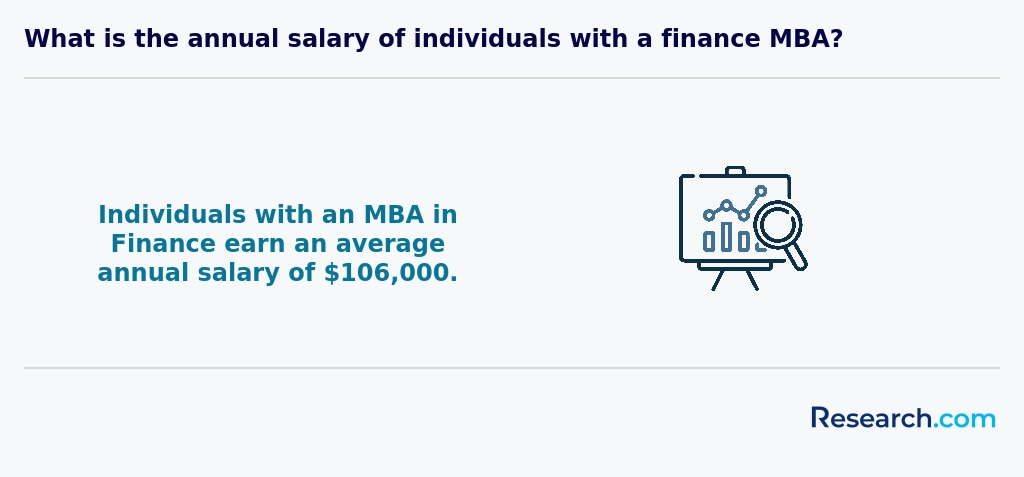
If you're wondering what career paths are available for an MBA degree in Connecticut, there's a lot to be excited about. Graduates from popular universities here often step into roles like business analysts, marketing managers, or financial managers, especially since the state offers solid opportunities in finance thanks to its proximity to New York City. Many grads mention how rewarding it feels landing management gigs with salaries that reflect the strong business environment.
Healthcare is another big area where MBA holders can shine. Think about working in hospital administration or strategizing supply chains for large health systems right here in Connecticut. Several students from local colleges share how their MBA helped them move into leadership roles in healthcare organizations that genuinely make a difference.
Manufacturing might sound old school, but Connecticut's aerospace and defense industries are buzzing with opportunities for MBAs focusing on operations or logistics. Plus, the tech scene is growing fast, with many graduates exploring product management and business development roles in startups. If you want to compare costs and options while exploring your MBA journey, check out the Cheapest Online Master's in MBA Degree Programs Ranking in New York, NY for some ideas.
Whether your passion is finance, healthcare, manufacturing, or tech, MBA career opportunities in Connecticut make your degree a powerful stepping stone to exciting business management jobs with MBA in Connecticut.
The job market for MBA graduates in Connecticut is pretty promising, especially if you're coming from well-known schools in the state. Graduates from universities around Hartford and New Haven often find themselves snapped up by financial services firms, insurance companies, and healthcare organizations. Many share how landing a role in Hartford-dubbed the "Insurance Capital of the World"-feels like hitting the jackpot because the demand for skilled managers is high. This outlook makes pursuing an MBA here a smart move if you're eyeing business leadership in these sectors.
Connecticut's mix of industries means you're not limited to one path; consulting and manufacturing companies also seek out MBA grads for their analytical and strategic skills. If you're weighing the cost and value of an MBA, remember tuition here generally ranges from $40,000 to $70,000, but solid employment opportunities often balance that out nicely. For more insight on related career options, check out this handy guide on the best college degree to help shape your path.
Overall, the Connecticut MBA job market outlook is encouraging, blending competitive salaries and steady growth that make the effort worthwhile for local students planning their futures.
2027 Best MBA Degree Programs Ranking in Connecticut
Investing in your education is a significant decision that can shape your future, and the Research.com team understands the importance of making informed choices. To assist prospective students in Connecticut, we have meticulously crafted the "2027 Best MBA Degree Programs Ranking in Connecticut." Our commitment to quality, credibility, and accuracy is reflected in the extensive research and analysis conducted to compile this ranking.
We utilized the following reputable data sources to ensure a comprehensive evaluation of MBA programs:
By exploring this ranking, readers will gain valuable insights into the best MBA degree programs available in Connecticut, helping them make informed decisions about their educational paths. For more details on our methodology, please visit our Research.com methodology page.


Frequently Asked Questions About MBA
Students pursuing MBA degrees in Connecticut can maximize their learning by actively engaging with local business communities. Connecticut hosts several top-ranked MBA programs, such as those at Yale School of Management and the University of Connecticut. Networking events, internships, and case competitions offer valuable real-world experience beyond classroom theory.
Additionally, students benefit from leveraging state resources like the Connecticut Business & Industry Association, which provides access to mentors and industry insights. Participating in study groups and using university career services also enhances practical skills and job placement opportunities. According to U.S. News & World Report, Connecticut MBA graduates have a high employment rate within six months, reflecting the value of these experiential learning approaches.
The MBA field in Connecticut is evolving to meet the demands of modern business environments. Emerging niches include healthcare management, reflecting the state's strong medical sector, and technology management, driven by growth in fintech and cybersecurity firms. Connecticut schools are also focusing on sustainable business practices, responding to increasing interest in environmental and social governance (ESG).
Another growing area is data analytics, with MBA programs integrating big data skills to prepare students for data-driven decision-making roles. Additionally, entrepreneurship remains key, supported by local incubators and funding opportunities. These specialized tracks aim to align MBA graduates with Connecticut's dynamic economy and job market trends.
After completing an MBA degree in Connecticut, preparing for the job market involves leveraging both local opportunities and national trends. Connecticut hosts several top business schools that offer strong alumni networks and career services, which are valuable resources for job placement. According to the Connecticut Department of Labor, industries like finance, insurance, and healthcare are key employers of MBA graduates in the state.
Students should actively engage in internships and networking events during their studies to build professional connections. Gaining relevant work experience in sectors dominant in Connecticut, such as banking in Hartford or biotech in New Haven, can enhance employability.
Additionally, tailoring resumes and interview skills to reflect the competitive job market is essential. According to the Graduate Management Admission Council (GMAC), MBA graduates who pursue continuous learning and certifications tend to experience higher employment rates within six months of graduation.
Employers in Connecticut value MBA graduates for a combination of technical and interpersonal skills. According to the Connecticut Business & Industry Association, leadership and strategic thinking rank as top priorities. MBA graduates must demonstrate strong financial acumen, as Connecticut's business landscape includes many financial services firms and insurance companies.
Additionally, communication skills are crucial. Employers expect MBAs to clearly present complex ideas and collaborate effectively across diverse teams. Analytical problem-solving is also highly regarded, with many companies seeking graduates who can make data-driven decisions.
Connecticut's growing technology and healthcare sectors further emphasize adaptability and innovation. These skills help MBA graduates stay competitive in evolving markets and meet employer expectations.
Finding internships in Connecticut relevant to an MBA degree involves several strategic steps. Many MBA programs in the state, such as those at the University of Connecticut and Yale School of Management, offer dedicated career services that connect students with local businesses and non-profits. Networking events, alumni connections, and job fairs provide valuable opportunities to secure internships.
Connecticut's economy is diverse, with strong sectors in finance, insurance, manufacturing, and healthcare, offering numerous MBA internship possibilities. According to the Connecticut Department of Labor, internships related to business management increased by 7% in 2023.
Utilizing online platforms specific to Connecticut, such as those hosted by the Connecticut Business & Industry Association, can also help identify openings targeted to MBA candidates.
In Connecticut, earning an MBA significantly enhances career mobility and advancement opportunities. The state's competitive business environment, including sectors like finance, insurance, and manufacturing, favors candidates with advanced management skills. According to the Connecticut Department of Labor, MBA graduates typically experience at least a 20% increase in salary within five years compared to those with only a bachelor's degree.
The degree equips professionals with leadership, strategic thinking, and networking abilities that employers highly value. Many Connecticut companies, especially in cities like Hartford and Stamford, actively recruit MBA holders for mid- to senior-level positions. Additionally, MBA graduates report improved job security and accelerated promotion tracks, supported by data from Graduate Management Admission Council's regional employment reports.
Studying for an MBA degree in Connecticut offers strong preparation for interdisciplinary roles by integrating diverse business disciplines with practical experiences. Connecticut's MBA programs emphasize leadership, strategy, finance, marketing, and operations, encouraging students to connect these areas for innovative solutions. Many schools incorporate case studies, group projects, and internships that expose students to real-world challenges requiring cross-functional teamwork.
Connecticut hosts renowned institutions like Yale School of Management, which promotes a holistic approach through its curriculum focused on system thinking and collaboration across sectors. According to the U.S. Department of Education, over 60% of MBA graduates in Connecticut pursue careers in multidisciplinary roles across industries such as healthcare, finance, and technology.
This approach equips graduates with adaptable skills, enabling them to navigate complexity and lead teams composed of varied expertise, making Connecticut MBAs well-suited for dynamic business environments.
Choosing between a thesis and a non-thesis MBA program in Connecticut depends on your career goals and learning preferences. Thesis MBA programs require students to conduct original research and write a substantial paper, which suits those planning academic careers or roles involving research and strategic analysis.
Non-thesis MBA programs focus more on coursework, case studies, and practical skills, ideal for professionals seeking leadership or management roles without the additional research commitment.
According to the Connecticut Office of Higher Education, about 40% of MBA programs statewide offer thesis options, mostly at research-focused universities. Consider program length, faculty expertise, and your professional objectives.
Students based in Connecticut seeking to study for an MBA abroad have various pathways available through partnerships and exchange programs offered by Connecticut universities. Institutions like the University of Connecticut provide connections with international business schools in Europe and Asia, allowing students to complete part of their MBA coursework overseas. According to the Graduate Management Admission Council, approximately 15% of MBA candidates in the U.S. consider international study options to enhance global business skills.
Many MBA programs in Connecticut also offer dual degrees or global immersion experiences, which include short-term residencies at partner schools abroad. These options help students gain valuable international exposure without entirely relocating. Practical benefits include expanding professional networks and understanding cross-cultural management practices, which are critical in today's global economy.
Part-time job opportunities in Connecticut that complement MBA education often involve roles in finance, marketing, and consulting. Many MBA students find internships or part-time positions at regional banks like People's United Bank or financial firms located in Hartford's insurance hub. These jobs provide practical experience in financial analysis and risk management, which aligns with core MBA skills.
Marketing assistant roles or digital content management positions in Connecticut's growing tech startups also help enhance strategic thinking and project management capabilities. According to the Connecticut Department of Labor, roles in business consultancy and administrative services have grown steadily since 2020, offering valuable networking opportunities.
Additionally, some MBA students work part-time in university research projects focused on business analytics, leveraging Connecticut's strong higher education institutions such as Yale and UConn. These experiences deepen analytical skills and contribute to career advancement.
MBA students in Connecticut benefit from a variety of networking opportunities through their colleges and local business communities. Many universities, such as Yale School of Management and the University of Connecticut, offer access to alumni events, corporate speaker series, and career fairs that connect students with industry leaders. According to UConn's 2023 Career Services report, over 70% of MBA students secured internships through these institutional connections.
Local business hubs like Hartford and Stamford provide additional networking platforms with frequent industry meetups and professional organizations. The Connecticut Business & Industry Association also hosts events that foster connections between MBA candidates and established professionals.
Alumni networks play a crucial role in the experience of MBA students in Connecticut. They offer access to a broad community of professionals who have graduated from local institutions such as Yale School of Management and the University of Connecticut. These connections facilitate job opportunities, mentorship, and industry insights valuable for career advancement.
Networking through alumni can increase chances of securing internships and leadership roles, often reported by graduates as a key benefit in surveys by the Graduate Management Admission Council. Additionally, many Connecticut MBA programs host events connecting current students with alumni actively working across finance, consulting, and healthcare sectors.
Strong alumni engagement also supports lifelong learning and collaboration, helping graduates stay competitive in evolving markets. This support network is especially impactful in Connecticut's competitive business environment.
Customizing an MBA degree program in Connecticut allows students to align their studies with specific career goals. Many universities offer concentrations such as finance, marketing, healthcare management, or technology, enabling focused expertise. For example, the University of Connecticut provides diverse electives and dual-degree options that enhance career flexibility. Part-time and online formats accommodate working professionals, supporting a balance between education and career advancement.
Internships and capstone projects tailored to local industries can provide practical experience. Connecticut's strong finance and insurance sectors offer networking opportunities through university partnerships. According to U.S. News, these customizable features help graduates improve job readiness and earning potential within the state's competitive market.
MBA students in Connecticut often face the challenge of balancing rigorous coursework with professional and personal responsibilities. According to the Connecticut Office of Higher Education, many students enroll while working full-time, which increases stress and limits study time. Additionally, the rising cost of tuition-averaging around $40,000 per year for in-state students at leading institutions like the University of Connecticut-can lead to financial pressure and loan debt concerns.
Another common challenge is adapting to accelerated program formats that demand intensive time management and self-discipline. Networking opportunities, while valuable, can also be difficult to navigate for students new to the region or working remotely. These factors combine to make the MBA journey demanding but potentially rewarding.
An MBA degree from a Connecticut institution equips graduates with a broad business skill set that supports pursuing several professional certifications. Common options include the Certified Public Accountant (CPA) credential for those focusing on accounting and finance. An MBA also prepares candidates for the Project Management Professional (PMP) certification, valuable in managing complex projects across industries.
The Financial Risk Manager (FRM) certification is another pathway, often selected by MBA holders specializing in risk assessment or finance. Connecticut's business schools, such as those at Yale and UConn, offer courses aligned with these certifications, enhancing exam readiness.
Additionally, an MBA supports earning the Certified Management Accountant (CMA) title, focused on financial management. According to the Graduate Management Admission Council, MBA graduates nationwide have increasingly pursued such certifications to boost career prospects.
Writing a winning application for an MBA program in Connecticut requires clear presentation of your academic and professional achievements. Start by researching programs within the state, such as those at the University of Connecticut or Yale School of Management, both known for competitive admissions.
Strong applications typically highlight leadership experience and career progression. According to U.S. News & World Report, Connecticut MBA programs emphasize personal statements that align your goals with the school's values.
Submit competitive GMAT or GRE scores, as the average GMAT for Connecticut's top programs ranges between 650 and 710. Letters of recommendation should come from supervisors or mentors who can attest to your skills.
Lastly, tailor each essay to reflect why you want to study in Connecticut, demonstrating knowledge of local business environments. Proofreading and timely submission are essential to stand out.
The global outlook on an MBA career remains strong, with employers valuing leadership, strategic thinking, and financial expertise that MBA graduates bring. In the United States, including Connecticut, the demand for MBA holders is growing, especially in fields such as finance, consulting, and technology. According to the Graduate Management Admission Council (GMAC), 89% of US employers plan to hire MBA graduates in 2024, reflecting confidence in their skills worldwide.
Connecticut benefits from proximity to major financial centers, increasing opportunities for MBA professionals to work in global firms. Additionally, local universities offer international business curricula to prepare students for cross-border challenges.
Many MBA graduates pursue careers not only in the US but also in countries with developing economies, where business expertise is crucial. Understanding global trends and cultural nuances is essential for success, and Connecticut's MBA programs often emphasize this global perspective to equip students accordingly.
Gaining practical experience while pursuing an MBA degree in Connecticut is vital for career advancement. Many programs emphasize experiential learning through internships, consulting projects, and practicum courses that connect students with local businesses. For example, Yale School of Management and the University of Connecticut offer strong corporate partnerships allowing students to work on real-world challenges.
Additionally, students can join business clubs and participate in case competitions, which develop problem-solving and leadership skills.
Many Connecticut MBA programs also support networking events and mentorship opportunities, providing access to industry professionals in finance, healthcare, and technology sectors prevalent in the region.
Choosing the right concentration within an MBA program in Connecticut involves a careful assessment of your career goals and local industry demand. Connecticut's economy strongly features finance, insurance, and healthcare sectors, making concentrations like Finance, Healthcare Management, and Risk Management particularly relevant. According to the Connecticut Department of Labor, these sectors collectively offer over 30% of statewide employment, highlighting job opportunities for graduates.
Consider your background and where you want to develop expertise. MBA programs in Connecticut, including those at the University of Connecticut and Quinnipiac University, provide tailored concentrations that reflect regional business needs. Researching curriculum specifics and looking into internship possibilities in Connecticut-based companies can also guide your decision.
- 2027 Best MBA Degree Programs Ranking in New York
- 2027 Best MBA Degree Programs Ranking in Massachusetts
- 2027 Best MBA Degree Programs Ranking in New Jersey
- 2027 Best MBA Degree Programs Ranking in New Hampshire
- 2027 Best MBA Degree Programs Ranking in Maryland
- 2027 Best MBA Degree Programs Ranking in Maine
- 2027 Best MBA Degree Programs Ranking in Kentucky
- 2027 Best MBA Degree Programs Ranking in North Carolina
- 2027 Best MBA Degree Programs Ranking in Indiana
- 2027 Best MBA Degree Programs Ranking in Michigan
- Master of Business Administration https://www.hartford.edu/barney/academics/strategic-management/mba.aspx
- What Work Experience Do You Need For an MBA? | Articles | Unimy https://www.unimy.com/article/blog-mba-preparation-admissions-mba-work-experience
- Know more about thesis vs non- thesis: what is the difference? https://studyfans.com/en/blogs/816
- Top Challenges for MBA Students in 2025: Placements and Career Growth in India | BeJobbed.com https://bejobbed.com/challenges-mba-students-placements-career-growth-india/
- How To Write An MBA Admissions Essay That Stands Out? https://www.personalmbacoach.com/mba-essay-guiding-principles/
- The Growing Demand for Niche Jobs and MBA Specializations https://www.clearadmit.com/2025/05/the-growing-demand-for-niche-jobs-and-mba-specializations/
- What Do You Learn in an MBA? | University of Bridgeport https://www.bridgeport.edu/news/what-you-learn-in-an-mba/
- Why Employers Prize a Global Perspective from MBA Graduates | WU Executive Academy https://executiveacademy.at/en/knowledge/career/why-employers-prize-a-global-perspective-from-mba-graduates
- Lessons learned: one year into pursuing an MBA while balancing full-time work - Franz Vitulli https://franzvitulli.com/mba-work/
- Future-Proof Your Career with an MBA in India : MIT-WPU Blog https://mitwpu.edu.in/blog/emerging-specialisations-in-mba---how-to-future-proof-your-business-career-in-india


