2027 Most Valuable Marketing Degree Programs Ranking in the Northeast

Co-Founder and Chief Data Scientist
Choosing the right marketing degree program can shape your future career, especially in the vibrant Northeast region. This article presents the 2027 Most Valuable Marketing Degree Programs Ranking in the Northeast, developed by the Research.com team of data scientists. It's designed to help you make a well-informed decision about which programs truly stand out.
By exploring this ranking, you'll discover valuable insights into programs that offer strong career prospects and skill development. Taking the time to find the best fit can boost your confidence and open doors to exciting opportunities in marketing.
Key benefits of getting marketing degree in the Northeast
- Marketing degree graduates in the Northeast can earn competitive salaries, such as $159,420 annually for Public Relations Specialists and around $83,190 for Marketing Assistants, Digital Marketing Specialists, and Media Planners, reflecting strong financial prospects.
- Graduates from popular Northeast universities often find diverse career paths in marketing, including roles in sales, digital marketing, media planning, and public relations, offering exciting opportunities to match many interests.
- Online marketing degrees from respected Northeast schools provide flexibility and accessibility, allowing graduates to balance work or family while earning a degree that opens doors to rewarding marketing careers.
- 2027 Most Valuable Marketing Degree Programs Ranking in the Northeast
- What can I expect from marketing degree in the Northeast?
- Where can I work with marketing degree in the Northeast?
What can I expect from marketing degree in the Northeast?
The average cost of obtaining a marketing degree in the Northeast varies significantly depending on the institution, but students can generally expect to invest between $30,000 and $60,000 annually in tuition and fees at well-known universities and colleges. Graduates from top-tier institutions in cities like Boston and New York often recall the financial commitment as substantial but worthwhile due to the rich academic environment and exceptional access to internships and job opportunities.
For instance, marketing students at prominent Northeastern universities describe immersive experiences that blend rigorous coursework in consumer behavior and digital marketing with real-world projects, often sponsored by local businesses. These practical components enhance learning but can add to expenses through additional materials or technology fees.
Many students find value in flexible payment plans and financial aid options tailored to the region's cost of living. The investment is often justified by strong post-graduation employment rates and above-average starting salaries, which reflect the region's competitive job market and demand for skilled marketing professionals.
Where can I work with marketing degree in the Northeast?
Marketing graduates from renowned institutions like New York University, Boston University, and the University of Pennsylvania often enter diverse career paths across the Northeast's vibrant business landscape. Many find roles in advertising agencies and digital marketing firms headquartered in urban centers such as New York City and Boston, where they develop campaigns that shape consumer behavior and brand identity.
Others leverage their skills in data analysis and strategic communications at financial services companies, media outlets, and healthcare organizations, sectors that dominate the regional economy. Graduates often recall hands-on internships transforming classroom knowledge into real campaigns that boost client engagement.
Nonprofits and educational institutions also offer meaningful opportunities, where marketing graduates manage donor relations, event promotions, and community outreach, thriving on the satisfaction of driving impact beyond profit. The region's growing government and cultural entities increasingly recruit digital marketers to expand their presence online.
The close proximity to leading corporations and startups allows graduates to cultivate networks and careers marked by continuous growth and creativity, supported by an ecosystem that values innovation and marketing expertise.
Graduates with marketing degrees from well-known Northeastern universities often find themselves entering a robust job market with competitive salaries. For example, marketing assistants command a mean annual wage of approximately $83,190, reflecting strong demand for entry-level expertise in major cities like Boston and New York.
Those pursuing roles as digital marketing specialists or media planners also enjoy similar salary levels, with mean incomes around $83,190 annually. This consistency across related roles highlights the diverse opportunities available after graduation.
Public relations specialists, another common career path for marketing graduates, earn significantly more, with a mean annual wage of about $159,420. This upper-tier salary is often attainable in the Northeast's thriving corporate and media sectors.
Sales associates, while offering a lower average salary of $53,280, provide vital experience that many graduates use as a stepping stone toward more lucrative marketing positions in the region.
Many graduates recall the strong network and internship opportunities provided by institutions like Boston University or New York University, which greatly enhance earning potential in this competitive field.
- Annual tuition for marketing programs in Northeast public universities ranges from $12,000 to $20,000 for in-state students, while private schools charge between $35,000 and $55,000.
- Entry-level marketing salaries in the Northeast typically range from $50,000 to $60,000 annually, with mid-career earnings reaching $75,000 to $90,000 or more.
- Cities like New York, Boston, and Philadelphia provide some of the highest pay scales due to strong finance, technology, and advertising sectors.
- The marketing job market in the region is expected to grow around 10% through 2031, supported by a dense concentration of corporate headquarters and startups.
- Universities in the Northeast offer valuable internship opportunities through partnerships with major regional employers, boosting practical experience and job placements.
Completing a marketing degree in the Northeast typically requires about four years of full-time study, aligned with national averages but influenced by regional factors. Students at prominent institutions like Boston University and New York University often follow this standard timeline, completing approximately 120 to 130 credit hours that balance general education with core marketing subjects.
For students eager to accelerate their progress, summer courses or intensive programs can shorten the duration to around three years. Alternatively, many juggling professional or personal commitments choose part-time enrollment, extending their studies to five years or more without compromising quality.
Graduate degrees such as a Master's in Marketing or an MBA concentration generally span one to two years full-time. Part-time options, common in the Northeast, offer flexibility for working professionals by extending completion to two or more years. Graduates frequently appreciate how these varied pathways accommodate diverse schedules while maintaining rigorous academic standards.
Online and on-campus marketing degrees in the Northeast differ primarily in their delivery and student experience. Graduates from Boston University or New York University praise the on-campus format for its immersive environment, where face-to-face interactions with professors and peers foster immediate feedback and networking opportunities. These students often benefit from access to local internships and marketing labs, enriching their practical skills in dynamic metropolitan markets like Boston and New York City. Conversely, students enrolled in online programs at Northeastern University or the University of Massachusetts appreciate the flexibility to balance studies with work or family commitments, accessing lectures and collaboration tools remotely. This format suits those living in rural areas or unable to relocate, yet still striving for rigorous academics and active participation through live virtual sessions.
On-campus tuition ranges between $15,000 and $40,000 annually, while online programs generally fall between $10,000 and $30,000, factoring in possible technology fees or occasional residencies. Both formats maintain accreditation standards, ensuring graduates are equally prepared for careers in marketing across the Northeast.
Marketing degree programs in the Northeast are rapidly evolving to reflect the latest industry demands and technological advancements. Artificial intelligence and machine learning tools are now integral parts of the curriculum, teaching students how to leverage predictive analytics for consumer insights and campaign optimization. Data-driven decision-making courses complement traditional marketing theory, ensuring graduates can interpret large datasets and craft strategies that resonate with diverse audiences. Many institutions also offer specialized modules in personalization and customer journey mapping, preparing students to deliver tailored experiences across digital channels. Experiential learning remains a cornerstone of top programs, with partnerships between universities and regional businesses creating real-world project opportunities. Case competitions, virtual simulations and internships are woven into coursework so that students graduate ready to lead marketing initiatives from day one. For those seeking a strong foundation before transferring to a bachelor’s program, many begin with the the best online associate in marketing program, which provides core skills in digital marketing, social media strategy and market research in a flexible, fully online format. Sustainability marketing and ethical branding have also emerged as key specializations, reflecting growing consumer interest in corporate responsibility. Programs now include courses on green marketing strategies and social impact measurement, equipping graduates to build authentic brand narratives. Additionally, interdisciplinary collaboration-combining marketing with fields like data science, graphic design and behavioral psychology-enhances creativity and problem-solving skills. As the Northeast continues to lead in marketing innovation, staying abreast of these emerging trends ensures students graduate with the expertise employers seek in a fast-changing marketplace.
The average cost of obtaining a marketing degree in the Northeast typically involves a median total expense of approximately $56,226, with in-state students often paying closer to $40,290. These figures encompass tuition and fees over the duration of the program and provide a realistic framework for budgeting this educational pursuit. Graduates from SUNY system universities benefit from in-state tuition rates near $7,500 annually, making the overall financial outlay more manageable, while others attending private institutions, like Boston University, face higher annual fees around $58,000.
Marketing degree tuition and fees in the Northeast can vary significantly, but students consistently report that investing in such programs offers valuable returns. For example, those who study marketing in Massachusetts and New York frequently highlight the rewarding learning environments and access to extensive alumni networks, which help justify the financial commitment. Along with tuition, budgeting for room and board, textbooks, and supplies is essential, as these additional expenses can add $12,000 to $18,000 yearly.
Financial aid plays a crucial role in easing the cost burden, with many Northeast schools offering merit-based and need-based scholarships specifically tailored to marketing students. Additionally, community colleges provide an affordable alternative with transfer options to four-year institutions, which some graduates found helpful before navigating more expensive programs. Interested students can explore the fastest online marketing programs in pennsylvania as part of a flexible and cost-conscious strategy to achieve their goals.
Understanding the average cost of marketing degree Northeast options allows prospective students to plan effectively while pursuing a valuable degree that opens doors to numerous career opportunities.

Understanding the return on investment (ROI) of a marketing degree is essential for making an informed decision. On average, graduates from Northeast institutions report a 10-year post-graduation salary increase of $11,000 compared to peers from other regions. When weighing program costs against long-term earnings, consider that the average student debt for marketing graduates in the Northeast is approximately $27,000, while the median starting salary hovers around $ Fifty-eight thousand per year. Employment rates within six months of graduation exceed 85%, underscoring the strong career outcomes associated with these programs. To maximize ROI, prospective students should evaluate both tuition and post-graduation support services. Institutions offering dedicated career centers and robust alumni networks often report higher placement rates. For students seeking cost-effective options with proven outcomes, our Inexpensive Marketing Degree Programs Ranking in Virginia highlights programs that balance affordability with job placement success. When comparing institutions, analyze key metrics such as graduation rates, average debt load, and employment percentages. Programs with graduation rates above 75% and average debt below $25,000 tend to deliver the best ROI. Additionally, look for partnerships with local businesses that facilitate internships and full-time offers, as real-world experience directly impacts salary potential. Ultimately, a comprehensive ROI analysis empowers you to choose a program that aligns with both your financial constraints and career aspirations. By focusing on cost, employment outcomes, and support infrastructure, you can secure a marketing education that pays dividends long after graduation.
Marketing students in the Northeast benefit from a range of financial aid options tailored to ease the burden of typically high tuition costs. Federal aid is fundamental; many students complete the FAFSA to access Pell Grants, which provide non-repayable funds crucial for those from low- to moderate-income families. Graduates from institutions like Northeastern University often recall how these grants helped them cover essential expenses during their studies.
State programs such as New York's Tuition Assistance Program (TAP) and Massachusetts state grants are pivotal for regional residents, directly reducing tuition at approved local colleges. Beyond government aid, merit-based scholarships from professional bodies like the American Marketing Association and local business groups offer vital financial relief, rewarding academic excellence and commitment to the marketing field.
Universities themselves, including Boston University, commonly design comprehensive aid packages combining merit scholarships, need-based grants, and work-study opportunities. Many marketing students have appreciated co-op stipends, which enable them to earn income while gaining practical experience, reinforcing financial stability and professional growth simultaneously.
To enroll in marketing degree programs in the Northeast, students must meet several academic and administrative prerequisites tailored to the region's rigorous standards. Undergraduate applicants typically present a high school diploma or equivalent, supported by a strong academic record featuring courses in mathematics, English, and social sciences. At institutions like Boston University or New York University, graduates recall that submitting thoughtful personal statements and letters of recommendation significantly strengthened their applications, providing insight into their passion for marketing and business.
Many Northeast colleges have adopted test-optional policies, which can relieve stress but emphasize the importance of demonstrated writing and analytical skills. For graduate marketing degrees or MBA specializations, applicants often need an accredited bachelor's degree with a competitive GPA, usually around 3.0 or higher. Some programs require GRE or GMAT scores, though professional experience can sometimes waive this.
Prospective students find these requirements reflective of the high standards expected by prestigious Northeast schools, fostering confidence and preparedness as they embark on their marketing careers.
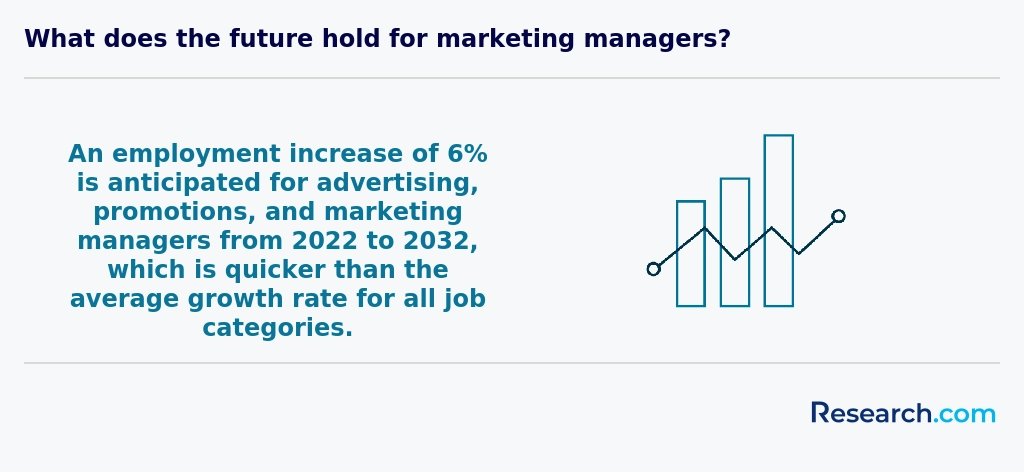
Embarking on a marketing career can be as challenging as it is exciting. Beyond evaluating rankings and tuition costs, prospective students can enhance their decision-making process by taking actionable steps toward their educational and career goals. Start by researching individual programs, setting up conversations with admissions advisors, and tapping into university alumni networks for authentic insights. If you’re balancing work and study, exploring accelerated online options can be particularly beneficial. For instance, prospective students may want to learn more about the fastest online marketing programs in pennsylvania, which offer flexible, streamlined pathways to acquiring the skills necessary for a successful career. By scheduling campus visits or virtual tours, attending open houses, and connecting with current students, you can gather the firsthand experience needed to confidently navigate your marketing education journey.
Marketing degree programs in the Northeast typically encompass a diverse range of courses designed to build both foundational knowledge and specialized skills. Core courses often include Principles of Marketing, where students learn about consumer behavior and market research methods crucial for making strategic decisions. Digital Marketing classes immerse students in real-world tactics such as social media campaigns, SEO, and email marketing, reflecting the fast-evolving landscape of urban markets like New York and Boston.
Graduates from well-known Northeastern universities frequently highlight the value of Marketing Analytics courses that teach data interpretation and the use of statistical tools to craft evidence-based strategies. Hands-on courses in Advertising and Promotion simulate managing authentic campaigns, while Sales Management classes enable students to understand customer relationship dynamics firsthand. Consumer Behavior studies draw on psychological and cultural factors that influence purchasing decisions, often linking theory to actual market scenarios encountered in vibrant metropolitan areas.
Students appreciate how these courses prepare them for the competitive and innovative marketing environment prevalent in the Northeast, enabling them to confidently transition from classroom learning to impactful careers in dynamic industry hubs.
Marketing degree programs in the Northeast commonly offer specializations such as digital marketing, brand management, market research, and sales management, each designed to prepare students for distinct career paths. Graduates from popular universities often share positive experiences applying digital marketing skills in real-world settings, leveraging social media and SEO to drive impactful campaigns in tech hubs like Boston and New York. This concentration aligns closely with current industry demands and is highly sought after in the region.
Brand management specialization emphasizes building brand loyalty and equity, with students benefiting from proximity to major consumer goods companies to gain practical insights. Market research focuses on data analysis and consumer behavior, providing invaluable experience through internships with local research firms. Sales management prepares students to lead teams effectively, honing communication and leadership skills relevant to Northeast's competitive corporate environment. For those exploring niche areas, colleges also offer tracks in international marketing and marketing analytics, providing diverse opportunities.
Prospective students seeking guidance on choosing among these options might explore the best online associate in marketing program for additional pathways. Such focused study ensures graduates are well-equipped to thrive in the vibrant business ecosystem throughout the Northeast.
Choosing the best marketing degree in the Northeast involves assessing programs that offer strong academic credentials and practical experience. Graduates from prominent Northeastern institutions frequently emphasize the value of AACSB accreditation, which ensures rigorous coursework and industry relevance. Many students find that programs integrating courses in digital marketing, data analytics, and strategic communication prepare them well for competitive markets in cities like New York and Boston.
Another important consideration is the availability of internships and networking opportunities. Proximity to urban centers allows students to engage with leading marketing firms and startups, enhancing their real-world skills and job prospects. Alumni from these programs often highlight their rewarding internship experiences that bridged classroom learning with professional challenges.
Cost remains a crucial factor, particularly for students seeking affordable marketing colleges Northeast region. Evaluating tuition alongside available scholarships or grants can shape your decision. For example, exploring options like the Inexpensive Marketing Degree Programs Ranking in Virginia might offer helpful insights for managing expenses while pursuing quality education.
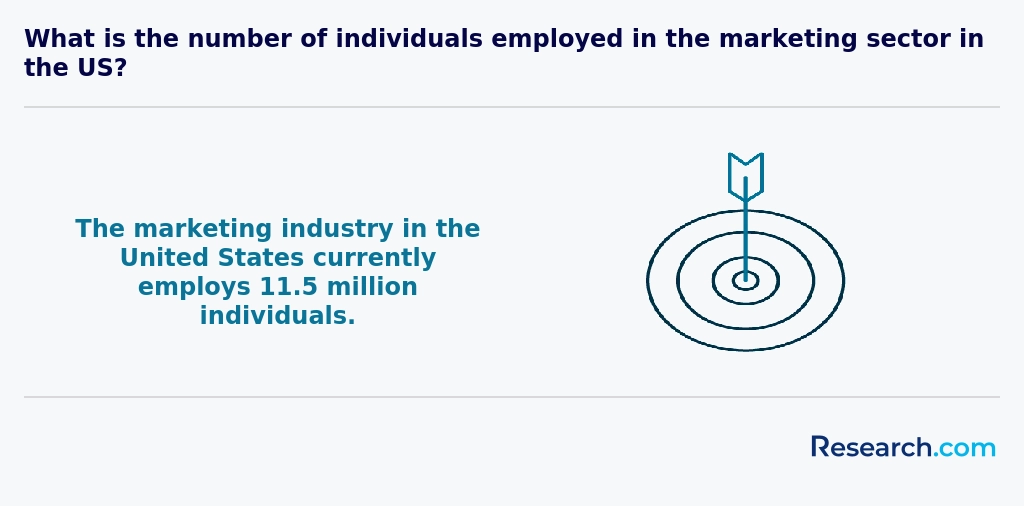
Graduates of marketing programs in the Northeast encounter diverse marketing career opportunities in the Northeast across major urban hubs like New York City and Boston. Roles commonly pursued include advertising and brand management, digital marketing, market research, and product development. Students from well-known universities in the region often find rewarding positions within industries such as finance, healthcare, and technology, where marketing expertise is crucial.
Marketing graduates from these colleges frequently highlight the dynamic environments they experience, from managing campaigns for retail giants to optimizing digital strategy for startups. For many, internships serve as pivotal entry points, offering hands-on experience and networking that lead to roles in public relations, CRM, and marketing consulting. This practical exposure is particularly valuable given the competitive job market for jobs for marketing degree graduates Northeast.
With tuition costs in the Northeast encouraging efficient degree paths, some students also explore accelerated online degree completion programs for working adults to enhance their skills while gaining real-world experience, positioning themselves well for advanced marketing roles in prominent companies.
The job market for marketing degree job opportunities in the Northeast remains robust, supported by the region's economic diversity and concentration of corporate headquarters. Graduates from prominent universities in Boston, New York, and Philadelphia often find themselves stepping into dynamic roles in digital marketing, brand management, and sales strategy. These students frequently benefit from numerous internship opportunities and extensive networking events, which enhance their real-world experience and employability. For example, graduates at well-known Northeast institutions report gaining valuable hands-on skills through collaborations with local startups and established firms, fueling confidence in their career paths.
Northeast marketing degree employment outlook shows steady growth, especially in fields like data analytics and digital marketing, thanks to expanding sectors such as finance, technology, and healthcare. Entry-level salaries tend to exceed the national averages, reflecting the higher cost of living and competitive job landscape. Many graduates also explore what certifications can i get online that pay well to boost their qualifications, positioning themselves advantageously for advancement in this vibrant market.
2027 Most Valuable Marketing Degree Programs Ranking in the Northeast
Investing in your education is a significant decision that can profoundly impact your career, and the Research.com team is committed to helping you make well-informed choices. In creating the "2027 Most Valuable Marketing Degree Programs Ranking in the Northeast," we prioritized quality, credibility, and accuracy through thorough research and analysis. Our goal is to provide prospective students with reliable insights to identify marketing programs that offer the greatest value and opportunities for success.
We utilized the following reputable data sources to ensure a comprehensive and trustworthy ranking:
By reviewing this ranking, readers will gain valuable guidance to select the most advantageous marketing degree programs in the Northeast. For a detailed explanation of our process, please visit the Research.com methodology page.


# 4 position
Shippensburg University of Pennsylvania
Bachelor of Business Administration in Marketing

# 5 position
Pennsylvania State University-World Campus
Bachelor of Science in Marketing

# 6 position
Pennsylvania State University-Main Campus
Bachelor of Science in Marketing


Frequently Asked Questions About marketing
Marketing degree students in the Northeast can enhance their learning by engaging with the region's rich network of businesses and startups, particularly in cities like New York, Boston, and Philadelphia. Internships at firms such as those within the advertising and digital marketing sectors provide hands-on experience crucial for applying theoretical knowledge.
Additionally, students should leverage partnerships between universities and industry leaders, which often include guest lectures and real-world projects. According to the National Association of Colleges and Employers, 62% of employers in the Northeast prioritize candidates with practical internship experience.
Networking through local marketing associations and attending regional conferences also builds valuable professional relationships essential for post-graduation success.
The marketing field is rapidly evolving, especially in the Northeast, where digital transformation drives new career opportunities. Emerging niches include data analytics, which helps companies interpret customer behavior and improve targeting. According to a 2023 report by the U.S. Bureau of Labor Statistics, marketing analyst roles in the Northeast are growing faster than the national average.
Social media marketing remains vital, with a focus on influencer partnerships and content strategy tailored to regional audiences. Additionally, sustainability marketing is gaining momentum as brands respond to consumer demand for eco-friendly products.
Finally, artificial intelligence and automation are shaping marketing campaigns, creating demand for professionals skilled in tech integration within marketing strategies.
Graduates with marketing degrees in the Northeast can enhance job prospects by gaining practical experience through internships, which 78% of employers in this region view as critical, according to the National Association of Colleges and Employers (NACE).
Networking is equally important; participating in local marketing associations like the American Marketing Association's Northeast chapters can connect graduates with industry professionals and job opportunities.
Additionally, proficiency in digital marketing tools and analytics platforms such as Google Analytics and HubSpot is in high demand, as reported by the Bureau of Labor Statistics.
Engaging in continuous learning, including certifications and workshops offered by regional universities and online platforms, helps graduates stay competitive in this evolving field.
Employers in the Northeast highly value marketing graduates who possess strong analytical skills combined with creative thinking. According to the National Association of Colleges and Employers (NACE) 2024 survey, 82% of marketing employers prioritize data analysis abilities to interpret market trends and consumer behavior effectively. Communication skills are essential, as 75% of recruiters seek candidates adept at crafting clear messages for diverse audiences.
Digital marketing expertise is also crucial, with proficiency in social media management, SEO, and content marketing increasingly demanded by businesses in dense metropolitan areas like New York and Boston. Additionally, teamwork and project management skills rank highly, supporting collaboration across departments in fast-paced environments.
Finding internships in the Northeast for marketing students requires leveraging multiple resources. Universities often have dedicated career centers that connect students with local businesses and alumni networks keen on marketing talent. According to the National Association of Colleges and Employers (NACE), over 60% of internships in the Northeast are obtained through university connections.
Online platforms like Handshake and LinkedIn also provide access to thousands of marketing internships in cities like Boston, New York, and Philadelphia. Large firms in advertising, media, and tech actively recruit marketing interns in the region.
Networking events and marketing conferences held throughout the Northeast offer valuable opportunities for direct engagement with potential employers. Additionally, government agencies and nonprofit organizations often post internships that provide relevant marketing experience.
A marketing degree significantly enhances career mobility and advancement opportunities in the Northeast, a region known for its dense concentration of marketing agencies, corporate headquarters, and financial institutions. According to the U.S. Bureau of Labor Statistics (2023), the Northeast employs approximately 15% of the nation's marketing managers, with an average salary 10% higher than the national median.
Graduates with a marketing degree gain valuable skills in digital media, data analytics, and consumer behavior, which are in high demand among regional employers. Networking opportunities and internships offered by universities often lead to quicker job placements and promotions.
Additionally, industry reports from the Northeast Marketing Association highlight that professionals with formal marketing education are 25% more likely to advance to leadership roles within five years, compared to those without degrees.
Studying for a marketing degree in the Northeast equips students with skills that cross traditional disciplinary boundaries. Many universities in this region emphasize collaboration between marketing, data analytics, psychology, and technology programs. This approach aligns with current workforce demands, as 72% of marketing roles in the Northeast require competency in data-driven decision-making, according to the U.S. Bureau of Labor Statistics (2023).
Additionally, institutions often integrate real-world projects involving finance, communications, and information systems. This interdisciplinary training prepares graduates for versatile careers in digital marketing, brand management, and consumer behavior analysis.
Regional business hubs such as Boston and New York offer internships and networking opportunities that further foster interdisciplinary expertise.
Choosing between a thesis and a non-thesis marketing degree program in the Northeast depends largely on your career goals and learning preferences. Thesis programs emphasize research, requiring students to produce original work, which is ideal if you plan to pursue a PhD or a research-focused role. Non-thesis tracks often include applied projects or internships offering practical experience favored by many employers.
In the Northeast, universities like Boston University report that around 40% of marketing graduate students opt for thesis tracks, reflecting strong research emphasis in this region. Additionally, the U.S. Bureau of Labor Statistics highlights growing demand for applied marketing skills in urban centers like New York and Philadelphia.
Ultimately, your decision should consider your timeline, interest in academic research, and career path aspirations.
Students in the Northeast interested in studying marketing abroad have several opportunities through U.S. universities' extensive exchange programs. Many institutions in states like New York, Massachusetts, and Pennsylvania partner with European and Asian schools, allowing marketing majors to spend a semester or year abroad. According to NAFSA: Association of International Educators, over 70% of U.S. study abroad programs include business and marketing courses.
The Northeast houses prominent schools such as New York University and Boston University, both offering tailored international marketing tracks and study abroad options. These programs provide exposure to global markets, crucial for marketing careers.
Many programs also offer internships abroad, enhancing practical experience. For students, these options blend academic learning with cultural immersion in key global business hubs, helping build competitive advantages in marketing careers.
Part-time job opportunities in the Northeast can greatly enhance marketing degree education by providing practical experience. Many students find roles in social media management, content creation, or digital marketing internships with local businesses and startups, especially in urban centers like Boston, New York City, and Philadelphia. According to the Bureau of Labor Statistics, the Northeast shows a higher concentration of marketing professionals, increasing the availability of entry-level positions.
Retail marketing positions also offer experience in customer analytics and promotional strategies. Additionally, freelance opportunities involving market research or email marketing campaigns allow students to apply classroom knowledge.
Marketing students in the Northeast benefit from robust networking opportunities due to the region's concentration of major urban centers and industries. Cities like New York, Boston, and Philadelphia host numerous marketing events, career fairs, and professional groups. According to the U.S. Bureau of Labor Statistics, the Northeast accounts for over 25% of marketing job postings nationally, making local networking crucial for career success.
Many universities partner with established marketing organizations such as the American Marketing Association (AMA), offering students access to workshops, guest lectures, and internships. These connections help students engage with industry leaders and peers early in their studies.
Moreover, alumni networks from top colleges in the Northeast are notably active, providing mentorship and job referrals that support career development in marketing fields.
Alumni networks provide significant advantages for marketing degree students in the Northeast by fostering connections essential for career growth. Many universities in this region have extensive alumni communities active in major metropolitan areas like New York City and Boston, where marketing industries thrive. According to the National Association of Colleges and Employers (NACE), 70% of jobs are found through networking, making these ties valuable for internships and job placements.
Alumni often mentor current students, offering insights about evolving marketing trends and regional job markets specific to the Northeast economy. They also facilitate access to exclusive events, workshops, and job fairs, which boost students' professional development and hiring potential.
Students pursuing marketing degrees in the Northeast can tailor their programs by selecting specialized electives that align with industries prominent in the region, such as finance, technology, and healthcare. Many universities offer concentrations in digital marketing, analytics, or brand management, enabling learners to build skills suited to their career aspirations.
Internship opportunities are abundant in cities like New York, Boston, and Philadelphia, providing practical experience with leading companies. According to the National Center for Education Statistics, over 60% of marketing students in the Northeast participate in internships, increasing their employment prospects.
Additionally, some programs incorporate cooperative education (co-op) terms, allowing students to alternate academic study with full-time work in marketing roles. This hands-on approach helps customize education to specific professional objectives, creating a competitive advantage upon graduation.
Marketing students in the Northeast often face a competitive academic environment due to the region's concentration of top-ranked universities. According to the National Center for Education Statistics, institutions like New York University and Boston University attract large numbers of applicants, increasing pressure to excel.
Another common challenge is balancing theory with practical experience. Many programs emphasize digital marketing skills, but students sometimes struggle to access real-world projects or internships, which are crucial for building portfolios.
Additionally, the cost of education and living expenses in cities like Boston, New York, and Philadelphia can be significant barriers. Data from the College Board shows average annual costs often exceed $30,000, which can deter students from lower-income backgrounds.
Finally, rapid changes in marketing technology require continuous learning, demanding strong time-management skills from students wanting to stay current.
A marketing degree from a Northeast institution opens the door to various professional certifications valued by employers. Popular options include the Professional Certified Marketer (PCM) offered by the American Marketing Association, recognized nationwide for validating marketing expertise.
Many graduates also pursue Google Analytics Individual Qualification or HubSpot Content Marketing Certification, both enhancing digital marketing skills. Given the Northeast's strong digital economy, certifications in data analytics and social media marketing are particularly beneficial.
Additionally, becoming a Certified Digital Marketing Professional through the Digital Marketing Institute can boost competitiveness in this crowded job market. According to the New England Council, marketing jobs requiring certification have grown by 12% over the last five years.
Writing a winning application for a marketing program in the Northeast requires careful preparation and clear communication of your goals. Start by researching each school's marketing curriculum and faculty expertise to tailor your personal statement effectively. According to the National Center for Education Statistics, competitive programs often seek applicants with a GPA above 3.0 and relevant internship experience.
Highlight practical skills such as digital marketing, data analysis, or consumer behavior, which are in high demand in Northeast markets like New York and Boston. Including quantifiable achievements from internships or projects strengthens your application. Additionally, secure strong letters of recommendation from professors or professionals who can attest to your marketing potential.
Standardized test scores like the SAT or GRE may still be considered, so verify requirements for each institution. Lastly, proofread carefully to ensure clarity and professionalism, crucial qualities for a career in marketing.
Marketing careers in the United States, especially in the Northeast, benefit from a global outlook due to the region's diverse economy and international business connections. According to the U.S. Bureau of Labor Statistics, marketing manager roles in major Northeastern cities like New York and Boston are expected to grow by 10% through 2031, reflecting strong demand.
Many marketing degree programs in the Northeast emphasize global marketing strategies, preparing students for careers that require understanding international consumer behavior and digital trends. Institutions often incorporate case studies from multinational companies, reflecting marketing's worldwide scope.
This global perspective is crucial, as 81% of U.S. businesses reported engaging in international trade in recent surveys by the U.S. International Trade Administration, opening varied career paths for graduates.
Gaining practical experience while studying for a marketing degree in the Northeast is essential for career readiness. Many universities in this region offer internship programs that connect students with local businesses, including firms in New York City, Boston, and Philadelphia. According to the National Association of Colleges and Employers (NACE), about 65% of marketing students in the Northeast participate in internships before graduation.
Students can also engage in cooperative education, combining classroom study with paid work experience. Additionally, marketing clubs and campus projects often collaborate with regional companies, providing hands-on experience. Exploring these opportunities early can enhance professional skills and networking within the Northeast's vibrant marketing industry.
Choosing the right concentration within a marketing degree program in the Northeast depends on your career goals and local industry demand. Popular concentrations include digital marketing, market research, and brand management. The Northeast is a hub for finance, technology, and healthcare, so marketing specializations aligned with these sectors often offer more job opportunities. According to the U.S. Bureau of Labor Statistics, marketing analyst roles in metro areas like New York City and Boston are projected to grow by over 10% through 2030.
Consider programs that offer internships or partnerships with regional companies to gain hands-on experience. Also, review curriculum details to ensure courses match your interests and future industry trends.
See What Experts Have To Say About Studying Marketing
Read our interview with Marketing experts

Aidin Namin, Ph.D.
Marketing Expert
Associate Professor of Marketing Analytics
Loyola Marymount University

John R. Meindl
Marketing Expert
Adjunct Assistant Professor of Marketing
Hofstra University

- What is a niche market? Types and 26 untapped niches https://clientify.com/en/blog/marketing/what-is-a-niche-market-types-and-examples
- Marketing Assistant Cover Letter Sample https://www.kickresume.com/en/help-center/marketing-assistant-1-cover-letter-sample/
- How to Become an International Marketing Executive https://online.maryville.edu/online-bachelors-degrees/marketing/careers/international-marketing-executive/
- Top 5 marketing skills employers are looking for in 2025 https://www.konkergroup.com/top-5-marketing-skills-employers-are-looking-for-in-2025/
- Who Can Be an International Marketer? https://www.spencerstuart.com/research-and-insight/who-can-be-an-international-marketer
- Women in marketing: Career growth through education | Esade https://www.esade.edu/beyond/en/women-marketing/
- Digital Marketing Major https://www.kozminski.edu.pl/en/digital-marketing-major
- How Niches Provide New Growth Opportunities for Business https://visionedgemarketing.com/niche-marketing-provides-new-growth-opportunities/
- Great Colleges for Business in the Northeast https://www.collegexpress.com/interests/business/articles/schools-business/colleges-great-business-programs-northeast/
- The skills that will get you a graduate job in marketing https://targetjobs.co.uk/careers-advice/marketing-advertising-and-pr/skills-will-get-you-graduate-job-marketing