2027 Most Affordable Online Bachelor's in Marketing Degree Programs Ranking in the Midwest

Co-Founder and Chief Data Scientist
Choosing the right marketing degree program can be overwhelming, especially when looking for affordable options in the Midwest. This article presents the 2027 Most Affordable Online Bachelor's in Marketing Degree Programs Ranking in the Midwest, created by the Research.com team of data scientists.
Designed to help you make an informed decision, this ranking highlights programs that balance cost with quality education. Earning a marketing degree opens doors to exciting career opportunities and personal growth. Dive in to discover affordable paths that fit your goals and budget.
Key benefits of getting online marketing degree in the Midwest
- Marketing degree graduates in the Midwest can expect strong salaries: a Marketing Assistant earns about $83,190 annually, while a Public Relations Specialist can make $159,420 per year, reflecting rewarding financial opportunities.
- A graduate from a well-known Midwestern university might pursue careers as a Sales Associate, Media Planner, or Digital Marketing Specialist, offering versatile paths in exciting marketing fields.
- Online marketing degrees provide flexibility and convenience, allowing students to balance work and study while still gaining valuable skills, as shown by successful online graduates from popular Midwestern schools.
- 2027 Most Affordable Online Bachelor's in Marketing Degree Programs Ranking in the Midwest
- What can I expect from online marketing degree in the Midwest?
- Where can I work with online marketing degree in the Midwest?
What can I expect from online marketing degree in the Midwest?
The average cost of an online marketing degree in the Midwest is notably affordable compared to other U.S. regions, with many public universities offering in-state tuition rates below the national average. Graduates from institutions such as those in Ohio, Michigan, and Indiana often report manageable tuition expenses that allow them to pursue their studies without incurring excessive debt. For example, a typical student attending a state university may pay significantly less than counterparts in coastal states, easing financial stress during their education.
Students appreciate how this affordability pairs well with flexible course delivery, enabling them to balance work and study. Alumni often describe how being able to study at renowned Midwestern universities with lower tuition helped them gain practical marketing skills while maintaining financial stability. This economic advantage, combined with strong regional job prospects, creates an encouraging environment for those entering digital marketing careers.
Where can I work with online marketing degree in the Midwest?
Graduates with an online marketing degree from well-regarded Midwestern institutions often find themselves employed across a broad spectrum of industries. For example, alumni from universities in Chicago and Minneapolis frequently secure roles in thriving financial and technology sectors, engaging in digital marketing campaigns and customer data analysis. These opportunities align with regional economic strengths, where companies seek professionals adept at online content strategy and SEO.
Graduates from Midwest colleges report entering positions such as digital marketing specialists, social media managers, and market research analysts with confidence, applying skills acquired through hands-on projects and internships. Many work within manufacturing hubs in Michigan and Ohio, where agricultural technology and automotive businesses invest heavily in targeted marketing strategies. This practical environment offers graduates rewarding challenges, fostering professional growth and a sense of accomplishment.
Moreover, marketing students often gain invaluable experience by collaborating with regional nonprofits, advertising agencies, or universities. The rise of remote work expands career possibilities, allowing graduates to partner with clients nationwide while remaining rooted in the Midwest. Such dynamic pathways illustrate the robust and diverse employment landscape awaiting marketing degree holders in this region.
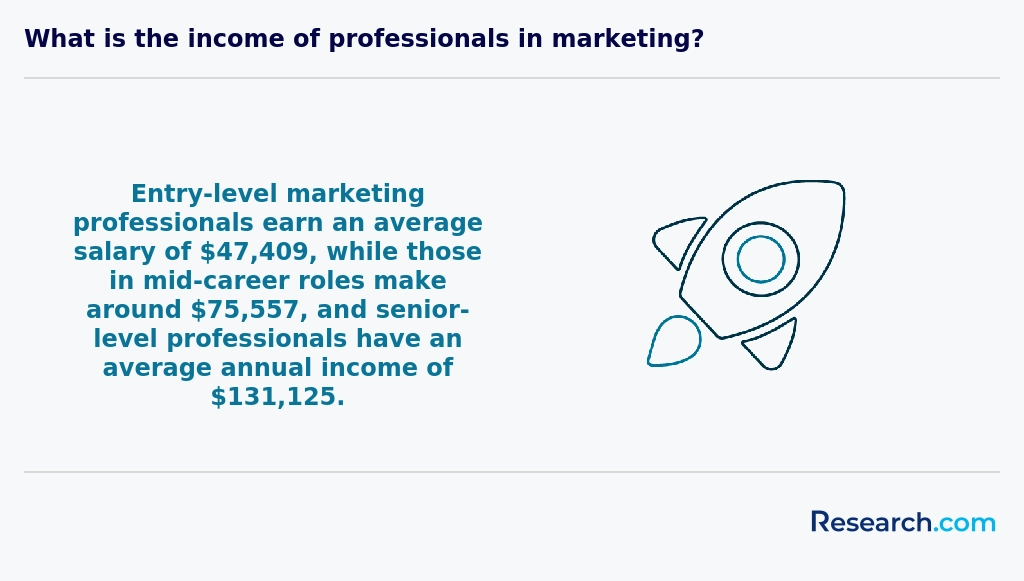
Graduates from popular Midwest institutions like the University of Illinois at Urbana-Champaign or Michigan State University with an online marketing degree can anticipate competitive earnings aligned with regional industry demands. Entry-level roles such as marketing assistants and digital marketing specialists typically offer mean annual wages around $83,190, reflecting a strong starting salary that supports new graduates as they develop practical skills.
Positions such as public relations specialists provide opportunities for significant income growth, with mean annual salaries reaching approximately $159,420. This highlights how specialization and experience can dramatically increase earning potential within the Midwest job market.
Sales associates related to marketing fields earn an average of $53,280 annually, offering a viable entry point to develop client-facing and sales strategy experience valuable in broader marketing careers. Graduates often appreciate the robust salary dynamics in cities like Chicago and Minneapolis, where employers value digital marketing expertise and pay premiums for measurable results in SEO and content marketing campaigns.
Overall, Midwest graduates enter a job market where salary prospects improve steadily with experience and specialization, encouraging a career path with growing financial rewards.
- Online marketing degrees in the Midwest typically cost between $25,000 and $40,000, which is lower than the national average.
- Graduates' starting salaries range from $45,000 to $52,000 annually, with mid-career earnings often between $70,000 and $85,000.
- The job market for marketing roles in the Midwest is expected to grow by about 7% over the next decade.
- In-demand roles include digital marketing specialists, market research analysts, and brand managers.
- Programs with courses in digital marketing, social media, and analytics offer a competitive advantage.
- Regional universities provide networking opportunities that can help with job placement after graduation.
Completing an online marketing degree in the Midwest typically takes between two and four years, depending on individual circumstances. Full-time students at well-regarded institutions such as the University of Illinois or DePaul University generally follow a traditional four-year path, aligning with standard undergraduate program lengths. Graduates often reflect on this period as a balanced experience, managing coursework alongside regional internship opportunities that bolster their practical skills.
Those with prior college credits or professional experience can often accelerate their studies and graduate in as little as two to three years. For example, many transfer students from popular Midwest colleges appreciate flexible credit evaluations and the ability to tailor course loads, allowing them to move swiftly toward completion without sacrificing academic rigor.
Part-time learners at schools like Indiana University-Purdue University Indianapolis frequently extend their studies to five years or more, balancing work and family commitments. This flexibility, while extending timelines, is valued for accommodating diverse lifestyles and ultimately delivering a rewarding educational experience.
Investing in an online marketing degree requires careful consideration of costs versus career earnings. On average, Midwest public universities charge approximately $10,740 per year for in-state students, resulting in a four-year investment of about $43,000. With entry-level Marketing Assistants earning a mean salary of $78,880 annually, graduates often recoup their tuition within the first two years of full-time employment, yielding a strong ROI compared to many other fields. Beyond raw tuition, ROI improves when students leverage scholarships, accelerated tracks, and part-time work. Federal aid, state grants, and institutional scholarships can reduce debt by 20–50%, while completing a 100-credit program in three years cuts living expenses and opportunity costs. Graduates who engage in internships through robust career services report faster job placements and higher starting salaries, further boosting their investment returns. When comparing public vs. private options, the total cost of private institutions-averaging $32,825 per year-can be offset by stronger alumni networks and specialized faculty-led capstone projects. Prospective students should evaluate both total cost of attendance and average post-graduation salary data, ensuring that program benefits align with long-term goals. For a state-specific view on cost-effective options, explore Affordable Online Bachelor’s in Marketing Degree Programs Ranking in Missouri, which highlights top institutions delivering exceptional value and accelerated pathways to marketing careers.
Online and on-campus marketing degrees in the Midwest differ primarily in their delivery and student experience, though both confer the same credential and cover essential marketing topics such as consumer behavior and digital marketing. Graduates from institutions like the University of Missouri appreciate the flexibility of online programs, which allow balancing work and family while engaging deeply with course material. This format is ideal for students requiring adaptable schedules, often supported by reliable technology and digital literacy.
Conversely, on-campus programs at schools such as Indiana State University offer immersive face-to-face learning, fostering networking through direct interaction with professors and peers. Many on-campus students express enthusiasm for access to campus career centers and local business internships, which provide tangible connections in Midwest markets like Chicago and Minneapolis.
Cost-wise, online students often save significantly on housing and transportation expenses compared to their on-campus counterparts at major public universities in the region, enhancing the accessibility and affordability of earning a marketing degree while maintaining academic rigor and employer recognition.
As the marketing landscape evolves with emerging technologies and shifting consumer behaviors, students and professionals must stay informed about future trends that are shaping the industry. Online marketing education is increasingly integrating advanced analytics, artificial intelligence, and immersive digital experiences to better prepare graduates for dynamic roles. Emerging trends include the adoption of AI-driven customer insights, the expansion of data visualization tools, and the growing importance of personalized content strategy. Prospective students should also consider seeking programs that emphasize innovation and forward-thinking practices. For instance, exploring the fastest online marketing schools in missouri can provide valuable perspectives on how cutting-edge approaches are being implemented in program curricula. By aligning academic pursuits with upcoming industry trends, graduates will be well-equipped to drive transformative marketing campaigns and gain a competitive edge in a rapidly changing career landscape.
The average cost of an online marketing degree in the Midwest typically falls around $51,820, with in-state students benefiting from rates closer to $47,685. Out-of-state students may expect higher expenses, averaging approximately $55,794. These figures represent total program costs, encompassing tuition and additional fees over the course of the degree. Many graduates from Midwestern universities, such as those who studied marketing online through the University of Wisconsin system or Kent State University, have expressed satisfaction with the affordability relative to the quality and flexibility offered.
Affordability is a major factor that attracts students to Midwestern institutions. Public universities often provide reduced tuition rates for online learners, making these programs an appealing choice for students seeking affordable online marketing bachelor programs Midwest. For example, courses at Kent State are competitively priced around $11,500 annually, while private institutions like DePaul University may charge closer to $30,000 per year. These variations highlight the importance of investigating specific schools' pricing and financial aid options.
Many graduates report feeling relieved knowing they could pursue their degree without accumulating excessive debt, thanks to scholarships, employer tuition assistance, and other aid prevalent throughout the region. Considering these elements, prospective students can find accessible routes to a marketing degree in the Midwest that align with both their career goals and financial capabilities. For those interested in accelerating their education, reviewing the fastest online marketing schools in missouri is a practical next step.
Students pursuing an online marketing degree in the Midwest frequently rely on federal financial aid, which serves as the cornerstone of support for many. By submitting the FAFSA, students gain access to grants like the Pell Grant and FSEOG, both of which are awarded based on financial need and do not require repayment. Graduates from institutions such as Indiana University or the University of Missouri often attest to how these grants significantly eased their financial burden, allowing them to focus on coursework rather than debt.
Many Midwestern universities provide institutional scholarships specific to marketing or related business programs. These awards, whether merit- or need-based, often recognize academic achievement and leadership, which fosters strong motivation among students. Residents at popular schools like Ohio State University benefit from state-level aid, with programs offering tuition assistance specifically for in-state enrollment, making education more accessible and affordable.
Additionally, private scholarships from organizations like the American Marketing Association offer targeted support, rewarding community involvement and leadership. Working adults frequently highlight employer tuition assistance as pivotal in financing their degrees part-time. This combination of federal, state, institutional, and private aid profoundly enhances affordability for marketing students across the Midwest.
One of the most valuable components of an online marketing degree in the Midwest is the opportunity to apply classroom lessons through internships and hands-on projects. Internships not only allow you to build a professional portfolio, but they also connect you with industry mentors, foster networking, and often lead to full-time job offers upon graduation. Key Benefits of Internships:
- Real-World Skills Development: Engage in tasks such as campaign planning, market research, and analytics reporting to bridge theory and practice.
- Professional Networking: Collaborate with marketing teams at local agencies, corporate marketing departments, or non-profits, expanding your contacts and references.
- Portfolio Building: Produce tangible work-social media calendars, email campaigns, SEO audits-that demonstrates your abilities to future employers.
- Competitive Edge: Graduates who complete internships often command higher starting salaries and advance more quickly in roles such as marketing coordinator or digital strategist. How to Secure a Marketing Internship: 1. Leverage University Career Services: Use virtual career fairs, resume workshops, and alumni networks offered by your institution. 2. Target Midwest Industries: Explore internships at Chicago tech startups, Milwaukee manufacturing firms, or Indianapolis health-care organizations to gain industry-specific insights. 3. Showcase Your Digital Skills: Highlight projects from courses like Digital Marketing Strategies and Data Analytics for Marketing on your LinkedIn profile and personal website. 4. Prepare for Virtual Interviews: Practice common marketing case studies, and be ready to discuss metrics such as engagement rates and ROI from previous projects. Maximizing Your Internship Experience:
- Set Clear Goals: Identify at least three skills you want to master-such as Google Analytics, email automation platforms, or A/B testing.
- Seek Mentorship: Request regular feedback from supervisors and join professional groups like the American Marketing Association chapter in your state.
- Reflect and Document: Keep a journal of accomplishments and lessons learned; these notes will strengthen your resume and interviews. For data-driven roles, many students transition seamlessly from internships to analytical positions. To chart your long-term path, explore our marketing analyst career outlook and understand the emerging skills and salary projections in this growing field.
Applicants seeking enrollment in online marketing degree programs in the Midwest must typically hold a high school diploma or an equivalent credential such as a GED. This foundational requirement ensures readiness for rigorous coursework at institutions popular in the region, like those in Illinois and Ohio. Many programs expect a minimum GPA between 2.5 and 3.0, reflecting sufficient academic achievement to handle marketing studies effectively.
Graduates from these programs often recall submitting official transcripts as transfer students, demonstrating competency in core subjects such as English and mathematics-critical for marketing analysis and communication. Some also recount the value of providing personal statements or essays, showcasing their passion for marketing and adaptability to online learning environments common in Midwestern colleges.
While standardized tests such as the SAT or ACT are becoming less emphasized due to test-optional policies, strong written and verbal communication skills remain essential. Letters of recommendation further help reflect an applicant's preparedness and professional potential. These prerequisites collectively support students in navigating their marketing education with confidence and success.

Online marketing degree programs in the Midwest typically include a well-rounded curriculum that combines foundational marketing principles with hands-on digital skills. Graduates from renowned Midwestern universities often highlight courses such as Introduction to Marketing, Consumer Behavior, and Marketing Research as essential building blocks that help them understand customer motivation and market trends firsthand.
Students gain practical expertise through specialized digital marketing courses like Social Media Marketing, Search Engine Optimization (SEO), and Email Marketing. For example, many find applying SEO strategies in real campaigns at colleges like the University of Illinois invigorating, turning theoretical knowledge into measurable results.
Data analysis courses, including Marketing Analytics and Web Analytics, equip students with the ability to interpret campaign data-skills highly valued by regional employers. Learners also report that classes focused on Marketing Communications and Customer Relationship Management provide tools for effective engagement with consumers across various platforms.
This structured approach, combined with affordable tuition in the Midwest, enables students to confidently enter the marketing workforce with both solid theory and applicable digital expertise.
Online marketing degree specializations Midwest programs commonly include digital marketing, market research, advertising, social media marketing, and brand management. Graduates from institutions such as the University of Illinois or Ohio State University often share how digital marketing courses, emphasizing SEO, PPC, and analytics, prepared them to meet the high demand for digital skills across the region. Their hands-on experience with real-world campaigns helps them feel confident stepping into professional roles.
Market research is another sought-after concentration, training students to analyze data and support strategic decisions. Midwest colleges frequently highlight that these skills align well with the positive projections in marketing analyst career outlook, ensuring graduates are well-positioned for job growth.
Advertising and brand management specializations focus on creative campaign development and consumer psychology, equipping students with expertise they apply confidently in agencies. Social media marketing teaches engagement strategies on platforms widely used by Midwest small businesses, making this specialization especially practical. These best marketing concentrations for Midwest students foster both enthusiasm and professional readiness.
When choosing the best online marketing degree in the Midwest, prospective students prioritize institutions accredited by bodies like the Higher Learning Commission to ensure recognized quality and employer acceptance. Graduates from renowned colleges often share how comprehensive curriculums covering digital marketing, analytics, and consumer behavior equipped them with practical skills for today's competitive landscape. Considering affordability is crucial; many find that public four-year institutions offer in-state tuition averaging around $10,000 annually, making Affordable Online Bachelor's in Marketing Degree Programs Ranking in Missouri a valuable resource for budgeting. Flexibility also plays a key role-students balancing work and family attest that asynchronous classes and online support services made their learning experience manageable and engaging. Choosing programs with strong internship connections has positively impacted graduates' job placement, with marketing professionals in the Midwest earning median salaries near $65,000, validating the investment in quality, affordable online marketing programs Midwest.
Graduates with an online marketing degree in the Midwest find diverse career paths across various industries, driven by strong regional sectors such as manufacturing, healthcare, and technology. Many marketing degree job opportunities Midwest include roles like digital marketing managers who develop and implement SEO, PPC, and content strategies to boost brand presence. Market research analysts play a vital role by examining consumer behavior to inform business decisions, notably in auto and tech hubs like Detroit. Brand and sales managers are also sought after, particularly by companies focused on agricultural products and retail chains prevalent throughout the region.
Graduates from universities popular in the Midwest often share how their programs emphasize practical skills in analytics and communication, which employers highly value. These programs enable students to balance studies with real-world experience networking with local businesses. For those concerned about affordability, this guide highlights cost-effective options to pursue an online marketing career options Midwest, making a rewarding professional journey accessible and achievable.
The job market for online marketing jobs in the Midwest is robust and offers diverse opportunities across various sectors such as healthcare, manufacturing, finance, and retail. Graduates from reputable institutions in the region, like those attending popular universities in Chicago or Minneapolis, frequently share positive experiences about securing roles in digital marketing, brand management, and advertising soon after graduation. The dense corporate presence in cities like Chicago, home to many Fortune 500 companies, significantly enhances employment prospects.
The Midwest marketing degree job outlook is especially favorable for those with skills in SEO, data analytics, social media marketing, and content creation. Entry-level positions such as marketing coordinators typically offer salaries between $45,000 and $60,000, while marketing managers earn between $85,000 and $110,000 annually. This competitive salary range combined with generally affordable public university tuition makes the region attractive for students pursuing online marketing degrees. Many graduates find that building practical digital skills during their studies leads directly to rewarding careers.
Students interested in advancing their education further may explore options concerning what master degree makes the most money to maximize future earning potential in this growing field.
2027 Most Affordable Online Bachelor's in Marketing Degree Programs Ranking in the Midwest
Investing in your education is a significant decision that can shape your career, and the Research.com team understands the importance of making well-informed choices. To support prospective students seeking affordable marketing degrees in the Midwest, we have carefully developed the "2027 Most Affordable Online Bachelor's in Marketing Degree Programs Ranking in the Midwest." Our dedication to quality, credibility, and accuracy is demonstrated through thorough research and detailed analysis.
We utilized the following reputable data sources to ensure a comprehensive evaluation of marketing degree programs:
By exploring this ranking, readers will gain valuable insights into affordable quality online marketing programs in the Midwest, helping them make confident decisions about their education investment. For more information on how this ranking was created, please visit our Research.com methodology page.




Frequently Asked Questions About marketing
Online marketing degree students in the Midwest can maximize their learning experience by actively engaging with regional industry trends. The Midwest hosts headquarters of major companies like General Motors and Cargill, providing valuable case studies for marketing strategies in manufacturing and agriculture sectors. Students should utilize virtual internships and networking opportunities offered through university partnerships, enabling practical experience alongside coursework.
Faculty expertise matters: choosing programs with professors experienced in Midwest markets helps contextualize lessons better. Utilizing resources from institutions such as the Mid-America Marketing Association can also provide access to research and events relevant to local business environments.
Additionally, students should leverage data analytics tools emphasized in many online curriculums, since 75% of Midwest businesses increasingly adopt digital marketing tactics, according to a 2023 Small Business Marketing Report. Staying current on these trends ensures learners apply real-world skills effectively.
The marketing field continues to evolve rapidly, with several emerging niches gaining prominence in the Midwest. Digital analytics is one such area, where professionals use data to optimize marketing strategies. According to the Bureau of Labor Statistics, demand for market research analysts is expected to grow by 18% nationally by 2030, with strong job growth concentrated in states like Illinois and Ohio.
Another expanding niche is social media marketing, driven by regional businesses leveraging platforms like Instagram and TikTok to reach younger consumers. E-commerce marketing is also growing, as Midwest companies increasingly shift sales online. Additionally, content marketing and influencer partnerships are becoming crucial for brand engagement in this region.
After earning an online marketing degree in the Midwest, graduates should focus on building practical skills valued by regional employers. Many companies in states like Illinois and Ohio emphasize experience with digital analytics and social media management, according to a 2023 report by the U.S. Bureau of Labor Statistics.
Internships or freelance projects can provide important hands-on experience. Networking through Midwestern marketing associations and attending virtual career fairs boosts job prospects. Additionally, earning industry certifications such as Google Analytics or HubSpot can strengthen resumes.
Midwest graduates should also tailor their job search by researching local industries with high marketing demand, including manufacturing and healthcare sectors, which continue to grow according to the Midwest Economic Development Journal.
Employers in the Midwest prioritize several key skills when hiring marketing degree graduates. Analytical ability is highly valued, as data-driven decision making helps companies optimize campaigns and understand customer behavior. According to the U.S. Bureau of Labor Statistics, marketing analysts are projected to grow by 10% from 2022 to 2032 nationwide, reflecting regional demand as well.
Communication skills remain essential, with the ability to craft clear messages across digital and traditional channels. Digital marketing expertise, including proficiency in SEO, social media management, and content creation, is also critical due to the increasing importance of online presence for Midwestern businesses.
Finally, creativity and adaptability are sought after, enabling graduates to respond to changing market trends efficiently.
Finding internships in the Midwest relevant to a marketing degree involves a mix of research, networking, and leveraging local resources. Start by exploring university career centers, which often have partnerships with regional companies and provide listings for marketing internships. According to the National Association of Colleges and Employers (NACE), around 60% of marketing internships in the Midwest lead to job offers.
Midwest states like Illinois, Ohio, and Michigan host numerous marketing firms and corporate headquarters. Using platforms such as Handshake and LinkedIn enables students to target companies in cities like Chicago, Columbus, and Detroit.
Joining local marketing associations, like the American Marketing Association's Midwest chapters, can open networking doors. Additionally, attending Midwest career fairs and virtual events tailored to marketing students increases exposure to potential internships.
An online marketing degree significantly enhances career mobility and advancement opportunities in the Midwest. According to the U.S. Bureau of Labor Statistics, marketing-related roles in states like Illinois, Ohio, and Michigan are expected to grow by 8% through 2031, reflecting rising demand for digital skills. Graduates with an online marketing degree gain competencies in SEO, content strategy, and data analytics, which are vital for adapting to evolving industries such as manufacturing, retail, and technology prevalent in the region.
Employers in the Midwest value formal education combined with practical skills, making an online degree a flexible yet credible pathway. Salary reports from PayScale reveal that marketing professionals in the Midwest with a bachelor's degree earn approximately 12% more on average than those without. This degree thus opens doors to managerial roles and specialized positions, supporting long-term career growth locally.
Studying for a marketing degree in the Midwest often involves coursework that integrates elements of business, communication, data analysis, and technology. Many Midwest universities emphasize interdisciplinary learning, preparing students to adapt in roles that cross traditional marketing boundaries.
For example, programs may include classes on consumer psychology, digital analytics, and supply chain management. This broad approach aligns with job market demands, where marketers frequently collaborate with IT, sales, and product development teams.
According to the National Center for Education Statistics, Midwestern institutions have increased online marketing course offerings by 12% over the past five years, reflecting growth in interdisciplinary skills training.
Such programs help graduates build versatile expertise, balancing creativity with quantitative analysis, crucial for success in evolving marketing roles.
When choosing between a thesis and a non-thesis online marketing degree program in the Midwest, consider your career goals and learning preferences. Thesis programs typically emphasize research skills and require a substantial final project, ideal for students interested in academic or analytical roles.
Non-thesis programs usually focus more on practical skills and coursework, better suited for those aiming to enter the workforce quickly. According to the National Center for Education Statistics, Midwest institutions offering marketing degrees often highlight these differences prominently.
Additionally, thesis options may take longer to complete, impacting tuition and time commitments. Evaluate program flexibility and your professional timeline before deciding.
Students in the Midwest seeking online marketing degrees with international experience have several study abroad options. Many universities in states like Illinois, Ohio, and Michigan offer exchange programs with partner schools overseas. These programs typically allow students to spend a semester abroad while earning credit toward their degree. Additionally, some Midwestern schools provide virtual global internships focused on international marketing strategies.
According to NAFSA: Association of International Educators, Midwestern institutions saw a 5% increase in study abroad participation over the past year, reflecting growing interest. The integration of online marketing courses with global experiences prepares students well for a competitive market.
Part-time job opportunities in the Midwest can greatly enhance the learning experience of students pursuing online marketing degrees. Common positions include social media management, content creation, and market research assistant roles, which provide hands-on marketing skills. According to the U.S. Bureau of Labor Statistics, marketing assistant jobs are expected to grow about 10% nationally through 2032, with Midwest metropolitan areas like Chicago and Minneapolis showing steady demand.
Internships with local advertising agencies or nonprofit organizations also offer valuable real-world experience. These jobs help students build portfolios and professional networks while balancing coursework.
Many students find remote freelance marketing gigs through platforms serving Midwest businesses, improving digital marketing competencies.
Online marketing students in the Midwest benefit from various networking opportunities that connect them with professionals and peers in the field. Many universities host virtual career fairs and alumni networking events, which allow students to engage without geographic barriers. Midwest states such as Illinois, Ohio, and Michigan have strong marketing industries, with firms regularly collaborating with educational institutions.
Organizations like the American Marketing Association (AMA) have active chapters in many Midwestern cities, offering students access to workshops, webinars, and local meetups. These connections are crucial, considering that nearly 70% of marketing positions in the Midwest are filled through professional networking, according to the U.S. Bureau of Labor Statistics.
Additionally, internships and cooperative education programs facilitated online provide real-world experience and contacts in regional marketing firms. Such engagements enhance employability and help build a professional network vital for career advancement.
Alumni networks play a crucial role for students pursuing online marketing degrees in the Midwest. These networks create valuable connections with professionals who have firsthand experience in the regional job market. According to the National Association of Colleges and Employers (NACE), 85% of jobs are filled through networking, underscoring the importance of alumni relations.
Many universities in the Midwest maintain active online platforms where alumni share job openings, career advice, and industry trends specific to marketing sectors like retail, manufacturing, and agribusiness, which are prominent in this region. Access to mentorship programs via alumni helps students gain practical insights and job referrals.
Overall, alumni networks enhance students' career prospects by bridging academic learning with real-world opportunities in the Midwest market.
Customizing an online marketing degree program in the Midwest allows students to align their studies with specific career goals. Many Midwestern universities offer flexible curricula where students can select electives like digital marketing, consumer behavior, or data analytics. This flexibility supports careers in diverse fields such as e-commerce, brand management, or advertising.
Additionally, Midwestern institutions often integrate real-world projects and internships, which can be tailored to local industries known for marketing opportunities, including manufacturing and agriculture sectors. According to the National Center for Education Statistics, over 60% of Midwest online marketing students choose concentrations that reflect regional economic strengths.
Students should consult academic advisors to plan a coursework path emphasizing skills demanded by employers, such as SEO, content marketing, or social media analytics, ensuring their degree supports their professional ambitions.
Online marketing students in the Midwest often face challenges related to access and resources. Despite increasing internet availability, rural areas in states like Iowa and Nebraska report slower broadband speeds, impacting real-time interaction and streaming quality for online classes (FCC Broadband Report, 2023).
Another typical issue is balancing coursework with work and family commitments. Many students in the region are working adults pursuing degrees part-time, which can affect timely program completion.
Additionally, finding region-specific marketing internships and networking opportunities can be difficult, as many corporate hubs remain concentrated in major coastal cities.
Finally, some students struggle with adapting to the fast-paced changes in digital marketing tools and platforms, underscoring the need for updated curriculum responsive to industry trends.
With an online marketing degree, professionals in the Midwest can pursue several valuable certifications that enhance their expertise and job prospects. Popular options include the Certified Digital Marketing Professional (CDMP) credential offered by the Digital Marketing Institute, recognized nationwide.
Another highly regarded certification is the Google Ads Certification, which validates skills in pay-per-click advertising, a crucial area for many Midwest businesses shifting to digital.
The HubSpot Inbound Marketing Certification is widely respected for teaching content marketing and social media strategy, important in a region where small- to mid-sized enterprises dominate.
According to the U.S. Bureau of Labor Statistics, marketing and sales roles in the Midwest are expected to grow 8% by 2030, increasing demand for certified marketing professionals.
To write a winning application for an online marketing program in the Midwest, start by highlighting your relevant experience and career goals clearly. Midwest universities often value practical marketing skills combined with academic readiness. Showcasing knowledge of digital marketing tools and data analytics can strengthen your application since these areas are emphasized in contemporary programs.
Include a well-crafted personal statement that reflects your motivation, especially how studying marketing online fits with your lifestyle and career aspirations. Many programs in states like Illinois and Ohio receive hundreds of applications, so specificity about your region's market trends can help.
Strong letters of recommendation from professionals or faculty familiar with your abilities are crucial. Admissions committees look for evidence of teamwork and communication skills, key traits for marketing success.
Finally, ensure you meet all application deadlines and submit required documents, including transcripts that show good academic standing. According to the National Center for Education Statistics, Midwest schools have increasingly leaned toward holistic reviews, incorporating both quantitative data and personal achievements in decision-making.
Marketing is a global profession that requires an understanding of diverse markets and cultures. With the rise of digital marketing, professionals must adapt to international trends and technologies. According to the U.S. Bureau of Labor Statistics, marketing roles are expected to grow 10% from 2022 to 2032, illustrating strong demand across regions, including the Midwest.
The Midwest, known for its manufacturing and agricultural industries, is increasingly integrating global marketing strategies. Online marketing degrees from Midwest institutions emphasize skills like data analytics and cross-cultural communication, preparing students for worldwide opportunities.
Employers value graduates who understand global consumer behavior and digital platforms. The evolving landscape means marketing careers offer paths in international business development, digital advertising, and market research, stressing the importance of a broad, global perspective.
Gaining practical experience while pursuing an online marketing degree in the Midwest is essential for career success. Many Midwest universities offer virtual internships with local companies, enabling students to apply marketing concepts in real-world settings. According to the National Association of Colleges and Employers (NACE), about 60% of students nationwide secure internships related to their field, and Midwest programs are steadily increasing those opportunities.
Students can also engage in project-based coursework, often collaborating with local businesses to develop marketing strategies. Additionally, virtual marketing competitions and online workshops hosted by Midwest business organizations provide valuable hands-on experience. Leveraging these options helps students build a professional portfolio before graduation.
When choosing a concentration within an online marketing degree program in the Midwest, consider your career goals and local industry trends. Popular concentrations include digital marketing, analytics, and sales management. Data from the U.S. Bureau of Labor Statistics shows marketing analyst roles in the Midwest growing by 8% from 2021 to 2031, signaling strong demand.
Research programs offering courses aligned with these trends and check if schools have partnerships with Midwest-based companies. This can enhance internship and job prospects. Also, review faculty expertise and alumni success in your area of interest.
Choosing a concentration that matches regional market needs can increase your chances of employment and career growth.
See What Experts Have To Say About Studying Marketing
Read our interview with Marketing experts

Aidin Namin, Ph.D.
Marketing Expert
Associate Professor of Marketing Analytics
Loyola Marymount University

John R. Meindl
Marketing Expert
Adjunct Assistant Professor of Marketing
Hofstra University

- How to Choose the Right Online Marketing Degree for the AI Era | IWU https://www.indwes.edu/articles/2026/06/how-choose-right-online-marketing-degree-for-ai-era
- What Careers Can You Expect with a Marketing Degree https://www.global-business-school.org/content-type/blog/what-careers-can-expect-marketing-degree/
- Outstanding Job Application Letter for Marketing Manager | Cover Letter Copilot https://coverlettercopilot.ai/blog/job-application-letter-marketing-manager
- Online Bachelor of Science in Marketing | Illinois College https://www.ic.edu/marketing-online
- Learning Outcomes for Marketing - Champlain College https://www.champlain.edu/learning-outcomes-for-marketing/
- How to use growth marketing in an alumni network context? - AlumnForce https://www.alumnforce.com/en/how-to-use-growth-marketing-in-an-alumni-network-context/
- 3 Undergraduate Digital Marketing Courses at Technological University of the Shannon: Midlands Midwest https://www.hotcoursesabroad.com/study/degrees/ireland/undergraduate/digital-marketing-courses-at-technological-university-of-shannon-midlands-midwest/loc/154/slevel/2/cgory/bf.4-4/sin/ct/cid/310148/programs.html
- Women in marketing: Career growth through education | Esade https://www.esade.edu/beyond/en/women-marketing/
- Digital Marketing, B.S. https://www.lewisu.edu/academics/digitalmarketing/
- Become an AI-Powered Certified Digital Marketer https://courses.uwcped.org/digital-marketing