
2027 Most Affordable Online Master's in Library Science Degree Programs Ranking in the Midwest

Co-Founder and Chief Data Scientist
Choosing the right online master's degree in library science can feel overwhelming, especially when balancing cost and quality. That's why this article features the 2027 Most Affordable Online Master's in Library Science Degree Programs Ranking in the Midwest, created by the Research.com team of data scientists.
Designed to help you make a clear, informed decision, this ranking highlights programs that offer excellent value without compromising on education. Earning a library science degree opens doors to rewarding careers and lifelong learning. Dive in to discover the best affordable options tailored to Midwestern students like you.
Key benefits of getting online library science degree in the Midwest
- Graduates with a library science degree in the Midwest can expect rewarding salaries, such as a Reference Librarian earning around $68,570 annually and Records Managers making up to $104,810, highlighting strong financial potential.
- Career paths are diverse, ranging from Archivist and Academic Librarian roles to User Interface Designer positions, offering flexibility and growth opportunities for graduates from well-known Midwest universities.
- Online degrees provide convenient learning that fits busy schedules without sacrificing quality, as seen with successful graduates from reputable Midwest institutions who value balancing work, life, and education.
- 2027 Most Affordable Online Master's in Library Science Degree Programs Ranking in the Midwest
- What can I expect from online library science degree in the Midwest?
- Where can I work with online library science degree in the Midwest?
What can I expect from online library science degree in the Midwest?
In the Midwest, pursuing an online library science degree typically costs between $10,000 and $20,000, depending on factors like residency and the institution's policies. Graduates from well-known programs such as those at the University of Illinois at Urbana-Champaign or the University of Wisconsin-Milwaukee often recall the balance of affordability and quality as a key motivator. One graduate described feeling reassured knowing the investment was manageable without sacrificing the depth of knowledge or access to expert faculty.
Many students find the price point encouraging, especially when paired with the flexibility of asynchronous coursework that allows working professionals to continue earning while learning. The cost often covers a comprehensive curriculum that includes digital libraries, cataloging, and emerging areas like data management, helping learners connect theory with practice. Reflecting on this, graduates appreciate how their programs embed affordability within a robust academic framework, enabling real career growth without overwhelming financial strain.
Where can I work with online library science degree in the Midwest?
Graduates with an online library science degree in the Midwest quickly discover a diverse employment landscape that defies the outdated notion of libraries as mere book warehouses. Many find rewarding careers in public libraries across Illinois, Ohio, and Michigan, where communities thrive on innovative literacy programs and digital access initiatives. For instance, graduates from the University of Illinois at Urbana-Champaign often share how their roles as program coordinators bring them closer to community engagement and lifelong learning.
Academic libraries at institutions like Ohio State University provide another vibrant career path. Alumni frequently recount managing digital archives and supporting cutting-edge research, blending traditional librarianship with emerging technologies. This blend speaks to a dynamic Midwest market where librarians evolve as tech-savvy information stewards rather than passive custodians.
Specialized roles in hospitals, law firms, and government agencies also attract graduates who relish the complexity of organizing niche databases and facilitating high-stakes research. Working at places like the Mayo Clinic or Chicago corporate libraries challenges grads to apply their skills in vital, real-world contexts.
Finally, in Minneapolis and Indianapolis, the growing tech scene opens doors for library science professionals to lead in digital curation and metadata organization, proving the degree's relevance far beyond the stacks.
Graduates with an online library science degree from respected Midwest institutions like the University of Illinois or the University of Michigan often find that their earnings reflect both regional economic factors and the diversity of roles available. For example, academic librarians in the Midwest typically earn around $68,570 annually, mirroring national averages, while archivists earn about $65,700 per year.
These figures challenge the notion that graduates must accept entry-level pay forever. Librarians who build expertise in digital archiving or information management report salaries climbing well beyond $70,000. Entry-level roles such as assistant librarians or technical services staff start between $40,000 and $50,000, a reasonable beginning considering the steady job outlook across public schools and universities.
Many graduates recall starting in modest roles before growing into positions that pay $75,000 or more, particularly when moving into administrative posts. This progression is echoed by records managers earning a robust $104,810 annually in the region. Such opportunities reveal that a library science degree from a Midwest online program can unlock rewarding careers far beyond stereotypes.
- Online library science degrees in the Midwest include courses on information organization, digital libraries, and archival management with flexible, remote access.
- Tuition for these master's programs usually ranges between $15,000 and $30,000, often lower than other regions, with some universities offering in-state rates regardless of residency.
- Library and information science jobs in the Midwest are expected to grow about 6% from 2022 to 2032, according to the U.S. Bureau of Labor Statistics.
- Starting salaries for graduates typically range from $45,000 to $50,000, with mid-career earnings between $60,000 and $70,000, higher in cities like Chicago and Minneapolis.
- Many programs require internships or practicum placements to provide practical experience alongside theoretical learning.
Completing an online library science degree in the Midwest often defies simple timelines, stretching from 1.5 to 3 years depending on how students navigate their unique circumstances. Graduates from programs like the University of Illinois Urbana-Champaign recall balancing coursework and local internships, appreciating how a two-year full-time plan allows immersive learning without sacrificing personal life. Meanwhile, part-time students find empowerment in the flexibility to extend their studies up to three years, accommodating work and family responsibilities without feeling rushed.
What resonates deeply is how credit requirements-typically between 36 and 42 hours-intersect with students' prior experiences and institutional pace. Some Midwestern schools accelerate learning, fostering a sense of accomplishment among those eager to finish sooner. Others require practicums that, while extending timelines, offer invaluable hands-on skills that graduates cherish long after wrapping up courses.
These timelines challenge the notion that speed always reflects success. Instead, they invite future library scientists to consider how purposeful pacing shapes both their education and career readiness in impactful ways.
Accreditation is the cornerstone of any reputable Library Science program, ensuring that graduates meet the high standards set by industry leaders such as the American Library Association (ALA). ALA accreditation signals that a program’s curriculum, faculty expertise, and learning outcomes align with national benchmarks, which is often a prerequisite for many librarian positions and state-level certification. Prospective students should verify that their chosen institution holds ALA accreditation and that coursework covers core competencies-including cataloging, information organization, and digital resource management-to qualify for professional credentials upon graduation. In addition to ALA accreditation, many states require passing a certification exam or completing a state-approved induction program to work as a public, school, or academic librarian. Coursework in areas like information literacy instruction and reference services not only strengthens your resume but also directly prepares you for certification boards. It’s important to review your state’s specific licensing requirements early in the application process to ensure seamless transition from student to credentialed professional. For students seeking the most cost-effective pathways to an accredited degree, our curated list of cheap online library science masters degrees highlights programs that combine affordability with ALA-approved curricula, helping you achieve both academic excellence and professional certification without compromising on quality.
Choosing between an online and on-campus library science degree in the Midwest is not just about location-it's about how you experience your education. Graduates from the University of Illinois Urbana-Champaign often describe their on-campus time as a dynamic mix of face-to-face mentorship and hands-on access to vast local archives, which feels invaluable for diving deep into physical collections. Meanwhile, those who studied online at Wayne State University emphasize the flexibility that allowed them to juggle family and work while engaging in vibrant virtual discussions, unlocking a nationwide network that extends beyond Midwestern borders.
Consider the difference in daily routine: on-campus students might savor spontaneous hallway conversations that spark fresh research ideas, while online learners craft their own pace, sometimes missing those chance encounters but gaining the freedom to learn when creativity strikes. The Midwest's diverse public institutions show that both paths meet rigorous ALA standards, yet the choice depends on whether you thrive on immersive campus energy or the autonomy of remote study.
Choosing an ALA-accredited program and understanding licensure pathways ensures your degree leads directly to qualified roles. When evaluating online mlis programs, confirm accreditation status and plan for any state or specialty certifications:
- American Library Association (ALA) accreditation – guarantees your curriculum meets national quality standards and is recognized by employers.
- State licensure for school librarians – most K–12 roles require specific certification, so review your state board’s GPA, practicum, and portfolio requirements.
- Specialist credentials – consider certifications like the Academy of Certified Archivists or Medical Library Association to stand out in niche fields.
- Continuing education units (CEUs) – maintain licensure and stay current with evolving skills in digital curation, metadata standards, and information technology.
The average cost of an online library science degree in the Midwest reflects a unique balance between accessibility and quality. Data shows that the median in-state total cost hovers around $14,658, making it notably affordable compared to other regions. Graduates from well-known institutions like the University of Illinois Urbana-Champaign often share how this balance allowed them to pursue their degree without overwhelming financial burdens, especially when factoring in scholarships and financial aid. This affordability challenges the common assumption that quality online education always comes at a premium.
However, out-of-state students can expect a somewhat higher price, with a median cost reaching $37,674. This difference encourages many prospective students to explore residency options or consider enrollment in public universities that offer competitive tuition regardless of state lines. These figures help paint an important picture for those curious about the average cost of online library science degree Midwest programs, highlighting the value proposition for both local and non-resident learners.
Prospective students often find inspiration in the stories of those who have successfully navigated the financial landscape of their programs. Many who studied at the University of Wisconsin-Madison report that while additional costs like technology fees and course materials add up, the overall investment is relatively manageable within their budgets. For those prioritizing affordability and quality, exploring the top online library science schools in kansas reveals attractive alternatives that fit various financial situations.
Affordable online library science programs Midwest-wide are gradually reshaping expectations, proving that pursuing a career in library science does not have to be a costly gamble. With strategic planning and the right resources, students turn what could seem like a daunting financial commitment into an achievable and rewarding educational journey.

Financial aid for online library science degrees in the Midwest isn't just a safety net-it can be a transformative force. Many graduates from universities like the University of Illinois at Urbana-Champaign share how federal grants, especially the Pell Grant, lifted significant financial burdens, allowing them to fully engage with their studies without overwhelming debt. It's easy to overlook state programs, yet residents of Illinois and Ohio benefit from targeted grants like the Illinois Monetary Award Program (MAP), which can drastically reduce tuition costs and make advanced education feel attainable rather than distant.
Beyond public funding, institutional scholarships at Midwest schools often offer more than money-they provide a sense of belonging and validation. Graduates recall assistantships at the University of Wisconsin-Madison that not only offset expenses but also enriched their professional experiences, intertwining learning with practical roles. The American Library Association's scholarships further validate online students' ambitions, blending financial support with professional prestige.
Finally, working students find unexpected support through employer tuition reimbursement programs, turning their current jobs into stepping stones toward advanced credentials. These layered financial aids redefine the traditional narrative, proving that pursuing a library science degree online in the Midwest can be an achievable, empowering journey.
As the landscape of library science continues to evolve, staying informed about emerging trends is crucial for prospective students and professionals alike. In the face of rapid technological advancements, digital transformation is reshaping traditional library services, emphasizing skills in data management, digital curation, and user experience design. Today's online master's programs are increasingly incorporating courses on emerging technologies, such as artificial intelligence and machine learning applications in information retrieval, ensuring that graduates are well-prepared for the challenges of modern librarianship. In addition to digital competencies, there is a growing emphasis on community engagement and interdisciplinary collaboration. Libraries are becoming active hubs for learning and innovation, with programs frequently partnering with local organizations to expand access to digital and print resources. This trend not only enhances the learning environment but also opens up new career pathways, positioning graduates to serve as pivotal connectors between technology and community empowerment. Prospective students can further explore cutting-edge educational options by researching programs that blend traditional library science principles with modern digital practices. For instance, graduates considering opportunities often seek guidance from resources that list the top online library science schools in kansas, helping them choose programs that are forward-thinking and highly competitive. By keeping a pulse on these emerging trends, students and professionals alike can ensure that their skills remain relevant and that they are equipped to lead the innovative transformation within the library and information science field.
Envision a graduate from a prominent Midwest university who switched careers by enrolling in an online library science program despite having an undergraduate degree in social sciences. Their journey began with meeting the core prerequisite: holding a bachelor's degree from an accredited institution, regardless of the specific field. This flexibility is a hallmark of many Midwest programs, encouraging diverse backgrounds to enrich the library science community.
Alongside a completed degree, most students share the experience of submitting official transcripts that reflect at least a 3.0 GPA, a threshold that often reassures admissions committees of academic readiness. One graduate vividly recalled how their letters of recommendation from both academic mentors and workplace supervisors painted a complete portrait of their potential, reinforcing the value of advocacy beyond grades.
Personal statements emerge as moments of reflection and genuine enthusiasm. Students from respected colleges like the University of Illinois or Dominican University frequently describe writing these essays as a transformative act, clarifying their passion for information stewardship. Although some Midwest programs still ask for GRE scores, many have waived this, recognizing the real-world expertise many candidates bring.
Practical experience isn't just a bonus; it's an emotional anchor. Having volunteered at local libraries, many applicants confidently present stories of connecting with their communities-proof of their dedication beyond academics. This multifaceted approach to prerequisites invites prospective students to see themselves not just as applicants, but as future leaders in a field rich with purpose and impact.
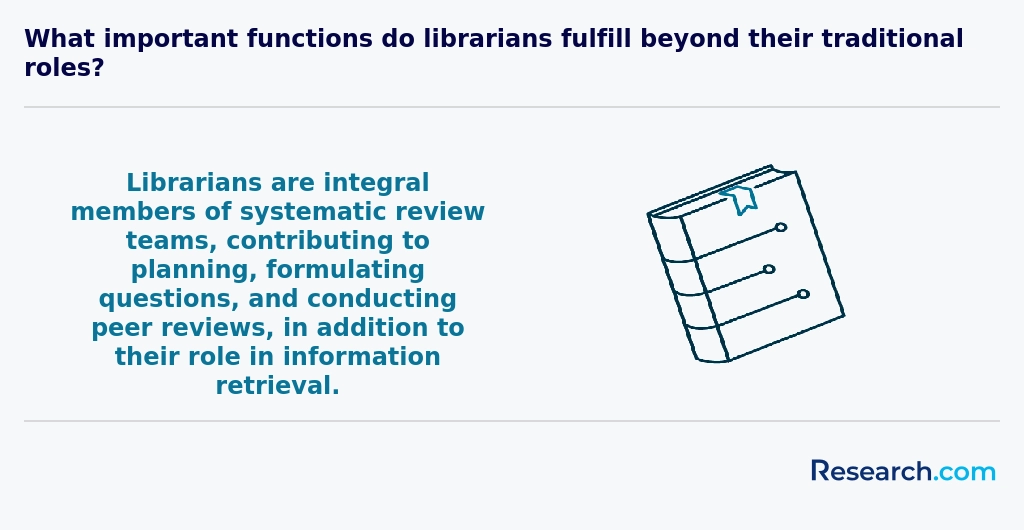
Understanding your potential return on investment can help you choose the right program.
- Total tuition vs. expected starting salary (often $55,000–$60,000)
- Median payback period: 2 to 4 years based on Midwest salary data
- Impact of financial aid and scholarships on net program cost
- Specializations that tend to boost earnings (digital archiving, data curation)
- Compare affordability and outcomes at online mlis programs
The core courses in Midwest online library science degrees shatter any notion that library work is purely about shelving books. Graduates often describe their journey through classes like Introduction to Library and Information Science as eye-opening moments, revealing how libraries adapt in a digital world. At universities such as the University of Illinois Urbana-Champaign, students dive deep into Information Organization and Retrieval, mastering cataloging and metadata in ways that feel immediately applicable to real-world tasks.
Courses like Reference Services and Research Methods go beyond theory, encouraging learners to imagine themselves guiding diverse patrons through complex research-skills that bring a sense of accomplishment and purpose. Meanwhile, Collection Development and Management invites students to grapple with selecting resources that truly meet their community's needs, sparking pride in shaping knowledge access.
Digital fluency is another key-graduates often find Digital Libraries and Information Technology refreshing, as it prepares them to innovate in emerging technology spaces. This holistic blend of coursework equips Midwest students not just with information, but with confidence to lead library transformation.
Online library science degree programs in the Midwest challenge traditional notions of the field by offering specialized tracks that reflect the digital transformation of information management. Graduates from popular Midwestern colleges often emphasize how concentrations like Archives and Digital Preservation equip them with cutting-edge skills to safeguard historical records in an increasingly virtual world. Such specializations empower students to become custodians of community memory, blending technology with heritage.
Meanwhile, those pursuing Midwest online library science degree concentrations in Information Technology and Data Management frequently share stories of mastering database systems and innovative retrieval techniques-skills that transcend typical librarian roles and open doors to dynamic tech-driven careers. Others, drawn to School Library Media, find fulfillment in supporting K-12 educators by integrating digital tools that enliven learning environments.
Midwestern programs also understand the region's diverse communities, offering Public Library Services specializations that inspire graduates to develop outreach initiatives tailored to local needs. For those seeking an affordable education without sacrificing quality, exploring cheap online library science masters degrees in the Midwest reveals options balancing cost with comprehensive training focused on tomorrow's library challenges.
Choosing the best online library science degrees Midwest means looking beyond superficial rankings and diving into the realities students face daily. Graduates from Indiana University often speak of the value found in asynchronous classes that blend rigorous coursework with flexible schedules, enabling them to balance jobs and family life. At the University of Illinois Urbana-Champaign, alumni recall how the program's specialized tracks, like digital librarianship, empowered them with marketable, future-ready skills. Such personal experiences highlight the importance of program format and relevant specialization, which can make or break your educational journey.
Cost is more than just numbers. Many find that exploring affordable online MLS programs Midwest leads them to weigh in-state tuition benefits seriously, often deciding to enroll where residency status drastically reduces fees. Comparing these costs alongside expected graduation rates and job placement data provides a clearer picture of your return on investment. For a well-rounded view, consulting the Most Affordable Online Library Science Degree Programs Ranking in the Midwest is a smart step in making a choice that fits both your wallet and career goals.

Graduates pursuing a Midwest online library science career opportunities often find themselves navigating diverse roles that break from traditional perceptions of librarianship. For instance, those trained at institutions like the University of Illinois or Michigan State University frequently step into community-centered public libraries, designing engaging literacy programs that actively transform local neighborhoods. Others transition into academic libraries, where their expertise supports groundbreaking research and digital archival projects vital to universities' missions.
The scope of library science jobs in the Midwest also extends into specialized sectors such as corporate, legal, or medical information management, challenging graduates to become adept at handling highly technical resources. Many are drawn to positions as archivists or curators within museum systems, preserving stories that define regional heritage. Some embrace roles as IT specialists responsible for developing innovative digital library systems, reflecting a powerful blend of technology and information science. The evolving library landscape in the Midwest provokes graduates to rethink what it means to be a librarian today, realizing their impact can be deeply varied and influential.
For prospective students weighing options, affordable and respected programs offer pathways to these careers. Exploring the fastest online associate's degree options can accelerate entry into these dynamic fields, making the promise of a satisfying and evolving career tangible.
The job market for graduates with an online library science degree in the Midwest challenges the notion that traditional library roles are shrinking. Instead, these graduates find vibrant opportunities fueled by expanding digital services at universities and public libraries. For example, graduates from well-regarded programs at Midwestern universities often secure roles as digital resources managers or information specialists, where their expertise directly supports community digital literacy and outreach initiatives. This dynamic environment proves the value of an online degree that combines library skills with technology.
Midwest job market for library science graduates reflects steady demand in urban and suburban areas such as Chicago and Minneapolis, where public libraries serve diverse populations. The approachable tuition costs in states like Indiana and Wisconsin make pursuing these roles accessible, while graduates report satisfaction in contributing to evolving community services. Many express that this career path offers a purposeful balance of tradition and innovation, contrary to expectations of stagnation.
Those exploring career options might also consider institutional roles beyond libraries, highlighting the versatility an online degree provides. Interested students can find guidance on the easiest masters degree online that complements their goals.
2027 Most Affordable Online Master's in Library Science Degree Programs Ranking in the Midwest
Investing in your education is a significant decision that can shape your future, and the Research.com team understands the importance of making well-informed choices. To support prospective students seeking affordable and quality Library Science master's programs in the Midwest, we have carefully developed the "2027 Most Affordable Online Master's in Library Science Degree Programs Ranking in the Midwest." Our dedication to quality, credibility, and accuracy is demonstrated through rigorous research and analysis.
We utilized the following reputable data sources to ensure a comprehensive evaluation of these programs:
By exploring this ranking, readers will gain valuable insights into cost-effective and quality online Library Science master's programs tailored to the Midwest, empowering them to make confident decisions about their educational investments. For more details on our methodology, please visit our Research.com methodology page.



Frequently Asked Questions About library science
Online library science degree students in the Midwest can maximize their learning by actively engaging with their program's digital resources and faculty. Utilizing virtual libraries and databases offered by universities enhances research skills essential for library careers.
Networking with peers through online forums or regional professional organizations like the Midwest Library Association provides valuable insight and job opportunities. According to the American Library Association, student involvement in such groups correlates with higher employment rates after graduation.
Additionally, students should seek internships or practicum placements at local libraries, many of which partner with online programs to offer hands-on experience. This practical exposure complements theoretical learning and is crucial for certification requirements in states like Illinois and Ohio.
The field of library science in the Midwest is evolving with several emerging niches gaining prominence. One key area is digital curation, where professionals manage and preserve digital archives and electronic resources. This specialization is growing due to increasing digitization in universities and public libraries. Another important niche is data management, which focuses on organizing research data and supporting open access initiatives. According to the American Library Association, Midwest institutions reported a 15% increase in demand for digital librarians from 2020 to 2023.
Additionally, community engagement librarianship is expanding, emphasizing outreach and inclusivity in diverse urban and rural settings. These areas reflect Northeast trends but are adapting to Midwest community needs, indicating strong regional growth potential.
After completing an online library science degree in the Midwest, preparing for the job market involves several key steps. First, obtaining certification from the American Library Association (ALA) can improve job prospects, as many employers in states like Illinois and Ohio prefer ALA-accredited credentials.
Networking through regional organizations such as the Midwest Library Association enables graduates to connect with professionals and discover job openings.
Additionally, gaining practical experience through virtual internships or volunteer positions is advisable, as the Bureau of Labor Statistics projects a 9% growth in librarian jobs through 2032, especially in public and academic libraries.
Finally, honing technology skills like digital archiving and database management is critical for competitive applications.
Employers in the Midwest highly value technical proficiency among library science graduates, including knowledge of integrated library systems and digital cataloging. Familiarity with metadata standards such as MARC and Dublin Core is essential for managing digital collections effectively.
Strong research and information literacy skills are also sought after, enabling graduates to assist diverse user groups in navigating complex information sources efficiently. A 2023 report from the American Library Association highlights that these skills increase employability by up to 20% in the region.
Additionally, communication and interpersonal abilities remain critical, as librarians often coordinate with staff, users, and community partners. Leadership and project management capabilities are advantages in expanding library services.
Finding internships in the Midwest related to a library science degree starts with exploring local and regional library systems. Public, academic, and special libraries across states like Illinois, Ohio, and Michigan often offer internships tailored to MLS students. The American Library Association (ALA) provides resources and a searchable database of internship opportunities nationwide, including the Midwest.
Universities offering online library science programs in the Midwest frequently partner with nearby libraries to help students secure internships. Checking university career centers and program coordinators can provide leads. Additionally, state library associations, such as the Illinois Library Association and Ohio Library Council, list internship openings and networking events.
Internships commonly focus on cataloging, digital archives, and community outreach. According to a 2023 report by the Midwest Library Partnership, approximately 65% of library science internships in the region offer stipends or academic credit, helping students gain hands-on experience while completing degree requirements.
An online library science degree significantly enhances career mobility and advancement opportunities in the Midwest. According to the Bureau of Labor Statistics, the demand for librarians in this region is projected to grow by approximately 5% from 2022 to 2032, reflecting steady job availability. Holding a Master's in Library Science (MLS) or Master's in Information Science (MIS) obtained online helps graduates qualify for a wider range of positions, from traditional librarians to digital archivists and information managers.
Employers in Midwestern states such as Illinois, Ohio, and Michigan increasingly value candidates with accredited online degrees due to their flexibility and comprehensive curriculum. Additionally, professional networking through online program alumni groups can support regional job placement.
Data from the American Library Association highlights that librarians with advanced degrees typically see higher salaries and quicker promotions. Especially in the Midwest, where public and academic libraries emphasize technology and digital resources, graduates with online degrees acquire skills that enhance their career trajectories.
Studying for a library science degree in the Midwest equips students with skills relevant to interdisciplinary roles by emphasizing collaboration across fields such as information technology, education, and healthcare. Many Midwestern programs integrate courses in data management, digital archiving, and user experience, preparing graduates to support diverse organizational needs.
According to the American Library Association, Midwestern institutions adapt their curricula to meet regional workforce demands, including roles in corporate, academic, and government sectors. This variety encourages flexible thinking and application of information science in multiple domains.
Furthermore, partnerships with local cultural institutions and technology firms provide hands-on experience in interdisciplinary projects.
Choosing between a thesis and non-thesis online library science degree in the Midwest depends on your career goals and learning preferences. Thesis programs typically require original research and a formal written document, ideal for students aiming for doctoral studies or research-oriented roles. Non-thesis programs focus more on practical coursework and often include internships, which suit those seeking immediate professional application in libraries or information centers.
Midwestern universities offering these options, such as the University of Illinois and Wayne State University, report that about 40% of library science graduates pursue thesis tracks to enhance academic credentials. The American Library Association highlights that practical skills remain highly valued, especially in public and school libraries.
Midwest students interested in studying library science abroad have limited direct options due to the specific accreditation requirements tied to U.S. library science programs. Most Midwest universities offering library science degrees emphasize accredited online programs that comply with the American Library Association (ALA) standards. However, some institutions partner with global universities for study-abroad components, allowing students to gain international perspectives while completing core coursework online.
For example, the University of Illinois at Urbana-Champaign, renowned for its online library science program, occasionally collaborates on exchange opportunities. Yet, students generally complete the majority of their studies within U.S.-based frameworks to maintain ALA accreditation, which is critical for professional certification.
Data from the National Center for Education Statistics show that ALA-accredited online programs in the Midwest outnumber direct international options, reinforcing the focus on domestic yet flexible study paths for library science students.
In the Midwest, part-time jobs that complement online library science degrees often include roles such as library assistants, archival aides, and digital cataloging clerks. These positions provide practical experience in information management and support career advancement. According to the American Library Association, library assistant roles are expected to grow by 6% nationally between 2020 and 2030, with steady demand in Midwestern states like Illinois and Ohio.
Many public and university libraries in the region offer flexible schedules suited for students balancing coursework and work. Additionally, internships in local museums or historical societies provide valuable exposure to archival practices relevant to library science. These opportunities help students build professional networks while applying classroom knowledge in real settings.
Online library science students in the Midwest have several networking opportunities that enrich their educational experience. Many Midwestern universities partner with local public libraries, allowing online students to attend virtual events, workshops, and conferences. These connections foster professional relationships aligned with regional library systems.
The Midwest Library Association offers student memberships providing access to webinars, job boards, and mentorship programs. According to the association's 2023 report, nearly 60% of library science professionals in the Midwest actively participate in such networks.
Additionally, Midwestern online programs often encourage involvement in national organizations like the American Library Association, which hosts virtual meetups, increasing access to broader networks.
Alumni networks offer significant advantages to online library science degree students in the Midwest. These networks connect current students with graduates working in public, academic, and special libraries across states such as Illinois, Ohio, and Michigan. According to the American Library Association, strong professional connections increase job placement rates by up to 30% in this field. Through alumni events, mentorship programs, and job boards, students gain valuable insight into local library trends and hiring practices. Access to experienced professionals enhances practical knowledge beyond coursework, which is especially valuable in the evolving digital landscape of library services.
Moreover, alumni often provide career advice tailored to the Midwest's specific cultural and economic context. This localized support helps students navigate licensure requirements and specialized certifications common in the region. Additionally, online programs with active alumni networks can offer internships and cooperative education opportunities in Midwestern library systems, improving students' resumes and employment prospects.
Customizing an online library science degree in the Midwest allows students to align their education with specific career goals. Many programs offer elective courses in areas like archival management, digital librarianship, or youth services. This flexibility helps tailor skills for unique job roles in public libraries, schools, or corporate settings.
Midwestern universities often provide practicum options or partnerships with local libraries, enabling hands-on experience despite remote study. According to the American Library Association, specialization certificates can enhance job prospects and salary potential.
Additionally, students can focus on technology integration or information policy, making their degree relevant to evolving library environments. Program advisors typically assist in creating individualized plans to maximize career alignment.
Online library science students in the Midwest often face challenges related to technology and access. Reliable internet connectivity can be inconsistent in rural areas, impacting participation in live lectures and timely submission of assignments. According to the Pew Research Center, about 79% of rural Midwestern households have broadband, compared to 96% in urban areas. This digital divide remains a persistent issue for many students.
Another common challenge involves balancing coursework with professional and personal responsibilities. Many students enrolled online are working professionals aiming to advance their careers, making time management crucial. Additionally, students may experience limited opportunities for in-person networking and hands-on practicum experiences, which are valuable for careers in library science.
Finally, financial constraints and navigating financial aid online can cause difficulties. While many Midwestern schools offer affordable programs, understanding state residency requirements and available scholarships requires careful attention. Institutions like the American Library Association provide resources, but students often must be proactive to access support effectively.
With an online library science degree, graduates in the Midwest can pursue several professional certifications to enhance their careers. The most recognized is the Certified Public Librarian (CPL) credential, often required by state library boards in Illinois, Michigan, and Ohio. Another key certification is the American Library Association's (ALA) Certified Archivist, which is valuable for those interested in managing historical collections and archives.
The Medical Library Association's (MLA) Academy of Health Information Professionals certification is growing in demand, especially with Midwest institutions expanding health information services. According to the Illinois Library Association, over 60% of librarians with certifications reported improved employment prospects in regional studies.
These certifications typically require a master's in library science and passing specific exams. They demonstrate expertise and a commitment to professional development, helping online graduates stand out in the competitive Midwest job market.
Writing a winning application for an online library science program in the Midwest starts with thorough research. Focus on programs accredited by the American Library Association (ALA), as accreditation significantly impacts career prospects. Highlight any relevant experience, such as internships or work in libraries, to demonstrate your commitment.
Craft a clear personal statement detailing your goals and how the degree fits your career plan. Midwest employers often value practical skills, so emphasize proficiency with digital archives or cataloging systems.
Strong letters of recommendation from academic or professional contacts can improve your chances. According to the Bureau of Labor Statistics, the Midwest expects steady growth in librarian jobs through 2030, making well-prepared candidates highly competitive.
The field of library science is increasingly recognized worldwide for its role in managing information in a digital age. In the United States, including the Midwest, professionals with library science degrees often work beyond traditional libraries, engaging in data management, digital archiving, and information technology.
Globally, the demand for skilled librarians is linked to the rise of digital information and open access resources. According to the American Library Association, the U.S. Bureau of Labor Statistics projects a 8% growth in librarian roles from 2020 to 2030. This trend reflects a broader recognition of the importance of information curation in education and research institutions worldwide.
In the Midwest, states like Illinois and Minnesota are home to innovative online library science programs that equip students with skills applicable internationally. These programs highlight cross-cultural collaboration and global information standards, preparing graduates for diverse careers.
Gaining practical experience while studying for an online library science degree in the Midwest is essential for building career skills. Many programs encourage students to complete internships or practicums at local libraries, museums, or archives. These opportunities allow hands-on experience in cataloging, information management, and user services.
Midwestern universities often partner with public and academic libraries to offer placement options, even for remote students. According to the American Library Association, about 70% of accredited programs in this region require a fieldwork component, ensuring direct application of learned theories.
Additionally, virtual internships and project collaborations have become common, reflecting the growing digital focus in the profession. Joining professional organizations like the Midwest Library Association can also help students network and find work-based learning experiences.
When choosing a concentration within an online library science degree program in the Midwest, consider your career goals and the demand in your region. Popular concentrations include digital libraries, archival studies, and youth services. According to the American Library Association, digital librarianship is growing rapidly as institutions adopt new technologies.
The Midwest has diverse library needs, from public libraries to academic institutions. Research local job markets using tools like the Bureau of Labor Statistics, which reports a steady increase in information specialist roles in states such as Illinois and Michigan.
Also, evaluate program accreditation and faculty expertise to ensure quality education aligned with your interests.
See What Experts Have To Say About Studying Library Science
Read our interview with Library Science experts

Beatrice C. Baaden
Library Science Expert
Associate Professor
Long Island University

Maura Madigan
Library Science Expert
School Librarian
Book Author
Book Author

Kay Anne Cassell
Library Science Expert
Professor Emerita of Library and Information Science
Rutgers University

- Tips for Networking - Core News https://alacorenews.org/2021/12/07/tips-for-networking/
- Library Science Degrees | Best MLIS Programs, Updated 2026 https://www.librarysciencedegrees.org/
- Six Library Challenges (and Training Solutions) https://www.nicheacademy.com/blog/challenges-facing-libraries-today
- Online Library & Information Science Degree Programs - 2026 https://www.librariancertification.com/online-library-information-science-degree-programs/
- Wisconsin Library Science Programs | Online MLIS ALA ... https://librarysciencedegreesonline.org/wisconsin/
- Library Science Salary with Masters Degree - MLS, MLIS, MSLS https://www.mastersinlibraryscience.net/salary-outlook-masters-librarian-degree/
- The Next Chapter: Career Advice for Freshly Minted Library ... https://librarianship.ca/blog/next-chapter/
- Library and Information Science: The Good Fight https://www.libraryjournal.com/story/library-and-information-science-the-good-fight-lj250513
- Beyond graduation: The critical role of institution-owned ... https://hivebrite.io/blog/institutions-role-in-alumni-networks/
- Midwest - MLA News - Music Library Association https://wp.musiclibraryassoc.org/midwest/





