
2027 Most Valuable Online Information Systems Degree Programs Ranking in St. Louis, MO

Co-Founder and Chief Data Scientist
Are you considering an information systems degree but unsure which program to choose? This article presents the 2027 Most Valuable Online Information Systems Degree Programs Ranking in St. Louis, MO, developed by the Research.com team of data scientists. It's designed to help you make an informed choice based on clear, data-driven insights.
Exploring this ranking offers valuable guidance on programs that deliver quality education and strong career prospects. An information systems degree can open doors to exciting tech careers, and we're here to support your journey every step of the way.
Key benefits of getting online information systems degree in St. Louis
- Information systems graduates in St. Louis can expect competitive salaries, with many entry-level roles in the US averaging around $60,000 to $80,000 annually, depending on the specific job and industry.
- Career paths include roles like IT analyst, systems administrator, and business analyst, often pursued by graduates from local institutions such as Saint Louis University, showcasing diverse opportunities in both tech and business sectors.
- Online degrees offer flexibility, allowing students to balance work and studies while gaining the same valuable skills and recognition as traditional degrees, as demonstrated by successful online graduates from Washington University in St. Louis.
What can I expect from online information systems degree in St. Louis?
The average cost of an online information systems degree in St. Louis typically varies but often falls between $15,000 and $35,000 for the entire program. Graduates from well-known institutions in the area frequently reflect on the balance between affordability and quality education, appreciating how local universities strive to offer competitive tuition that respects the regional economic landscape. Many recall the relief of asynchronous courses paired with reasonable fees, which made it easier to manage finances alongside work and family commitments.
Students often share how this investment felt worthwhile, especially when courses integrate industry certifications like CompTIA or CISSP directly into the curriculum. For example, those graduating from popular St. Louis colleges describe how hands-on projects and internship opportunities helped them justify the expense by providing real-world skills and valuable connections within the city's growing tech sector. This practical approach makes the cost feel more like a stepping stone than a burden, opening doors to careers with strong earning potential in a city known for its steady tech growth.
Where can I work with online information systems degree in St. Louis?
Graduates with an online information systems degree in St. Louis often find themselves stepping into diverse and dynamic career paths. Many begin in finance or healthcare, joining renowned companies like Edward Jones or BJC HealthCare, where they manage data systems that keep operations running smoothly and protect sensitive information. One graduate reflected on their experience at a Wells Fargo IT department, highlighting how real-world projects in database management built their confidence to tackle complex challenges.
Others enjoy public sector roles, working with city or state agencies such as the Missouri Department of Transportation. Here, they contribute to digital transformation efforts, enhancing services that visibly impact community life. Networking through groups like the St. Louis Technology Council often opens doors to these fulfilling positions.
Startups and tech firms also attract information systems professionals, especially those keen on cybersecurity and software development. Alumni from local universities mention how internship opportunities linked with their online programs provided a smooth transition into these innovative environments. These varied experiences illustrate the rewarding career possibilities available right in St. Louis.
How much can I make with online information systems degree in St. Louis?
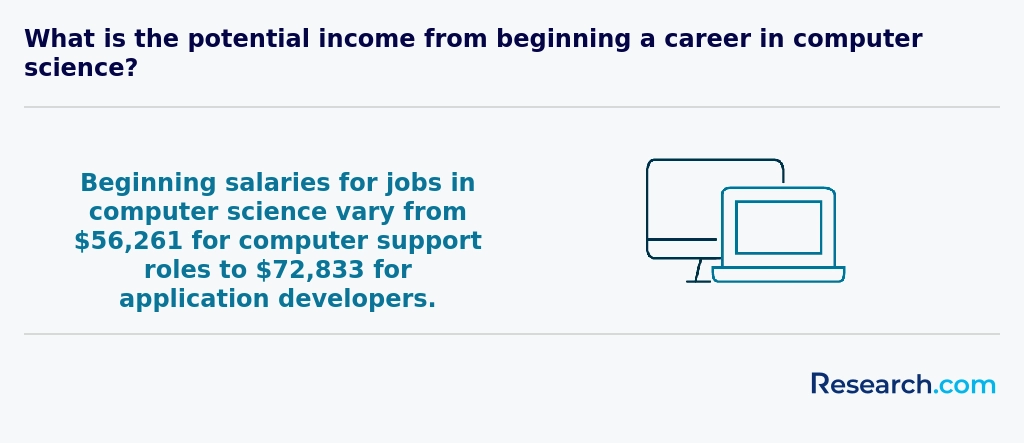
Graduates with an online information systems degree in St. Louis often find themselves entering a market with promising salary prospects. Entry-level roles, such as information systems analysts or support specialists, typically start between $60,000 and $80,000 annually. Many graduates from local institutions, such as those attending programs offered by popular colleges in the area, report feeling confident stepping into these roles, especially given St. Louis's affordable cost of living.
As graduates gain experience or pursue certifications in high-demand fields like data management or cybersecurity, their earning potential grows substantially. Mid-career professionals, including those advancing to IT project management positions, see salaries commonly ranging from $100,000 to $140,000. This range reflects the vibrant tech sectors supporting healthcare, finance, and aerospace in the region.
Information systems graduates appreciate that combining practical skills with leadership abilities often unlocks greater financial rewards. Their stories resonate with optimism, illustrating how a local online degree can translate into stable and rewarding careers.
- Key benefits of getting online information systems degree in St. Louis
- What can I expect from online information systems degree in St. Louis?
- Where can I work with online information systems degree in St. Louis?
- How much can I make with online information systems degree in St. Louis?
- How do we rank schools?
- 2027 Most Valuable Online Information Systems Degree Programs Ranking in St. Louis, MO
- What online information systems degree graduates have to say
- Key Findings
- How long does it take to complete online information systems degree in St. Louis?
- What's the difference between online and on-campus information systems degree?
- What is the average cost of online information systems degree in St. Louis?
- What financial aid is available to online information systems degree students in St. Louis?
- What are the prerequisites for enrolling in online information systems degree program in St. Louis?
- What courses are typically in online information systems degree programs in St. Louis?
- What types of specializations are available in online information systems degree programs in St. Louis?
- How do you choose the best online information systems degree in St. Louis?
- What career paths are available for online information systems degree students in St. Louis?
- What is the job market for online information systems degree in St. Louis?
- Frequently Asked Questions About information systems
- Top Trending Information Systems Rankings
How do we rank schools?
Investing in your education is a significant decision that can profoundly impact your career, and the Research.com team understands the importance of making informed choices. To support prospective students in St. Louis, MO, we have carefully developed the "2027 Most Valuable Online Information Systems Degree Programs Ranking in St. Louis, MO." Our dedication to quality, credibility, and accuracy is demonstrated through rigorous research and thorough analysis conducted to produce this ranking.
We utilized the following reputable data sources to ensure a comprehensive evaluation of online information systems programs:
By reviewing this ranking, readers will gain valuable insights into the most valuable online information systems degree programs in St. Louis, enabling them to make well-informed decisions about their educational futures. For more information on how this ranking was formulated, please visit our Research.com methodology page.
2027 Most Valuable Online Information Systems Degree Programs Ranking in St. Louis, MO
# 1 position
Saint Louis University
Master
Saint Louis University offers a Master's program in Information Technology, designed to be completed in 24 months. The program has a graduation rate of 80% and an acceptance rate of 75%, categorizing it as less selective. The average total cost is $26,070, with 100% of students receiving financial aid, indicating high aid levels. Currently, 3,599 online students are enrolled in this program.
# 2 position
Saint Louis University
BachelorSaint Louis University offers a Bachelor's program in Information Technology that lasts 24 months. The program has an 80% graduation rate and accepts 75% of applicants, indicating a less selective admission process. The average total cost is $78,000, with all students receiving high levels of financial aid. The online enrollment is 3,599 students, reflecting a significant distance learning presence.
# 3 position

Maryville University of Saint Louis offers a Bachelor's program focused on Information Technology Management and Business, lasting 48 months. The program has an open admission policy with a 95% acceptance rate. It supports a large online enrollment of 7,061 students and maintains a graduation rate of 66%. Nearly all students, 99%, receive financial aid. The average total cost of the program is approximately $64,000.
What online information systems degree graduates have to say
- Alex: Studying online information systems at Saint Louis University was a game-changer for me. The flexible schedule allowed me to work full-time while gaining practical skills. The professors were approachable and industry-focused, which made the learning experience both challenging and rewarding.
- Jasmine: I loved how Webster University's online program combined rigorous coursework with real-world projects. It boosted my confidence and deepened my technical expertise. Feeling connected to a supportive virtual community in St. Louis made all the difference during my degree journey.
- Marcus: Enrolling in the online information systems program at Lindenwood University gave me access to excellent resources and personalized support. The flexibility helped me balance family and studies, while the curriculum's focus on emerging technologies kept me motivated and future-ready.
Key Findings
- Tuition for online information systems degrees in St. Louis ranges from $12,000 to $25,000 per year, with public universities offering lower rates for in-state students.
- The job market in St. Louis has strong demand for roles like systems analysts, IT consultants, and information security analysts due to major local employers.
- Starting salaries for graduates average around $58,000 annually, increasing to about $85,000 after ten years of experience.
- Many online programs include coursework tailored to local business needs, focusing on areas like database management, cybersecurity, and business intelligence.
- Regional accreditation is common among institutions, supporting credit transfer and employer recognition.
- Students have access to virtual internships and local networking opportunities to gain real-world experience in the tech industry.
How long does it take to complete online information systems degree in St. Louis?
Completing an online information systems degree in St. Louis usually fits within a flexible timeline depending on one's personal circumstances and chosen school. For example, graduates from well-known local institutions often share how full-time undergraduate students finish the bachelor's degree in about four years, completing roughly 120 to 130 credit hours. However, many appreciate the freedom to accelerate their studies by taking extra courses each term or enrolling year-round, sometimes finishing in three years.
Conversely, part-time students juggling jobs or family find comfort in pacing their education over five years or more. This flexibility is especially valued by technology professionals living in St. Louis, allowing them to progress steadily without sacrificing their careers. Master's degree seekers, meanwhile, typically complete their programs within 18 months to three years, with some accelerated paths allowing even faster completion.
Graduates often recall how understanding program structures and consulting academic advisors at these local universities helped them tailor their schedules, making the journey manageable and rewarding. Their stories highlight the balance of ambition and practicality that St. Louis students embrace when pursuing these degrees online.
What's the difference between online and on-campus information systems degree?
Choosing between online and on-campus information systems degrees in St. Louis often comes down to how you want to experience your studies. Graduates from the University of Missouri-St. Louis recall the convenience of logging into lectures anytime, allowing them to balance coursework with family or work commitments. This asynchronous flexibility can feel like a breath of fresh air amid a busy life.
Conversely, those who attended Saint Louis University often highlight the energizing impact of face-to-face interactions with professors and fellow students. Being on campus meant quick access to computer labs and local tech networking events, which their careers deeply benefited from. These in-person moments are valuable when building professional relationships.
Tuition and resources also factor into choices. While online programs can sometimes reduce costs by eliminating campus fees, private institutions in St. Louis may still charge a premium, regardless of format. Both paths cover core topics like systems analysis and cybersecurity, but hands-on lab time tends to be richer on campus, creating a dynamic learning environment.
What is the average cost of online information systems degree in St. Louis?
The average cost of an online information systems degree in St Louis typically centers around $64,000, a figure that reflects the combined experiences of many local students pursuing this path. Graduates from prominent institutions like the University of Missouri-St. Louis often mention how understanding tuition per credit hour early on helped them budget their expenses effectively. Unlike their public counterparts, some private schools in the area push total costs even higher, but many students find the financial aid options available can ease these burdens significantly.
Several graduates recall that the fluctuations in St Louis online information systems degree tuition and fees made it crucial to account for factors beyond just tuition. Residency status, for example, creates notable cost differences; in-state students enjoy lower rates, emphasizing the value of local enrollment. Others highlight how program length, additional fees, and the need for technology access shaped their final expenses.
One bright spot that many find reassuring is how online formats help reduce costs often overlooked, such as commuting and housing. This affordability, combined with scholarships or employer tuition assistance, means many students feel their investment is justified. For those exploring related paths, graduates often recommend reviewing associated programs like health information management degree online, which share similar cost structures and financial considerations.
What financial aid is available to online information systems degree students in St. Louis?
Many online information systems students in St. Louis find solid financial aid options that genuinely ease the burden of tuition. Graduates from institutions like the University of Missouri-St. Louis often recall how Pell Grants provided essential non-repayable support early in their studies. Completing the FAFSA opened doors to federal loans with reasonable interest rates, offering a manageable path through their programs without overwhelming debt.
State-specific aid, such as the Access Missouri Financial Assistance Program, frequently helps local students balance costs, particularly at public schools where tuition is already more affordable. Merit-based scholarships from universities or specialized awards for women and minorities in STEM fields bring added relief and motivation, making tech careers feel attainable and worthwhile.
Working professionals studying online often share positive experiences with employer tuition reimbursement, a practical way to invest in skill growth while maintaining financial stability. Yet, many advise caution around private loans because of their higher costs and co-signer demands, emphasizing the value of prioritizing grants and federal aid first.
These layered support systems transform the challenge of financing an information systems degree in St. Louis into an achievable goal, enabling students to focus on mastering their craft with confidence.
What are the prerequisites for enrolling in online information systems degree program in St. Louis?
To enroll in an online information systems degree program in St. Louis, students typically need a high school diploma or GED for undergraduate entry, while graduate applicants usually hold a bachelor's degree, often in computer science or business. Graduates from popular institutions in the St. Louis area recall how meeting GPA thresholds-typically around 2.5 to 3.0 for undergraduates and 3.0 for graduate studies-helped set a clear academic foundation before beginning their coursework.
Many students emphasize the value of having a solid background in math and computer literacy, which aligns with the programs offered by well-known local colleges. This preparation not only supports success but also builds confidence when tackling technical subjects like statistics or programming.
Additionally, practical steps such as submitting transcripts, writing personal statements, and, for some, providing letters of recommendation were pivotal moments that felt rewarding once completed. These parts of the process help applicants reflect on their goals and strengths, contributing positively to their sense of readiness and enthusiasm for the journey ahead.
Experience shows that having relevant work experience or certifications can also boost one's application, especially for part-time learners balancing professional and academic commitments in the vibrant St. Louis tech community.
What courses are typically in online information systems degree programs in St. Louis?
Graduates from popular universities in St. Louis often recall how their online information systems programs expertly balanced technical skills with real-world application. Core courses typically include database management, where students master SQL to efficiently retrieve business-critical data-skills they immediately applied during internships and group projects. Systems analysis and design classes provided a foundation for understanding complex organizational needs, a perspective many found invaluable when stepping into roles as systems analysts or IT managers.
Many alumni emphasize programming courses, covering web development and object-oriented programming, as particularly empowering. These classes not only improved their coding abilities but also helped in customizing systems to solve practical challenges faced by companies in St. Louis's vibrant business environment. Cybersecurity courses often stand out, with students learning risk management and ethical concerns that resonate strongly in today's digital economy.
Business-oriented subjects such as project management and analytics frequently receive praise for connecting technical knowledge to strategic decision-making, a combination essential for success in the local job market. Electives like cloud computing and AI offer exciting glimpses into emerging fields, keeping graduates competitive and confident.
What types of specializations are available in online information systems degree programs in St. Louis?
Online information systems specializations St Louis students often pursue include Cybersecurity, Data Analytics and Business Intelligence, and Information Systems Management. Graduates from universities like Missouri University of Science and Technology frequently share how the Cybersecurity track equipped them with the skills to defend businesses against real-world digital threats, reflecting the strong job market demand highlighted by local data. Similarly, students choosing Data Analytics develop a knack for interpreting complex datasets, a talent highly valued by St. Louis's diverse corporate landscape.
Other St Louis online information systems degree concentrations such as Software Development and Cloud Computing are gaining momentum, fueled by the city's evolving tech scene. Many graduates express satisfaction in tailoring their education to directly impact sectors like healthcare, finance, and manufacturing. Some have found that understanding technical concepts alongside practical management prepares them well for roles requiring both IT proficiency and strategic oversight, connecting academic knowledge to career aspirations, including competitive health information manager salary paths.
How do you choose the best online information systems degree in St. Louis?
Choosing the best online information systems degree in St. Louis means looking beyond just costs or convenience. Graduates from universities in the area often highlight the value of programs with strong regional accreditation and relevant curriculum tailored to local industry needs. For instance, programs that weave together technical expertise and management skills prepare students well for the diverse roles available in St. Louis's growing tech scene. Many reflect on how flexible formats and accessible digital resources helped them balance studies with busy lives, especially when working part-time or handling family commitments.
When exploring options, consider affordable online information systems degrees with high earning potential in St. Louis MO that actively connect students with internships and local tech employers. This approach brings more than just classroom learning-it opens doors to hands-on experience. Looking at successful alumni stories, a common thread is choosing programs recognized for industry partnerships and strong faculty engagement.
For those eager to advance quickly, explore pathways like an accelerated computer science degree online as a complementary pursuit, broadening opportunities and skills in tandem with information systems studies.
What career paths are available for online information systems degree students in St. Louis?
Graduates with an online information systems degree in St. Louis find themselves positioned for a variety of rewarding career paths. Many become Information Systems Managers, blending technical expertise with leadership to drive efficiency in companies across the city's dynamic business landscape. Others pursue positions as Systems Analysts, where their ability to assess and enhance IT infrastructures supports major organizations like Edward Jones. From my conversations with alumni of popular St. Louis institutions, a recurring theme is the satisfaction of solving complex business problems through technology, which makes information systems degree job opportunities in St. Louis MO feel both meaningful and attainable.
Many also branch into specialized roles such as Business Intelligence Analyst or Cybersecurity Analyst, protecting and interpreting data critical to business decisions. These graduates often share how flexibility in their education helped balance work and studies, a benefit of online programs. For those intrigued by the technical but collaborative side of IT, roles like Database Administrator or IT Project Manager open doors. Exploring options such as the fastest cyber security degree can further diversify career choices while staying in tune with market demand.
What is the job market for online information systems degree in St. Louis?
The job market for online information systems jobs in St. Louis is notably strong, thanks to the region's robust technology sector and varied industries like finance, healthcare, and manufacturing. Graduates from local institutions appreciate the practical opportunities available through internships and networking events that connect them with employers who value their skillsets. Many have found rewarding roles in banks and healthcare providers, managing data security and optimizing IT workflows. These real-life experiences in St. Louis speak to a career landscape that is accessible and growing.
For those studying, universities well-regarded for their information systems programs provide a supportive environment that blends theory with hands-on projects. This blend helps students feel confident applying their knowledge in dynamic workplaces. Additionally, understanding the St. Louis information systems degree employment outlook reveals steady demand for specialists in cybersecurity, systems analysis, and IT management, all offering competitive salaries within the metropolitan area.
Students also benefit from exploring advanced education options like the data analytics master's degree, enhancing their qualifications and expanding career prospects locally and beyond.
Frequently Asked Questions About information systems
Online information systems degree students in St. Louis can maximize their learning by actively engaging with local tech communities. The city hosts several professional groups, such as the St. Louis Chapter of the Association for Information Technology Professionals (AITP), which offers networking and mentoring opportunities. Leveraging internships and part-time roles at nearby companies like Centene or Enterprise Holdings can provide practical experience. Additionally, utilizing resources from Missouri's public universities, including online tutoring and career services, enhances academic success. According to the U.S. Bureau of Labor Statistics, St. Louis saw a 7% growth in IT jobs from 2019 to 2023, highlighting strong local demand for skilled graduates.
Emerging niches within the information systems field reflect rapid technological advances and growing business needs. In St. Louis, cybersecurity remains a top focus due to increasing cyber threats, with local firms and government agencies expanding their demand for professionals skilled in protecting information infrastructures. According to the St. Louis Economic Development Partnership, cybersecurity jobs are expected to grow by 15% over the next five years in the region.
Another growing area is data analytics and business intelligence. Companies in St. Louis are investing heavily in big data to improve decision-making and operational efficiency. Skills in cloud computing and artificial intelligence are also increasingly valuable, as many organizations adopt these technologies to stay competitive.
Finally, healthcare information systems are a notable niche, given the city's strong healthcare sector. Online information systems degrees with a focus on health informatics prepare students for roles managing patient data and improving healthcare delivery through technology.
Graduates with an online information systems degree in St. Louis can enhance their job market readiness by gaining practical experience and networking locally. Internships or part-time roles in St. Louis's growing tech sector provide valuable hands-on skills. The region hosts several major corporations and startups that often seek information systems professionals, according to the St. Louis Economic Development Partnership.
Additionally, obtaining relevant certifications like CompTIA Security+, Cisco's CCNA, or Microsoft Azure can boost employability. Keeping updated on industry trends through organizations such as the St. Louis Technology Council helps graduates stay competitive. Developing strong communication and project management skills is also crucial for success in the field.
Employers in St. Louis seeking graduates with online information systems degrees prioritize a combination of technical and interpersonal skills. Key technical skills include proficiency in database management, cybersecurity fundamentals, and cloud computing. Understanding programming languages such as SQL and Python is highly valued. According to the Greater St. Louis Technology Council, 75% of local employers emphasize experience with enterprise systems and data analytics.
Beyond technical abilities, strong problem-solving and communication skills are essential. Graduates must collaborate effectively with IT teams and business units.
Familiarity with project management tools and methodologies, like Agile, also enhances employability in the competitive St. Louis job market.
Finding internships in St. Louis relevant to an information systems degree involves leveraging local resources and industry connections. The city hosts several technology firms and financial institutions that frequently offer internships, including Enterprise Holdings and Edward Jones. According to the St. Louis Economic Development Partnership, tech employment in the region grew by 12% over the last five years, increasing internship opportunities. Students should utilize university career services, even when enrolled online, as many St. Louis schools maintain partnerships with local employers. Additionally, platforms like Handshake and LinkedIn often list internships specifically targeting IT and information systems roles in the region.
Networking through professional organizations such as the St. Louis chapter of the Association for Information Systems (AIS) can provide valuable leads. Local job fairs and virtual events hosted by tech incubators like T-REX also connect students with potential employers. Applying early and tailoring applications to highlight relevant skills increases chances of securing an internship. Internships typically last between 8 to 12 weeks during summer or semester breaks, offering practical experience that complements online coursework.
An online information systems degree in St. Louis can significantly enhance career mobility and advancement opportunities in the local tech and business sectors. The St. Louis metropolitan area hosts a growing number of companies investing in IT and data management, including healthcare, finance, and logistics firms. According to the U.S. Bureau of Labor Statistics, employment for computer and information systems managers in the region is expected to grow by about 9% through 2031.
Graduates with an online degree can leverage flexible learning to quickly update skills while working, making them attractive candidates for promotions or lateral moves. Local employers increasingly value accredited online degrees, especially when paired with relevant certifications. This trend reflects broader national patterns highlighted by the National Center for Education Statistics, showing online degrees improve access to advanced career roles.
Studying for an information systems degree in St. Louis equips students with skills that bridge technology, business, and management. Programs often emphasize collaboration between departments like computer science, business analytics, and communications, reflecting real-world interdisciplinary roles. This approach prepares graduates to tackle complex challenges that require both technical and organizational insights.
The city's diverse economy, including healthcare, manufacturing, and finance sectors, offers practical experiences through internships and projects. According to the Greater St. Louis Technology Council, over 40% of local tech jobs require cross-functional collaboration, underscoring the demand for versatile information systems professionals.
St. Louis institutions also integrate coursework in data management, cybersecurity, and strategic planning, fostering adaptability and problem-solving abilities highly valued across industries.
Choosing between a thesis and a non-thesis online information systems degree program in St. Louis depends on your career goals and learning preferences. A thesis option involves conducting original research and writing a detailed paper, ideal for students aiming for doctoral studies or research-oriented roles. According to the National Center for Education Statistics, roughly 30% of information systems programs in Missouri offer thesis tracks, emphasizing this path for academic advancement.
Non-thesis programs focus on practical skills through coursework and projects, preparing students for immediate industry employment. In St. Louis, with its growing tech sector-reportedly adding over 2,000 IT jobs annually as per the St. Louis Regional Chamber-many professionals prefer this route for faster workforce entry.
Evaluate your interest in research versus hands-on experience when deciding. Also, consider faculty expertise and resources provided by local institutions.
Students in St. Louis interested in studying information systems abroad have access to a growing range of online degree programs offered by accredited U.S. institutions that allow international engagement without leaving home. Many universities partner with global organizations to provide virtual internships and collaborative projects, expanding global experience.
While local programs mainly focus on U.S.-based curriculum, some schools incorporate international case studies and cross-border tech trends. According to the National Center for Education Statistics, over 20% of online bachelor's degrees in information systems include opportunities for virtual study abroad components.
For hands-on international exposure, students can choose online programs that offer optional short-term residencies overseas, often in Europe or Asia. These options provide professional growth while maintaining St. Louis residency. This hybrid approach reflects the increasing adaptability of U.S. online education in information systems fields.
In St. Louis, part-time job opportunities that complement an online information systems degree are plentiful, given the city's growing tech and healthcare sectors. Roles such as IT support specialist, data analyst intern, and junior cybersecurity technician offer practical experience aligned with degree coursework. According to the St. Louis Economic Development Partnership, information technology jobs are projected to grow by 11% through 2030, highlighting demand for tech-savvy professionals.
Local healthcare facilities and financial institutions often seek part-time IT staff for system maintenance and data security roles. Additionally, startups in innovation hubs like Cortex provide internships and part-time positions that enhance skills in database management and systems analysis. Engaging in these roles can strengthen both technical expertise and professional networks essential for career advancement.
Online information systems students in St. Louis benefit from a range of networking opportunities that connect them with local industry professionals and peers. The city hosts multiple tech meetups and events, such as those organized by St. Louis Tech Association and STL Digital Sandbox. These gatherings provide chances to engage with information systems experts and employers.
Additionally, several St. Louis universities with online programs offer virtual career fairs and alumni networking platforms dedicated to information technology fields. According to the Greater St. Louis Tech Workforce Report 2023, over 8,000 IT jobs were added in the region in recent years, highlighting a vibrant market.
Professional organizations like the Missouri Technology Association also support student engagement through workshops and mentorship programs tailored to information systems careers, enhancing real-world connections for online learners.
Alumni networks provide valuable support for online information systems degree students in St. Louis by connecting them with experienced professionals. These networks often offer mentorship opportunities, helping students navigate their careers in a competitive tech job market. According to the St. Louis Regional Chamber, the city's tech sector is growing steadily, increasing demand for information systems expertise and making these connections crucial.
Networking events, both virtual and local, allow students to engage with alumni working in key St. Louis companies such as Express Scripts and Boeing. This access can lead to internships and job referrals, enhancing employment prospects after graduation.
Alumni also share industry insights and trends relevant to information systems, contributing to students' practical knowledge beyond textbooks. Engaging with a strong alumni base statistically improves graduates' chances of finding employment within six months, according to the National Center for Education Statistics.
Customizing an online information systems degree in St. Louis typically involves selecting electives and concentrations aligned with your career goals. Many programs allow students to focus on areas like cybersecurity, data analytics, or IT management.
Advisors often help tailor coursework to meet specific job market demands in St. Louis, where the technology sector has grown by over 15% in recent years, according to the St. Louis Economic Development Partnership. This growth emphasizes skills in cloud computing and network security.
Some programs also offer internships or project-based learning with local companies, providing practical experience linked directly to employment opportunities in the region.
Online information systems students in St. Louis often face challenges balancing coursework with professional and personal commitments. Many learners juggle full-time jobs, making time management a critical skill. Technical issues, such as unreliable internet connections and software compatibility, can disrupt their learning experience, especially in a city where broadband access varies by neighborhood according to the St. Louis Broadband Report (2023).
Another challenge is the limited availability of local networking opportunities compared to traditional on-campus programs. Building professional connections is essential in information systems careers, but virtual students may struggle to find meaningful mentorship. Additionally, some students report difficulty accessing hands-on labs and real-world projects, which are vital for developing technical skills.
An online information systems degree from St. Louis can open doors to several professional certifications that enhance career prospects and validate expertise. Popular certifications include the Certified Information Systems Security Professional (CISSP), lauded for cybersecurity roles. Another valuable credential is the Certified Information Systems Auditor (CISA), which focuses on auditing and control of information systems.
The Project Management Professional (PMP) certification is also relevant for graduates aiming to lead IT projects. Additionally, CompTIA certifications like Security+ and Network+ are recognized industry standards for foundational IT skills.
According to the St. Louis Economic Development Partnership, the local tech sector shows a steady growth rate of 3.5% annually, increasing demand for certified professionals. These certifications provide a competitive edge when applying for roles within the region's expanding information technology market.
To write a winning application for an online information systems program in St. Louis, start by clearly demonstrating your interest in technology and management. Highlight any relevant work experience or certifications, especially those tied to information systems or IT fields. Admissions committees in St. Louis universities often value practical skills alongside academic achievements.
Next, tailor your personal statement to reflect your career goals within the St. Louis tech ecosystem, which includes numerous growing sectors like healthcare IT and financial services. Referencing local industry trends can strengthen your application.
Make sure to meet all application deadlines and provide official transcripts. Some programs may also require letters of recommendation that speak to your problem-solving skills and teamwork.
The global perspective on a career in information systems highlights strong demand and diverse opportunities. According to the U.S. Bureau of Labor Statistics, employment for computer and information systems managers is projected to grow 16% from 2022 to 2032, faster than average for all occupations. This trend is reflected in St. Louis, where the tech sector steadily expands, supported by a network of healthcare, finance, and manufacturing firms relying on information systems.
Worldwide, businesses need experts who can manage data, cybersecurity, and digital innovation. U.S. online degree programs, especially those accessible in St. Louis, prepare students to meet global challenges while keeping pace with evolving technologies and international standards. These programs often emphasize adaptability and cross-cultural skills valued by multinational corporations.
Regional reports, such as from the Greater St. Louis Technology Council, highlight the city's growing reputation in tech jobs, with median salaries for information systems roles above national averages. Thus, a degree obtained online from St. Louis institutions can position graduates competitively both in local and global markets.
Students pursuing an online information systems degree in St. Louis can gain practical experience through internships and cooperative education programs offered by local universities and businesses. St. Louis hosts a growing tech sector, including companies like Express Scripts and Edward Jones, which often provide internship opportunities in IT and information systems.
Additionally, students can participate in virtual labs and simulation projects integrated into many accredited online programs. These practical exercises help develop real-world skills in database management, cybersecurity, and systems analysis.
Professional organizations such as the St. Louis Technology Council also offer networking events and workshops that connect students with IT professionals and potential employers in the region.
Choosing the right concentration within an online information systems degree in St. Louis involves aligning your career goals with the local industry demand. St. Louis hosts a growing tech sector, including fields like cybersecurity, data analytics, and IT management. According to the St. Louis Economic Development Partnership, jobs in information technology are expected to grow by 15% by 2030, emphasizing demand for specialized skills.
Identify which concentration aligns with your interests, such as cybersecurity for protecting systems or data analytics for interpreting big data trends impacting local businesses. Reviewing labor market data from the U.S. Bureau of Labor Statistics and local job postings can guide your decision.
Consider the curriculum offered by St. Louis-based institutions to ensure the concentration covers modern technologies and certifications valued by employers. Lastly, seek programs with faculty expertise and connections to St. Louis companies to enhance practical learning and networking opportunities.
Top Trending Information Systems Rankings
References
- How Student Information Systems Improve Student Success and Retention https://moderncampus.com/blog/how-student-information-systems-improve-student-success-and-retention.html
- IT Networking Courses & Training | Learn IT Networking https://lumifylearn.com/courses/it-networking/
- What Is Information Systems Management? A Career Guide https://www.manipaldubai.com/blogs/what-is-information-systems-management
- Finding Networking Opportunities as a Student | National Society of High School Scholars https://www.nshss.org/resources/blog/blog-posts/how-to-find-networking-opportunities-as-a-student/
- 5 Essential IT Skills Employers Want to See in Candidates https://www.umassglobal.edu/blog-news/5-essential-skills-employers-want-see-candidates
- Emerging Trends in Information Systems – Introduction to Information Systems Management https://open.ocolearnok.org/informationsystems/chapter/chapter-11-emerging-trends-in-information-systems/
- Online Degree vs. Traditional: Choosing the Right Path https://beal.edu/online-degree-vs-traditional/
- Information Technologies Master of Science Without Thesis Secondary Education Program https://www.tyyc.itu.edu.tr/ProgramHakkinda.php
- What professions does the IIS sector offer? - ECE https://www.ece.fr/en/what-professions-does-the-information-system-sector-offer/
- Online Bachelor's Degree in Computer Information Systems https://www.monroeu.edu/academics/undergraduate-programs/school-information-technology/online-bachelors-degree-computer


