
2027 Fastest Online Information Systems Degree Programs Ranking in the Midwest

Co-Founder and Chief Data Scientist
Choosing the right online information systems degree program can be challenging, especially with so many options available in the Midwest. This article introduces the 2027 Fastest Online Information Systems Degree Programs Ranking in the Midwest, created by the Research.com team of data scientists to help you make an informed decision.
By exploring this ranking, you'll discover programs that combine quality education with efficient completion times, so you can pursue your career goals sooner. Getting a degree in information systems opens doors to exciting opportunities and growth in the tech field.
Key benefits of getting online information systems degree in the Midwest
- Information systems graduates often enjoy strong earning potential, with many roles in the US paying between $60,000 and $100,000 annually, reflecting the high demand for skilled professionals in this field.
- A graduate from a major Midwestern university typically explores diverse careers like business analysis, IT management, and cybersecurity, offering exciting opportunities for growth and specialization.
- Completing an information systems degree online from a respected Midwestern school provides flexibility to balance work and study, often accelerating career advancement without sacrificing quality education.
What can I expect from online information systems degree in the Midwest?
The average cost of an online information systems degree in the Midwest tends to be more affordable than similar programs on the coasts, which is a key consideration for many students balancing budgets. For example, public universities in states like Ohio and Illinois commonly offer in-state tuition rates to online learners, significantly lowering expenses. Graduates from these programs often reflect on their relief at accessing quality education without incurring overwhelming debt.
That said, pricing varies widely depending on whether the institution participates in tuition reciprocity programs, which some Midwestern schools offer to reduce costs further for students crossing state lines. One graduate from a well-regarded program at a Midwestern university shared how these agreements made their degree financially manageable, allowing them to focus on applying course knowledge rather than worrying about tuition.
Despite these benefits, prospective students should carefully evaluate each program's fee structure, as accelerated options or competency-based pathways, such as those at Western Governors University, might involve different financial implications. Balancing cost with the flexibility and practical skills gained is crucial for making an informed decision.
Where can I work with online information systems degree in the Midwest?
Graduates from online information systems programs at Midwestern universities like the University of Illinois Urbana-Champaign or Michigan State University often find themselves well-positioned in diverse job markets. Many enter healthcare systems in Illinois or Ohio, where managing electronic health records and cybersecurity is critical, providing a tangible way to impact patient care positively.
In cities such as Chicago, information systems alumni frequently secure roles in the fintech sector. Their work in database management or software development helps safeguard sensitive financial data, demonstrating how their skills protect millions daily. These experiences often bring a strong sense of accomplishment as they contribute to streamlining complex processes.
Manufacturing hubs in Indiana and Wisconsin also employ information systems graduates to implement IoT and automation technologies. Alumni report a rewarding challenge in modernizing traditional industries and optimizing production lines, blending IT expertise with industry-specific knowledge.
Additionally, government and educational institutions in the Midwest provide stable career paths, where graduates engage in IT infrastructure and digital transformation projects. Balancing technical work with public service offers a meaningful connection to community development.
How much can I make with online information systems degree in the Midwest?
Graduates with online information systems degrees from Midwestern institutions often find salary ranges that reflect both regional economic conditions and evolving industry demands. While specific mean wage data from the US Bureau of Labor Statistics is unavailable for certain roles, surveys and reports suggest entry-level salaries for positions like systems analysts or network administrators typically range from $55,000 to $75,000 annually in states such as Ohio, Indiana, and Illinois.
Alumni from well-known Midwestern universities report that cities like Chicago and Minneapolis offer robust job markets where salaries for experienced professionals can reach between $100,000 and $135,000 per year. These figures highlight the potential for salary growth as graduates gain experience, acquire certifications like CISSP or CISA, and leverage opportunities in thriving tech hubs.
The Midwest's generally lower cost of living enhances the practical value of these salaries. Graduates appreciate how this translates to better lifestyle options compared to higher-cost regions, creating a rewarding balance between income and quality of life while launching their careers in information systems.
- Key benefits of getting online information systems degree in the Midwest
- What can I expect from online information systems degree in the Midwest?
- Where can I work with online information systems degree in the Midwest?
- How much can I make with online information systems degree in the Midwest?
- How do we rank schools?
- 2027 Fastest Online Information Systems Degree Programs Ranking in the Midwest
- What online information systems degree graduates have to say
- Key Findings
- How long does it take to complete online information systems degree in the Midwest?
- What's the difference between online and on-campus information systems degree?
- What is the average cost of online information systems degree in the Midwest?
- What financial aid is available to online information systems degree students in the Midwest?
- What are the prerequisites for enrolling in online information systems degree program in the Midwest?
- What courses are typically in online information systems degree programs in the Midwest?
- What types of specializations are available in online information systems degree programs in the Midwest?
- How do you choose the best online information systems degree in the Midwest?
- What career paths are available for online information systems degree students in the Midwest?
- What is the job market for online information systems degree in the Midwest?
- Frequently Asked Questions About information systems
- Top Trending Information Systems Rankings
How do we rank schools?
Investing in your education is a significant decision that can profoundly impact your career and future, and the Research.com team recognizes the importance of making well-informed choices. To support prospective students, we have carefully developed the "2027 Fastest Online Information Systems Degree Programs Ranking in the Midwest." Our dedication to quality, credibility, and accuracy is demonstrated by the thorough research and detailed analysis conducted to produce this ranking.
We utilized the following trusted data sources to ensure a comprehensive and reliable evaluation of online information systems programs:
By consulting this ranking, readers will gain clear insights into the fastest and most efficient online information systems degree programs available in the Midwest region, enabling them to select programs aligned with their goals. For a detailed explanation of our ranking process, please visit our Research.com methodology page.
2027 Fastest Online Information Systems Degree Programs Ranking in the Midwest
# 1 position

The University of Wisconsin-Madison offers a Master's program focused on Geographic Information Systems and Geography. The program has a duration of 12 months and a graduation rate of 90%. It is moderately selective with an acceptance rate of 45%. The average total cost is $25,600. Approximately 60% of students benefit from moderate financial aid support, making it a viable option for many applicants.
# 2 position
University of Cincinnati
Master
The University of Cincinnati offers a Master's program in Information Technology designed for a primarily online student body with 6,865 enrollees. The program spans 18 months and costs approximately $44,000 in total. With an acceptance rate of 85%, it has an open admission policy. The graduation rate stands at 75%, while 88% of students benefit from high levels of financial aid support.
# 3 position

The University of Detroit Mercy offers an 18-month Master's program in Information Technology with an acceptance rate of 75%, indicating less selective admissions. The program has a graduation rate of 67% and costs an average total of $26,670. One hundred students are enrolled online, and all students benefit from high levels of financial aid, with 100% receiving assistance throughout their studies.
# 4 position
Saint Louis University
Master
Saint Louis University offers a Master's program in Information Technology, designed to be completed in 24 months. The program has a graduation rate of 80% and an acceptance rate of 75%, categorizing it as less selective. The average total cost is $26,070, with 100% of students receiving financial aid, indicating high aid levels. Currently, 3,599 online students are enrolled in this program.
# 5 position

The University of Michigan-Flint offers a Master's degree program focused on Information Technology with a length of 24 months. The program has a graduation rate of 40% and costs an average total of $17,355. It enrolls 4,488 online students and has a less selective acceptance rate of 70%. Nearly all students receive financial aid, with 99% benefiting from high aid levels.
# 6 position
Saint Louis University
BachelorSaint Louis University offers a Bachelor's program in Information Technology that lasts 24 months. The program has an 80% graduation rate and accepts 75% of applicants, indicating a less selective admission process. The average total cost is $78,000, with all students receiving high levels of financial aid. The online enrollment is 3,599 students, reflecting a significant distance learning presence.
# 7 position

Eastern Illinois University offers a Master's program focused on MBA and Business with a 24-month duration. The program has a less selective acceptance rate of 65% and an average total cost of $19,800. It supports a high level of financial aid, available to 96% of students. About 1,000 students are enrolled online. The program's graduation rate is 47%, reflecting completion success among enrollees.
# 8 position

The University of Michigan - Dearborn offers a 24-month Master's program focused on Engineering. With a graduation rate of 58%, the program is less selective, admitting 56% of applicants. Nearly all students-99%-receive financial aid, reflecting a high level of support. The average total cost is $30,300. The program also enrolls 1,370 online students, providing flexible learning options for those pursuing advanced engineering studies.
# 9 position

Central Michigan University offers a Master's program in Information Technology lasting 24 months. The program has an open admission policy with a 90% acceptance rate. With a graduation rate of 59%, the average total cost is $31,320. The university provides a high level of financial aid, with 96% of students receiving support. This program is designed for those seeking advanced education in IT at a reasonable cost and accessible entry standards.
# 10 position
MidAmerica Nazarene University
Bachelor
MidAmerica Nazarene University offers a Bachelor program in Information Technology designed to be completed in 24 months. The program has an open admission policy with a 79% acceptance rate. It supports a high percentage of students receiving financial aid at 100%. The average total cost for the program is $54,000. About 185 online students are currently enrolled, and the graduation rate stands at 54%.
# 11 position

Maryville University of Saint Louis offers a Bachelor's program focused on Information Technology Management and Business, lasting 48 months. The program has an open admission policy with a 95% acceptance rate. It supports a large online enrollment of 7,061 students and maintains a graduation rate of 66%. Nearly all students, 99%, receive financial aid. The average total cost of the program is approximately $64,000.
# 12 position
Columbia College
Bachelor
Columbia College offers a Bachelor's program focused on Information Technology Management and Business, designed to be completed in 48 months. The program has a graduation rate of 42%, with 93% of students receiving financial aid, indicating high support for learners. Approximately 3,608 online students are enrolled, and the average total cost amounts to $45,000. Acceptance rate data is not available for this program.
# 13 position
Walden University
Master
Walden University offers a Master's program focused on Information Technology Management and Business. It enrolls 52,188 online students, providing high levels of financial aid, with 100% of students receiving assistance. The average total cost for the program is $23,700. Data regarding graduation and acceptance rates are not available for this degree.
# 14 position

Southeast Missouri State University offers a Bachelor program focused on Information Technology. The program has a graduation rate of 58%, indicating a moderate completion success. It is less selective with an acceptance rate of 74%. Approximately 1,300 online students are enrolled, reflecting its accessibility. The average total cost is USD 31,044. A high level of financial aid is available, with 96% of students receiving assistance.
# 15 position

Fort Hays State University offers a master's program focused on Information Technology Management and Business. The program has an open admission policy with a 90% acceptance rate, making it accessible for many applicants. Approximately 96% of students benefit from high levels of financial aid. The average total cost of the program is $12,600. Currently, there are 6,604 students enrolled in online courses, and the graduation rate stands at 48%.
# 16 position
Fort Hays State University
BachelorFort Hays State University offers a bachelor's degree in Information Technology with an open admission policy, accepting 90% of applicants. The program has a graduation rate of 48%, showing moderate completion success. Students benefit from a high level of financial aid, with 96% receiving support. The average total cost to complete the degree is $27,225. The university enrolls 6,604 online students, highlighting its strong online presence.
# 17 position
Trine University
Bachelor
Trine University offers a Bachelor's program focused on Information Technology with an open admission policy, accepting 85% of applicants. The program has a graduation rate of 64%, reflecting moderate student success. Approximately 96% of students receive high levels of financial aid, supporting affordability. The average total cost amounts to $47,880. There are currently 2,090 online students enrolled, indicating a significant remote learning presence.
# 18 position

The University of Illinois Springfield offers a Master's program focused on Information Technology Management and Business. The program has an open admission policy with an 86% acceptance rate. It supports a large online community, enrolling 3,505 students. Graduates have a 53% completion rate. The average total cost for the degree is $14,652, and 97% of students receive high levels of financial aid, making it accessible for many.
# 19 position
The University of Illinois Springfield offers a Bachelor's degree in Information Technology Management with an open admission policy, accepting 86% of applicants. The program's graduation rate is 53%, reflecting moderate student completion. The average total cost is $43,440. A high percentage of students, 97%, receive financial aid. The university also supports a substantial online student body, with 3,505 enrolled remotely.
# 20 position
Southwestern College
Bachelor
Southwestern College offers a Bachelor's degree program focused on Information Technology. The program has an open admission policy with a 76% acceptance rate, making it accessible to many applicants. The average total cost is $42,780, with 99% of students receiving high levels of financial aid. The graduation rate stands at 36%, and the program enrolls 538 online students, indicating a significant online presence.
What online information systems degree graduates have to say
- Emily: Studying online at the University of Illinois Springfield gave me unmatched flexibility while delivering a curriculum rich in practical skills. The professors' industry experience truly prepared me for real-world challenges, making my transition to an IT career smooth and confident.
- Jason: The personalized support from Missouri State University's online program made all the difference. Despite being miles away, I felt connected and valued. The program's focus on data management and cybersecurity boosted my career opportunities beyond my expectations.
- Hannah: Choosing the University of Minnesota's online information systems degree was a game changer. Their cutting-edge coursework blended theory with hands-on projects perfectly, while the Midwest community vibe kept me motivated throughout. I'm proud and ready for the evolving tech world.
Key Findings
- Online information systems degrees in the Midwest are offered fully online by accredited universities in states like Illinois, Ohio, Michigan, and Indiana.
- The total tuition cost ranges from $15,000 to $40,000, with public universities generally cheaper for in-state students and private schools charging more for specialized programs.
- Starting salaries for graduates average between $60,000 and $65,000 per year, increasing to $90,000 to $110,000 after five to ten years of experience.
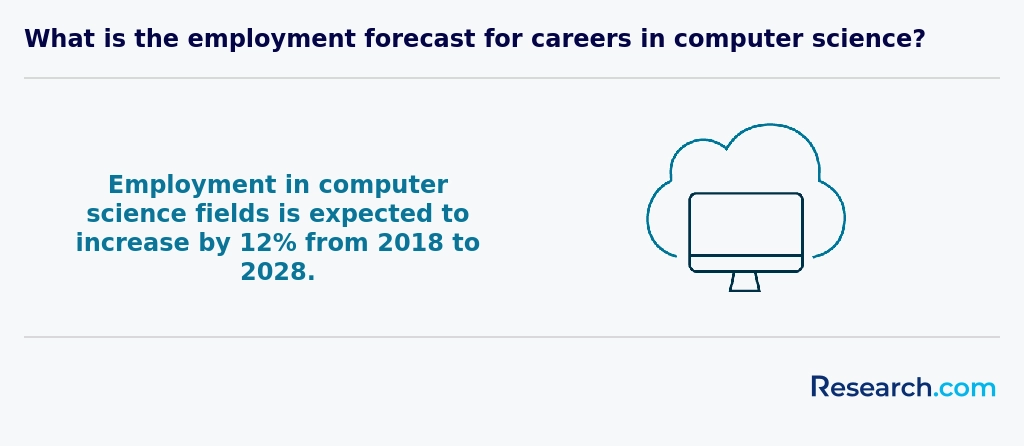
- Job growth in computer and information technology fields is projected at about 11% by 2030, faster than the average for all occupations.
- Popular industries employing graduates include manufacturing, healthcare, finance, and logistics, supported by metropolitan areas like Chicago, Minneapolis, and Detroit.
- Programs focus on practical skills such as database management, cybersecurity, and systems analysis, with many schools offering career services and internship placements.
How long does it take to complete online information systems degree in the Midwest?
Completing an online information systems degree in the Midwest typically takes about four years for full-time students, as seen at institutions like the University of Illinois Springfield or Iowa State University. Graduates often share how managing coursework alongside jobs or family commitments extends part-time studies to six years or more, a timeline that feels realistic yet demanding. The flexibility offered by accelerated sessions-such as 8- or 12-week courses-helps some students fast-track their degrees by coordinating transfer credits from community colleges, effectively reducing their time to graduation.
Graduate programs present a similar pattern, with full-time master's completion ranging from 18 to 24 months, while part-time learners appreciate programs that accommodate a slower pace over three to four years. Graduates value the balance between rigorous academics and practical considerations like internships that, although adding months, enhance their career readiness.
While the timeline varies widely, the Midwest's emphasis on retention and support, combined with affordable in-state tuition averaging around $10,000 annually, makes these degrees both accessible and achievable for many pursuing growth in information systems.
What's the difference between online and on-campus information systems degree?
Choosing between online and on-campus information systems degrees in the Midwest involves weighing differences in flexibility, interaction, and cost. Graduates from Michigan State University often recount how the online format's asynchronous lectures allowed them to balance full-time jobs and family, a benefit less accessible in traditional on-campus schedules. In contrast, alumni from the University of Illinois Urbana-Champaign highlight the energizing experience of face-to-face networking at campus career fairs, fostering connections in ways online programs sometimes struggle to replicate.
Online degrees in this region typically maintain rigorous curricula comparable to on-campus programs, covering critical topics like cybersecurity and database management. Yet, students report the on-campus environment offers more spontaneous collaboration in labs and study groups, which can deepen understanding.
Financially, both options tend to have similar tuition rates, but online students appreciate savings on commuting and housing-important considerations in Midwest states like Ohio and Indiana. The growing enrollment in online programs reflects a shift toward flexible learning models without sacrificing academic quality, as seen in recent trends at several public universities.
What is the average cost of online information systems degree in the Midwest?
The average cost of an online information systems degree in the Midwest is often influenced by residency status and institution type. For in-state students at public universities, the median total cost is around $30,672, making it a reasonable investment compared to out-of-state students who might pay about $37,242. Graduates from schools like the University of Illinois and Michigan State University report that this cost aligns well with their expectations, given the quality of online instruction and career support they received. While private universities charge higher tuition, public institutions in the region strive to balance affordability with strong program offerings, which many students appreciate.
Students considering the Midwest online information systems degree tuition fees often note that additional expenses, such as technology or course materials fees, are typically minimized, which helps keep costs manageable. The total four-year tuition for a fully online bachelor's degree can range between $40,000 and $60,000 at public universities, a figure many graduates found worthwhile considering the career opportunities unlocked by the degree. One graduate recalled feeling relieved by the clear tuition structure and the availability of financial aid to ease upfront payments.
Master's programs in information systems within the Midwest generally cost between $20,000 and $50,000, depending heavily on program length and prestige. Evaluating tuition alongside factors like graduation rates and support services is essential when choosing a program, especially given the variability in costs. Prospective students can explore various options, including well-ranked schools offering competitive rates, and even check out the best GIS programs in the US for comparison.
- Median total cost for in-state students: $30,672
- Median total cost for out-of-state students: $37,242
- Estimated four-year online bachelor's tuition range (public): $40,000-$60,000

What financial aid is available to online information systems degree students in the Midwest?
Online information systems students in the Midwest often rely on a mix of financial aid due to tuition costs typically ranging between $15,000 and $35,000. Graduates from well-known universities like those in Illinois or Michigan frequently share how completing the FAFSA was their first step, unlocking federal grants such as the Pell Grant, which can provide up to $7,395 yearly without repayment. This grant can substantially ease the financial load, especially for undergraduates balancing work and study.
Many students also find subsidized and unsubsidized Stafford Loans helpful due to their relatively low interest rates and manageable repayment plans, while graduate students might tap into graduate PLUS loans to cover remaining expenses. State-specific programs, like Illinois' MAP or Michigan's Competitive Scholarship, often support in-state learners attending public universities offering online degrees, providing yet another layer of aid.
Merit-based scholarships tailored for technology or STEM fields add further relief, often awarded at colleges with strong information systems reputations. Some students working full-time rely on employer tuition reimbursement programs; with about 60% of employers supporting education expenses, this option can be a game changer. Additionally, industry groups such as the Association for Information Systems occasionally provide targeted scholarships, underscoring the value of exploring multiple funding sources when pursuing an online information systems degree in this region.
What are the prerequisites for enrolling in online information systems degree program in the Midwest?
Enrollment in online information systems degree programs in the Midwest generally starts with a baseline academic credential like a high school diploma or GED. For many undergraduates, this straightforward requirement feels accessible, especially when paired with a minimum GPA around 2.5 to 3.0, which some universities such as those in Illinois or Michigan emphasize. Graduates from these programs often share how this academic threshold encouraged them to maintain consistent effort without unnecessary pressure.
Technical preparedness is equally vital. Midwest institutions commonly expect students to have foundational math and computer skills-think algebra or introductory programming-which helps demystify complex topics like cybersecurity. Graduates recall that having these basics eased their transition into core courses, making even challenging concepts feel achievable.
Applicants must also navigate practical technical expectations: reliable internet, a compatible computer, and comfort with learning platforms like Blackboard or Canvas. Midwest students appreciate these requirements because being digitally fluent often fuels their confidence and engagement, turning remote study into an empowering experience rather than a hurdle.
Interestingly, some universities have waived standardized testing like the SAT or ACT for online applicants. This shift has been particularly welcome, broadening opportunities for diverse learners. However, prospective students should still prepare to submit items like recommendation letters or personal statements if pursuing graduate studies, revealing their motivation and professional maturity in a way that resonates with Midwestern admissions committees.

What courses are typically in online information systems degree programs in the Midwest?
Online information systems degree programs in the Midwest typically include a blend of technical and managerial courses designed to prepare students for dynamic roles. Graduates from institutions like the University of Illinois at Urbana-Champaign or Michigan State University often speak positively about foundational courses such as Introduction to Information Systems, which provides practical insights into hardware, software, and networking basics encountered daily in modern workplaces.
Core subjects like Database Management Systems and Systems Analysis and Design equip students with skills to handle data effectively and develop solutions, skills they quickly apply during internships or virtual labs. Programming Fundamentals courses often incorporate languages such as SQL or Python, allowing students to build real business applications-a point many alumni find rewarding when transitioning to IT roles in industries like healthcare or manufacturing.
Elective courses such as Data Analytics, Project Management, and Cloud Computing reflect regional industry demands. For example, students at popular Midwest colleges report that learning enterprise systems and emerging technologies like AI helps them stay competitive in finance sectors around Chicago, underscoring the practical value of the curriculum's balance between theory and real-world applications.
What types of specializations are available in online information systems degree programs in the Midwest?
Online information systems degree specializations Midwest programs typically include cybersecurity, data analytics and business intelligence, enterprise systems and IT management, health informatics, and software development. Graduates from well-known Midwest colleges often share how focusing on cybersecurity helped them feel confident addressing real-world threats, reflecting the 35% projected growth in information security roles through 2031.
Data analytics stands out as a practical specialization, with many students appreciating how it sharpens their ability to support decisions in Midwest industries increasingly relying on data-driven approaches. Meanwhile, enterprise systems and IT management attract those aiming for leadership in technology departments, often securing salaries above $90,000 annually. Some graduates find health informatics compelling, especially with easy access to CAHIIM accredited HIM degree online options offered locally, blending healthcare trends with IT expertise.
Each specialization offers distinct advantages but also requires weighing personal career goals against the dynamic tech landscape. For those exploring Midwest information systems program concentration options, connecting with alumni can provide invaluable, relatable insights into these paths.
How do you choose the best online information systems degree in the Midwest?
Choosing the best online information systems degree Midwest involves analyzing key factors beyond just school reputation. Graduates from well-known Midwestern universities often emphasize the value of accreditation, particularly by agencies like the Higher Learning Commission, which safeguards academic quality. They highlight that programs with rigorous curricula, combining technical skills like cybersecurity and coding with real-world internships, better prepare students for challenging roles in IT management or systems analysis.
Affordability is crucial; many find that affordable information systems programs Midwest offer competitive tuition and financial aid tailored to technology fields, making it possible to pursue education without overwhelming debt. For example, graduates recall balancing part-time, asynchronous classes that help them maintain full-time jobs while advancing their studies smoothly.
Practical advice from students includes carefully considering program flexibility and student support services, which are essential in virtual learning environments. Additionally, exploring resources like the computer science bachelor degree online can provide alternative pathways or supplemental skills enhancing career prospects.
What career paths are available for online information systems degree students in the Midwest?
Graduates with an online information systems degree in the Midwest can pursue a variety of career paths reflecting the region's dynamic employment landscape. Popular roles include systems analysts who assess and refine IT infrastructures, database administrators maintaining secure systems, and IT project managers steering complex technology initiatives. Others find rewarding opportunities as cybersecurity specialists, particularly given the increasing online threat landscape, or business intelligence analysts who turn data into strategic insights. Network administrators also remain vital, ensuring smooth daily operations in organizations.
Many graduates from well-known Midwestern universities report feeling optimistic about their career prospects, appreciating how their degree aligns with local industry demands, especially in cities like Chicago and Detroit. However, success often depends on combining the degree with practical experience and certifications, which employers highly regard. Students considering specialization might explore hybrid programs or a cyber security degree to enhance their credentials.
Understanding the diverse career paths for an online information systems degree careers Midwest requires acknowledging that while opportunities are abundant, competition and evolving technologies call for continual learning and adaptability.
What is the job market for online information systems degree in the Midwest?
The job market for online information systems degrees Midwest graduates is robust, reflecting steady regional demand in industries such as manufacturing, healthcare, finance, and retail. Graduates from popular institutions like the University of Illinois at Urbana-Champaign and Michigan State University often report smooth transitions into roles involving cybersecurity, data analytics, and IT project management. Their experiences highlight the advantage of flexibility in online programs, allowing students to network with employers across cities like Chicago and Minneapolis.
While starting salaries generally range from $60,000 to $70,000, graduates emphasize gaining practical skills through accredited programs and local tech meetups to stand out in competitive markets. The Midwest information systems degree employment opportunities often come from companies integrating Industry 4.0 technologies or enhancing digital healthcare records, offering varied career paths. Students balancing work and study appreciate cost-effective tuition at regional public universities, making degrees more accessible compared to national averages.
For those considering further specialization, exploring a data science master online may complement information systems studies, broadening job prospects and increasing adaptability in an evolving tech marketplace.
Frequently Asked Questions About information systems
Online information systems degree students in the Midwest can maximize their learning by actively engaging with faculty and peers via virtual discussion boards and video conferences. According to the National Center for Education Statistics, interaction is a key factor in student success in online programs. Students should also seek internships with Midwest-based tech firms, as the region hosts rapidly growing information technology sectors in cities like Chicago and Minneapolis.
Utilizing local professional organizations, such as the Midwest IS Association, can provide networking opportunities and real-world insights. Additionally, leveraging regional labor market data helps students align their skills with in-demand roles, enhancing job prospects after graduation.
The information systems field is rapidly evolving, creating new opportunities for students pursuing online degrees in the Midwest. One emerging niche is cybersecurity, driven by increasing digital threats to businesses and government agencies. According to the Bureau of Labor Statistics, cybersecurity jobs are projected to grow 35% nationwide from 2021 to 2031, with notable demand in Midwest tech hubs like Chicago and Minneapolis.
Another specialty gaining traction is data analytics. Organizations rely on data-driven decision-making, creating a need for professionals skilled in managing and interpreting complex datasets. The Midwest has seen significant investment in data centers and AI research, boosting this niche.
Cloud computing and system integration are also expanding, supporting remote work trends and digital transformation efforts across multiple industries in the region.
Graduates with online information systems degrees in the Midwest should begin by building a strong technical skill set, focusing on areas such as data management, cybersecurity, and programming languages. According to the U.S. Bureau of Labor Statistics, Midwest states like Illinois and Ohio show growing demand for IT professionals, with projected job growth rates around 11% through 2030.
Networking is essential; students should engage with local tech meetups or virtual industry events to connect with regional employers. Internships and certifications, including CompTIA Security+ or Microsoft Certified: Azure Fundamentals, can improve employability. Additionally, crafting a professional resume tailored to Midwest businesses and practicing interview skills increases job market readiness in this competitive field.
Employers in the Midwest highly value a combination of technical and soft skills in information systems degree graduates. Key technical skills include proficiency in database management, cybersecurity, programming languages such as Python and SQL, and cloud computing technologies. According to the U.S. Bureau of Labor Statistics, demand for IT skills in the Midwest is expected to grow by 11% through 2031, especially in data analysis and systems integration.
Additionally, strong problem-solving abilities and communication skills are essential. Graduates must often collaborate with cross-functional teams, making teamwork and clear communication crucial. A 2023 survey by the National Association of Colleges and Employers noted that 85% of Midwest employers prioritize these skills alongside technical expertise.
Finding internships in the Midwest for information systems students involves targeted research and networking. Begin by exploring the career services offices of online degree programs, as many partner with regional businesses for internship placements.
Major Midwest cities such as Chicago, Minneapolis, and Indianapolis host numerous IT firms and startups looking for interns, reflecting the region's growing tech market. According to the U.S. Bureau of Labor Statistics, information technology employment in the Midwest has increased by 5% over recent years, indicating promising opportunities.
Utilize job platforms like Handshake and LinkedIn, filtering for internships specifically in information systems within your state. Professional organizations like the Association for Information Systems (AIS) often advertise region-specific internships and provide valuable networking events.
An online information systems degree significantly enhances career mobility and advancement opportunities in the Midwest. Employers in this region increasingly value candidates with strong technical skills combined with business knowledge, a combination these programs emphasize. According to the U.S. Bureau of Labor Statistics, Midwest states like Illinois, Michigan, and Ohio show growing demand for IT and information systems professionals, with expected job growth between 8% and 12% over the next decade.
Graduates often qualify for roles such as systems analysts, IT managers, and database administrators. Online degrees also provide flexibility, enabling working professionals to upskill without career interruptions. This flexibility supports steady advancement, especially in competitive urban centers like Chicago and Detroit.
Regional reports from the Midwestern Higher Education Compact highlight how accredited online degrees improve salary potential by 15% to 25%, thus boosting long-term career growth.
Studying for an information systems degree in the Midwest equips students with skills that span multiple disciplines, including business, technology, and data analysis. Many Midwest universities integrate coursework emphasizing collaboration between IT, management, and communication, reflecting regional industry demands.
According to the Midwest Higher Education Compact, over 60% of information systems graduates in the region find roles requiring cross-functional expertise within two years of graduation. This is due to the strong presence of manufacturing, healthcare, and finance sectors in the Midwest that rely on interdisciplinary IT solutions.
Students gain practical experience through projects involving database management, cybersecurity, and business intelligence, preparing them for diverse roles in organizations requiring versatile problem-solvers.
Choosing between a thesis and a non-thesis online information systems degree program in the Midwest depends on your career goals and learning style. Thesis programs emphasize research and are ideal if you plan to pursue a PhD or work in research-oriented roles. Non-thesis programs focus on practical skills and coursework, often preferred by professionals aiming for industry positions.
In the Midwest, many public universities offer both options online. According to the National Center for Education Statistics, about 45% of information systems graduate students in this region opt for non-thesis tracks, highlighting the demand for applied learning.
Consider your time commitment as thesis programs may require longer study periods due to research demands. Also, check if your target employers value research experience or practical expertise.
Students in the Midwest seeking to study information systems abroad have several pathways through their home institutions. Many Midwestern universities offer study abroad programs or international partnerships that allow students to earn credits toward their online information systems degrees while experiencing global education.
For example, universities like the University of Illinois and Michigan State University have exchange agreements with schools in Europe and Asia, facilitating abroad semesters focused on information technology and systems management.
Additionally, programs accredited by the Association to Advance Collegiate Schools of Business (AACSB) ensure global recognition of credits, providing students with confidence in transferring coursework internationally.
While direct overseas online degree programs remain limited, Midwestern students can benefit from hybrid study abroad options combined with online coursework. According to NAFSA (Association of International Educators), over 25% of US institutions offer STEM-related study abroad opportunities, embracing the increasing demand for global IT skills.
Part-time job opportunities in the Midwest that complement information systems degrees often involve roles in IT support, data analysis, and software debugging. These positions provide practical experience with technologies common in the field, such as database management and network administration. According to the U.S. Bureau of Labor Statistics, the Midwest region shows steady growth in IT occupations, supporting many part-time openings suitable for students.
Internships or assistant positions at technology firms or university IT departments also offer valuable hands-on learning. Companies in cities like Chicago and Minneapolis frequently seek part-time workers skilled in coding and systems troubleshooting.
Such roles enhance both technical skills and professional networks, crucial for post-graduation employment.
Online information systems students in the Midwest benefit from diverse networking opportunities both virtually and locally. Many regional universities partner with industry groups like the Midwest ISACA chapter, offering students access to professional events, certifications, and mentorship. According to a 2023 report by CompTIA, Illinois, Ohio, and Michigan host over 60% of Midwest IT networking events, supporting career growth.
Additionally, prominent Midwest tech hubs such as Chicago and Columbus provide ample meetups and conferences that welcome online learners. Students often join LinkedIn groups dedicated to Midwest IT professionals, aiding connections beyond their institutions. Online platforms combined with local resources form a strong network base for aspiring information systems professionals in the region.
Alumni networks play a crucial role for students pursuing online information systems degrees in the Midwest. These networks provide access to experienced professionals who have navigated similar career paths, offering valuable mentorship and career advice. According to the National Association of Colleges and Employers (NACE), over 70% of job seekers find positions through networking connections, highlighting the importance of these relationships.
Midwestern universities like the University of Illinois and Michigan State University actively engage alumni in events and job fairs, enhancing employment opportunities for graduates. Students benefit from connections in local tech hubs such as Chicago and Minneapolis.
Furthermore, alumni networks often share job leads, internships, and industry insights, crucial for staying updated in the fast-evolving information systems field.
Customizing an online information systems degree in the Midwest allows students to align education with specific career goals. Many Midwestern universities offer flexible electives in areas such as cybersecurity, data analytics, and project management. This flexibility helps learners gain skills tailored to industries thriving in the region, like manufacturing and healthcare IT.
Additionally, some programs provide opportunities for internships or capstone projects with local companies, enhancing practical experience. According to the National Center for Education Statistics, over 30% of Midwestern institutions offer specializations within their online information systems degrees. This range supports focused career preparation while accommodating working professionals' schedules.
Online information systems students in the Midwest often face challenges related to balancing coursework with work and family responsibilities. According to the National Center for Education Statistics (NCES), nearly 40% of adult learners in the region juggle employment while studying, which can affect study time and focus.
Technical difficulties also pose a notable barrier. Reliable high-speed internet may be inconsistent in rural parts of the Midwest, making virtual classes and resource access difficult. The Federal Communications Commission reports that about 22% of rural Midwestern households lack broadband access.
Additionally, some students encounter limited networking opportunities compared to traditional on-campus programs. This can affect internships and professional connections critical for career growth in information systems.
With an online information systems degree, students in the Midwest can pursue several valuable professional certifications to enhance their careers. Popular certifications include the Certified Information Systems Security Professional (CISSP), which focuses on cybersecurity expertise, and the Certified Information Systems Auditor (CISA), respected among IT auditors. Another widely recognized credential is the Project Management Professional (PMP), which complements information systems skills with project leadership.
Additionally, the CompTIA Security+ certification offers a foundation in network security, often required by employers in the region. According to the Illinois Department of Employment Security, demand for certified IT professionals is growing steadily in the Midwest, reflecting strong regional tech sector expansion.
These certifications can improve job prospects and salary potential significantly for graduates of online programs.
To write a winning application for an online information systems program in the Midwest, start by clearly demonstrating your passion for technology and data management. Highlight any relevant work experience or certifications, such as CompTIA or Microsoft, which strengthen your profile. Midwest universities often value applicants with a practical background alongside academic achievements.
Emphasize your academic history with a strong GPA in STEM courses, as many programs require at least a 3.0 or higher. Schools like the University of Illinois Urbana-Champaign and Indiana University Bloomington report competitive acceptance rates around 40%, making a compelling personal statement essential.
Research programs thoroughly to tailor your essays, referencing their specialized tracks or faculty expertise. According to the National Center for Education Statistics, enrollment in online information systems degrees in this region rose by 15% in the past year, signaling growing competition.
The career outlook for information systems professionals remains strong globally, with the U.S. labor market exemplifying this trend. According to the U.S. Bureau of Labor Statistics (2023), employment for computer and information systems managers is expected to grow 12% from 2022 to 2032, faster than the average for all occupations.
Midwestern states like Illinois, Ohio, and Michigan host numerous companies seeking professionals skilled in information systems, offering competitive salaries and diverse job opportunities. For instance, the Chicago metro area reported a median annual wage of $151,000 for information systems managers in 2023.
The global perspective emphasizes increasing demand for skills in cybersecurity, data analytics, and cloud computing, reflecting trends in major U.S. tech hubs. Students pursuing online information systems degrees in the Midwest can position themselves for careers that offer both local stability and global relevance.
Gaining practical experience while studying for an online information systems degree in the Midwest is essential for career readiness. Many Midwest universities offer virtual internships and cooperative education programs that allow students to work with local businesses remotely. For example, Midwest employers in industries like manufacturing and healthcare increasingly seek interns skilled in IT and data management.
Additionally, students can join cybersecurity competitions or hackathons hosted by regional organizations such as the Midwest Cyber Defense Competition. According to the U.S. Bureau of Labor Statistics, the Midwest is projected to add over 10,000 information systems jobs by 2028, emphasizing the value of hands-on experience.
Finally, students are encouraged to participate in faculty-led research projects that often include remote collaboration on real-world problems within companies partnered with universities.
Choosing the right concentration within an online information systems degree in the Midwest largely depends on your career goals and industry demand. Common concentrations include cybersecurity, data analytics, and IT management.
Cybersecurity is a growing field, with the Midwest seeing a 15% annual increase in related job postings according to the Bureau of Labor Statistics (2023). Data analytics is also strong, especially in finance and healthcare sectors prevalent in this region.
Review program curriculums carefully to ensure they align with your interests and local industry needs. Certifications offered alongside degree tracks can also boost employment opportunities.
Additionally, consider schools accredited by recognized bodies like ABET, which ensures quality education.
Top Trending Information Systems Rankings
References
- What Is Information Systems Management? A Career Guide https://www.manipaldubai.com/blogs/what-is-information-systems-management
- Emerging Trends in Information Systems – Introduction to Information Systems Management https://open.ocolearnok.org/informationsystems/chapter/chapter-11-emerging-trends-in-information-systems/
- Best Information Systems Degree Programs https://www.computerscience.org/degrees/information-systems/
- How Student Information Systems Improve Student Success and Retention https://moderncampus.com/blog/how-student-information-systems-improve-student-success-and-retention.html
- 144 Best Business Information Systems courses abroad 2026 https://www.hotcoursesabroad.com/study/training-degrees/international/business-information-systems-courses/cgory/cb.41-4/sin/ct/programs.html
- The 4 Best Online Colleges that Accept FAFSA https://joinjuno.com/financial-literacy/financial-aid/online-colleges-accept-fafsa
- What professions does the IIS sector offer? - ECE https://www.ece.fr/en/what-professions-does-the-information-system-sector-offer/
- Data Security Challenges and Best Practices for Student Information Systems https://education.adaptit.tech/blog/data-security-challenges-and-best-practices-for-student-information-systems/
- Graduate careers advice: you and your information systems degree https://gradireland.com/careers-advice/information-technology/graduate-careers-advice-you-and-your-information-systems-degree
- Information Systems https://www.wits.ac.za/course-finder/undergraduate/clm/information-systems/


