
2027 Most Valuable Online Information Systems Degree Programs Ranking in the South

Co-Founder and Chief Data Scientist
Choosing the right information systems degree program can shape your future career and open doors to exciting opportunities. For students in the South, this article presents the 2027 Most Valuable Online Information Systems Degree Programs Ranking in the South. Created by the Research.com team of data scientists, this ranking helps you identify programs that offer strong value and quality education.
By exploring this ranking, you'll gain insight into programs that balance affordability, reputation, and outcomes. Getting an information systems degree is a smart step toward a rewarding and growing field, and this guide is designed to support your decision with reliable data.
Key benefits of getting online information systems degree in the South
- Salary: Information systems graduates in the US typically earn attractive salaries, with average annual wages around $90,000 for roles like systems analysts and IT managers, offering strong financial stability.
- Career Paths: Graduates from Southern universities often pursue careers in IT management, cybersecurity, and business analytics, enjoying diverse opportunities that match their skills and interests.
- Online Degree Benefits: Earning an online information systems degree from a respected Southern university allows you flexibility to study while working, making it easier to balance life and career growth.
What can I expect from online information systems degree in the South?
Tuition rates for online information systems degrees in the South generally range between $7,000 and $15,000 annually for in-state students. For example, graduates from major public universities in Texas and Georgia often find their tuition costs fall within this bracket, making these programs an affordable alternative to traditional on-campus degrees. Many of these institutions also offer reduced tuition for online learners, which eases financial burdens while maintaining quality education.
Graduates frequently emphasize the value of balancing cost with flexible learning platforms that accommodate full-time jobs or family responsibilities. Schools in North Carolina and Florida provide asynchronous coursework coupled with live virtual sessions, empowering students to engage deeply without sacrificing other commitments.
Given the South's robust network of accredited programs-some with prestigious ABET certification-students feel confident investing in their education. This confidence is reinforced by regional employment growth projections of 15% in IT fields, which bolsters the perceived return on investment for these affordable online degrees.
Where can I work with online information systems degree in the South?
Graduates with an online information systems degree in the South commonly find roles as systems analysts, database administrators, and IT project managers. Alumni from universities such as the University of Georgia and the University of Texas at Austin have leveraged Atlanta's growing tech scene, where over 25,000 new tech jobs emerged recently, to secure positions at startups and large corporations alike.
Healthcare is another prominent sector, with graduates contributing as health information technicians and systems administrators at facilities like Texas Medical Center in Houston, which offers extensive IT career opportunities. Similarly, financial services in banking hubs such as Charlotte, North Carolina, provide steady demand for information systems talent managing secure transactions and compliance.
Many graduates highlight rewarding experiences working in government cybersecurity roles across Southern states, supported by increasing openings confirmed by CyberSeek data. Manufacturing giants in Tennessee and Alabama also recruit information systems professionals to streamline complex logistics and supply chains, adding variety to regional career paths.
How much can I make with online information systems degree in the South?
Graduates with online information systems degrees in the South typically start their careers with entry-level salaries ranging from $50,000 to $65,000. For example, those graduating from well-regarded schools like the University of North Carolina at Charlotte or Georgia State University often secure roles such as systems analysts or IT support specialists within this range. In growing tech hubs like Atlanta or Dallas, these figures can be slightly higher due to the demand for skilled IT professionals.
Mid-career professionals, usually with three to five years of experience, see their earnings increase to $75,000-$95,000, especially when working in positions like network architects or cybersecurity analysts. Southern cities offer opportunities that help graduates build valuable technical expertise and grow their professional networks effectively.
Seasoned managers or senior information systems professionals can command salaries between $100,000 and $140,000, often in industries such as healthcare and finance found prominently in Southern metros. These salaries reflect both the rising regional demand and the favorable cost of living that enhances the real income value.
Graduates appreciate that studying online information systems degrees in the South connects them with a vibrant job market and positions them for rewarding, steadily increasing salaries.
- Key benefits of getting online information systems degree in the South
- What can I expect from online information systems degree in the South?
- Where can I work with online information systems degree in the South?
- How much can I make with online information systems degree in the South?
- How do we rank schools?
- 2027 Most Valuable Online Information Systems Degree Programs Ranking in the South
- What online information systems degree graduates have to say
- Key Findings
- How long does it take to complete online information systems degree in the South?
- What's the difference between online and on-campus information systems degree?
- What is the average cost of online information systems degree in the South?
- What financial aid is available to online information systems degree students in the South?
- What are the prerequisites for enrolling in online information systems degree program in the South?
- What courses are typically in online information systems degree programs in the South?
- What types of specializations are available in online information systems degree programs in the South?
- How do you choose the best online information systems degree in the South?
- What career paths are available for online information systems degree students in the South?
- What is the job market for online information systems degree in the South?
- Frequently Asked Questions About information systems
- Top Trending Information Systems Rankings
How do we rank schools?
Investing in your education is a significant decision that can shape your future, and the Research.com team is deeply aware of the responsibility that comes with providing reliable information. To support prospective students in the South, we have carefully developed the "2027 Most Valuable Online Information Systems Degree Programs Ranking." Our dedication to quality, credibility, and accuracy is demonstrated through thorough research and detailed analysis behind this ranking.
We utilized the following reputable data sources to ensure a comprehensive evaluation of online information systems programs:
By exploring this ranking, readers will gain valuable insights into the most valuable degree programs that align with their career aspirations, enabling them to make well-informed educational choices. For further details on how this ranking was created, please visit our Research.com methodology page.
2027 Most Valuable Online Information Systems Degree Programs Ranking in the South
# 1 position
Seminole State College of Florida
Bachelor
Seminole State College of Florida offers a Bachelor's degree in Information Technology spanning 48 months. The program's graduation rate is 41%, indicating moderate completion success. Tuition averages $11,014, making it an affordable option. About 70% of students benefit from moderate financial aid. The college enrolls 17,850 online students, highlighting a strong remote learning presence.
# 2 position

The Florida Institute of Technology offers a Master's program focused on Business, with a graduation rate of 64%. The acceptance rate is 58%, indicating a less selective admission process. The average total cost is $19,800. Most students benefit from high financial aid availability, with 99% receiving support. The program also enrolls 815 online students, reflecting a significant distance learning presence.
# 3 position

Nova Southeastern University offers a Master's program in Information Technology designed to be completed in 18 months. The program has a graduation rate of 63% and is less selective, with an acceptance rate of 73%. It enrolls 527 online students and provides high levels of financial aid, with 100% of students receiving assistance. The average total cost for the program is $32,580.
# 4 position
East Carolina University
Bachelor
East Carolina University offers a Bachelor's degree program focused on Information Technology Management and Business. The program lasts 48 months with an average total cost of $22,260. It has an open admission policy with an 89% acceptance rate. About 77% of students receive moderate financial aid. The graduation rate is 63%, and the program enrolls 8,352 students online, providing ample opportunities for distance learning.
# 5 position
University of the Incarnate Word
Bachelor
The University of the Incarnate Word offers a Bachelor program in Information Technology lasting 36 months. The school has an open admission policy with a 98% acceptance rate. The average total cost is $64,800, and every student receives financial aid, reflecting a high level of support. The program has a graduation rate of 51%, and there are currently 1,355 online students enrolled.
# 6 position
Valdosta State University
Bachelor
Valdosta State University offers a Bachelor's degree in Information Technology with a program length of 48 months. The school has a less selective acceptance rate of 72%, and 93% of students receive high levels of financial aid. The average total cost for the degree is $35,880. There are 7,705 online students enrolled, while the program's graduation rate stands at 42%.
# 7 position
Miami Dade College
Bachelor
Miami Dade College offers a Bachelor's degree focused on Business, with a program length of 48 months. The graduation rate is 46%, reflecting the completion success among students. The average total cost for the program is $53,854. A high level of financial aid is available, with 86% of students receiving assistance. The program also supports a significant online community, with 11,398 students enrolled virtually.
# 8 position
Saint Leo University
Bachelor
Saint Leo University offers a Bachelor's degree in Information Technology with an open admission policy, accepting 78% of applicants. The program has a graduation rate of 45%, reflecting student completion success. Approximately 8,039 students are enrolled online, indicating a strong distance education presence. Students benefit from a high level of financial aid, with 100% receiving assistance. The average total cost for the degree is $45,600.
# 9 position
Old Dominion University
Bachelor
Old Dominion University offers a Bachelor's degree in Information Technology with an open admission policy, accepting 90% of applicants. The program has a 46% graduation rate and enrolls 7,401 online students. The average total cost is $43,200. A high percentage of students, 94%, receive financial aid, indicating strong support for those attending this program.
# 10 position
Northern Kentucky University
Bachelor
Northern Kentucky University offers a Bachelor's degree in Information Technology. The program has a graduation rate of 52%, reflecting moderate completion success among students. With an acceptance rate of 68%, admission is less selective, providing broader access to prospective students. The average total cost for the degree is $53,760. A high 99% of enrolled students receive financial aid. The university supports a significant online population, with 3,180 students studying remotely.
# 11 position
University of Houston - Downtown
Bachelor
The University of Houston - Downtown offers a Bachelor's degree focusing on Information Technology Management and Business. This program features an open admission policy with a 90% acceptance rate, making it accessible for many applicants. The graduation rate is 33%, indicating challenges in program completion. With an average total cost of $28,830, it serves over 10,000 online students. A high 88% of students benefit from financial aid support.
# 12 position

The University of Arkansas at Little Rock offers a Bachelor's degree in Business, designed to be completed in 60 months. The program has a less selective acceptance rate of 59%, welcoming a broad range of applicants. A high 98% of students receive financial aid, helping manage the average total cost of $33,600. The graduation rate is 42%, and there are currently 6,218 online students enrolled in this program.
# 13 position
Columbia Southern University
Bachelor
Columbia Southern University offers a Bachelor program focused on Information Technology. The program has a graduation rate of 33%, reflecting the percentage of students who complete their degree. About 63% of students receive moderate financial aid, making the program more accessible. There are 17,763 online students enrolled, indicating a large online learning community. The average total cost of the degree is $33,360.
# 14 position
Johns Hopkins University
Master
Johns Hopkins University offers a highly competitive Master's program in Geography with a 6% acceptance rate. The program lasts 24 months and has a strong graduation rate of 94%. Moderate financial aid is available to 66% of students. The average total cost is $388,300. There are 2,049 online students enrolled, reflecting its wide accessibility despite the program's selectivity.
# 15 position
University of Arkansas
Master
The University of Arkansas offers a Master's degree program in Information Technology designed to be completed in 18 months. The program has a less selective acceptance rate of 74%, accommodating a large online student body of 10,433. With a graduation rate of 71%, the average total cost is $17,904. Moderate financial aid is available, with 77% of students receiving assistance to help manage costs.
# 16 position
Liberty University
Master
The Liberty University Master's program in Information Technology admits nearly all applicants, reflecting an open admission policy with a 99% acceptance rate. It offers high financial support, with 97% of students receiving aid. The program serves a large online student body of 70,750 individuals. Graduates have a 65% completion success rate, indicating that nearly two-thirds finish the program.
# 17 position
Liberty University
BachelorLiberty University offers a Bachelor's degree focused on Web Design, welcoming a large online community with 70,750 students enrolled. The program has an open admission policy with a 99% acceptance rate. It supports a high level of financial aid, with 97% of students receiving assistance. The graduation rate stands at 65%, indicating a majority complete their studies successfully.
# 18 position
Marshall University
Master
The Master's program in Information Technology at Marshall University offers an 18-month curriculum with an open admission policy, accepting 96% of applicants. The program has a graduation rate of 51% and enrolls 4,753 students online. Tuition averages $11,355, with a high level of financial aid available to 98% of students. This combination provides accessible options for students seeking advanced IT education.
# 19 position

West Texas A & M University offers a Master's program in Information Technology Management that spans 18 months. The program has an open admission policy with a 99% acceptance rate. About 94% of students receive high levels of financial aid. It enrolls 3,944 online students and features a graduation rate of 55%. The average total cost for completing the program is $16,200.
# 20 position
Virginia Wesleyan University
Bachelor
Virginia Wesleyan University offers a 12-month Bachelor program focused on Information Technology. The program has a graduation rate of 42% and an acceptance rate of 73%, indicating a less selective admission process. The average total cost is $51,072, with 100% of students receiving financial aid, reflecting a high level of support. Currently, 215 students are enrolled online, making it a substantial option for distance learners.
What online information systems degree graduates have to say
- Jessica: Earning my Information Systems degree online from the University of Florida was a game-changer. The flexible schedule allowed me to balance work and study, and the supportive faculty made complex concepts easy to grasp. I felt genuinely prepared to advance my IT career without relocating.
- Marcus: Choosing Southern Methodist University for my online Information Systems degree was one of the best decisions I've made. The cutting-edge curriculum combined with practical projects helped me build real-world skills. The interactive classes fostered a sense of community despite the distance, making learning truly engaging.
- Sophia: Completing my Information Systems degree online through the University of Alabama was both rewarding and convenient. The program's strong emphasis on cybersecurity gave me confidence in a rapidly evolving field. Studying in the South provided access to regional tech networks, boosting my job prospects significantly.
Key Findings
- Tuition for online information systems degrees at Southern public universities ranges from $8,000 to $15,000 per year for in-state students.
- Private institutions in the South may charge up to $25,000 annually, but overall costs remain competitive compared to national averages.
- The information systems job sector in the South is projected to grow about 12% through 2030, faster than the average for all occupations.
- Starting salaries for graduates typically range from $55,000 to $65,000 per year, with mid-career salaries rising to between $85,000 and $100,000.
- Many Southern programs are accredited by SACSCOC and some hold specialized ABET accreditation for computing and technology.
- Online degrees in this region often offer flexibility and convenient scheduling for working students.
How long does it take to complete online information systems degree in the South?
Completing an online information systems degree in the Southern United States typically ranges from two to six years, influenced largely by degree level and enrollment status. Associate degree students often finish within two years when studying full-time, with many programs offering accelerated tracks ideal for career starters or those planning to transfer credits later.
Bachelor's degree candidates usually commit to four years of full-time study, but part-time options at institutions like the University of Florida and Auburn University allow working professionals to spread their coursework over five to six years, balancing job and family obligations. Graduates from these programs often describe the flexible pacing as a key factor in their success, appreciating the ability to maintain steady progress without overwhelming schedules.
Master's degree students in the South benefit from accelerated online formats frequently completed in 12 to 18 months. These programs attract professionals eager to quickly elevate their qualifications without pausing their careers. Overall, transfer credit policies and year-round course availability further reduce completion time, helping students efficiently achieve their educational goals.
- Associate degrees: 2 years (full-time), accelerated options available
- Bachelor's degrees: 4 years (full-time), 5-6 years (part-time)
- Master's degrees: 1-2 years, with accelerated programs common
What's the difference between online and on-campus information systems degree?
Online and on-campus information systems degrees in the South differ mainly in delivery, flexibility, and student experience. Graduates from universities like the University of Florida report that online programs provide asynchronous learning, allowing them to balance full-time work and family while progressing at their own pace. This flexibility suits many Southern professionals, especially those in rural areas where campus access at institutions like Georgia Tech is limited.
Cost also plays a significant role: data shows Southern universities charge up to 30% less per credit hour for online programs due to reduced campus fees and commuting costs. Conversely, on-campus students benefit from face-to-face interaction and immediate access to labs and career services, fostering networking opportunities that some graduates describe as critical early in their careers.
Despite these differences, core curricula remain similar across formats, with courses in cybersecurity, database management, and systems analysis consistent between South Carolina's Clemson University and online alternatives. Completion rates are comparable, emphasizing student commitment over delivery mode as a key success driver.
What is the average cost of online information systems degree in the South?
The average cost of an online information systems degree in the South varies notably by residency status and type of institution. Based on recent median cost data, in-state students attending public universities can expect to pay around $19,320 for the entire program, a figure that reflects a favorable balance between affordability and quality. Out-of-state students, however, face a higher median total cost of approximately $48,152, which underscores the financial impact of residency on tuition fees in this region.
Graduates from recognized Southern institutions often share positive experiences, especially those who attended universities like the University of Florida, where in-state tuition remains affordable and supports manageable student debt post-graduation. By contrast, private universities in the South generally charge higher tuition, contributing to an elevated median total cost near $40,000 or beyond, although these programs often offer robust resources and networking opportunities specific to the field.
When calculating the total price for information systems degree Southern US students pursue online, it is crucial to factor in not only tuition but also supplemental fees for technology and course materials. Many students appreciate programs offering flexible payment plans or financial aid to ease these costs. Prospective learners might also explore degrees related to this field, such as a geographic information systems degree, to broaden career possibilities within the region's tech landscape.

What financial aid is available to online information systems degree students in the South?
Students enrolled in online information systems programs at Southern universities frequently leverage federal aid, starting with the FAFSA, which opens access to Pell Grants providing up to $7,395 annually for eligible undergraduates. For many students at institutions like the University of Georgia or North Carolina State University, this grant substantially reduces out-of-pocket tuition costs ranging from $7,000 to $20,000 per year.
State grants further ease tuition burdens for residents, with programs in Georgia and North Carolina reportedly boosting online enrollment by 15% between 2018 and 2022. Graduates often share how state aid complemented their federal awards, enabling them to continue studies without overwhelming debt.
Scholarships aimed at STEM and information systems fields, such as those from the Computing Research Association, offer between $1,000 and $5,000 annually. Departmental scholarships at Southern tech-focused colleges provide additional, targeted funding, giving students a real financial advantage.
Work-study options, accessible to about 20% of online undergraduates in the South, offer flexible, sometimes remote roles that help balance earning and learning. Coupled with employer tuition reimbursement plans, these financial support structures empower many working professionals to advance their careers confidently.
What are the prerequisites for enrolling in online information systems degree program in the South?
Enrolling in an online information systems degree in the Southern United States typically demands a high school diploma or equivalent, such as a GED, as the fundamental entry requirement. Graduates from universities like the University of Florida and Georgia Tech often recall submitting either ACT or SAT scores, though some institutions have adopted test-optional policies to accommodate diverse applicants.
Applicants should expect to demonstrate academic readiness through prior college coursework or standardized testing, particularly for graduate programs requiring a bachelor's degree from accredited institutions. Many Southern schools recommend familiarity with foundational coursework-college algebra, basic programming, or statistics-as these build essential skills for success in information systems.
Practical IT experience or certifications such as CompTIA are positively viewed, providing an edge in competitive admissions. Graduates highlight how this prior knowledge accelerated their learning and engagement with complex topics. Additionally, international students must meet English proficiency standards through TOEFL or IELTS scores, reflecting the region's commitment to maintaining academic quality in a diverse cohort.
What courses are typically in online information systems degree programs in the South?
Online information systems degree programs in the South commonly include courses that equip students with both technical and managerial skills. Core classes often cover Introduction to Information Systems, Database Management Systems, and Systems Analysis and Design. Graduates from well-known Southern universities report that these foundational courses provided clear insights into IT infrastructure, database administration, and project management techniques essential for diverse industries.
Additionally, Networking and Telecommunications and Programming Fundamentals, such as SQL or Python, are key courses enabling students to handle real-world data and communication challenges effectively. Many students find Information Security and Risk Management particularly rewarding, as it prepares them to protect digital assets in an increasingly interconnected environment.
Southern institutions frequently incorporate electives like cloud computing and data analytics, reflecting regional tech growth hubs like Atlanta. These electives help students feel confident engaging with cutting-edge trends, making them competitive candidates in the job market. Hands-on experiences like capstone projects or internships further solidify skills, with students expressing satisfaction in applying classroom knowledge to practical scenarios.
What types of specializations are available in online information systems degree programs in the South?
Online information systems degrees in the South typically offer specializations that prepare students for high-demand career paths. Graduates often focus on areas such as cybersecurity, data analytics, health information systems, enterprise systems and business intelligence, and software development. These tracks reflect regional workforce needs, with universities in Texas, Georgia, and North Carolina tailoring programs to fit local industry demands. Many programs integrate practical elements tied to businesses and healthcare facilities, ensuring students graduate with relevant skills and confidence.
For example, a graduate from a well-known Southern university pursuing a cybersecurity specialization described feeling empowered to tackle real-world cyber threats after completing hands-on training aligned with industry standards. Similarly, students focusing on health information systems benefit from ties to the healthcare sector, including CAHIIM accredited health information management degree online programs, which enhance their employment prospects in healthcare IT.
These real-world applications highlight the value of online information systems specializations South students choose to meet evolving job market demands effectively.
How do you choose the best online information systems degree in the South?
Choosing the best online information systems degree programs in the South involves evaluating accreditation, curriculum, cost, and flexibility. Accreditation from agencies like SACSCOC ensures quality and access to federal aid, which graduates from schools such as the University of Florida rely on to feel confident about their degrees. Curricula stressing database management, cybersecurity, and project management are crucial; hands-on virtual labs and internships offered by institutions like Georgia Tech help students transition smoothly into the workforce.
Cost remains a significant consideration. Southern public universities typically charge between $6,000 and $12,000 annually for in-state tuition, often more affordable than private options. Many graduates appreciate programs with flat-rate tuition or employer tuition assistance. Exploring scholarships and in-state vs. out-of-state fees can further optimize affordability, especially compared to more expensive computer science degrees.
Flexibility is vital for online learners balancing work and life. Programs offering asynchronous courses and strong academic advising, as praised by many alumni, enhance student satisfaction. Employment outcomes also matter; graduates report higher-than-average salaries in regional IT roles, making post-graduation success a key decision factor when selecting affordable online information systems degrees Southern US students seek.
What career paths are available for online information systems degree students in the South?
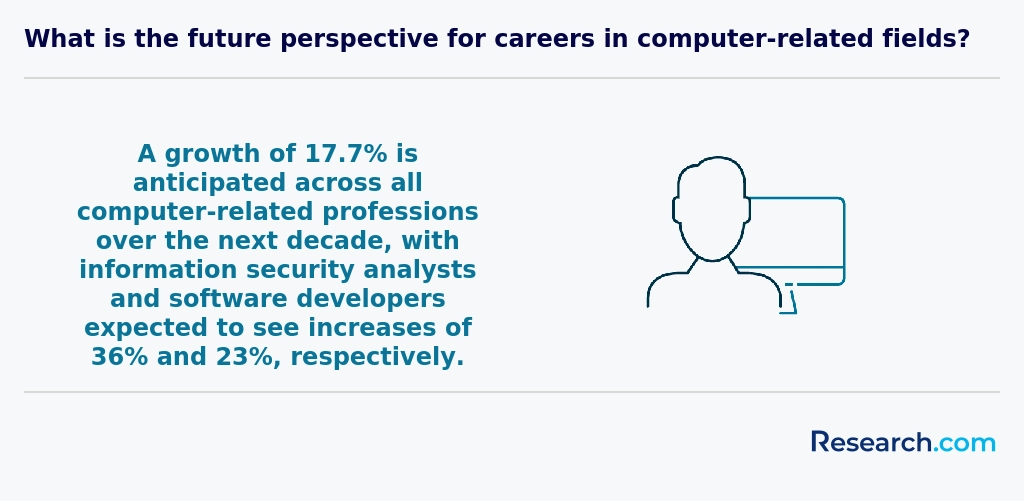
Graduates pursuing an online information systems degree in the South often find themselves well-positioned for a variety of lucrative career paths. Roles such as systems analysts, IT project managers, database administrators, cybersecurity specialists, and network architects are in high demand, especially in technology hubs like Atlanta, Dallas, and Raleigh. The employment outlook is strong, with the U.S. Bureau of Labor Statistics projecting a 15% growth in computer and information systems jobs from 2021 to 2031. This aligns with the increasing demand for data analysts and cloud computing experts, skills emphasized by Southern universities known for their practical curriculum and industry certifications.
Many graduates from popular Southern colleges share positive experiences, noting how their degrees open doors to competitive salaries and stable employment. The best South region information systems jobs online degree graduates often lead to positions offering average starting salaries between $70,000 and $90,000. Additionally, certifications like CISSP and PMP boost prospects further, while programs frequently integrate opportunities related to online cyber security degrees for enhanced specialization.
What is the job market for online information systems degree in the South?
The South regional job market for information systems graduates shows robust expansion, driven by growing metropolitan hubs like Atlanta, Dallas, and Raleigh. Graduates of online information systems degree programs from well-regarded Southern institutions often secure roles such as IT project managers and cybersecurity specialists, fields experiencing above-average demand. Employers increasingly seek candidates who are not only academically prepared but also familiar with the latest cloud technologies and data security protocols.
For those pursuing this pathway, the job outlook includes competitive salaries, with information systems managers earning between $95,000 and $125,000 annually in Southern metro areas. Graduates report feeling confident entering these markets, thanks to practical skills gained through programs popular in the region. Schools offer cost-effective education options, making the investment worthwhile.
Students interested in advancing their expertise might consider continuing into a masters in data science online, which complements the information systems background and aligns well with job market demands. Overall, the job market for online information systems degree job outlook South is promising, marked by steady opportunity growth and diverse career paths.
Frequently Asked Questions About information systems
Online information systems degree students in the South can maximize their learning by actively engaging with their coursework and utilizing available resources. Many Southern universities offer access to virtual labs and software tools essential for hands-on practice, which is crucial for mastering technical skills. According to the Southern Regional Education Board, institutions in this region often provide dedicated online tutoring and career services tailored to information systems students.
Networking is also vital. Students should participate in online forums and professional groups like the Southern Association for Information Systems, which can offer mentorship and job leads.
Additionally, balancing studies with real-world experience through internships or part-time roles remains a key strategy for success in this growing tech field.
The information systems field continues to grow rapidly, with several emerging niches shaping its future. In the South, areas like cybersecurity, data analytics, and cloud computing are experiencing significant demand. According to the U.S. Bureau of Labor Statistics, jobs in cybersecurity are projected to grow by 31% through 2031, with Southern states leading in new job openings.
Additionally, the rise of the Internet of Things (IoT) and artificial intelligence (AI) has created specialized roles focusing on integrating smart technologies into business processes. Data privacy and compliance have also become critical areas given evolving regulations.
These niches offer strong career prospects for students pursuing online information systems degrees in Southern universities.
Graduates with online information systems degrees in the South should focus on building practical skills to stay competitive. Certification programs like the CompTIA Security+ or Certified Information Systems Security Professional (CISSP) are highly regarded in the region's growing tech job market, particularly in centers like Atlanta and Raleigh.
Networking plays a key role; joining local chapters of professional organizations such as the Association for Information Systems (AIS) can open doors to internships and job opportunities. According to the Southern Regional Education Board, employers in the South increasingly prefer candidates with hands-on experience gained through cooperative education or internships.
Additionally, tailoring resumes to highlight experience with regional industries-such as healthcare, manufacturing, and finance-enhances employability. South-based graduates should leverage university career services and online job platforms focused on Southern tech hubs to maximize their job search effectiveness.
Employers in the Southern U.S. prioritize a blend of technical and soft skills for information systems degree graduates. Key technical skills include proficiency in data management, cloud computing, cybersecurity, and programming languages such as Python and SQL. According to the Bureau of Labor Statistics, demand for cybersecurity expertise has grown significantly in Southern states like Texas and Georgia.
Additionally, employers value strong problem-solving abilities and communication skills. Being able to translate complex technical information for non-technical teams is essential. Teamwork and project management experience also rank highly, especially in fast-growing tech hubs like Atlanta and Austin.
Practical experience through internships or cooperative education is often preferred, demonstrating real-world application of classroom knowledge.
Finding internships in the South for information systems students requires strategic planning and use of regional resources. Many universities in Southern states partner with local tech companies and government agencies, fostering direct internship pipelines. According to the National Association of Colleges and Employers (NACE), nearly 60% of internships in information technology fields are secured through university career centers or faculty referrals.
Students should explore online job boards specific to the South, such as those hosted by the Southern Regional Education Board or state workforce commissions. Networking through professional organizations like the Association for Information Systems (AIS) can also open doors.
Additionally, Southern cities such as Atlanta, Dallas, and Raleigh host numerous tech firms actively recruiting interns. Students are encouraged to apply early and leverage LinkedIn profiles tailored to the information systems field to connect with potential employers.
An online information systems degree can significantly enhance career mobility and advancement for professionals in the South. According to the Bureau of Labor Statistics, the demand for IT and information systems roles in Southern states like Texas, Georgia, and Florida is growing faster than the national average. This growth creates abundant opportunities for individuals with specialized knowledge gained through online programs.
Online degrees offer flexibility for working adults to upskill without disrupting their careers. Graduates often qualify for higher-level positions such as systems analysts, IT project managers, or cybersecurity specialists. Additionally, Southern companies increasingly recognize accredited online degrees, improving hiring and promotion prospects.
According to a 2023 report from the Southern Regional Education Board, individuals with information systems degrees experience a 15% higher median salary than those without, reflecting stronger career advancement potential in the region.
Studying for an information systems degree in the South prepares students for interdisciplinary roles by combining technical skills with business and management knowledge. Southern universities often emphasize collaboration between departments such as computer science, business administration, and healthcare, reflecting the region's growing industries.
According to the Southern Regional Education Board, many programs integrate courses in data analytics, cybersecurity, and project management, which are essential for cross-functional teamwork in diverse fields like finance and healthcare.
This interdisciplinary approach equips graduates to work effectively with professionals from various sectors, meeting the increasing demand for versatile information systems experts in the Southern job market.
When choosing between a thesis and a non-thesis online information systems degree program in the South, students should consider their career goals and learning preferences. Thesis programs emphasize research, requiring students to develop a significant project; this path suits those interested in academic or research careers. Non-thesis programs focus on coursework and practical skills, appealing to professionals aiming for industry roles.
In Southern states, many universities offer flexible options. For example, the University of Florida reports that 60% of their information systems master's students opt for non-thesis degrees, reflecting local industry demand.
Accreditation and faculty expertise are also important factors. The Southern Association of Colleges and Schools Commission on Colleges (SACSCOC) accredits many Southern programs, ensuring quality education relevant to the regional market.
Students in the Southern United States seeking online information systems degrees with an international experience have several pathways available. Many Southern universities partner with institutions abroad, offering dual degree or exchange programs that blend online coursework with overseas study. For example, universities in Texas and Florida frequently establish such collaborations.
Accredited online programs from Southern schools may also provide global internships or project opportunities, allowing students to gain international exposure without relocating. According to the National Center for Education Statistics, over 30% of Southern universities with information systems programs report active global partnerships.
Additionally, students can enroll in globally recognized online programs based in the US but designed with international curricula and perspectives, preparing graduates for a global workforce.
Part-time job opportunities that complement an online information systems degree in the South often include roles like IT support specialist, data analyst intern, and junior network administrator. These positions provide practical experience with technologies and systems covered in academic programs. According to the U.S. Bureau of Labor Statistics, the Southern states have seen a steady growth in information technology jobs, approximately 5% annually from 2020 to 2023.
Companies in metropolitan areas such as Atlanta, Dallas, and Charlotte frequently hire part-time IT workers to assist with system maintenance and troubleshooting. Internships in regional tech firms or government IT departments can also offer valuable hands-on learning. This practical experience not only enhances technical skills but also helps build professional networks critical for career growth in the information systems field.
Online information systems students in the South benefit from various networking opportunities designed to connect them with industry professionals and peers. Many Southern universities facilitate virtual career fairs and webinars, allowing students to engage with local employers from tech hubs such as Atlanta, Dallas, and Raleigh. According to the Southern Regional Education Board, nearly 70% of universities offer mentorship programs linking students to alumni working in IT and information systems fields.
Professional organizations like the Southern Chapter of ISACA and regional ACM groups host virtual meetups and conferences accessible to online learners. These events provide students with valuable exposure to current industry trends and job leads.
Alumni networks play a vital role for online information systems degree students in the South by offering valuable career connections and mentorship opportunities. Many Southern universities have active alumni groups that help graduates navigate the technology job market, which in 2023 saw a 15% growth rate in IT roles across Southern states, according to the U.S. Bureau of Labor Statistics.
These networks also facilitate internships and job placements, crucial for students studying remotely. For example, alumni from schools like the University of Texas and Georgia Tech often host virtual networking events tailored specifically to information systems graduates. Access to such resources can enhance students' employment prospects and help them stay updated on industry trends.
Moreover, alumni engagement promotes lifelong learning through workshops and seminars, which can be especially helpful given the fast-evolving nature of information technology. This continuous support strengthens a student's professional journey beyond graduation.
Many universities in the Southern U.S. offer online information systems degrees with flexible curricula designed to match diverse career goals. Students can often select concentrations such as cybersecurity, data analytics, or software development, tailoring their coursework to suit specific industries.
For example, some programs allow elective choices beyond core technical classes, enabling learners to develop skills in project management or business intelligence. According to the National Center for Education Statistics, Southern regional institutions awarded nearly 15,000 bachelor's degrees in computer and information sciences in 2022, highlighting strong local educational opportunities.
Online students should consult academic advisors to plan a path aligning with in-demand skills and regional job markets. Certifications and internships integrated into the program also enhance employability in Southern tech hubs like Atlanta and Austin.
Online information systems students in the South often face challenges related to reliable internet access. According to the Federal Communications Commission, approximately 17% of rural Southern households experience limited broadband availability, which can hinder participation in digital learning. Technical difficulties with software and platforms are also common, impacting coursework and communication.
Time management is another hurdle, as many students juggle professional and family responsibilities alongside their studies. Additionally, some face limited local networking opportunities, which can affect internships and job placements. The Southern Regional Education Board highlights that addressing these obstacles is vital to improving completion rates in online programs.
Graduates with an online information systems degree in the South have multiple professional certification options to enhance their careers. Commonly pursued certifications include the Certified Information Systems Security Professional (CISSP), CompTIA Security+, and Certified Information Systems Auditor (CISA). These certifications demonstrate expertise in cybersecurity, auditing, and systems management, skills highly valued by Southern employers in technology and finance sectors.
Additionally, project management certifications like PMP (Project Management Professional) complement information systems knowledge by strengthening leadership skills.
According to the U.S. Bureau of Labor Statistics, IT-related job growth in the South continues to outpace the national average, increasing demand for certified professionals.
Applicants to online information systems programs in the South should focus on crafting a clear, concise, and targeted application. Admissions committees prioritize candidates who demonstrate relevant technical skills, such as database management or programming, alongside strong problem-solving abilities. According to the Southern Association of Colleges and Schools, highlighting practical experience or certifications can strengthen your application significantly.
Be sure to tailor your personal statement to emphasize your goals related to information systems within Southern industries, which often include healthcare, finance, and logistics. A well-organized resume that reflects relevant work or academic experience boosts your chances. Also, meet all deadlines carefully and provide strong letters of recommendation from professionals familiar with your technical and leadership capabilities.
Careers in information systems are increasingly viewed through a global lens, reflecting a growing demand for skilled professionals worldwide. In the United States, especially in Southern states like Texas and Georgia, the Bureau of Labor Statistics projects a 15% growth rate in computer and information systems roles from 2022 to 2032, which is much faster than the average for all occupations. This trend aligns with global digitization efforts, where organizations seek expertise in managing data and technology systems.
Graduates with online degrees in information systems from Southern universities are well-positioned for international opportunities. They benefit from curricula that emphasize both technical skills and strategic business knowledge, valued in diverse markets. According to CompTIA's 2023 IT Industry Trends report, the South is becoming a hub for technology innovation, further attracting global companies to the region.
Understanding global standards and cross-cultural collaboration is essential, as many firms operate internationally. Online programs often incorporate these perspectives, preparing graduates to navigate complex global environments and meet worldwide workforce needs effectively.
Gaining practical experience while pursuing an online information systems degree in the South is essential for career readiness. Many Southern universities offer virtual internships that connect students with regional tech companies. For example, the Southern Regional Education Board reports that internships in cities like Atlanta and Raleigh-Durham have grown by 15% over the past three years.
Additionally, students can engage in project-based learning through coursework designed to simulate real-world scenarios. This hands-on approach helps develop skills relevant to IT management and cybersecurity.
Joining professional associations such as the Southern Chapter of the Association for Information Systems can also provide networking and practical opportunities.
Choosing the right concentration within an online information systems degree in the South depends on your career goals and interests. Popular concentrations include cybersecurity, data analytics, and IT management. The U.S. Bureau of Labor Statistics projects a 13% growth in information security analyst roles through 2032, especially in Southern tech hubs like Austin and Atlanta.
Look for programs offering courses aligned with industry certifications such as CISSP or CompTIA, which can boost employability. Consider the regional job market: for example, healthcare IT is strong in North Carolina, so a concentration in health informatics might be valuable.
Accreditation and faculty expertise at Southern universities also matter. Research institutions with recognized accreditation like ABET ensure quality education.
Top Trending Information Systems Rankings
References
- Graduate careers advice: you and your information systems degree https://gradireland.com/careers-advice/information-technology/graduate-careers-advice-you-and-your-information-systems-degree
- (apply for a place in the Bachelor of Information Technology) Letter of Motivation https://essayforum.com/letters/apply-place-bachelor-information-technology-39720/
- Best Bachelor's Degrees in Information Systems https://www.computerscience.org/degrees/bachelors/information-systems/
- Online Degree vs. Traditional | University of Arkansas Grantham https://www.uagrantham.edu/blog/pros-cons-online-degree-vs-traditional-university/
- Emerging Trends in Information Systems – Introduction to Information Systems Management https://open.ocolearnok.org/informationsystems/chapter/chapter-11-emerging-trends-in-information-systems/
- Explore Your Future with Our MSIS Degree Program https://www.southuniversity.edu/online/degrees-programs/business-and-technology/information-systems-ms
- What Are the Issues and Challenges in Information Technology? https://reinvent-hit.com/what-are-the-issues-and-challenges-in-information-technology/
- 144 Best Business Information Systems courses abroad 2026 https://www.hotcoursesabroad.com/study/training-degrees/international/business-information-systems-courses/cgory/cb.41-4/sin/ct/programs.html
- How Student Information Systems Improve Student Success and Retention https://moderncampus.com/blog/how-student-information-systems-improve-student-success-and-retention.html
- Online Bachelor's Degree: Computer Information Systems https://www.umgc.edu/online-degrees/bachelors/computer-information-systems


