2027 Human Services Degree Time-to-Completion Report: How Long Students Actually Take to Finish

Co-Founder and Chief Data Scientist
Finishing a Human Services degree on time can affect tuition, debt, job entry, and burnout risk. The timing question matters because the U. S. Bureau of Labor Statistics projects social and human service assistant employment to grow 8% from 2023 to 2033, faster than the average for all occupations. This guide is for students comparing associate, bachelor's, online, transfer, and accelerated pathways. You'll learn what "on time" really means, why students take longer, and how to choose a realistic path that fits your schedule, budget, and career goals.
Key Things You Should Know
- Published program length is usually 2 years for an associate degree and 4 years for a bachelor's degree, but real completion time often stretches when students attend part time, pause enrollment, repeat prerequisites, or wait for internship and capstone availability.
- 30 accepted credits may remove roughly one academic year of full-time study, while 60 accepted credits may allow a bachelor's completion pathway closer to 2 years if upper-division courses are available in sequence.
- College Board's 2024 pricing data lists average published in-state tuition and fees at $11,610 for public four-year institutions, so each extra year can add meaningful direct cost before books, transportation, childcare, and lost earnings are considered.
- What Is the Actual Time to Complete a Human Services Degree?
- Which Factors Have the Greatest Impact on Human Services Degree Completion Time?
What Is the Actual Time to Complete a Human Services Degree?
A Human Services degree prepares students for helping roles in community agencies, social service organizations, behavioral health programs, family support services, case management, nonprofit administration, and related public-service settings. The degree may be offered as an associate degree, bachelor's degree, or degree-completion program for students who already have college credits.
The "actual" time to complete a Human Services degree is best understood as a planning range, not a promise. Schools advertise standard timelines based on continuous enrollment and successful completion of every course in the recommended order. Many students, especially adult learners, move at a different pace because of employment, caregiving, transfer-credit decisions, and required fieldwork.
The table below summarizes realistic planning ranges by pathway. These are not guarantees; they show how enrollment pace and starting credits usually shape the timeline a student should expect before speaking with an advisor.
| Human Services pathway | Typical published length | Realistic planning range | Why completion may take longer |
| Associate degree | 2 academic years | 2 to 4 years | Part-time enrollment, developmental coursework, course availability, work schedule conflicts |
| Bachelor's degree from first year | 4 academic years | 4 to 6 years or more | Reduced course loads, major changes, delayed prerequisites, field placement scheduling |
| Bachelor's completion program | About 2 academic years after transfer | 18 months to 3 years | Transfer-credit limits, missing general education courses, upper-division sequencing |
| Accelerated online bachelor's pathway | Varies by school | Less than traditional time if credits transfer cleanly | Compressed terms, higher weekly workload, limited breaks, strict course sequencing |
| Part-time adult learner pathway | Varies by credit load | 3 to 7 years depending on starting point | Employment, caregiving, stop-outs, financial-aid credit minimums |
The most important takeaway is that "time to degree" depends on completed credits, required credits remaining, and how many credits you can realistically complete each term. A 120-credit bachelor's degree completed at 15 credits per fall and spring term follows a 4-year plan; the same degree at 6 credits per term can take far longer unless the student uses summer, winter, or accelerated sessions.
Which Factors Have the Greatest Impact on Human Services Degree Completion Time?
The greatest drivers of Human Services degree completion time are enrollment intensity, transfer-credit acceptance, course sequencing, required fieldwork, and life responsibilities. Human Services programs can look flexible on paper, but a single missed prerequisite or delayed internship can shift graduation by a full term.
Students should pay special attention to the factors below because they affect both time and cost. A program that is affordable per credit may not be the best value if required courses are not offered often enough for working students to progress smoothly.
- Credit load: Taking 12 to 15 credits per term keeps students closer to traditional timelines, while 6 to 9 credits per term usually extends the calendar even when the student is making steady progress.
- Transfer-credit fit: Credits save time only when they apply to degree requirements; general elective credits may not shorten the path if core Human Services, statistics, ethics, diversity, or fieldwork courses are still required.
- Prerequisite sequencing: Courses such as introductory human services, case management, counseling skills, research methods, or internship preparation may need to be taken in a specific order.
- Field experience requirements: Internships, practicums, service-learning hours, or capstones can delay graduation if they require daytime availability, background checks, agency approval, or placement-site matching.
- Academic advising quality: Students who meet with advisors regularly are less likely to take unnecessary electives or miss graduation requirements that are not obvious from the course catalog.
One common mistake is assuming that an online program automatically eliminates scheduling barriers. Online delivery can reduce commuting and make weekly study time more flexible, but it does not remove deadlines, fieldwork hours, prerequisite rules, or the need to pass each course in sequence.
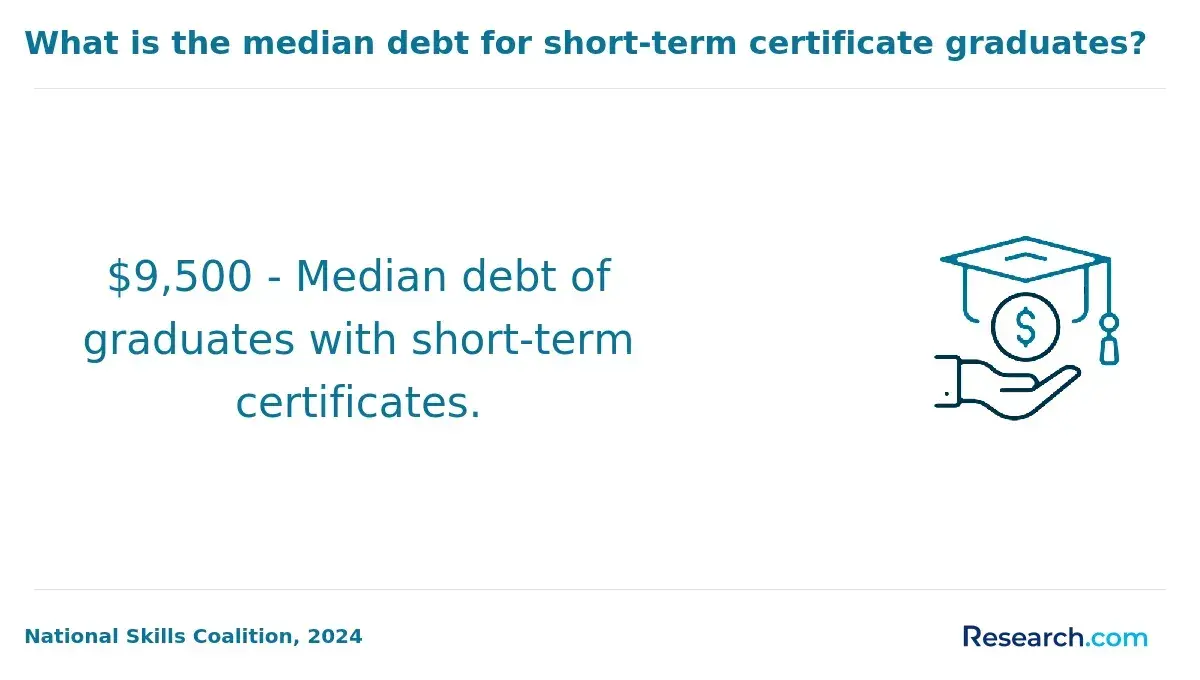
Enrollment status has a larger effect on completion time than learning format. Full-time students usually finish faster because they complete more credits each term, while part-time students often gain flexibility at the cost of a longer calendar and possibly more years of fees, books, and indirect expenses.
Learning format still matters because online, hybrid, and campus programs structure courses differently. For students comparing multiple applied or health-related online options, the scheduling questions are similar to those used when evaluating an online kinesiology degree: look beyond delivery mode and examine term length, course rotation, experiential requirements, and advising support.
The comparison below shows how enrollment and format typically influence Human Services degree timelines. Use it to identify which model matches your actual weekly availability rather than the pace you hope to manage.
| Enrollment or format choice | Likely timeline effect | Best fit | Main risk |
| Full-time campus | Shortest traditional timeline when courses are available | Students with daytime availability and stable finances | Less flexibility for work and caregiving |
| Part-time campus | Extends completion time | Students who need in-person support but cannot carry a full load | Course conflicts and limited evening offerings |
| Full-time online | Can match or shorten traditional pace if terms are frequent | Self-directed students with predictable study time | Compressed workload and isolation |
| Part-time online | Flexible but commonly lengthens the calendar | Working adults, parents, and returning students | Slow progress if courses are taken one at a time |
| Hybrid | Can be efficient when campus meetings are predictable | Students who want flexibility plus in-person contact | Travel or placement requirements may still cause conflicts |
If your goal is the shortest realistic completion time, ask each school how often major courses are offered, whether online students get equal access to required classes, and whether field placements can be completed during evenings or weekends. If the answers are vague, that is a red flag.
Accelerated Human Services programs can shorten graduation timelines, but they work best for students who already have credits, strong time-management skills, and reliable weekly study blocks. Acceleration usually comes from shorter terms, year-round enrollment, heavier course loads, or degree-completion designs rather than from reducing academic expectations.
The same trade-off appears in other fast-track education pathways, such as a 6 month LPN program online: a shorter calendar can be attractive, but compressed learning requires careful planning around clinical, practicum, or hands-on requirements. For Human Services students, the comparable issue is whether internships, field placements, and capstones fit the accelerated schedule.
The table below compares traditional and accelerated degree structures. It helps clarify when speed improves value and when it may increase risk.
| Program model | How it shortens time | Good fit for | When it may not make sense |
| Traditional semester program | Standard fall and spring pacing | Students who want predictable workload and more time for support services | Students who need faster entry into the workforce and can handle more intensity |
| Eight-week online terms | More start dates and condensed courses | Students who can focus on fewer courses at a time | Students whose work schedule changes unpredictably |
| Year-round enrollment | Uses summer or winter terms | Students who want steady progress without long breaks | Students who need seasonal income or caregiving flexibility |
| Degree-completion program | Builds on prior credits | Transfer students with a clean credit match | Students with many elective credits but missing prerequisites |
| Competency-based model | Allows faster progress through mastered material | Experienced adult learners with strong self-direction | Students who need frequent instructor structure and peer interaction |
Accelerated options are strongest when the school publishes clear course maps, offers multiple annual start dates, and has enough sections for students to stay on pace. They are weaker when acceleration depends on taking overloaded terms without added advising, tutoring, or placement support.
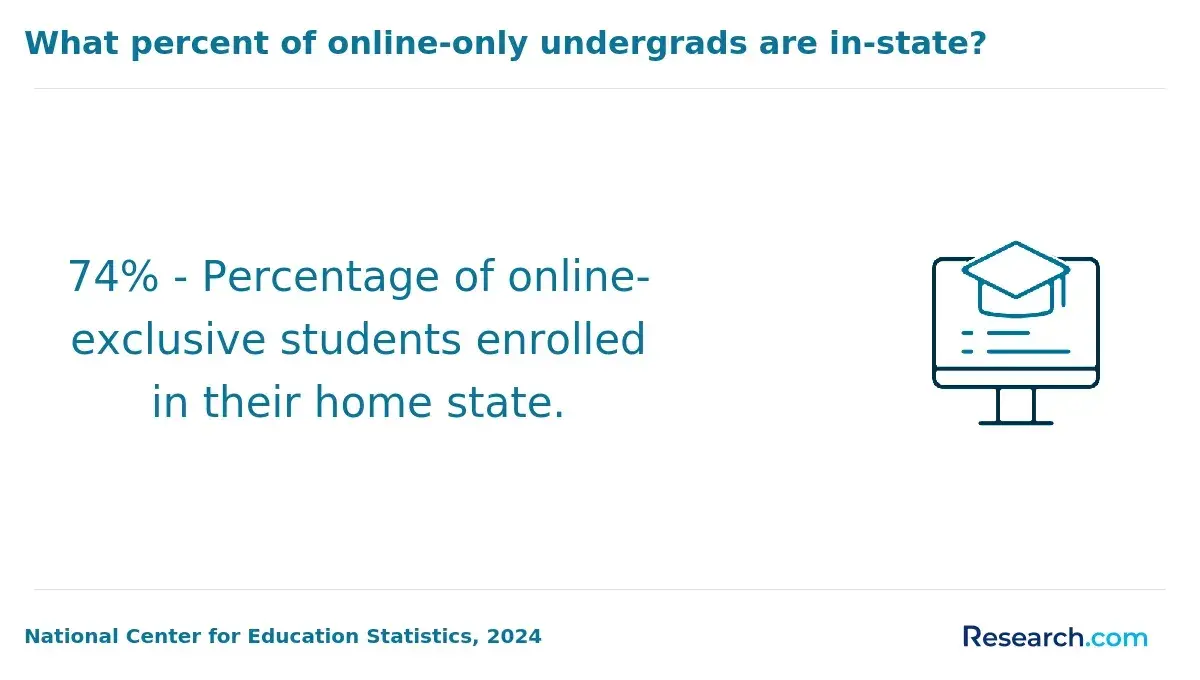
Work, family, and personal responsibilities often determine the real completion timeline more than the catalog does. Human Services students are frequently drawn to the field because they already work in care, support, education, community, or nonprofit roles, which can make part-time study necessary even when they want to finish quickly.
The most realistic plan starts with a weekly time budget. Instead of asking, "How fast can this degree be completed?" ask, "How many focused study hours can I protect every week without risking my job, family responsibilities, health, or academic performance?"
Use the following planning steps to choose a pace that is ambitious but sustainable. This is especially important because stopping out for a term can sometimes delay graduation more than choosing a slightly lighter, consistent course load from the start.
- List fixed weekly obligations, including work hours, commute time, caregiving, appointments, and sleep.
- Identify study blocks that can remain consistent for an entire term, not just during the first week.
- Ask whether required fieldwork can be completed at your current workplace or during nontraditional hours.
- Build a backup plan for childcare, transportation, technology access, and unexpected schedule changes.
- Review your plan with an academic advisor before registration so course choices support graduation requirements.
Taking longer can be the better decision when it helps you maintain grades, avoid repeating courses, stay employed, and complete fieldwork professionally. The costly mistake is not part-time enrollment itself; it is enrolling part time without a mapped graduation plan.
Completion time affects both direct cost and return on investment. Direct costs include tuition, fees, books, technology, transportation, and possible childcare. Indirect costs include delayed full-time earnings, reduced work hours during field placements, and the opportunity cost of staying in school longer.
College Board's 2024 Trends in College Pricing reports average published tuition and fees of $4,050 at public two-year colleges and $11,610 for in-state students at public four-year institutions. For Human Services students, this means an efficient transfer route from a community college to a bachelor's program can be financially powerful if credits apply cleanly and do not create hidden delays.
ROI also depends on career goals. A Human Services degree usually leads to helping-profession and social-service pathways with more modest salary ceilings than some clinical or professional health degrees, so the cost of extra terms matters.
Students weighing higher-cost professional programs, including pharmacy school online options, should use the same logic: compare time, tuition, credential requirements, and expected labor-market payoff before assuming the faster or more expensive route is better.
The table below illustrates how completion time changes the cost conversation. It does not estimate total personal cost because living expenses, aid, and work schedules vary widely.
| Timeline choice | Possible financial advantage | Possible financial drawback | Best decision lens |
| Fast full-time completion | Earlier workforce entry and fewer years of fees | Less time to work and higher short-term cash pressure | Works best when aid, savings, or family support cover the heavier course load |
| Part-time steady completion | Allows continued employment and lower term-by-term tuition | More calendar years before credential-based advancement | Works best when employment income prevents borrowing |
| Transfer-first pathway | Can reduce lower-division tuition cost | Can backfire if credits do not transfer into requirements | Works best with an articulation agreement and written degree audit |
| Accelerated pathway | May reduce time out of higher-paid roles | May require intense workload or year-round tuition payments | Works best when the student can finish without repeating courses |
| Stop-out or paused enrollment | May be necessary during financial or family emergencies | Can delay graduation and create re-enrollment barriers | Works best when coordinated with financial aid and advising offices |
A practical ROI question is not simply "Which program is cheapest?" It is "Which program lets me finish with the least avoidable debt, the fewest lost credits, and the strongest path to the role I want?"
Graduation timing influences career outcomes because many Human Services roles use the degree as a screening credential for case management, program coordination, family services, community outreach, behavioral health support, and social-service assistant positions. Finishing earlier can move a student into credential-based roles sooner, but finishing too quickly without field experience, references, or skill development may weaken the job search.
The U.S. Bureau of Labor Statistics reported a May 2024 median annual wage of $41,410 for social and human service assistants. This figure should be used as a labor-market reference point, not a salary guarantee, because pay varies by employer, region, education level, experience, and whether the role is government, nonprofit, healthcare, residential, or community-based.
Students should also understand that Human Services is not a single licensed career path. Some positions are entry-level support roles, while others may require a bachelor's degree, graduate study, state credentials, background checks, or specialized training in areas such as addiction services, child welfare, aging services, mental health support, or victim advocacy.
Career planning is strongest when students compare the degree timeline with the exact jobs they want. The same question appears in other career-focused fields, such as when students ask what jobs can you get with a bioinformatics degree: the useful answer depends on role requirements, skill expectations, and how the credential fits the labor market.
To improve career outcomes while staying on schedule, students should use fieldwork strategically rather than treating it as a box to check.
- Choose internship sites connected to your target population, such as youth services, housing support, behavioral health, aging services, disability services, or reentry programs.
- Ask whether the program has employer relationships that regularly lead to interviews, practicum placements, or entry-level hiring pipelines.
- Build practical skills in documentation, ethics, trauma-informed communication, crisis response basics, case notes, referral systems, and cultural humility.
- Confirm whether your target role requires a bachelor's degree, certification, supervised experience, or graduate education before you choose a timeline.
Human Services degree completion timelines are changing because more students are mixing online courses, transfer credits, work experience, and stop-start enrollment patterns. Schools are responding with degree-completion programs, shorter academic terms, prior-learning assessment, online advising, and clearer transfer pathways.
National completion data also shows why students should not rely only on the advertised program length. NCES completion reporting released in 2024 shows that 64% of first-time, full-time bachelor's degree-seeking students who began at four-year institutions completed a bachelor's degree within 6 years. That benchmark is not Human Services-specific, but it is a useful reminder that even full-time students nationally do not always finish within the traditional 4-year window.
Several trends are especially relevant for Human Services students making timing decisions now. These trends can create faster pathways, but they also require students to ask sharper questions before enrolling.
- More online and hybrid options: Flexible delivery can reduce commuting barriers, but students still need reliable course rotation and field-placement access.
- Shorter terms and more start dates: Eight-week or accelerated terms may help motivated students make steady progress, but the weekly workload can be demanding.
- Greater emphasis on transfer pathways: Community college-to-bachelor's routes can save time and money when articulation agreements are strong.
- Growing employer attention to practical skills: Documentation, client communication, referral coordination, and ethical decision-making can matter as much as speed.
- AI and case-management technology: Human Services workers increasingly interact with digital records, scheduling tools, data dashboards, and automated intake systems, so students should look for programs that build practical technology confidence.
The bottom line is that faster pathways are more available than they used to be, but they are not automatically better. The strongest programs combine flexible scheduling with structured advising, predictable course offerings, meaningful fieldwork, and transparent completion planning.
Choosing a Human Services program based on time to completion means comparing the shortest advertised path with the shortest realistic path for your life. A program is not truly fast if transfer credits are uncertain, required courses are offered once per year, or fieldwork cannot fit your schedule.
Before applying, ask schools for evidence and specifics. These questions help you identify programs that support on-time graduation rather than simply marketing flexibility.
- What is the typical completion time for students in my pathway, such as full-time first-year, part-time adult learner, or transfer student?
- How many of my prior credits apply directly to requirements, and can I see a written degree audit before enrolling?
- How often are required Human Services courses offered online, in the evening, during summer, or in accelerated terms?
- Are internships, practicums, service-learning hours, or capstones required, and when do students usually complete them?
- Can field placements be completed at a current workplace, during evenings, or near my location?
- What happens if I fail, withdraw from, or need to delay a prerequisite course?
- Does the program have dedicated advising for transfer students, adult learners, online students, or first-generation students?
- Are there extra fees, residency requirements, or minimum credit loads that could affect cost or financial aid?
After you collect answers, build a personal timeline using credits remaining, likely credit load, term availability, and fieldwork timing. The best program is usually the one that gives you a clear, written path to graduation, enough flexibility to stay enrolled, and the right preparation for your intended Human Services role.
A strong decision rule is simple: choose the fastest plan you can complete successfully, not the fastest plan printed in a brochure. If a slower pace helps you avoid repeats, maintain employment, and complete stronger fieldwork, it may produce better value than an accelerated path that increases stress and academic risk.
Transfer credits can save substantial time, but only when they are evaluated early and applied to the correct degree requirements. A student with an associate degree may still need more than 2 years to complete a bachelor's if many credits transfer as electives instead of satisfying general education, major, or upper-division requirements.
The table below shows how accepted transfer credits can change a bachelor's degree plan. It assumes a common 120-credit structure, but schools vary in residency requirements, upper-division minimums, and maximum transferable credits.
| Accepted transfer credits | Approximate credits remaining in a 120-credit bachelor's degree | Potential time saved at full-time pace | Key caution |
| 0 credits | 120 credits | No time saved | Student follows a full first-year-to-senior pathway |
| 15 credits | 105 credits | About one semester | Credits may not remove major prerequisites |
| 30 credits | 90 credits | About one academic year | General education fit matters |
| 60 credits | 60 credits | About two academic years | Upper-division and residency rules may still apply |
| 90 credits | 30 credits | Potentially significant | Many schools limit how many credits can apply toward graduation |
To avoid losing time, request an official transfer evaluation before committing to a program whenever possible. Then compare not just the number of credits accepted, but the number of credits that reduce the courses you still must take.
A practical transfer-credit review should include these steps before enrollment because the wrong assumption can add terms to your plan.
- Ask for a written degree audit showing every remaining course, not just a general statement that your credits are transferable.
- Confirm whether prior courses satisfy Human Services core requirements, general education, electives, or only institutional credit totals.
- Check whether old credits in psychology, sociology, statistics, or human development have expiration rules.
- Ask whether credit for prior learning, military training, professional certifications, or portfolio review is available.
- Verify the school's residency requirement, which determines how many credits must be completed through that institution.
Other Things You Should Know About Human Services
A Human Services associate degree is commonly designed for 2 years of full-time study. Part-time students often take longer, especially if they take one or two courses per term or need developmental, prerequisite, or general education courses.
Not automatically. Online programs can be faster when they offer frequent start dates, accelerated terms, and reliable course availability. They may take just as long as campus programs if required courses, internships, or capstones are offered on a limited schedule.
One of the biggest mistakes is enrolling without a written degree plan. Students should confirm transfer credits, prerequisites, course sequencing, internship timing, and remaining requirements before assuming they can finish within the advertised timeline.
- Humanity in Action: Understanding Human Services Degrees https://www.ucumberlands.edu/blog/humanity-in-action-understanding-human-services-degrees
- The Impact of Curriculum Changes in Universities and Colleges – Kramah Software https://www.kramah.com/blog/the-impact-of-curriculum-changes-in-universities-and-colleges/
- Full-Time Student Hours vs. Part-Time: What's the Difference? https://www.citizensbank.com/student/articles/full-time-student-hours.aspx
- Who is Considered a Full-time College Student & Why it Matters https://www.elfi.com/who-is-considered-a-full-time-college-student-and-why-does-it-matter/
- How Long Does It Take to Become a Social Worker? https://www.onlinemswprograms.com/careers/how-to-become-a-social-worker/how-long-does-it-take/
- Full-Time vs Part-Time Student: How Many Credit Hours? | SoFi https://www.sofi.com/learn/content/full-time-vs-part-time-student/
- Does Socioeconomic Status of Students Influence Their Career Choice? A Study on the Tertiary Level Students https://www.universepg.com/ajssls/does-socioeconomic-status-of-students-influence-their-career-choice-a-study-on-the-tertiary-level-students
- Factors Causing Delays for Higher Education Students in Completing Final Undergraduate Assignments https://articlegateway.com/journals/index.php/JHETP/article/view/6954
- How Long Does it Take to Become a Social Worker? https://socialworklicensemap.com/become-a-social-worker/how-long-does-it-take/