2027 Human Services Degree Job Posting Analysis: Skills, Credentials, and Experience Employers Request Most Often

Co-Founder and Chief Data Scientist
Human services students often face the same question: which qualifications actually help you get hired? The answer matters because demand is rising in several care-focused roles; the BLS projects employment for substance abuse, behavioral disorder, and mental health counselors to grow 19% from 2023 to 2033.
This guide explains what employers typically request in human services degree job postings, including skills, credentials, experience, certifications, and industry differences, so you can choose courses, internships, and résumé priorities with less guesswork.
Key Things You Should Know
- Human services postings most consistently emphasize case management, client communication, crisis response, documentation, confidentiality, community resource navigation, and culturally responsive service delivery.
- BLS 2023-2033 projections show strong demand in adjacent human services roles, including 19% growth for substance abuse, behavioral disorder, and mental health counselors and 8% growth for social and human service assistants.
- A bachelor's degree is common for coordinator, advocate, and case management roles, while clinical counseling, therapy, and licensed social work paths usually require graduate education and state-specific licensure.
- Which Industries Have the Highest Demand for Human Services Graduates?
- Which Job Titles Appear Most Frequently in Human Services Degree Job Postings?
Which Industries Have the Highest Demand for Human Services Graduates?
Human services graduates are hired across public, nonprofit, healthcare, behavioral health, education, and justice-related settings. The highest-demand industries usually share one thing: they serve people with complex needs, such as housing instability, disability, aging-related needs, behavioral health conditions, family stress, or barriers to healthcare access.
The table below summarizes where human services degree job postings most often cluster and what each industry tends to emphasize. Use it to compare where your skills and values fit best before choosing internships or electives.
| Industry or Employer Type | Common Hiring Need | Skills Employers Often Emphasize | Best Fit for Students Who Want |
| Nonprofit and community agencies | Case workers, program coordinators, outreach specialists, family support staff | Resource navigation, advocacy, grant-funded program documentation, client intake | Direct community impact and broad exposure to social service systems |
| Behavioral health and substance use treatment | Residential support staff, recovery coaches, case managers, intake coordinators | Crisis response, trauma-informed care, motivational interviewing, relapse prevention support | Mental health or addiction services experience before graduate study or certification |
| Healthcare and hospitals | Patient navigators, care coordinators, discharge support staff, community health workers | HIPAA awareness, care coordination, medical documentation, social determinants of health | A bridge between social services and healthcare delivery |
| Government and public agencies | Eligibility specialists, child welfare staff, adult protective services aides, program assistants | Policy compliance, documentation accuracy, interviewing, risk assessment | Structured roles, public service, and advancement through civil service systems |
| Schools and youth services | Youth advocates, family liaisons, after-school program coordinators, student support staff | Family engagement, behavior support, mandated reporting, teamwork with educators | Work with children, adolescents, and families outside the classroom |
| Justice, reentry, and victim services | Victim advocates, reentry coordinators, probation support staff, shelter advocates | Safety planning, crisis communication, confidentiality, trauma-informed interviewing | Work at the intersection of social services, safety, and legal systems |
The strongest choice is not always the industry with the most openings. A student who wants predictable public-sector advancement may prioritize government agencies, while a student preparing for counseling graduate school may benefit more from behavioral health or crisis services experience.
Which Job Titles Appear Most Frequently in Human Services Degree Job Postings?
Human services job titles vary widely because employers use different labels for similar work. A "case manager," "service coordinator," and "client advocate" may all involve intake, documentation, referrals, and follow-up, but the population served and legal responsibilities can differ substantially.
The table below shows job titles that frequently appear in human services degree job searches and the qualifications that usually matter most. Treat titles as signals, then read the responsibilities carefully before deciding whether you are a fit.
| Common Job Title | Typical Responsibilities | Common Education Signal | What Makes a Candidate More Competitive |
| Case Manager | Assess client needs, create service plans, coordinate referrals, document progress | Associate or bachelor's degree often preferred or required | Internship in case management, strong documentation samples, knowledge of local resources |
| Human Services Specialist | Support eligibility, intake, service coordination, and client follow-up | Degree in human services, social work, psychology, sociology, or related field | Experience with public benefits, client interviewing, and compliance documentation |
| Community Outreach Coordinator | Connect clients to services, organize events, build partnerships, track participation | Bachelor's degree often preferred for coordinator roles | Public speaking, bilingual ability, community engagement experience, data tracking |
| Family Support Specialist | Work with parents, children, and caregivers to connect families with resources | Human services or child development background often requested | Mandated reporter training, youth services experience, family systems knowledge |
| Residential Counselor or Direct Support Professional | Support clients in residential, disability, behavioral health, or youth settings | High school diploma may be accepted; degree may improve advancement | Crisis prevention training, CPR, de-escalation experience, reliability in shift-based settings |
| Victim Advocate | Provide crisis support, safety planning, referrals, and court accompaniment | Bachelor's degree often preferred, especially in advocacy or public agency roles | Trauma-informed care, confidentiality training, hotline or shelter experience |
| Program Coordinator | Manage service activities, reporting, scheduling, and program outcomes | Bachelor's degree commonly preferred | Leadership, grant reporting, database skills, supervision or volunteer coordination |
A common mistake is applying only to titles that include the exact phrase "human services." Better searches include "case management," "community services," "family support," "behavioral health," "client services," "care coordination," "reentry," "victim services," and "program support."
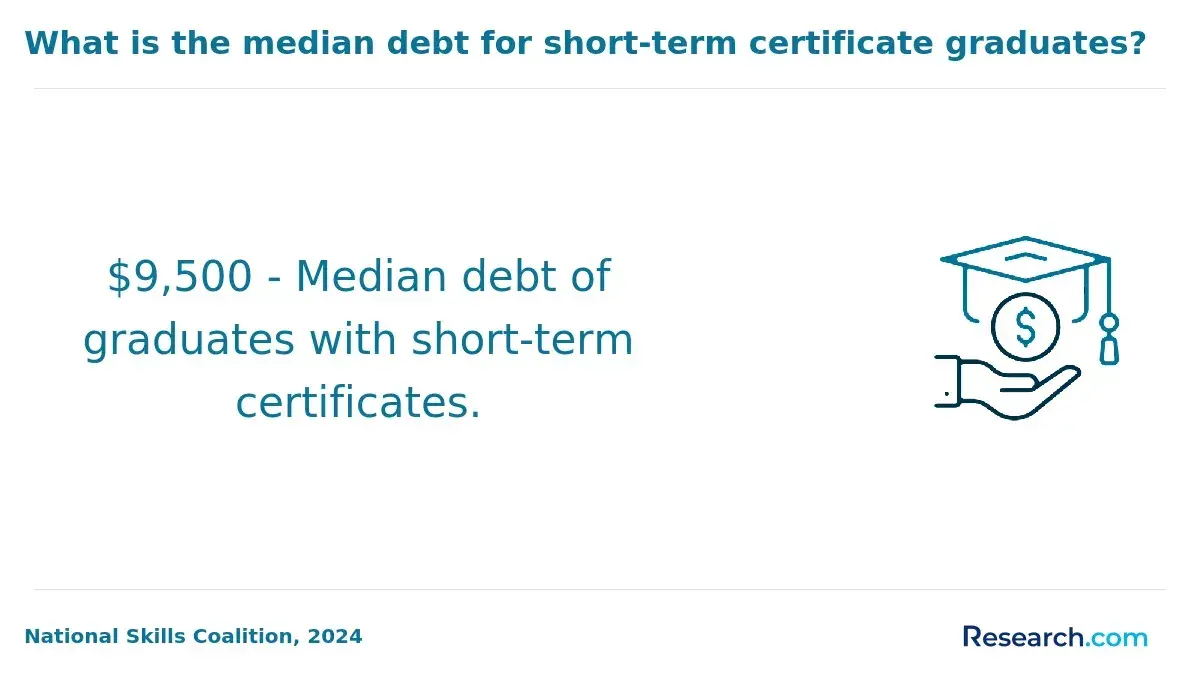
Employers rarely evaluate human services candidates on a degree alone. Job postings typically combine people-centered skills, documentation skills, ethical judgment, and the ability to work across agencies and service systems.
The table below separates commonly requested skills into practical hiring categories. This helps you identify which skills are baseline requirements and which can help you stand out.
| Skill Category | Skills Commonly Requested | Why Employers Value It | How to Demonstrate It |
| Client assessment and intake | Interviewing, needs assessment, eligibility screening, service planning | Employers need staff who can understand client needs accurately before recommending services | Practicum cases, mock intake forms, internship experience, supervised client interaction |
| Case management | Referrals, follow-up, goal tracking, care coordination, resource navigation | Many roles require connecting clients with multiple services rather than providing one-time help | Résumé bullets showing caseload support, referral coordination, and outcome tracking |
| Communication | Active listening, empathy, professional writing, conflict resolution, public speaking | Human services work depends on trust, clarity, and communication with clients and partner agencies | Client-facing experience, group facilitation, presentations, supervisor feedback |
| Crisis and safety response | De-escalation, crisis intervention, safety planning, mandated reporting awareness | Many populations served by human services agencies face urgent or high-risk situations | Crisis hotline volunteering, shelter work, certified training, scenario-based coursework |
| Documentation and compliance | Case notes, confidentiality, HIPAA awareness, reporting, data entry | Accurate records affect funding, legal compliance, continuity of care, and client safety | Experience with case notes, electronic records, compliance checklists, internship evaluations |
| Cultural responsiveness | Working with diverse populations, language access, anti-bias practice, community awareness | Employers need staff who can serve clients respectfully across cultures, identities, and life experiences | Community-based work, bilingual skills, relevant coursework, service learning |
| Technology and systems use | Microsoft Office, databases, electronic health records, telehealth platforms, scheduling tools | Even direct-service roles increasingly require digital documentation and cross-team coordination | Software listed by name on the résumé, projects using spreadsheets, database or EHR exposure |
If you have limited work experience, prioritize proof. Instead of saying you have "strong communication skills," describe how you completed intakes, wrote case notes, coordinated referrals, or supported clients under supervision.
Experience requirements in human services postings vary by responsibility and risk level. Entry-level roles may accept internships, volunteering, or lived experience when appropriate, while roles involving independent caseloads, crisis response, supervision, or compliance often request prior paid experience.
The table below shows how experience expectations usually differ by job level. Use it to decide whether to apply now or build experience through an internship, practicum, volunteer role, or related part-time job first.
| Career Level | Common Experience Language in Postings | Examples of Suitable Experience | Candidate Strategy |
| Entry-level support | "No experience required," "experience preferred," or "related volunteer experience accepted" | Food bank volunteering, youth mentoring, shelter support, caregiving, campus peer support | Emphasize reliability, communication, training completion, and comfort working with people |
| Early career case support | "1 year of related experience preferred" or "experience with vulnerable populations" | Internship in social services, residential care work, hotline volunteering, community outreach | Show concrete tasks such as intake, referral tracking, case notes, and client follow-up |
| Independent case management | "1-3 years of case management or social services experience" | Service coordination, public benefits support, care navigation, reentry support | Quantify caseload exposure when possible and describe documentation systems used |
| Program coordination or supervision | "3+ years of experience," "supervisory experience preferred," or "grant reporting experience" | Team lead roles, volunteer coordination, program reporting, staff scheduling | Highlight outcomes, compliance, partnership management, and leadership responsibilities |
BLS projections show 8% growth for social and human service assistants from 2023 to 2033, which suggests continued need for support roles that can help graduates gain experience. That growth does not guarantee easy hiring, but it does make early experience a sensible investment for students who want to move into case management or program coordination.
One red flag is waiting until after graduation to get client-facing exposure. Even a semester-long practicum can make your résumé stronger because it gives employers evidence that you understand confidentiality, documentation, boundaries, and the emotional demands of the work.
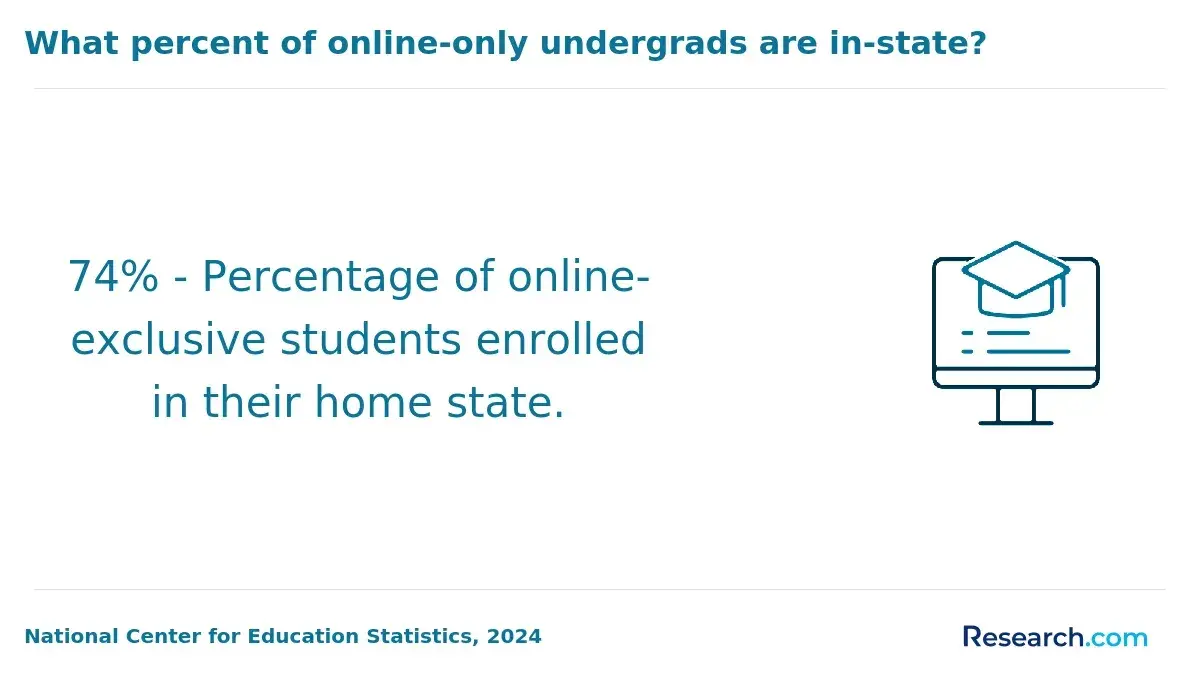
Certifications can help, but they are not all equally valuable. The best certification is the one that appears in postings for your target role, is recognized in your state or industry, and supports duties you will actually perform.
The table below summarizes certifications and trainings that commonly strengthen human services applications. Requirements vary by employer and state, so always verify whether a credential is required, preferred, or simply helpful.
| Certification or Training | Where It Helps Most | Required or Preferred? | Decision Guidance |
| CPR and First Aid | Residential programs, youth services, shelters, disability services | Often required or strongly preferred | Worth earning early if you plan to work in direct care or shift-based settings |
| Mandated Reporter Training | Child welfare, schools, family services, youth programs | Often required after hire; sometimes preferred before hire | Useful for students targeting children, families, or vulnerable adult services |
| Mental Health First Aid | Community outreach, behavioral health support, campus and youth programs | Usually preferred rather than required | Helpful for demonstrating crisis awareness, but it does not replace clinical training |
| HIPAA or Privacy Training | Healthcare, behavioral health, care coordination, case management | Often required by employer policy | Valuable when applying to healthcare-adjacent human services roles |
| Substance Use or Addiction Counseling Credential | Recovery programs, treatment centers, reentry services | May be required for counseling duties; rules vary by state | Worth researching early if you want addiction services, because supervised hours may apply |
| Certified Case Manager or Similar Credential | Healthcare case management, advanced coordination, supervisory roles | More often preferred for experienced candidates | Usually more useful after gaining work experience than before your first job |
If you are deciding between human services and hands-on licensed healthcare work, compare the credential timeline carefully. A 6 month LPN program online may appeal to students who want a nursing-focused route, while human services certifications typically support advocacy, coordination, crisis response, and client support rather than nursing practice.
A common mistake is collecting low-value certificates without a target job in mind. Before paying for any credential, review 10 to 20 postings in your preferred city and count how often that credential appears as required or preferred.
Employer expectations differ because "human services" is an umbrella field, not one standardized job. A hospital care coordination role, a youth shelter role, and a county eligibility role may all value a human services degree, but they evaluate candidates differently.
The table below compares how hiring priorities shift across common employer settings. This is useful because tailoring your résumé to the setting often matters as much as meeting the minimum education requirement.
| Employer Setting | What Employers Prioritize | Credentials That May Matter More | Résumé Emphasis |
| County or state agencies | Policy accuracy, documentation, eligibility rules, risk screening | Bachelor's degree, civil service requirements, background checks | Compliance, interviewing, data entry, public benefits knowledge |
| Behavioral health providers | Crisis response, boundaries, trauma-informed care, treatment team communication | CPR, mental health training, substance use credentials, future licensure pathway | De-escalation, safety planning, supervised client interaction |
| Healthcare organizations | Care coordination, privacy, discharge support, interdisciplinary teamwork | HIPAA training, community health worker certification, EHR exposure | Patient navigation, social determinants of health, medical team collaboration |
| Nonprofits | Flexibility, community trust, outreach, grant reporting, program outcomes | Bachelor's degree often preferred; bilingual skills can be a major advantage | Community engagement, partnership building, volunteer coordination |
| Residential or shelter programs | Reliability, safety, crisis response, shift coverage, client boundaries | CPR, First Aid, de-escalation training, background clearance | Direct care, incident documentation, conflict resolution |
Geography also matters. State licensure rules, Medicaid-funded program requirements, county hiring systems, and local nonprofit funding can change what employers request. For that reason, students should compare postings in the exact labor market where they plan to work, not only national job boards.
The biggest red flag is assuming every employer uses the same definition of "qualified." A bachelor's degree may be enough for one case manager role, while another may require a social work license, bilingual fluency, a driver's license, or experience with a specific population.
Human services work remains deeply people-centered, but postings are increasingly shaped by digital documentation, telehealth, interdisciplinary care, data reporting, and technology-supported service delivery. AI is unlikely to replace empathy, judgment, or crisis communication, but it can change how agencies triage requests, manage records, analyze outcomes, and communicate with clients.
The table below highlights emerging skills that are becoming more important in human services job postings. These skills are especially useful for students who want to remain competitive as agencies modernize their systems.
| Emerging Skill | Why It Is Becoming More Important | Where It Appears Most Often | How Students Can Build It |
| Electronic documentation and case management systems | Agencies need accurate, timely, searchable client records | Healthcare, behavioral health, government, nonprofits | Ask internships for database exposure and list systems by name when appropriate |
| Telehealth and virtual service coordination | Clients may receive intake, counseling support, or follow-up remotely | Behavioral health, care coordination, rural service programs | Practice professional video communication and learn privacy expectations for remote work |
| Data-informed program reporting | Funders and agencies increasingly expect evidence of service outcomes | Nonprofits, public agencies, grant-funded programs | Build spreadsheet, survey, and reporting skills through class projects or internships |
| AI and automation awareness | Agencies may use tools for scheduling, documentation support, screening, or communication workflows | Larger healthcare systems, public agencies, multi-site nonprofits | Learn ethical limits, bias risks, confidentiality rules, and when human review is essential |
| Social determinants of health knowledge | Healthcare and social services increasingly coordinate around housing, food, transportation, and safety needs | Hospitals, clinics, community health programs, care navigation | Choose coursework or projects involving community health, public benefits, or resource mapping |
Students interested in wellness, rehabilitation, prevention, or community health may also compare human services with an online kinesiology degree, especially if they want work connected to physical activity, health promotion, or rehabilitation support rather than social service coordination.
The safest approach is to treat technology as a complement to human judgment. Employers still need candidates who can build trust, protect confidential information, recognize risk, and communicate with compassion when automated systems fall short.
The best way to match your qualifications to employer expectations is to work backward from real postings. Instead of guessing which skills matter, analyze the jobs you want and build evidence for the qualifications that appear repeatedly.
Use the following process to turn job posting trends into a practical preparation plan. This is especially helpful if you are choosing electives, internships, certificates, or résumé language.
- Collect 15 to 25 postings in your target location and save only roles you would realistically apply for within the next year.
- Mark each requirement as required, preferred, or nice to have so you do not overinvest in credentials that are rarely mandatory.
- Group repeated qualifications into categories such as case management, crisis response, documentation, software, population experience, and certifications.
- Compare the list with your transcript, internship history, volunteer work, and current résumé to identify gaps.
- Prioritize gaps that appear in required qualifications first, then address preferred qualifications that align with your career path.
- Rewrite résumé bullets using employer language, such as "completed client intake documentation," "coordinated community referrals," or "supported crisis de-escalation under supervision."
- Ask internship supervisors or faculty to help you verify which skills you can ethically and accurately claim.
There are also mistakes to avoid when preparing for human services job applications. These errors can make a qualified candidate look less ready than they actually are.
- Do not assume the degree title alone will carry the application; employers want evidence of client-facing skills, documentation ability, and professional judgment.
- Do not list every certificate you can find; prioritize credentials that appear in postings for your target role and state.
- Do not ignore soft skills; communication, empathy, boundaries, and conflict resolution are often central to hiring decisions.
- Do not use one generic résumé for every role; tailor your résumé to the population, setting, and responsibilities in the posting.
- Do not overlook background checks, driver's license requirements, shift expectations, or bilingual preferences, because these can affect eligibility.
If your job posting analysis shows that you are more excited by data systems than direct client service, it may be worth comparing human services with more technical career paths, such as researching what jobs can you get with a bioinformatics degree. The goal is not to chase a trend, but to choose work that fits your strengths and tolerance for direct-service demands.
Human services job posting trends should guide, not dictate, your career path. The right route depends on the population you want to serve, how much direct crisis work you are willing to do, whether you want licensure, and how quickly you need to enter the workforce.
The table below connects common student goals with practical human services pathways. Use it to narrow your next step before committing to a degree, internship, or certification.
| Career Goal | Best Starting Path | Credentials to Prioritize | Experience to Build First |
| Enter the workforce quickly | Direct support, residential care, outreach, or assistant roles | CPR, First Aid, mandated reporter training if relevant | Volunteer service, caregiving, shelter support, youth programs |
| Become a case manager | Bachelor's degree plus internship in social services | Human services, social work, psychology, sociology, or related bachelor's degree | Intake, referral coordination, case notes, resource navigation |
| Work in behavioral health | Behavioral health support, recovery services, crisis programs | Mental health training, substance use credentials if required by state | Crisis line, residential treatment, peer support, supervised client interaction |
| Move into leadership | Program coordination, grant-funded services, supervisory tracks | Bachelor's degree at minimum; master's degree may help later | Reporting, scheduling, volunteer coordination, team leadership |
| Provide therapy or clinical services | Graduate study in social work, counseling, marriage and family therapy, or psychology | State-approved graduate degree and licensure pathway | Behavioral health exposure, research on supervised hours, clinical internship planning |
For salary context, BLS May 2024 wage data shows that higher-responsibility human services roles generally pay more than entry-level support roles, especially when supervision, licensure, healthcare coordination, or program management is involved. Use salary data by occupation and region because pay can vary sharply by state, employer funding, union status, and cost of living.
A useful decision rule is to prioritize experience first if you are unsure about the field, prioritize a bachelor's degree if you want case management or coordinator roles, and prioritize graduate licensure planning only if you are committed to clinical practice. That sequence helps avoid overpaying for credentials before you know which human services setting fits you.
Human services job postings commonly accept several related majors, including human services, social work, psychology, sociology, counseling, criminal justice, public health, and family studies. The right credential depends on whether the role is direct support, case coordination, program administration, or clinical practice.
The table below explains how employers tend to treat different education levels. It can help you decide whether to enter the workforce now, finish a bachelor's degree, or plan for graduate study.
| Credential Level | Where It Commonly Fits | Employer Expectation | Important Limitation |
| High school diploma plus experience | Direct support, residential support, peer support, aide roles | Employers may prioritize reliability, background checks, shift availability, and basic training | Advancement into coordinator or management roles may be limited without college coursework |
| Certificate or associate degree | Human services assistant, community support, substance use support, eligibility support | Can signal readiness for entry-level service delivery and documentation tasks | Some agencies still prefer a bachelor's degree for independent case management |
| Bachelor's degree | Case manager, advocate, outreach coordinator, program specialist, family support roles | Often requested for roles involving service planning, interagency coordination, and reporting | Does not replace state licensure for clinical therapy or licensed social work roles |
| Master's degree | Clinical social work, counseling, advanced case management, program leadership | Usually needed for licensed counseling, therapy, and many supervisory positions | Licensure exams, supervised hours, and state rules can add time and cost |
Students comparing human services with more regulated healthcare pathways should note that requirements can be very different; for example, a pharmacy school online pathway is tied to professional licensure and a clinical doctorate, while most bachelor's-level human services roles focus on service coordination rather than prescribing or dispensing medication.
A practical rule is to match your degree level to the authority you want in the job. If you want to coordinate services, a bachelor's degree may be enough for many roles; if you want to diagnose or provide therapy independently, expect graduate education and licensure requirements.
Other Things You Should Know About Human Services
Many postings prefer or require an associate or bachelor's degree in human services, social work, psychology, sociology, counseling, or a related field. Clinical counseling and licensed social work roles usually require graduate education and state licensure.
It depends on the role. Entry-level support jobs may value experience, reliability, and training, while case management and coordinator roles often expect both a relevant degree and practical experience such as internships, volunteering, or supervised client service.
Case documentation is one of the most useful early skills because it appears across many settings. Pair it with client communication, intake interviewing, confidentiality, referral coordination, and crisis awareness.
They can be worth it when they match your target role. CPR, First Aid, mandated reporter training, HIPAA awareness, and mental health or substance use trainings may help, but students should avoid paying for credentials that rarely appear in relevant job postings.
- Prof vs Prac https://www.nationalhumanservices.org/prof-vs-prac/
- Are employers over-reaching with experience requirements? https://www.hrreporter.com/focus-areas/recruitment-and-staffing/are-employers-over-reaching-with-experience-requirements/363221
- What are the recent trends in health sector employment? - Peterson-KFF Health System Tracker https://www.healthsystemtracker.org/chart-collection/what-are-the-recent-trends-health-sector-employment/
- How many years of work experience should you put on your resume? https://www.frontlinesourcegroup.com/blog-how-many-years-of-work-experience-should-you-put-on-a-resume.html
- Current and Projected Trends in Human Services https://humanswhoserve.wp.txstate.edu/current-and-projected-trends-in-human-services/
- Why Are Entry‑Level Jobs Requiring 3+ Years of Experience? https://relyworkforce.com/why-are-entry-level-jobs-requiring-3-years-of-experience/
- Human Services vs. Social Work: Understanding the Pathways https://columbia.ca/human-services-vs-social-work-understanding-the-pathways/
- 6 Trends in Human Services That Will Change the Face of the Field | ANCOR https://www.ancor.org/connections/6-trends-human-services-will-change-face-field/
- Case Manager Certifications: Best Credentials to Advance Your Career | Teal https://www.tealhq.com/career-paths/case-manager-certifications
- Types of Social Workers: Exploring the Many Fields in Which They Serve https://www.umassglobal.edu/blog-news/types-of-social-workers