2027 Human Services Degree Concentration Outlook Report: Which Tracks Are Growing Faster, Paying More, and Hiring More Consistently

Co-Founder and Chief Data Scientist
Choosing a human services concentration is also choosing an institution model that affects cost, credibility, flexibility, and ROI. College Board's 2024 pricing data lists average published tuition and fees at $11,610 for in-state public four-year colleges and $43,350 for private nonprofit colleges, before aid. That gap makes program choice especially important for future case managers, behavioral health workers, advocates, and nonprofit leaders. This report compares growing tracks, salary potential, hiring consistency, and school types so readers can choose a practical path without overpaying for the wrong credential.
Key Things You Should Know
- Mental health, substance use, aging, disability services, and care coordination show the strongest demand signals because they connect directly to healthcare access, behavioral health shortages, Medicaid-funded services, and an aging population.
- Salary upside is usually highest when a human services concentration leads to licensure, clinical graduate study, healthcare management, program administration, or specialized case management; BLS May 2024 data places social and community service managers at a median annual wage of $78,240.
- The best-value program is rarely defined by sticker price alone; net price, accreditation, transfer credit, practicum access, completion likelihood, employer recognition, and debt matter more than whether a school is public, private nonprofit, private for-profit, or online.
- How Do the Major Human Services Degree Concentrations Compare?
- Which Human Services Degree Concentrations Are Growing the Fastest?
How Do the Major Human Services Degree Concentrations Compare?
Direct answer: the fastest-growing human services concentrations tend to be behavioral health, substance use counseling support, aging services, disability services, and healthcare navigation. The strongest salary potential usually appears in administration, licensed clinical pathways, healthcare-adjacent roles, and justice/reentry specialties with government employers.
A human services degree concentration is a focused set of courses, field placements, and career preparation within a broader human services, social work-adjacent, psychology-adjacent, public health, or community services program. The table below compares common tracks by career fit, hiring conditions, salary direction, and the type of institution model that often makes the most sense.
| Concentration | Best-fit roles | Growth signal | Salary potential | Institution model that may offer best value |
| Mental health and substance use | Behavioral health technician, intake coordinator, case manager, peer support specialist | Very strong, especially where states fund crisis response and addiction services | Moderate at entry level; higher with counseling licensure or graduate study | Accredited public or nonprofit online programs with strong practicum placement support |
| Child, youth, and family services | Family advocate, child welfare support worker, youth program coordinator | Consistent, but often budget-sensitive | Moderate; stronger in supervisory or government roles | Public universities and nonprofit colleges with local agency partnerships |
| Aging and gerontology | Aging services coordinator, long-term care advocate, benefits navigator | Strong because demand is tied to population aging | Moderate; higher in healthcare systems and program management | Online or hybrid programs that include healthcare policy and case management |
| Disability and rehabilitation services | Vocational support specialist, disability services coordinator, independent living advocate | Stable to strong across schools, nonprofits, and workforce agencies | Moderate; higher with rehabilitation counseling graduate education | Public institutions or nonprofit programs with internship access |
| Community health and care coordination | Community health worker, patient navigator, outreach coordinator | Strong where healthcare employers emphasize prevention and access | Moderate; higher in hospital-based coordination or management | Public, nonprofit, or online programs aligned with health systems |
| Criminal justice, reentry, and corrections support | Reentry specialist, probation support worker, correctional treatment assistant | More stable than fast-growing | Moderate to high in government roles | Public universities with recognized criminal justice and human services pathways |
| Nonprofit administration and program leadership | Program coordinator, grant assistant, volunteer manager, service manager | Stable; strongest in large metro nonprofit networks | Higher ceiling than many direct-service roles | Nonprofit colleges or public universities with management coursework and internships |
Readers comparing schools should remember that "online" is a delivery format, not an institutional category. A program can be online and public, online and private nonprofit, or online and private for-profit, so the real comparison is accreditation, net cost, support, fieldwork access, and employer recognition.
Which Human Services Degree Concentrations Are Growing the Fastest?
Fastest-growing concentrations: mental health and substance use services lead the outlook because they connect to behavioral health access, crisis stabilization, addiction treatment, school-based supports, and integrated primary care. BLS employment projections released in 2025 list substance abuse, behavioral disorder, and mental health counselors among faster-growing occupations, with projected growth of 17% from 2024 to 2034; that does not mean every bachelor's graduate becomes a counselor, but it does show where demand is expanding.
Human services students should interpret growth by asking whether the concentration creates access to funded services, licensure pathways, or employer-recognized skills. The following ranking reflects the strongest demand signals for bachelor's-level and bridge-to-graduate pathways.
- Mental health and substance use: best for students who want crisis services, addiction recovery, behavioral health intake, community mental health, or a future counseling-related graduate degree.
- Aging and gerontology: best for students interested in long-term services, Medicare and Medicaid navigation, family caregiver support, senior housing, and care coordination.
- Community health and patient navigation: best for students who want healthcare-adjacent roles without becoming clinicians, especially in outreach, prevention, and access programs.
- Disability and rehabilitation services: best for students drawn to vocational support, independent living, accessibility, school-to-work transition, and benefits navigation.
- Child, youth, and family services: best for students who want consistent public-sector and nonprofit work, but should be prepared for emotionally demanding caseloads and agency-specific requirements.
The main caution is that "growing fast" does not always equal "highest paying." Some of the fastest-expanding roles are grant-funded, state-funded, or reimbursement-dependent, so students should compare local employer demand before choosing a concentration.
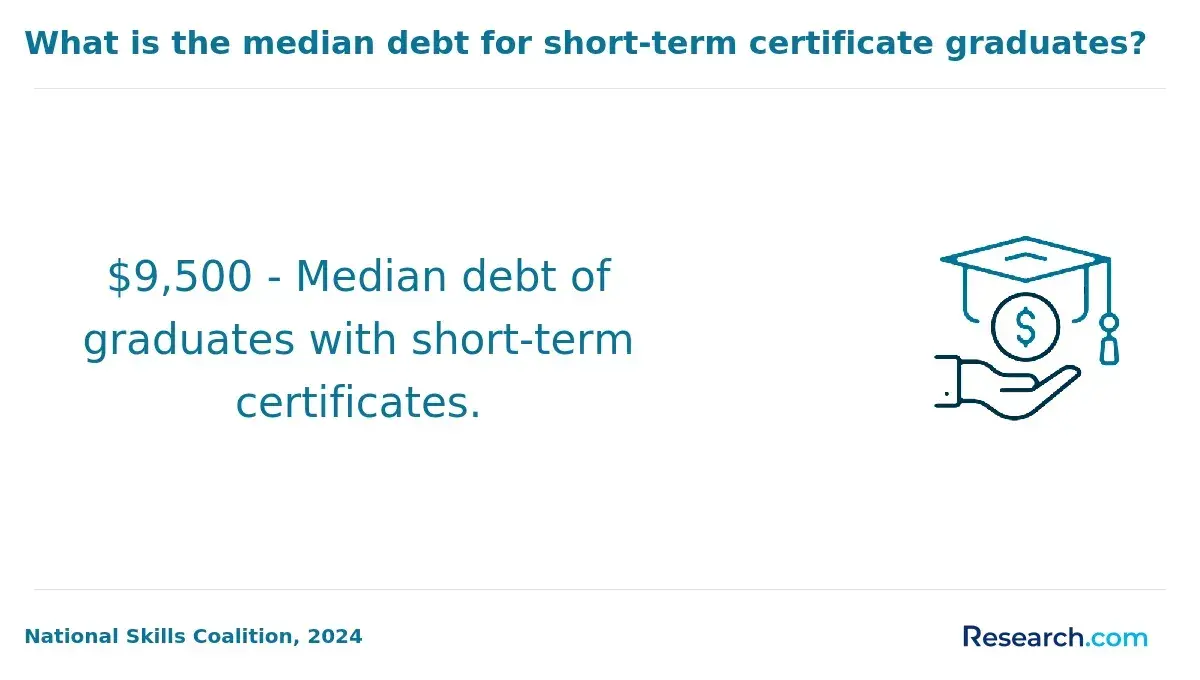
Highest salary potential usually comes from advancement, specialization, or licensure. A bachelor's degree in human services often opens entry-level or mid-support roles, while the largest earnings increases tend to come from becoming a licensed counselor, social worker, rehabilitation counselor, healthcare manager, or social services administrator.
The table below uses BLS May 2024 occupation-level wage data as a salary context, not a guarantee for graduates. It helps show which concentration choices are more likely to connect to higher-paying pathways over time.
| Career direction | Relevant concentration | May 2024 median annual wage context | What raises earning potential |
| Social and community service management | Nonprofit administration, community services, program leadership | $78,240 for social and community service managers | Supervisory experience, budgeting, grant management, data reporting, and leadership roles |
| Social work pathway | Family services, behavioral health, aging, healthcare navigation | $61,330 for social workers | BSW/MSW pathway, state licensure, clinical supervision, and healthcare specialization |
| Behavioral health counseling pathway | Mental health and substance use | $59,190 for substance abuse, behavioral disorder, and mental health counselors | Graduate degree, state counseling licensure, crisis credentials, and addiction specialization |
| Justice and correctional treatment pathway | Reentry, corrections, criminal justice support | $64,520 for probation officers and correctional treatment specialists | Government hiring, public safety clearance, court experience, and case documentation skills |
| Direct human services support | General human services, disability services, family support | $44,240 for social and human service assistants | Experience, certification, bilingual skills, benefits navigation, and movement into coordinator roles |
Institution type matters because higher salary potential may require graduate school. A low-net-cost public program can preserve borrowing capacity for an MSW or counseling degree, while a private nonprofit may be worth the premium if it offers strong field placements, high completion support, and a clear licensure-aligned pathway.
Best entry-level tracks: general human services, behavioral health support, child and family services, disability services, and community health navigation are usually the most accessible for students entering the field with an associate or bachelor's degree. These tracks translate well into coordinator, advocate, intake, outreach, and case aide roles.
Entry-level value depends on how quickly the program helps students build supervised experience. Before enrolling, compare whether the school offers practicums, prior learning credit, evening courses, online course access, and employer partnerships.
| Entry-level goal | Strong concentration choice | Typical first roles | Best school model for access |
| Start working quickly in community agencies | General human services or family support | Case aide, intake assistant, family advocate, residential support coordinator | Community college transfer pathway or public online bachelor's completion program |
| Enter behavioral health support | Mental health and substance use | Behavioral health technician, peer support worker, recovery support specialist | Accredited online or hybrid program with field placements near the student |
| Work with older adults | Aging and gerontology | Care coordinator, senior services assistant, benefits navigator | Flexible nonprofit or public program with healthcare and policy coursework |
| Support clients with disabilities | Disability and rehabilitation services | Vocational support specialist, transition coordinator, independent living advocate | Public university or nonprofit program with rehabilitation partnerships |
| Move toward healthcare support | Community health and patient navigation | Community health worker, outreach specialist, patient navigator | Program with health systems, public health, or medical social services connections |
Students who want direct clinical patient care rather than case management should compare alternatives carefully. For example, a 6 month LPN program online may be a better fit for someone who wants a nursing pathway, while human services is stronger for advocacy, coordination, prevention, and social support roles.
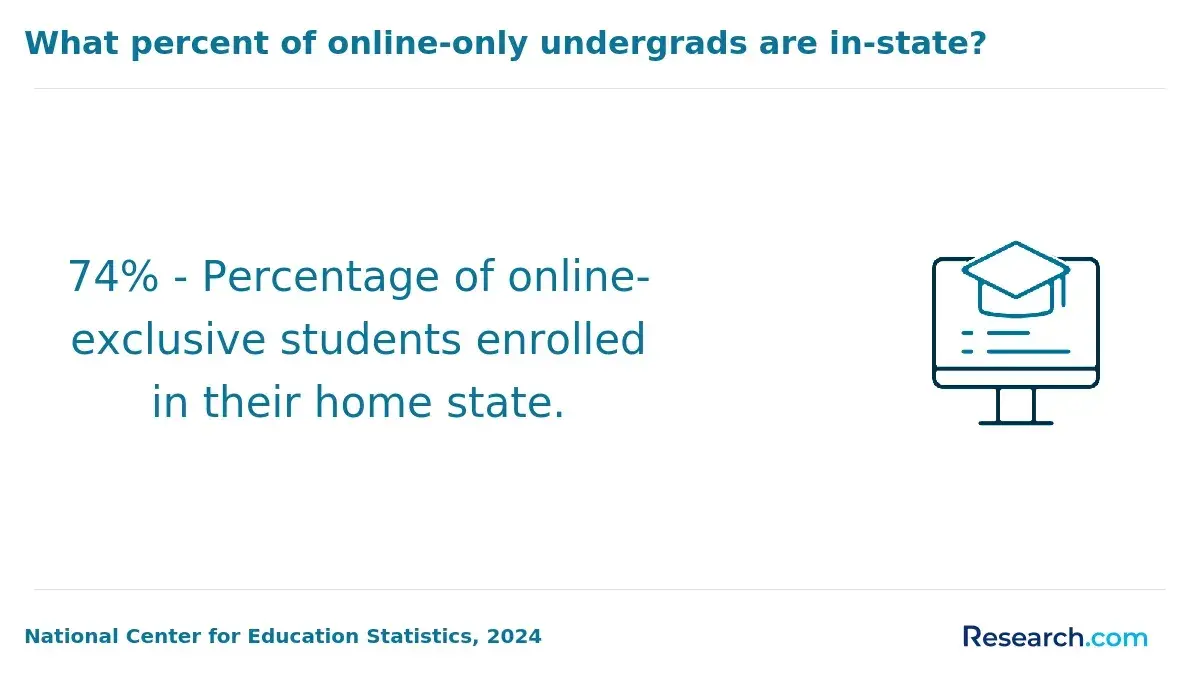
Largest employer categories: human services graduates are commonly hired by public agencies, healthcare and behavioral health providers, schools, residential care organizations, community nonprofits, correctional and reentry programs, and workforce development agencies. The best concentration depends on which employer category you want to enter.
The table below summarizes where hiring commonly occurs and what each employer type tends to value. Use it to match coursework and internships to real job postings rather than choosing a concentration by title alone.
| Employer type | Common roles | Concentrations that fit best | What employers often value |
| County and state human services agencies | Eligibility worker, family services specialist, case manager | Family services, general human services, disability services | Documentation, policy knowledge, client interviewing, and crisis judgment |
| Community mental health and addiction providers | Behavioral health technician, recovery support specialist, intake coordinator | Mental health and substance use | Trauma-informed care, de-escalation, confidentiality, and supervised fieldwork |
| Hospitals and health systems | Patient navigator, discharge support coordinator, community health worker | Community health, aging, healthcare navigation | Care coordination, health literacy, data entry, and cross-disciplinary communication |
| Schools and youth-serving nonprofits | Youth advocate, family liaison, prevention program coordinator | Child, youth, and family services | Mandated reporting awareness, family engagement, and youth development experience |
| Reentry and correctional programs | Reentry specialist, court services assistant, correctional treatment support | Criminal justice and reentry | Risk assessment familiarity, boundaries, documentation, and collaboration with courts |
| Nonprofit organizations | Program coordinator, volunteer manager, outreach specialist | Nonprofit administration, community services | Grant reporting, program evaluation, communication, and community partnership skills |
Private nonprofit colleges sometimes justify higher tuition when they have deep regional employer networks, smaller field-placement cohorts, and stronger advising. Private for-profit programs require closer scrutiny: students should verify accreditation, transferability, graduation outcomes, debt levels, and whether local employers recognize the credential.
Best job markets: human services demand is usually strongest in large metro areas, state capitals, healthcare hubs, regions with aging populations, and counties with expanded behavioral health or social service funding. Rural areas may have fewer openings but can offer broader responsibilities and stronger need for generalists.
Remote work exists in human services, but it is not evenly distributed. Fully remote roles are more common in intake, benefits navigation, care coordination, crisis lines, insurance-connected social support, program administration, grant work, and data reporting than in residential care, outreach, or child welfare field visits.
- Choose campus or hybrid study if you need local practicum access, face-to-face advising, agency introductions, or a cohort experience.
- Choose online study if you are already working in the field, need schedule flexibility, or can complete internships locally with school approval.
- Avoid assuming online is automatically cheaper because technology fees, out-of-state tuition rules, practicum travel, and slower completion can change total cost.
- Check state-specific requirements if your concentration connects to counseling, social work, addiction credentialing, school settings, or case management certifications.
Students interested in rehabilitation, wellness, and community health may also compare human services with an online kinesiology degree, especially if they want roles connected to physical activity, health promotion, disability support, or wellness programming rather than social service casework.
Most valuable skills: employers look for graduates who can document cases accurately, communicate with clients under stress, understand benefits systems, coordinate services, protect confidentiality, and use data responsibly. AI tools are increasingly used for documentation support, scheduling, reporting, and resource matching, but human judgment remains central because clients often face complex legal, health, housing, and safety issues.
Certifications and add-on training can increase the practical value of a concentration, especially when they align with local job postings. Requirements vary by state and employer, so students should verify rules before paying for a certificate.
- Behavioral health and crisis skills: mental health first aid, suicide prevention training, trauma-informed care, motivational interviewing, and de-escalation training.
- Substance use support: peer recovery credentials, addiction studies coursework, harm reduction training, and supervised field hours where required.
- Case management and benefits navigation: Medicaid, SNAP, housing assistance, disability benefits, care planning, and referral documentation.
- Data and compliance: HIPAA awareness, mandated reporting, electronic case records, program evaluation basics, and outcome tracking.
- Language and community competence: bilingual communication, cultural humility, interpreter collaboration, and community outreach experience.
Students comparing healthcare-facing credentials should be clear about scope. Human services prepares graduates for coordination and support roles, while clinical pharmacy pathways are longer and more science-intensive; someone considering that direction can compare the commitment required for pharmacy school online before deciding whether human services is the better fit.
Best ROI concentration: for many students, the strongest return comes from mental health/substance use, community health navigation, aging services, disability services, or nonprofit administration when the program has low net cost, strong field placement, and a realistic path to advancement. The best ROI institution model is usually the one that gets the student to completion with the least unnecessary debt while preserving credibility.
The table below compares institution and delivery models by value factors. It does not rank every school; it shows what trade-offs students should test before enrolling.
| Model | Cost profile | Credibility factors | Flexibility | ROI watchouts |
| Public university | Often strongest sticker-price value for in-state students | Regional accreditation, employer familiarity, transfer pathways | Varies; many now offer online completion options | Large classes, limited advising, and course sequencing can delay graduation |
| Private nonprofit college | Higher sticker price, but scholarships may reduce net cost | May offer strong advising, mission fit, and employer relationships | Often good for adult learners if online or hybrid | Premium tuition is hard to justify without clear outcomes and field support |
| Private for-profit institution | Can be convenient but requires careful net-price and debt review | Must verify accreditation, transferability, and employer acceptance | Often high flexibility for working adults | Credits may not transfer easily, and student support quality varies widely |
| Online delivery | Can reduce commuting and opportunity costs | Respected when the institution is accredited and fieldwork is legitimate | Usually strongest option for working adults and caregivers | May be weaker if internships, advising, or local employer connections are poorly supported |
| Community college to bachelor's transfer | Often lowest total cost when credits transfer cleanly | Strong if articulation agreements are clear | Good for phased enrollment | Lost credits can erase savings, so transfer planning is essential |
To evaluate ROI, compare total cost rather than tuition alone. Include fees, books, lost work hours, commuting, internship travel, transfer credits accepted, time to completion, likely borrowing, and whether the concentration leads to jobs in your local market.
Students who like data-heavy healthcare problems more than direct client services may want to compare alternatives before committing. A guide on what jobs can you get with a bioinformatics degree can help clarify whether a technology-centered health career would provide a better long-term fit.
Strongest long-term job security: concentrations tied to essential services, licensed pathways, healthcare coordination, and public funding usually offer the most durable demand. Mental health/substance use, aging services, disability services, family services, and community health navigation are stronger security bets than narrow tracks without clear employer categories.
Long-term security also depends on choosing the right school model. A respected, accredited, affordable program with strong completion support is safer than a prestigious or flexible program that leaves the student with excessive debt, weak field experience, or credits that do not transfer.
- Choose a public program if you want a lower net cost, strong transfer options, and broad employer recognition, especially as an in-state student.
- Choose a private nonprofit program if scholarships, advising, smaller cohorts, and field-placement relationships offset the higher sticker price.
- Consider a private for-profit program only after verification of accreditation, total cost, graduate outcomes, credit transferability, and employer acceptance in your region.
- Choose online delivery when flexibility improves your odds of graduating, but confirm practicum placement, state authorization, and support services before enrolling.
- Consider a different major if your goal is a high starting salary, direct clinical diagnosis, nursing practice, or advanced healthcare science without graduate education.
The most common mistake is choosing a concentration because it sounds meaningful without checking job postings, wage levels, credential requirements, and placement support. A better approach is to identify three target jobs first, then choose the concentration and institution model that most directly prepares you for them at the lowest responsible total cost.
Most consistent hiring demand: concentrations tied to essential public benefits, healthcare access, mandated services, and crisis response tend to hire more steadily than tracks dependent only on short-term grants. That makes behavioral health, child and family services, disability services, aging services, and reentry support more resilient than narrow nonprofit specialties.
Hiring consistency is different from rapid growth. Students should evaluate whether local employers repeatedly hire for the same roles, whether those roles require a bachelor's degree, and whether the program includes practicum experience in the relevant setting.
- Behavioral health and substance use: consistent demand appears in community mental health centers, addiction treatment providers, crisis lines, hospitals, and county agencies.
- Child, youth, and family services: demand is steady in child welfare, family resource centers, school-linked nonprofits, youth shelters, and prevention programs, though turnover can be high.
- Aging services: hiring is consistent because older adults often need benefits navigation, housing support, caregiver services, and long-term care coordination.
- Disability services: employers include school districts, vocational rehabilitation agencies, supported employment providers, independent living centers, and residential service organizations.
- Reentry and correctional treatment: demand is steady where courts, probation departments, and community supervision programs fund transition services.
For working adults, online programs can improve access if they are accredited and have strong local internship coordination. A student who is already employed in a community agency may gain more ROI from a flexible online or hybrid nonprofit program than from a lower-priced campus program that delays graduation.
Other Things You Should Know About Human Services
Mental health and substance use is often the strongest overall choice for growth, but "best" depends on your goals. Aging services, disability services, community health, and nonprofit administration may offer better fit or ROI for specific students.
Yes, if it comes from an accredited institution and includes credible fieldwork or internship experience. Employers usually care more about accreditation, practical skills, documentation ability, and relevant experience than whether coursework was online.
Public colleges often offer better value for in-state students, while private nonprofit colleges may be worth it when scholarships, advising, and field placement are strong. Compare net price, not sticker price, before deciding.
Sometimes, but requirements vary by state and occupation. A bachelor's in human services may support entry-level roles or graduate admission, while counseling, clinical social work, and some addiction credentials often require specific degrees, supervised hours, exams, or state-approved coursework.
- Health Workforce Projections | Bureau of Health Workforce https://bhw.hrsa.gov/data-research/projecting-health-workforce-supply-demand
- Health and Human Services: Campus & Online Degrees and Careers https://www.publichealthonline.org/human-services/online-degree-programs/
- Top Degrees in Demand for the Future: 2026 & Beyond https://skillifysolutions.com/blogs/career-growth/top-degrees-in-demand-for-the-future/
- The Future of Human Services Delivery - Resultant Group https://resultantgroup.com/the-future-of-human-services-delivery/
- 6 Trends in Human Services That Will Change the Face of the Field | ANCOR https://www.ancor.org/connections/6-trends-human-services-will-change-face-field/
- 5 Trends Driving the Future of Human Services https://www.govtech.com/health/5-Trends-Driving-the-Future-of-Human-Services.html
- Careers with a Degree in Human Services https://www.mhaonline.com/faq/careers-with-degree-in-human-services
- Choosing a bachelor's in human services | edX https://www.edx.org/resources/how-to-choose-a-bachelors-in-human-services